
April 27, 2026
How to Make Your Move Eco-Conscious
How to make your move eco-conscious plays a crucial role in shaping how individuals plan, manage, and execute a relocation with greater awareness and responsibility. Moving is often seen as a resource-intensive process, involving excess materials, repeated transportation, and unnecessary waste. However, with thoughtful planning and intentional decision-making, a move can be both efficient and environmentally mindful without adding stress or complexity.
Unlike general moving advice, making your move eco-conscious emphasizes systems thinking. It requires looking at the entire process—from preparation and packing to transport and setup—as a connected workflow. Each decision influences the next, and small adjustments made early can significantly reduce environmental impact while also improving efficiency and organization.
One of the most important foundations of an eco-conscious move is preparation. Rushed moves often lead to wasteful choices, such as overpacking, excessive purchasing, or last-minute disposal. Planning ahead allows individuals to align timelines, resources, and actions in a way that minimizes waste and maximizes reuse. Preparation creates space for thoughtful choices instead of reactive ones.
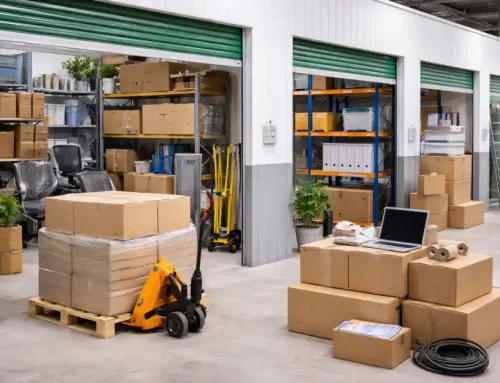
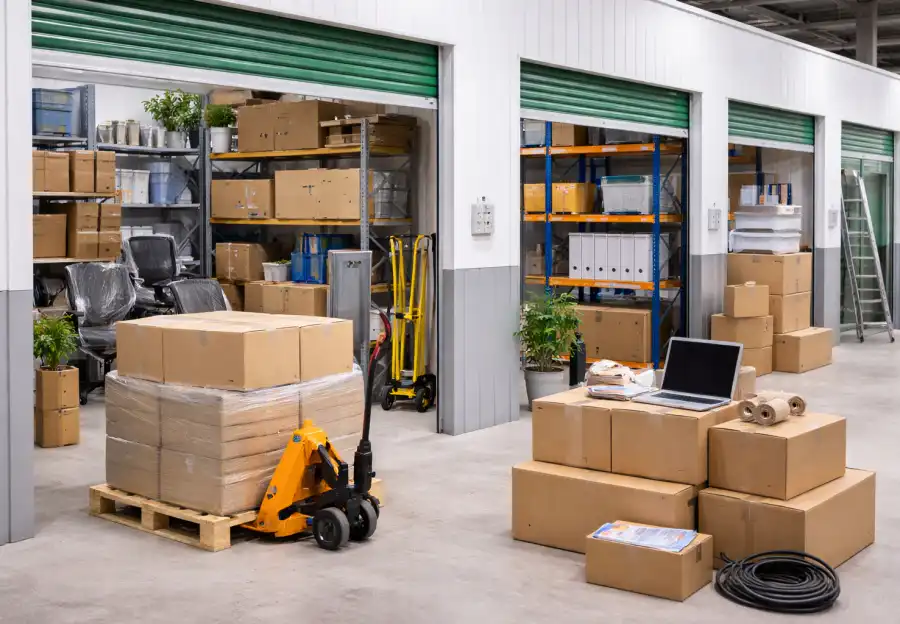
Organization is central to sustainability. When belongings are sorted intentionally, it becomes easier to identify what truly needs to be moved. Items that are no longer useful or necessary can be responsibly removed from the process early, reducing volume and transportation demands. This streamlined approach benefits both the environment and the mover by lowering effort and complexity.
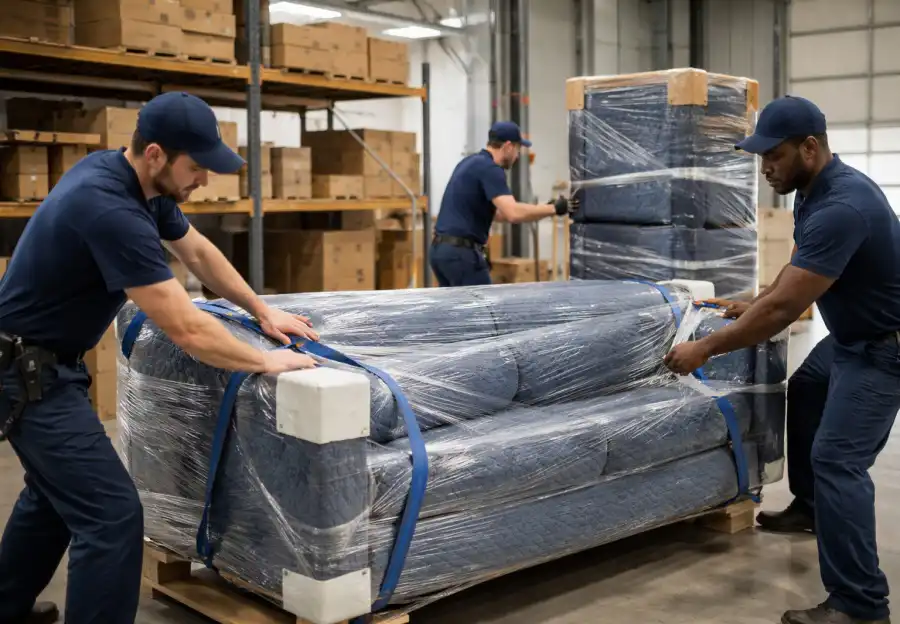
Efficiency plays a dual role in eco-conscious moving. Efficient workflows reduce unnecessary repetition, which in turn conserves energy and resources. Handling items fewer times, reducing travel back and forth, and minimizing idle periods all contribute to lower environmental impact. Efficiency is not about speed—it is about alignment and flow.
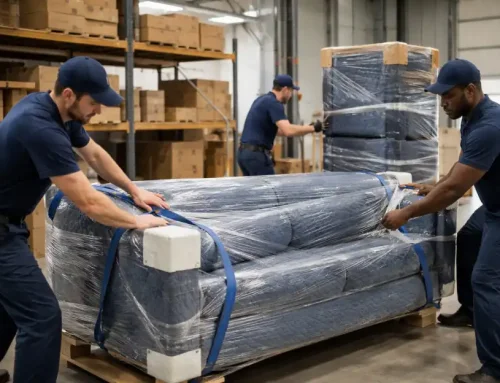
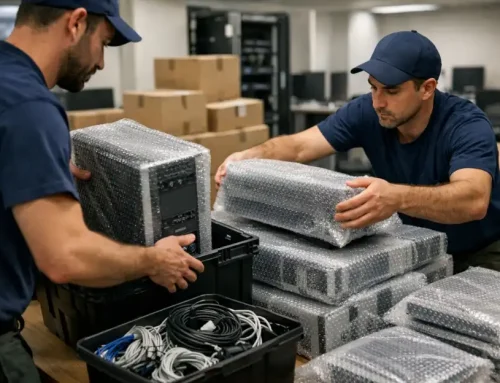
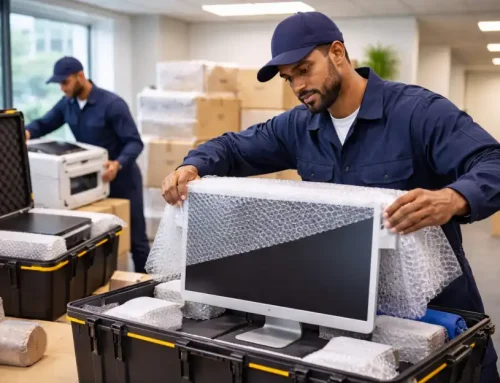
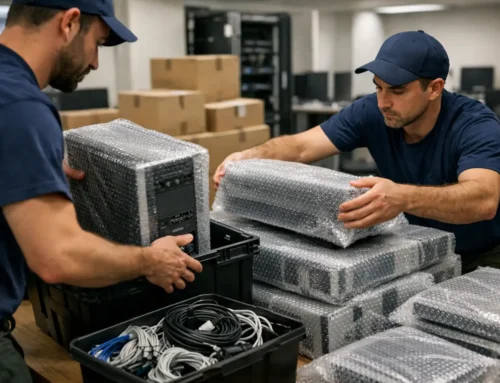
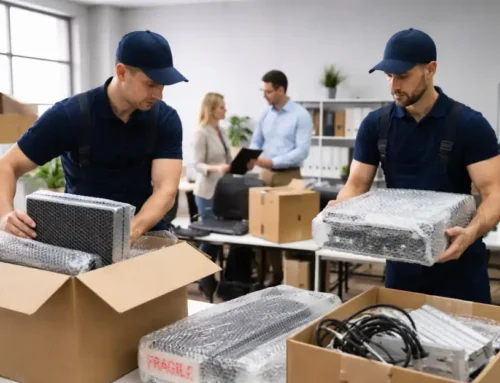
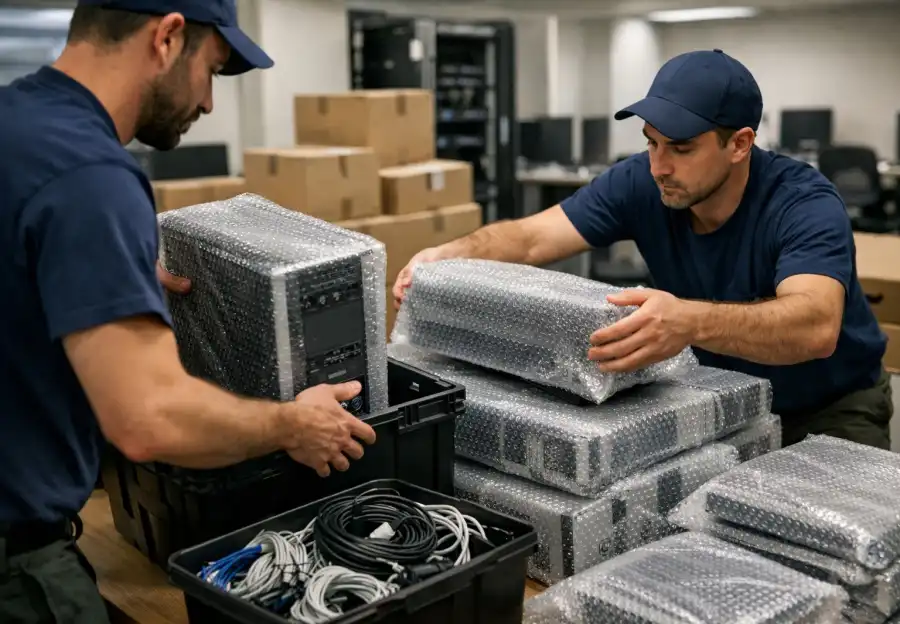
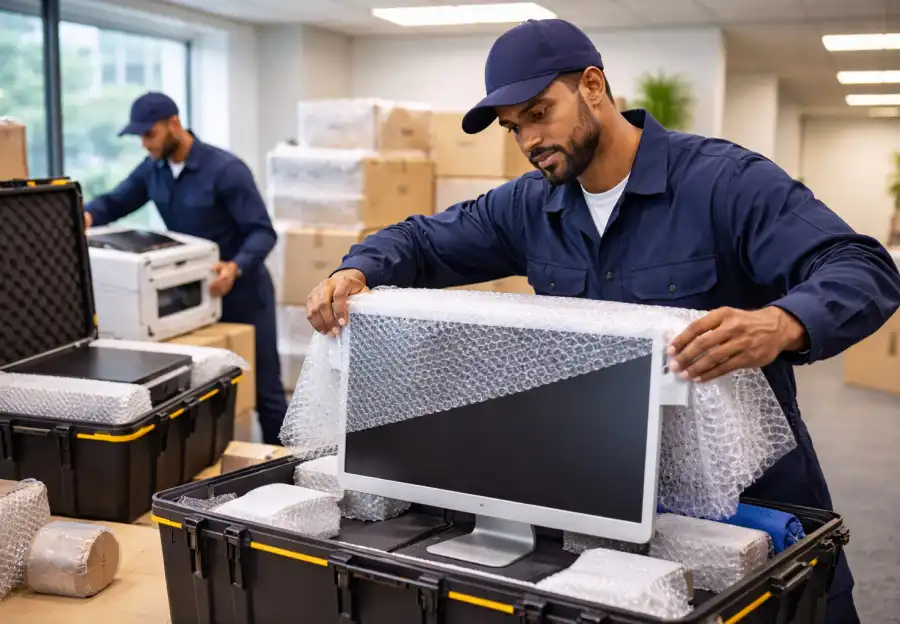
Another key aspect of eco-conscious moving is mindful handling of materials. Moving often involves temporary resources that are discarded shortly after use. An intentional approach encourages reuse, durability, and moderation. Choosing materials that can be reused or repurposed extends their lifecycle and reduces waste. This mindset also promotes better organization and protection of belongings.
Transportation decisions significantly influence the environmental footprint of a move. Planning routes, consolidating loads, and avoiding unnecessary trips all reduce fuel consumption and emissions. When transportation is treated as part of a larger system rather than a standalone task, its efficiency improves naturally. Thoughtful coordination reduces both stress and environmental cost.
Psychological relief is an often-overlooked benefit of an eco-conscious move. Waste and clutter contribute to mental fatigue. Knowing that decisions align with personal values creates a sense of integrity and calm. Order and predictability replace guilt and uncertainty, making the move feel purposeful rather than chaotic.
Another important element is adaptability. Eco-conscious moving does not require perfection. Unexpected challenges may arise, but a flexible mindset allows individuals to adjust while still maintaining responsible practices. Sustainability is about intention and consistency, not rigid rules. This adaptability prevents frustration and supports steady progress.
Making a move eco-conscious also improves prioritization. When individuals consider environmental impact, they naturally focus on what matters most. This clarity reduces unnecessary work and strengthens decision-making. Prioritization becomes easier when guided by both practicality and responsibility.
Environmental awareness during a move often leads to long-term behavior changes. The habits developed—such as mindful consumption, efficient organization, and waste reduction—extend beyond relocation. These skills influence daily life, improving how individuals manage resources, space, and time in the future.
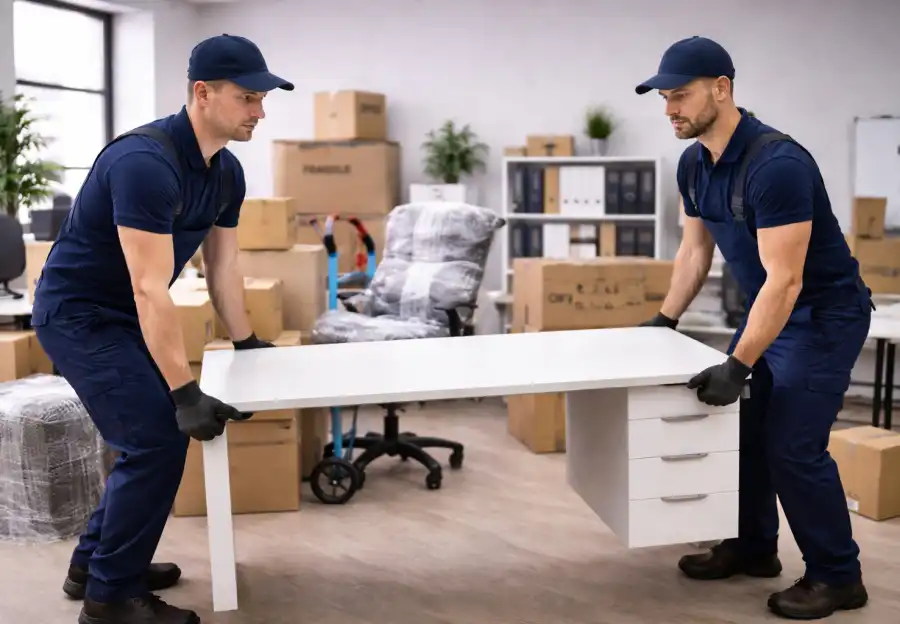
Another benefit is physical well-being. Reducing volume and repetition lowers physical strain. Fewer items mean less lifting, fewer trips, and reduced risk of injury. Eco-conscious choices often align with safer, more manageable workflows.
Financial clarity is also enhanced. Wasteful practices often cost more—through excess purchases, fuel usage, or disposal fees. Eco-conscious planning supports cost efficiency by minimizing unnecessary spending. Responsibility and affordability frequently work together when decisions are intentional.
Making a move eco-conscious also strengthens coordination with others. When shared goals are clear, communication improves. Whether working with family, helpers, or service providers, a common framework reduces confusion and conflict. This shared structure supports smoother execution and better outcomes.
Another important aspect is time management. Sustainable moves benefit from realistic pacing. Rushing leads to waste, while thoughtful timing allows for reuse and careful handling. Building adequate time into the plan prevents shortcuts that compromise both efficiency and responsibility.
Eco-conscious moving also supports community well-being. Reduced waste, lower emissions, and responsible disposal benefit shared environments. Individual choices contribute to broader environmental outcomes, reinforcing the idea that small actions matter.
There is also a sense of empowerment that comes from aligning action with values. Moving is a significant life event, and handling it responsibly reinforces confidence and self-efficacy. Individuals gain trust in their ability to manage complex transitions thoughtfully.
Ultimately, how to make your move eco-conscious is about integrating sustainability into structure. It is not about adding extra work, but about making smarter choices within existing processes. When planning, organization, efficiency, and environmental awareness work together, moving becomes more intentional and less burdensome.
Mastering this approach transforms relocation into an opportunity rather than a disruption. It reduces stress, conserves resources, and supports long-term habits that extend far beyond the move itself. By treating sustainability as part of the system rather than an afterthought, individuals create a transition that is not only efficient and organized, but also responsible and forward-looking—benefiting both their new space and the world around them.