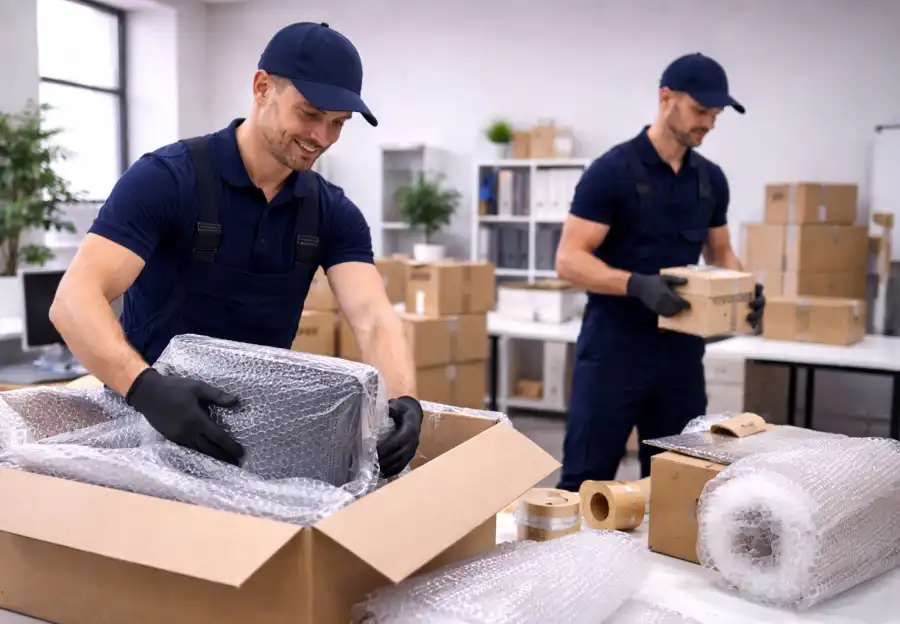
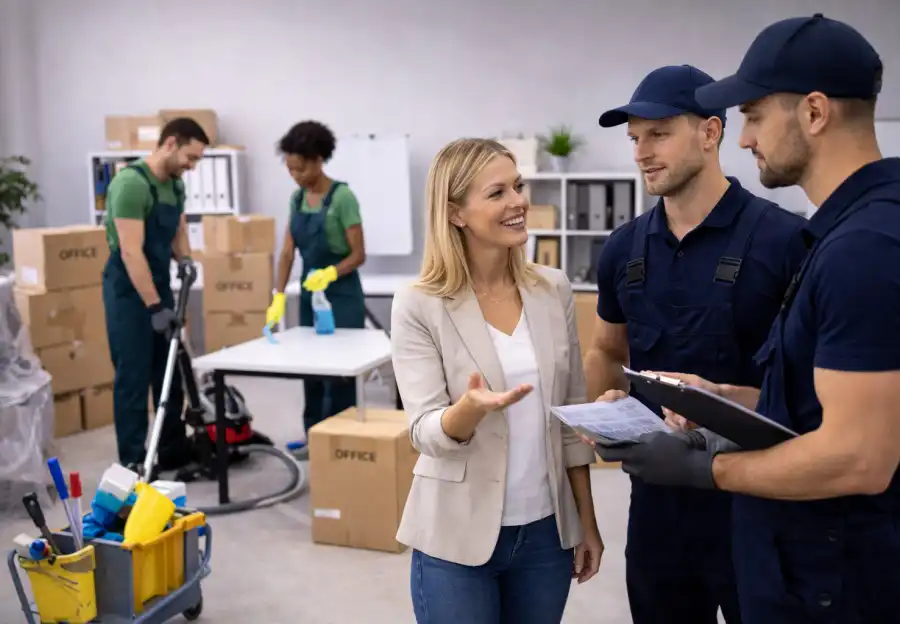
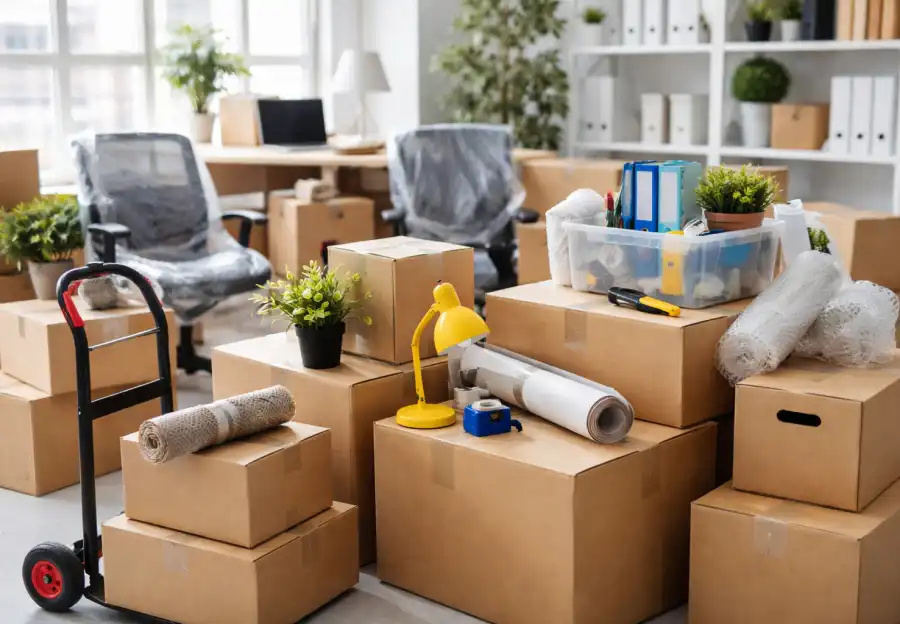
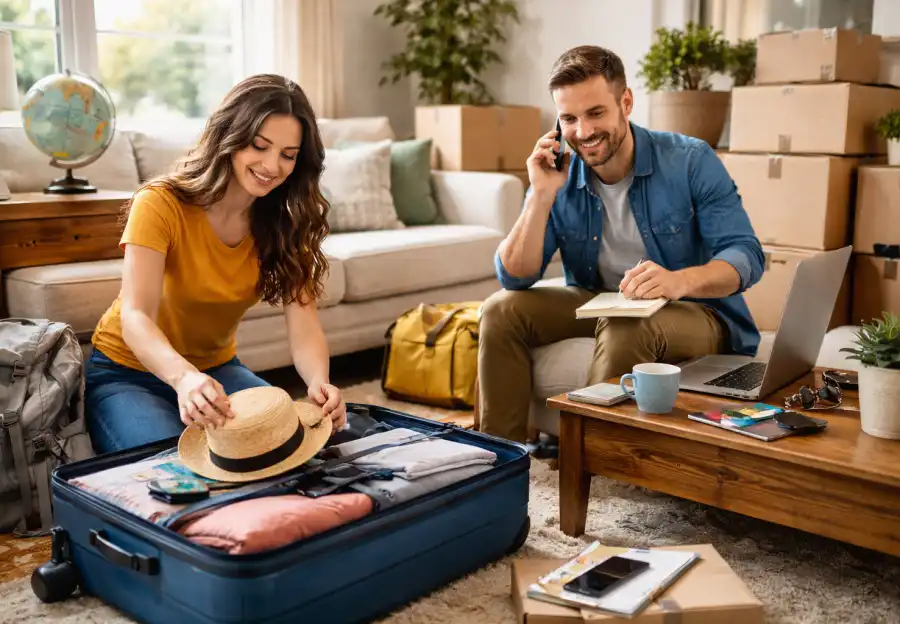
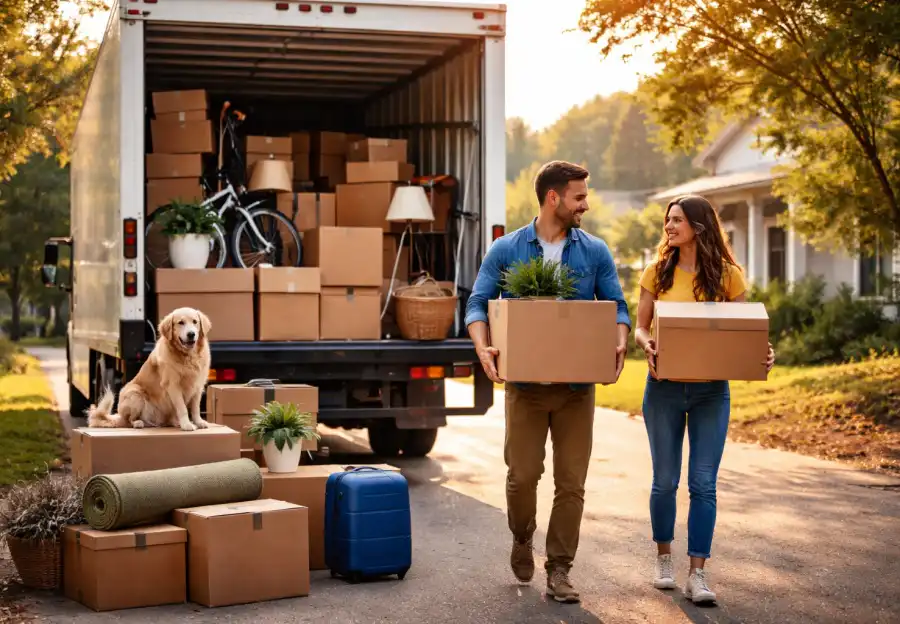
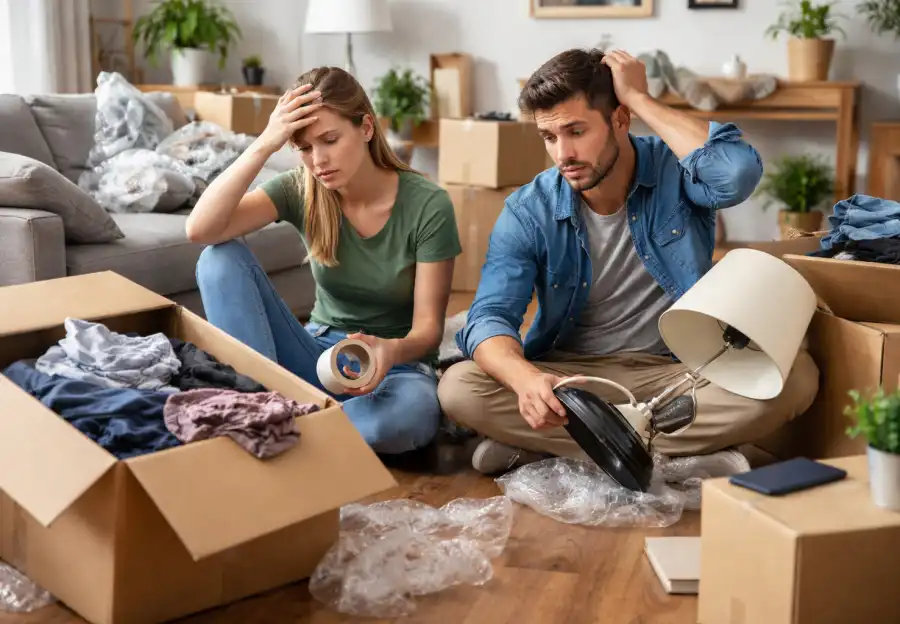
How to make unpacking fun plays a crucial role in shaping how individuals plan, manage, and experience the final stage of a move. While packing and moving often receive the most attention, unpacking is where a new space truly becomes a home. Unfortunately, unpacking is also where energy, motivation, and patience often run out. Without the right approach, it can feel overwhelming, monotonous, and emotionally draining.
Unlike general moving advice, making unpacking fun focuses on mindset, pacing, and intentional engagement rather than speed alone. Unpacking does not have to be a chore that drains enthusiasm. When approached thoughtfully, it can become an empowering, even enjoyable process that restores a sense of control and excitement after the disruption of a move.
One of the most important shifts in making unpacking fun is reframing its purpose. Unpacking is not simply about emptying boxes—it is about creating a space that supports comfort, identity, and routine. Viewing unpacking as an act of building rather than finishing helps transform it from an obligation into an opportunity. This perspective immediately reduces mental resistance and emotional fatigue.
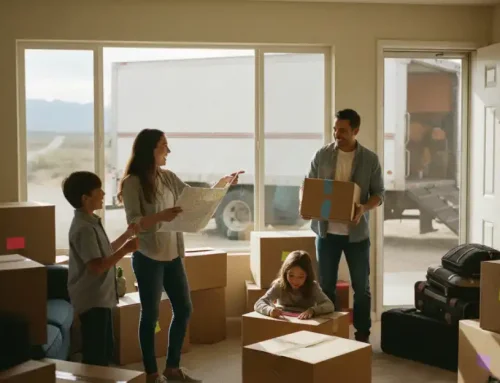
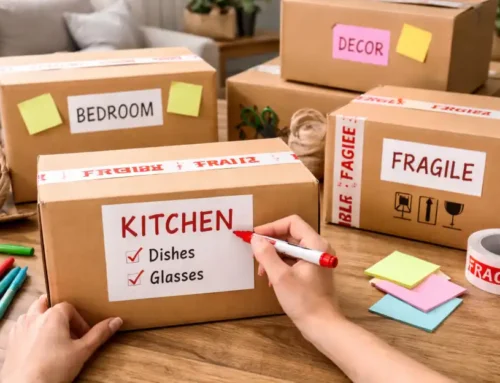
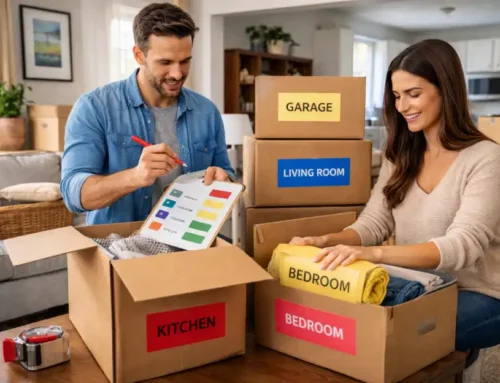
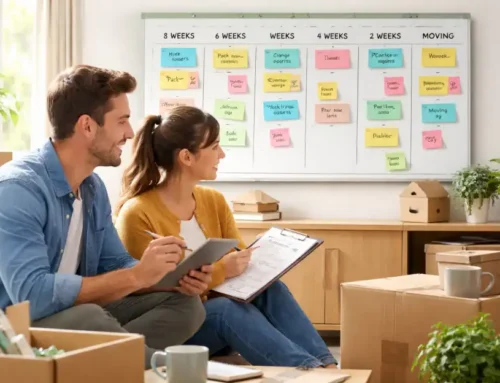
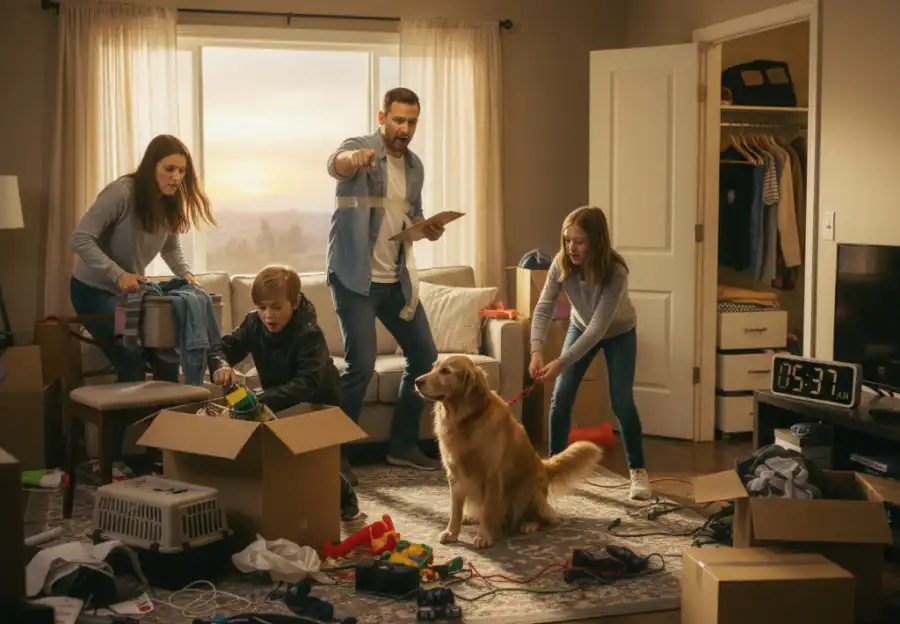
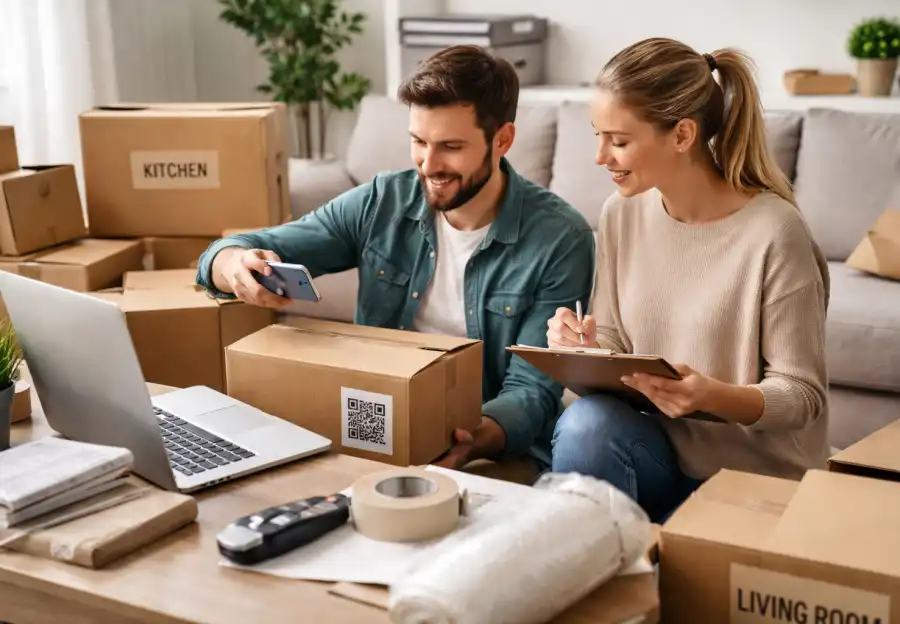
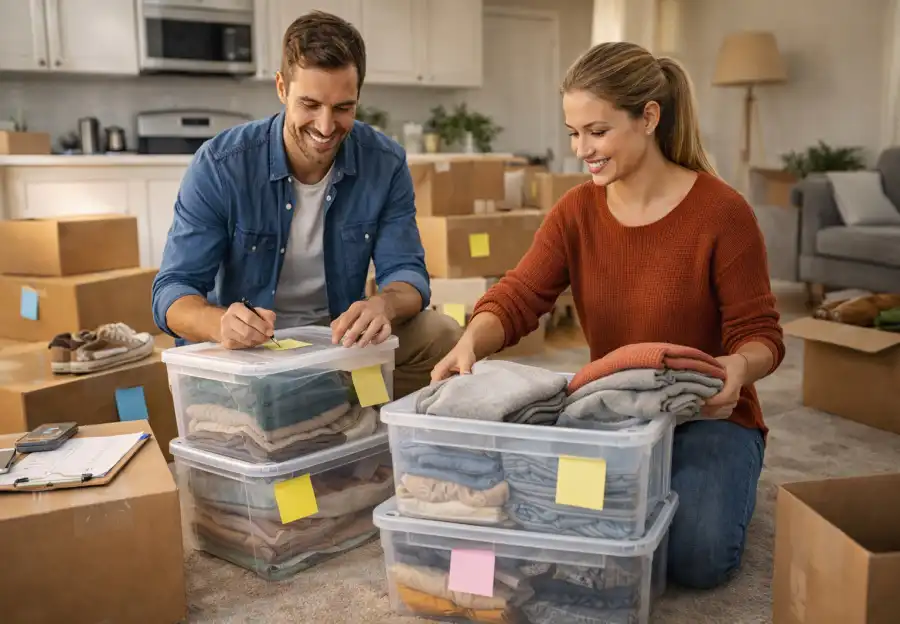
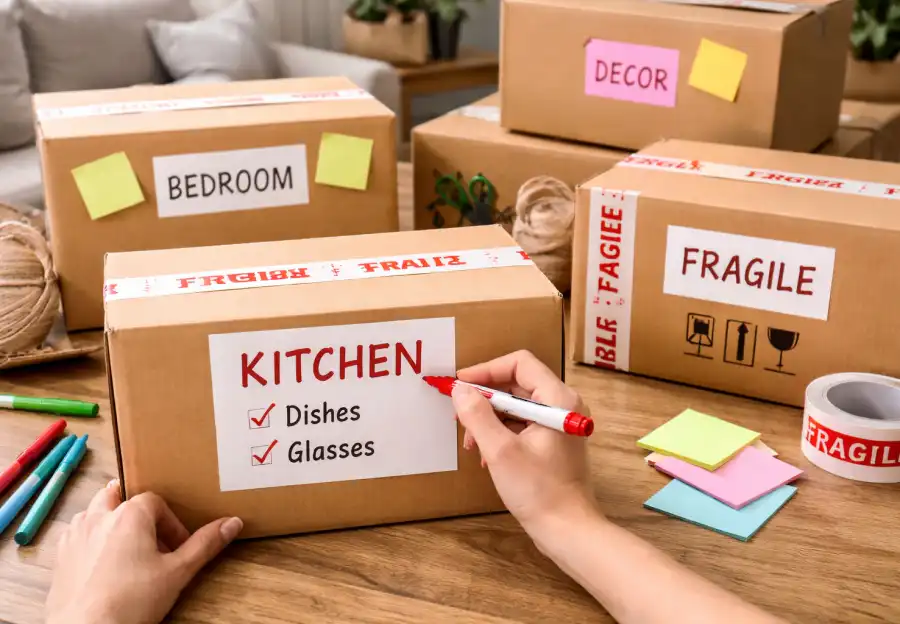
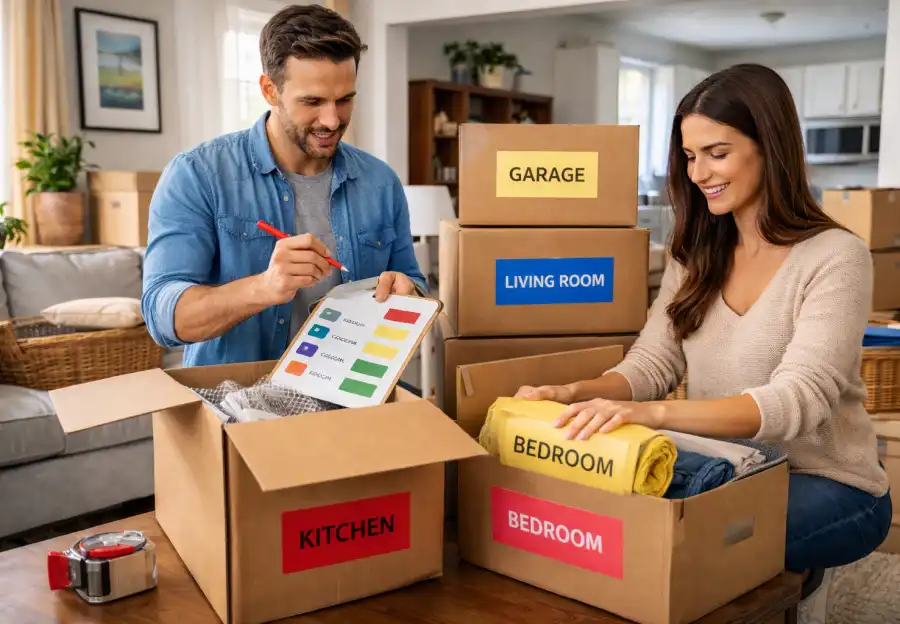
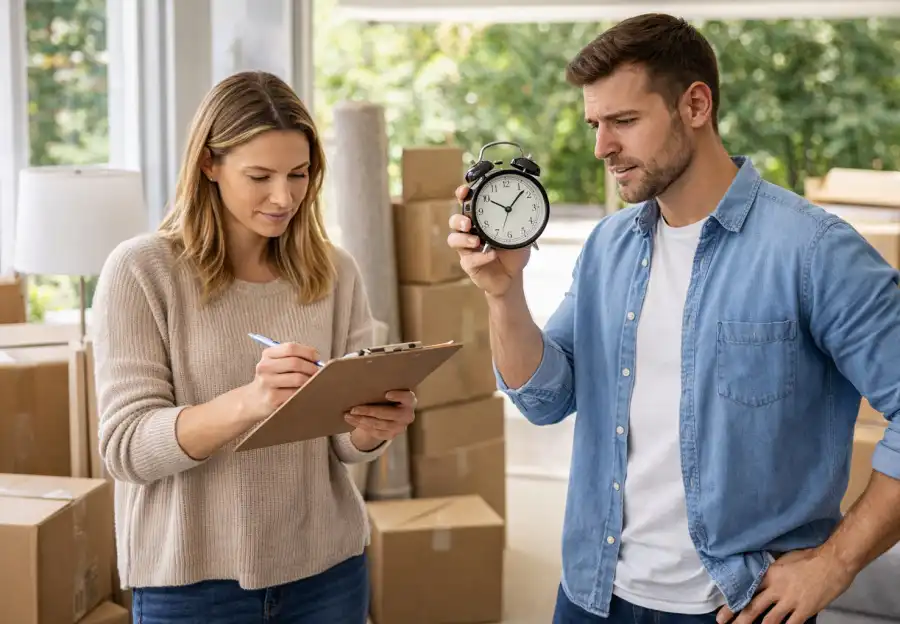
Organization plays a key role in enjoyment. When unpacking is chaotic, it feels endless. When it is structured, progress becomes visible. Clear sequencing—deciding what gets unpacked first and what can wait—creates momentum. Each completed step reinforces a sense of accomplishment, which naturally boosts motivation and enjoyment.
Breaking unpacking into manageable sessions is another powerful strategy. Long, exhausting unpacking marathons often lead to burnout. Short, focused sessions feel achievable and leave energy for rest or enjoyment. Ending a session with visible progress creates positive reinforcement, making it easier to return willingly rather than out of obligation.
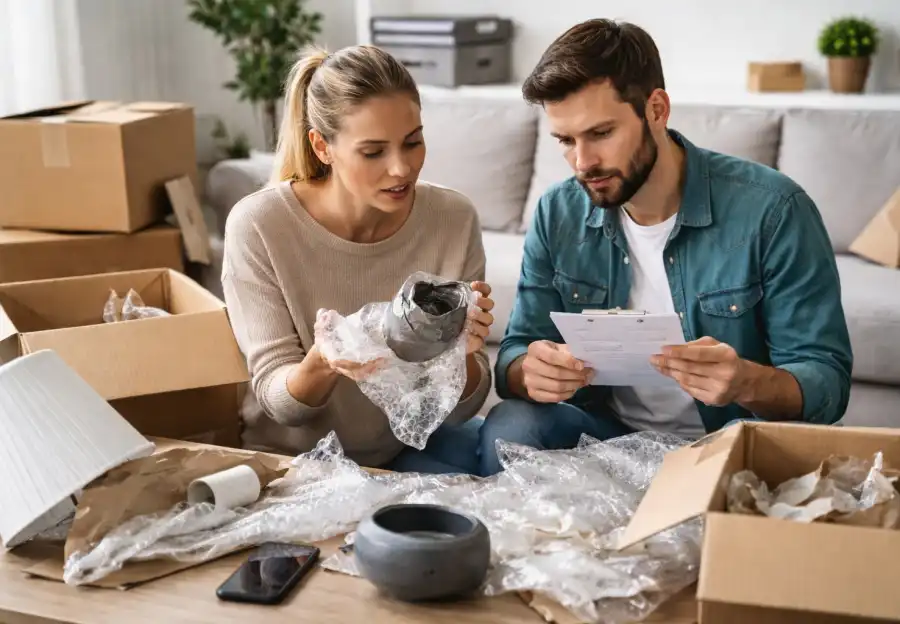
Efficiency contributes directly to enjoyment. When items are easy to find and spaces are prepared before unpacking begins, frustration decreases. Smooth workflows reduce repeated handling and unnecessary decisions. Less friction means more satisfaction, and satisfaction makes the process feel lighter and more engaging.
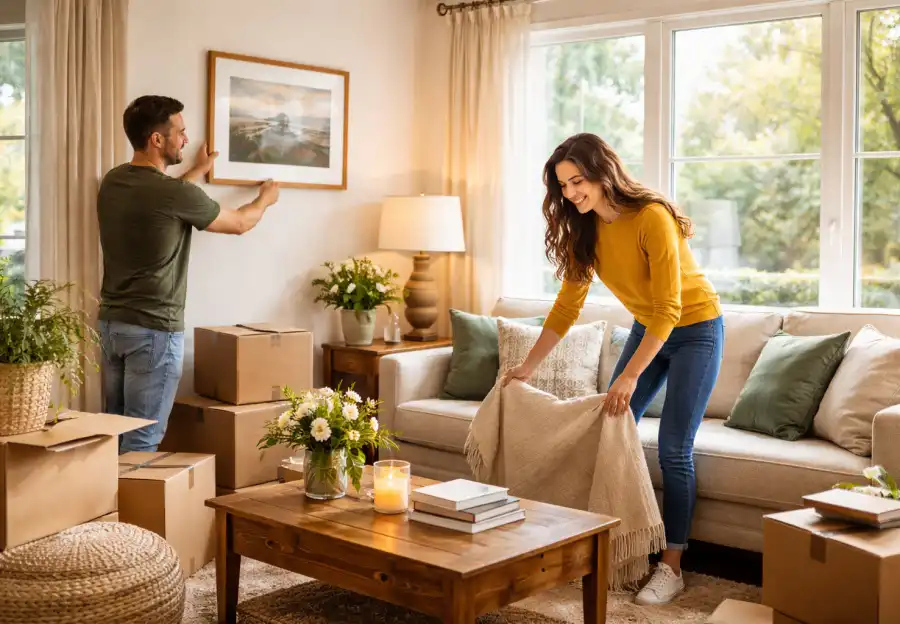
Making unpacking fun also involves personal expression. Unpacking is the moment when choices become visible—where items go, how spaces feel, and what atmosphere is created. Allowing creativity into this process transforms it from a task into a form of self-expression. Even small decisions, when made intentionally, can feel rewarding.
Psychological relief is another key benefit of an enjoyable unpacking process. Moving often leaves people feeling unsettled. Unpacking restores predictability, familiarity, and order. Each unpacked box reduces mental clutter and reinforces stability. When unpacking feels positive, this emotional grounding happens faster and more naturally.
Another important factor is pacing expectations. Not everything needs to be perfect immediately. Allowing spaces to evolve over time removes pressure and makes unpacking feel exploratory rather than demanding. This relaxed approach encourages curiosity and enjoyment instead of stress.
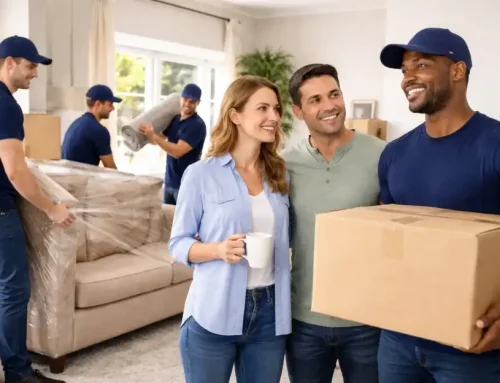
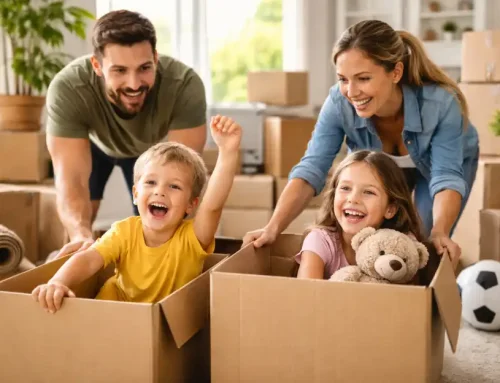
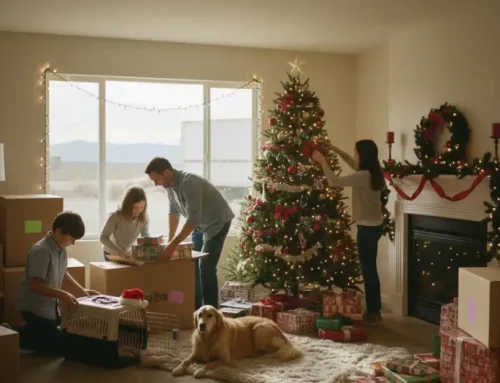
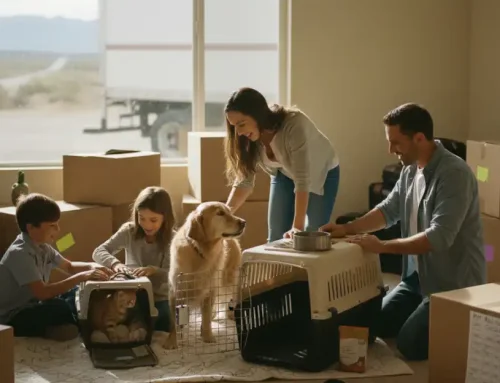
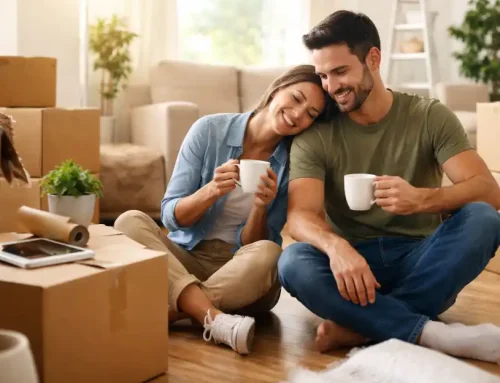
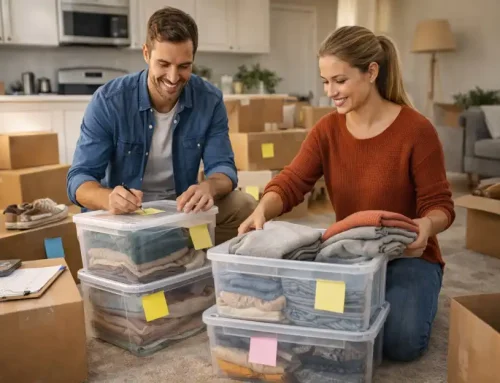
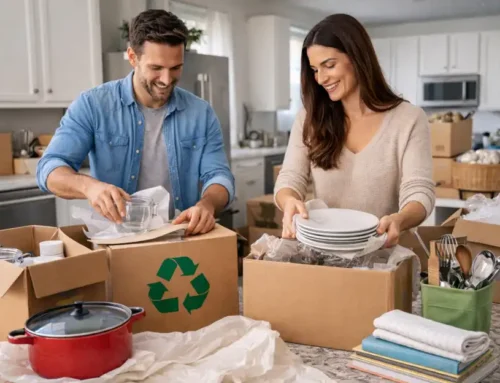
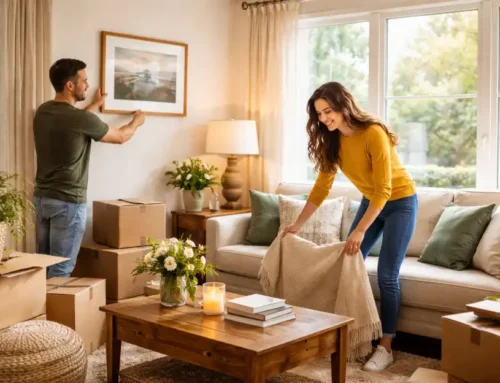
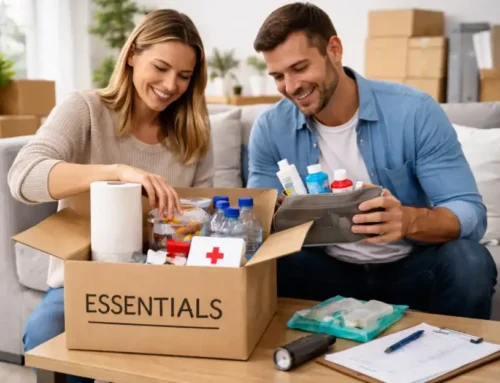
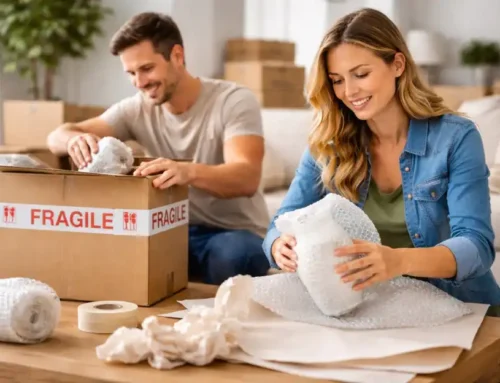
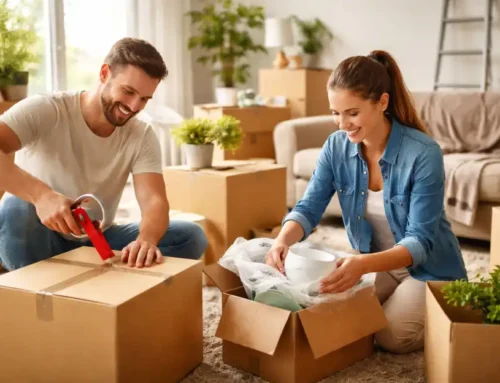
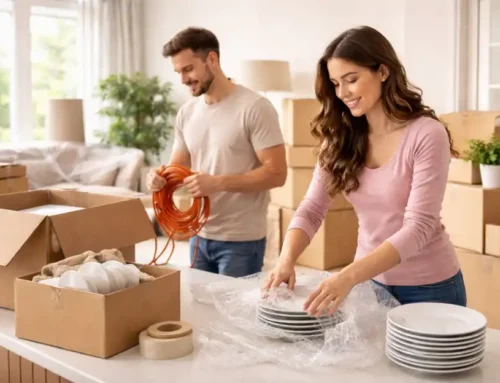
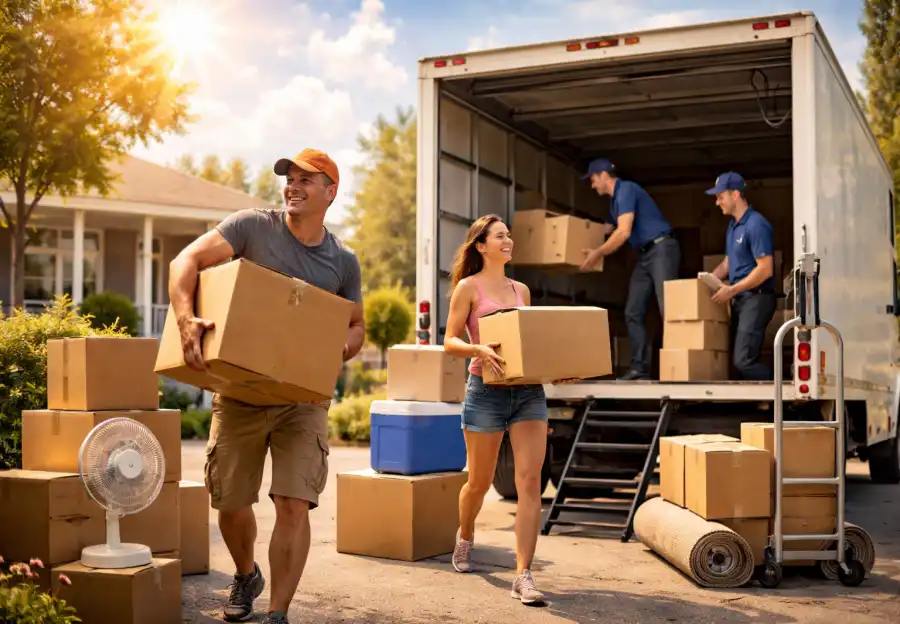
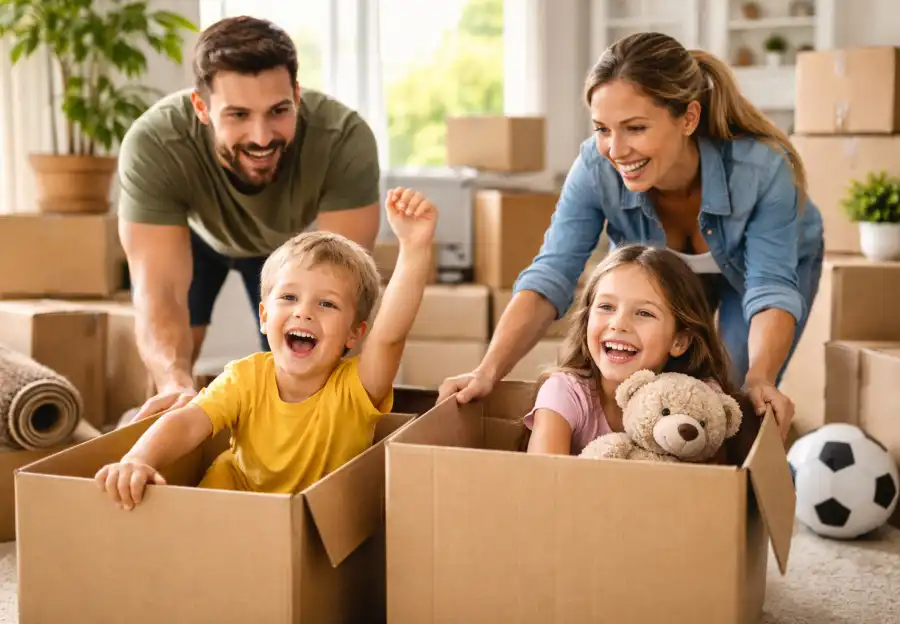
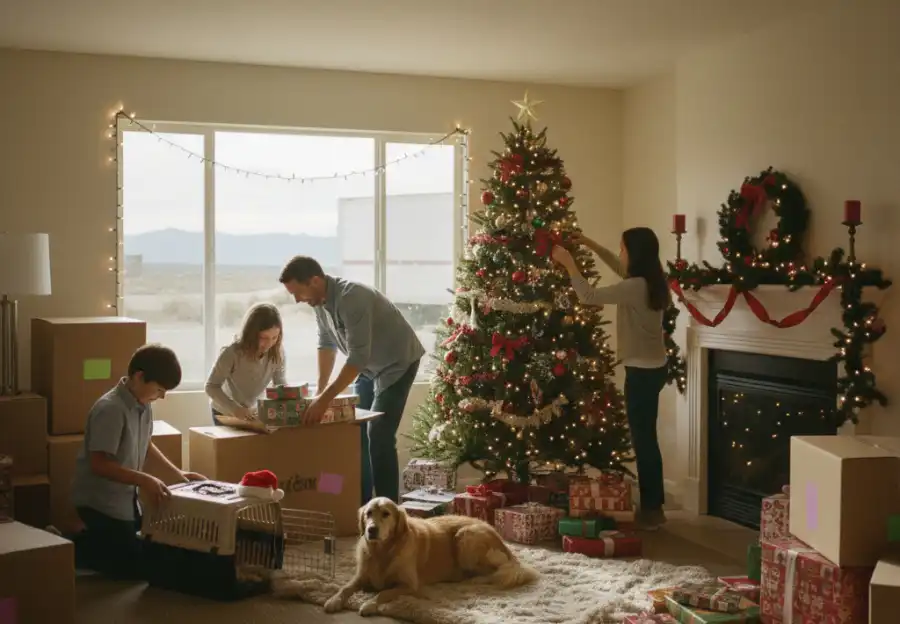
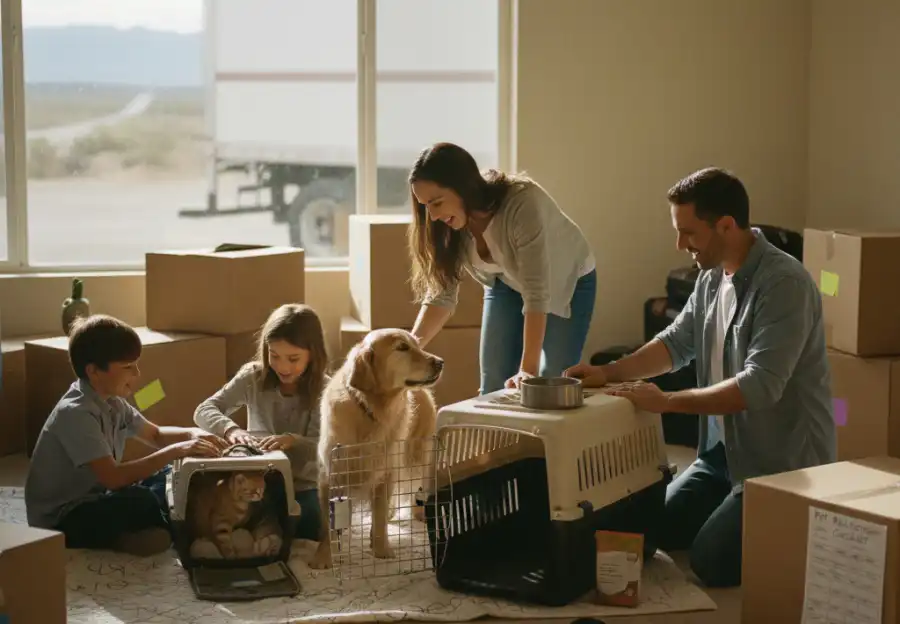
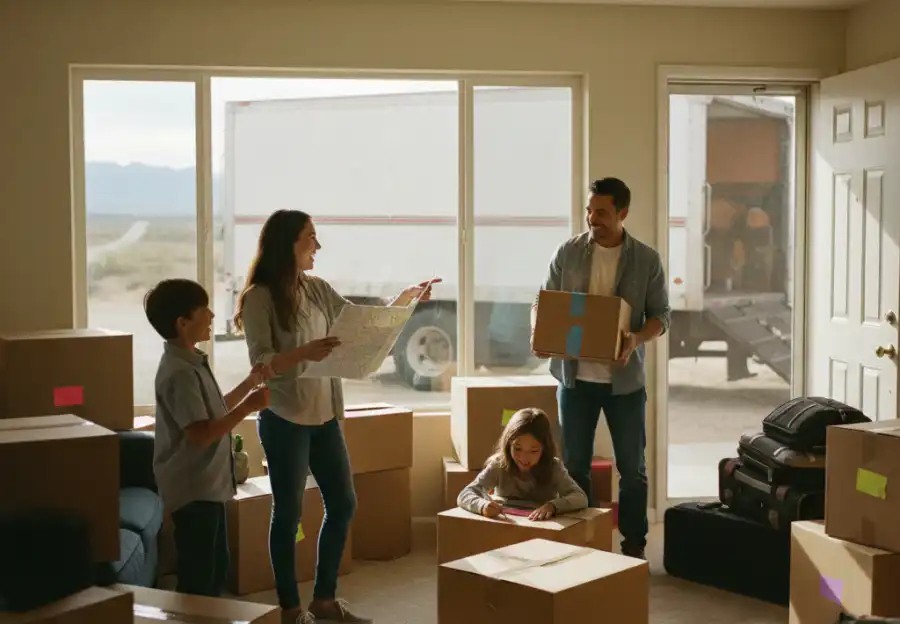
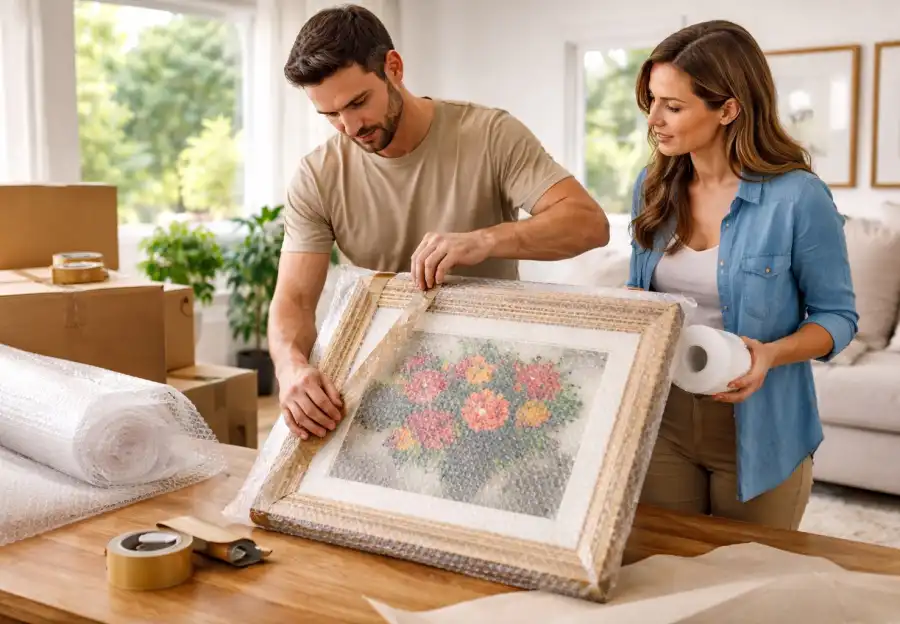
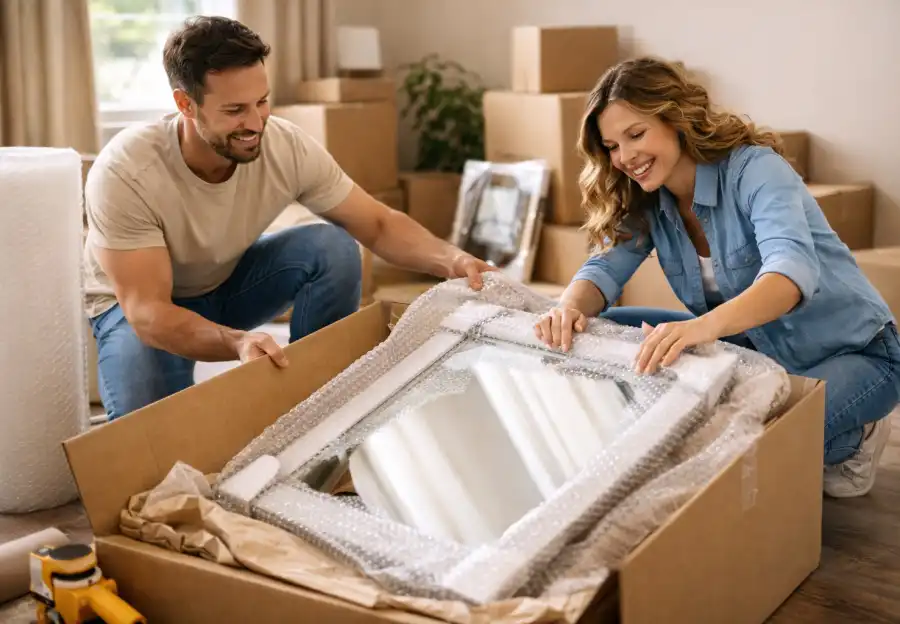
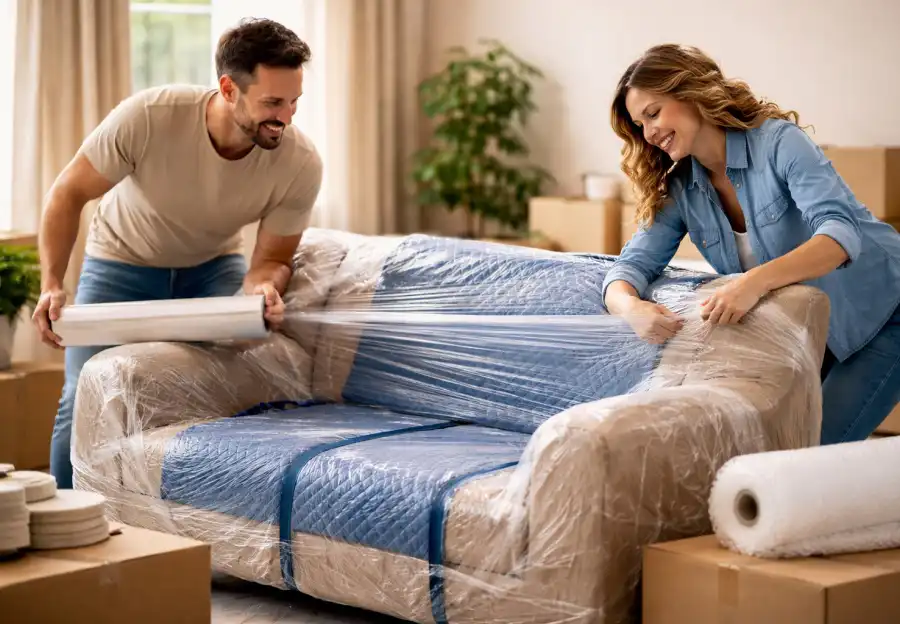
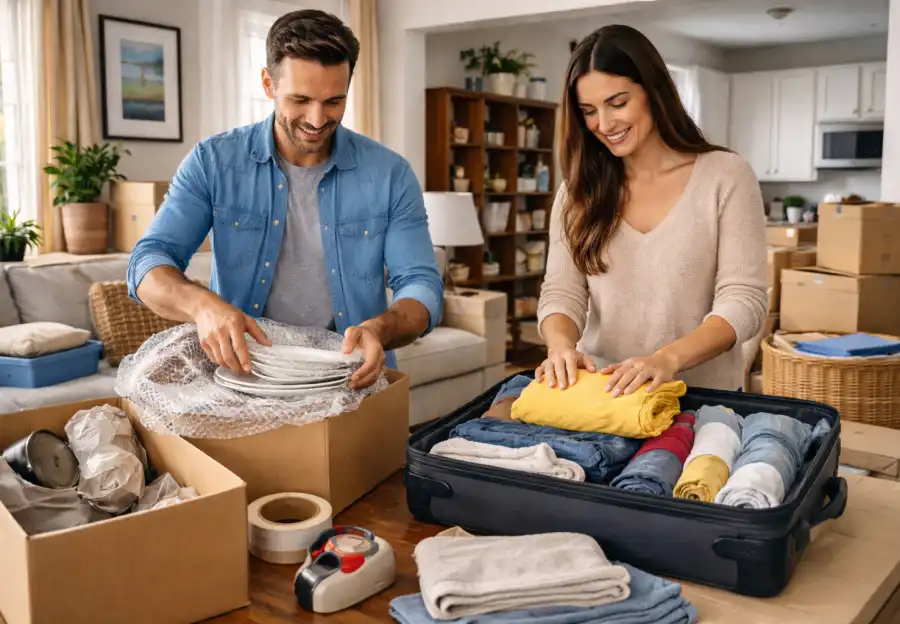
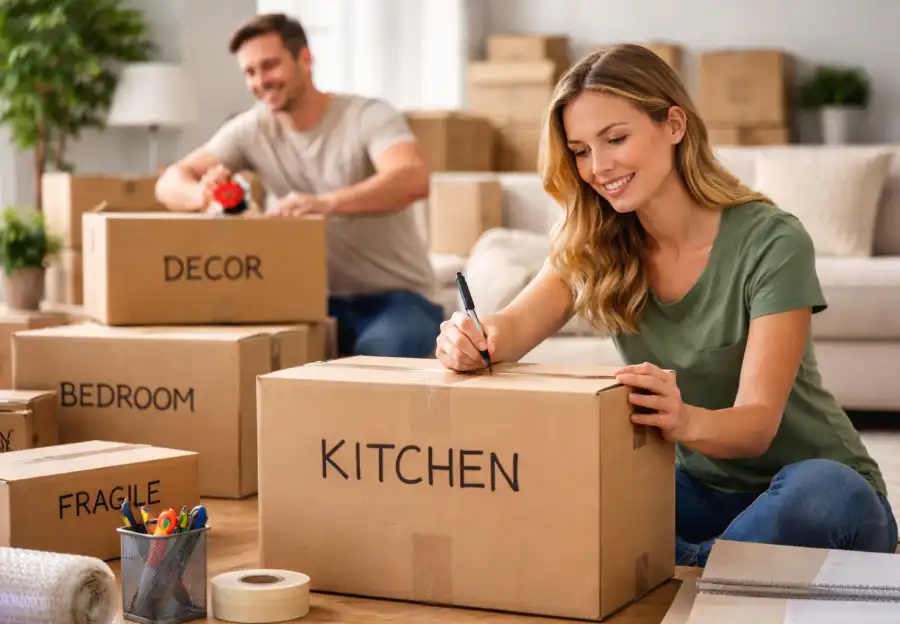
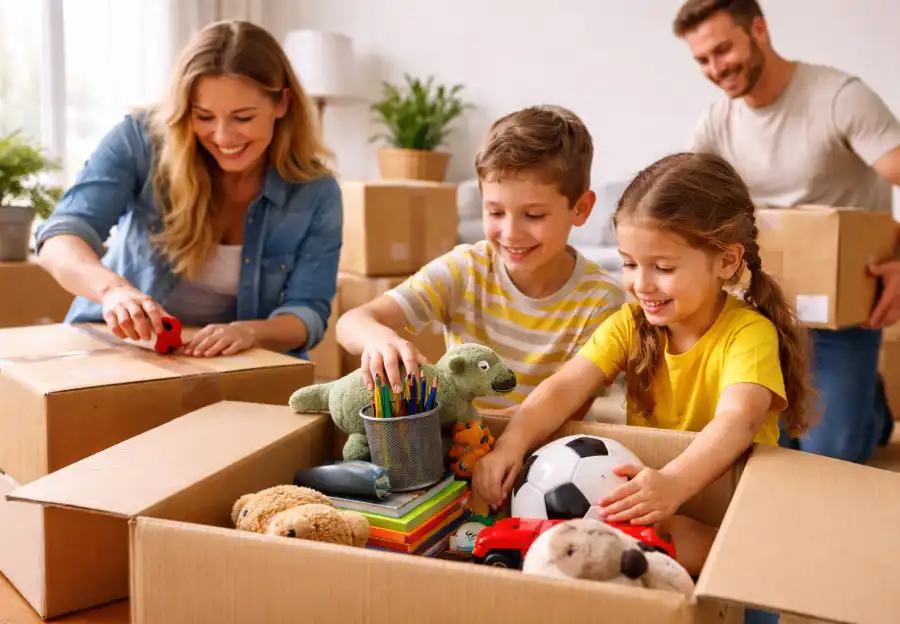
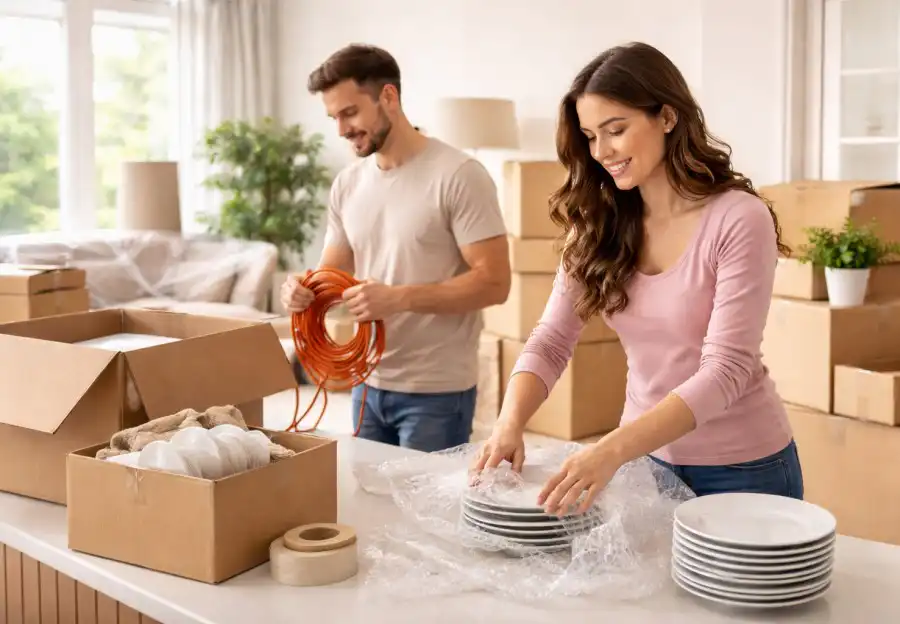
Involving others can also make unpacking more enjoyable. Shared effort often feels lighter than working alone. Even quiet companionship can turn a repetitive task into a social experience. When unpacking becomes collaborative rather than isolating, motivation increases and time passes more quickly.
Music, background sounds, or a pleasant atmosphere can subtly influence mood. When the environment feels inviting rather than sterile, unpacking becomes more pleasant. Creating a comfortable sensory backdrop helps maintain focus and reduces fatigue.
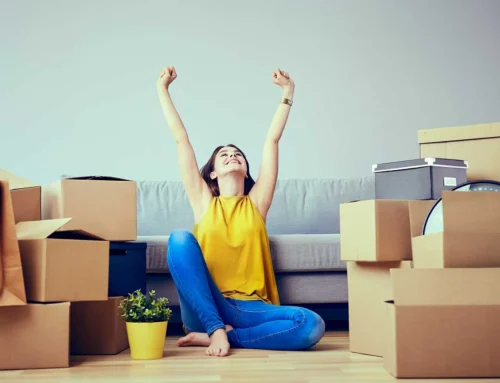
Another way to make unpacking fun is celebrating progress rather than completion. Waiting until everything is done to feel satisfied delays positive emotions. Acknowledging small wins—such as completing a room or setting up a functional corner—keeps motivation high. Progress becomes something to enjoy rather than rush through.
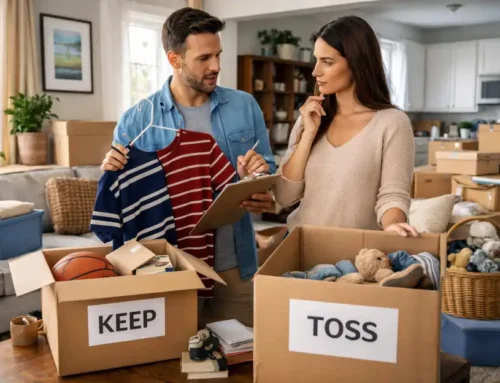
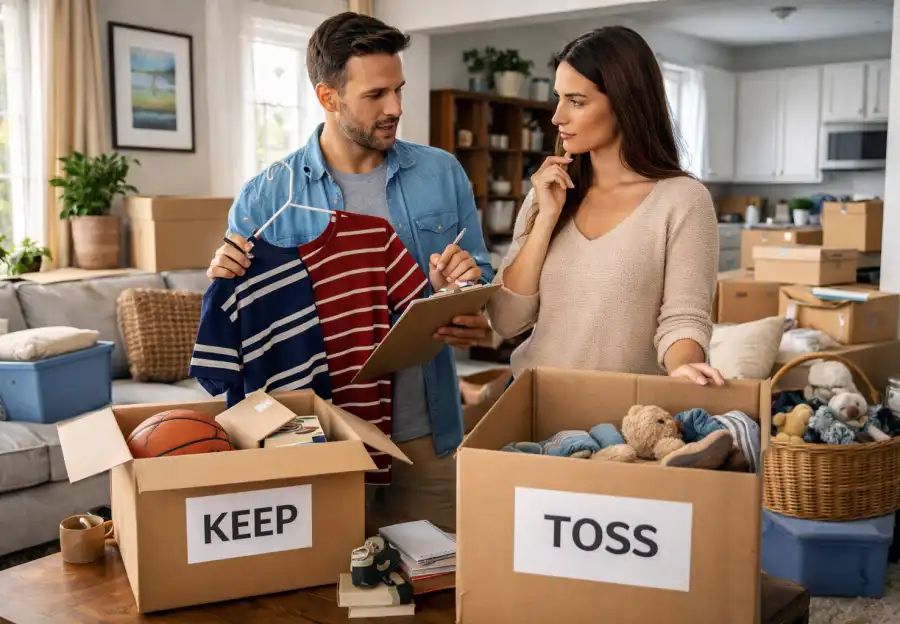
Unpacking also offers a natural opportunity for reflection. As items are handled again, people reconnect with what they own and why it matters. This awareness encourages thoughtful placement and reduces clutter. When unpacking is intentional, it often leads to better organization and fewer unnecessary possessions.
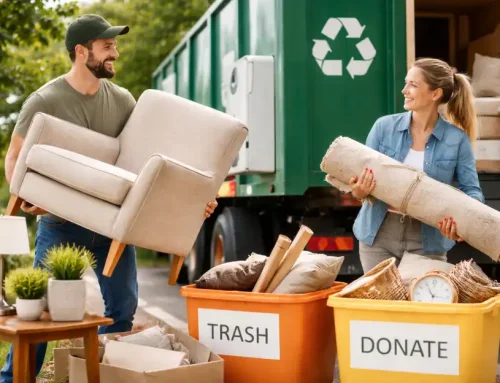
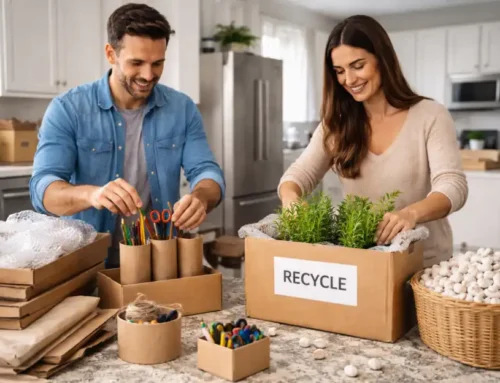
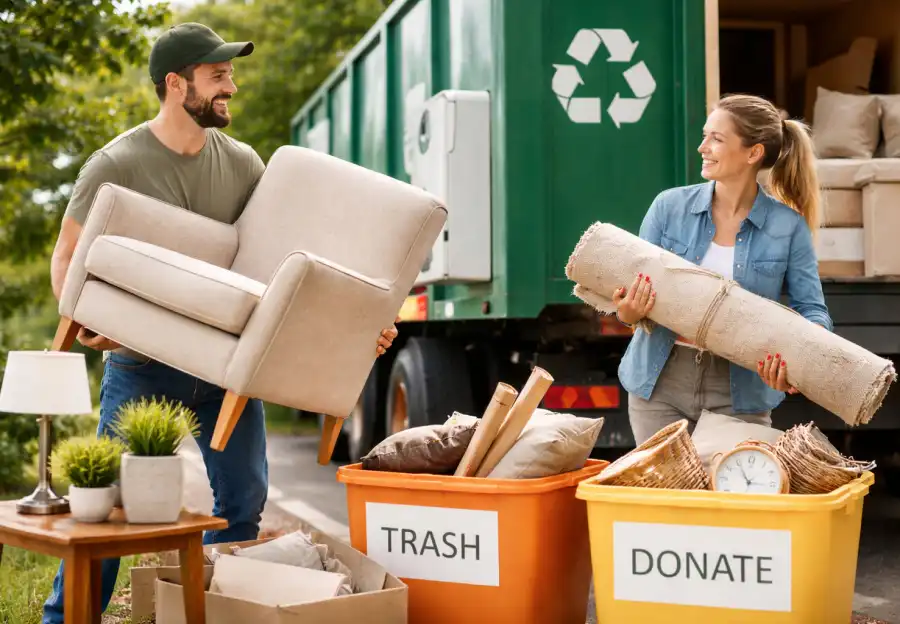
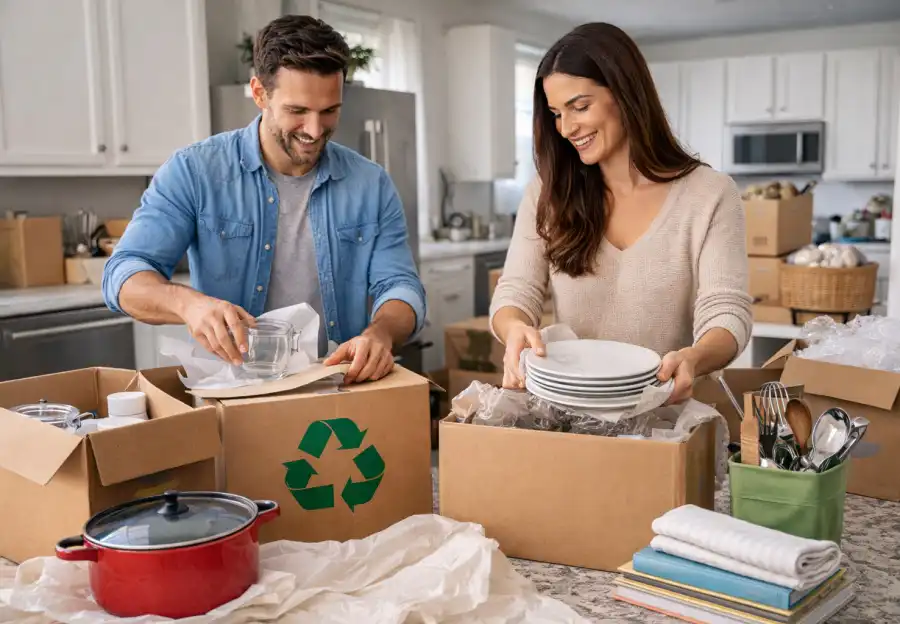
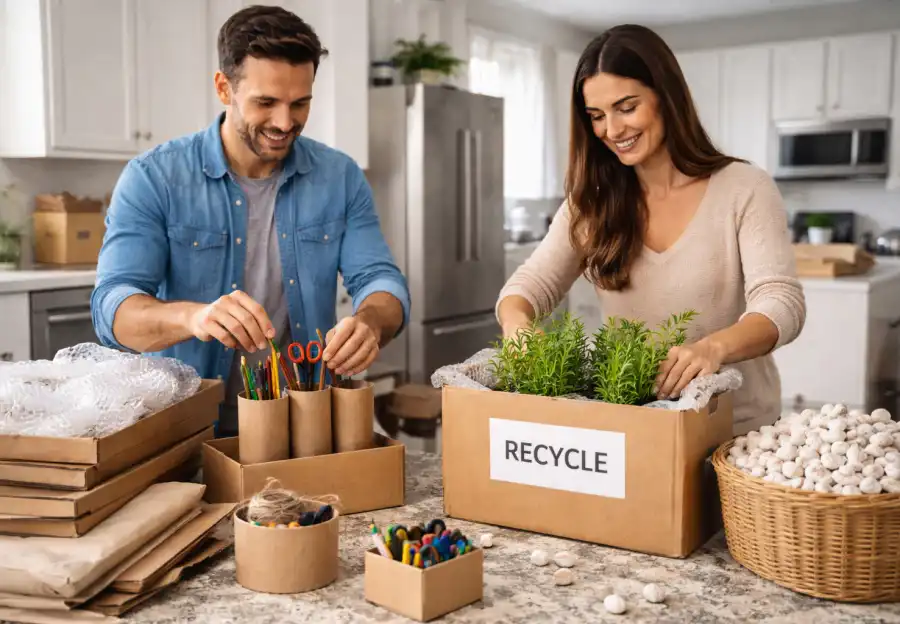
Environmental responsibility can also enhance enjoyment. Reusing materials, reducing waste, and organizing mindfully align unpacking with values. Acting in accordance with personal principles creates a sense of purpose that makes the process feel more meaningful.
Making unpacking fun also strengthens long-term habits. Approaching tasks with structure, patience, and creativity builds skills that extend beyond relocation. These habits improve everyday organization, reduce stress, and support a more intentional lifestyle.
Emotional balance is another benefit. Moves often involve exhaustion and emotional overload. Enjoyable unpacking provides a gentle transition back to routine. It helps people reconnect with their space and regain a sense of normalcy without pressure.
Another often-overlooked aspect is flexibility. Fun unpacking does not require strict rules. Allowing adjustments, pauses, or changes in plan keeps the process adaptable. When unpacking feels forgiving rather than rigid, it becomes easier to sustain momentum.
Making unpacking fun also reduces procrastination. When the process feels rewarding rather than draining, resistance decreases. People return to unpacking willingly, which shortens the overall transition period and prevents boxes from lingering indefinitely.
Ultimately, how to make unpacking fun is about aligning structure with enjoyment. It is not about forcing positivity or ignoring effort, but about designing the process in a way that supports motivation, clarity, and emotional well-being. When planning, organization, creativity, and patience work together, unpacking becomes a satisfying conclusion rather than an exhausting aftermath.
Mastering this approach transforms unpacking into a meaningful phase of the move. Instead of dreading it, individuals experience unpacking as a gradual, rewarding process that brings order, comfort, and a sense of home. With the right mindset and structure, unpacking becomes not just manageable, but genuinely enjoyable—marking the true beginning of life in a new space.