May 12, 2026
How to Move Antique Furniture Safely
Moving antique furniture safely requires careful planning, meticulous execution, and a deep understanding of the unique vulnerabilities inherent to older, often delicate pieces. Unlike general moving advice, guidance on how to move antique furniture safely emphasizes specialized methods, precise handling, and preventive strategies that protect both the furniture and the people moving it. Antique items are often fragile due to age, previous repairs, or construction materials that differ from modern furniture, and they can easily be damaged by improper lifting, environmental exposure, or impact during transit. Understanding these nuances helps individuals reduce stress, prevent costly damages, and maintain efficiency throughout the moving process.
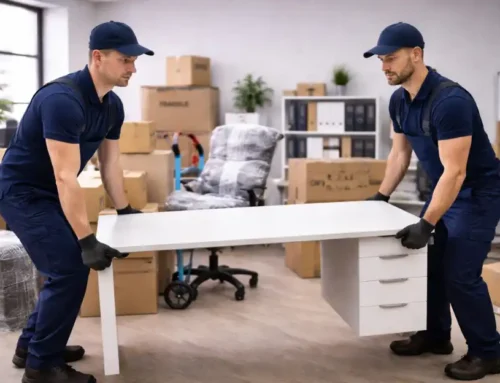
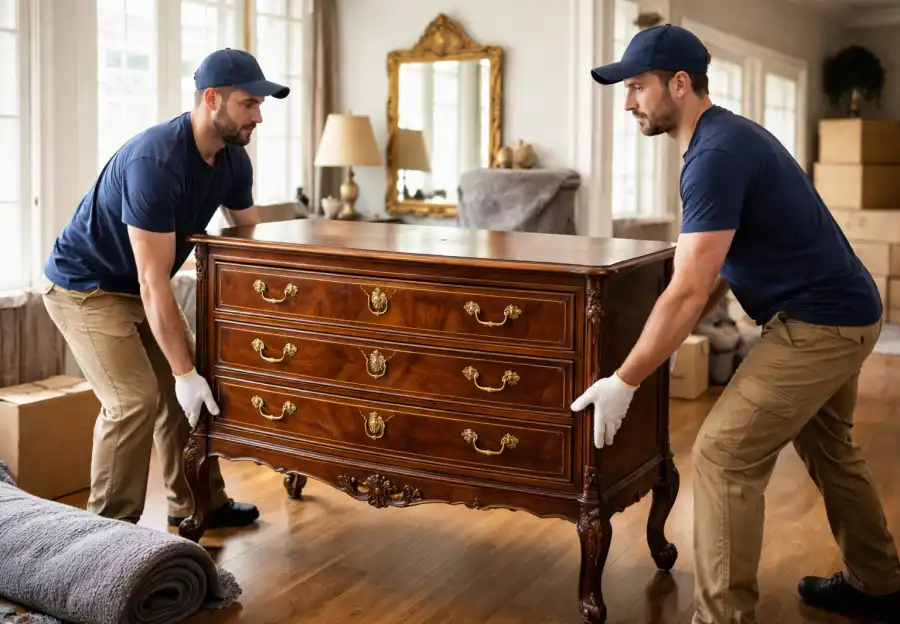
The first step in moving antique furniture safely is assessment. Each piece should be evaluated for structural integrity, fragility, and susceptibility to environmental conditions. Identify joints, veneers, glass panels, or ornamental features that may loosen or break under pressure. Determining which parts can be disassembled—such as legs, drawers, or detachable shelves—helps reduce strain during transport and allows for more secure packing. Assessment also informs the choice of protective materials, transportation strategies, and the level of professional assistance required. In some cases, enlisting experienced movers specializing in antiques is advisable, especially for high-value or extremely delicate items.
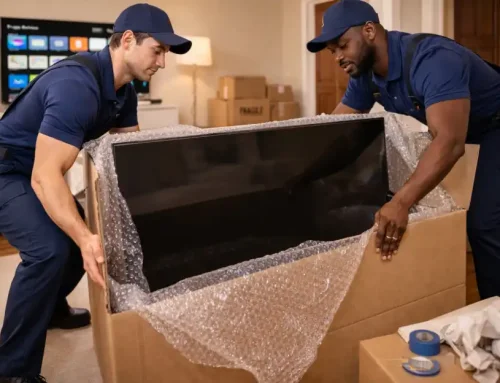
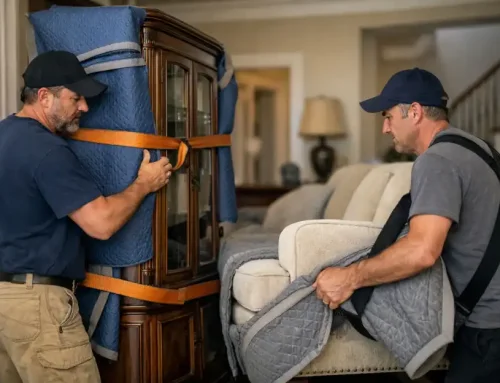
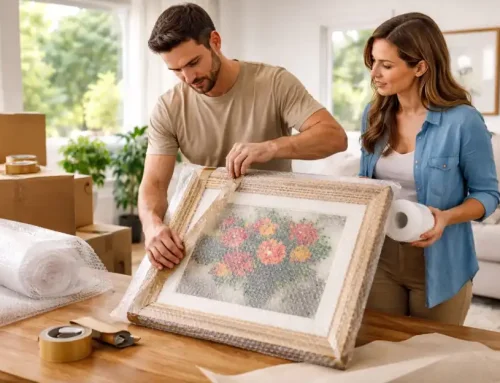
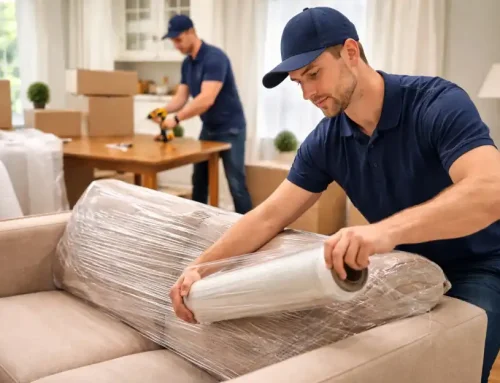
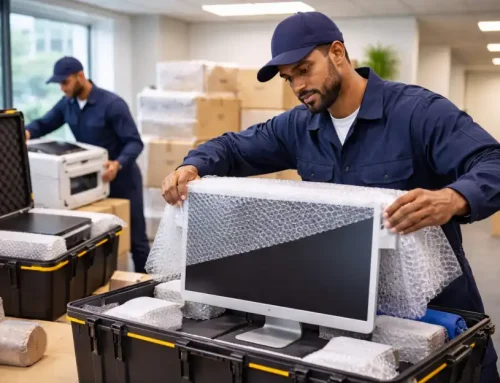
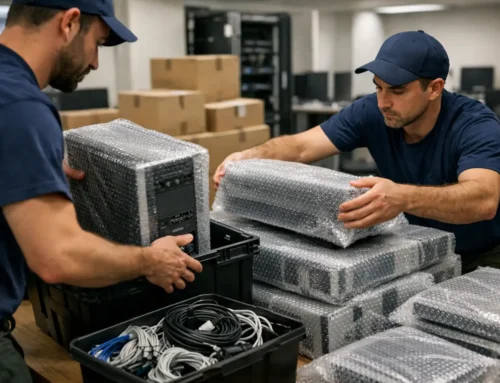
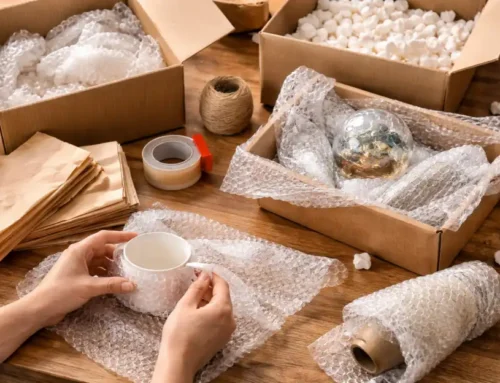
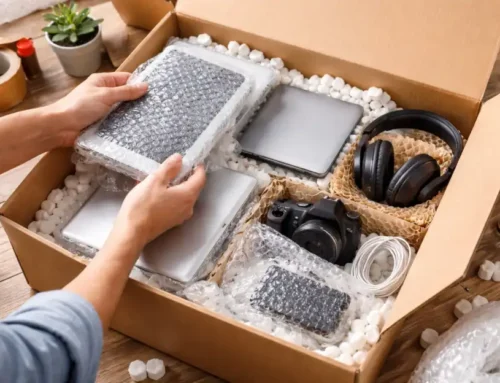
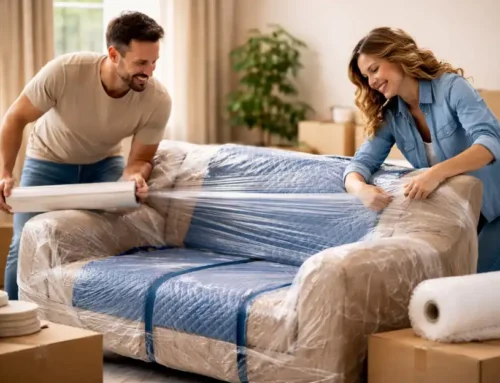
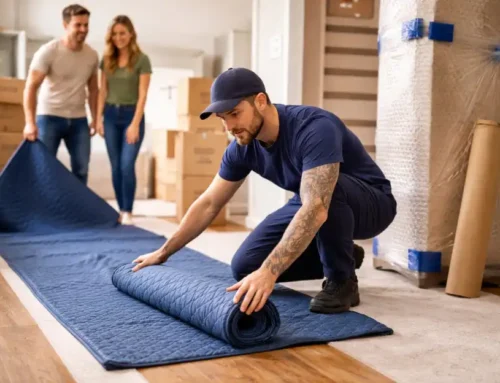
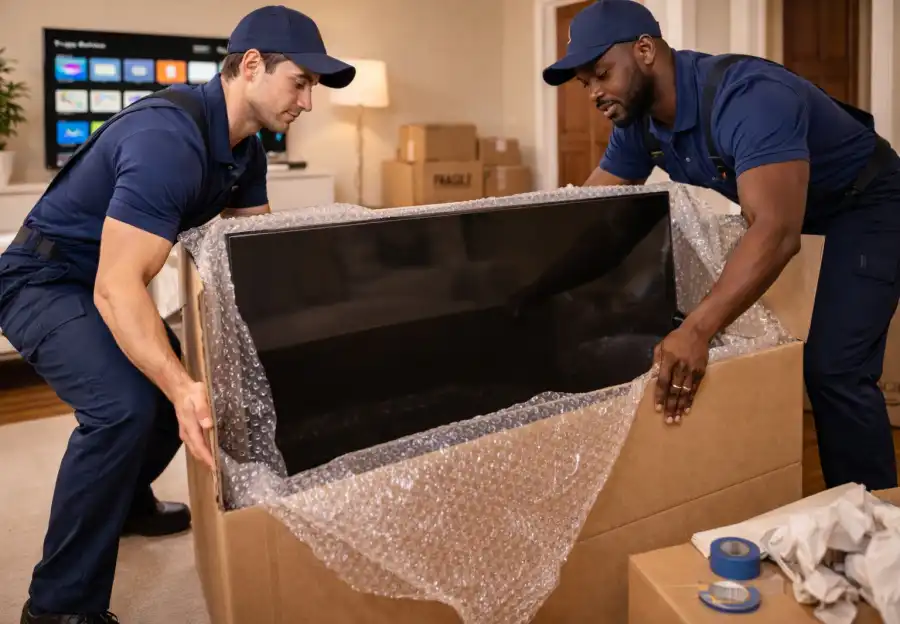
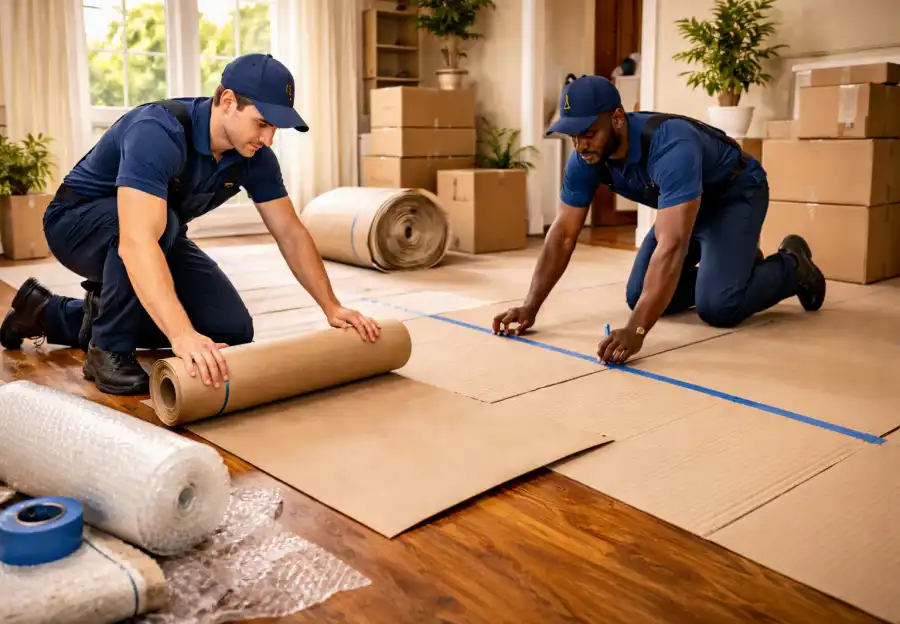
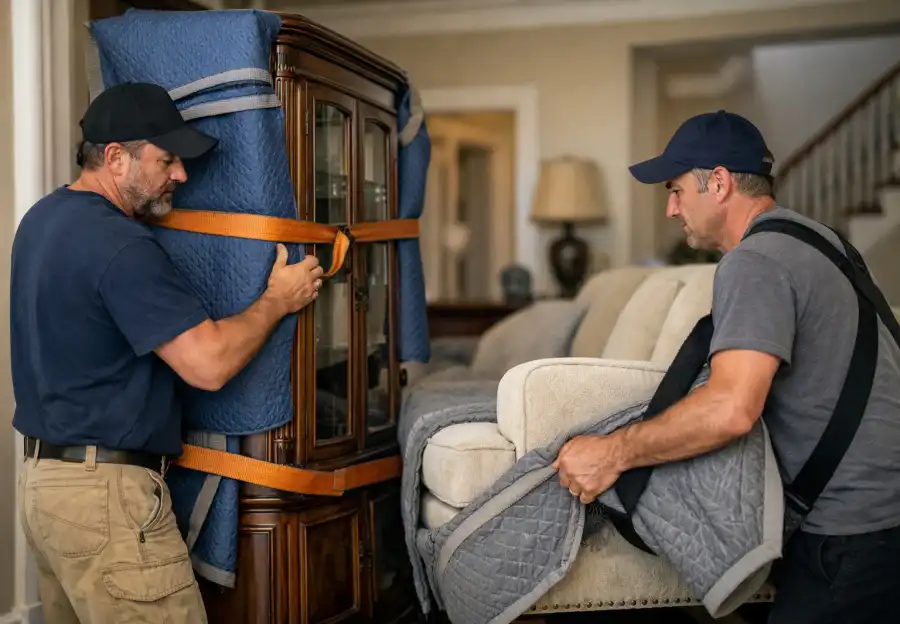
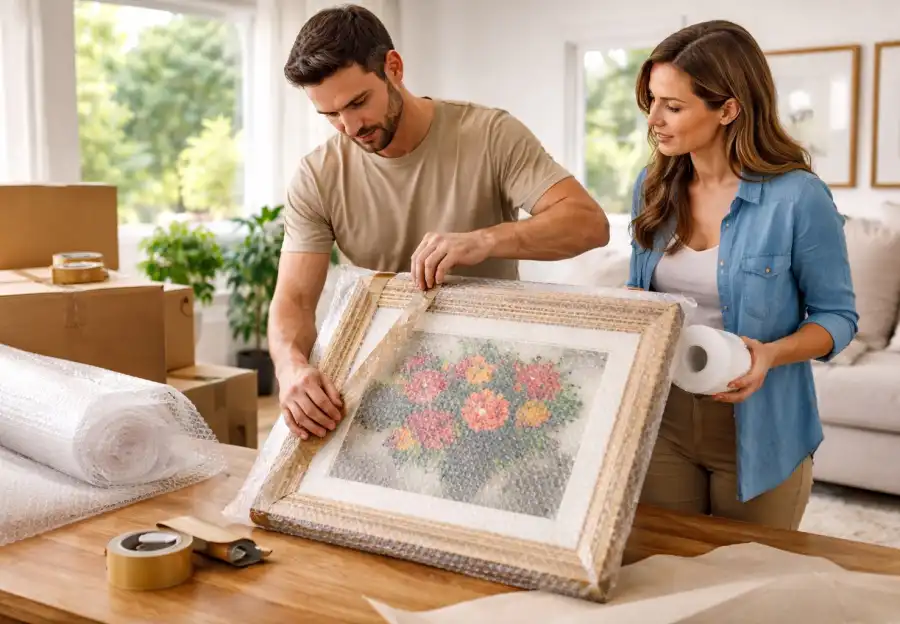
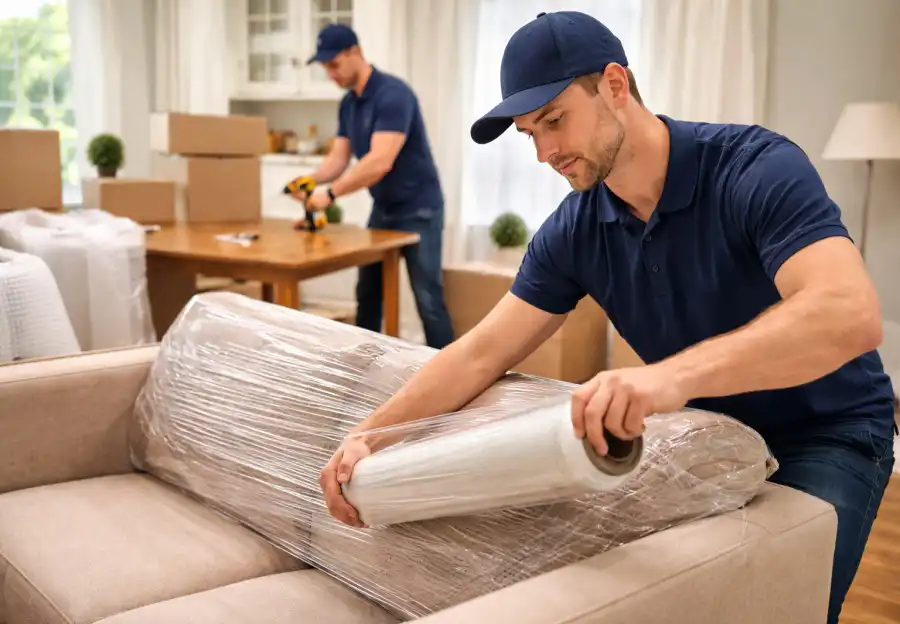
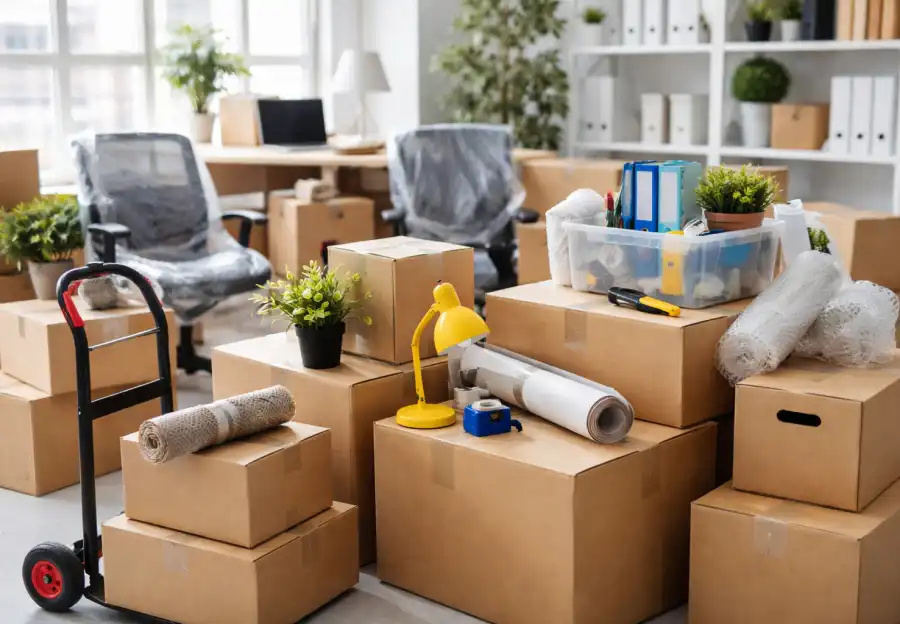
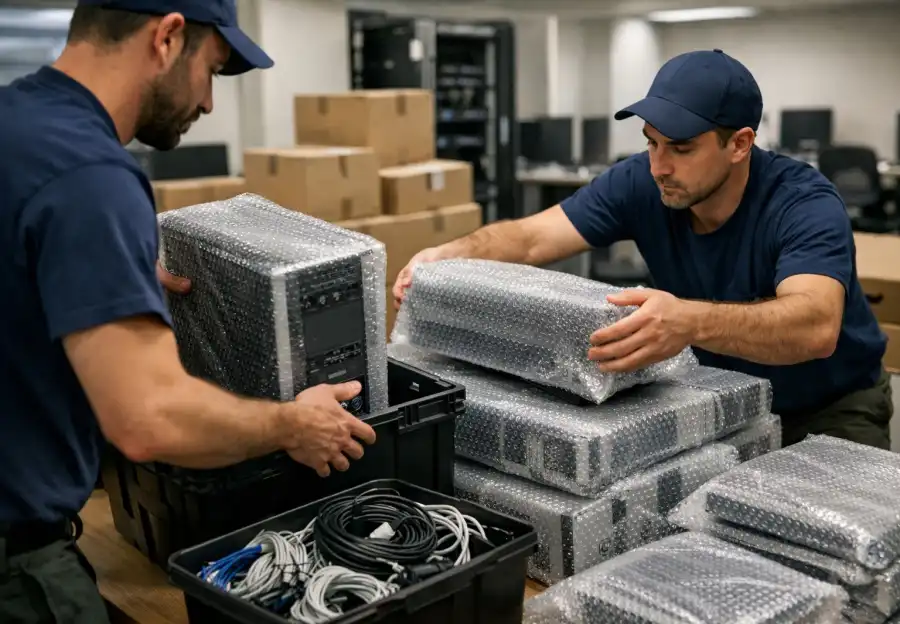
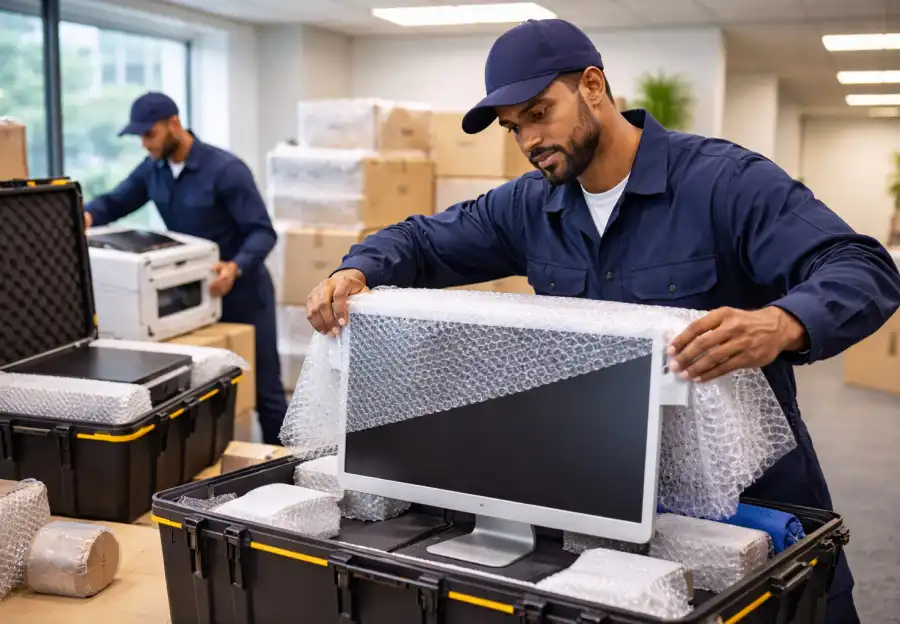
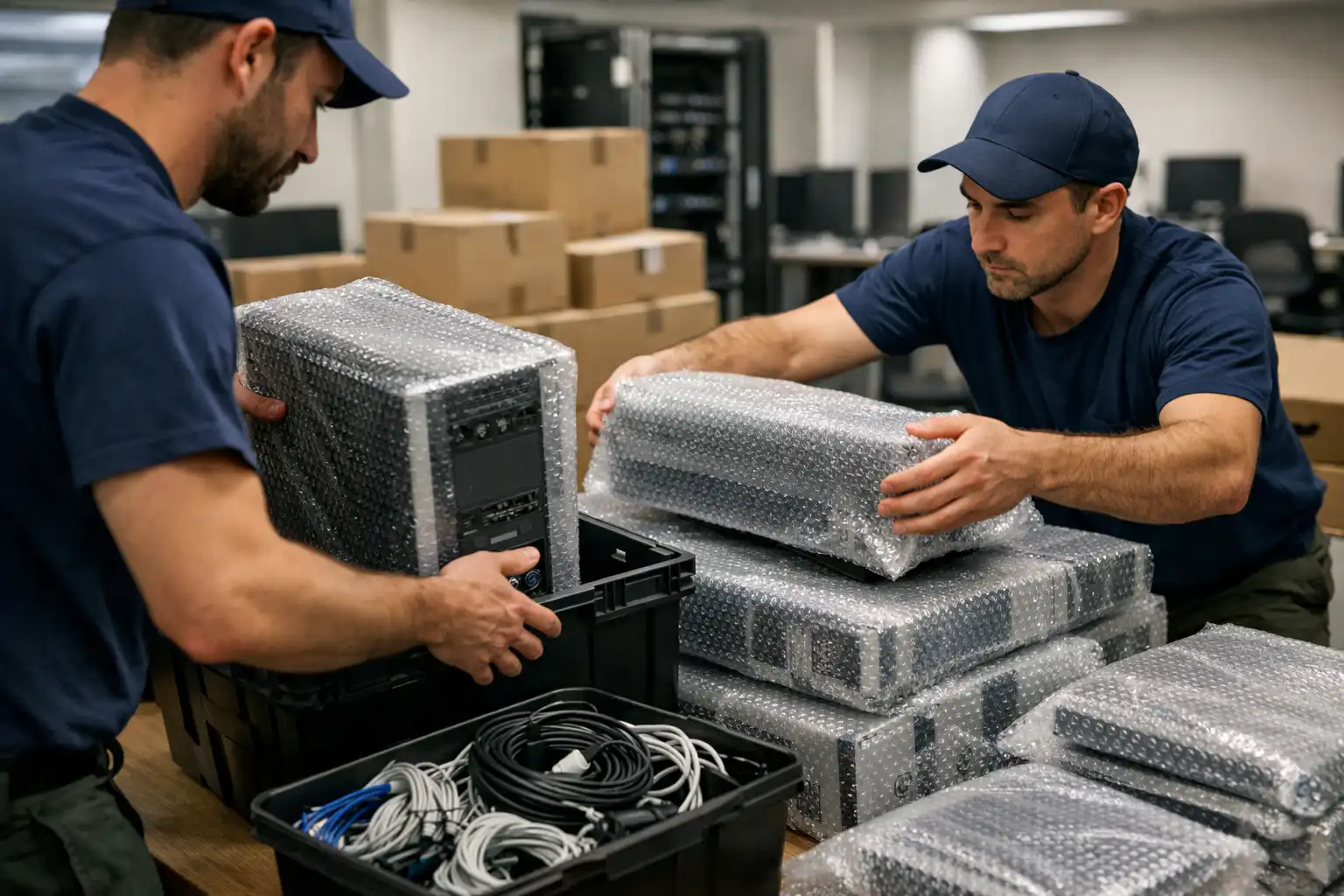
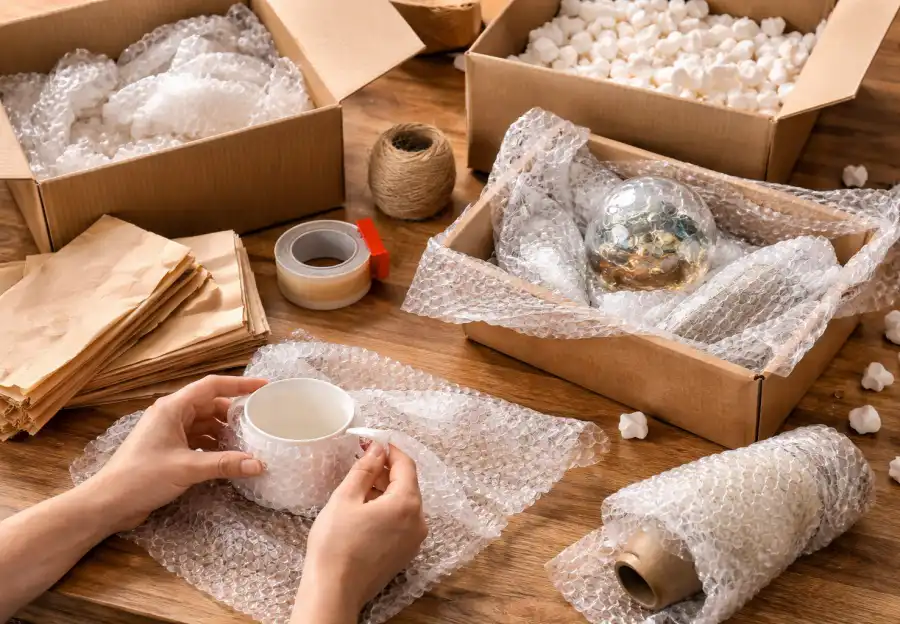
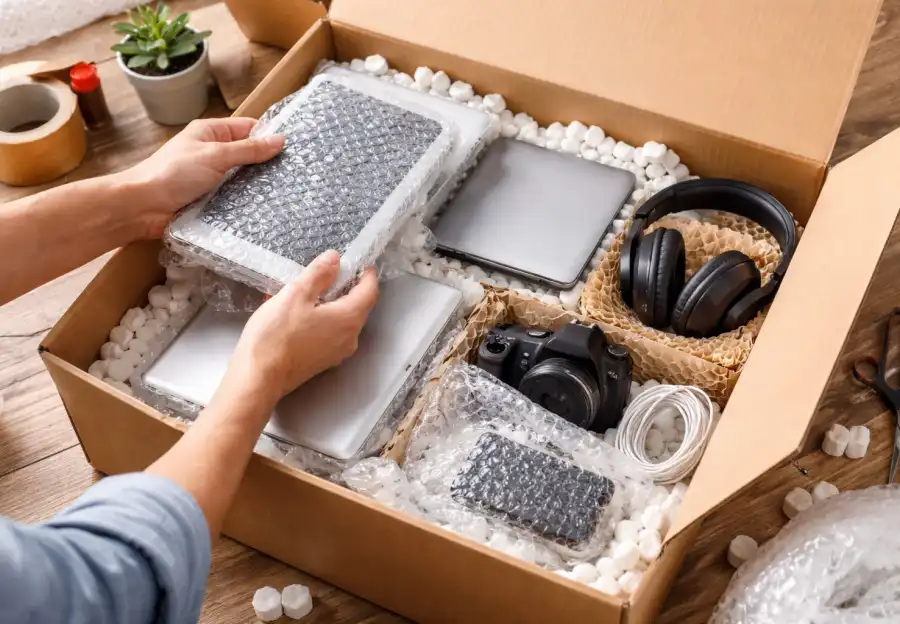
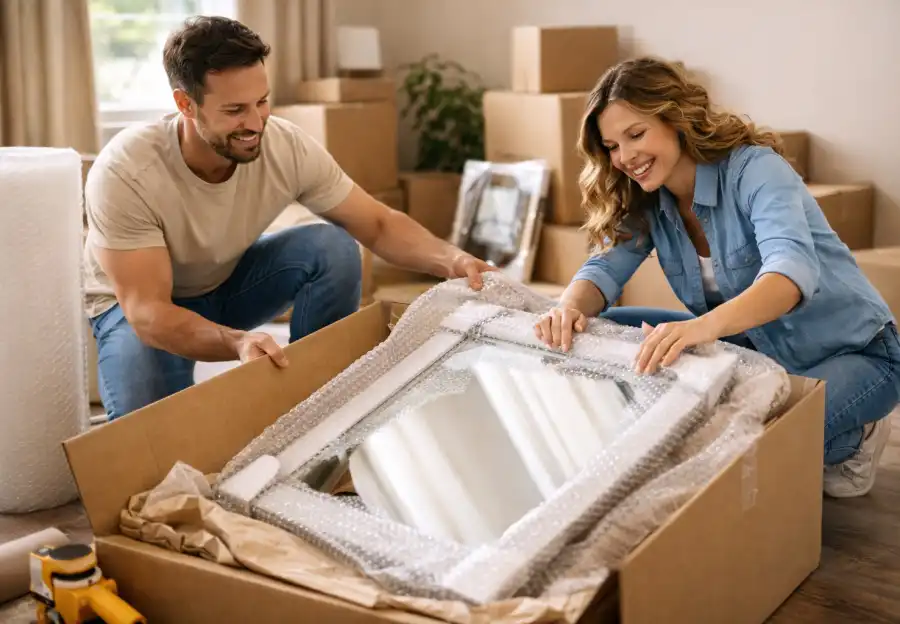
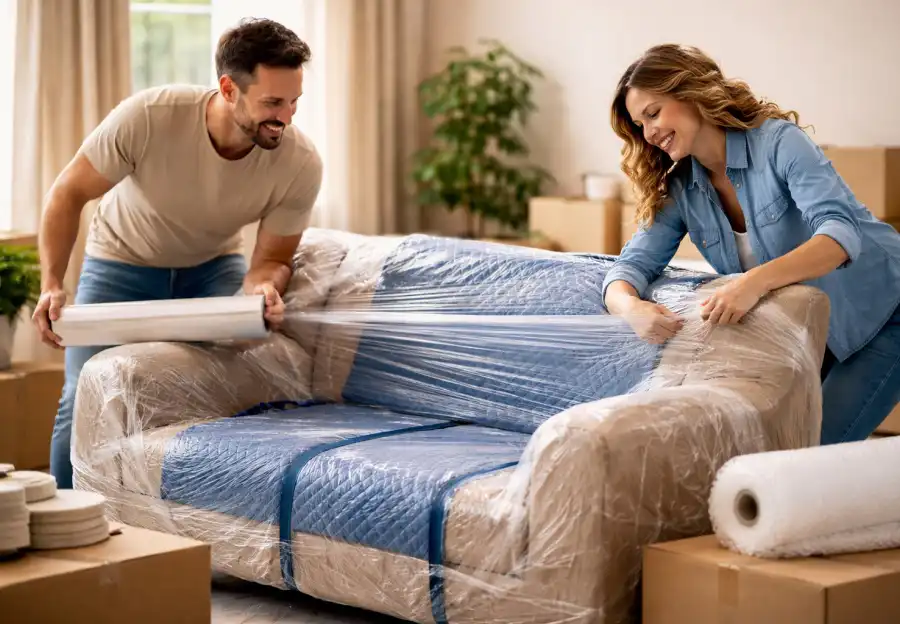
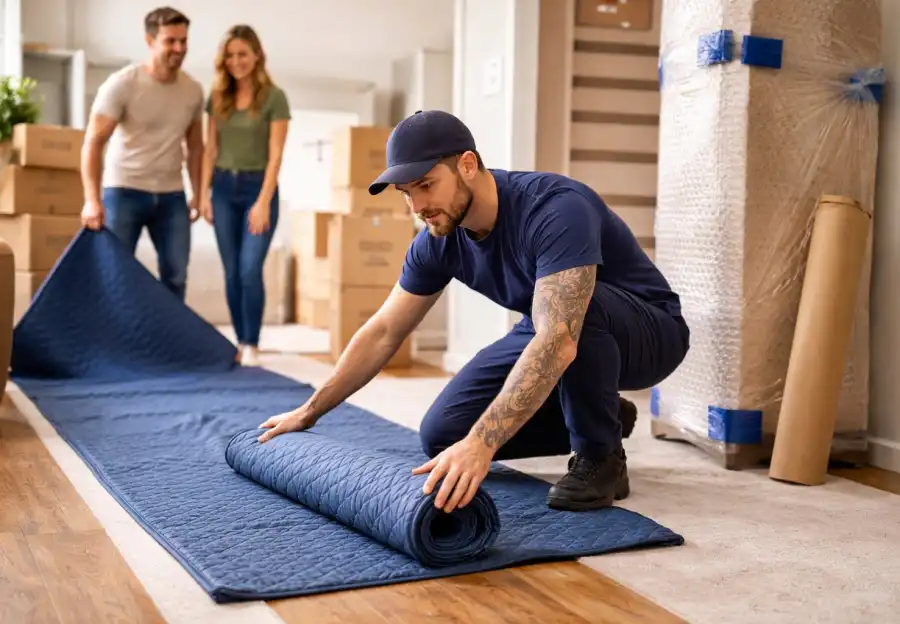
Protective materials form the backbone of safe antique furniture moving. High-quality moving blankets, bubble wrap, foam padding, and cardboard corner protectors are essential to shield surfaces from scratches, dents, and impacts. For furniture with glass or mirrors, reinforced panels or extra padding are crucial to prevent breakage. Furniture polish or wax can provide a thin protective layer against minor scratches, but over-application should be avoided, as excess residue may trap dirt or cause adhesion with wrapping materials. Carefully selecting and layering protective materials tailored to the specific characteristics of each piece ensures maximum safety and maintains the aesthetic integrity of antiques.
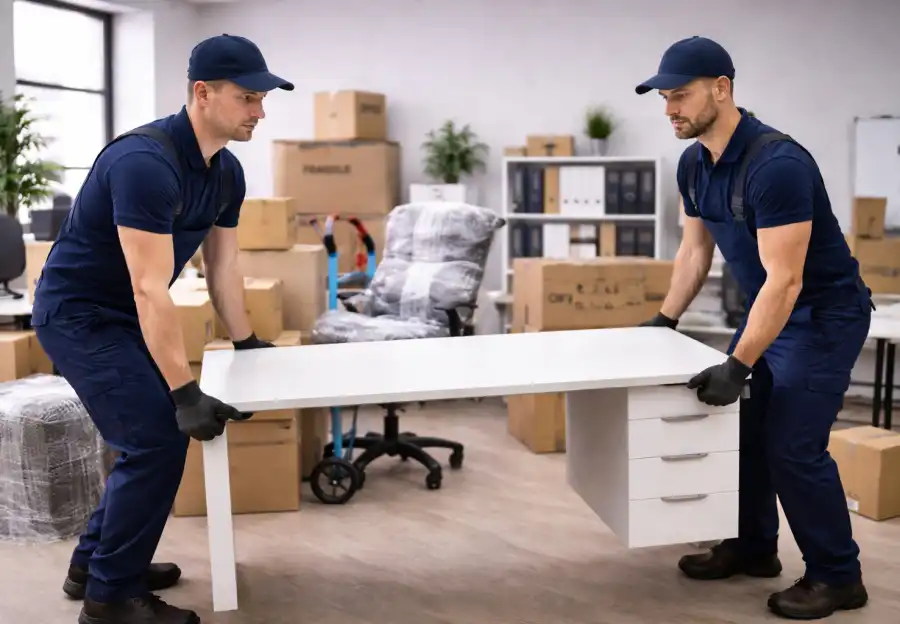
Disassembly and careful handling are often required. Removing drawers, shelves, or other detachable elements reduces weight, prevents jamming, and facilitates easier wrapping. These components should be labeled clearly and packed separately in protective materials, keeping track of hardware such as screws or brackets in sealed bags. When reassembling at the new location, the original layout is preserved, minimizing the risk of damage caused by forced fitting. Additionally, smaller or fragile components like carved finials, glass inserts, or decorative trim should be handled independently with custom cushioning to prevent breakage during transport.
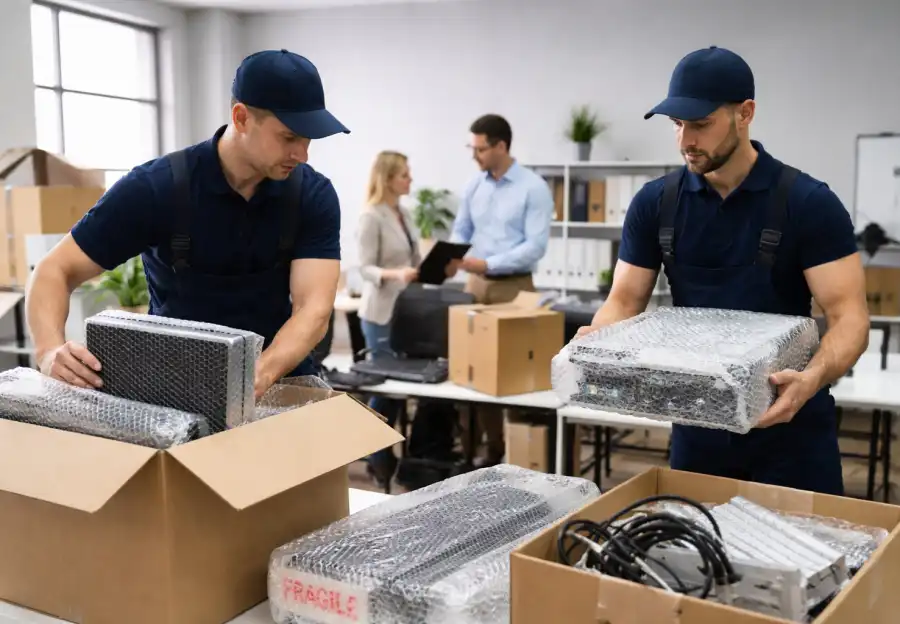
Labeling, documentation, and organization are critical when moving antique furniture. Each piece should be marked with clear “Fragile,” “Handle with Care,” or “This Side Up” indicators, alerting movers to its delicate nature. Creating an inventory sheet that documents the condition, components, and placement of each item helps track the furniture throughout the relocation process. Photographs taken before packing can serve as references for reassembly and provide evidence of the original condition, offering peace of mind in case of disputes or accidental damage. Organized labeling and documentation streamline the moving process and reduce confusion when unloading and setting up at the new location.
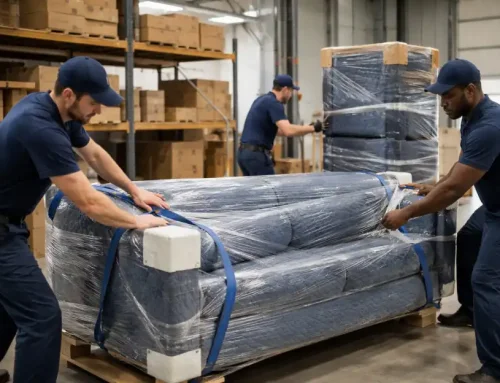
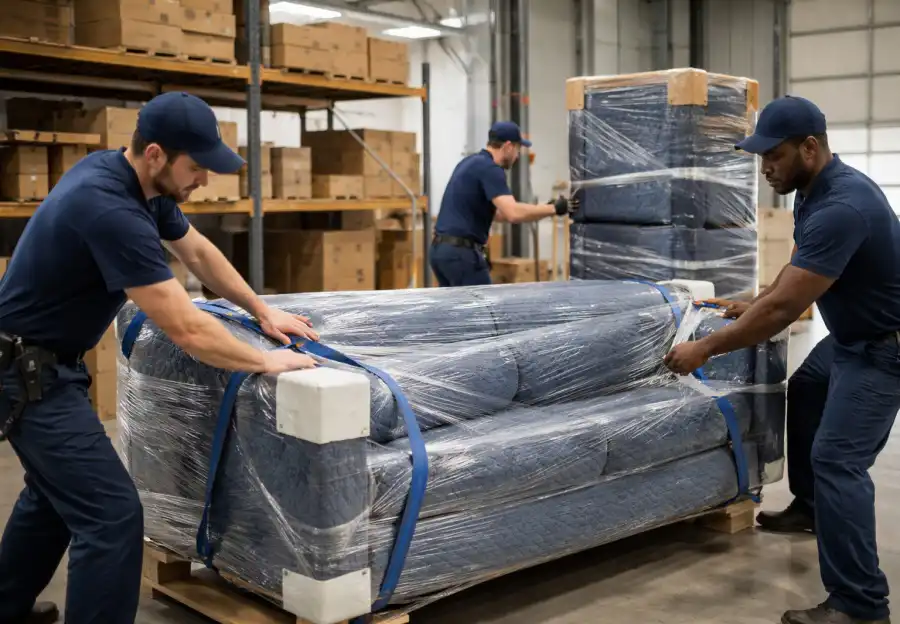
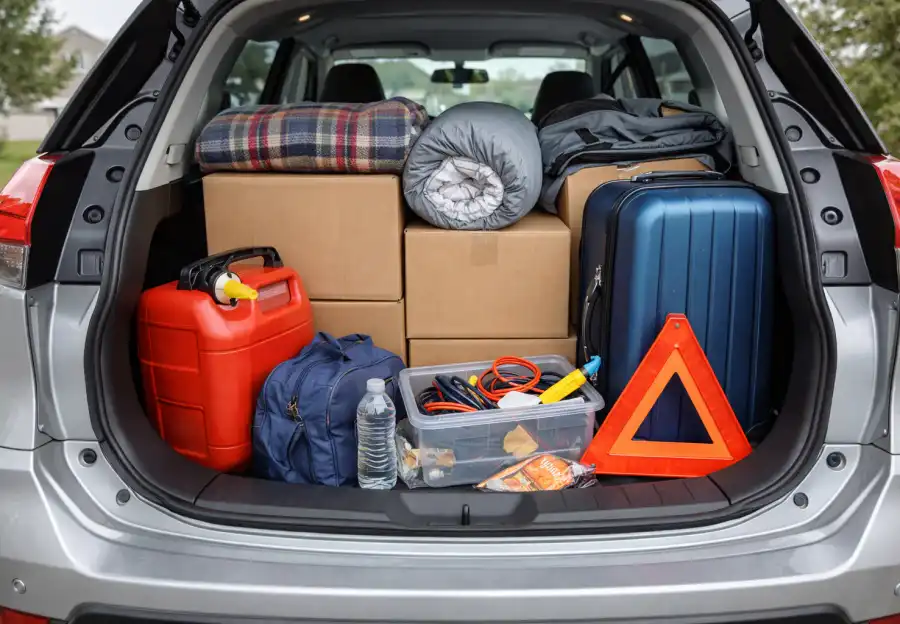
Transportation strategies must prioritize minimizing movement, impacts, and environmental exposure. Antique furniture should be loaded carefully, separated from heavy or irregular items, and secured using straps, ropes, or padding to prevent shifting in transit. Soft blankets or foam sheets can fill gaps in the moving vehicle, reducing vibrations and shock. Whenever possible, elevate pieces above the vehicle floor to avoid direct exposure to bumps and vibrations. Long-distance moves may require climate-controlled transport to protect sensitive wood, veneers, or finishes from extreme temperatures and humidity. These precautions ensure that antiques arrive in the same condition as they were before the move.
Environmental factors also play a significant role. Temperature fluctuations, moisture, and direct sunlight can cause warping, cracking, or fading in antique wood, veneers, and fabrics. Wrapping furniture in breathable covers, using moisture-absorbing packets, and avoiding exposure to extreme conditions during loading and unloading helps preserve the integrity of the pieces. Monitoring weather forecasts and planning the timing of the move can reduce risks associated with environmental changes, particularly for outdoor handling or long transit periods.
Mastering how to move antique furniture safely provides skills that extend beyond relocation. Careful planning, methodical execution, and attention to detail foster enhanced organizational abilities, foresight, and problem-solving in everyday life. Individuals develop transferable competencies such as risk assessment, resource allocation, and prioritization, which can improve efficiency in both personal and professional contexts. By applying structured strategies, protective measures, and thoughtful handling techniques, moving antique furniture transforms from a high-stress endeavor into a manageable, systematic operation, preserving the value, history, and beauty of irreplaceable pieces while safeguarding the movers themselves.