
May 5, 2026
How to Prepare for Winter Moves in the Midwest
How to Preparing for winter moves in the Midwest requires careful planning, strategic decision-making, and heightened attention to environmental and logistical challenges that are unique to cold-weather relocations. Unlike general moving advice, understanding how to prepare for winter moves in the Midwest focuses on anticipating weather-related obstacles, safeguarding possessions against extreme temperatures, and coordinating services efficiently to reduce stress and physical strain. Many individuals underestimate the effect that seasonal conditions can have on safety, timing, and cost, making structured preparation essential. By approaching a winter move with detailed planning, homeowners gain clarity, reduce unexpected disruptions, and ensure that the relocation process is smoother and more controlled.
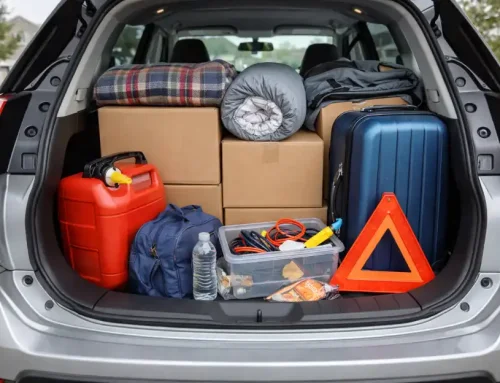
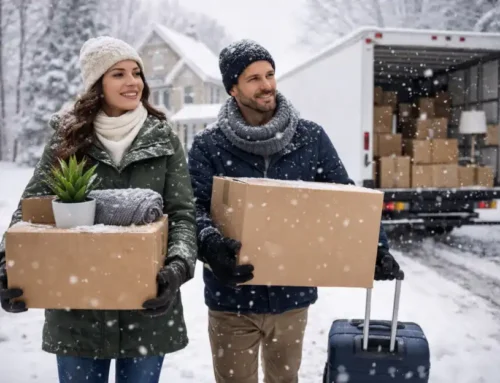
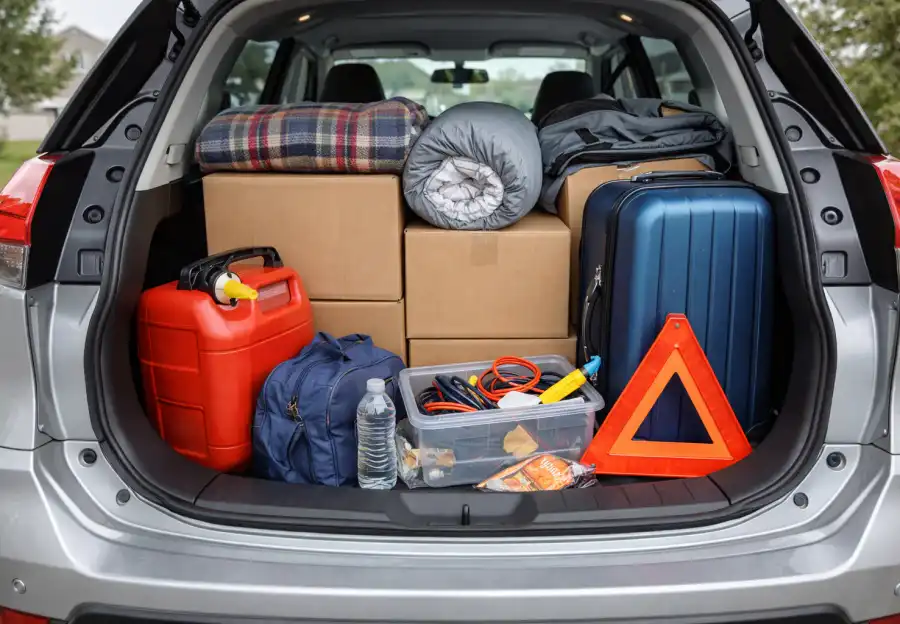
One of the first considerations in preparing for a winter move is monitoring weather forecasts and planning for contingencies. The Midwest is known for heavy snowfall, icy roads, and freezing temperatures, all of which can impact travel safety and timelines. By scheduling the move during periods of milder weather when possible, or by allowing extra time for potential delays, homeowners can reduce the risk of accidents, vehicle issues, and delayed deliveries. Additionally, having salt, shovels, snow removal equipment, and traction aids on hand ensures that pathways and driveways remain safe for movers and family members, minimizing hazards during loading and unloading. Planning for winter-specific conditions allows for proactive decision-making and reduces the likelihood of stress caused by last-minute weather-related complications.
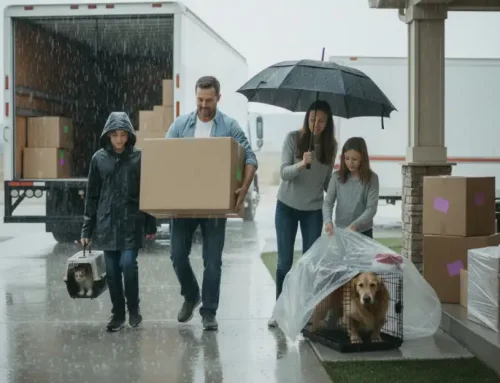
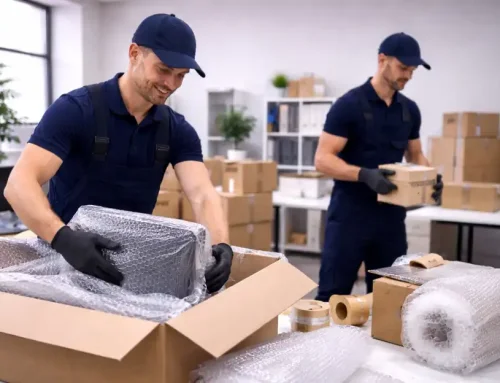
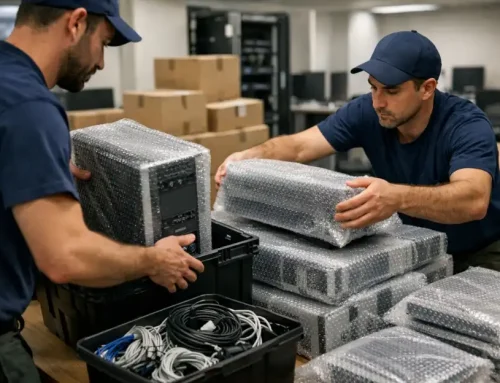
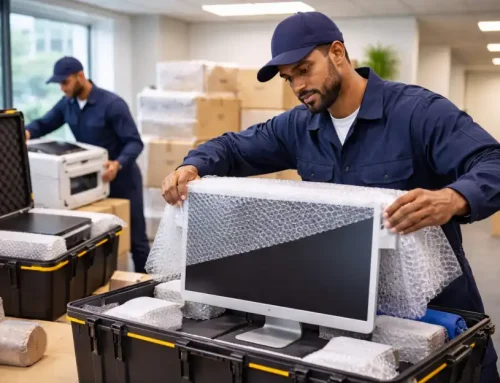
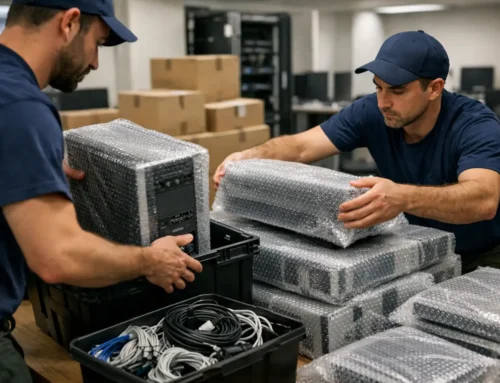
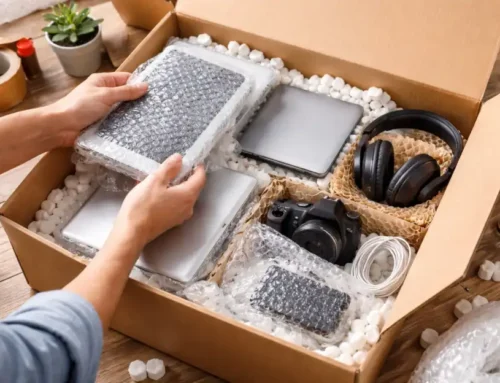
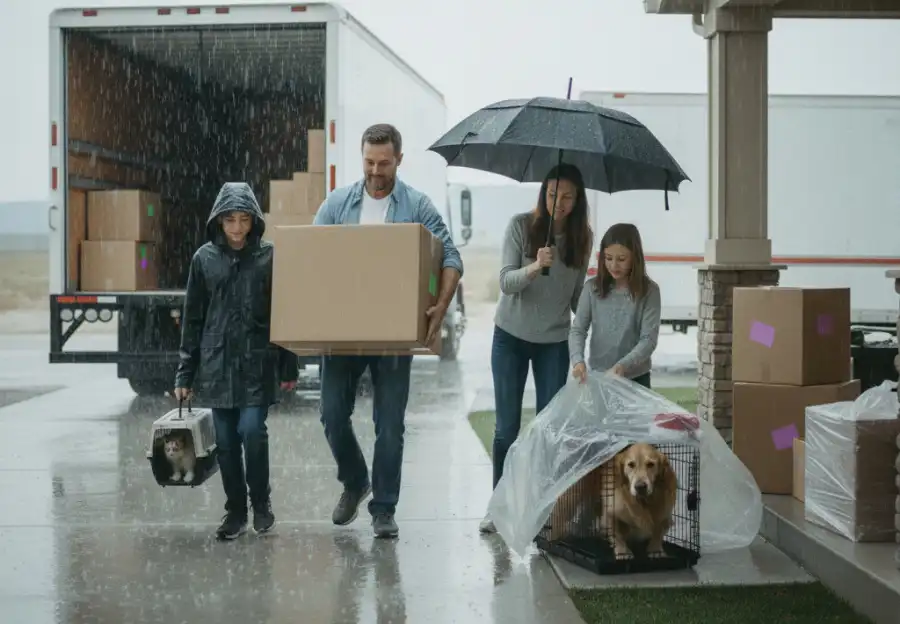
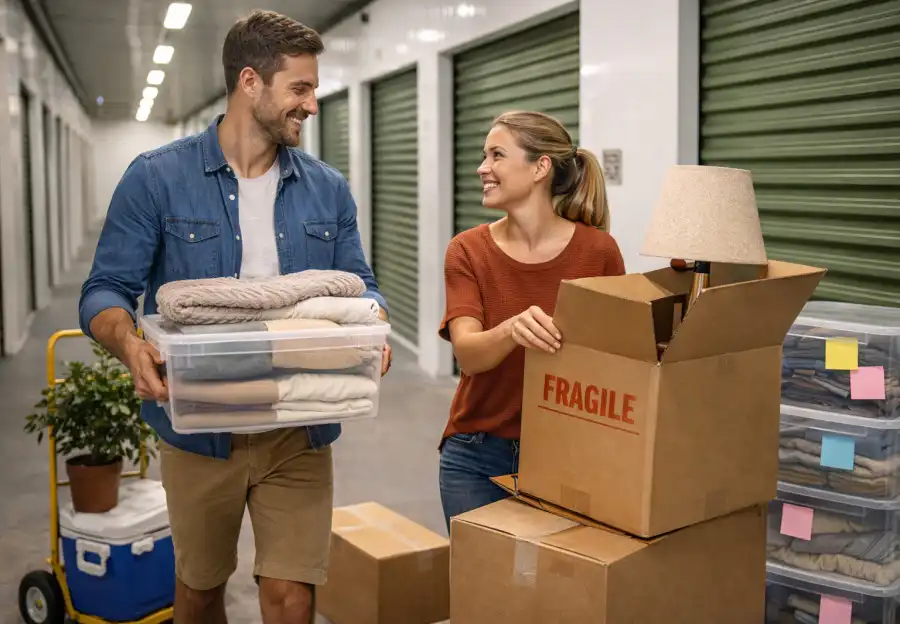
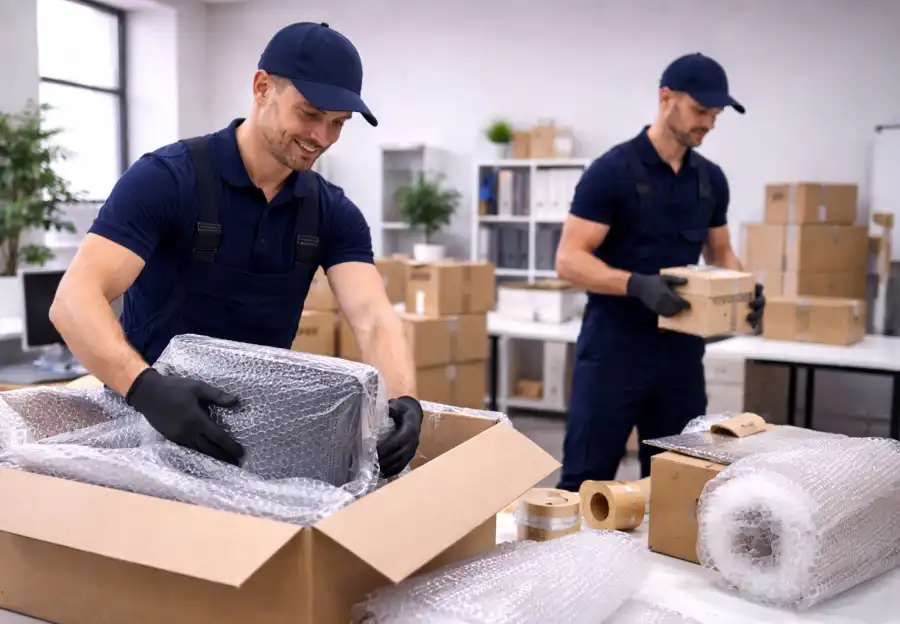
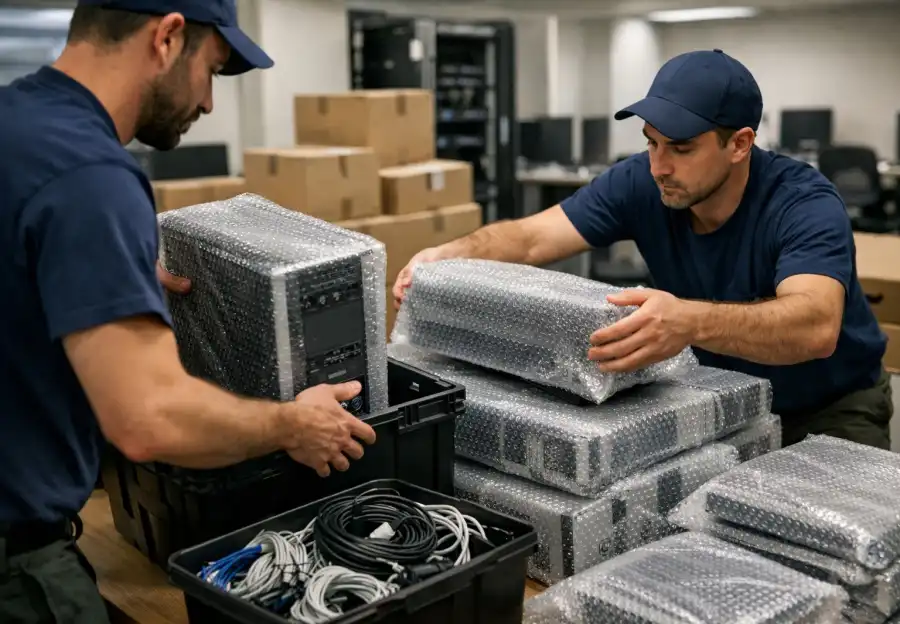
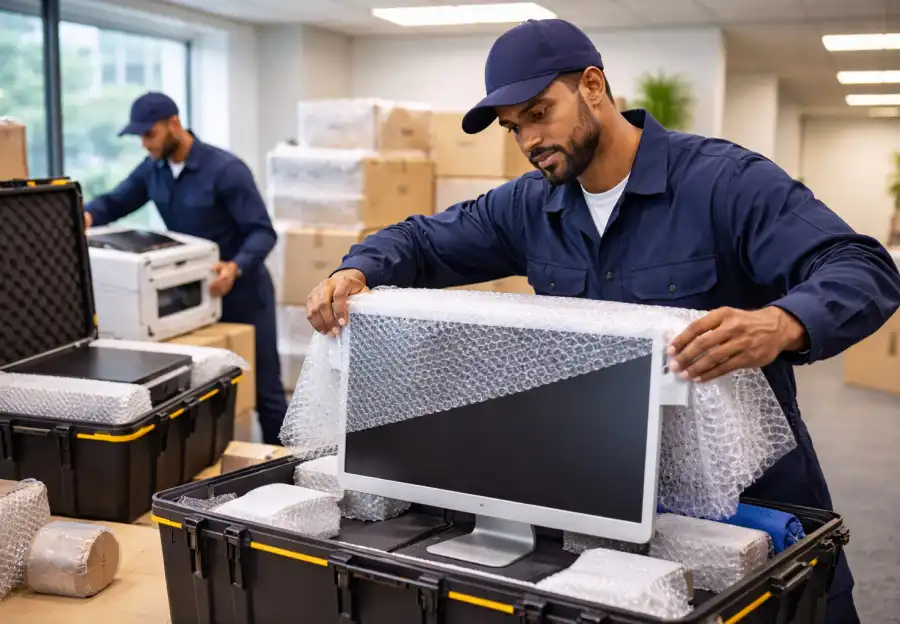
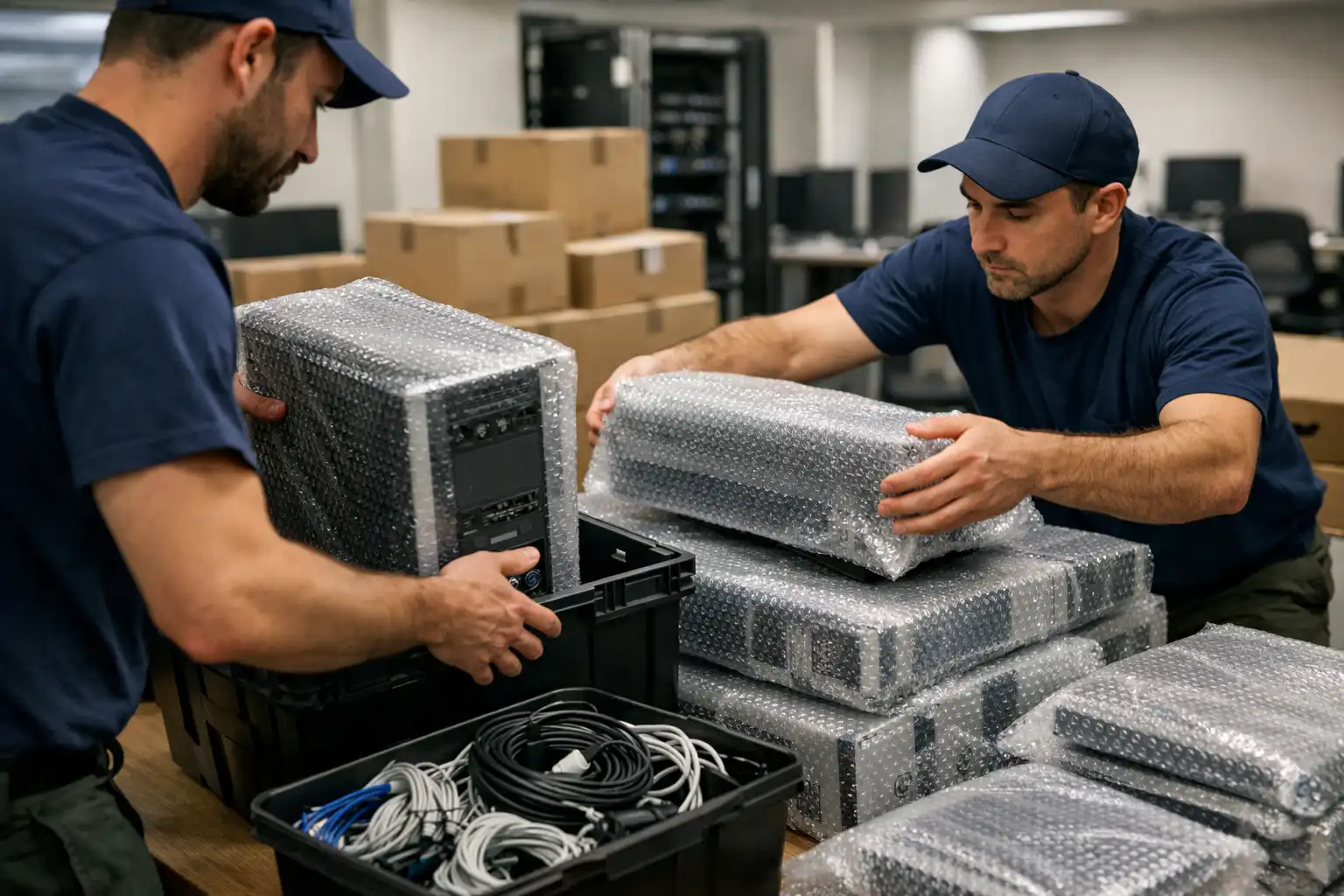
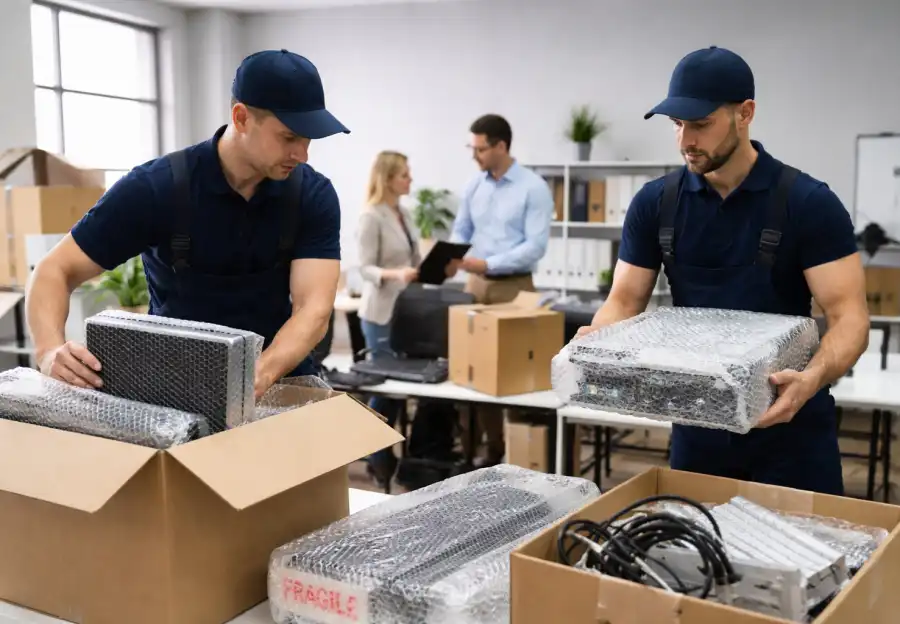
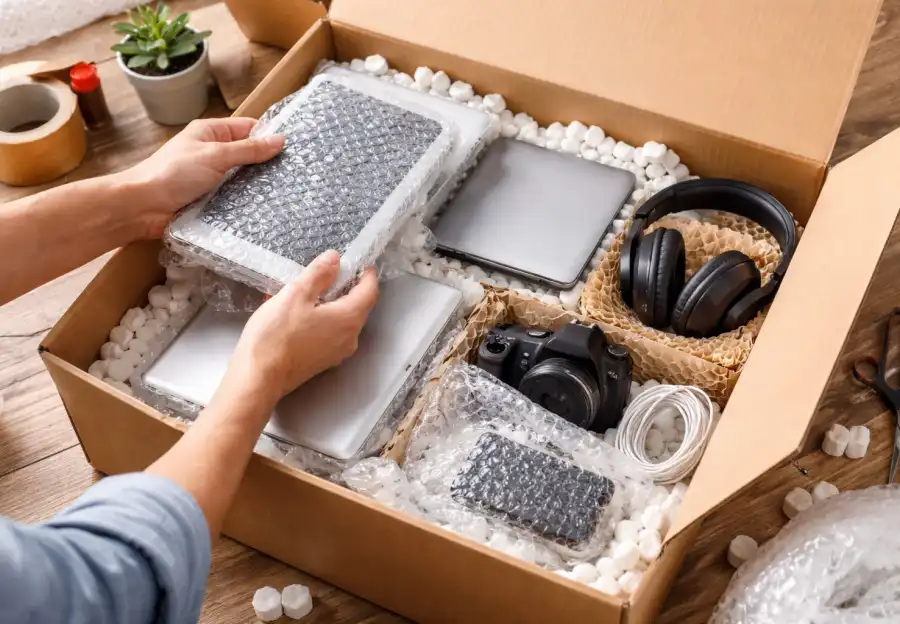
Protecting possessions from cold, moisture, and potential damage is another key aspect of winter moving preparation. Electronics, furniture, and sensitive items are particularly vulnerable to temperature extremes and moisture from snow or ice. Using insulated moving blankets, waterproof coverings, and high-quality packaging materials helps safeguard items during transport. Clothing, linens, and fragile items should be packed in durable, moisture-resistant boxes to prevent damage. Additionally, organizing items in clearly labeled containers and separating essentials from non-essential goods ensures that critical possessions remain accessible and secure throughout the move. Thoughtful preparation of items reduces the risk of damage and enhances efficiency during loading, transportation, and unpacking.
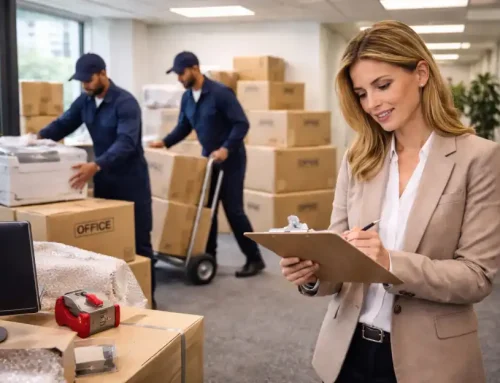
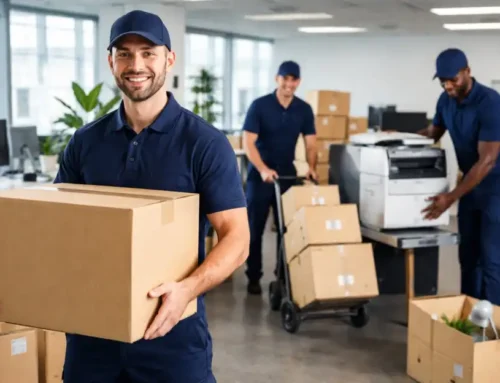
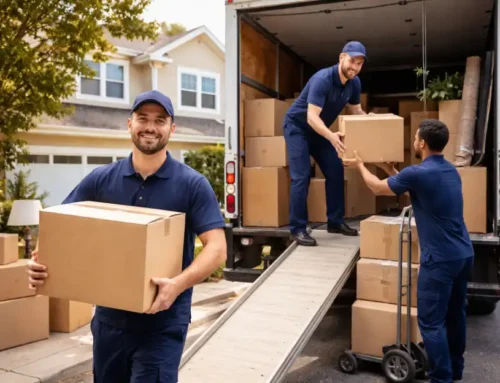
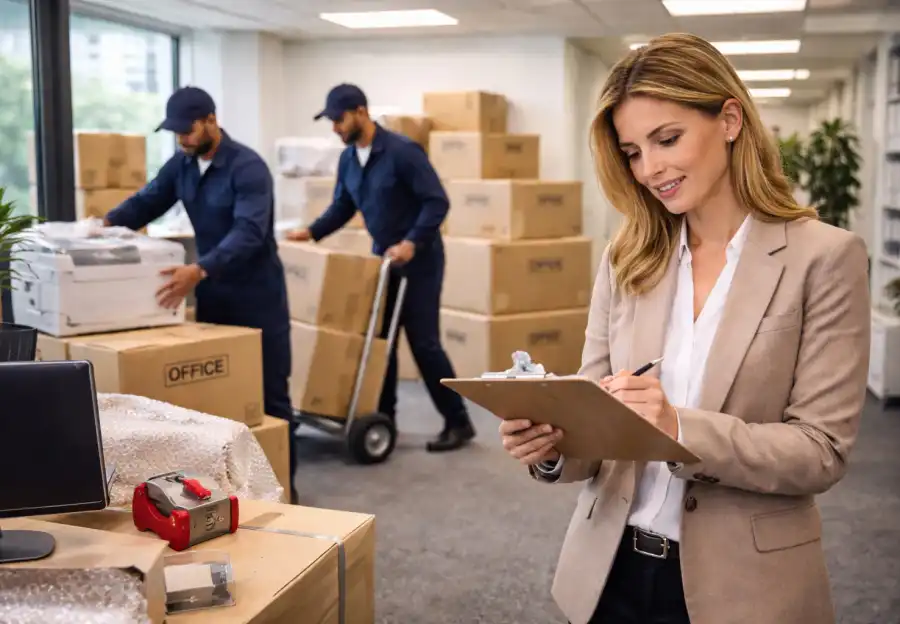
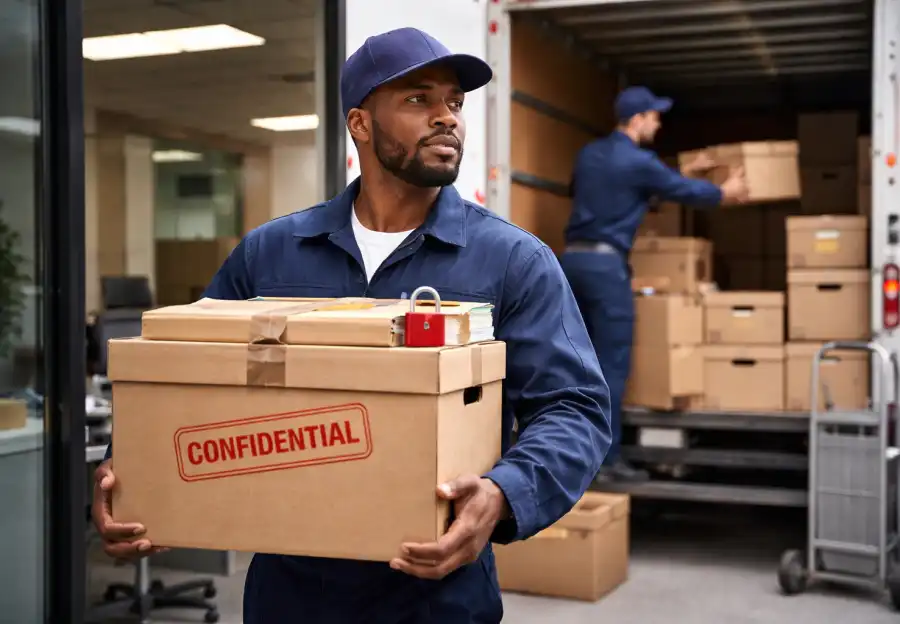
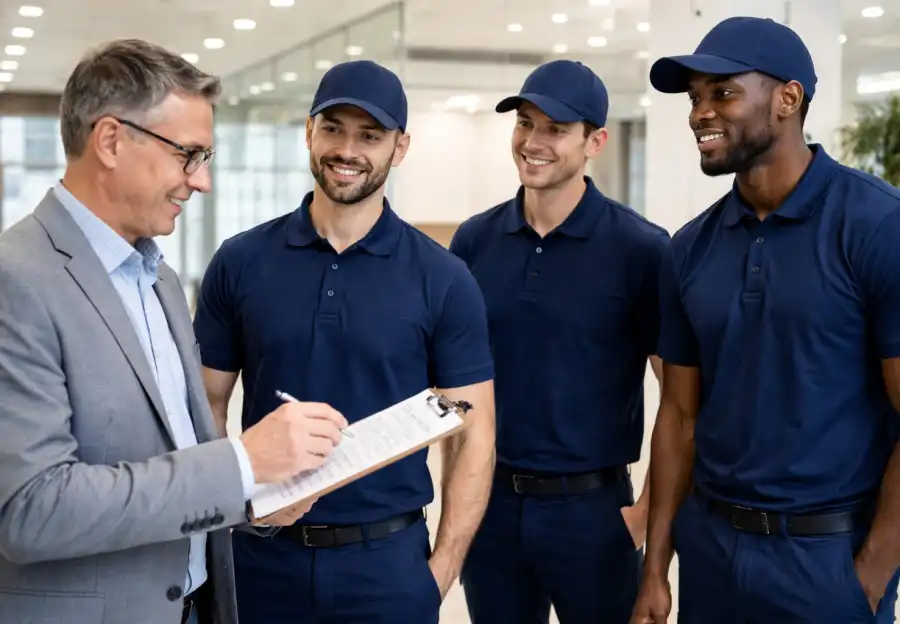
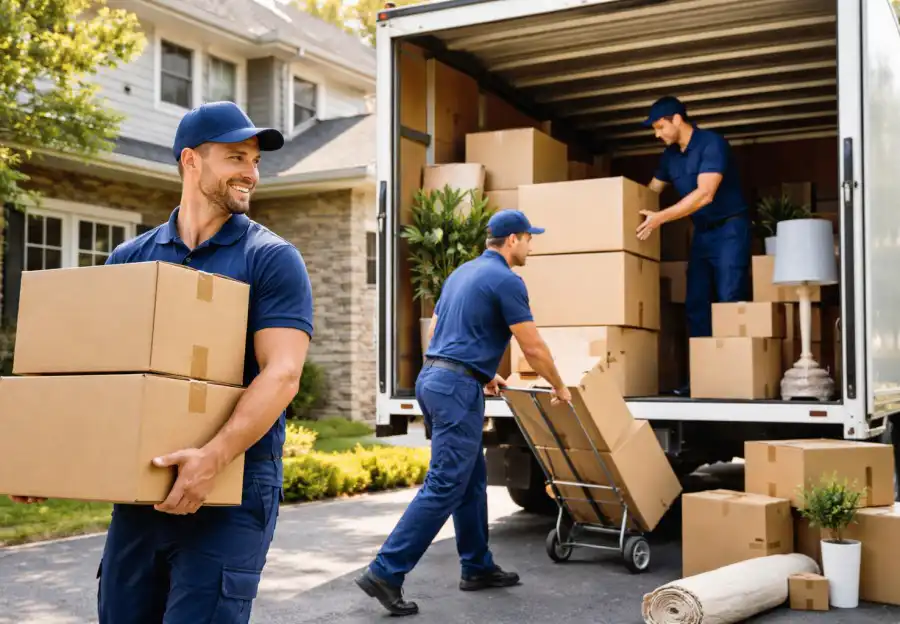
Coordinating moving services requires careful attention during winter months. High demand for movers combined with potential weather-related delays means that reserving trucks, professional labor, or packing assistance well in advance is essential. Communication with moving companies about anticipated winter conditions and confirming their readiness for icy or snowy conditions provides reassurance and avoids unexpected service interruptions. If utilizing friends or family for assistance, clearly defining roles, timing, and safety measures ensures that everyone involved is prepared for the challenges of cold-weather relocation. Effective coordination minimizes confusion, promotes safety, and helps the move proceed as planned despite environmental constraints.
Time management is critical when executing a winter move. Shorter daylight hours in the Midwest mean that packing, loading, and unloading must be carefully scheduled to maximize available light while ensuring safe handling of belongings. Breaks should be planned to allow movers and helpers to warm up and rest, reducing the risk of fatigue or cold-related injuries. Additionally, extra time should be factored in for slower travel due to icy or congested roads, as well as potential delays from winter storms. Creating a detailed timeline, breaking tasks into manageable steps, and allowing flexibility for weather-related adjustments ensures that the move progresses smoothly and reduces stress for everyone involved.
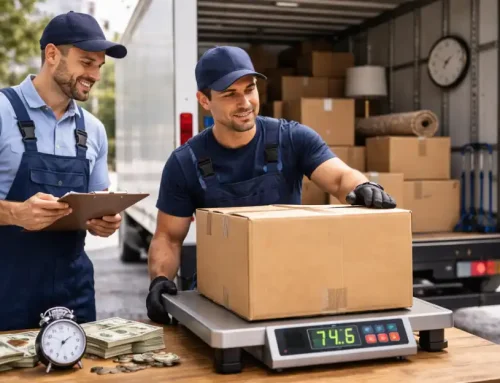
Financial preparation is also a key consideration for winter moves. The need for specialized equipment, additional packing materials, or extended labor hours can increase costs. Budgeting for these factors, along with potential expenses for snow removal or last-minute adjustments, helps avoid surprises and allows homeowners to maintain control over moving-related expenditures. Downsizing belongings prior to the move further reduces transportation volume and labor costs, while strategic planning of routes and service providers maximizes efficiency. Being proactive about budgeting contributes to a smoother, more cost-effective relocation process.
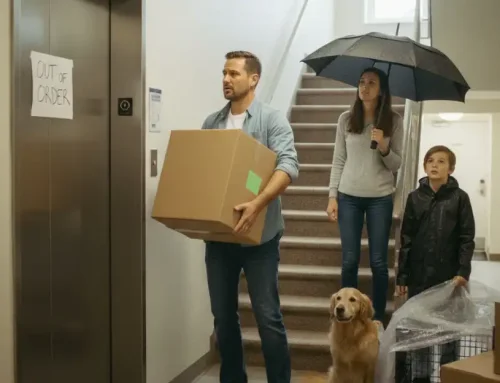
Physical safety and ergonomic considerations are particularly important during winter moves. Icy steps, heavy snow, and slippery surfaces increase the risk of falls and injuries. Using appropriate footwear with traction, wearing warm clothing in layers, and employing safe lifting techniques reduces physical strain and ensures that both movers and homeowners remain protected. Clear communication and coordination of team members also prevent accidents and help maintain a safe working environment. By prioritizing safety measures, the move becomes more manageable, even under challenging winter conditions.
Finally, a winter move offers an opportunity to develop transferable skills in planning, adaptability, and problem-solving. Anticipating weather challenges, organizing possessions for protection, coordinating services, managing time, and maintaining safety all contribute to stronger planning habits and more effective execution of complex tasks. Approaching a winter move in the Midwest with methodical preparation not only ensures that possessions arrive safely but also reduces stress, protects health, and enhances overall efficiency. Thoughtful attention to environmental, logistical, and safety considerations allows homeowners to navigate winter conditions successfully while establishing a foundation for an organized and controlled relocation process.