
May 1, 2026
How to Coordinate Multiple Movers at Once
Coordinating multiple movers at once is a critical aspect of efficient relocation, whether for personal, professional, or large-scale organizational moves, because it requires precise planning, strategic execution, and clear communication among all parties involved. Unlike single-mover or small-scale moves, managing multiple teams introduces additional layers of complexity, including overlapping schedules, task delegation, and spatial coordination. When properly executed, the coordination of multiple movers reduces stress, avoids physical strain, and improves overall time efficiency, while providing a clear, structured framework for handling logistics. Understanding the techniques, systems, and workflows required for this process allows individuals to anticipate challenges, allocate resources effectively, and maintain clarity throughout a potentially overwhelming move.
The first essential step in coordinating multiple movers is detailed preparation and organization. This begins with a comprehensive inventory of all items to be moved, including their size, weight, fragility, and priority level. By categorizing items according to these factors, movers can be assigned specific responsibilities, ensuring that each team understands their task and avoids duplication of effort or misplacement of possessions. Creating a detailed timeline that specifies when each mover or team will begin and finish their tasks is also critical. This timeline should account for potential delays, travel time between locations, and breaks, creating a buffer that allows for unforeseen issues without compromising the overall schedule. Preparation in advance establishes a predictable workflow, reduces confusion, and provides psychological relief by instilling a sense of order and control.
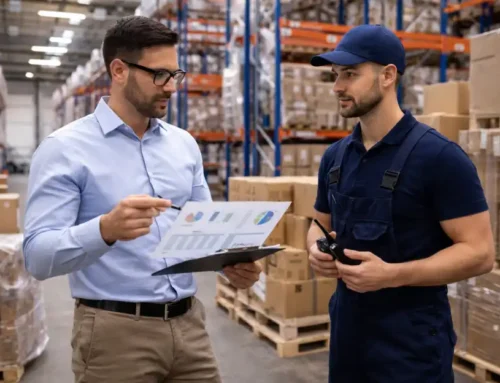
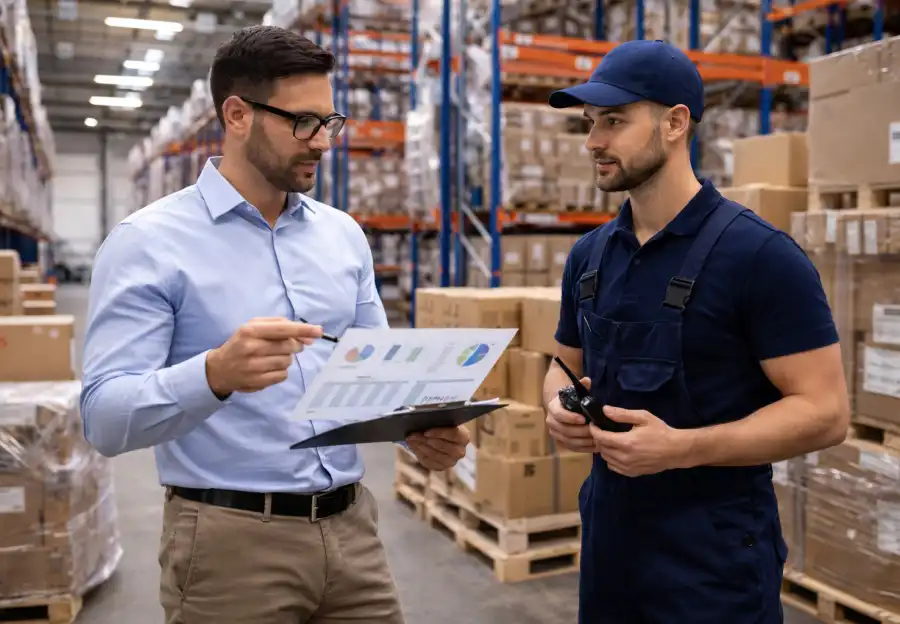
Clear communication is another key element when managing multiple movers. Every team member must have access to precise instructions regarding the sequence of operations, handling of fragile or valuable items, and destination points. Written plans, checklists, or digital collaboration tools can be utilized to ensure everyone is aligned. Regular briefings before and during the move help to address questions, clarify responsibilities, and update teams on any changes. This level of coordination prevents bottlenecks, reduces errors, and ensures that each mover is aware of the overall strategy and their specific role within it. Furthermore, open communication allows for real-time problem-solving when unexpected obstacles arise, such as equipment malfunctions, blocked access points, or last-minute item adjustments.
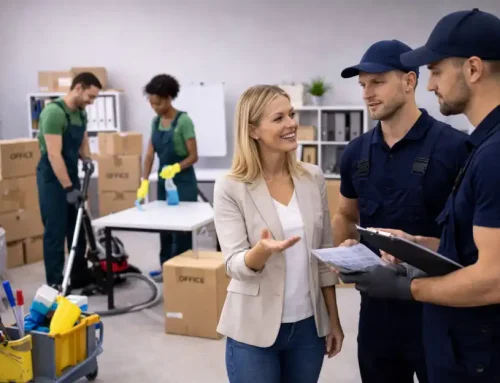
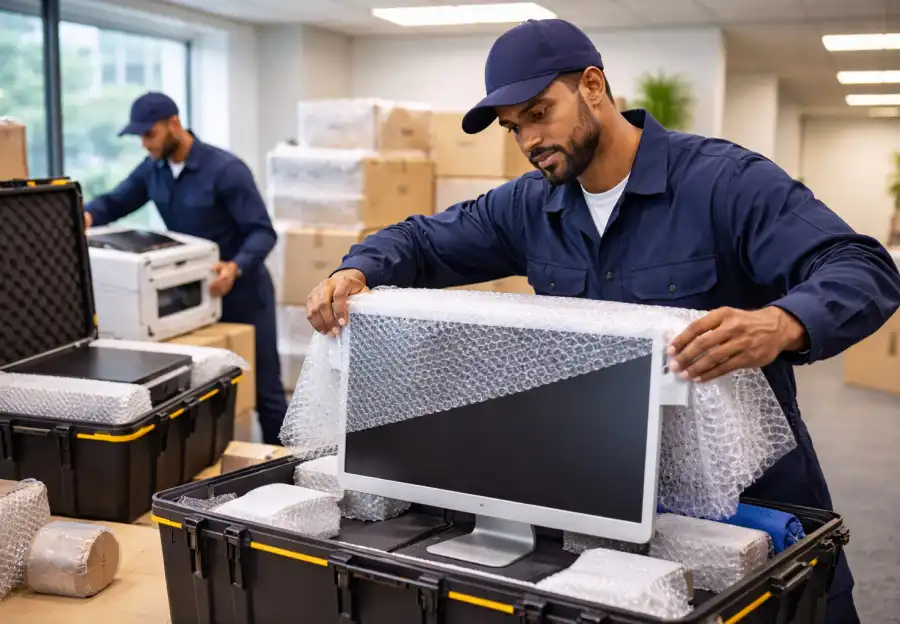
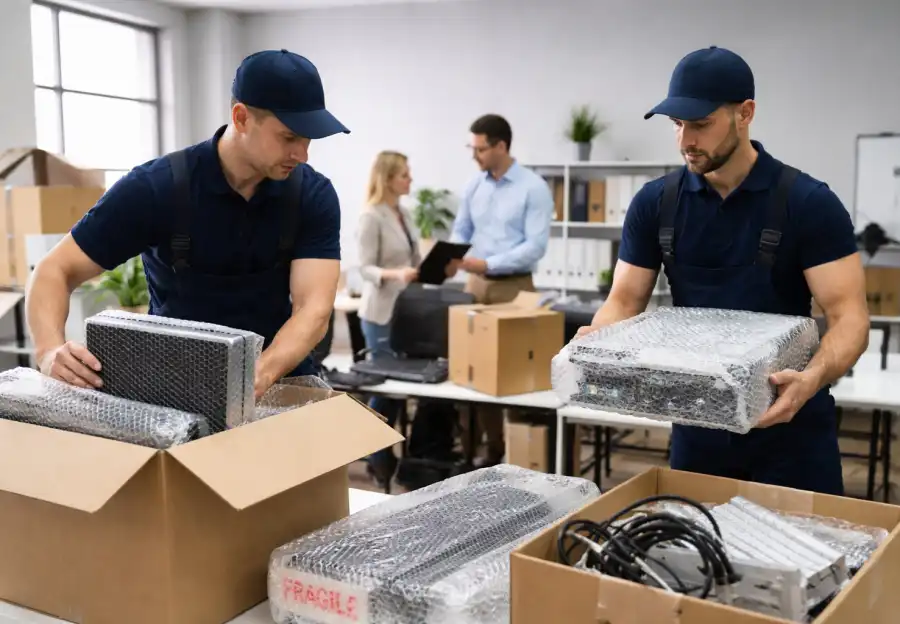
Task delegation plays a crucial role in maximizing efficiency. Coordinating multiple movers requires understanding the strengths, capabilities, and experience of each team. For example, heavier items or bulky furniture may be best handled by more experienced movers, while lighter, fragile, or categorized items can be assigned to smaller teams. Assigning tasks based on skill sets and physical capacity ensures both safety and speed. Additionally, designating team leaders or supervisors for each subgroup facilitates oversight, provides a direct point of contact for questions or conflicts, and helps maintain adherence to the overall plan. This structure reduces the likelihood of miscommunication and ensures that the move progresses according to the intended sequence.
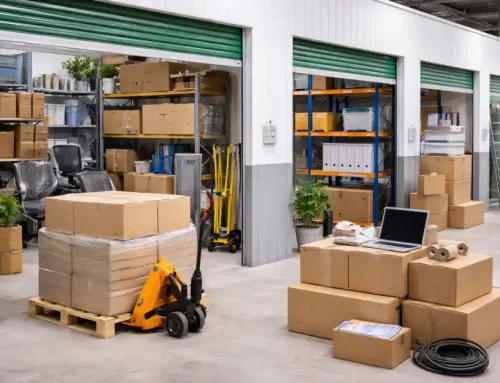
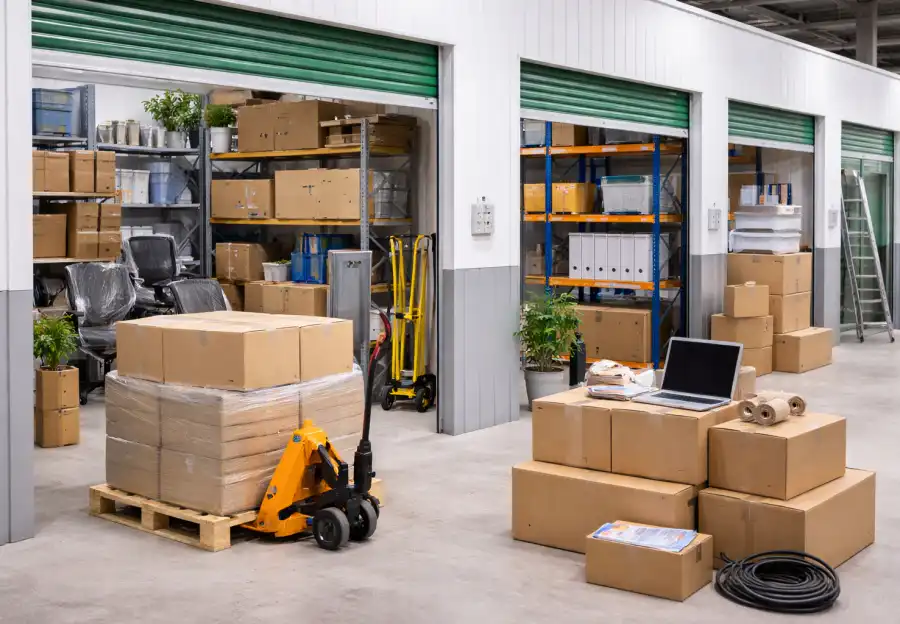
The physical layout of the move also requires careful planning when multiple movers are involved. Coordinating access to hallways, elevators, loading docks, stairwells, and parking spaces prevents congestion and delays. Mapping out movement paths in advance, including designated waiting areas for teams not currently active, helps prevent interference or accidents. For high-rise buildings or locations with limited access, reserving service elevators, scheduling staggered times for each team, and clearly labeling items based on destination ensures a smooth flow of goods. Attention to these logistical details not only enhances efficiency but also minimizes potential damage to property and keeps teams working in a safe environment.
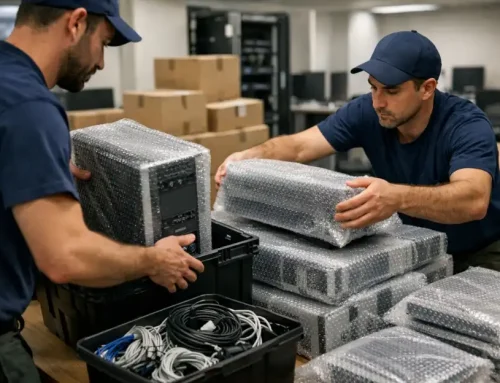
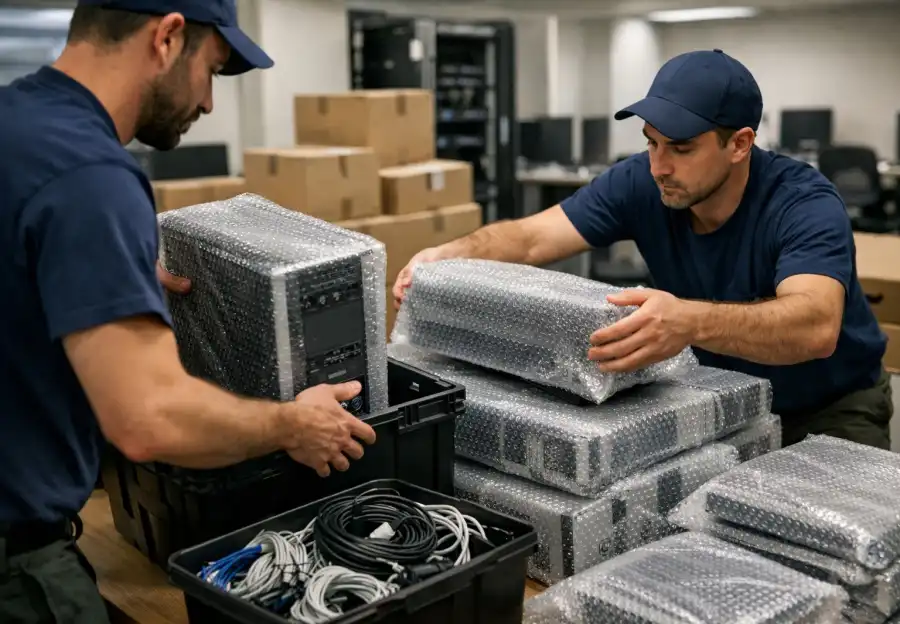
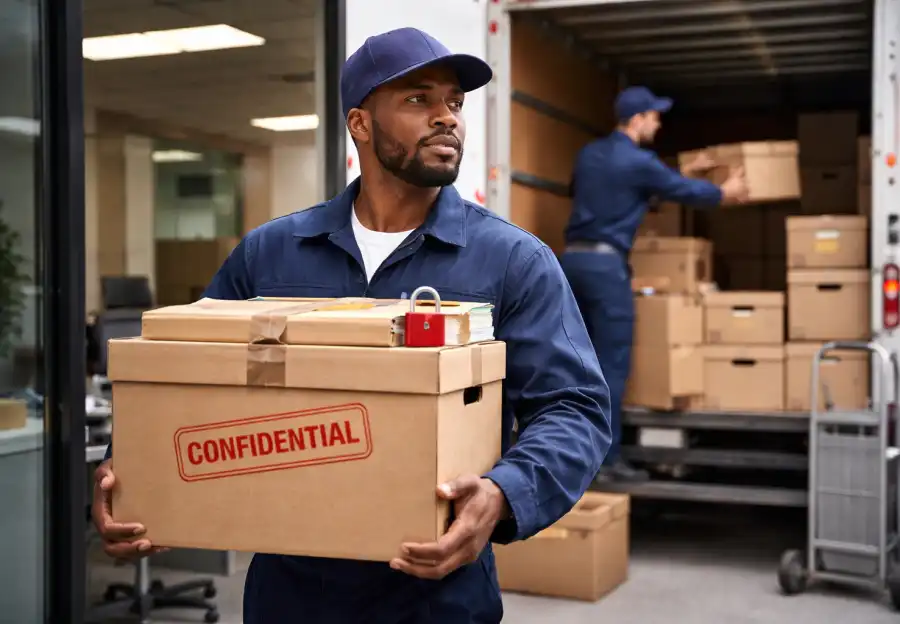
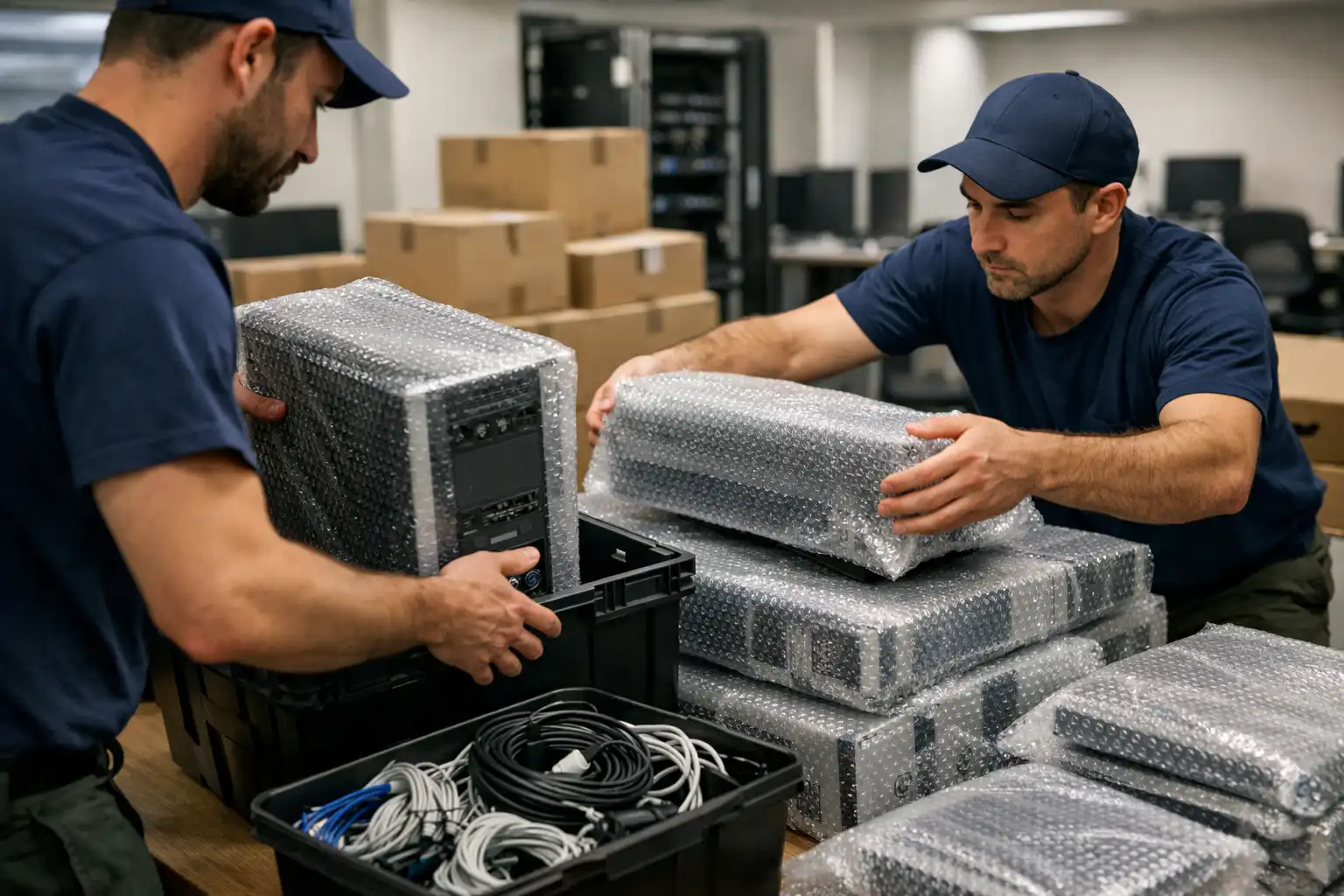
Strategic packing and labeling are additional critical considerations. Items should be pre-packed and labeled in a manner that reflects the delivery sequence or final destination. Color-coded systems, numbering schemes, or digital inventories enable multiple teams to work simultaneously without confusion. This approach ensures that each mover knows which items belong to which location, reducing the risk of misplaced boxes and accelerating the unloading and unpacking process. Preparing first-day essentials for each location further enhances organization, allowing critical items to be accessible immediately and reducing stress for homeowners or staff during transitions.
Monitoring and oversight throughout the move are essential to maintain control and efficiency. Even with meticulous planning, unexpected circumstances such as delays, misplaced items, or equipment issues can arise. Supervisors should continually track progress, adjust assignments as needed, and communicate changes effectively to all teams. Real-time problem-solving, coupled with a flexible approach, ensures that setbacks do not derail the overall schedule. Additionally, documenting progress and maintaining records of tasks completed, locations serviced, and items moved provides accountability and simplifies post-move evaluation.
Finally, mastering the coordination of multiple movers offers long-term benefits beyond the immediate relocation. The skills developed—systematic planning, effective delegation, clear communication, and logistical foresight—are transferable to other areas of personal and professional life. Learning to manage multiple teams and complex workflows fosters better prioritization, enhanced time management, and improved organizational habits, which can reduce stress and improve efficiency in a variety of contexts. By combining preparation, communication, delegation, logistics, packing strategy, and oversight, individuals can successfully coordinate multiple movers at once, ensuring that each task is executed efficiently, safely, and in alignment with the overall plan.