
April 20, 2026
How to Prepare for a Same-Day Move
How to prepare for a same-day move plays a crucial role in shaping how individuals plan, manage, and execute a relocation within an extremely compressed timeframe. A same-day move leaves little room for error. Decisions must be made quickly, actions must be deliberate, and coordination must be precise. Without a structured approach, even small issues can cascade into major delays, stress, and physical exhaustion.
Unlike general moving advice, preparing for a same-day move focuses on prioritization, sequencing, and disciplined execution. There is no luxury of spreading tasks across multiple days. Everything—from packing and loading to transport and unloading—must happen within a single, tightly controlled window. Success depends less on how much can be done and more on how intelligently time and energy are used.
The foundation of a successful same-day move is mental preparation. Accepting the constraints of the timeline helps individuals shift into a focused, decision-driven mindset. There is no space for perfectionism or hesitation. Clear choices, made early, prevent bottlenecks later. This mental clarity reduces emotional fatigue and supports faster, more confident execution.
Organization is the backbone of a same-day move. When time is limited, disorganization becomes costly. Every misplaced item, repeated trip, or unclear decision consumes energy that cannot be recovered. A well-organized approach ensures that each action has a purpose and contributes directly to progress. This structure replaces chaos with momentum.
One of the most important aspects of preparation is identifying priorities. Not everything can receive equal attention during a same-day move. Essential items, critical documents, and immediate-use belongings must be clearly identified and handled first. This prioritization ensures that basic needs are met even if minor tasks are deferred. Knowing what matters most reduces anxiety and supports efficient decision-making.
Sequencing tasks correctly is equally important. A same-day move depends on flow. Packing, staging, loading, transport, and unloading must follow a logical order. When tasks overlap unnecessarily or occur out of sequence, time is lost. A clear sequence minimizes backtracking and prevents congestion in shared spaces.
Efficiency in a same-day move is not about rushing—it is about reducing friction. Smooth transitions between tasks save time and energy. When items are staged properly, loading becomes faster. When unloading is planned in advance, unpacking is simplified. Each small efficiency compounds, creating meaningful time savings across the day.
Handling physical strain is another critical consideration. Same-day moves are demanding, and fatigue can lead to mistakes or injuries. Planning for manageable loads, realistic pacing, and brief recovery moments protects physical well-being. A structured approach helps individuals work smarter rather than harder, preserving strength throughout the move.
Decision-making speed is also essential. Same-day moves require quick judgments about what to pack, what to discard, and what to move later. Hesitation slows progress and creates mental clutter. Clear criteria for decisions—such as necessity, accessibility, or time sensitivity—help individuals move forward without second-guessing every choice.
Communication plays a major role in same-day moves, especially when more than one person is involved. Clear, concise communication prevents duplicated efforts and confusion. Everyone involved should understand their role and the immediate next steps. This clarity keeps the move cohesive and prevents breakdowns under pressure.
Another key aspect is adaptability. Even with careful preparation, same-day moves can encounter unexpected obstacles such as delays, access issues, or logistical challenges. A structured but flexible mindset allows individuals to adjust without losing control. Flexibility within a clear plan prevents small disruptions from derailing the entire process.
Psychological relief is an often-overlooked benefit of proper preparation. Same-day moves can feel overwhelming because of their intensity. Knowing that there is a plan—even a simplified one—provides reassurance. Order and predictability reduce stress and help individuals stay focused rather than reactive.
Time awareness is especially important. Same-day moves operate under a constant clock. Understanding how time is being spent allows for adjustments before delays become critical. This awareness encourages proactive decision-making instead of last-minute panic. A realistic sense of time supports calmer execution.
Environmental responsibility can still play a role, even in fast-paced moves. Thoughtful handling reduces unnecessary waste, repeated trips, and excess materials. Efficient movement and intentional packing support sustainability while also saving time and energy. Responsibility and efficiency often align under tight constraints.
Preparing for a same-day move also strengthens transferable skills. Planning under pressure, prioritizing effectively, and executing decisively are valuable abilities in many areas of life. The discipline developed during a same-day move often carries forward into better organization and problem-solving habits.
Another important factor is managing expectations. Same-day moves are not about perfection. Accepting that some tasks may be completed later prevents frustration and burnout. The goal is functional completion, not flawless execution. This mindset supports emotional balance and clearer thinking.
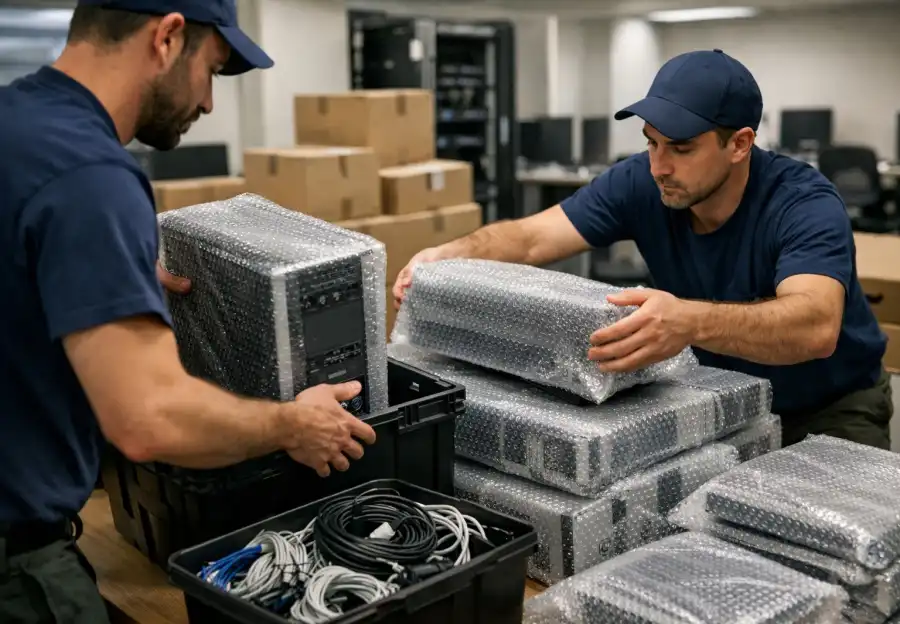
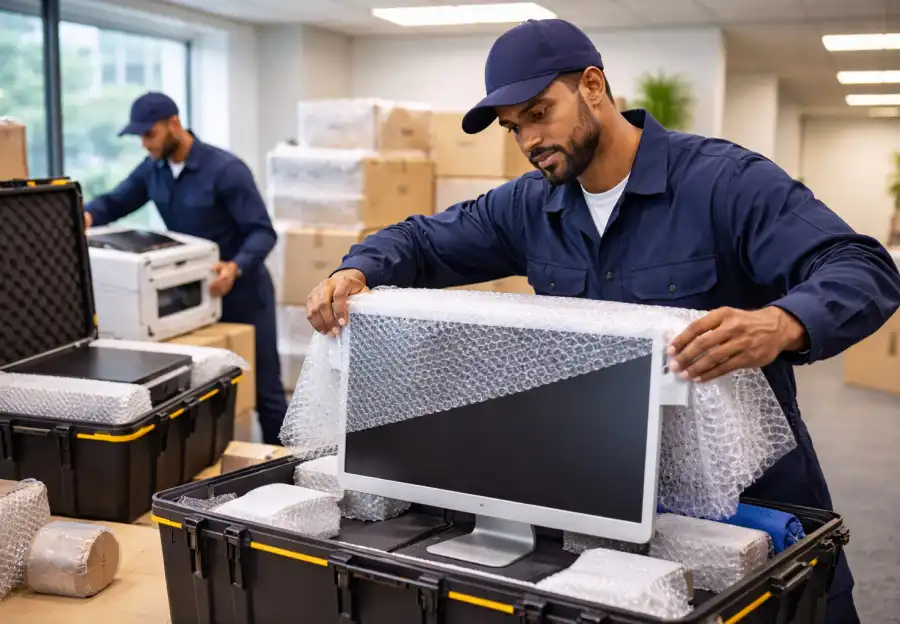
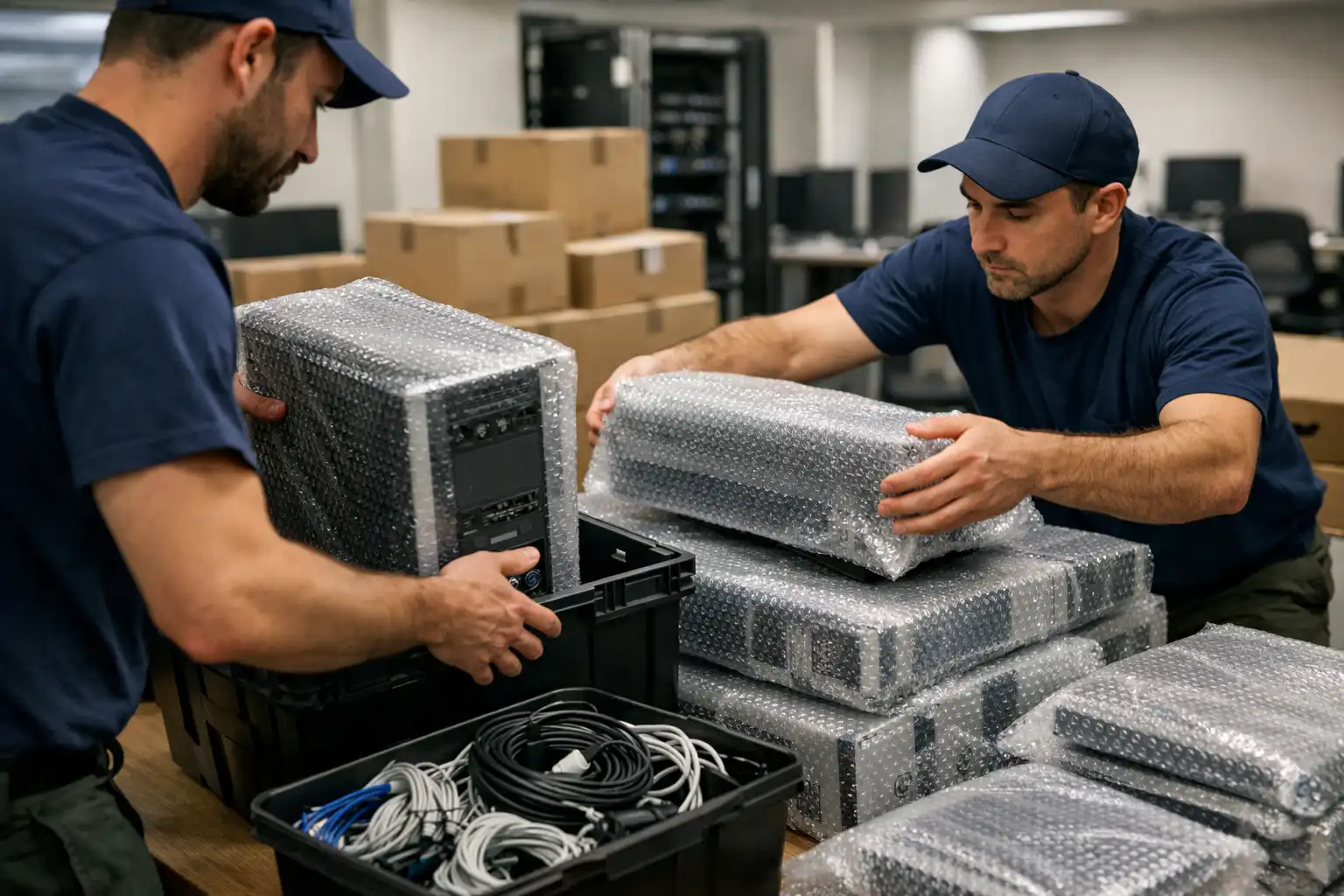
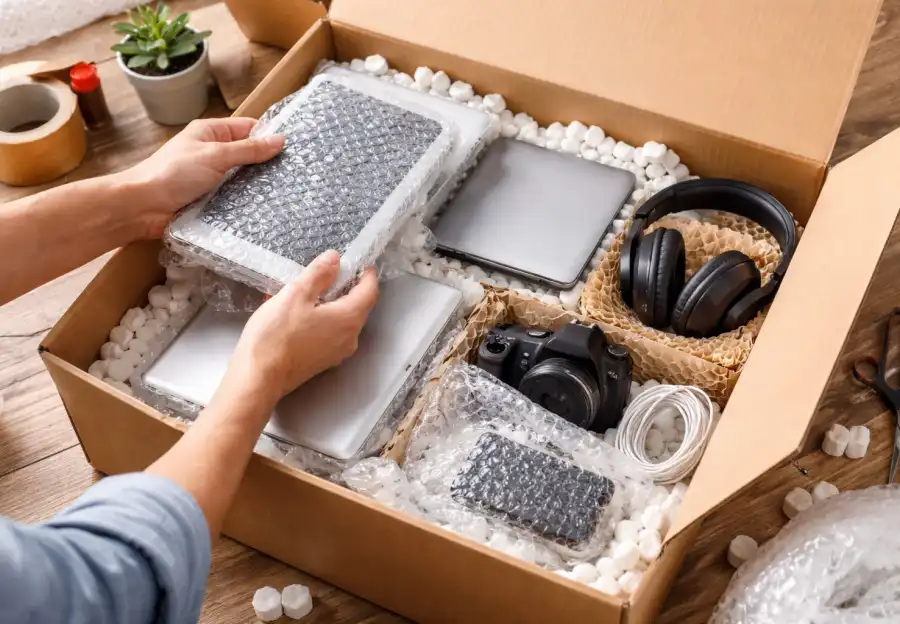
Handling belongings thoughtfully is also essential. Overpacking or disorganized packing wastes time. A streamlined approach—focusing on protection and accessibility rather than aesthetics—keeps progress moving. Thoughtful handling prevents damage and reduces the need for corrections later.
Ultimately, how to prepare for a same-day move is about aligning urgency with structure. The compressed timeline does not remove the need for planning—it increases it. By combining clear priorities, efficient sequencing, strong communication, and adaptable thinking, individuals transform a high-pressure situation into a controlled process.
Mastering this approach ensures that speed does not come at the expense of safety, clarity, or well-being. A same-day move becomes not a frantic scramble, but a focused operation guided by intention and discipline. With the right preparation, even the tightest timelines can be managed successfully—proving that effective planning matters most when time is shortest.