How to prepare your pets for relocation plays a crucial role in shaping how individuals plan, manage, and execute a move with care, responsibility, and empathy. Pets are deeply connected to their environment, routines, and familiar cues. While humans may understand the purpose of a move, pets experience it as sudden disruption. Without proper preparation, relocation can lead to stress, confusion, and behavioral changes that affect both the animal and the household.
Unlike general moving advice, preparing pets for relocation focuses on anticipation, gradual adjustment, and thoughtful handling of emotional and physical needs. Pets do not respond well to abrupt change, and moving introduces multiple unfamiliar elements at once—new sounds, new smells, altered routines, and unfamiliar spaces. A structured preparation approach helps reduce shock and allows pets to transition more smoothly alongside their owners.
One of the most important aspects of preparing pets for relocation is early awareness. As soon as a move becomes likely, it is helpful to begin adjusting routines gradually. Pets rely on consistency, and sudden changes can heighten anxiety. Small, intentional adjustments over time help them adapt more comfortably. This might include modifying feeding times slightly, introducing travel containers early, or slowly changing daily activity patterns.
Organization plays a central role in reducing pet stress. When human tasks are disorganized, pets often sense tension and react accordingly. Packing chaos, unfamiliar boxes, and disrupted schedules can make animals uneasy. Maintaining calm, predictable interactions reassures pets that they are safe, even as their surroundings begin to change. This stability is one of the most effective tools in preparing pets for relocation.
Another critical factor is familiarity. Pets associate safety with familiar objects, scents, and routines. Keeping their belongings—such as bedding, toys, or feeding items—consistent throughout the move provides emotional grounding. These familiar elements act as anchors, helping pets cope with the unfamiliar environment they are entering. Even small details, such as using the same food bowls or blankets, can significantly reduce stress.
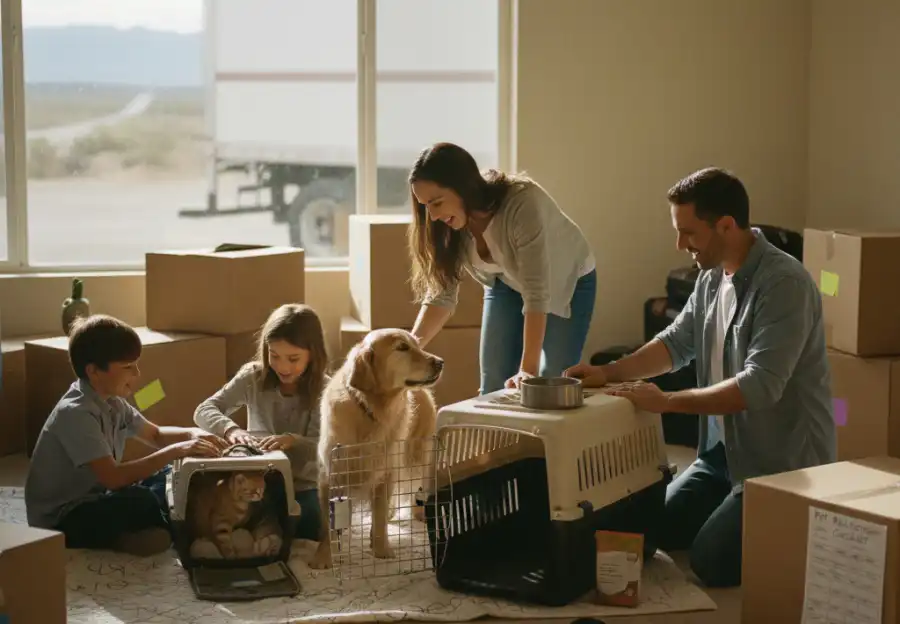
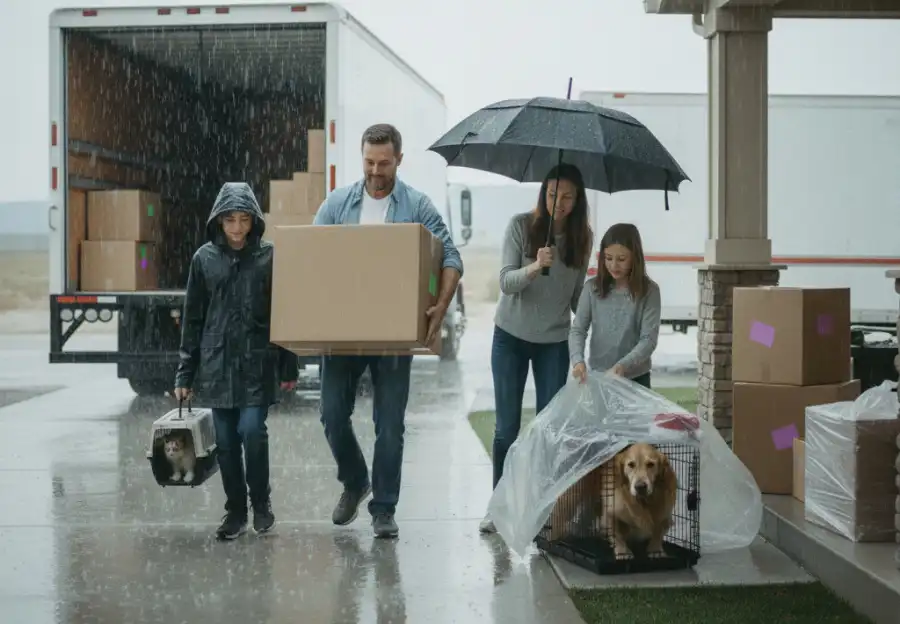
Handling logistics thoughtfully is equally important. Travel, whether short or long, can be particularly stressful for pets. Preparing them for transportation in advance helps reduce fear. Gradual exposure to carriers or vehicles allows pets to associate travel with calm experiences rather than panic. This preparation minimizes physical strain and emotional distress on moving day.
Timing and pacing matter greatly when pets are involved. Moves often require multitasking and tight schedules, but rushing can increase stress for animals. Allowing adequate time for transitions—before, during, and after the move—helps pets adjust at their own pace. This patience prevents negative associations with the move and supports long-term well-being.
Preparation also involves understanding individual pet needs. Different animals respond differently to change based on age, temperament, and health. Some pets may become withdrawn, while others may show increased agitation or clinginess. Observing these behaviors allows owners to respond appropriately rather than react impulsively. Awareness creates better decision-making and reduces unnecessary stress for both pets and people.
Another important aspect of preparing pets for relocation is maintaining routine wherever possible. Consistent feeding times, walks, play sessions, and rest periods provide predictability during a period of uncertainty. Even when surroundings change, routines signal safety and normalcy. This consistency helps pets regulate their emotions and adapt more quickly to new environments.
Emotional preparation is just as vital as logistical planning. Pets are highly sensitive to human emotions and often mirror stress or anxiety. Remaining calm, patient, and attentive reassures pets during the transition. This emotional regulation benefits the entire household, reducing tension and creating a more supportive environment during the move.
Preparing pets for relocation also involves planning for the arrival. The new environment can be overwhelming at first. Gradual introduction to the space helps pets adjust without feeling overstimulated. Allowing them to explore at their own pace and establishing familiar routines quickly creates a sense of safety. This thoughtful approach reduces confusion and behavioral issues after the move.
Efficiency is another key benefit of proper preparation. When pet needs are anticipated, last-minute scrambling is avoided. This saves time, reduces physical strain, and prevents mistakes that could compromise pet safety. Efficiency does not mean rushing—it means thoughtful sequencing and intentional action.
There is also a psychological benefit for owners. Knowing that pets are prepared and supported reduces guilt, worry, and emotional fatigue. This peace of mind allows individuals to focus more effectively on other aspects of the move without feeling overwhelmed. Order and predictability benefit both humans and animals alike.
Preparing pets for relocation also strengthens long-term caregiving skills. The planning, observation, and patience required during a move translate into better pet care overall. Owners become more attuned to their pets’ signals, needs, and stress responses. These insights improve daily interactions long after the relocation is complete.
Environmental responsibility can also be part of pet preparation. Thoughtful planning reduces unnecessary travel, waste, and impulse purchases. Reusing pet supplies, avoiding excess packaging, and planning efficient routes all contribute to a more sustainable move. Responsible preparation aligns care for pets with care for the environment.
Another often overlooked benefit is relationship building. Successfully navigating a move together reinforces trust between pets and owners. Pets learn that change, while uncomfortable, does not mean abandonment or danger. This trust strengthens bonds and improves resilience during future transitions.
Ultimately, how to prepare your pets for relocation is about empathy, structure, and foresight. It is not about eliminating stress entirely, but about managing it thoughtfully and compassionately. By aligning planning, organization, and emotional awareness, pet owners transform a potentially traumatic experience into a manageable transition.
Mastering this process ensures that pets feel secure, supported, and cared for throughout the move. With preparation and patience, relocation becomes not just a change of location, but a shared journey—one guided by understanding, stability, and respect for the animals who depend on us most.