
May 4, 2026
How to Plan a Summer Move
Planning a summer move requires careful attention to timing, resources, and strategy, as the warmer months bring both opportunities and challenges that differ from moves in other seasons. Unlike general moving advice, understanding how to plan a summer move focuses on optimizing schedules, managing weather-related risks, coordinating logistics, and preparing for higher demand among moving services. Many individuals underestimate the impact that seasonal factors can have on cost, efficiency, and stress levels. By approaching a summer move with structured planning, homeowners can anticipate potential obstacles, allocate resources wisely, and maintain control over every stage of the process, reducing the likelihood of last-minute complications or delays. Additionally, mastering summer moving strategies offers transferable skills in organization, time management, and problem-solving that extend beyond relocation.
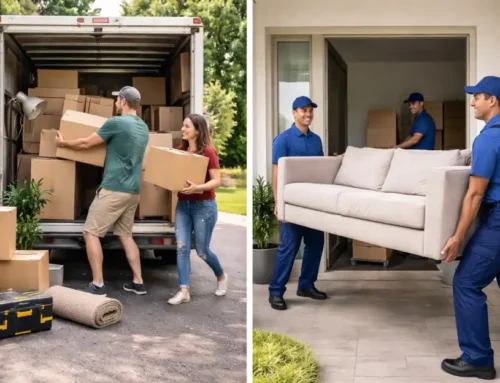
One of the first considerations when planning a summer move is booking moving services early. Summer is traditionally the peak moving season, with high demand driven by school schedules, lease agreements, and family vacations. Moving companies, truck rentals, and packing services are often booked weeks or even months in advance. By reserving services as early as possible, homeowners can secure the preferred moving date, the appropriate truck size, and sufficient labor support. Early planning also provides flexibility for selecting off-peak days, such as midweek moves, which often cost less than weekend moves while avoiding the stress of competing with a high volume of clients. A proactive approach to booking ensures that the move is organized, cost-effective, and aligned with individual schedules.
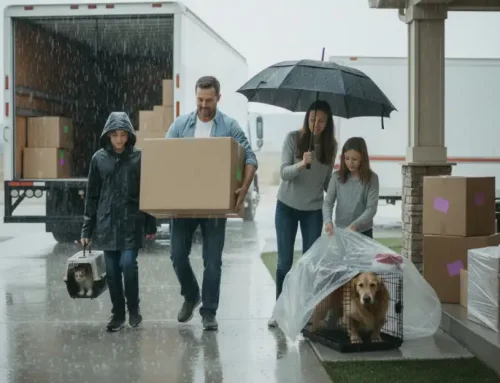
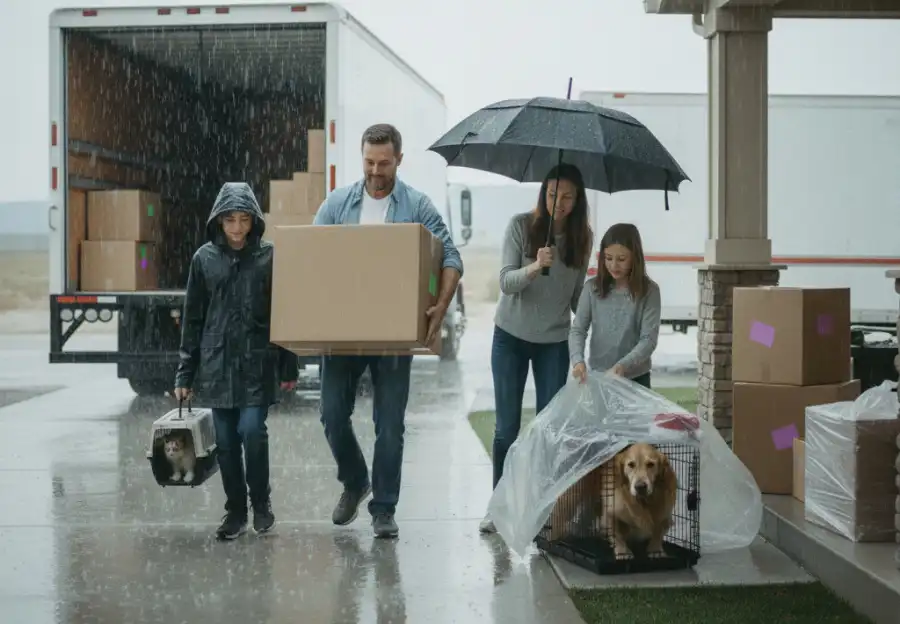
Weather considerations are another critical factor in planning a summer move. While summer generally offers more predictable and favorable conditions than winter, extreme heat, thunderstorms, or sudden weather events can still create challenges. To minimize risks, movers should schedule tasks during cooler parts of the day, such as early morning or late afternoon, to avoid heat exhaustion and ensure that both people and belongings remain safe. Adequate hydration, sun protection, and appropriate clothing are essential for anyone involved in the move. Preparing for sudden storms by having waterproof coverings for furniture, boxes, and electronics prevents damage and ensures that possessions arrive safely at the new location. Attention to weather details allows homeowners to plan more effectively and maintain energy and morale throughout the relocation process.
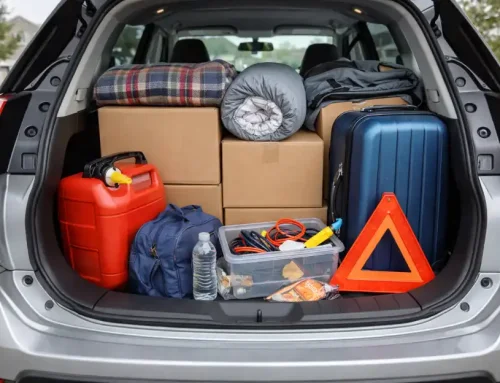
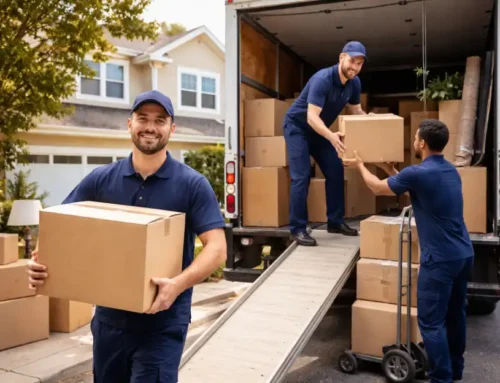
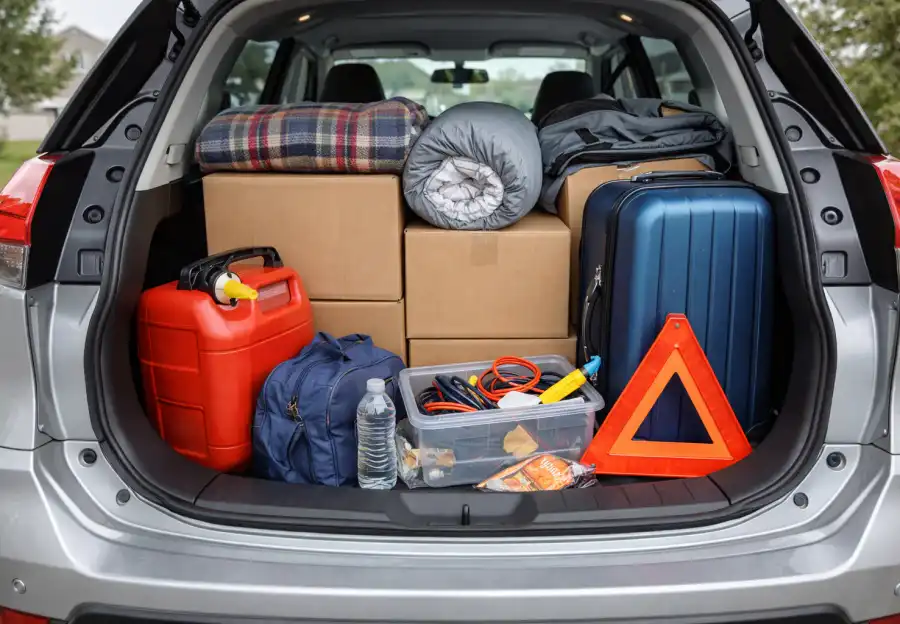
Another important aspect is managing traffic and logistical considerations. Summer often brings increased congestion due to construction projects, tourism, and general travel, particularly in urban areas. Planning routes in advance, identifying alternative paths, and allowing extra time for loading and transportation help prevent delays. Coordinating parking permits, elevator access, and loading zone availability ahead of time ensures that movers can work efficiently without interruptions. Organizing the sequence of tasks—packing, loading, transport, unloading, and setup—reduces confusion and makes the move more predictable. Efficient workflow management is especially important during peak summer months when multiple moves may be occurring in close proximity.
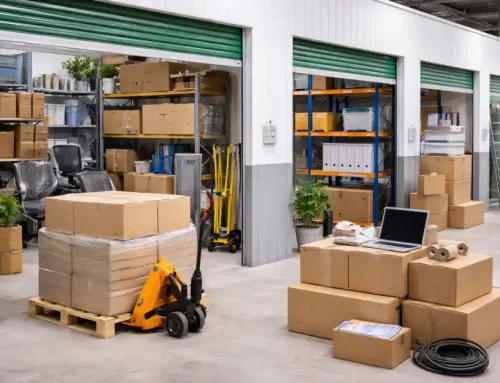
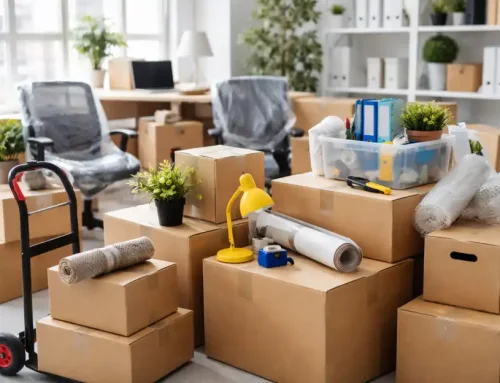
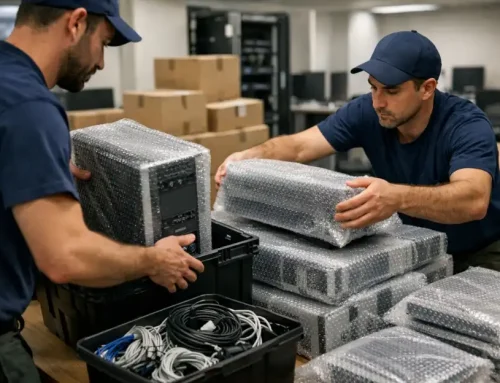
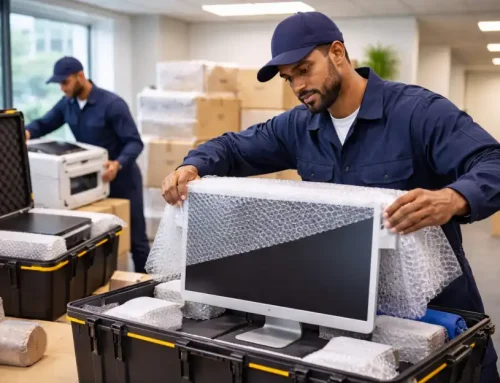
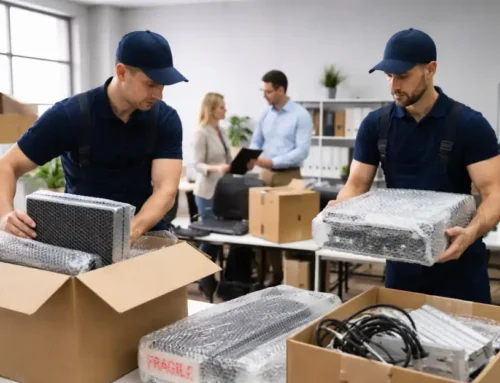
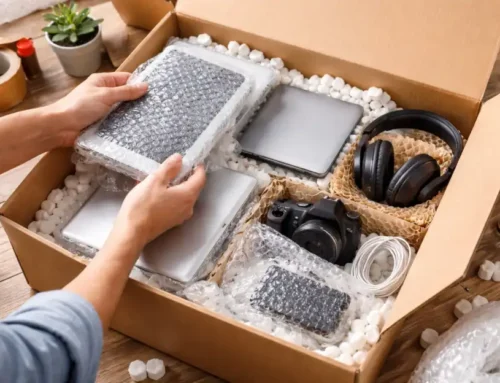
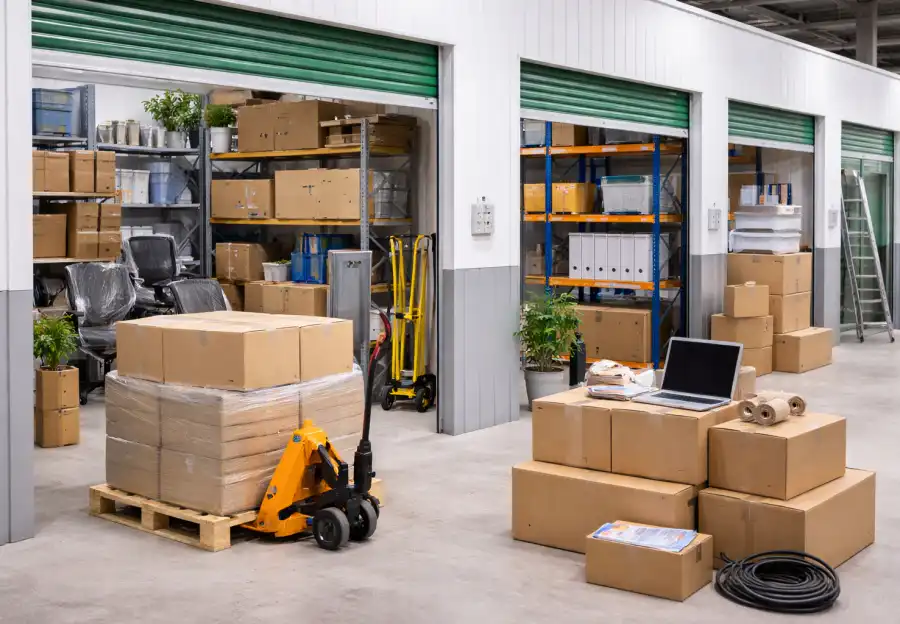
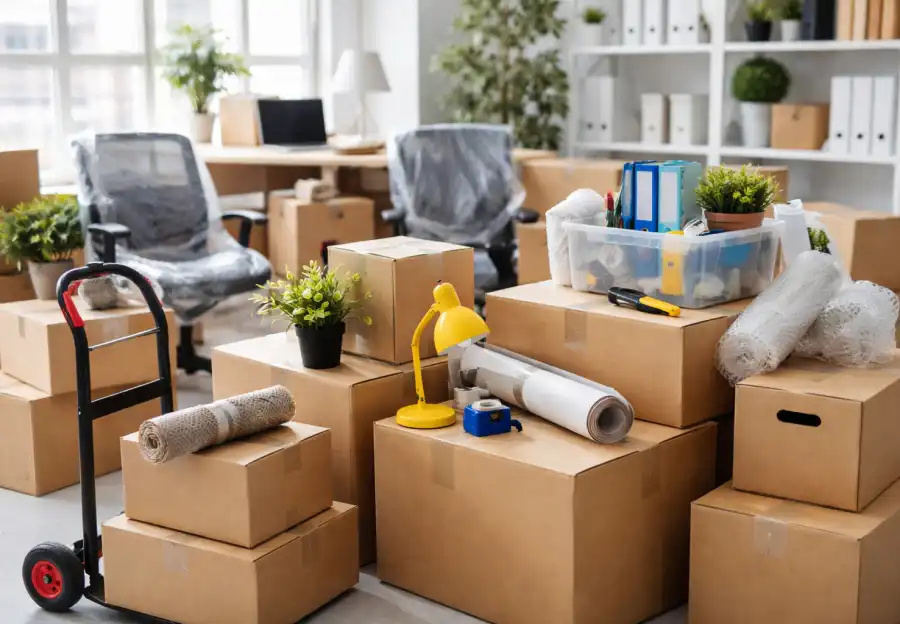
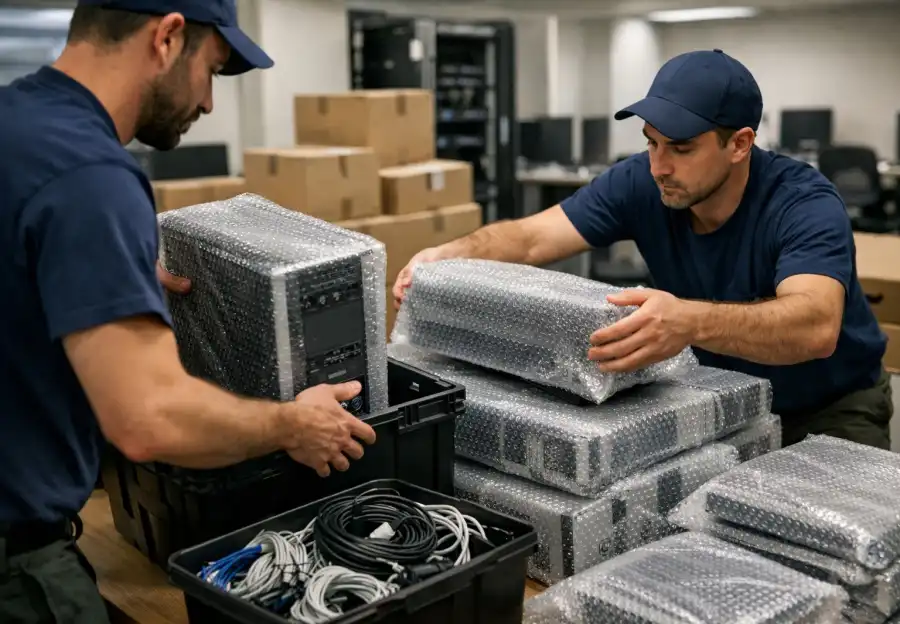
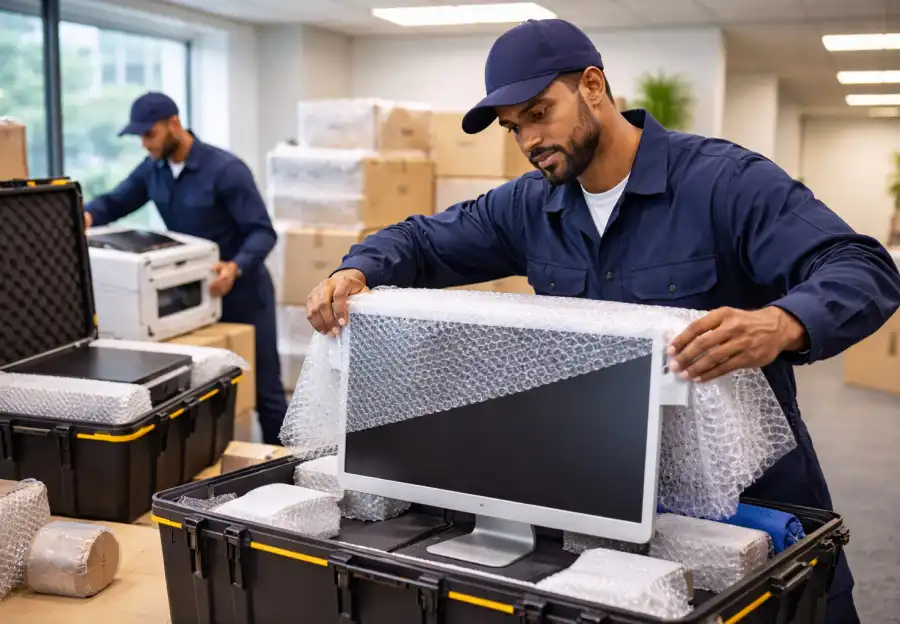
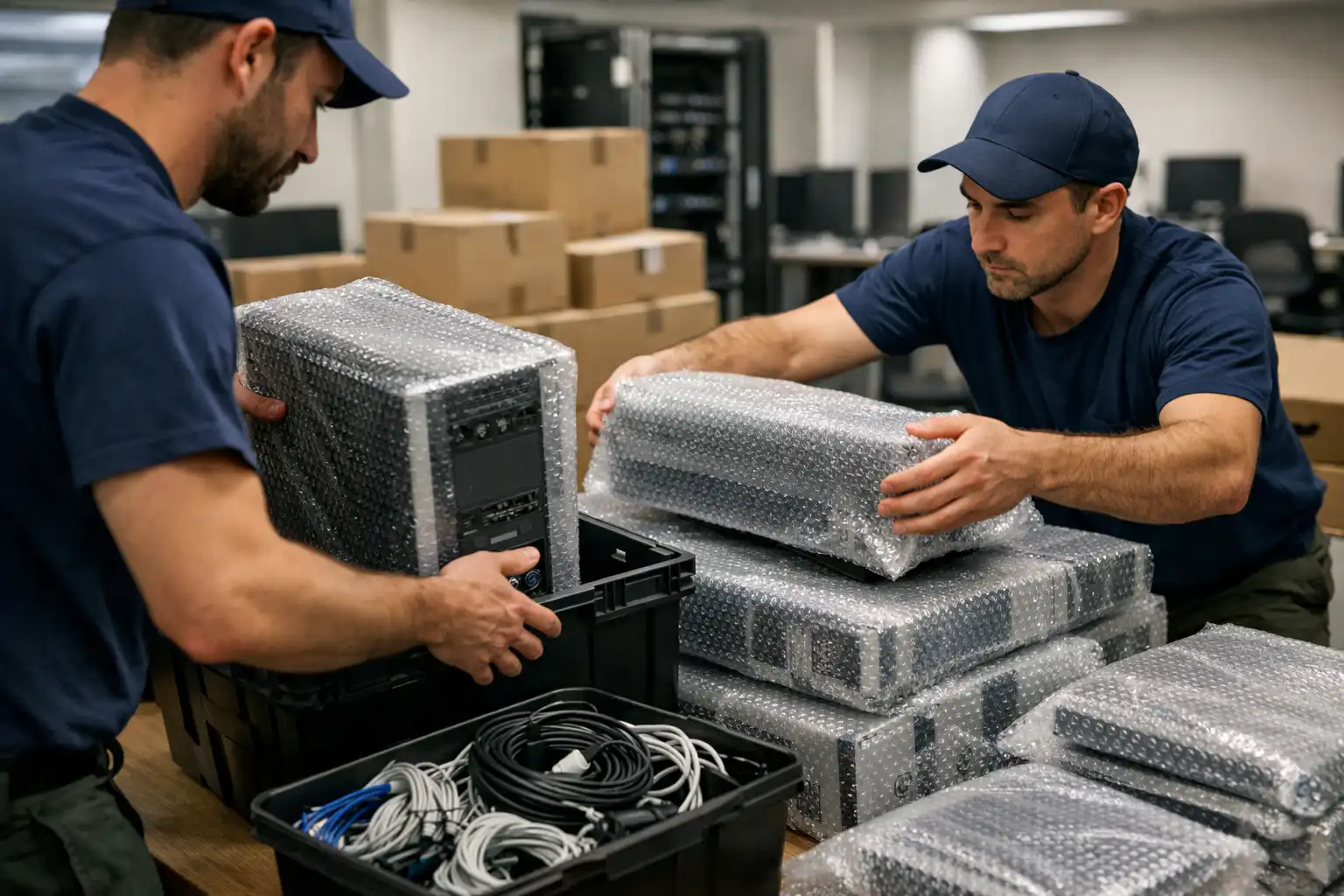
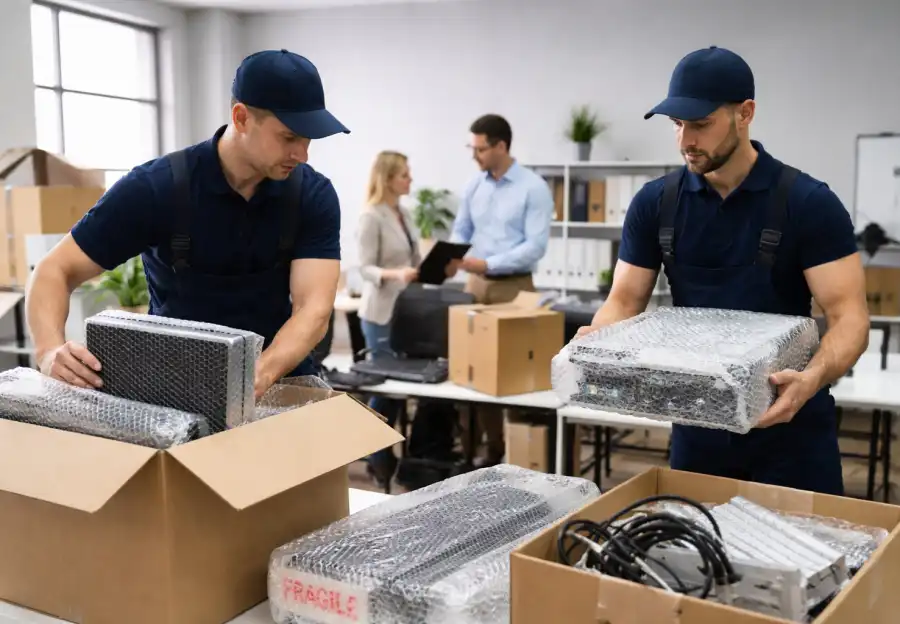
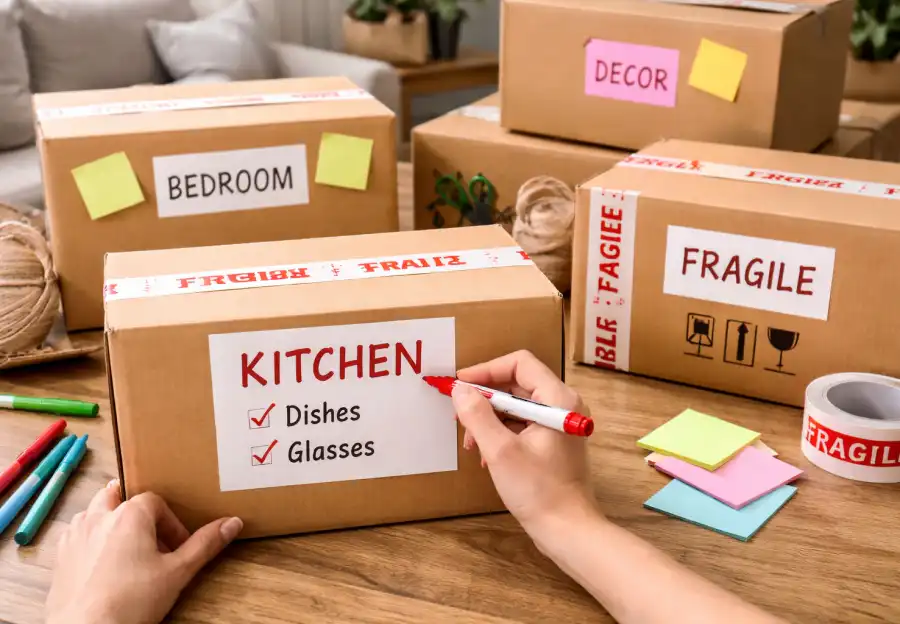
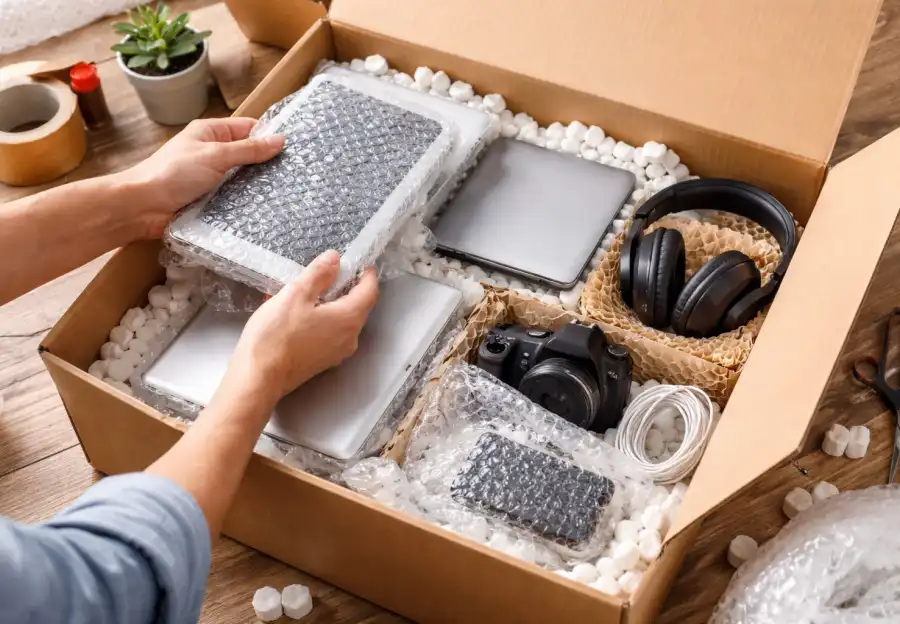
Optimizing packing and storage strategies is essential during summer moves. Homeowners should focus on decluttering and organizing possessions before packing, as reducing the number of items to move decreases costs, labor, and stress. Using high-quality, breathable packing materials prevents heat or moisture damage, while labeling boxes clearly helps prioritize essential items for immediate access upon arrival. Planning for temporary storage, if necessary, provides additional flexibility when moving between residences, especially during busy summer periods. By preparing possessions carefully, movers can maintain safety and efficiency while ensuring a smooth transition into the new home.
Financial planning is also a key consideration. Summer moves tend to be more expensive due to high demand, so budgeting carefully for moving services, packing supplies, transportation costs, and potential contingencies is crucial. Homeowners can save money by scheduling midweek moves, minimizing unnecessary labor hours, and comparing quotes from multiple service providers. Additionally, selling, donating, or discarding items before the move reduces the volume of goods transported, further lowering expenses and streamlining the relocation process. Thoughtful financial planning ensures that costs remain manageable without compromising safety or quality.
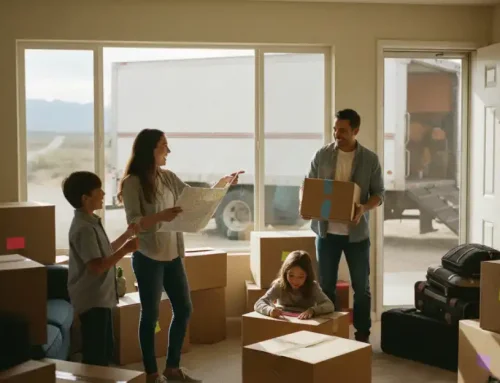
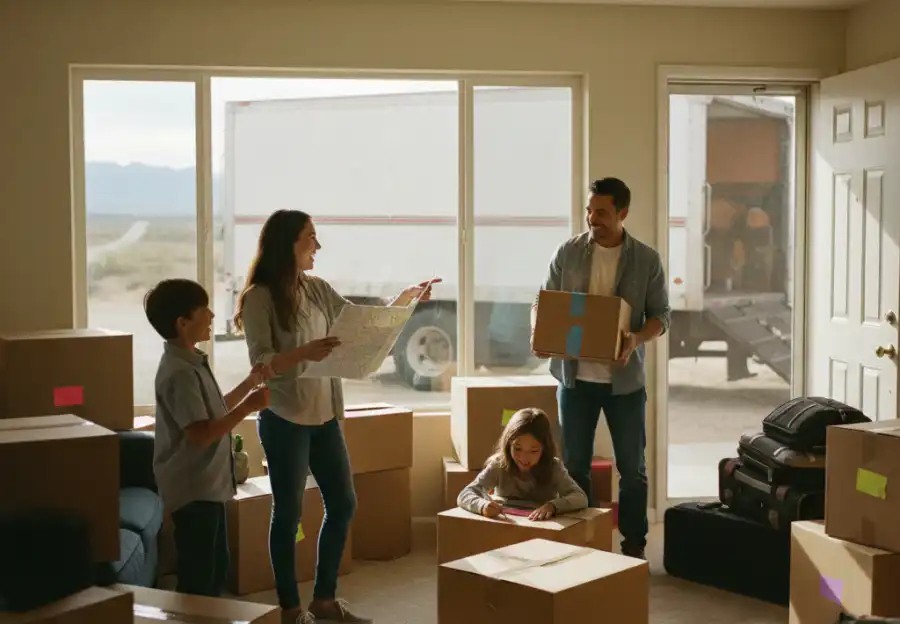
Psychological preparation and time management are equally important when planning a summer move. Moves are inherently stressful, and summer moves often involve tight deadlines due to school calendars, work schedules, or lease expirations. Maintaining a detailed timeline, assigning responsibilities to helpers, and breaking tasks into smaller, manageable steps reduces mental strain and keeps the process organized. Clear communication with movers, family members, or friends involved in the relocation ensures that everyone is aligned on expectations, priorities, and contingency plans. This approach fosters calmness, reduces confusion, and enhances overall efficiency.
Finally, planning a summer move provides an opportunity to adopt long-term organizational habits. By approaching the move methodically—considering timing, logistics, finances, packing, weather, and workflow—homeowners develop skills that are useful in other areas of life, such as project management, time prioritization, and strategic problem-solving. Summer moves, while demanding, can be executed smoothly with proper foresight, preparation, and adaptability. Understanding how to plan a summer move ensures that possessions arrive safely, costs are controlled, and stress is minimized, ultimately allowing homeowners to enjoy a seamless transition and a fresh start in their new home.