
April 25, 2026
How to Donate Items Before a Move
How to donate items before a move plays a crucial role in shaping how individuals plan, manage, and execute a smoother, more intentional relocation. Moving is not only about transporting belongings from one place to another; it is also about deciding what truly deserves to come along. Donating items before a move introduces clarity into this decision-making process, transforming what could be a stressful purge into a purposeful and rewarding experience.
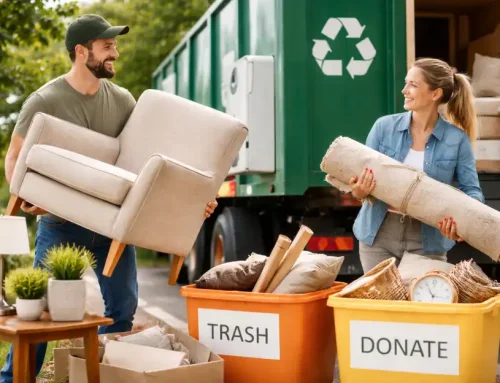
Unlike general moving advice, donating items before a move focuses on reduction with intention rather than disposal out of urgency. Many people underestimate how much excess they accumulate over time. When everything is packed without reflection, unnecessary items increase moving costs, physical strain, and emotional overwhelm. Donation shifts the focus from loss to contribution, making the transition lighter in every sense.
The foundation of successful donation planning is early preparation. Donating is not a last-minute task. Waiting until the final days before a move often leads to rushed decisions, missed opportunities, or items ending up discarded instead of reused. Starting early allows individuals to evaluate possessions calmly and thoughtfully, ensuring that items are donated responsibly and with purpose.
Organization plays a central role in this process. Sorting items methodically—rather than emotionally—creates structure and reduces decision fatigue. When belongings are reviewed category by category, it becomes easier to identify what no longer serves a purpose. This organized approach prevents overwhelm and ensures steady progress instead of sporadic bursts of activity.
Efficiency is another major benefit of donating before a move. Fewer items mean fewer boxes, less lifting, and shorter moving times. Each donated item directly reduces the workload on moving day. This efficiency not only saves time but also protects physical well-being by minimizing strain and fatigue.
Psychological relief is one of the most powerful outcomes of donation. Clutter often carries emotional weight, even when it goes unnoticed. Letting go of unused items creates mental space and restores a sense of control. Knowing that belongings are being put to good use rather than discarded helps reduce guilt and emotional resistance, making the process feel positive rather than draining.
Donating items before a move also improves planning accuracy. When the volume of belongings is reduced, it becomes easier to estimate packing needs, transportation requirements, and storage space. This clarity leads to better decision-making and fewer surprises later in the move.
Another important aspect is prioritization. Donation forces individuals to confront what truly matters. Items that are essential, meaningful, or actively used stand out more clearly when surrounded by fewer distractions. This prioritization strengthens intentional living and reduces the likelihood of accumulating unnecessary items in the future.
Environmental responsibility is deeply connected to donation. Choosing to donate rather than discard reduces waste and supports more sustainable use of resources. Furniture, clothing, household goods, and supplies often have life beyond their current owner. Donation extends that lifecycle and reduces the environmental burden associated with manufacturing and disposal.
Time efficiency also improves when donation is planned strategically. Coordinating donation efforts with packing schedules prevents duplicated work. Items are handled once, moved once, and removed from the process entirely. This streamlined workflow reduces frustration and keeps momentum steady throughout the preparation phase.
Emotional clarity improves when donation is approached with intention. Moving often coincides with life changes, and belongings can hold memories tied to previous chapters. A thoughtful donation process allows individuals to acknowledge those memories without being weighed down by them. This emotional closure supports healthier transitions.
Another often-overlooked benefit is confidence building. Successfully donating items before a move reinforces decision-making skills. Each clear choice strengthens trust in one’s judgment, making later decisions—such as unpacking and organizing—easier and less stressful.
Donating before a move also encourages better coordination with others. In shared households or family moves, discussing donation decisions openly reduces conflict. When expectations are aligned, the process becomes collaborative rather than contentious. Clear communication ensures that everyone feels respected and included.
Financial awareness is also supported through donation planning. Reducing volume often lowers moving costs and minimizes the need for additional supplies. Thoughtful donation prevents last-minute expenses caused by oversized loads or emergency storage solutions.
There is also a strong psychological benefit in knowing that donated items may help others. This sense of contribution adds meaning to the moving process and shifts focus away from stress. Donation transforms letting go into an act of generosity rather than sacrifice.
Another key advantage is improved unpacking later. Fewer items mean faster setup and less clutter in the new space. Donating beforehand makes it easier to create an organized, comfortable environment after the move. The benefits extend well beyond moving day itself.
Handling donation thoughtfully also builds transferable life skills. Planning, sorting, prioritizing, and environmental awareness developed during this process apply to everyday organization and future transitions. These skills support long-term clarity and efficiency.
Flexibility remains important. Not every item can be donated immediately, and plans may change. A flexible mindset allows individuals to adapt without frustration while still maintaining overall structure. The goal is progress, not perfection.
Ultimately, how to donate items before a move is about aligning efficiency, responsibility, and intention. It is not about getting rid of things quickly, but about making deliberate choices that support a smoother transition and a clearer future. When planning, organization, and environmental awareness work together, donation becomes an empowering part of the moving journey.
Mastering this approach transforms donation from a stressful chore into a meaningful step toward order and renewal. It lightens physical loads, reduces emotional clutter, and supports sustainable habits that last long after the move is complete. By donating with purpose, individuals create space not only in their new home, but also in their mindset—making room for what truly matters next.