May 14, 2026
How to Clean Before and After Moving
Cleaning before and after moving is a critical element of the relocation process that requires meticulous planning, systematic execution, and strategic attention to detail. Unlike general moving advice, guidance on how to clean before and after moving emphasizes targeted practices, thoughtful decision-making, and specific methods to tackle both predictable and unforeseen challenges. Proper cleaning not only protects the health and safety of the movers but also preserves the integrity of the home, furniture, and belongings. Mastering this task reduces stress, prevents physical strain, and enhances time efficiency, allowing individuals to approach the moving process with a sense of control and clarity. Understanding how to clean before and after moving equips individuals with a structured mindset, enabling them to divide large cleaning tasks into manageable steps while maintaining organization and efficiency throughout the relocation process.
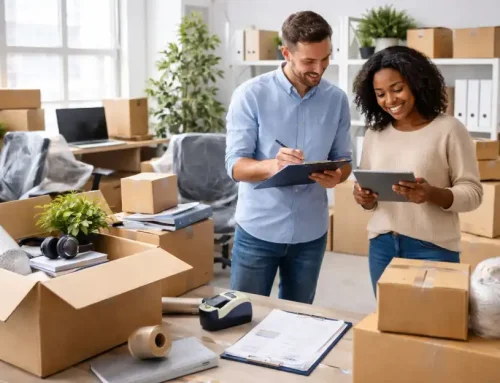
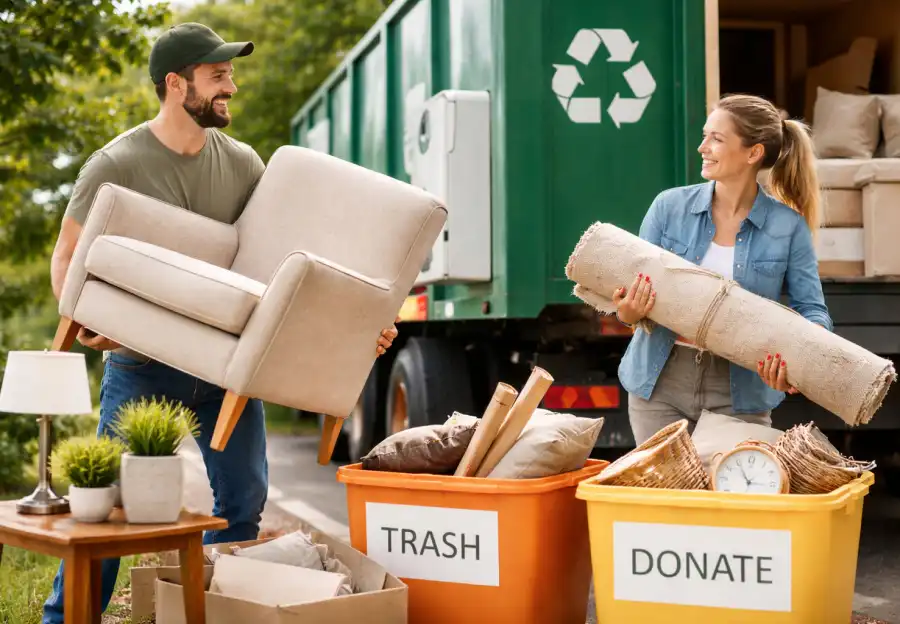
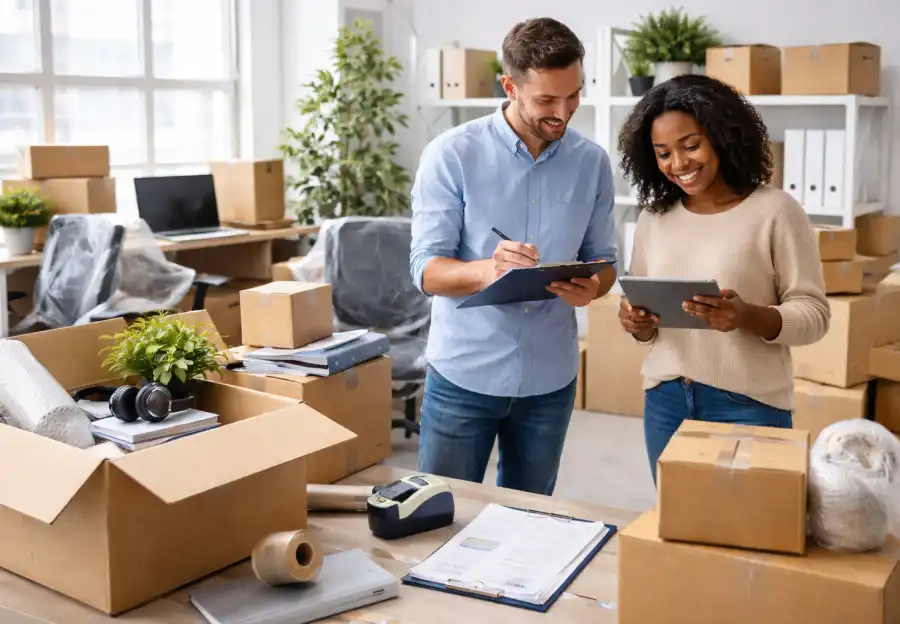
The first step in pre-move cleaning is assessment and prioritization. Individuals should conduct a thorough walkthrough of their home, identifying areas that require intensive cleaning, such as kitchens, bathrooms, and high-traffic zones. This step also involves determining which surfaces, fixtures, and furniture pieces need special attention, including those that are delicate, high-value, or difficult to move. Categorizing tasks according to urgency, complexity, and the type of cleaning required—such as dusting, scrubbing, vacuuming, or disinfecting—ensures that resources and effort are allocated efficiently. Additionally, assessing cleaning needs helps in identifying supplies, tools, and protective gear required for each task, which minimizes delays and prevents disruption once the cleaning process begins.
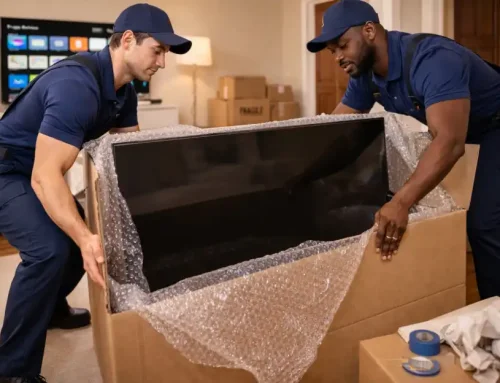
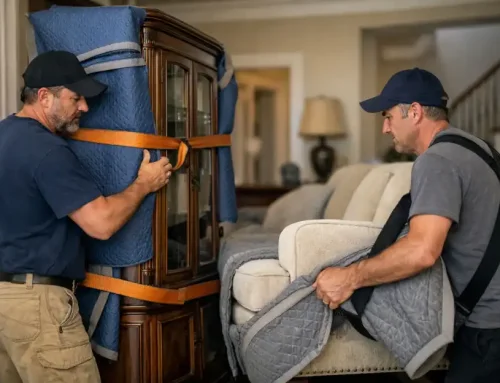
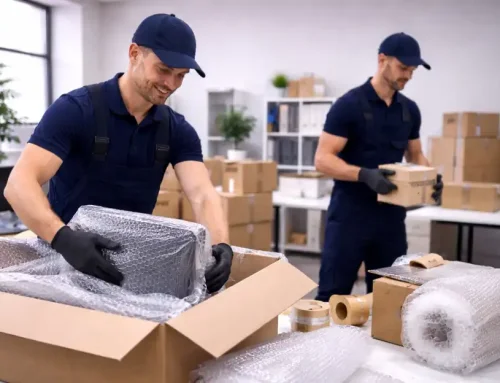
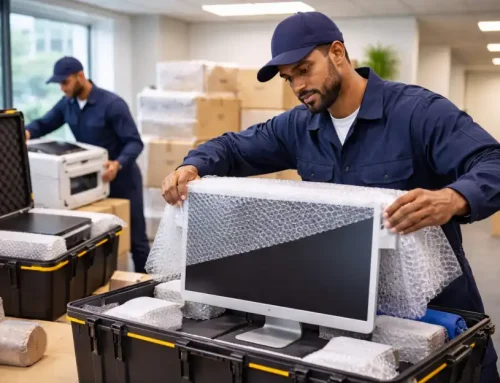
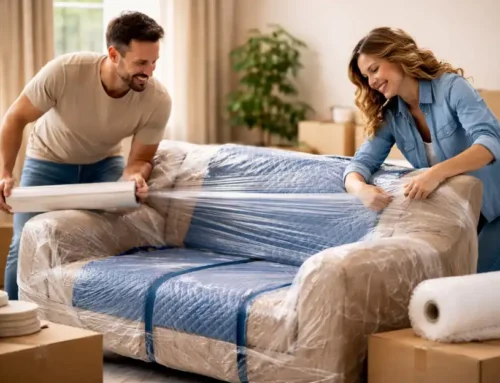
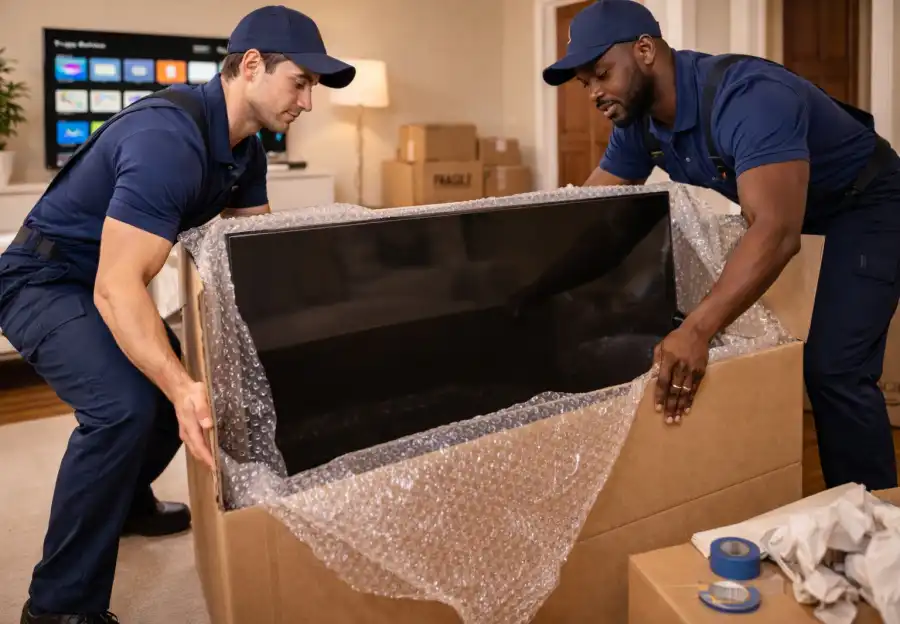
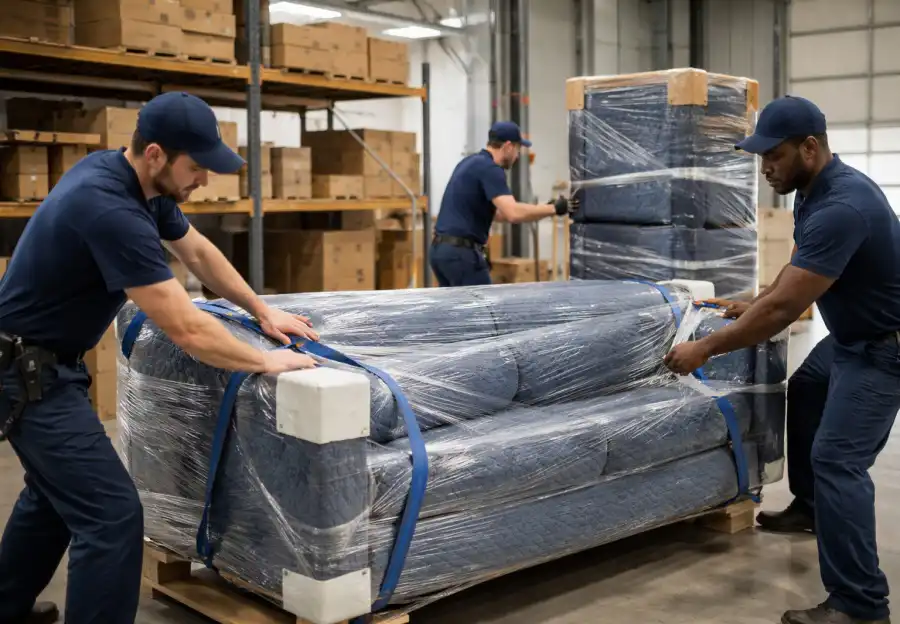
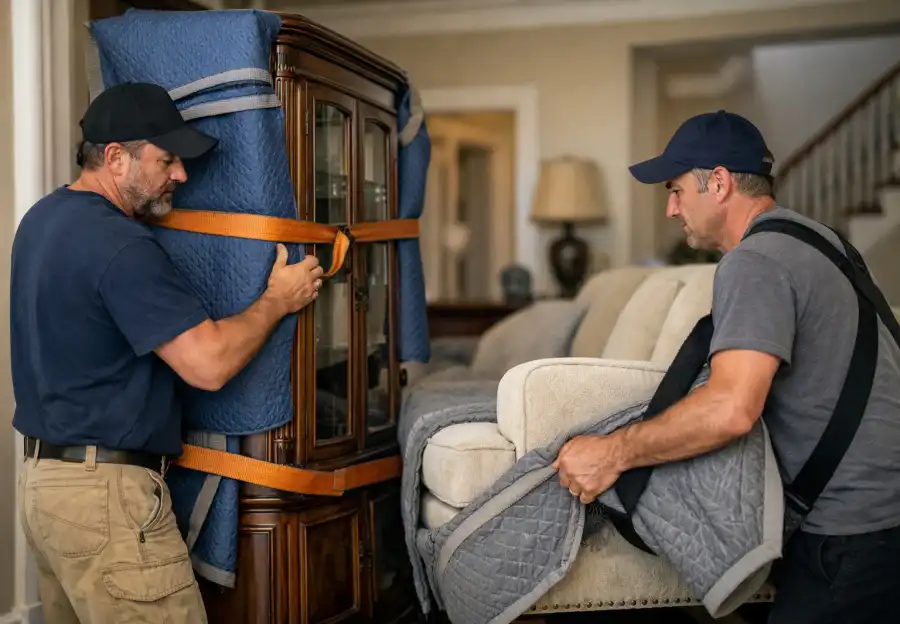
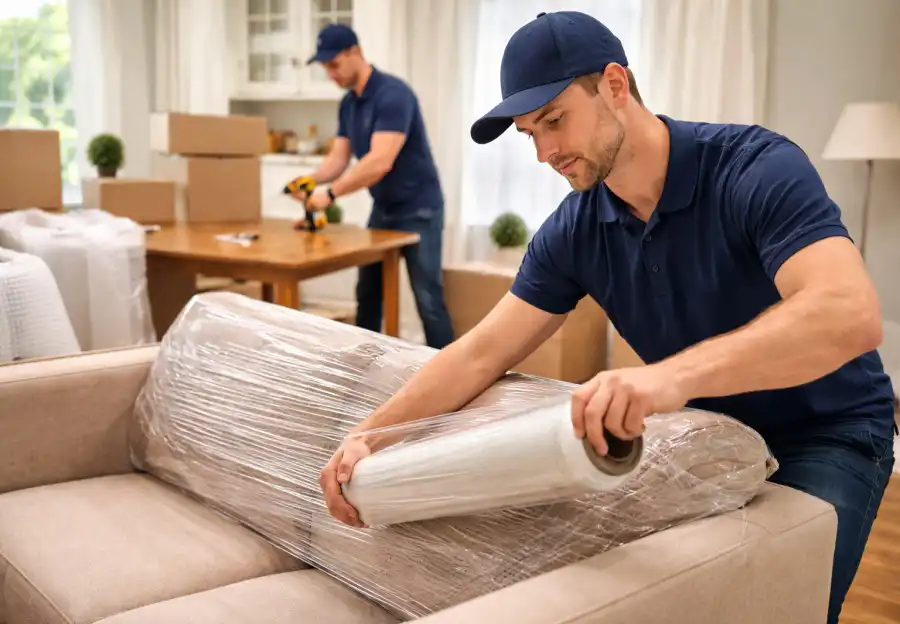
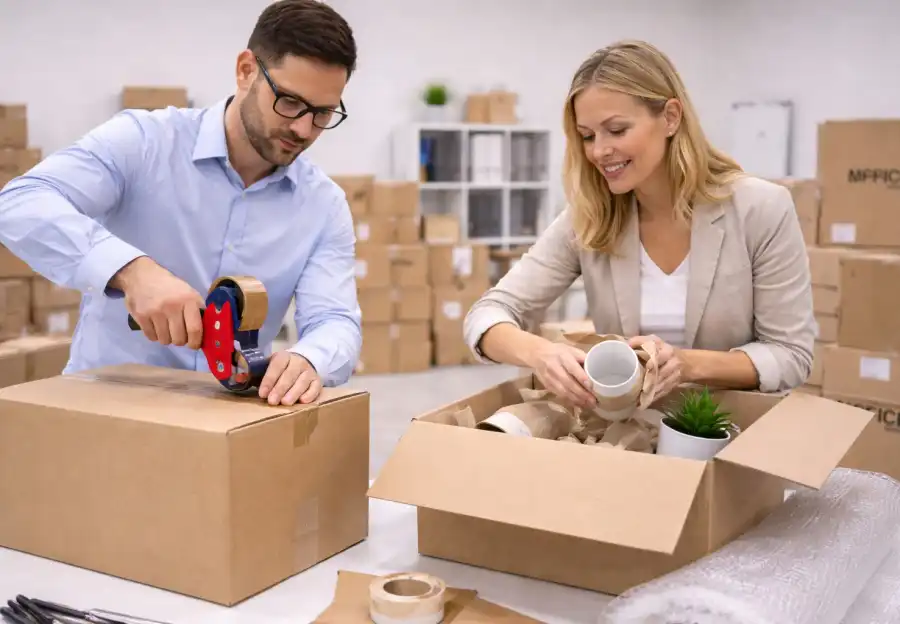
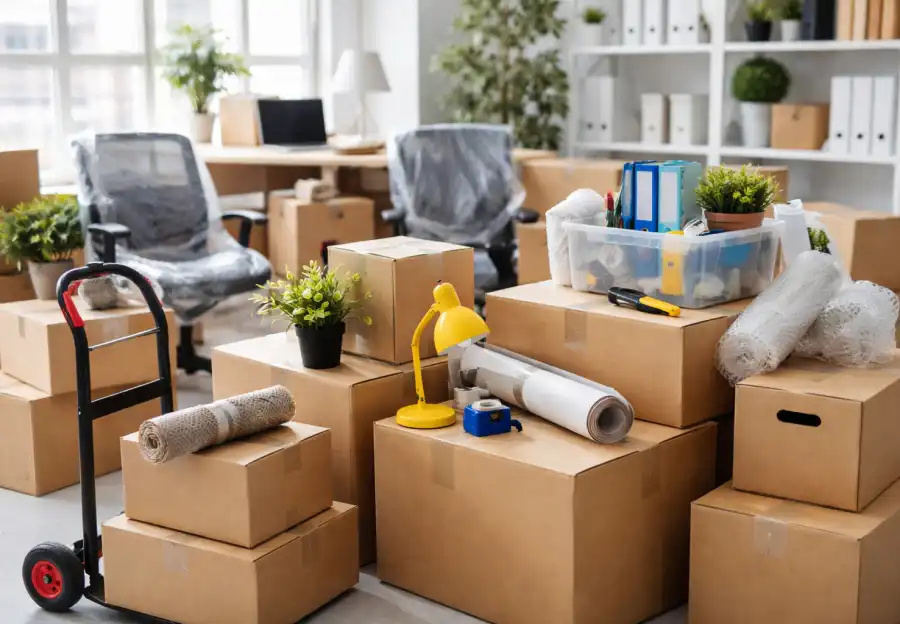
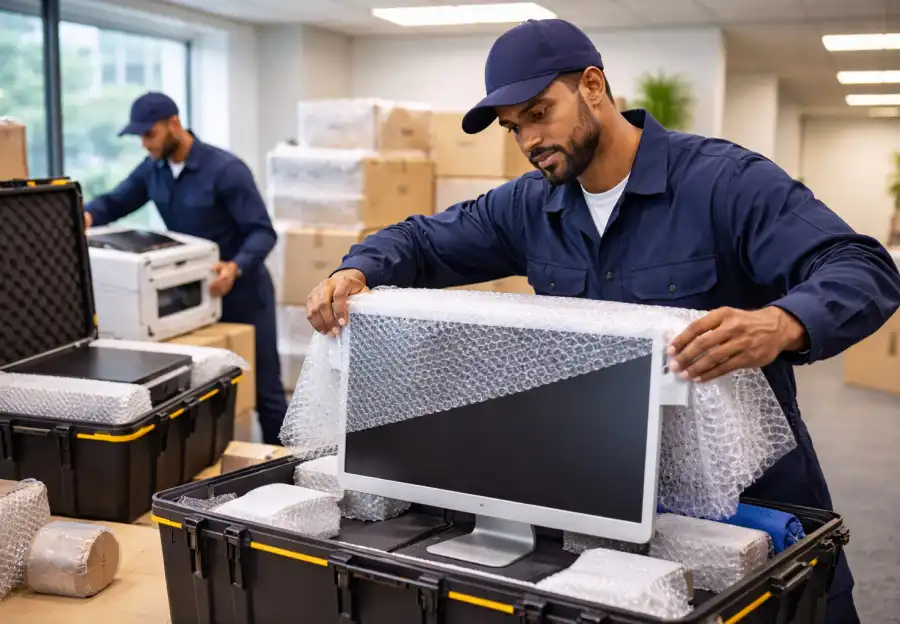
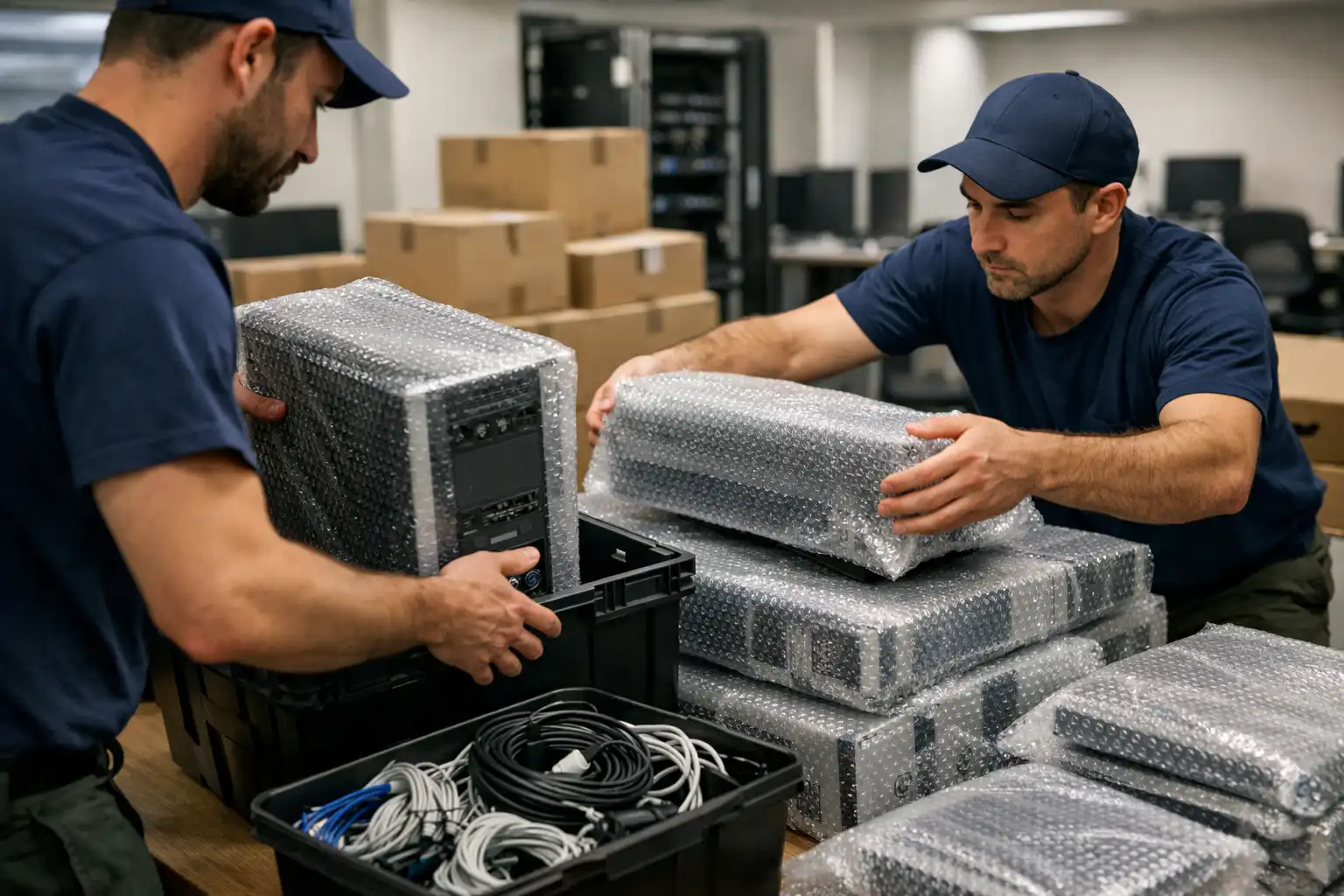
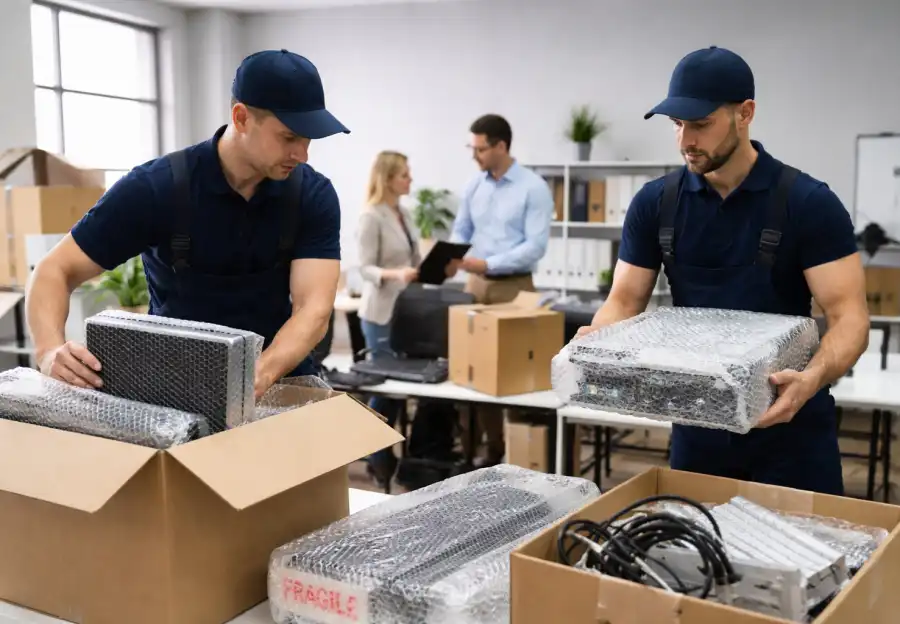
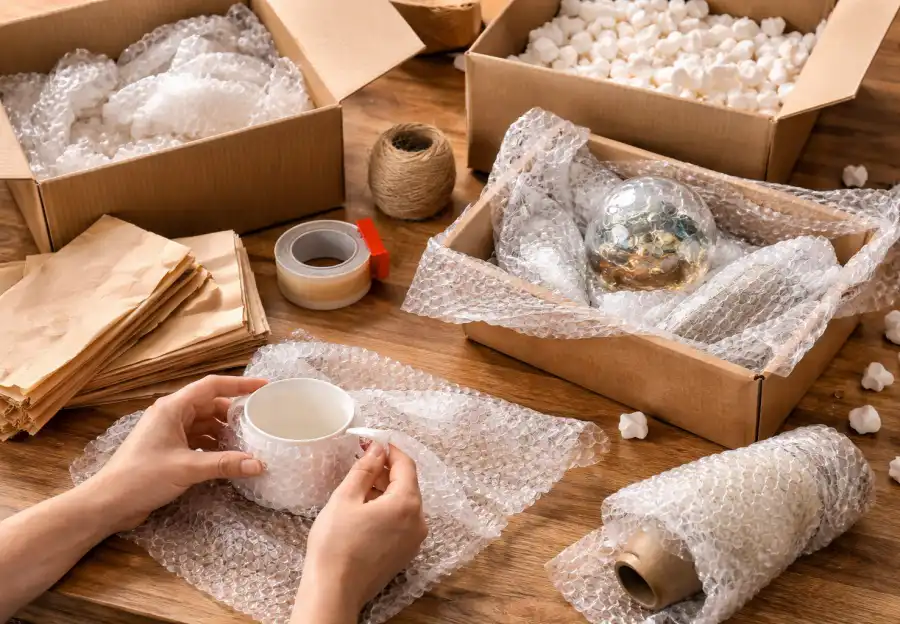
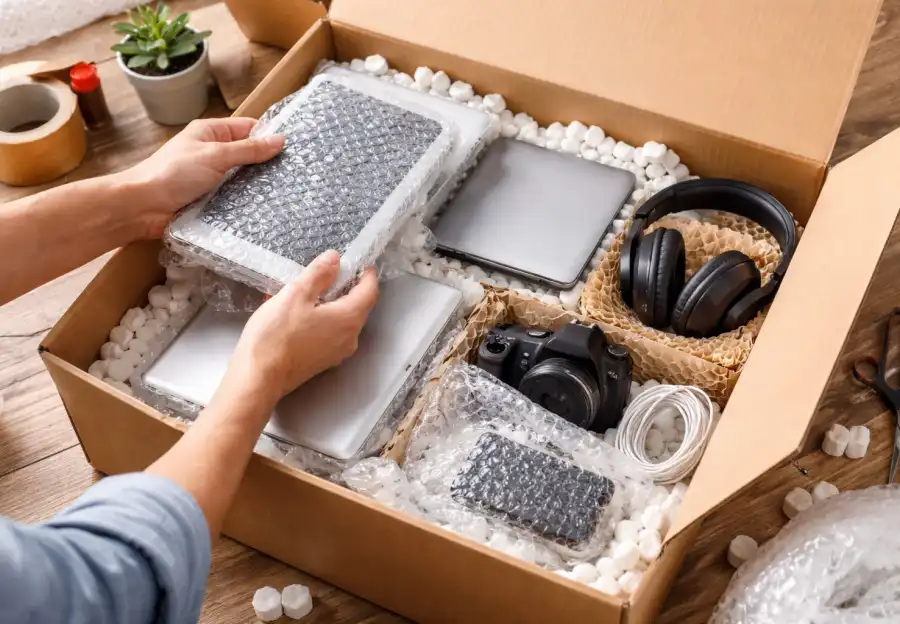
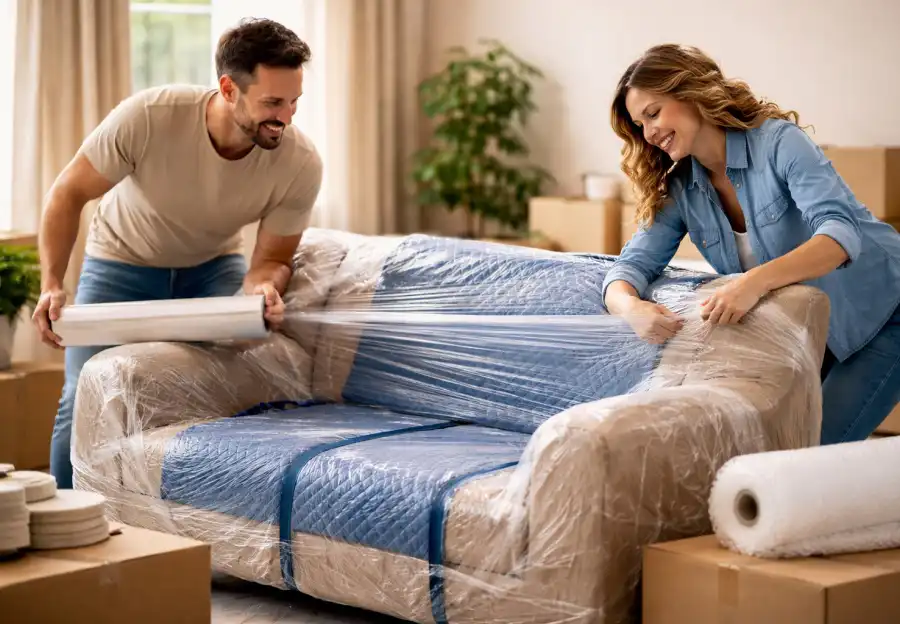
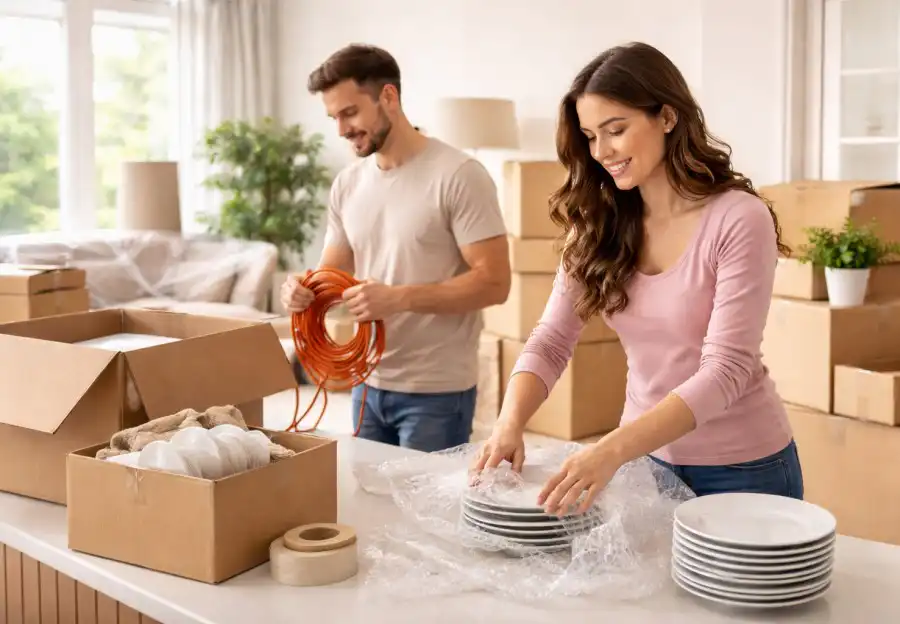
Effective pre-move cleaning involves both preparation and protection. Floors, countertops, cabinets, and appliances should be cleared of debris and thoroughly sanitized. Furniture and electronics should be carefully wrapped or covered to prevent exposure to cleaning agents or moisture. Vacuuming carpets, dusting shelves, and wiping down windows and door frames ensures that surfaces are free of dirt, dust, and potential allergens. Attention to detail, such as cleaning behind appliances, inside cabinets, and under sinks, can prevent lingering odors and eliminate hidden sources of contamination. Pre-move cleaning not only prepares the home for an efficient relocation but also increases its appeal, especially if it is being sold or rented to new occupants.
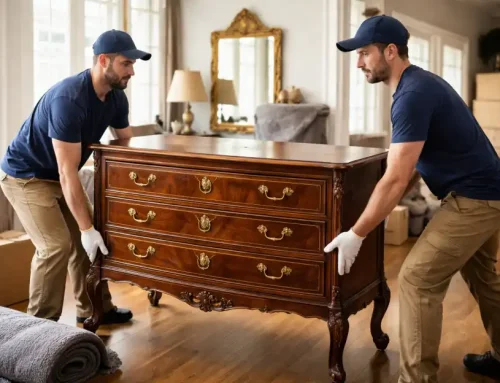
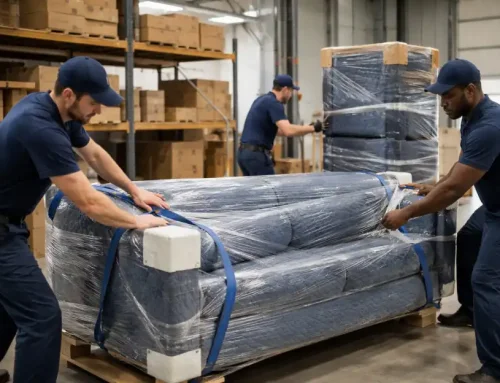
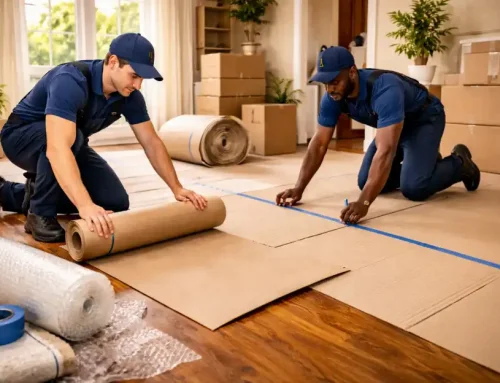
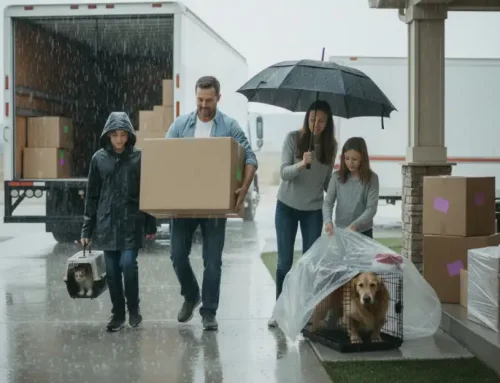
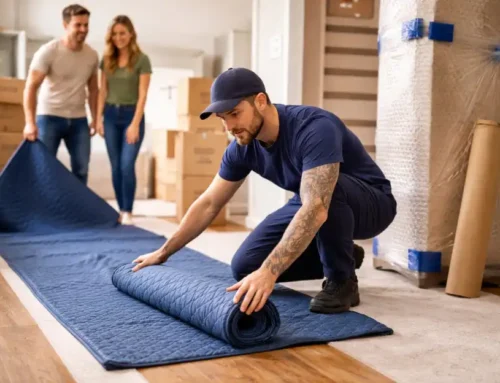
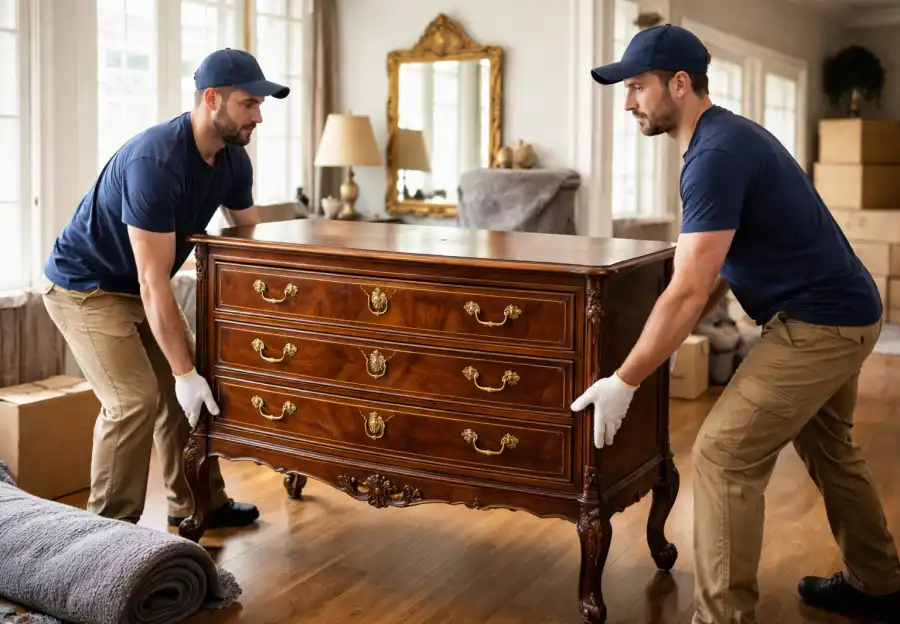
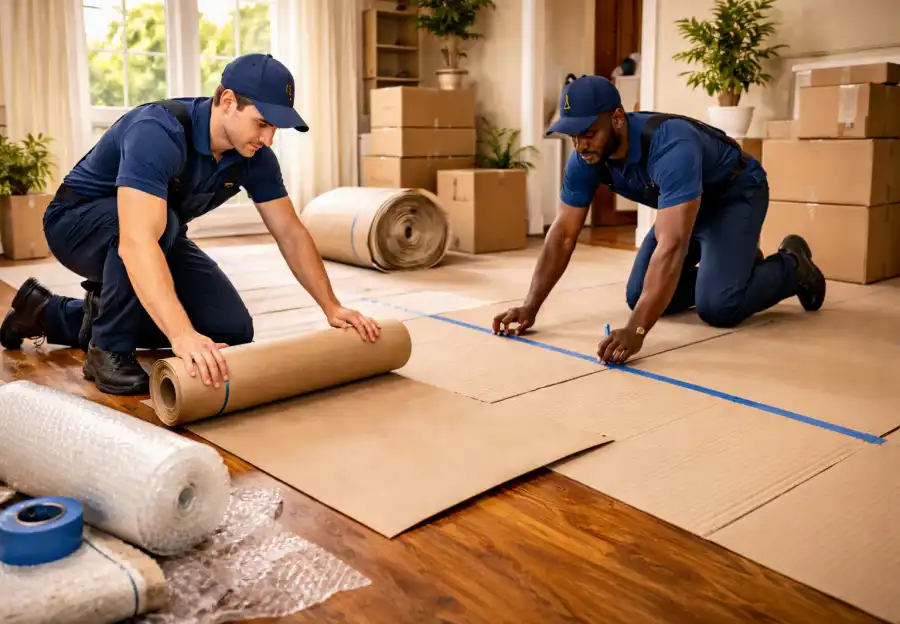
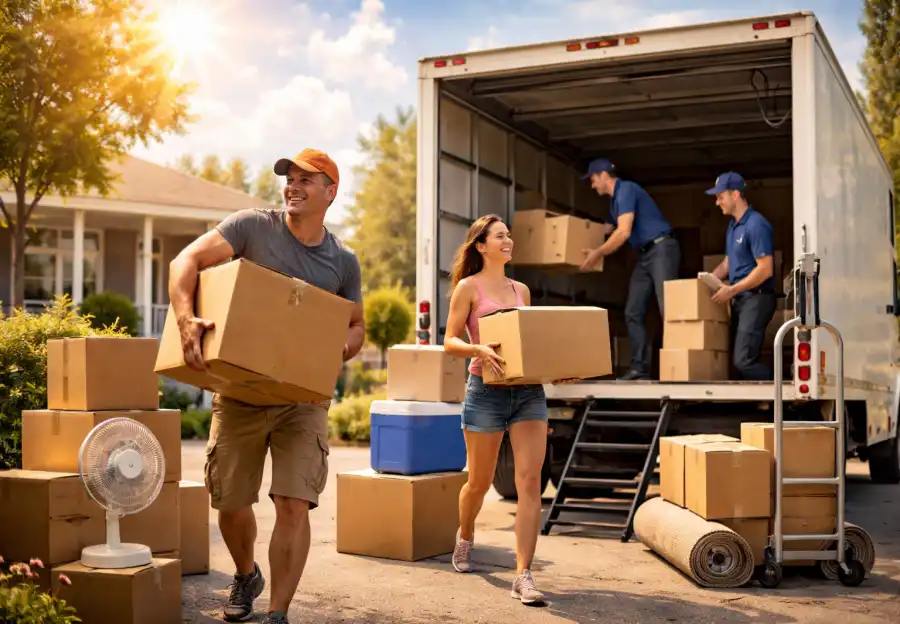
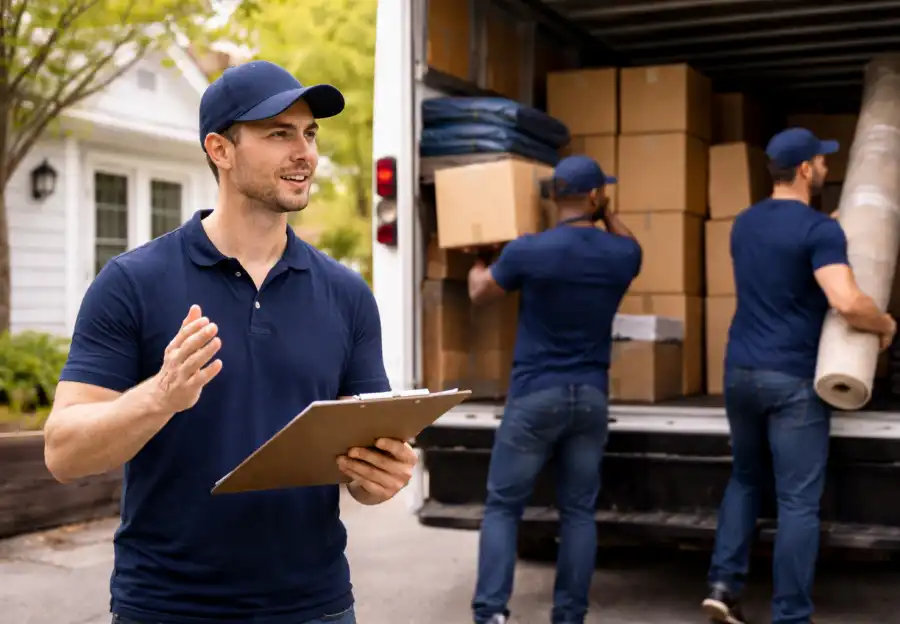
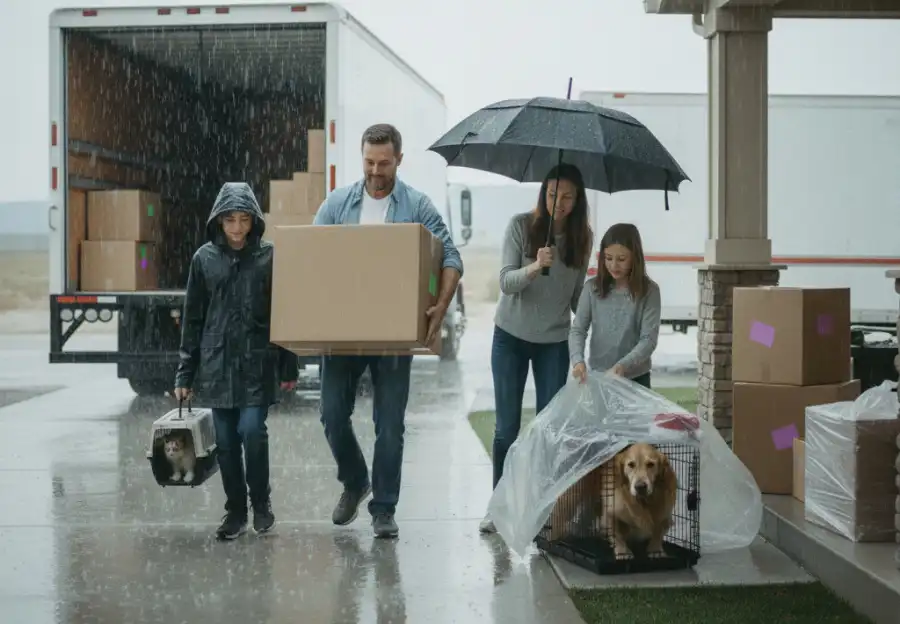
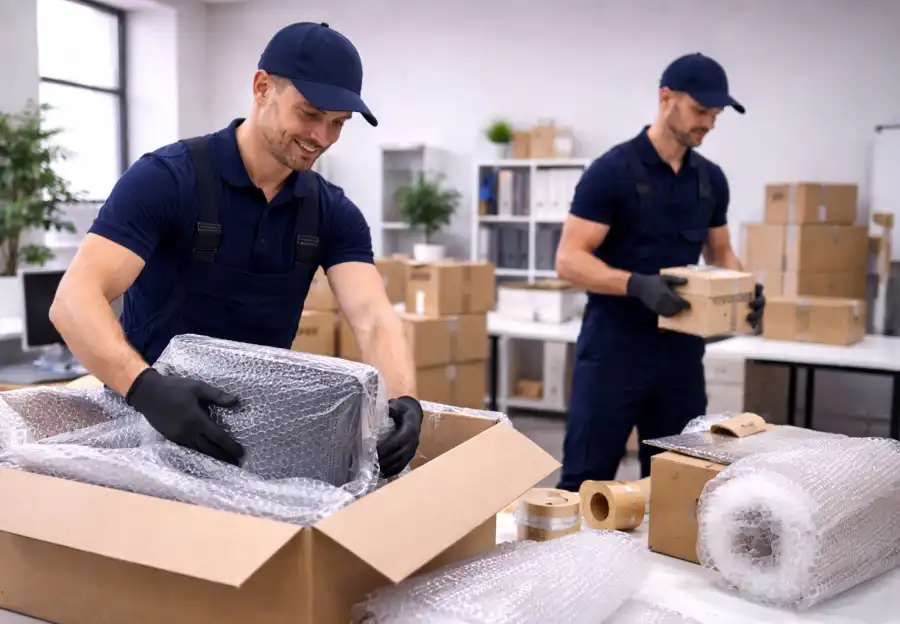
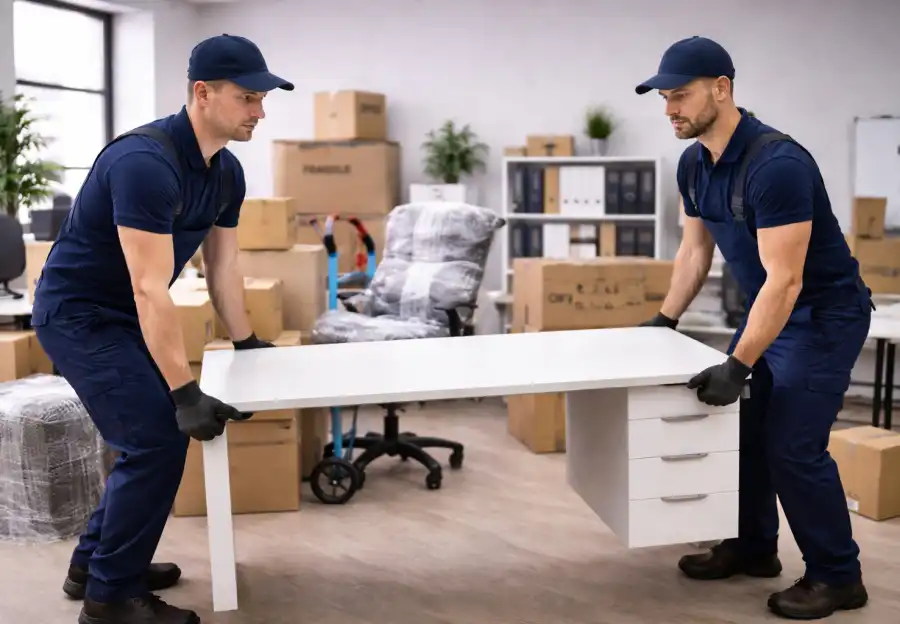
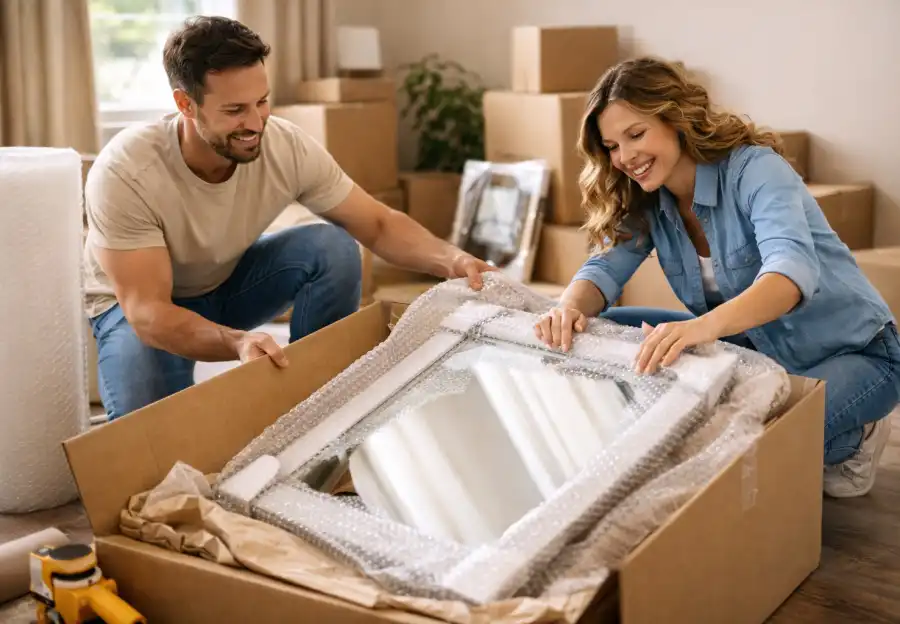
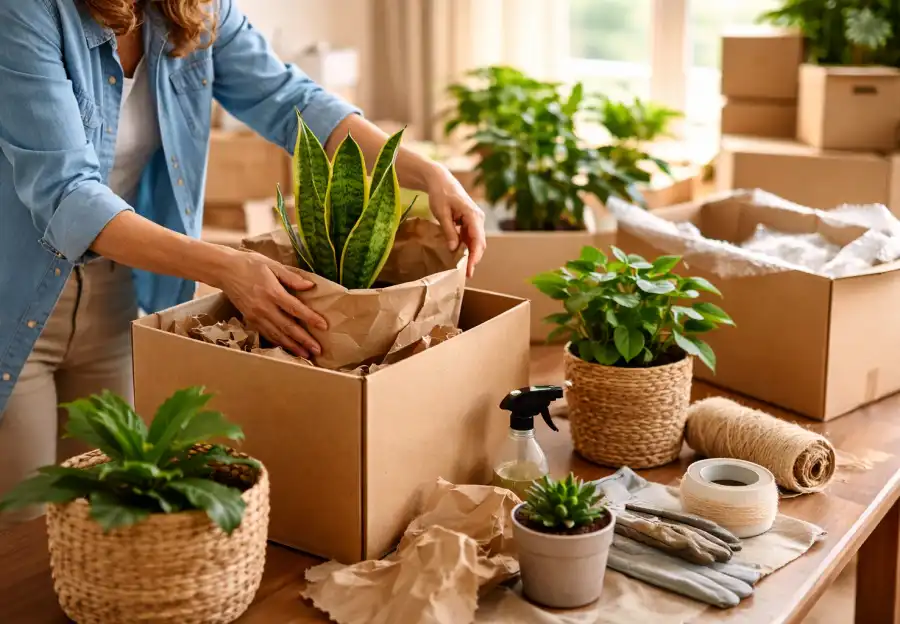
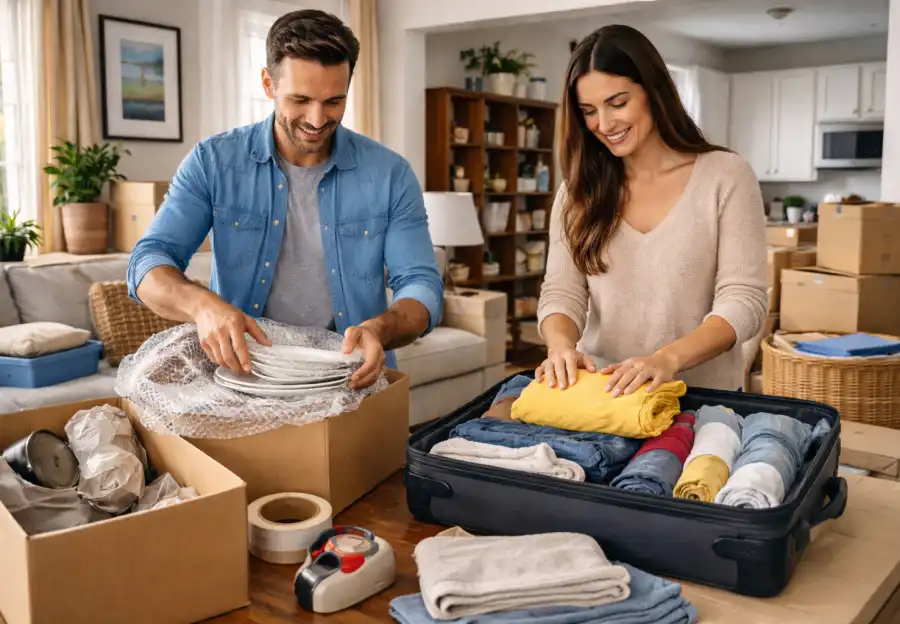
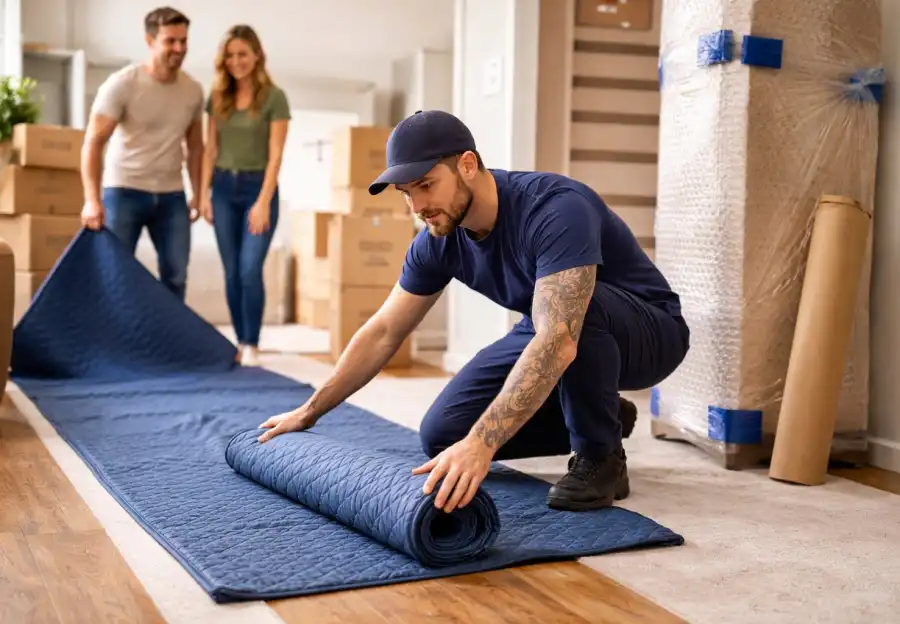
During the move itself, maintaining cleanliness reduces the risk of damage to both belongings and the property. Protective measures, including using drop cloths, floor runners, and plastic coverings, shield floors, walls, and furniture from scratches, scuffs, and spills. Movers should be instructed on proper handling techniques to minimize mess, such as lifting rather than dragging heavy items, ensuring boxes are securely closed, and maintaining organized pathways through the home. Regular checks during packing and loading prevent accidental dirt transfer, prevent stains from forming on upholstery or carpets, and allow for prompt cleaning of minor spills or debris. Systematic attention to cleanliness during the move ensures a safer and more efficient process for both movers and homeowners.
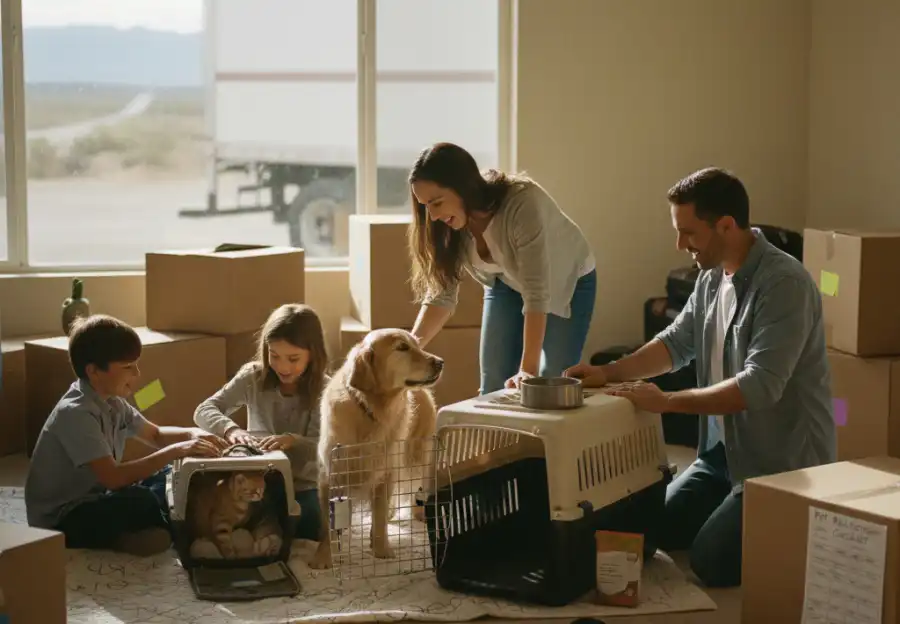
Post-move cleaning is equally critical, as it ensures that the new home is ready for immediate use and that the previous residence is left in an acceptable condition. The cleaning process in the new space typically begins with sweeping or vacuuming floors, wiping down surfaces, and sanitizing kitchens and bathrooms. Dust and dirt that accumulate during transit, unpacking, or rearranging furniture need to be addressed promptly to maintain air quality and protect belongings. Post-move cleaning also provides an opportunity to inspect furniture, electronics, and appliances for any transport-related damage, allowing for timely repairs or adjustments. Organizing and sanitizing storage areas, closets, and shelves ensures that items are stored in a clean and accessible manner, promoting order and reducing the likelihood of future cleaning challenges.
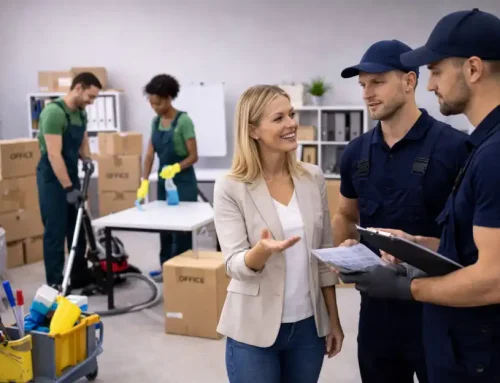
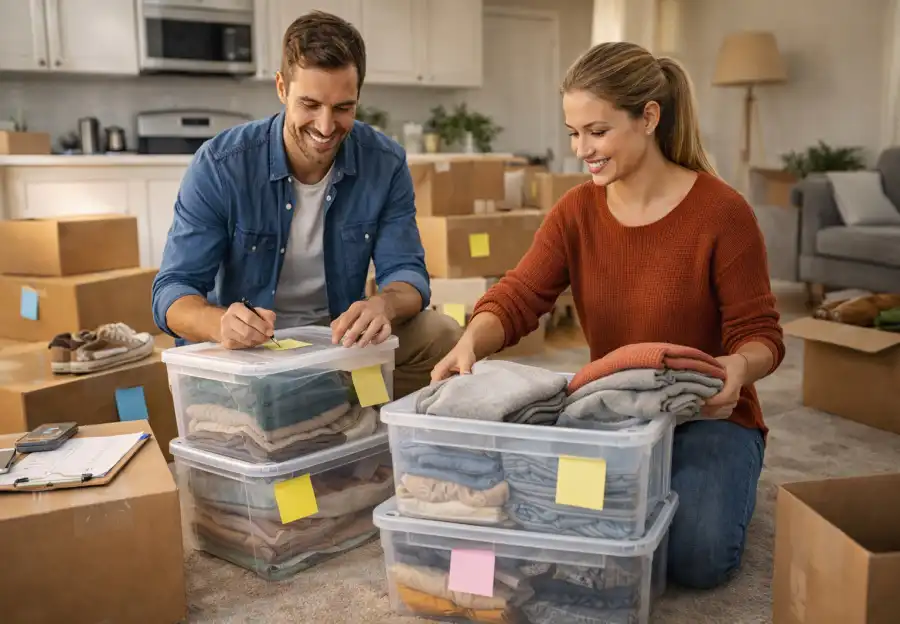
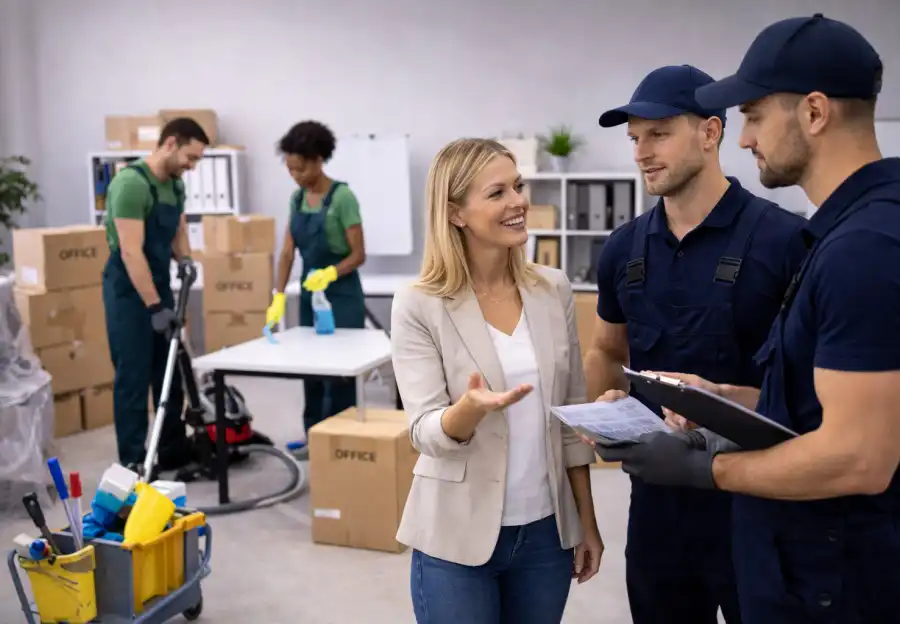
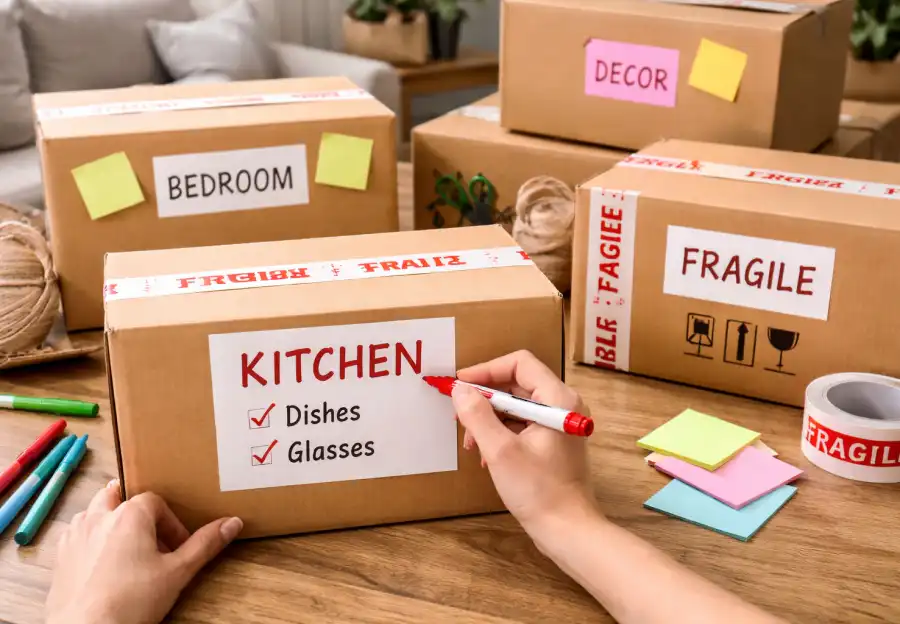
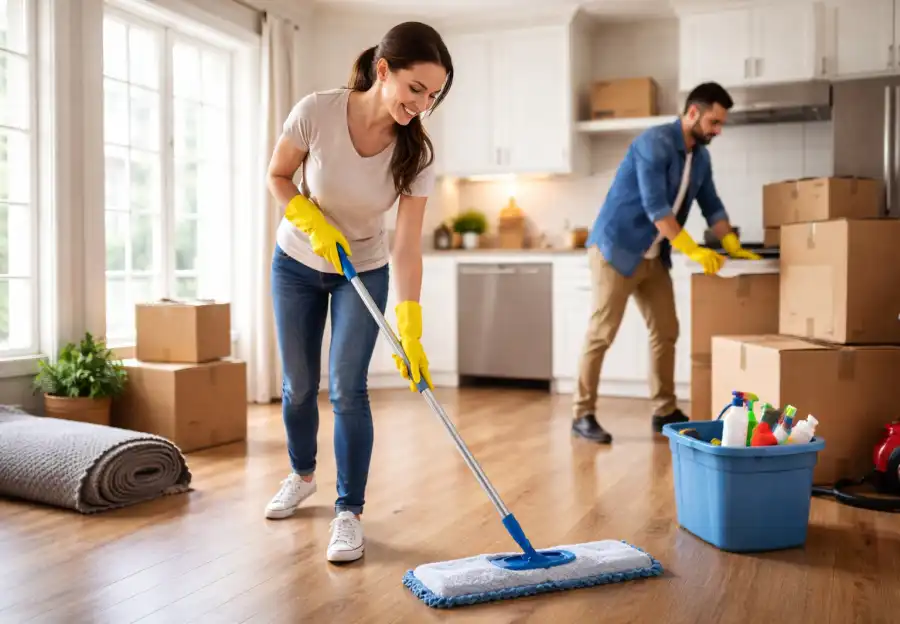
Tools, techniques, and workflow strategies play a significant role in ensuring effective cleaning before and after moving. A comprehensive toolkit may include microfiber cloths, mop systems, vacuum cleaners with attachments, disinfectants, gloves, and protective coverings. Dividing the cleaning process into specific zones or tasks allows for systematic progress and avoids fatigue or oversight. Labeling cleaning priorities, creating checklists, and establishing a workflow that progresses from less dirty to more contaminated areas or from top surfaces to floors enhances efficiency. Individuals who approach the cleaning process strategically are better able to maintain consistency, track progress, and manage time effectively, reducing stress and physical strain throughout the relocation.
Mastering the cleaning process before and after moving fosters transferable skills that extend into other areas of life, including organization, planning, and attention to detail. Individuals develop habits of proactive maintenance, risk assessment, and systematic problem-solving that can improve daily routines, workplace efficiency, and personal well-being. The structured approach cultivated through cleaning also contributes to psychological relief, as it introduces predictability, reduces chaos, and creates a sense of accomplishment. Knowledge of proper cleaning methods, workflow planning, and protective measures ensures that homes and belongings are maintained in optimal condition, allowing for a smoother transition between residences while minimizing unnecessary stress and disruption.
In conclusion, understanding how to clean before and after moving is a powerful component of effective relocation. It combines assessment, preparation, protection, and strategic execution to ensure that both the previous and new home remain in excellent condition. By emphasizing systematic approaches, prioritization, and attention to detail, individuals can reduce stress, protect possessions, and enhance efficiency during one of life’s most challenging logistical undertakings. Moreover, mastering these techniques cultivates long-term skills in planning, organization, and environmental responsibility, providing benefits that extend well beyond the moving process itself. Proper cleaning before and after moving transforms a potentially chaotic task into a manageable, organized, and ultimately satisfying component of relocation.