May 9, 2026
How to Protect Wood Floors During a Move
Protecting wood floors during a move is a task that requires careful planning, attention to detail, and proactive strategies. Unlike general moving advice, guidance on how to protect wood floors during a move emphasizes specific practices that minimize damage, preserve the integrity of surfaces, and reduce stress during relocation. Many people underestimate how easily scratches, dents, and stains can occur when moving heavy furniture, appliances, or boxes across wooden flooring. Understanding how to protect wood floors during a move empowers individuals to adopt structured approaches that safeguard their property while maintaining efficiency and safety throughout the process.
The first principle in protecting wood floors is thorough preparation. This begins with assessing the type and condition of the wood flooring to determine the most appropriate protective measures. Different finishes, such as polyurethane, waxed, or oil-based coatings, require varying levels of caution. Preparing the floor may involve cleaning it to remove dust, debris, or grit that can scratch the surface during the move. Additionally, establishing a clear path through doorways, hallways, and staircases reduces the risk of accidental bumps or scrapes. Planning the route ahead of time ensures that furniture and boxes are moved efficiently without unnecessary contact with the floors.
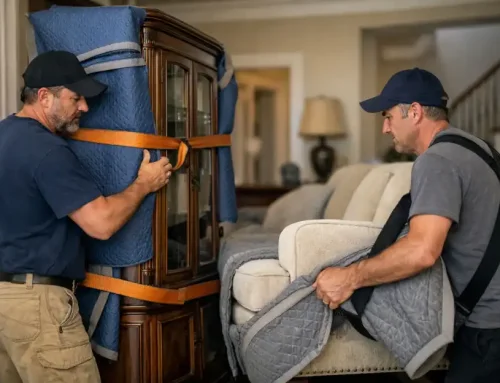
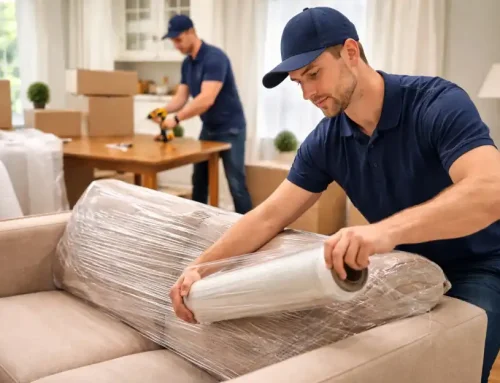
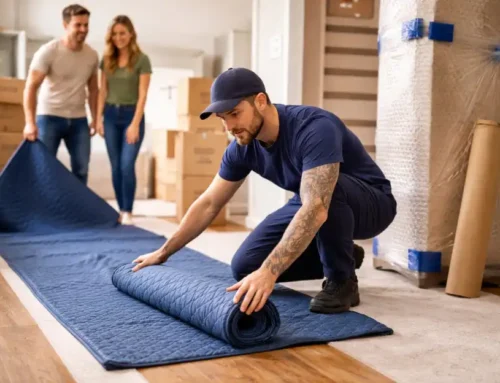
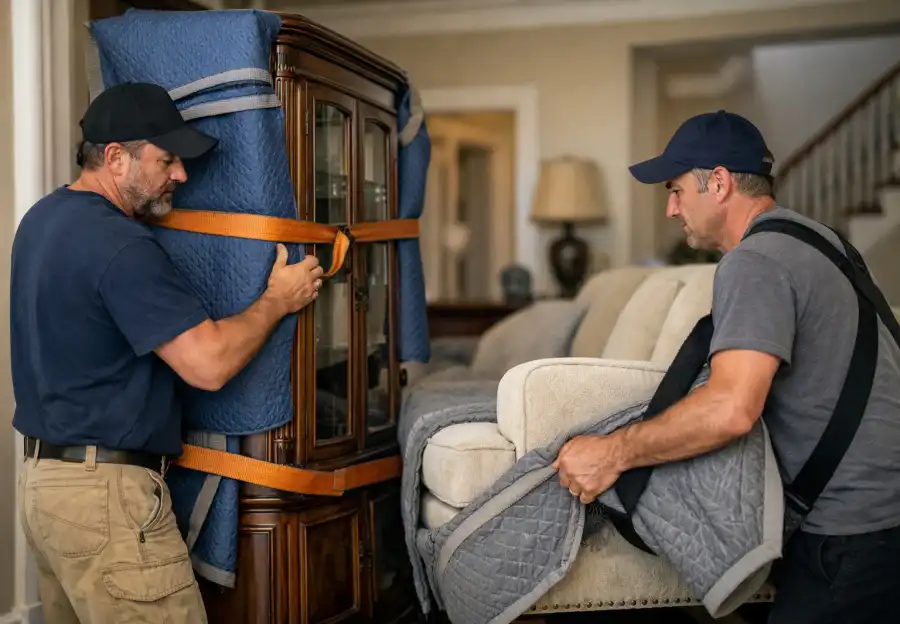
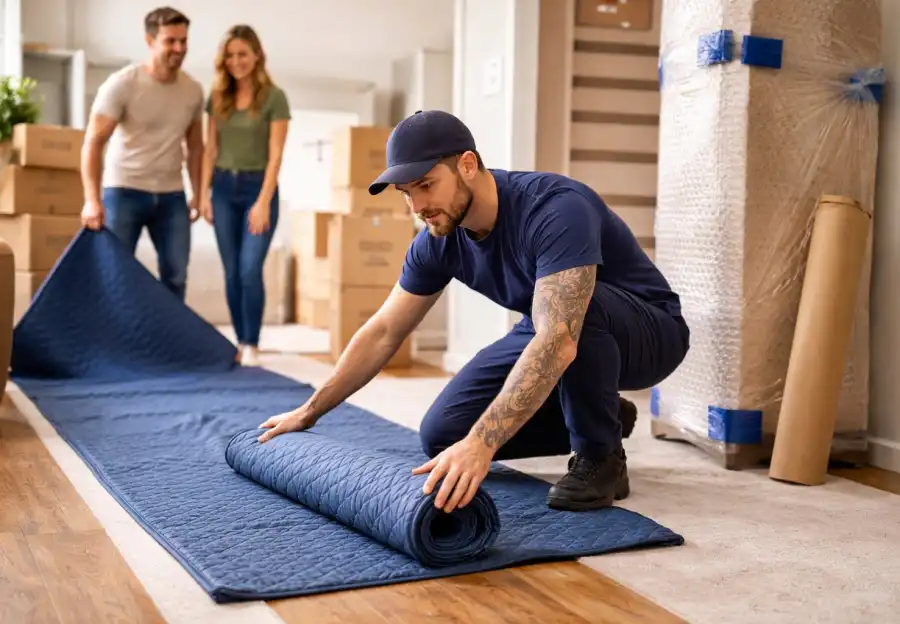
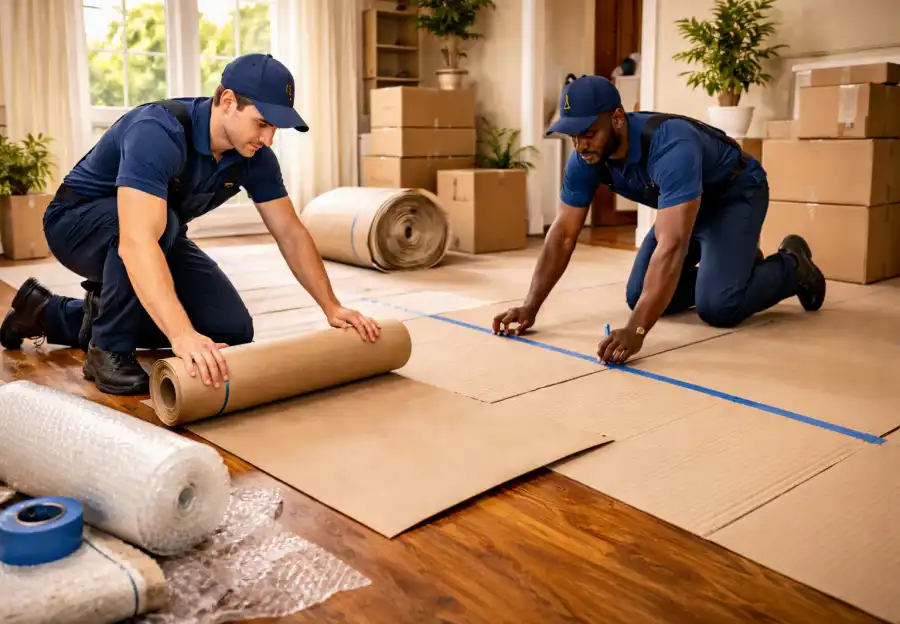
Using the right protective materials is essential for maintaining wood floor integrity. Heavy-duty moving blankets, furniture pads, cardboard, or plastic floor runners create barriers between the floor and moving equipment. Placing these protective layers under furniture legs, dollies, or other heavy items distributes weight evenly and prevents dents. For particularly delicate areas, double-layer padding or reinforced floor runners can offer extra security. Tape or non-slip adhesives help keep protective materials in place, preventing shifting during movement and reducing the risk of falls or floor damage.
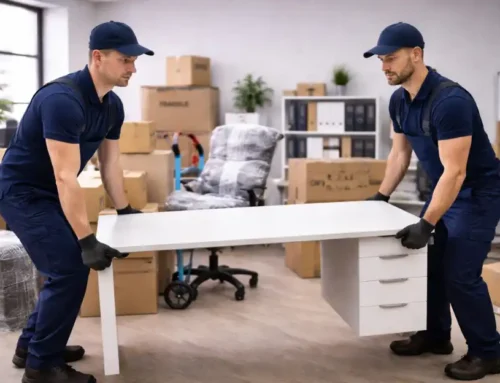
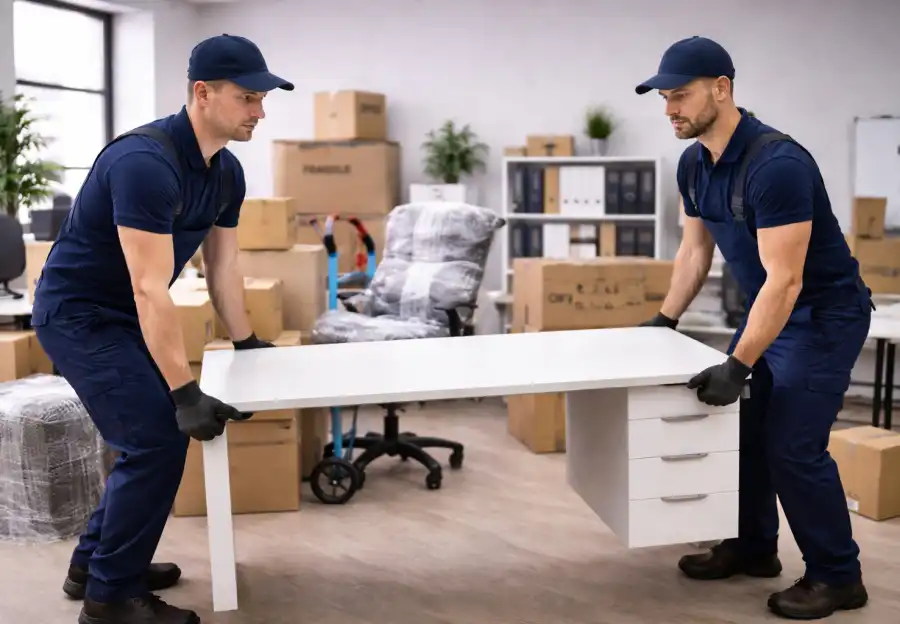
Proper lifting and handling techniques complement protective materials in safeguarding wood floors. Lifting items rather than dragging them prevents scratches and gouges caused by friction. Coordinating with helpers ensures that heavy or bulky items are moved smoothly and safely. When using equipment like dollies or hand trucks, placing a layer of padding between the equipment and the floor minimizes direct contact, which is often the main source of scuffing. Even small details, such as checking that wheels on moving equipment are clean and smooth, contribute to protecting wooden surfaces.
Disassembly and weight reduction further protect wood floors during a move. Removing furniture legs, detachable shelves, or glass components reduces the likelihood of accidental scratches or uneven pressure on the floor. Smaller, lighter pieces are easier to carry and maneuver, allowing movers to maintain control and avoid slips or sudden impacts. Labeling parts and keeping hardware organized ensures smooth reassembly while reducing the risk of dropping components onto the floor. This step also maintains an organized workflow, making the move more efficient and reducing stress.
Temporary coverage during transport and moving days is another critical strategy. Even with protective padding, high-traffic areas may require additional reinforcement, such as interlocking foam tiles or carpet remnants. Placing rugs or mats at entryways prevents dirt, grit, or moisture from being tracked onto the wood floor, which can cause stains or scratches. In situations where movers are handling large appliances or particularly heavy furniture, adding multiple layers of protection along the entire path, including thresholds and corners, provides comprehensive coverage and peace of mind.
Hiring professional movers experienced in floor protection offers another layer of security. Trained movers understand how to balance heavy items, use protective materials effectively, and navigate tight spaces without damaging surfaces. They bring equipment designed specifically for hardwood protection, such as rubber-cushioned dollies, lifting straps, and reinforced floor runners. If professional help is not an option, careful planning and teamwork among friends or family can achieve similar results, provided that protective measures are consistently applied and movers communicate effectively.
Insurance and documentation also play an important role in protecting wood floors. Reviewing homeowner’s insurance or moving company policies can clarify coverage in case of accidental damage. Photographing the floors before and after the move provides a visual record, which is useful for insurance claims or personal records. Documenting the condition of the floors before moving items helps individuals identify any preexisting damage, ensuring accountability and reducing disputes with movers or other parties involved.
Finally, learning how to protect wood floors during a move develops transferable skills that benefit other aspects of daily life. Individuals improve their planning, problem-solving, and organizational skills by coordinating protective strategies and managing logistics. They learn to assess risks, communicate effectively with helpers, and implement structured approaches that minimize stress and physical strain. By approaching the task systematically—from preparation to execution and final placement—individuals can complete a move efficiently while preserving the beauty and functionality of wood flooring. This combination of preparation, protection, and practical technique ensures a safe, smooth relocation experience that safeguards both property and well-being.