May 15, 2026
How to Organize Your Unpacking Process
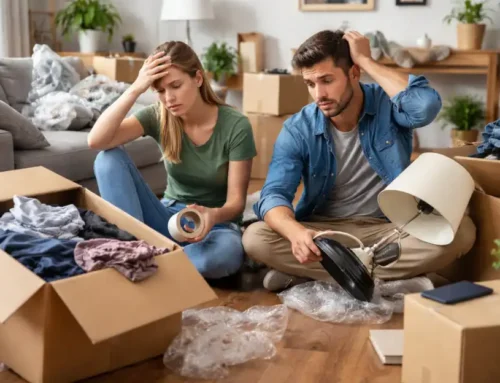
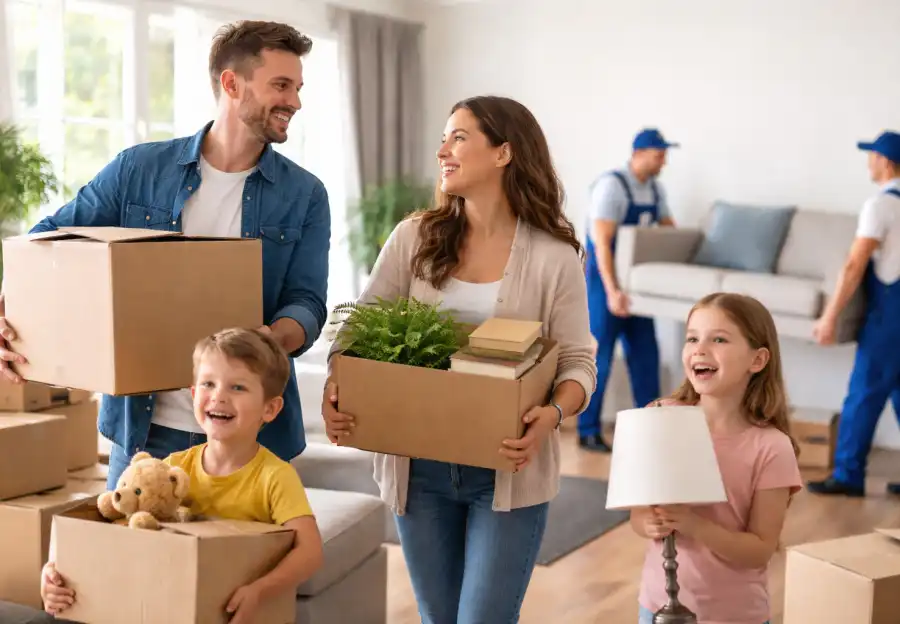
Organizing your unpacking process is a critical aspect of relocation that significantly affects how individuals plan, manage, and execute tasks related to settling into a new home. Unlike general moving advice, guidance on organizing your unpacking process emphasizes structured workflows, thoughtful sequencing, and targeted techniques that help individuals navigate both predictable and unforeseen challenges. A well-planned unpacking process not only reduces stress and prevents physical strain but also enhances efficiency, allowing movers to transform a potentially chaotic situation into a systematic, manageable operation. Understanding how to organize your unpacking process equips individuals with the mindset to break down a large, overwhelming task into smaller, achievable steps, fostering clarity and order during transitions.
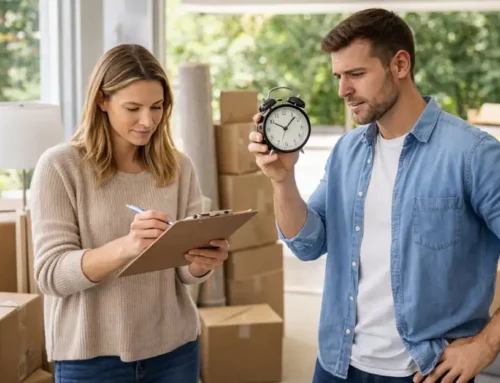
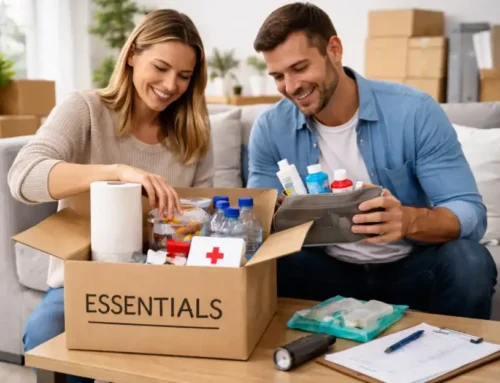
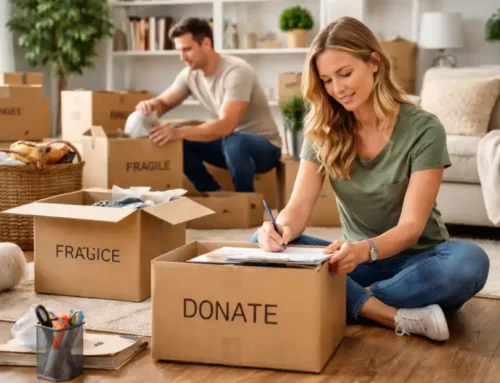
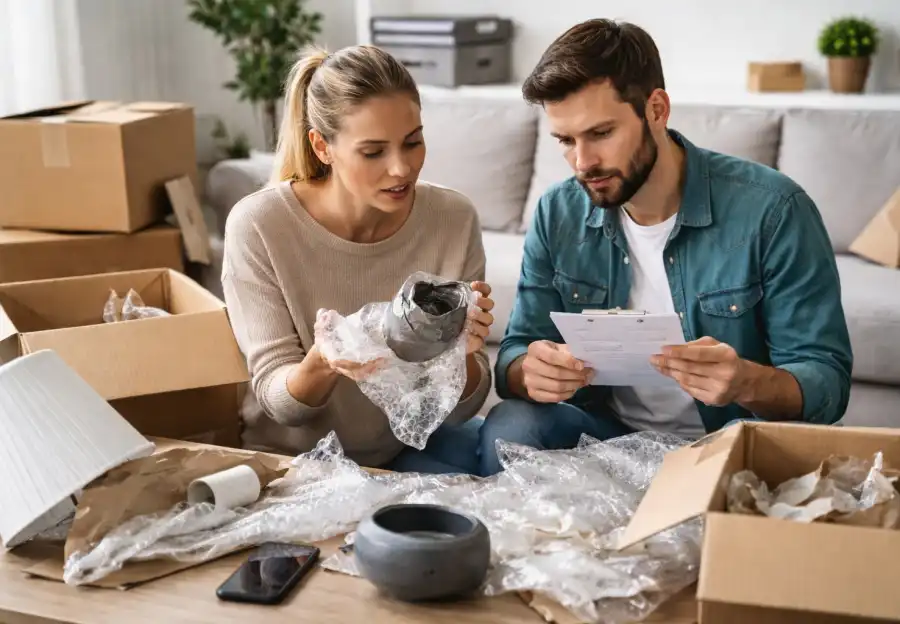
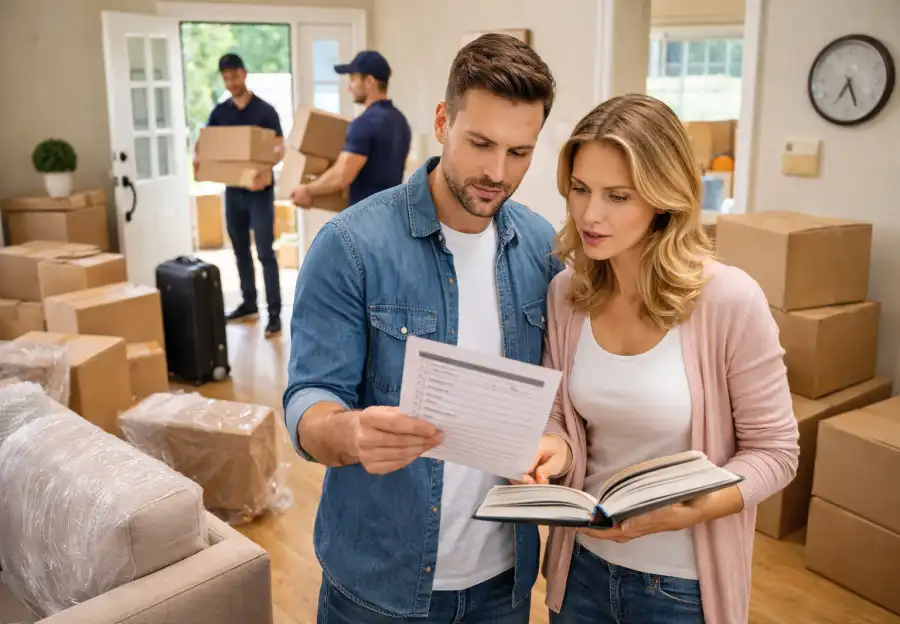
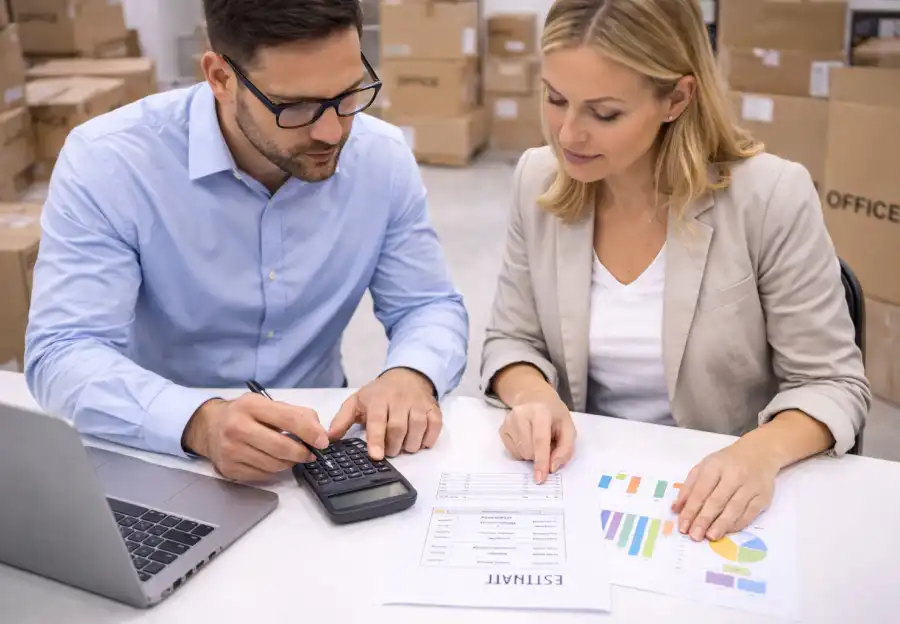
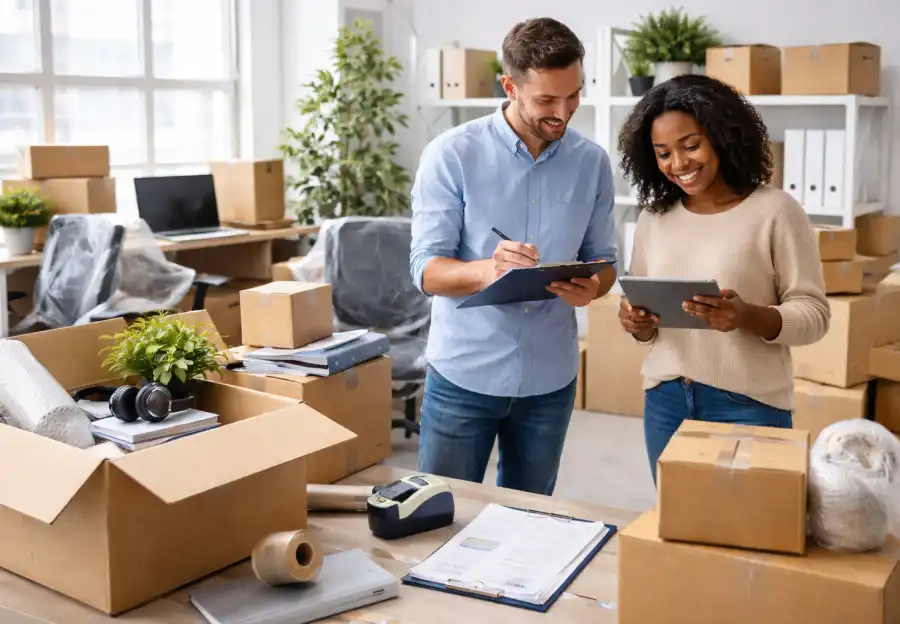
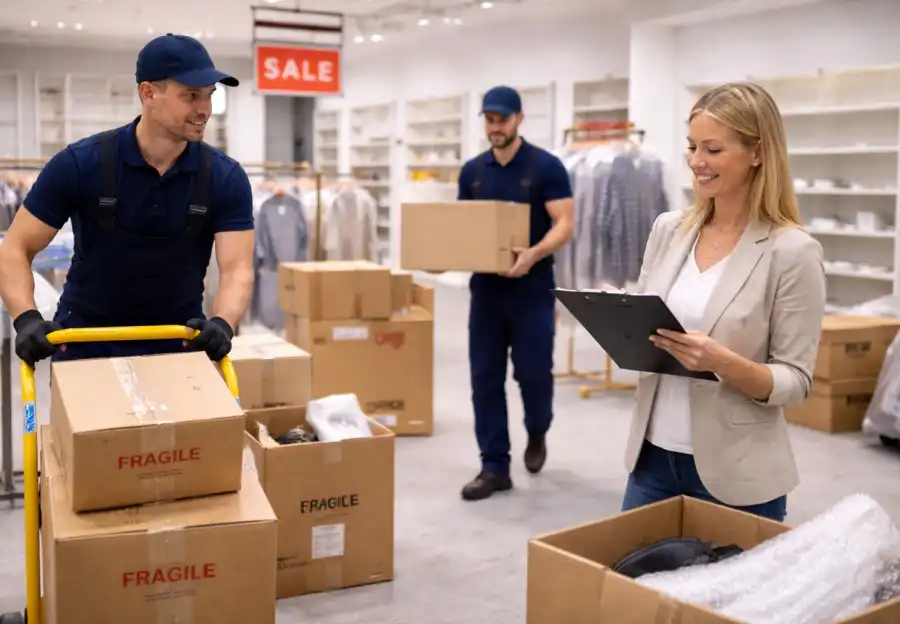
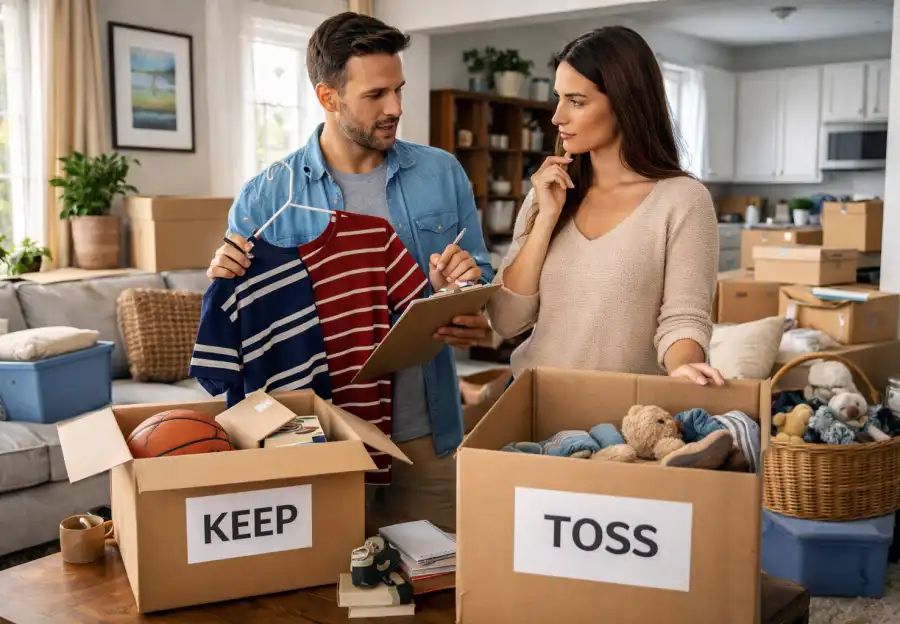
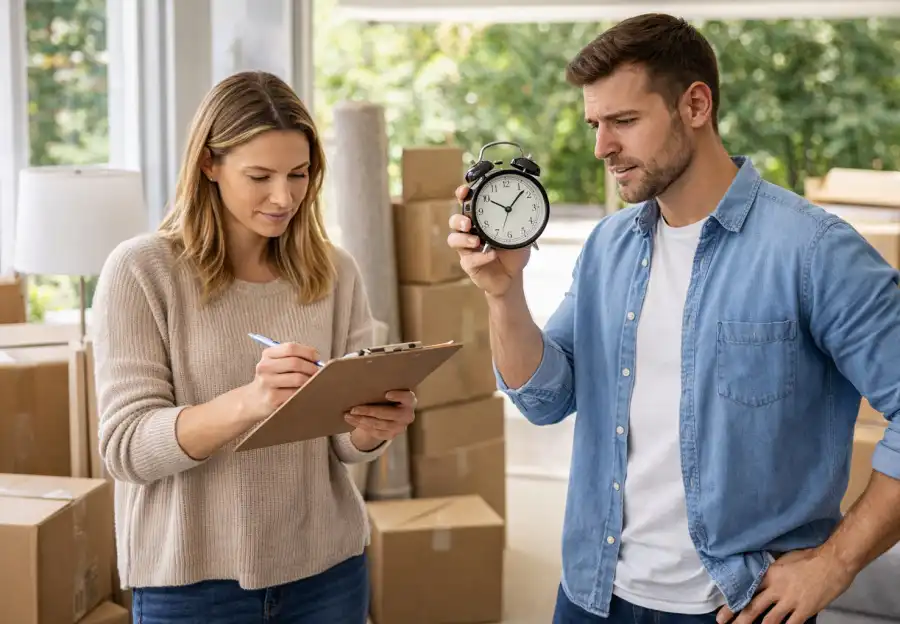
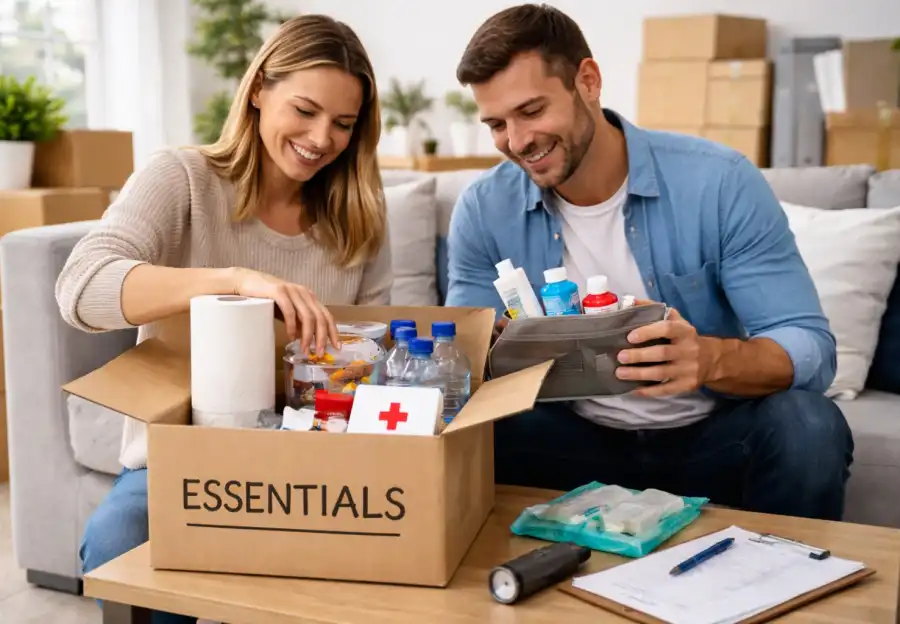
The first step in organizing an unpacking process is assessment and prioritization. Before opening a single box, individuals should evaluate the space and identify which areas are most critical for immediate use, such as kitchens, bathrooms, and bedrooms. Categorizing rooms based on urgency ensures that essential items are unpacked first, while less critical storage areas can be addressed later. Additionally, assessing which boxes contain fragile, valuable, or frequently used items allows movers to allocate resources, protective gear, and time accordingly. Creating an inventory of items before unpacking also prevents duplication, ensures that nothing is misplaced, and provides a clear roadmap for systematic progress throughout the move.
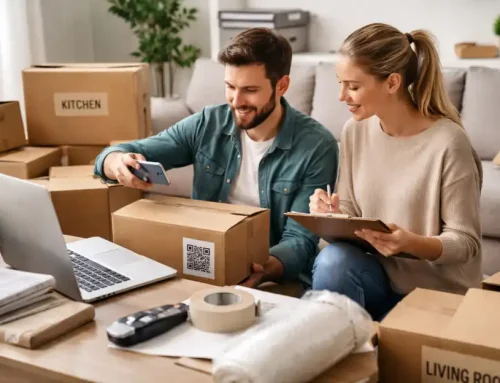
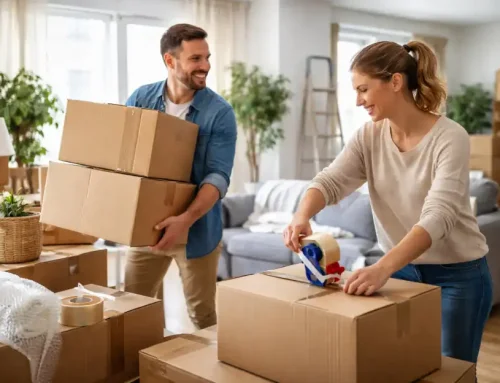
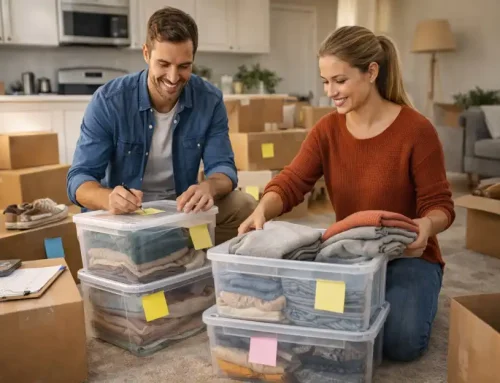
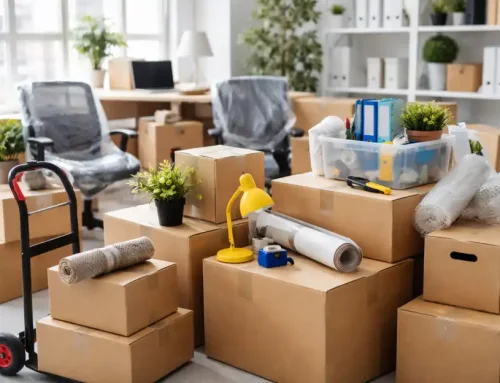
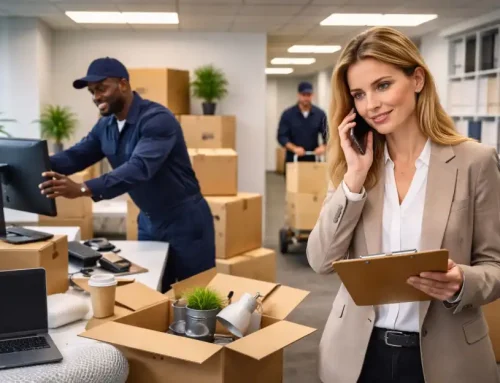
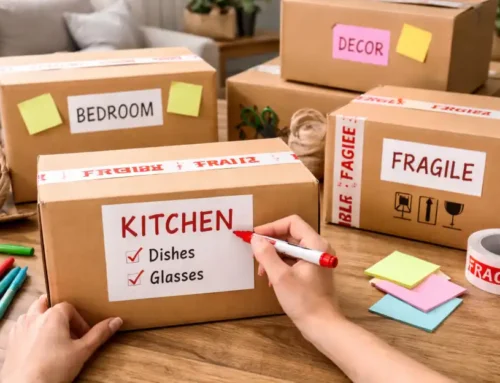
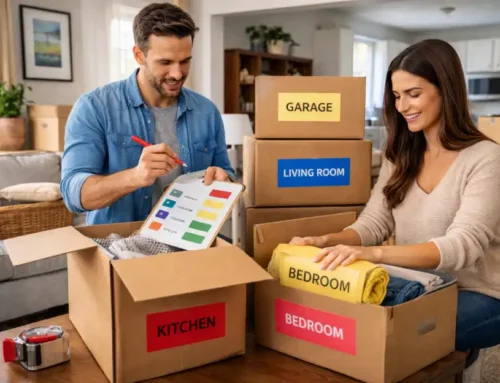
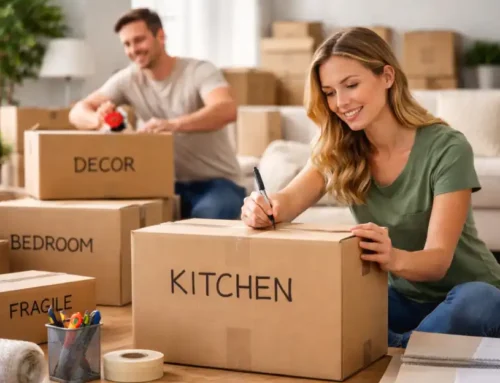
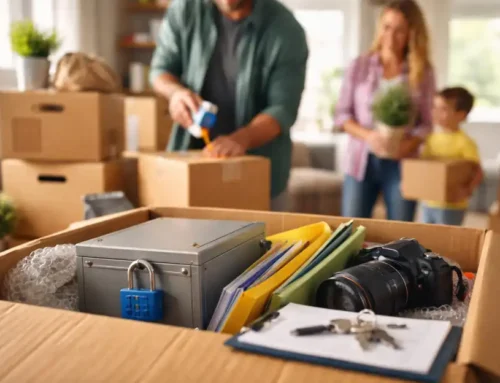
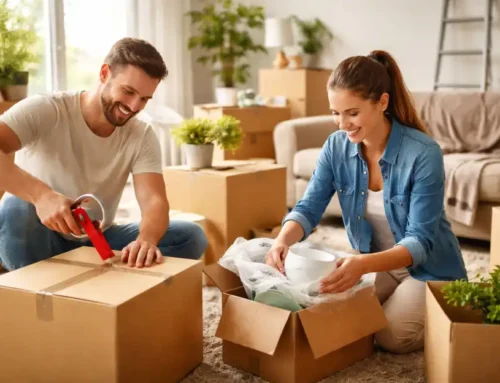
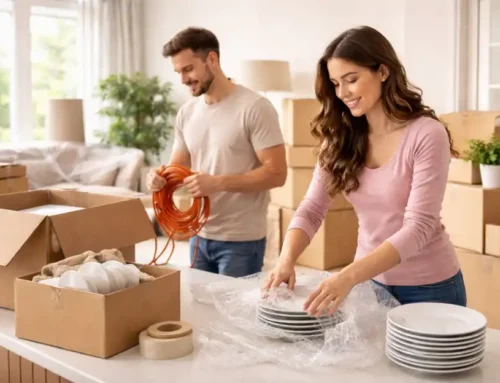
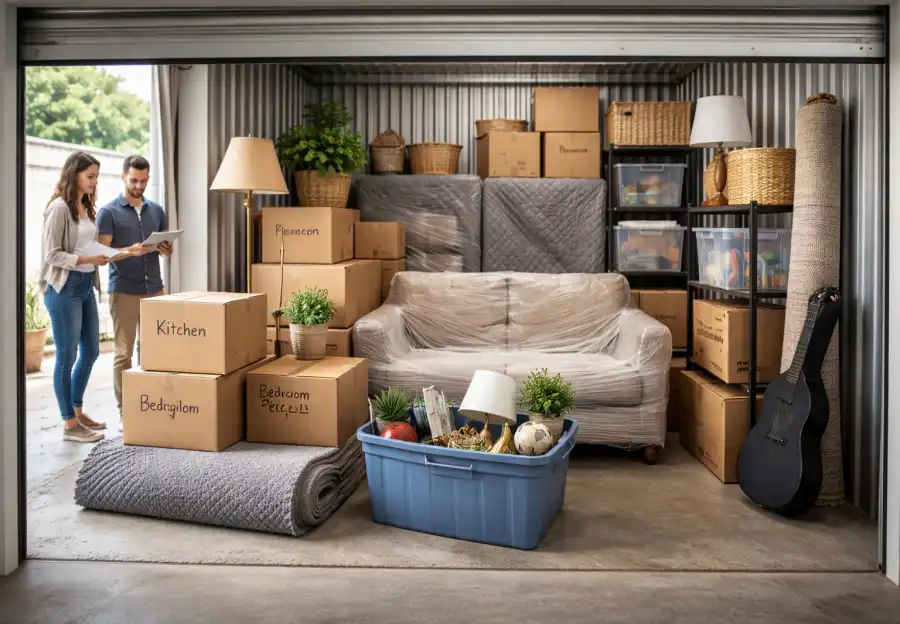
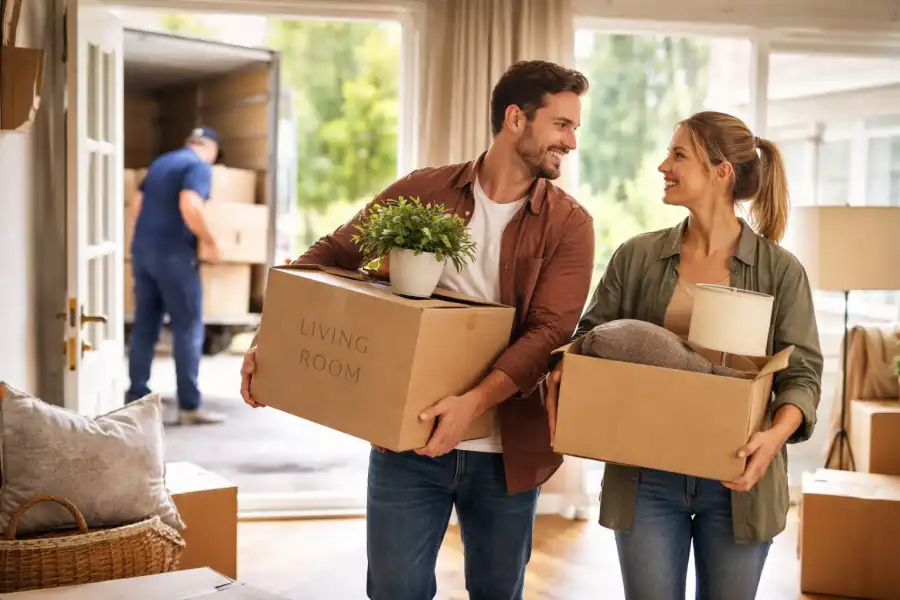
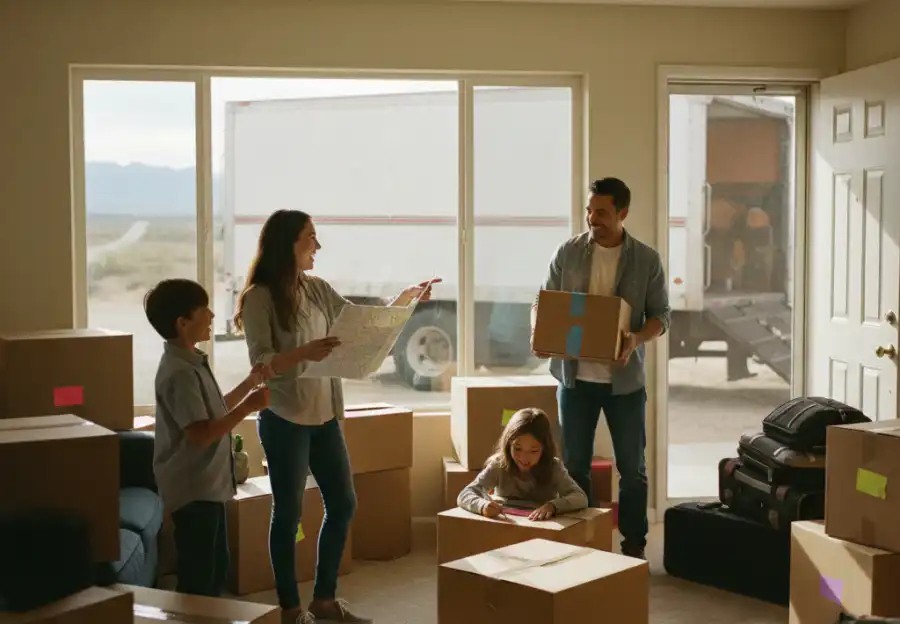
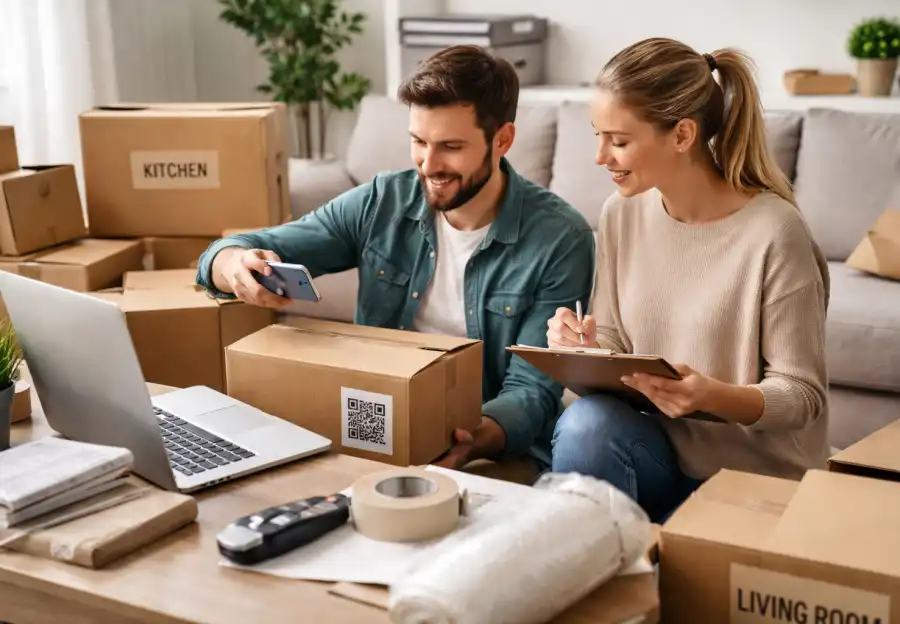
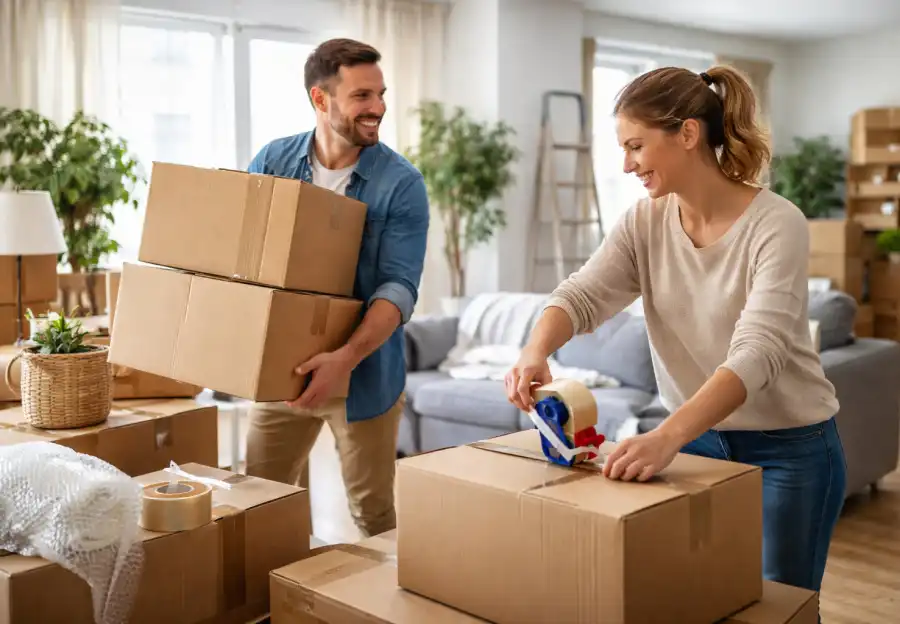
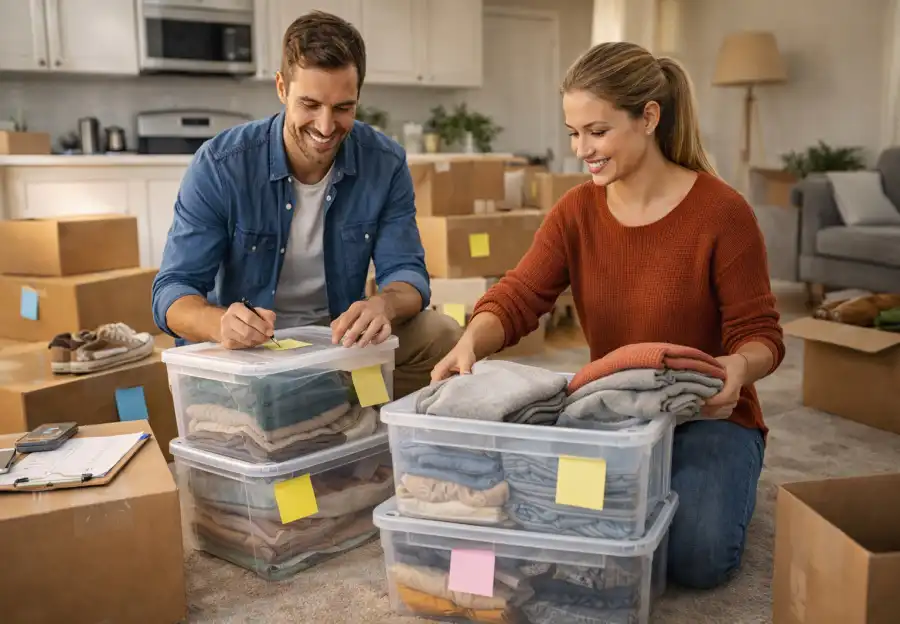
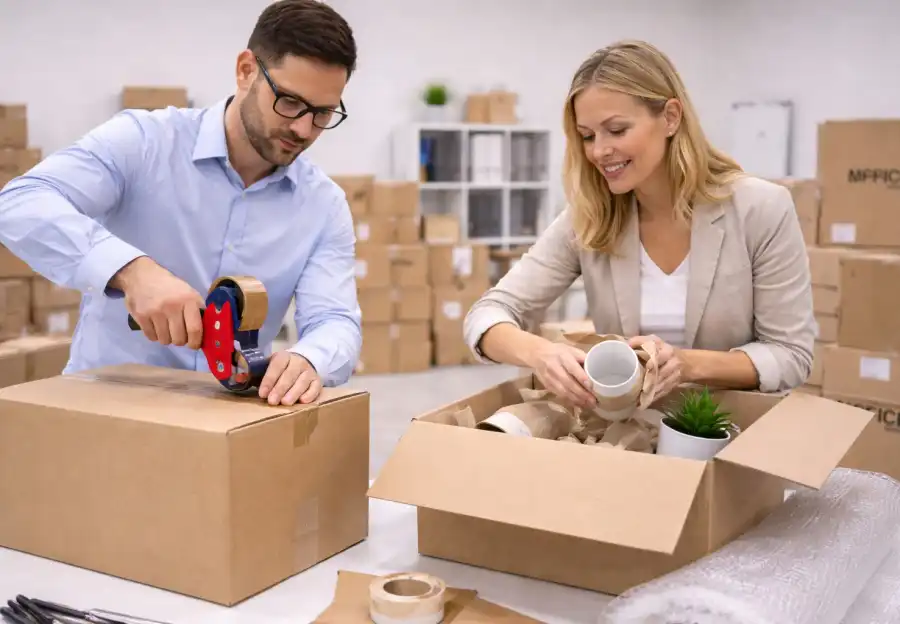
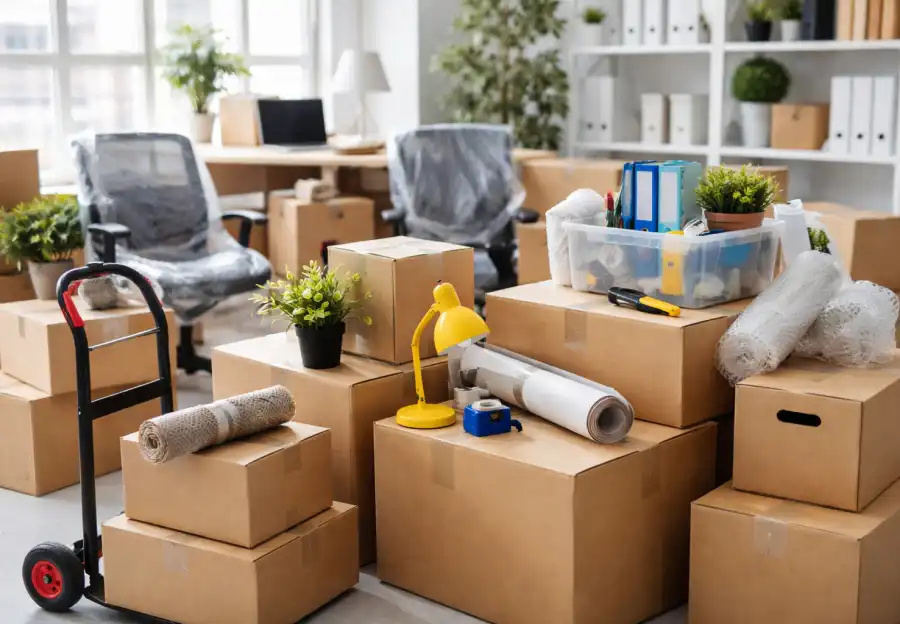
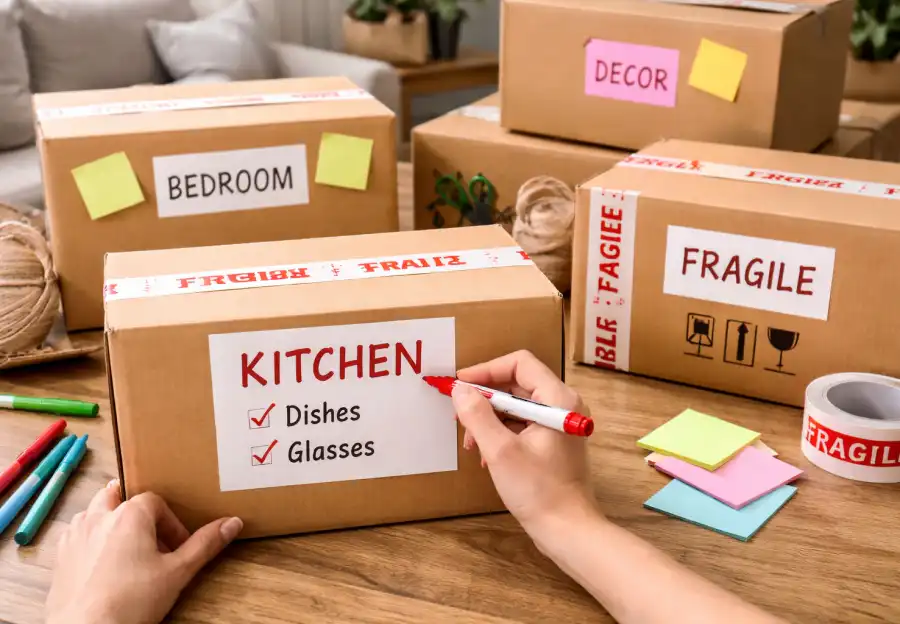
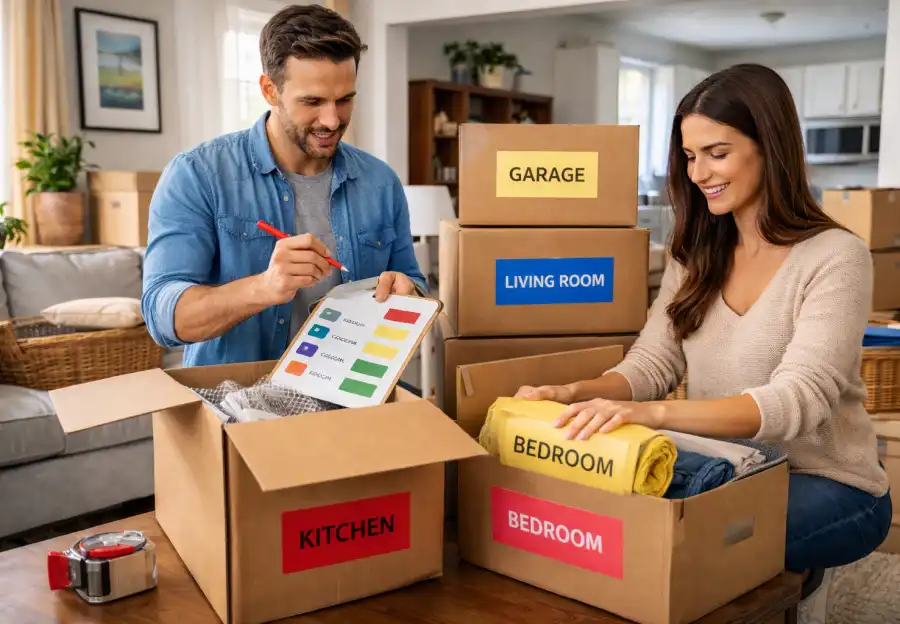
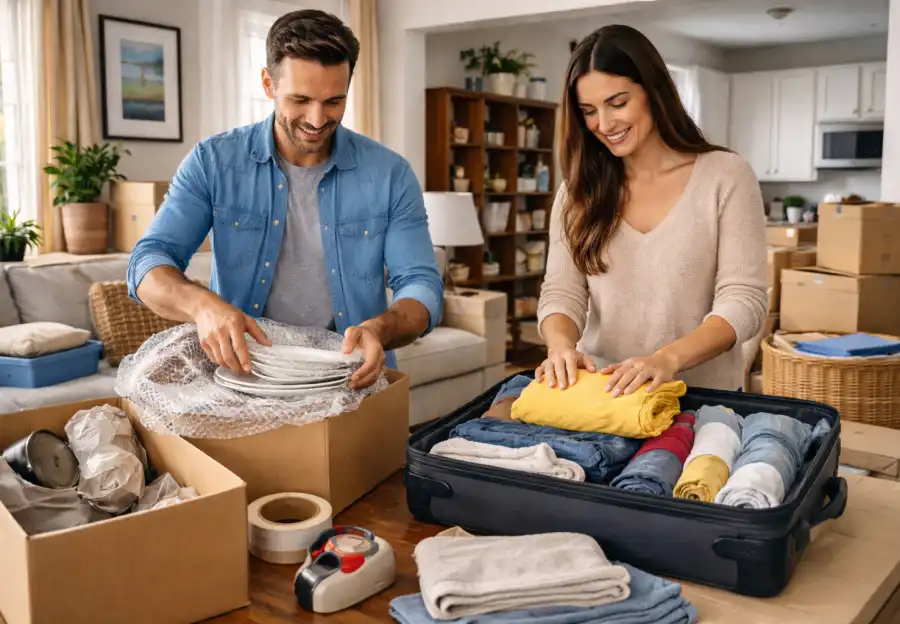
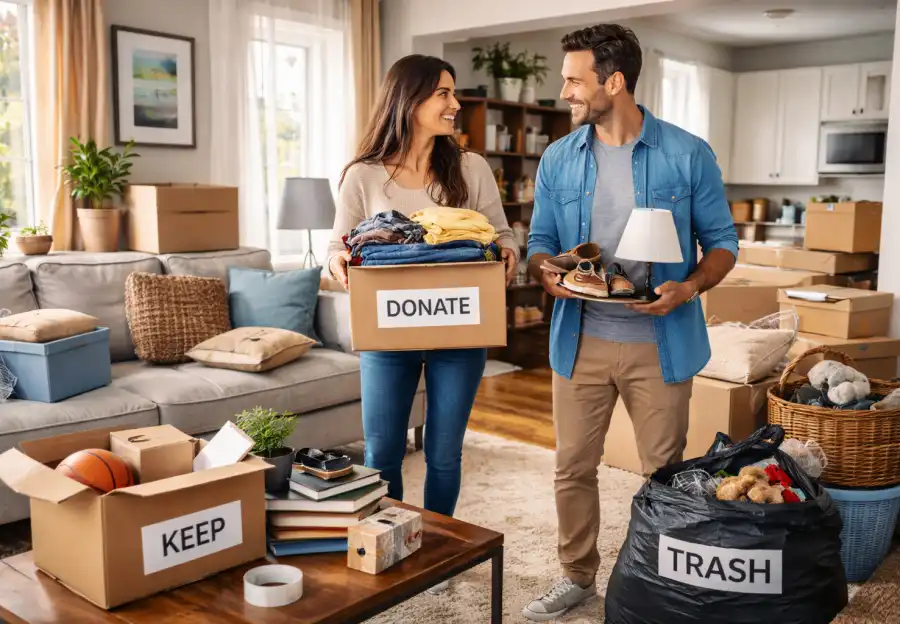
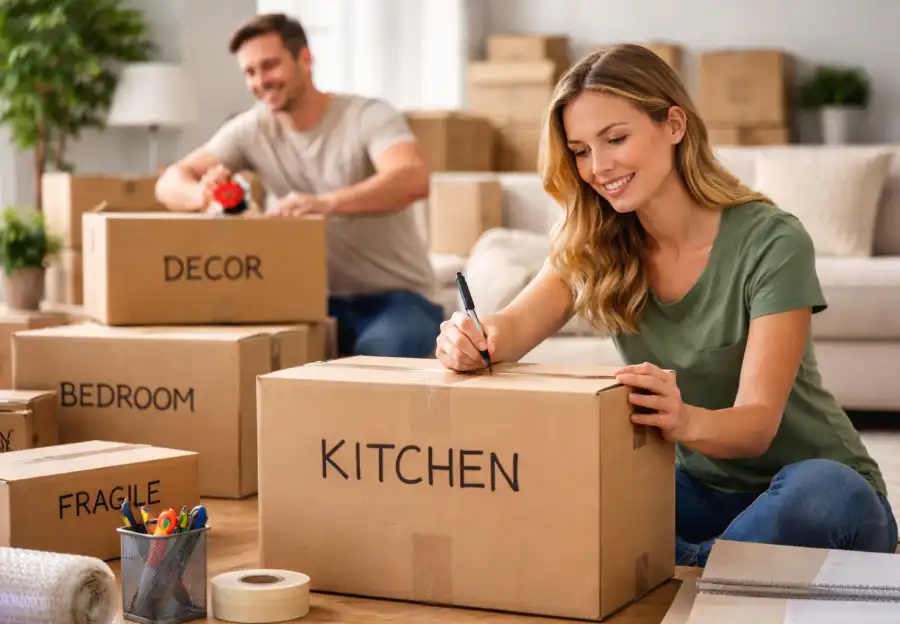
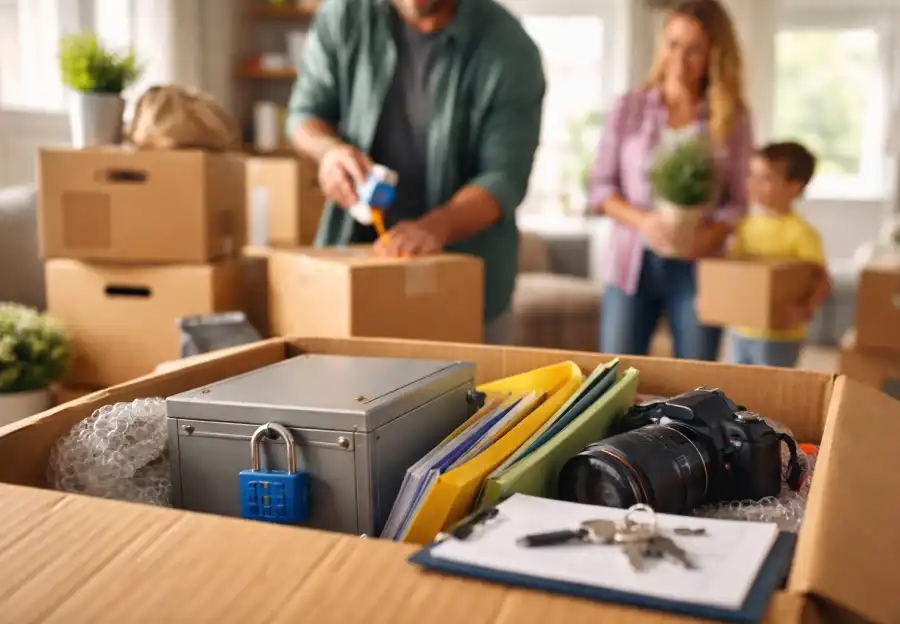
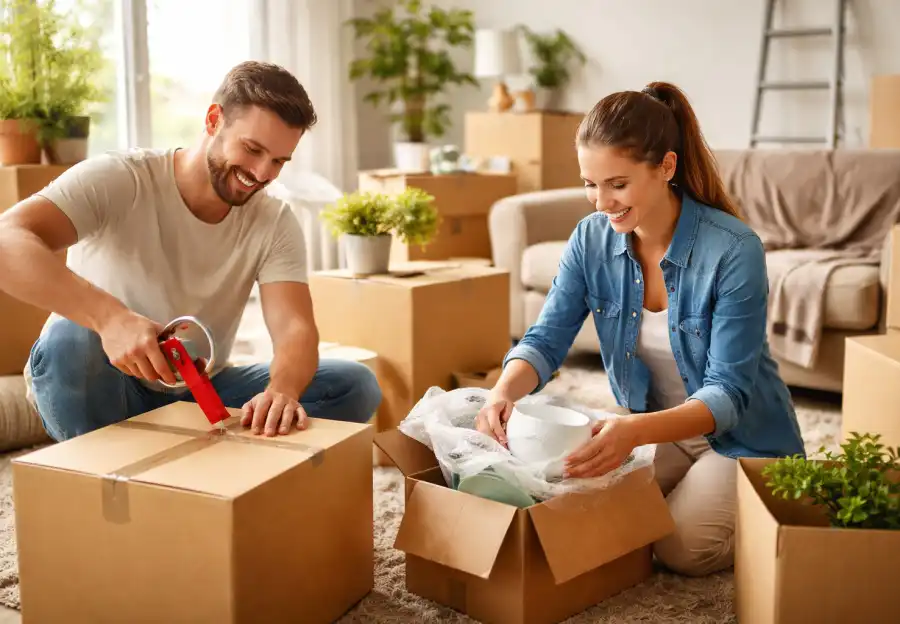
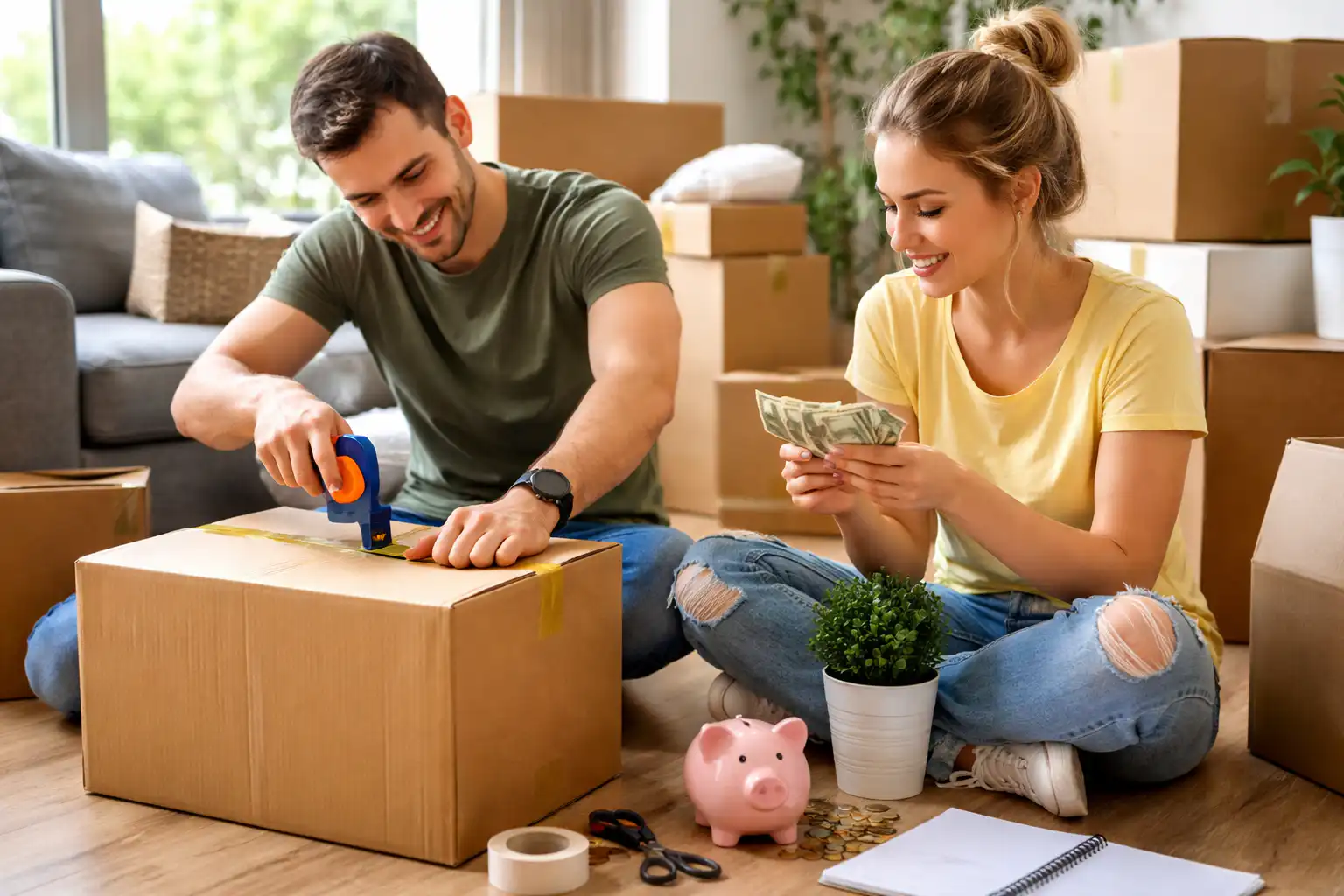
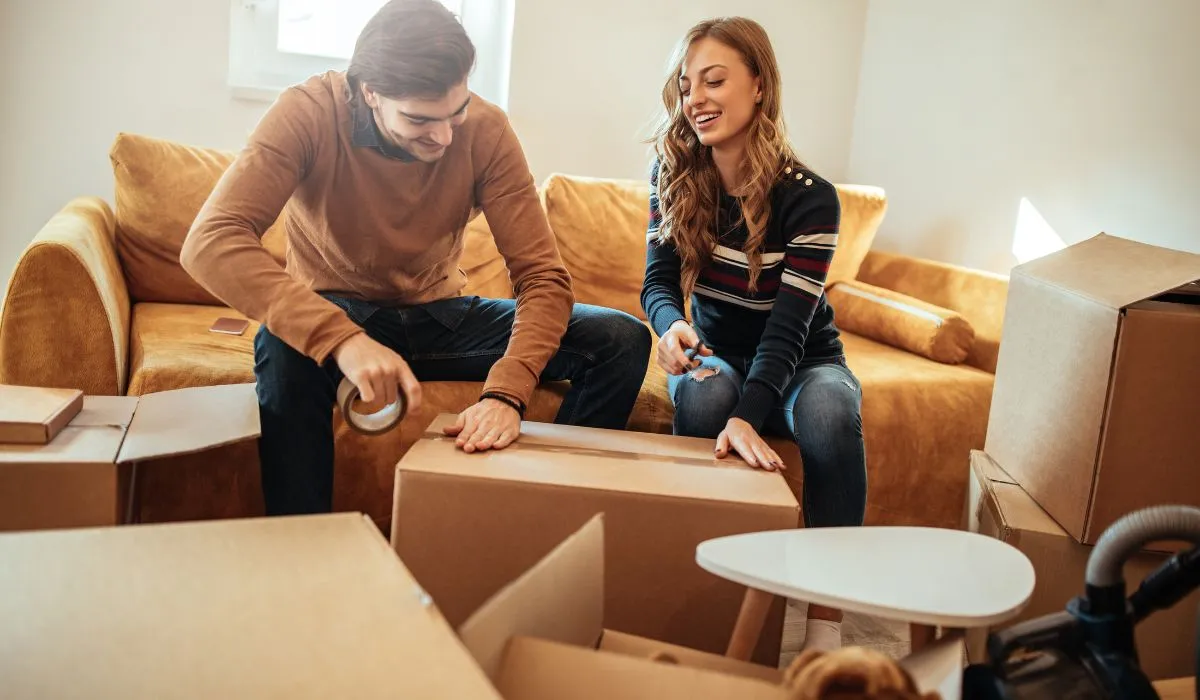
Effective organization begins with preparation. Labeling boxes clearly with contents and destination rooms simplifies the placement of items upon arrival, reducing unnecessary handling and repeated movement. Supplies such as scissors, tape, trash bags, and cleaning materials should be readily accessible to streamline the process. Movers can also designate specific zones for unpacking within each room, ensuring that boxes are sorted, opened, and arranged logically rather than scattered randomly. This structured approach promotes efficiency, decreases stress, and reduces the risk of damage to fragile or heavy items. Preparation ensures that the unpacking process flows smoothly and that every item finds its proper place without excessive effort or confusion.
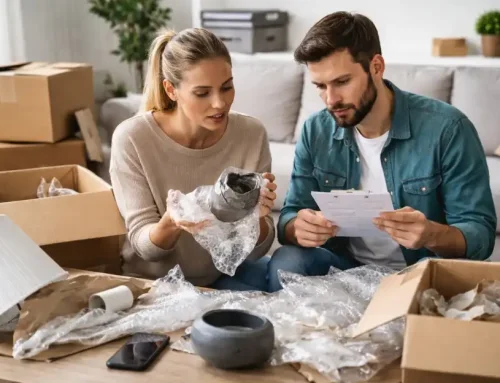
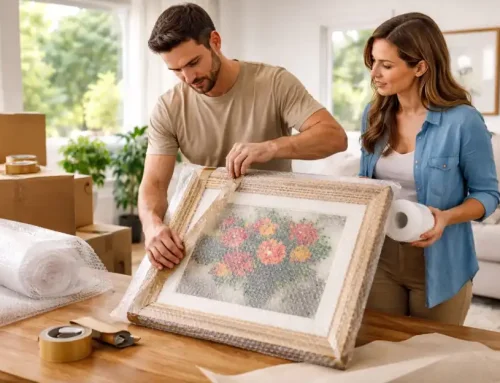
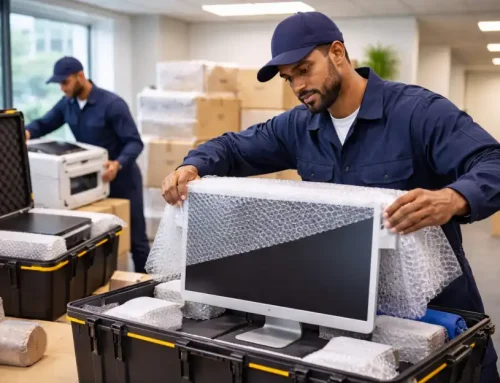
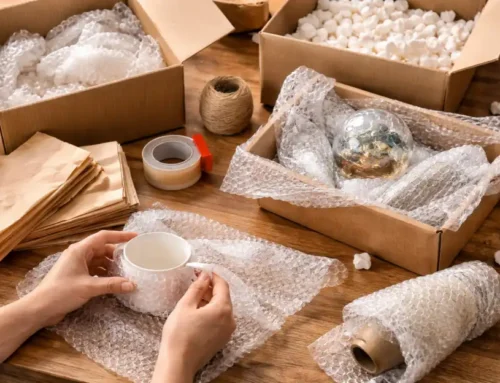
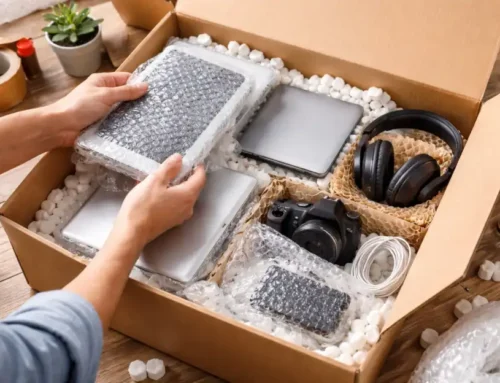
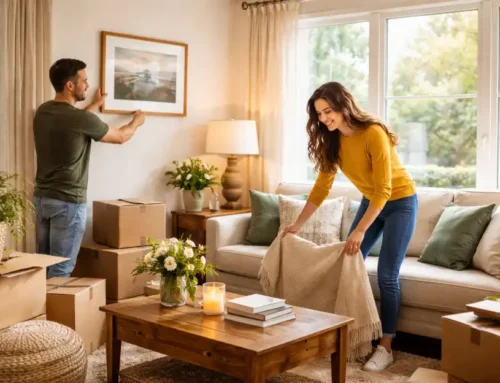
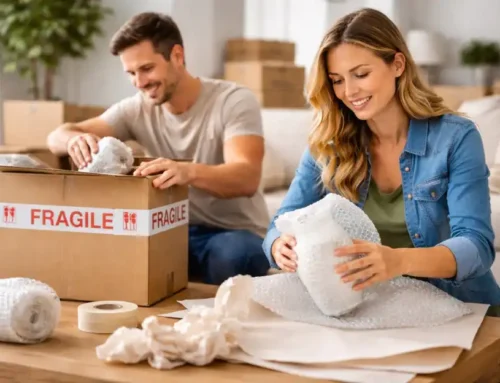
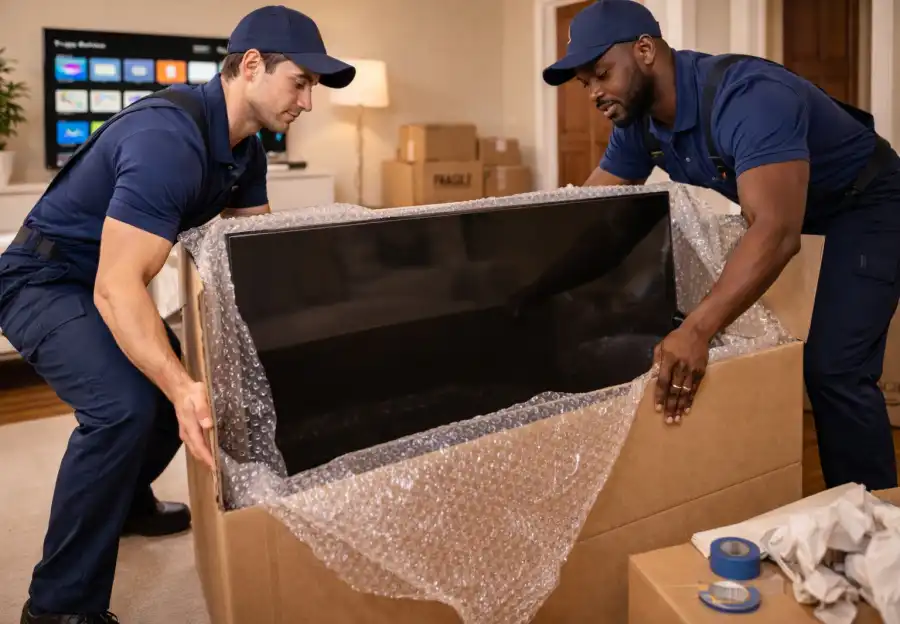
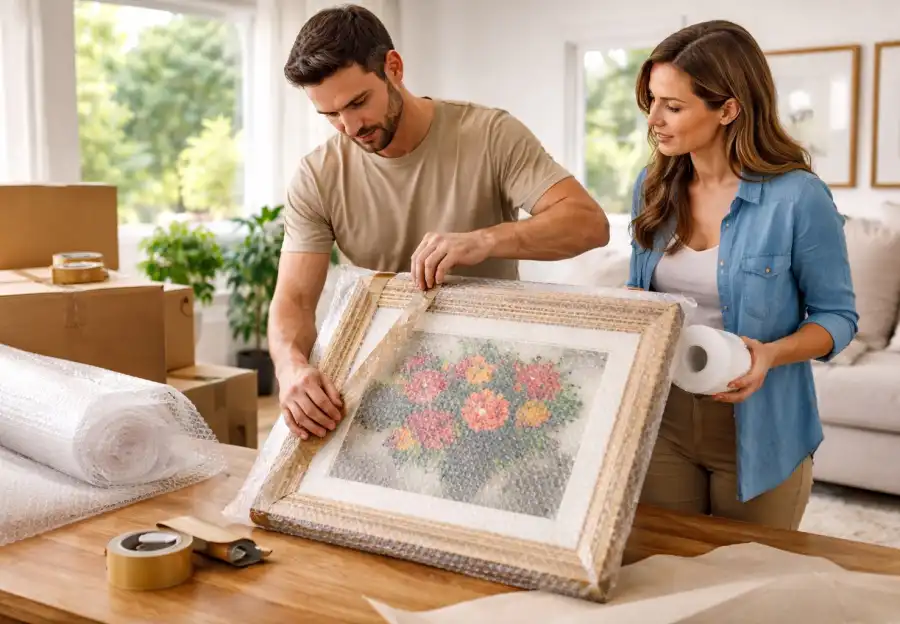
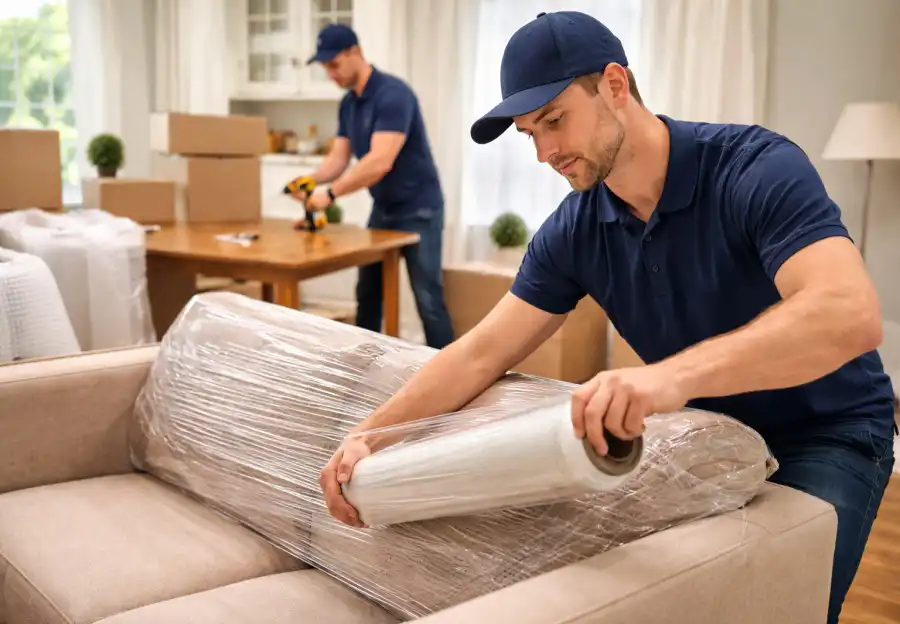
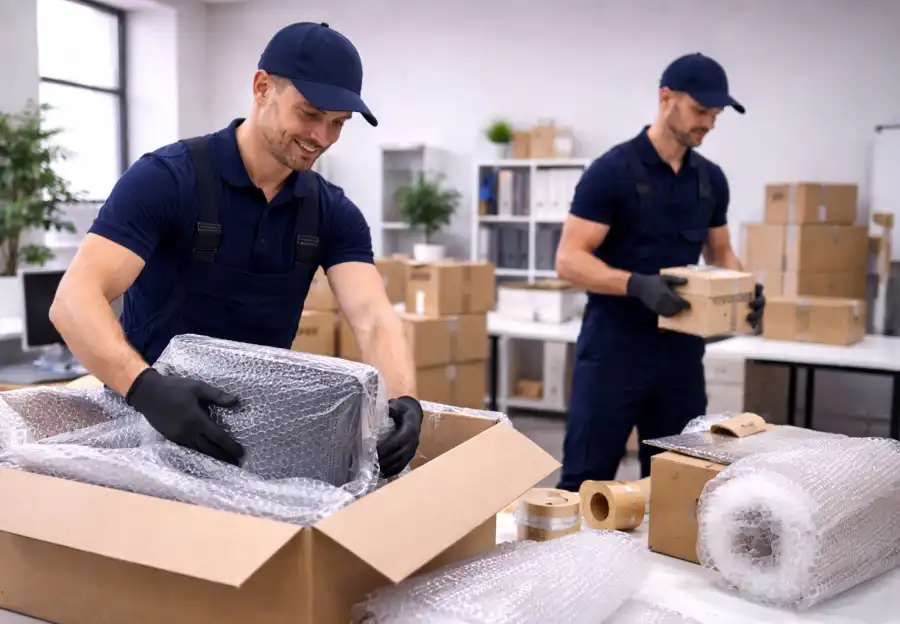
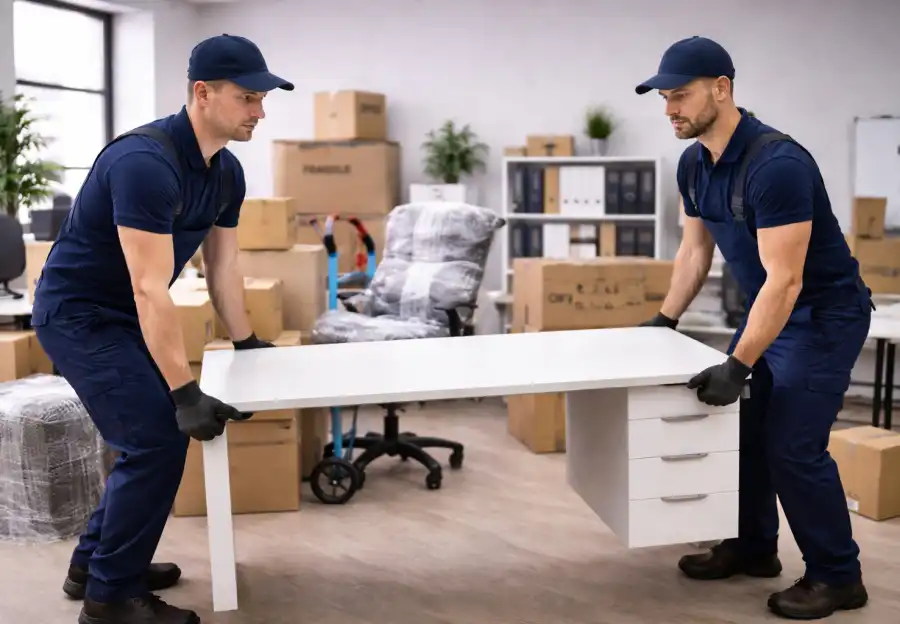
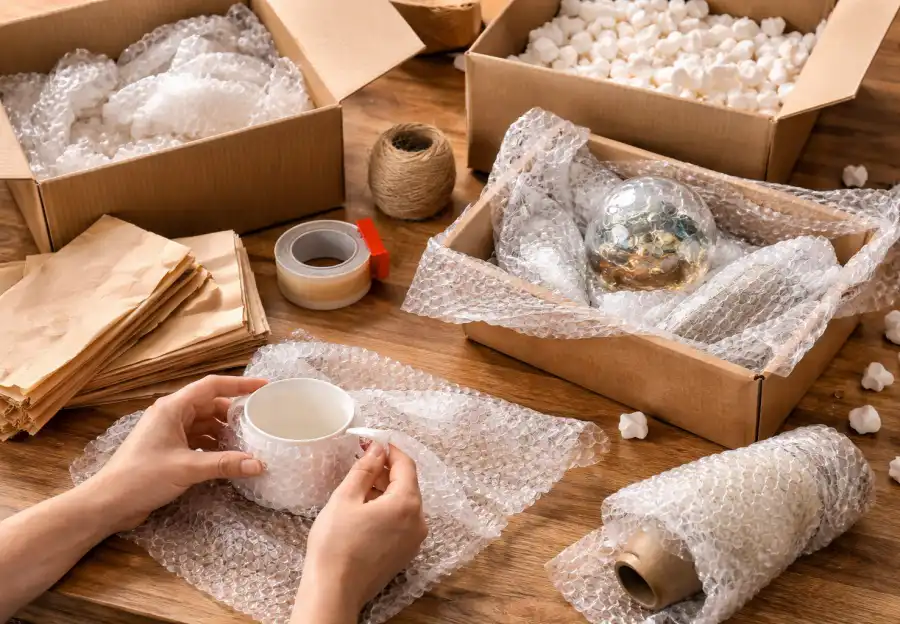
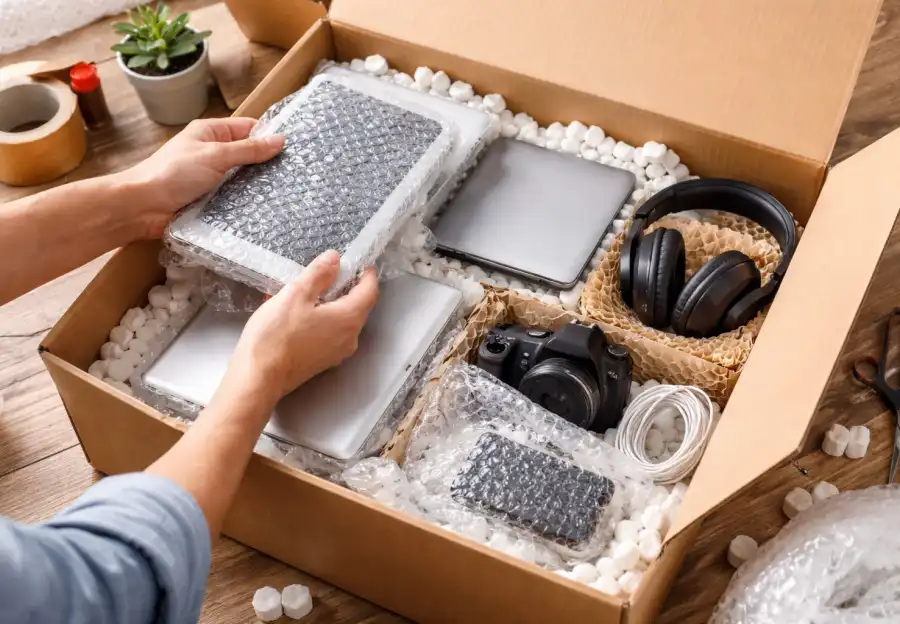
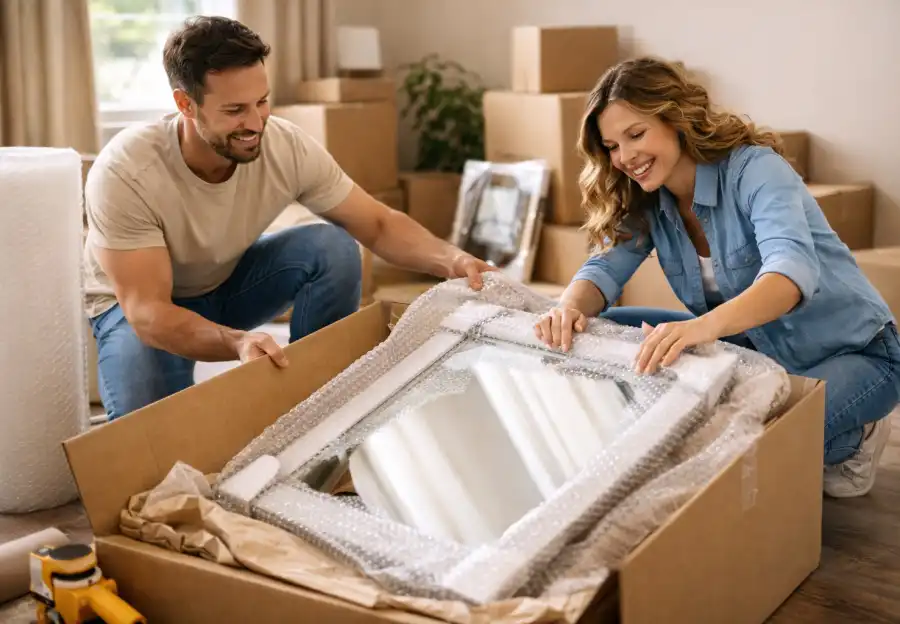
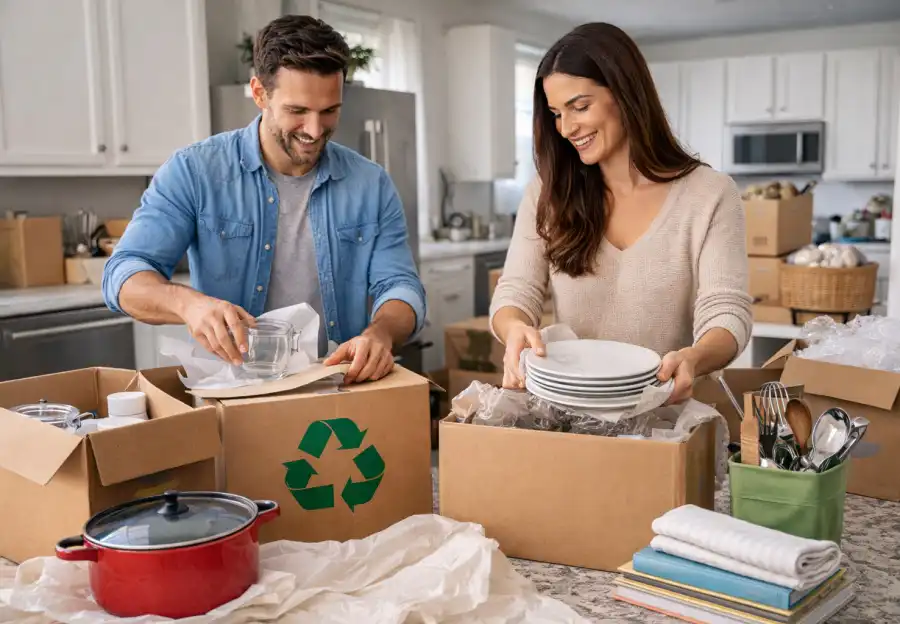
During the unpacking phase, systematic workflows are key. A room-by-room strategy helps individuals focus on one area at a time, avoiding overwhelm while maintaining order. Within each room, tasks can be further divided into steps: unpacking essential items first, arranging furniture, organizing personal belongings, and finally addressing decorative or nonessential items. This layered approach balances immediate needs with long-term organization goals. Additionally, moving fragile or valuable items requires careful handling and protective measures to prevent accidents or damage during placement. Attention to detail and deliberate sequencing reduces physical strain, ensures items are positioned correctly, and minimizes the likelihood of mess or disruption during the process.
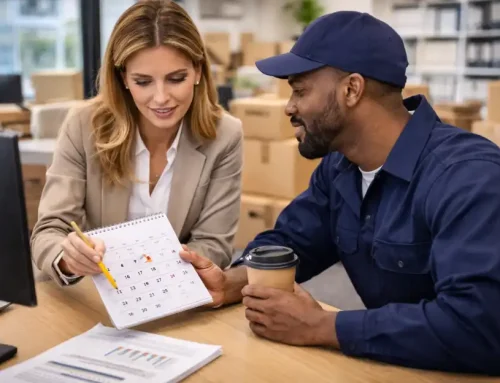
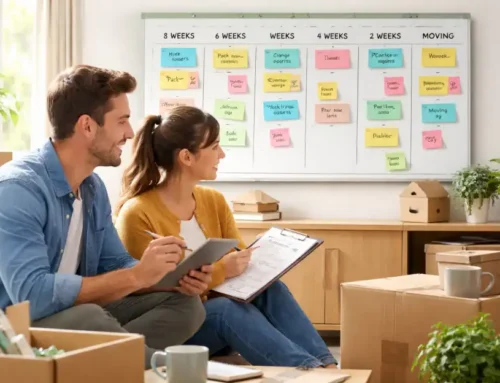
Efficiency is further enhanced through organization of workflow and resource allocation. Grouping items by type, function, or usage frequency facilitates rapid unpacking and arrangement. For instance, kitchen supplies should be unpacked together, while clothing, bedding, and personal care items can be organized in designated storage spaces. Utilizing checklists or digital tracking tools helps monitor progress, ensures that nothing is overlooked, and enables a systematic approach to each room. Scheduling breaks and dividing tasks over several days prevents fatigue, maintains productivity, and allows for thoughtful decision-making regarding placement, storage, and organization of items. Structured workflows transform unpacking from a laborious chore into an orderly and manageable operation.
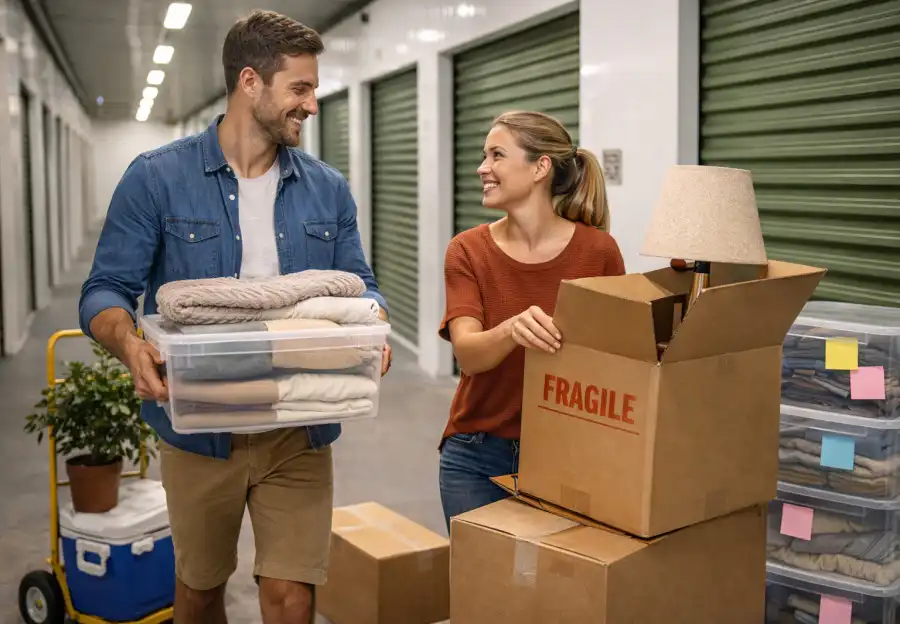
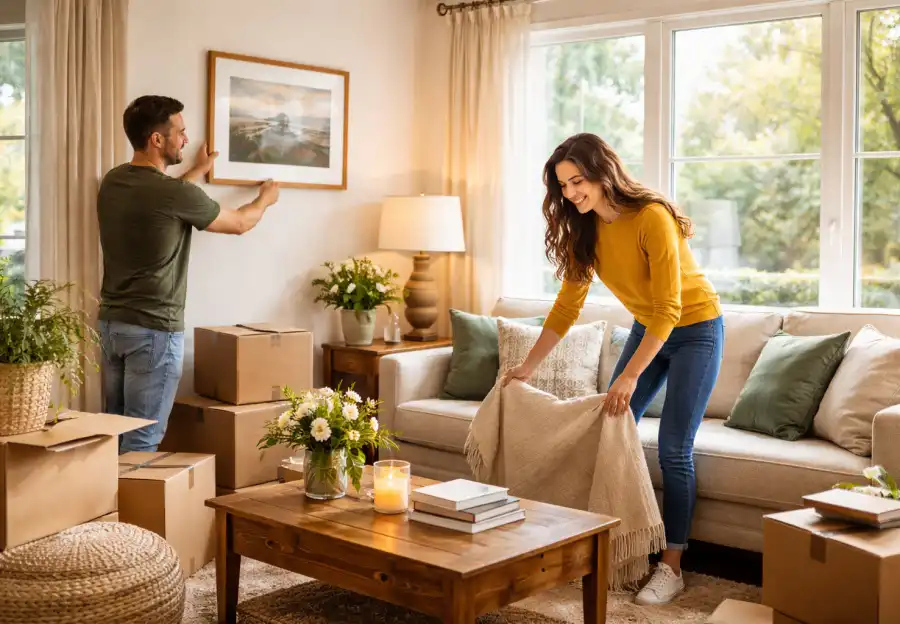
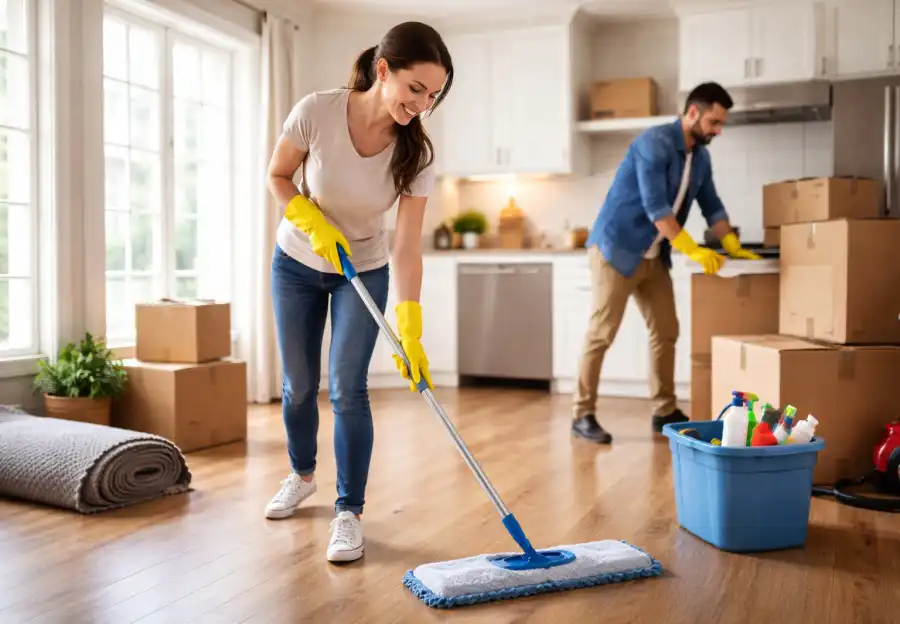
Post-unpacking organization is equally important to achieve a fully functional living space. Once boxes are emptied, individuals should assess storage solutions, label containers for long-term use, and ensure that frequently accessed items are easily reachable. Shelving, drawers, closets, and cabinets should be arranged to maximize space, improve accessibility, and maintain a clutter-free environment. Attention to airflow, cleaning, and furniture arrangement contributes to a more comfortable and organized home, while also preventing damage to belongings. This stage allows movers to refine the placement of items based on practical usage patterns rather than simply clearing boxes from the floor.
Mastering the organization of unpacking processes develops transferable skills that extend beyond moving. Individuals cultivate habits in planning, prioritization, problem-solving, and workflow management that can enhance efficiency in daily life, workplace organization, and future relocation efforts. A structured approach to unpacking provides psychological relief, as it introduces predictability and control into what might otherwise feel overwhelming. By fostering order, clarity, and systematic decision-making, individuals reduce stress and increase satisfaction with their new environment, creating a foundation for smooth integration into the space.
In conclusion, learning how to organize your unpacking process is a powerful tool for navigating the complexities of relocation. By emphasizing assessment, preparation, workflow, and post-unpacking organization, movers can reduce stress, avoid damage, and achieve efficiency throughout the transition. Structured unpacking ensures that items are handled safely, rooms are arranged logically, and the home is functional and welcoming from the start. Beyond the immediate benefits, mastering these techniques cultivates lasting skills in planning, prioritization, and environmental responsibility. Organizing the unpacking process transforms relocation from a chaotic challenge into a systematic, controlled, and ultimately rewarding experience.