
How to Prevent Furniture Damage
When it comes to relocating, storing, or reorganizing important materials, understanding how to prevent furniture damage plays a crucial role in shaping how individuals plan, manage, and execute tasks. Unlike general packing or moving advice, preventing furniture damage focuses on precise practices, detailed strategies, and thoughtful decision-making, helping individuals tackle both predictable and unforeseen challenges. Often, people underestimate how well-designed methods can significantly reduce stress, avoid physical strain, and improve overall efficiency. Mastering these strategies empowers individuals to approach the entire moving process in a more structured, manageable way, creating a smoother and less stressful experience. In this extended guide, we explore how taking preventive measures against furniture damage enhances not only the moving process but also develops transferable skills that will help in various aspects of life.
The first critical insight into preventing furniture damage is preparation. The way you handle, pack, and protect your furniture before and during the move is paramount. Before moving any piece of furniture, you should begin by disassembling any removable parts, such as legs, cushions, and shelves. This not only minimizes the size of each piece, making it easier to move but also helps avoid unnecessary damage. For large, heavy items like dressers and wardrobes, removing doors, drawers, and shelves prevents them from rattling or getting detached during the move. This preemptive action ensures that your furniture will arrive at your new home in the same condition as it was when you packed it.
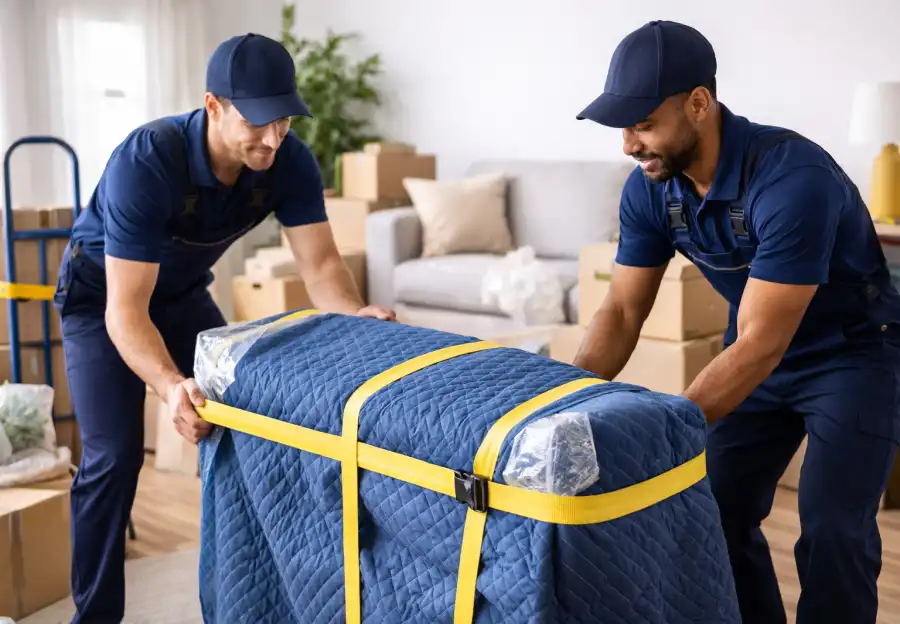
Another essential factor in preventing furniture damage is the proper use of protective materials. Wrapping furniture with bubble wrap, moving blankets, or furniture pads is critical to shielding it from bumps, scrapes, and scratches during transport. Using high-quality packing materials is equally important for fragile pieces, such as antique furniture or glass tables. These materials create a cushion around your furniture, absorbing shocks and safeguarding delicate surfaces. For items with sharp corners or edges, corner protectors can be used to prevent those areas from becoming chipped or scratched during the move. It’s also beneficial to consider investing in custom crates for valuable or unusually shaped furniture, as this can provide additional security during transit.
Furthermore, selecting the right type of moving equipment is integral to avoiding furniture damage. The use of dollies, hand trucks, and furniture sliders can alleviate unnecessary strain and reduce the risk of accidents. Instead of trying to carry heavy furniture manually, using dollies helps distribute the weight more evenly, making it easier to maneuver and decreasing the chance of dropping or scratching the furniture. For larger pieces, furniture sliders allow for smoother movement across the floor, minimizing friction and protecting both your furniture and the floors from scratches. Additionally, investing in heavy-duty straps or ropes to secure the furniture during transport ensures that items do not shift or tip over, which could lead to damage.
In terms of strategy, it’s important to maintain a clear organizational process when moving furniture. Labeling each item or grouping similar pieces together helps to ensure that everything is packed and unpacked efficiently. By clearly marking the boxes or furniture that contain fragile or high-value items, movers (whether professional or DIY) can take extra precautions to handle these pieces with care. A systematic approach also means that you know where every item goes when you arrive at the new home, minimizing the risk of mishandling or inadvertently placing heavy objects on top of delicate furniture.
During the actual move, one of the most crucial elements in preventing furniture damage is mindful handling. Whether you’re moving furniture yourself or hiring professionals, the technique and precision used in lifting, carrying, and loading pieces onto the truck can make a significant difference. Proper lifting techniques—such as bending at the knees and using your legs rather than your back to lift heavy items—help reduce the risk of injury and furniture damage. It’s also essential to communicate with your team (if you’re not moving alone) to ensure that everyone knows how to handle and carry specific pieces. For example, heavier furniture may require more movers or assistance to lift it safely.
In terms of unloading and arranging furniture at the new home, applying the same principles of care and protection is essential. Using floor protection, such as cardboard or plastic sheets, can prevent your furniture from scratching or scuffing floors as it is moved in. Once inside, it’s important to be deliberate about where each piece of furniture goes. The process should be slow and calculated to avoid unnecessary damage during placement. Additionally, if you’re using professional movers, their expertise in navigating tight corners, narrow hallways, and doorways ensures that even bulky items can be moved safely.
Beyond the immediate move, another way to prevent furniture damage is to consider how the furniture will be stored long-term. If certain pieces of furniture will not be used for a while, storing them properly is essential for maintaining their integrity. The first step is to clean furniture thoroughly before placing it in storage. Dust, dirt, and moisture can cause damage over time, so wiping down surfaces and ensuring that furniture is dry can prevent mildew, warping, or fading. If storing items in a warehouse or self-storage unit, use furniture covers to protect them from dust and pests. For wooden furniture, using climate-controlled storage can prevent extreme temperature fluctuations that can lead to cracking, warping, or swelling.
The psychological relief that comes with knowing that every item, plan, and timeline is aligned with an organized approach also plays an important role in preventing damage. A well-organized move provides a sense of control over the situation, which helps reduce stress. When there’s a clear strategy in place, it’s easier to make quick decisions, anticipate problems, and adapt as needed, ensuring that your furniture stays safe throughout the entire process. This approach helps eliminate the emotional fatigue that often accompanies moves, providing a smoother transition from one home to another.
Finally, mastering the art of preventing furniture damage extends beyond just the moving process. The skills you develop—such as careful planning, organization, and prioritization—become valuable in everyday life. Whether it’s moving into a new home, rearranging furniture, or storing delicate items, the same principles apply: attention to detail, proper protection, and efficient organization. These practices not only help keep your belongings safe but also contribute to smarter, more responsible habits in your personal and professional life.
In conclusion, preventing furniture damage is crucial to a smooth and successful move. By preparing furniture properly, using the right materials and equipment, and applying strategic handling techniques, individuals can ensure that their belongings arrive safely at their new home. Furthermore, applying these principles to long-term storage and developing organizational habits provides valuable life skills that extend beyond the moving process. Mastering the art of protecting your furniture reduces stress, boosts confidence, and ultimately results in a more enjoyable moving experience.