
May 16, 2026
How to Avoid Injury During Moving
Avoiding injury during moving is a critical factor that shapes how individuals plan, manage, and execute tasks related to relocation, storage, sorting, or reorganizing important materials. Unlike general moving advice, guidance on preventing injuries emphasizes detailed practices, thoughtful decision-making, and specific strategies designed to mitigate both predictable and unexpected risks. Many people underestimate the physical demands of moving and the significant impact that well-planned methods can have on reducing strain, preventing accidents, and improving efficiency. Understanding how to avoid injury during moving equips individuals with the knowledge to approach large tasks methodically, breaking them down into manageable steps while maintaining safety as a central priority.
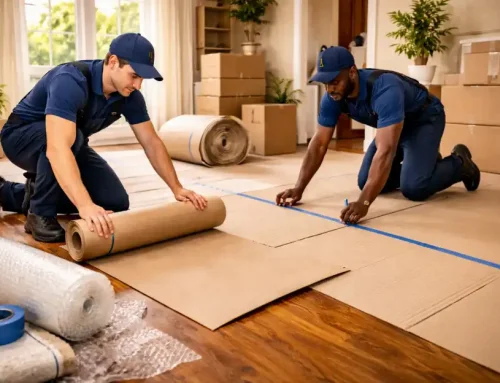
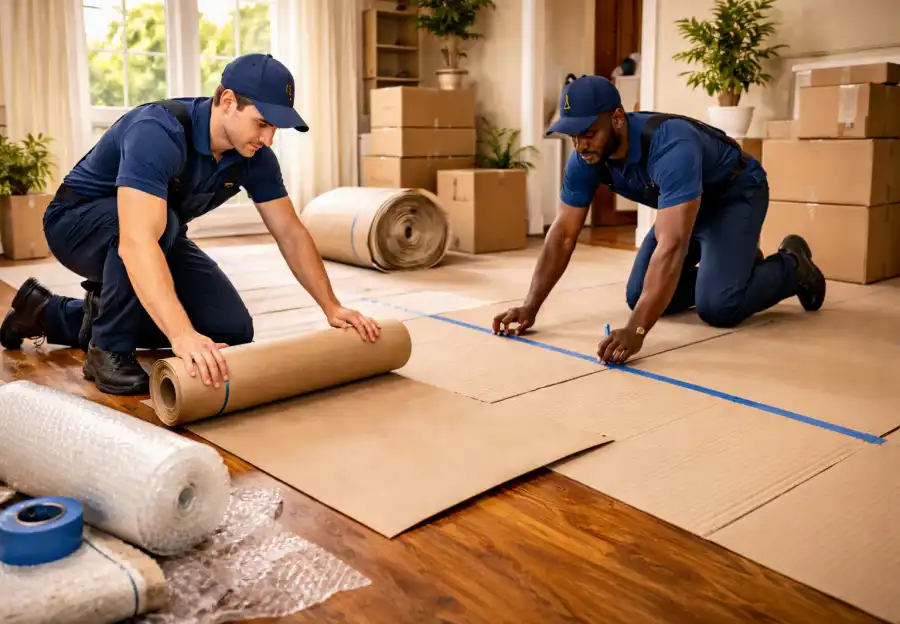
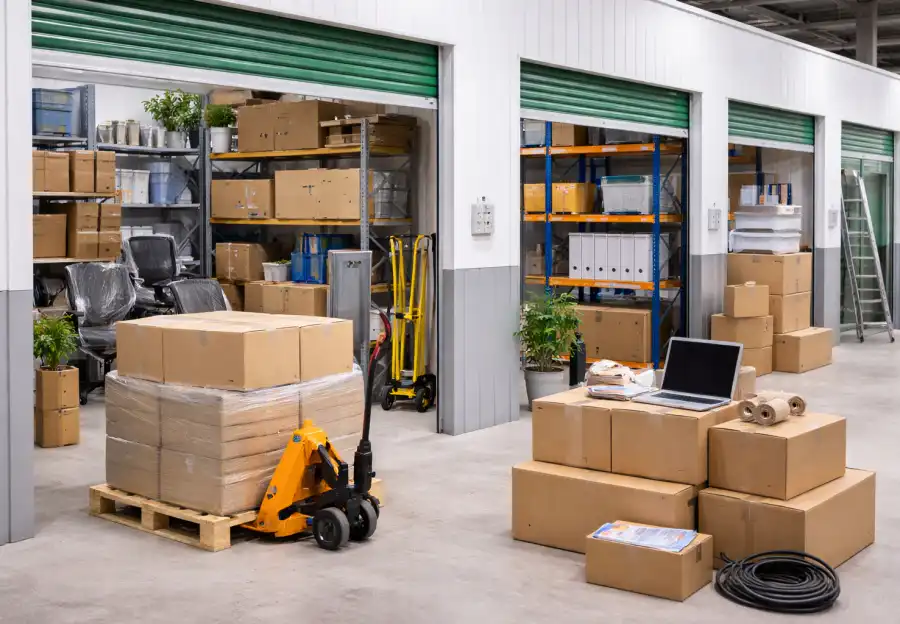
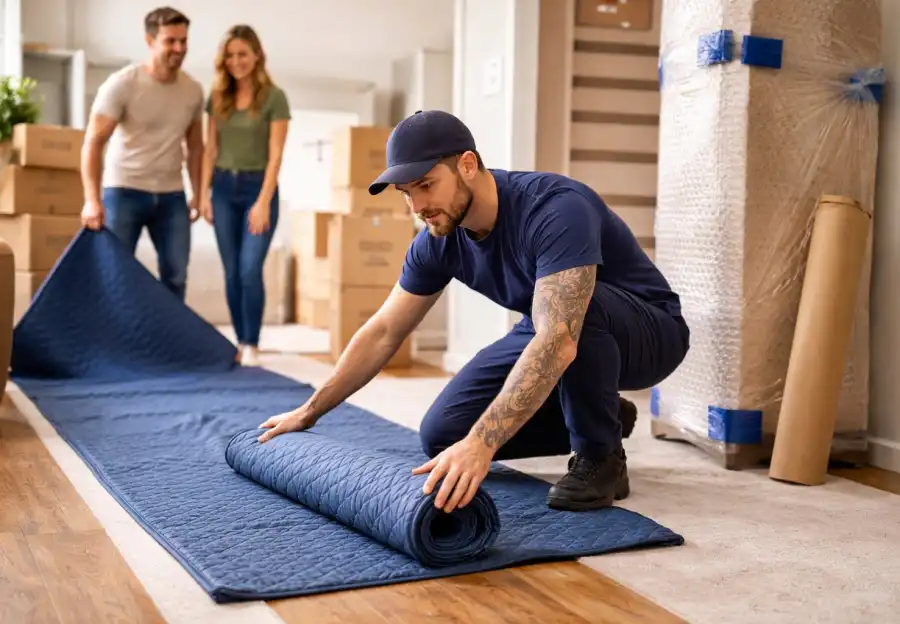
The first aspect of avoiding injury during moving is preparation and planning. This begins with assessing the items to be moved, identifying heavy, bulky, or fragile objects, and determining the safest method for transporting each. Using tools like dollies, hand trucks, and lifting straps can significantly reduce physical strain and prevent accidents. Preparing pathways in advance—clearing hallways, removing rugs, and ensuring that stairs and doorways are free of obstacles—minimizes the risk of trips, slips, or collisions. Planning also involves determining who will assist with lifting or carrying heavy items, ensuring that teamwork and coordination are optimized to protect both people and belongings.
Proper lifting techniques are essential for avoiding injuries, particularly to the back, shoulders, and knees. Individuals should bend at the knees rather than the waist, keeping their back straight while using the strength of their legs to lift. Holding items close to the body helps maintain balance and reduces leverage stress on muscles and joints. Additionally, moving items in smaller, manageable portions rather than attempting to carry excessively large or heavy objects minimizes the risk of strain or sudden injury. Rotating lifting responsibilities among multiple people when available prevents fatigue and allows for more controlled handling of challenging items.
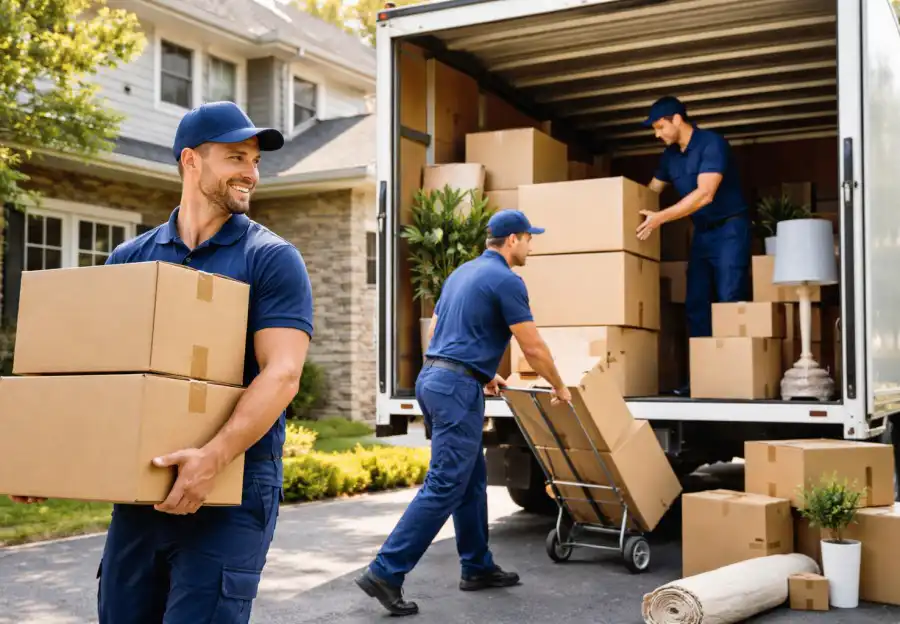
Ergonomic use of equipment is another crucial component of injury prevention. Dollies, hand trucks, sliders, and moving straps should be used consistently and correctly, rather than relying on brute force alone. For instance, securing furniture on a dolly before rolling it ensures stability, while using lifting straps with proper alignment reduces shoulder and back tension. Furniture sliders can help move heavy items across floors with minimal lifting, and protective gloves improve grip while reducing hand fatigue and the risk of cuts or abrasions. Understanding how to select and employ the appropriate tools for each task enhances both safety and efficiency throughout the move.
Maintaining personal safety practices is equally important. Wearing sturdy, closed-toe shoes provides stability and protection from falling objects. Comfortable clothing that allows free movement prevents restriction while lifting or bending. Staying hydrated and taking regular breaks reduces the risk of fatigue-related accidents, while stretching before lifting can loosen muscles and increase flexibility. Individuals should also be mindful of overexertion, recognizing when a task exceeds their physical capacity and seeking assistance to avoid unnecessary strain or injury.
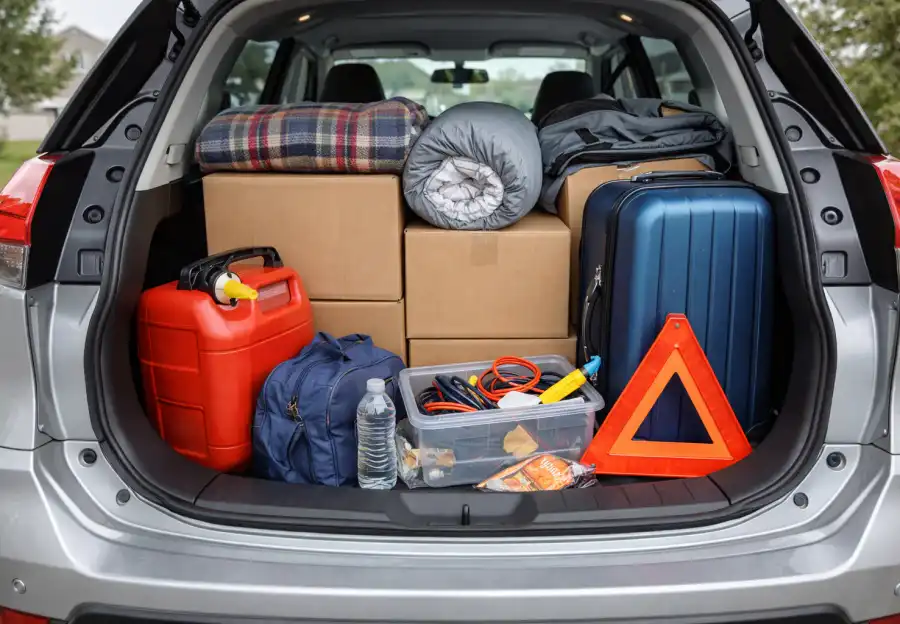
Organizational strategies further contribute to safety during moving. Clearly labeling boxes, arranging items by size and weight, and establishing a systematic workflow prevent cluttered spaces that can lead to trips or falls. Creating a clear path from one area to another, moving heavier items first, and positioning lighter objects afterward helps maintain balance and control. Additionally, planning the order of room clearance ensures that essential pathways remain open and prevents the need for repeated, unsafe lifting or maneuvering of items across crowded spaces.
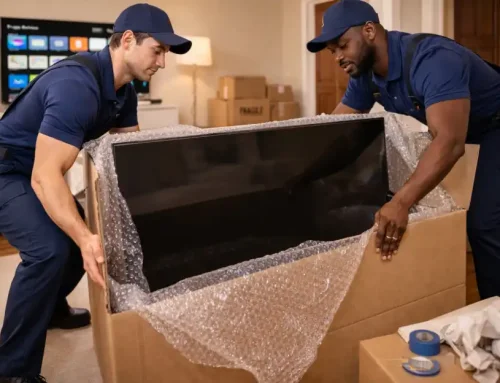
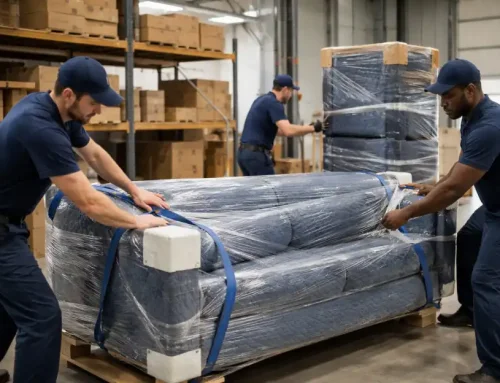
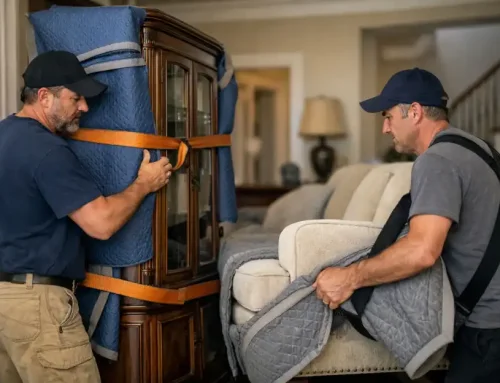
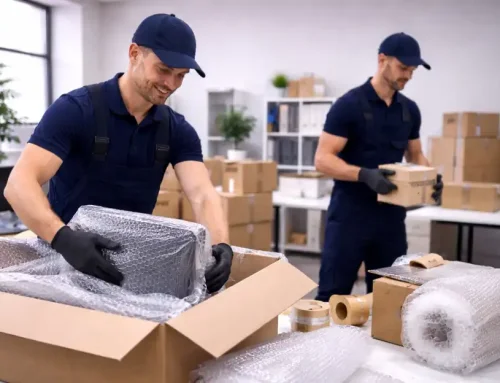
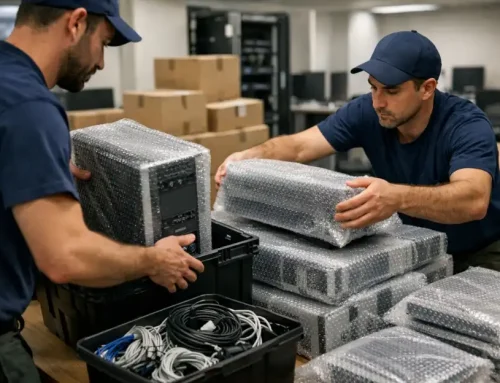
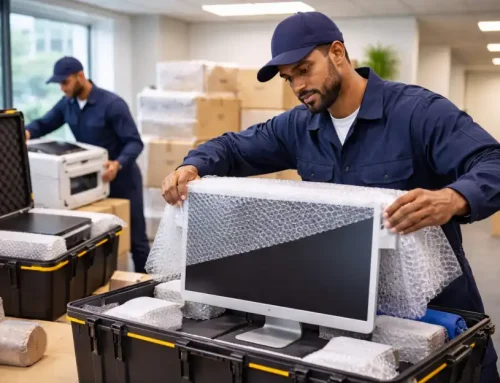
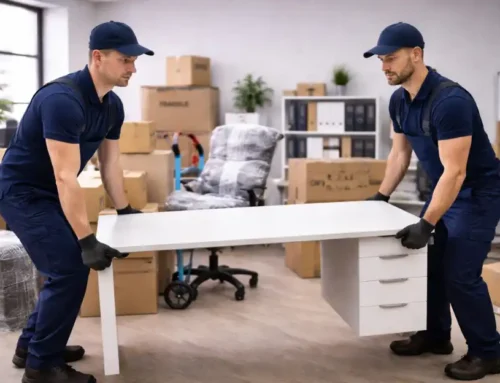
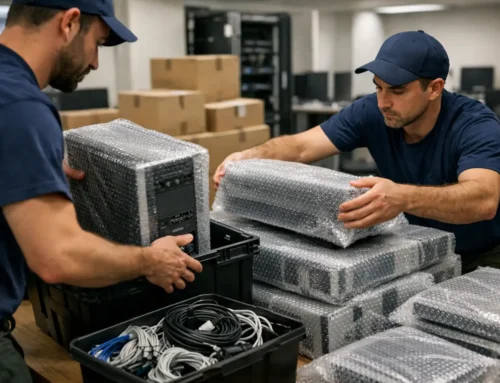
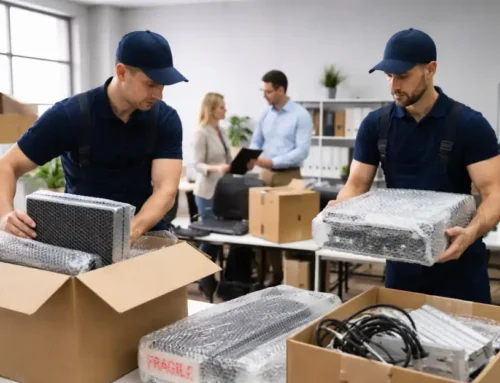
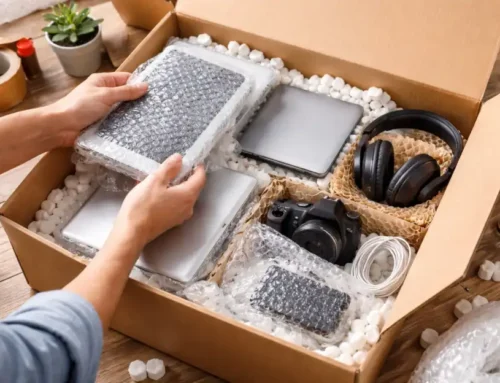
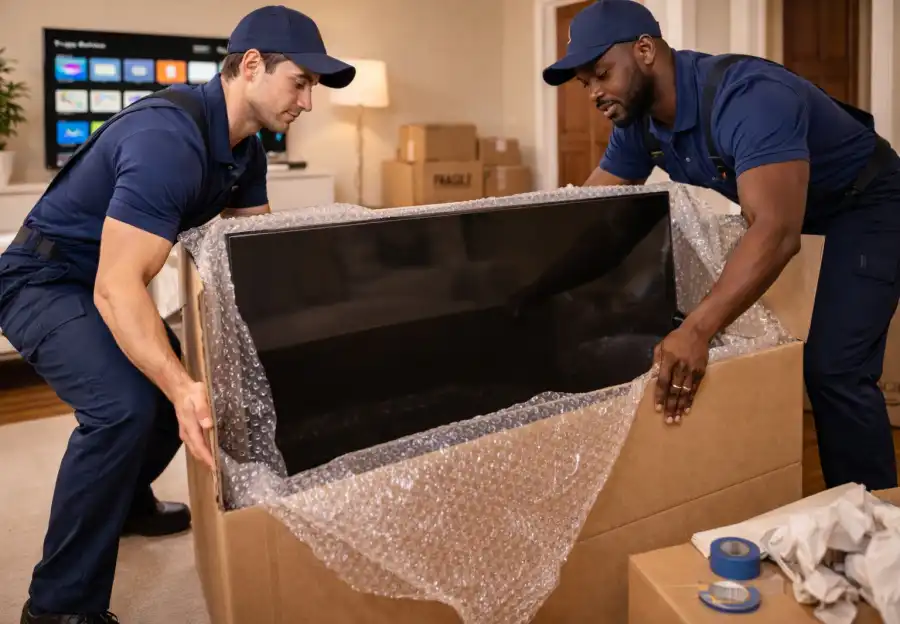
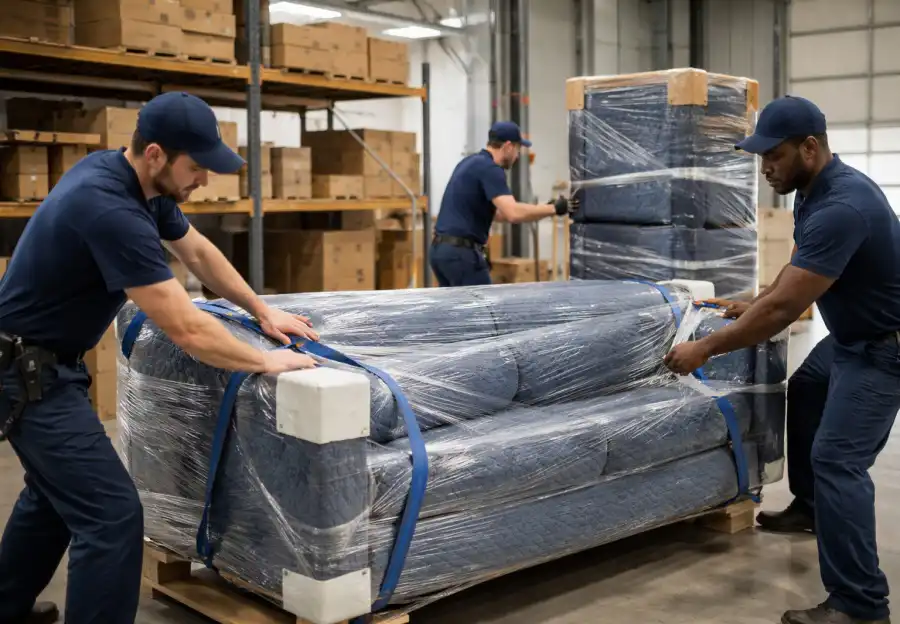
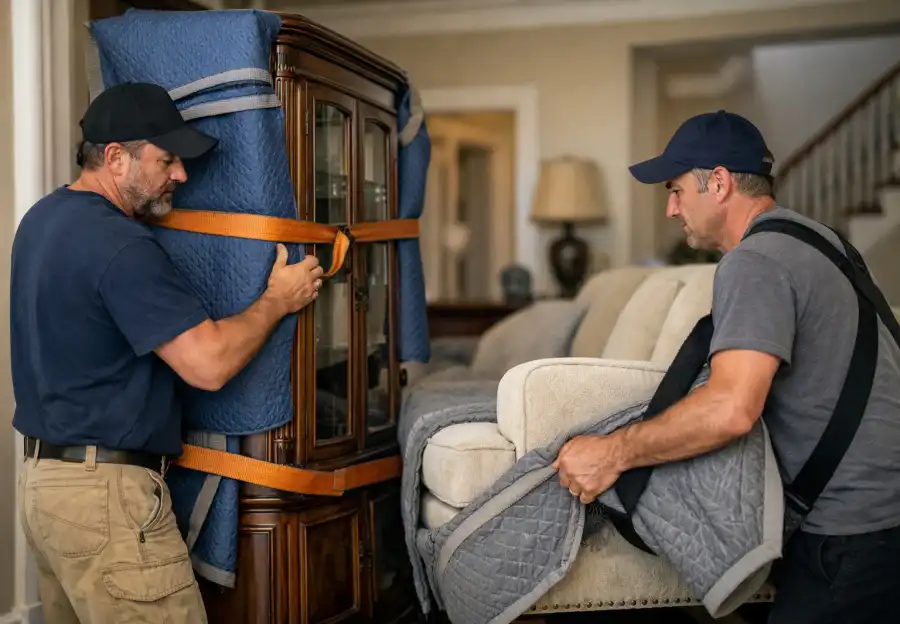
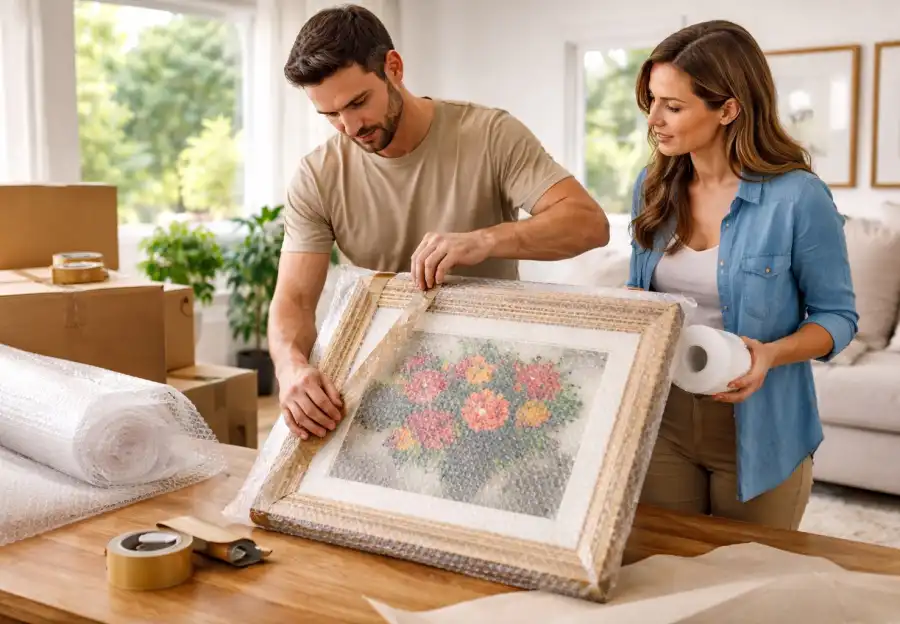
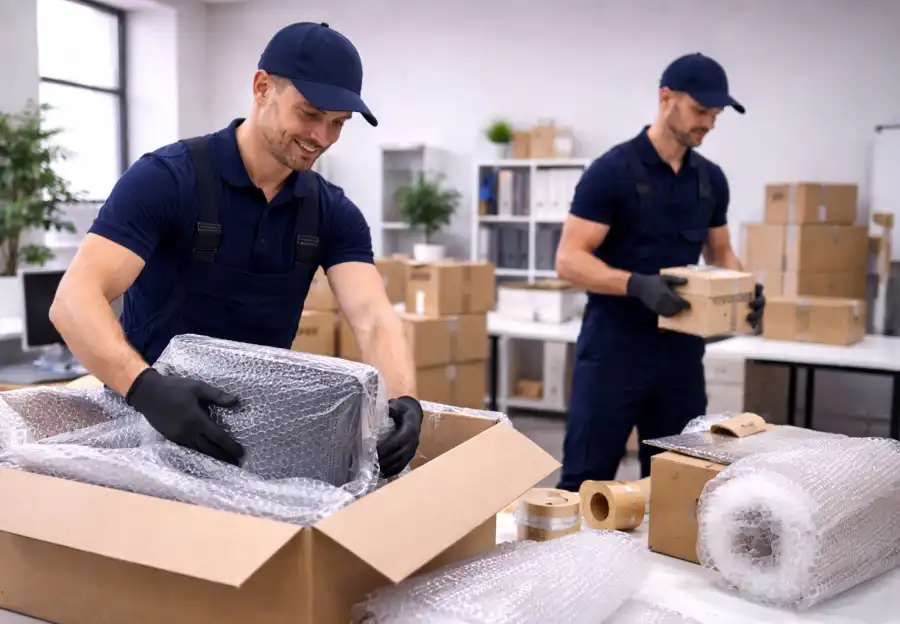
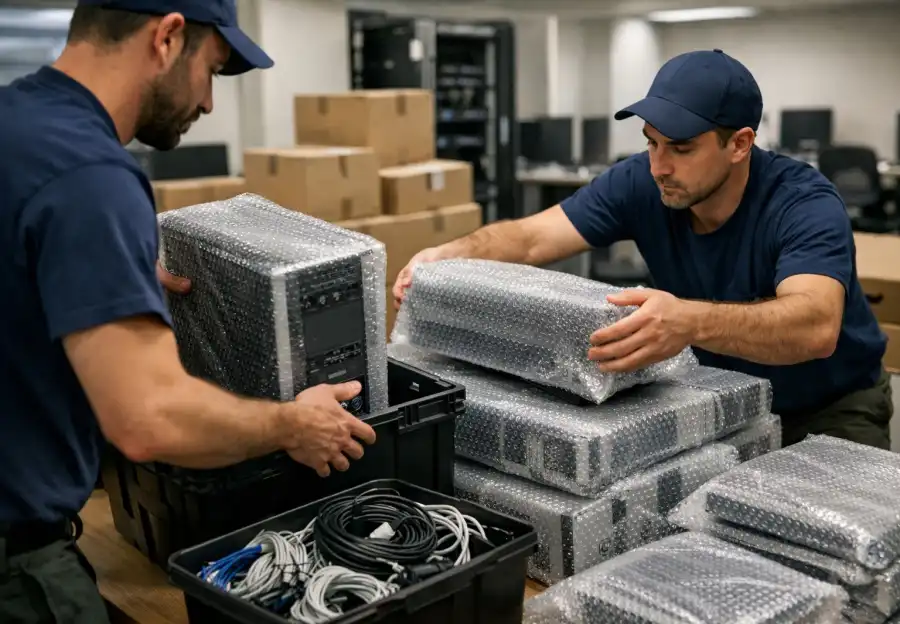
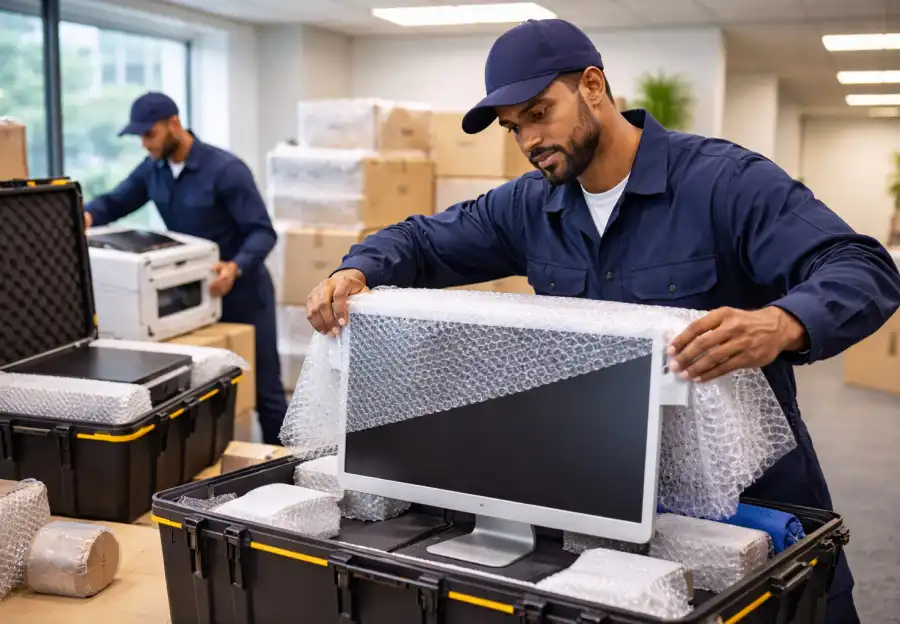
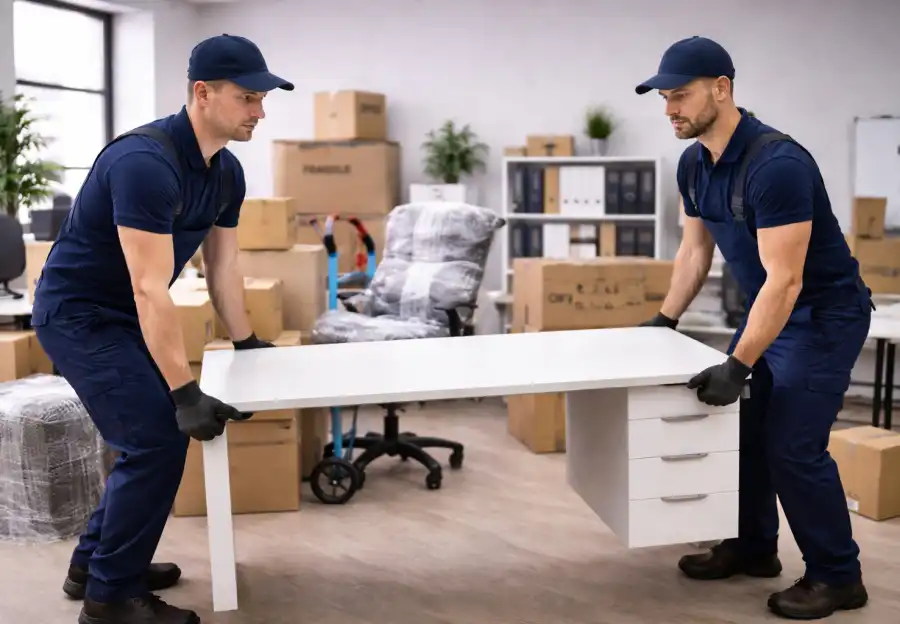
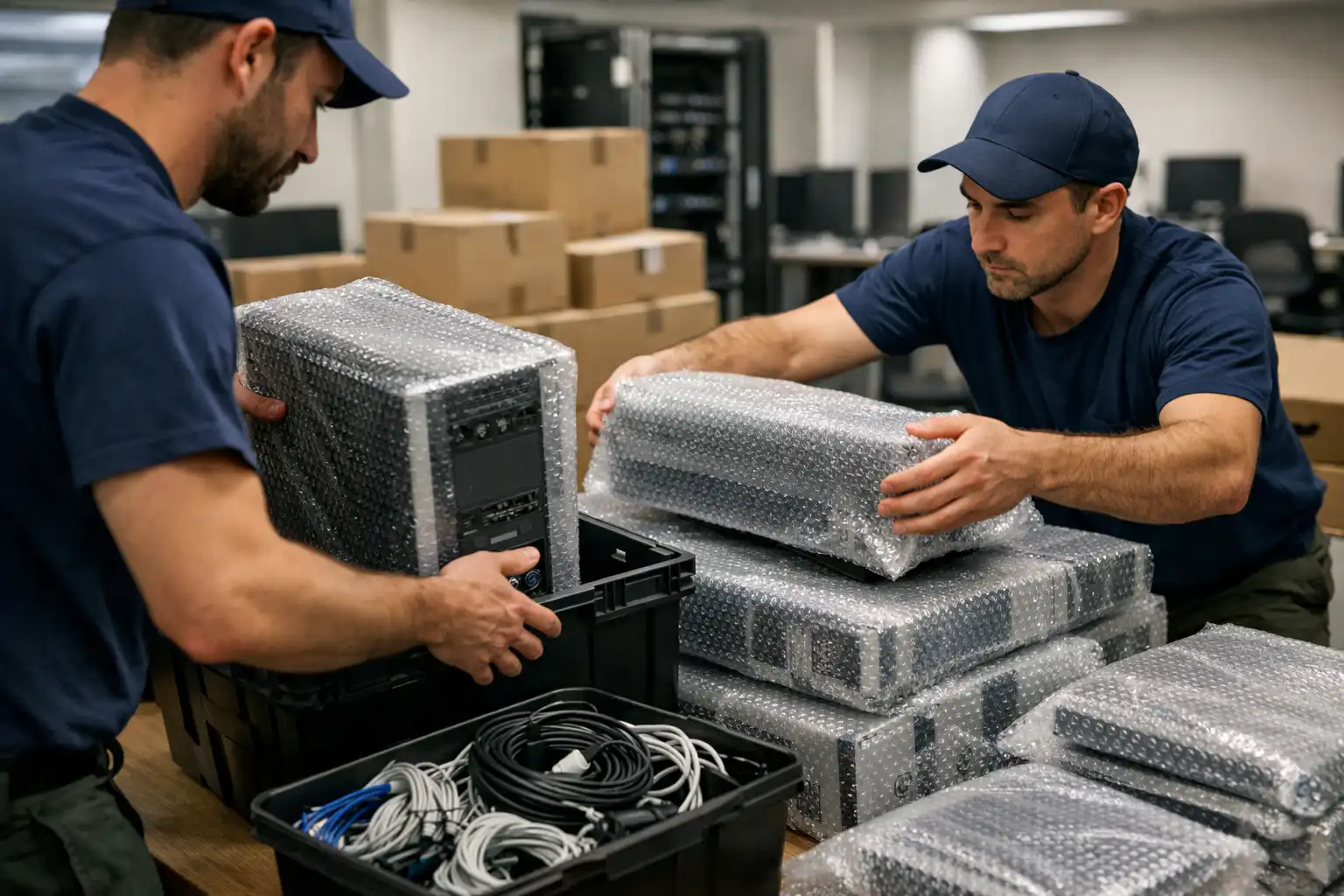
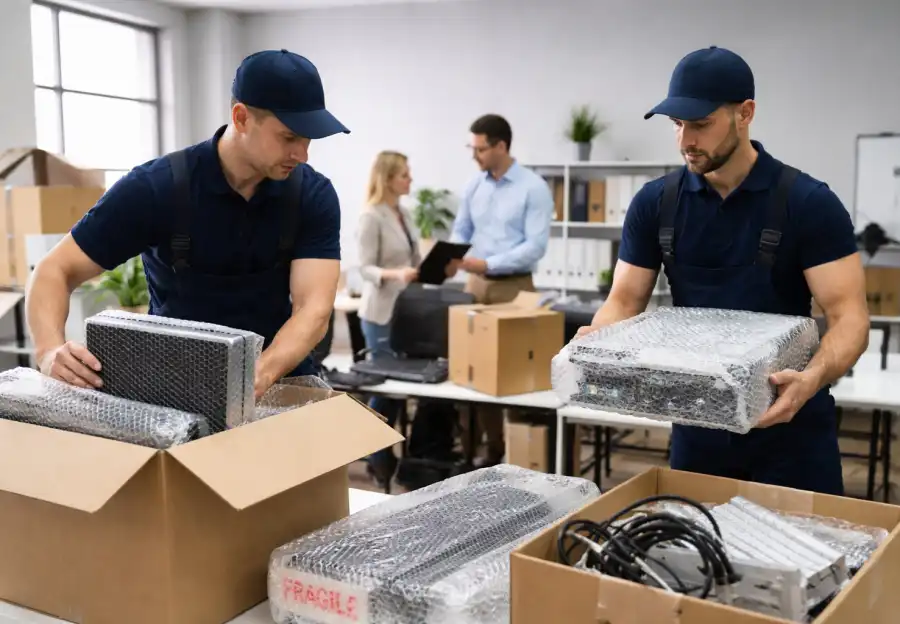
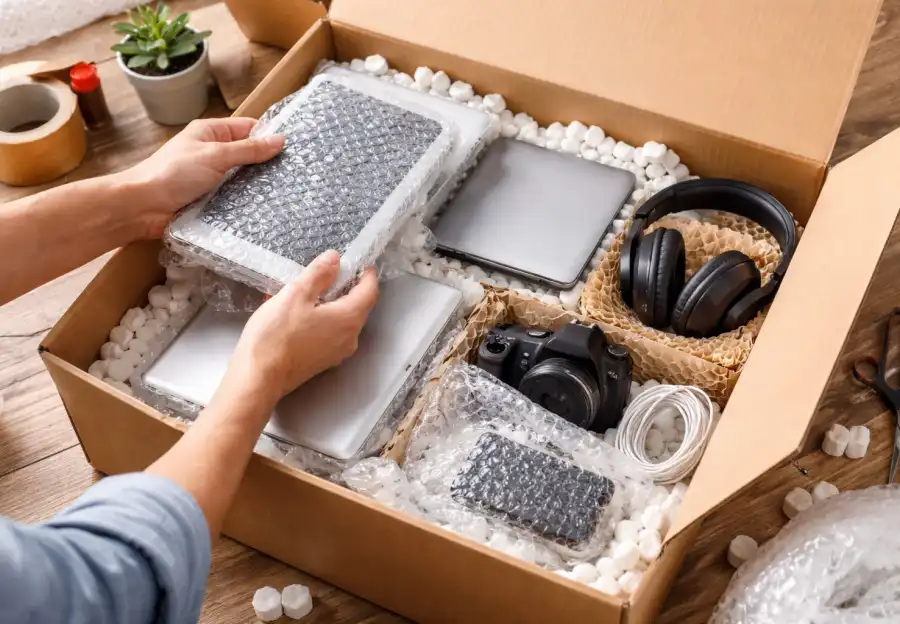
Special attention should be paid to handling fragile or unusually shaped objects. Using padding, blankets, or bubble wrap to protect items reduces the risk of accidents caused by dropping or unevenly carrying delicate items. Positioning these objects securely on trolleys or in boxes and ensuring that they are not stacked in a precarious manner helps prevent sudden shifts or falls during transport. For particularly large furniture pieces, coordinating multiple movers and communicating clearly about lifting and turning directions enhances control, reducing the likelihood of injuries caused by unexpected shifts in weight.
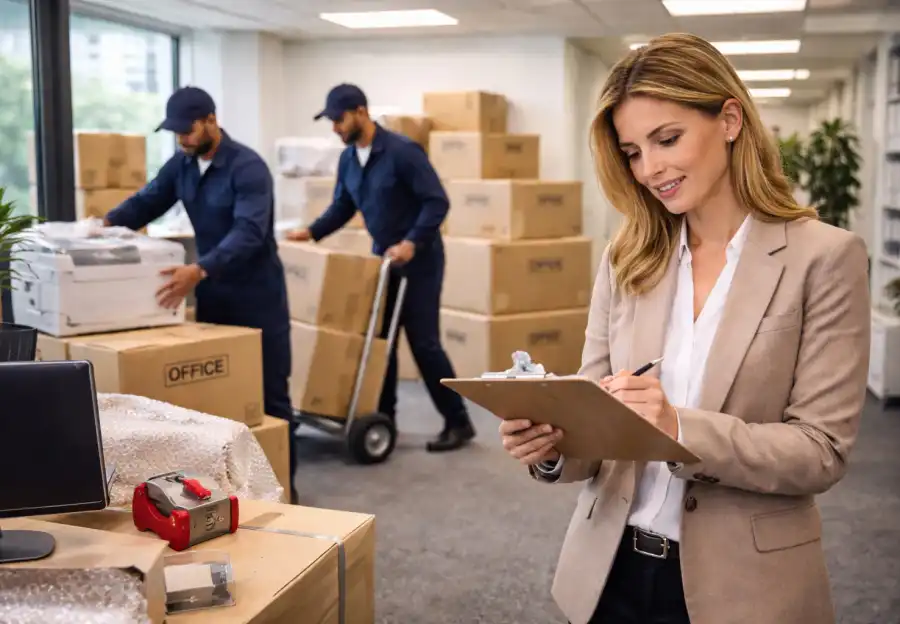
Developing and adhering to a structured workflow allows individuals to maintain a safer pace throughout the moving process. Scheduling tasks over multiple days, prioritizing heavy or high-risk items first, and grouping similar tasks together prevents fatigue and reduces the potential for rushed, careless handling. Using checklists to track progress ensures that safety measures are consistently applied and that every item is accounted for, eliminating unnecessary stress or last-minute improvisation that can compromise physical safety.
Beyond immediate safety, learning how to avoid injury during moving provides transferable skills that benefit daily life and future transitions. Individuals cultivate a mindset of preparation, risk assessment, and strategic problem-solving that can be applied to organizing, lifting, and handling materials in many contexts. By prioritizing safety, maintaining efficiency, and using systematic workflows, movers not only protect themselves but also ensure that belongings remain intact, ultimately making the moving experience more controlled, predictable, and less stressful.
In conclusion, avoiding injury during moving requires a combination of preparation, technique, equipment use, personal safety practices, and organizational strategies. By approaching lifting and transporting tasks methodically, employing ergonomic tools, maintaining clear pathways, and prioritizing teamwork and communication, individuals significantly reduce the likelihood of accidents and strain. Mastery of these principles fosters a safer, more efficient, and less stressful moving process, while also cultivating skills in planning, problem-solving, and systematic workflow management that extend well beyond relocation tasks.