
January 13, 2026
The Importance of Labeling Your Boxes
Labeling your boxes during a move is one of the simplest yet most critical steps to ensure an organized, efficient, and stress-free relocation. Properly labeled boxes provide clarity, streamline unpacking, and prevent confusion or damage. Despite its apparent simplicity, many homeowners underestimate the value of labeling, often leading to misplaced items, lost belongings, or frustration when searching for essentials amidst the chaos of moving day. Taking the time to label boxes thoughtfully and consistently can transform the moving process, reducing stress and saving significant time and effort for both movers and homeowners.
The first reason labeling is so important is that it allows you to identify contents quickly. When boxes are clearly marked with room destinations, item types, and any special handling instructions, movers and family members know exactly where each box belongs. This accelerates the unloading process, reduces the risk of placing boxes in the wrong rooms, and helps prevent accidental mishandling of fragile or valuable items. In contrast, unlabeled boxes can cause unnecessary delays, confusion, and stress, as movers must repeatedly open boxes to determine their contents or risk placing items in the wrong locations, which can disrupt the flow of a move and create frustration for everyone involved.
Another significant benefit of labeling boxes is that it helps prioritize unpacking. Boxes containing essential items, daily necessities, or items needed immediately in the new home can be marked as high priority, while boxes with non-essential items can be unpacked later. This structured approach allows homeowners to access what they need without digging through multiple boxes or disrupting organized piles of belongings. High-priority labels can ensure that items such as kitchenware, bedding, toiletries, and important documents are easy to find, enabling the household to function smoothly during the initial days after the move, rather than feeling overwhelmed by unpacking everything at once.
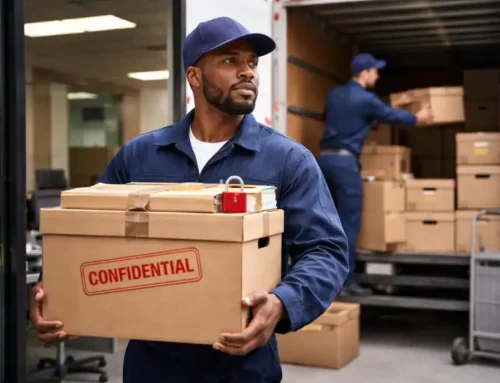
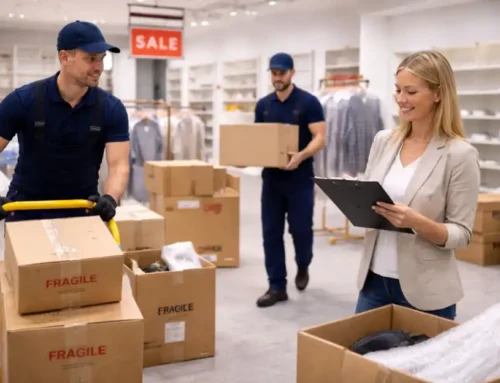
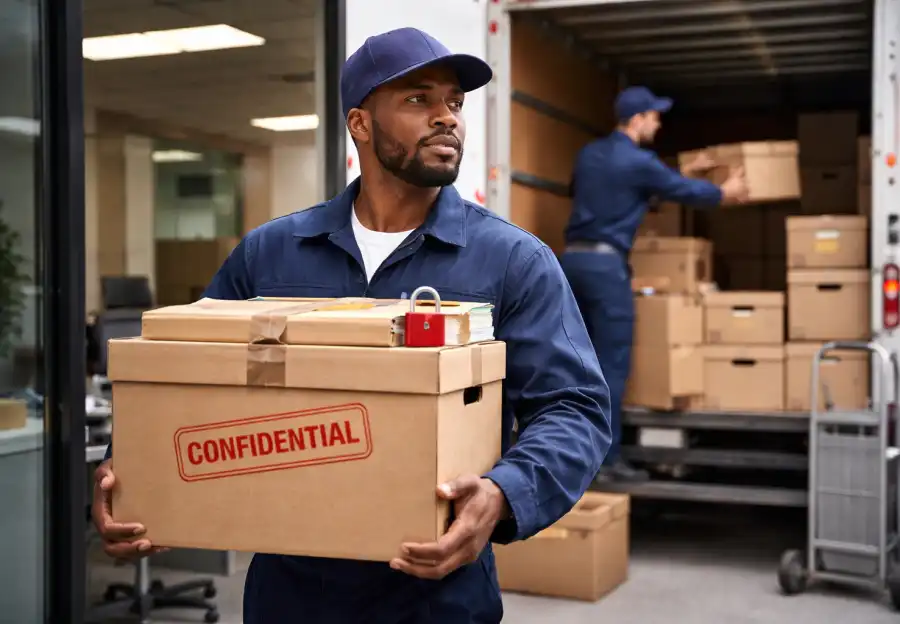
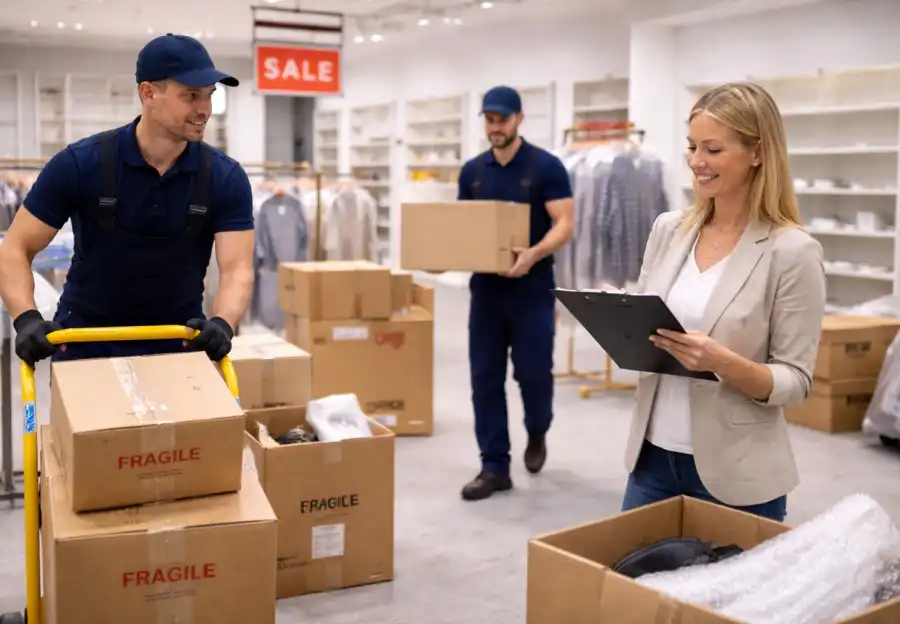
Labeling also enhances safety and prevents damage. Clearly marking fragile items with labels such as “fragile,” “handle with care,” or “this side up” alerts movers to take extra precautions, reducing the likelihood of breakage, dents, or scratches. Similar labels for heavy or awkward items ensure that appropriate lifting techniques and equipment are used, minimizing the risk of personal injury or property damage during the move. By clearly communicating how boxes should be handled, labeling protects both the items and the people moving them, fostering a safer and more efficient moving process.
For larger moves or when using professional moving companies, labeling boxes is particularly important for communication. Movers rely on clear instructions to load trucks efficiently, stack boxes appropriately, and place items in the correct rooms upon delivery. Using consistent labeling methods, color-coded systems, or numbering schemes improves coordination between multiple movers, prevents misplacement of boxes, and allows for quick verification against inventory lists. This level of organization ensures that every item arrives safely and accounted for, and reduces the need for constant clarification or supervision during the move.
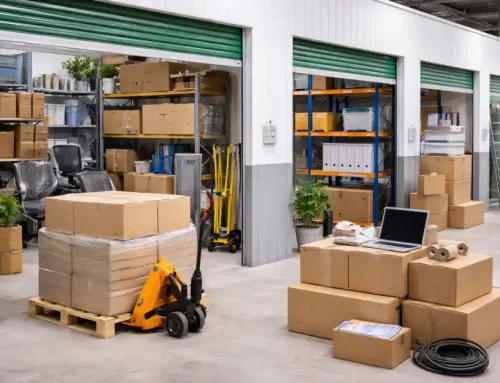
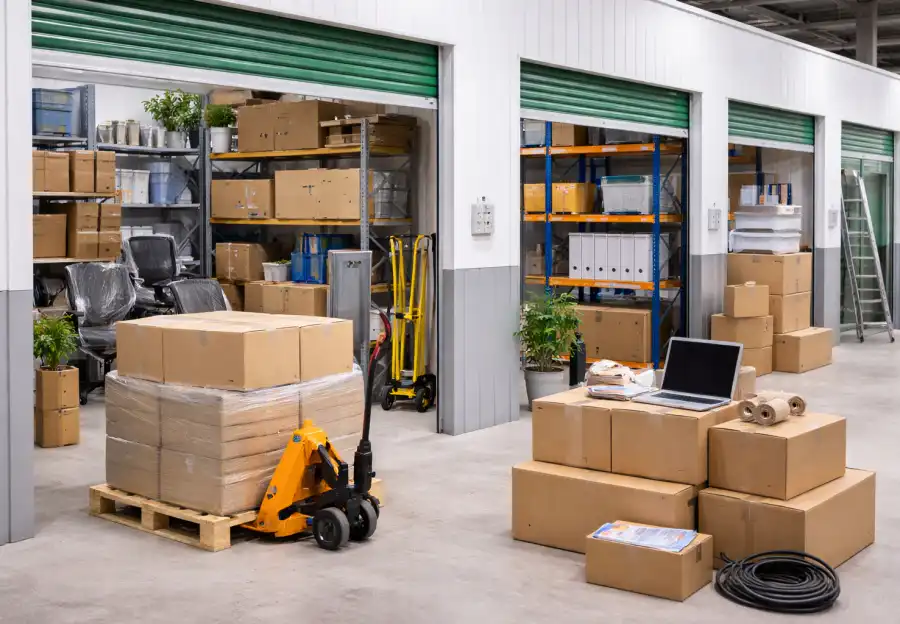
Organization during storage is also improved through labeling. Boxes stored in a storage unit, attic, or garage can be grouped by category, room, or frequency of use, and clear labels allow for quick retrieval of items without unnecessary unpacking or searching. This is particularly helpful for seasonal items, holiday decorations, or rarely used equipment, maintaining an orderly storage environment that reduces clutter, confusion, and potential damage. Even long-term storage becomes more manageable when boxes are labeled systematically, ensuring that items can be located efficiently whenever needed.
Digital integration further enhances the value of labeling. Combining physical labels with a digital inventory, barcode system, or spreadsheet allows homeowners to track each box in real time, monitor contents, and record location within the moving truck or storage unit. This improves accountability and simplifies the claims process in case of lost, damaged, or misplaced items, while also helping plan unpacking and organizing in the new home. Homeowners can reference digital inventories to verify that everything arrived safely, adding an extra layer of confidence and control to the moving experience.
Labeling also reduces stress for everyone involved. Movers, family members, or friends assisting with the move do not need to guess the contents of boxes, struggle with unfamiliar packaging, or repeatedly ask for clarification. Clear labels allow the move to proceed smoothly, efficiently, and with minimal miscommunication. The peace of mind that comes from knowing everything is properly marked cannot be overstated, as it creates a sense of control and preparedness in what is often a high-pressure, time-sensitive situation.
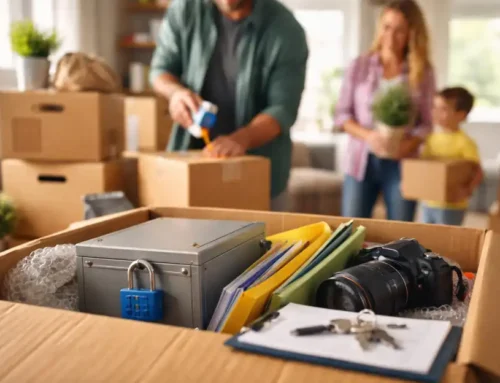
Customizing labeling to suit household needs adds further benefits. Boxes can be marked by room, priority, fragility, owner, or purpose, allowing homeowners to implement a system that reflects their organizational style, moving plan, and timeline. This flexibility makes it easier for children, roommates, or helpers to contribute effectively without confusion, ensuring that the moving process is cooperative and efficient. Using large, clear, and durable labels, placing labels on multiple sides of each box, and ensuring readability from a distance increases efficiency during loading, transport, and unloading, preventing unnecessary unstacking of boxes to locate specific items.
Finally, labeling demonstrates foresight, careful planning, and attention to detail, essential qualities for a successful move. A well-labeled system reduces the risk of misplaced items, damaged belongings, and stress-induced errors, while providing movers and homeowners with a clear roadmap that ensures every item is accounted for and delivered safely. Investing time in thoughtful labeling, using consistent methods, and considering both immediate and long-term needs significantly improves the moving experience. Ultimately, labeling is not a minor task but a foundational component of an efficient, organized, and successful relocation, benefiting everyone involved from packing to unpacking, storage, and settling into a new home.