
January 2, 2026
What to Expect on Moving Day
Moving day is often the most anticipated and, at the same time, the most stressful part of any relocation. Understanding what to expect can significantly reduce anxiety, improve efficiency, and help ensure the entire process runs as smoothly as possible. The day usually begins early, guided by a clear plan that outlines the order of tasks, the arrival time of the moving company, and the responsibilities of everyone involved. Having a structured schedule from the moment the movers arrive helps prevent confusion, miscommunication, and unnecessary delays, setting an organized and controlled tone for the day ahead.
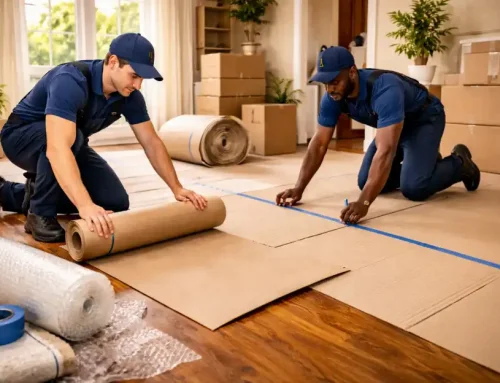
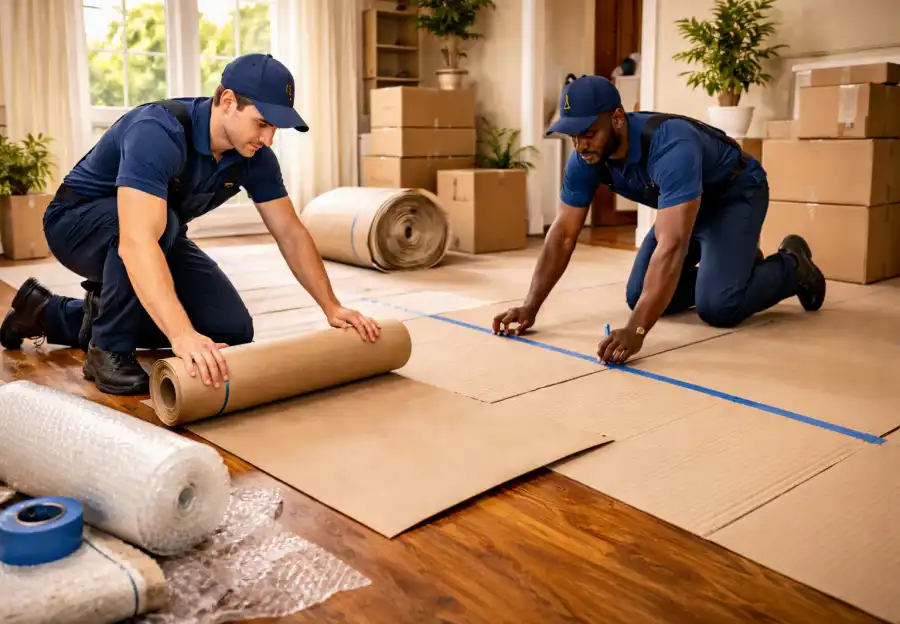
One of the first major events on moving day is the arrival and setup of professional movers or rental trucks. Movers typically begin by inspecting your home, walking through the space, reviewing the items to be moved, and confirming the inventory. This walkthrough allows them to understand the scope of work, identify fragile or oversized items, and note any special requirements. During this time, movers also ensure they have the appropriate equipment, such as dollies, straps, ramps, and protective blankets, to safely handle your belongings. This initial coordination provides an opportunity to ask last-minute questions and clarify instructions, which helps avoid misunderstandings later in the day.
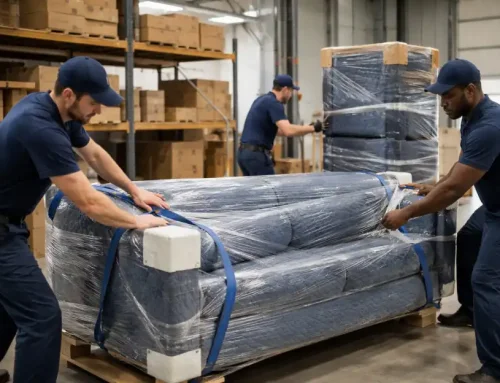
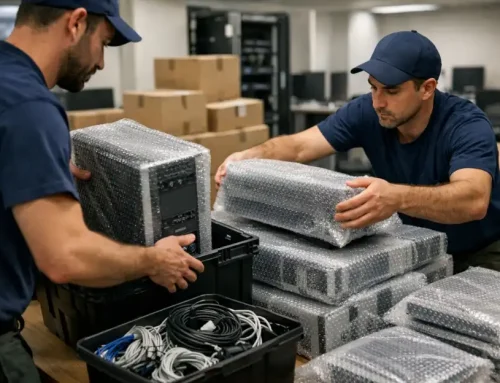
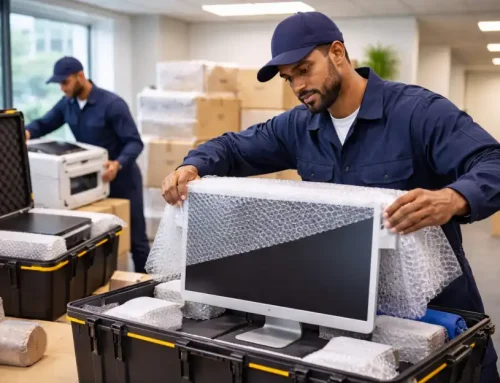
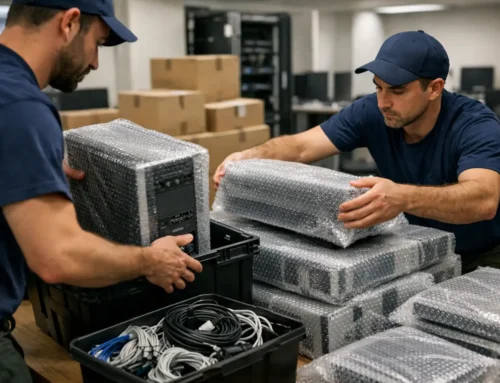
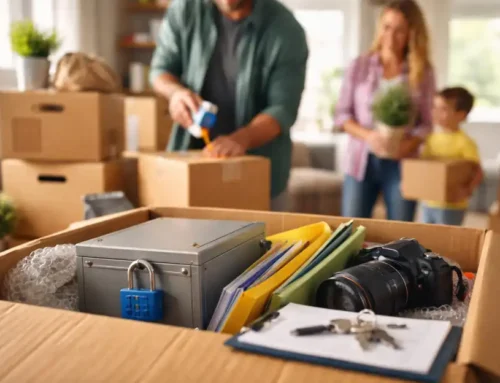
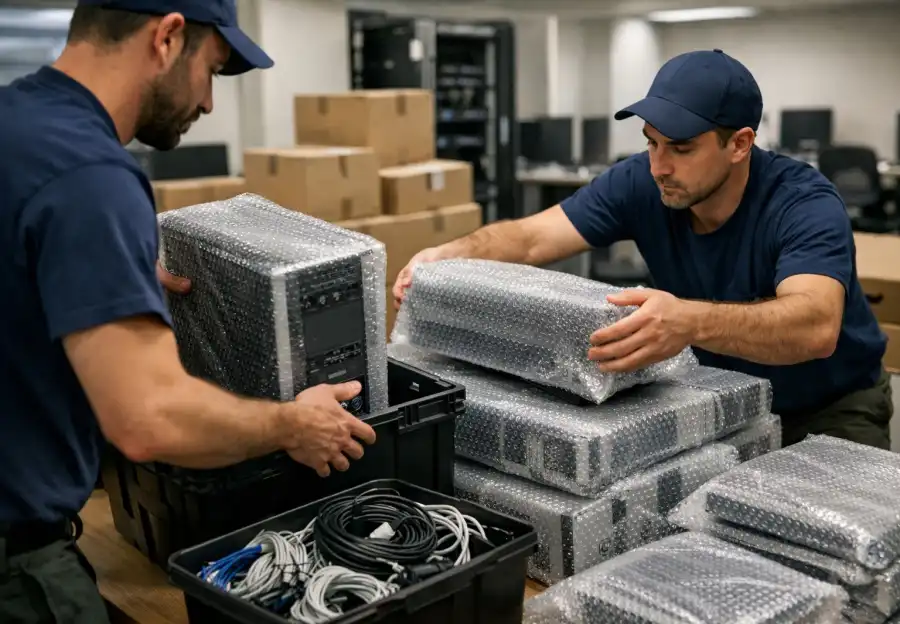
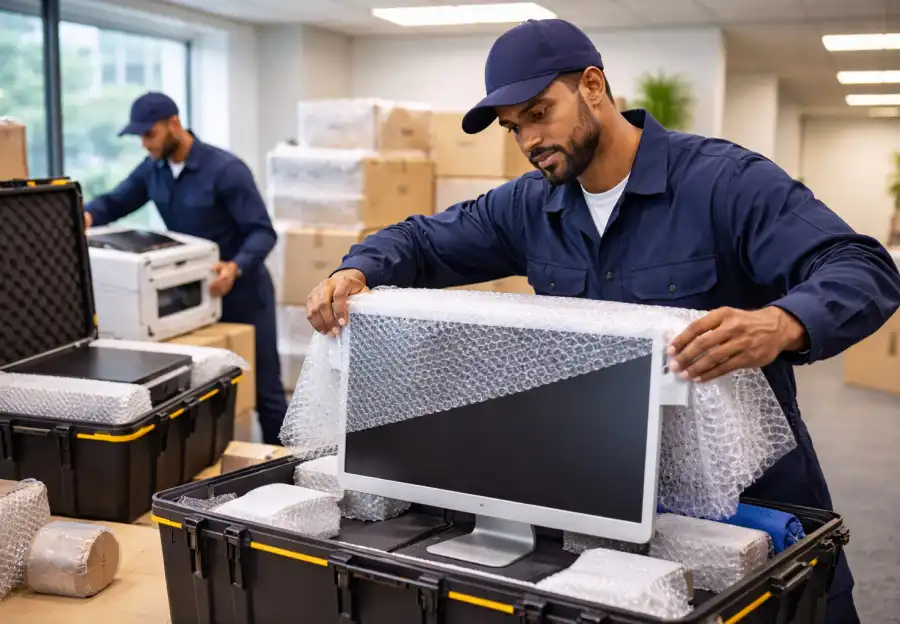
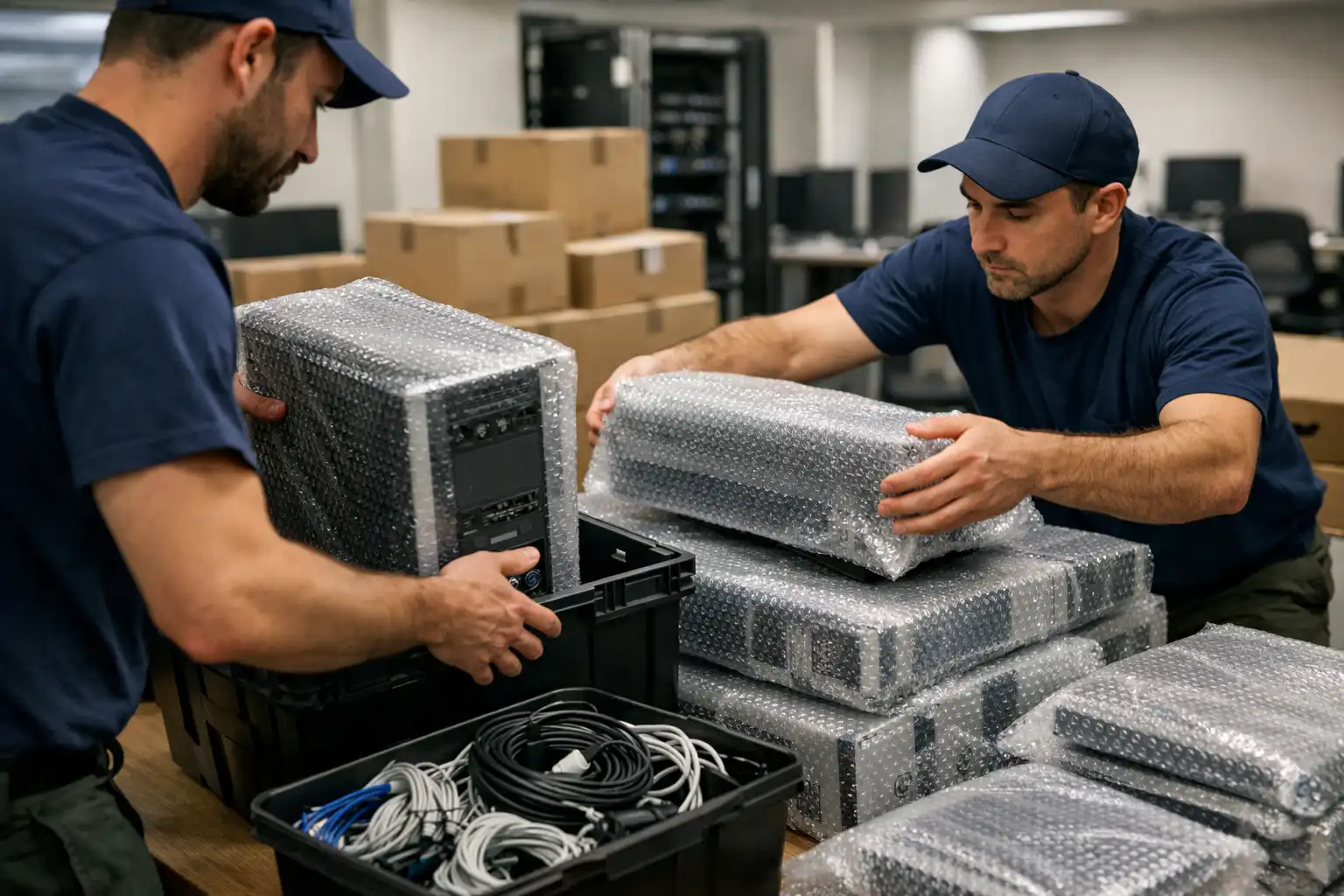
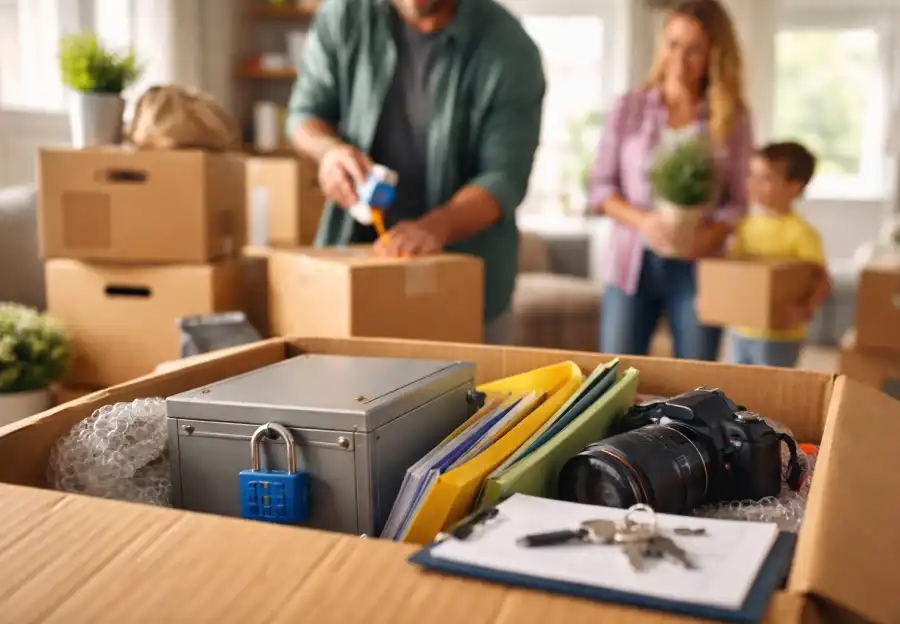
Another important aspect of moving day is the handling and packing of items that were not packed in advance. Many people choose to leave essential, fragile, or high-value items for the final stages. Movers are experienced in wrapping and securing these belongings to prevent damage during transport. They often use specialized materials and techniques to protect delicate items while organizing them in a way that supports efficient loading and unloading. This careful attention helps ensure that your most important possessions arrive safely at your new home.
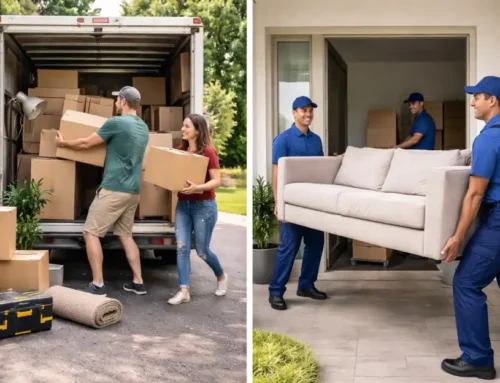
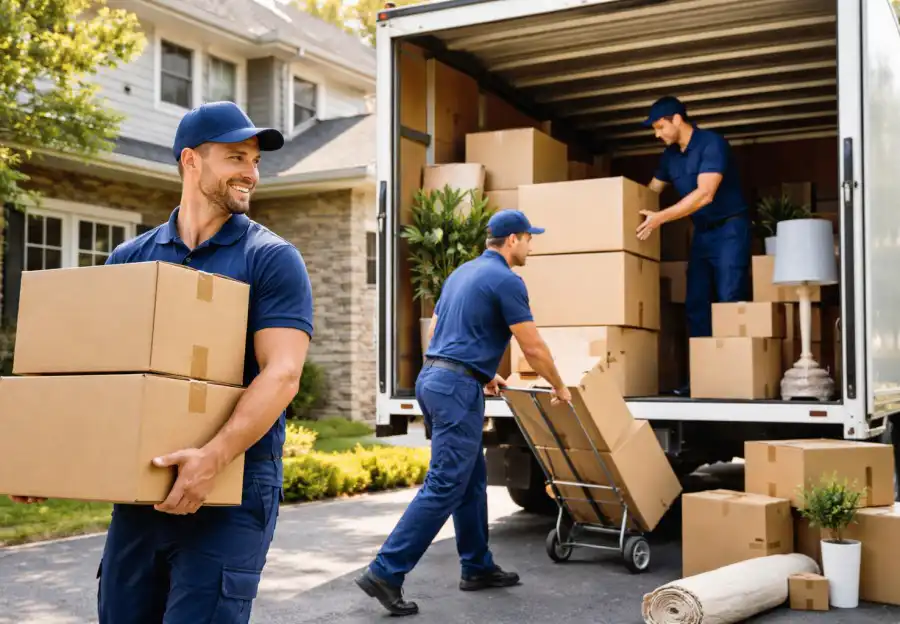
Loading the moving truck is one of the most labor-intensive and critical phases of the day. Movers typically begin with heavy furniture and appliances, placing them strategically to maximize space and balance the load. Boxes and smaller items follow, with fragile belongings carefully cushioned and secured. Clear pathways are maintained to reduce the risk of accidents or damage. A well-organized loading process minimizes unnecessary handling, lowers the risk of scratches or breakage, and saves time during both transportation and unloading.
Throughout the moving process, homeowners can expect ongoing communication and coordination with the movers. They may need guidance on where certain items belong, confirmation of inventory details, or instructions for special handling. Remaining calm, organized, and accessible during this stage helps prevent mistakes and ensures that fragile or valuable items are prioritized. Positive communication also creates a smoother workflow and fosters a cooperative environment that benefits everyone involved.
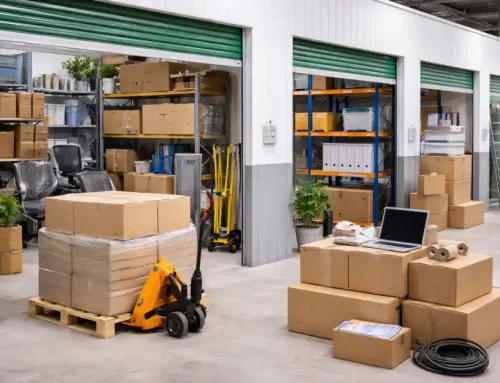
Timing and logistics play a major role on moving day, as unexpected delays caused by traffic, weather, or access issues can occur. Professional movers are usually trained to adapt routes, schedules, and procedures when challenges arise. Homeowners can further reduce stress by maintaining flexibility, patience, and a backup plan, such as alternative parking arrangements or temporary storage options. Being prepared for the unexpected helps keep minor setbacks from escalating into major disruptions.
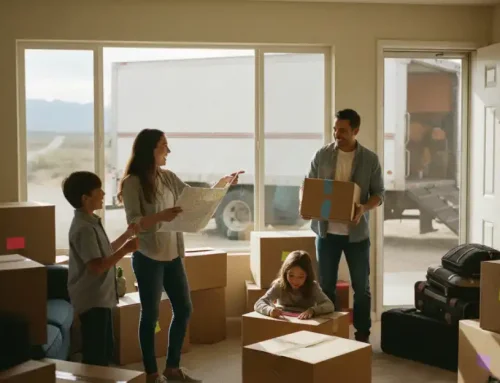
For families with children or pets, moving day involves additional considerations. Arranging safe spaces, supervision, or temporary care for children and pets helps prevent accidents, distractions, or stress. Keeping them away from high-traffic areas allows movers to work efficiently and safely. Planning ahead for meals, entertainment, or quiet activities also helps maintain a sense of calm during an otherwise hectic day.
Once the moving truck arrives at the new home, unloading begins in a systematic manner. Movers typically place boxes and furniture in their designated rooms based on prior labeling, while heavier items are carefully positioned and fragile items handled with extra care. This organized approach speeds up unpacking, reduces the risk of damage, and allows you to start settling in right away. It also provides an opportunity to inspect belongings for any issues and note missing or damaged items.
Many movers also assist with setting up furniture and large appliances on moving day. Assembly and placement services can help establish a functional living environment immediately, ensuring beds, desks, and essential appliances are ready for use. This is especially important for families, elderly individuals, or those who need a home office operational right away. A final walkthrough typically follows, during which movers and homeowners review the inventory, confirm delivery, and address any discrepancies or damage claims.
In addition to working with movers, homeowners have personal responsibilities on moving day. These may include final cleaning, shutting off utilities at the old home, activating services at the new location, and unpacking essential items. Moving day can also be emotionally charged, filled with excitement, nostalgia, and anxiety. Being prepared and organized helps you manage both practical tasks and emotions effectively. By understanding each stage of moving day and planning accordingly, you can approach the experience with confidence, efficiency, and calm, turning a potentially overwhelming day into a structured and successful transition into your new home.