May 13, 2026
How to Store Items Before Closing on a New Home
Storing items before closing on a new home is a critical component of the relocation process, requiring careful planning, organization, and attention to detail. Unlike general packing or moving advice, guidance on how to store items before closing focuses on nuanced practices and strategic decisions that ensure possessions remain safe, accessible, and organized until the move is finalized. Proper storage minimizes stress, prevents damage, and streamlines the eventual transfer of items to the new home. Understanding the intricacies of storage before closing empowers individuals to make proactive decisions, allocate resources wisely, and maintain a clear workflow, even when faced with the uncertainty and time constraints that often accompany a pending home purchase.
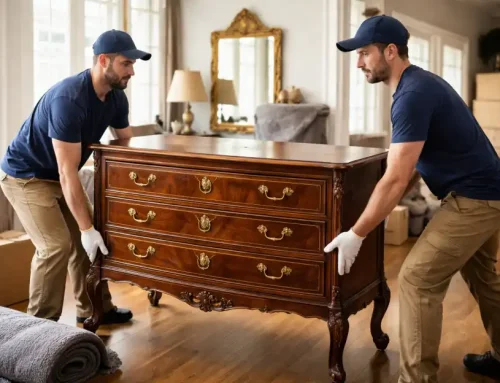
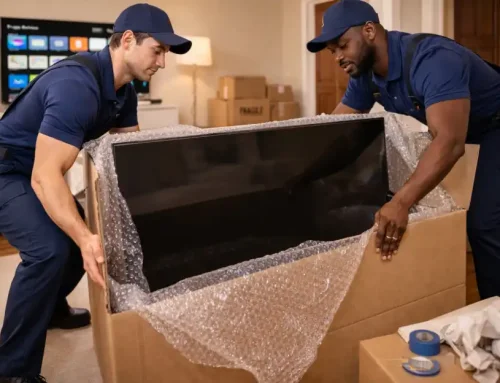
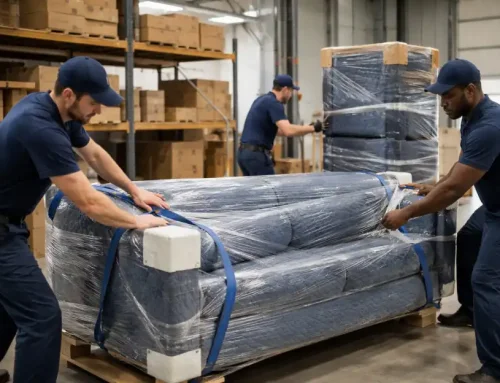
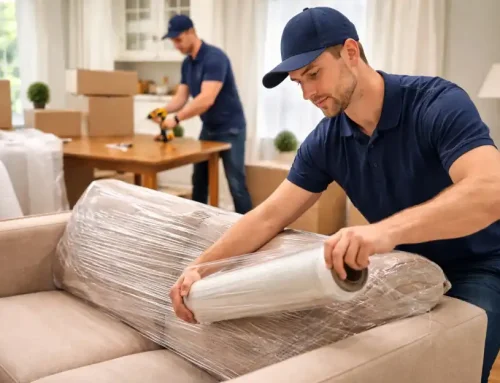
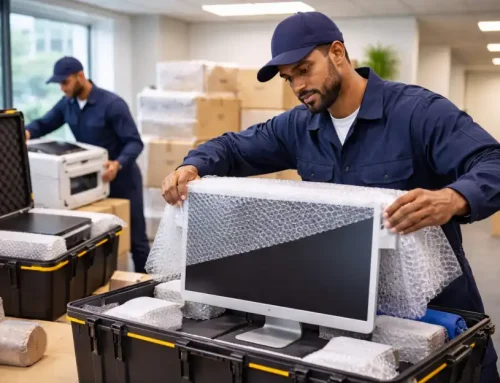
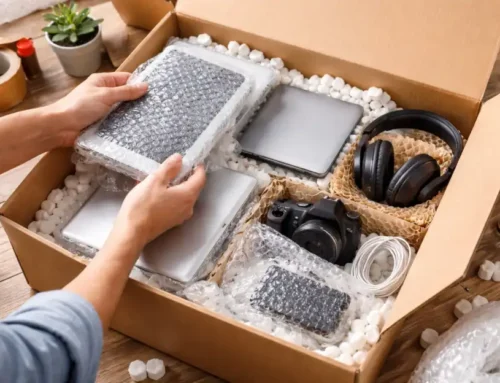
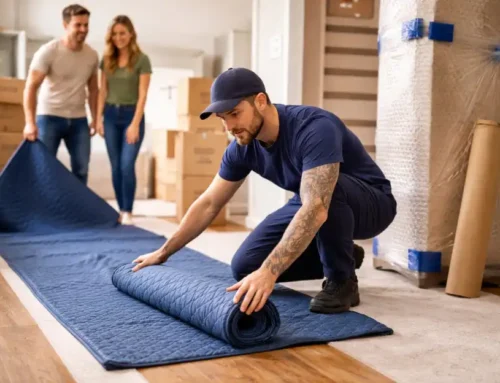
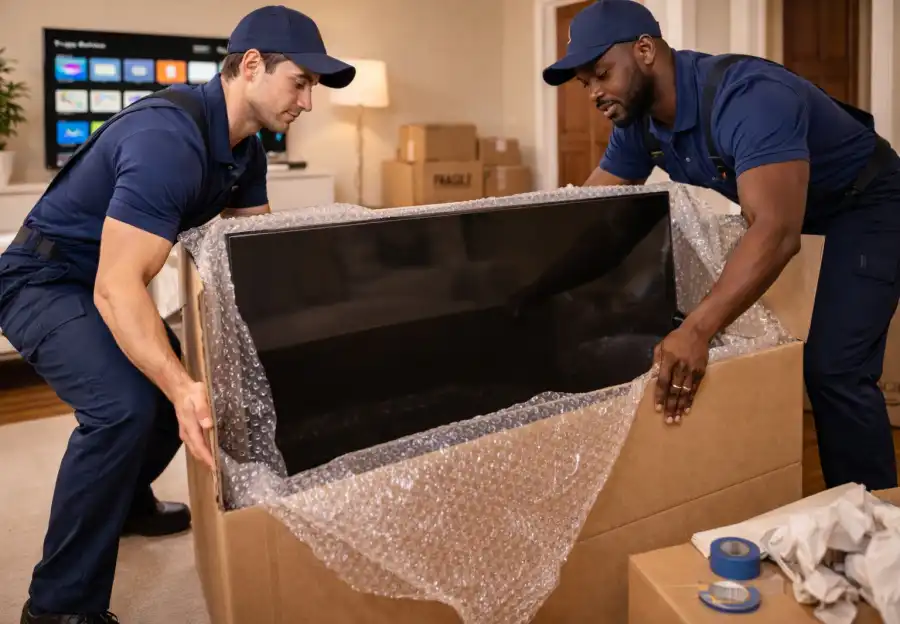
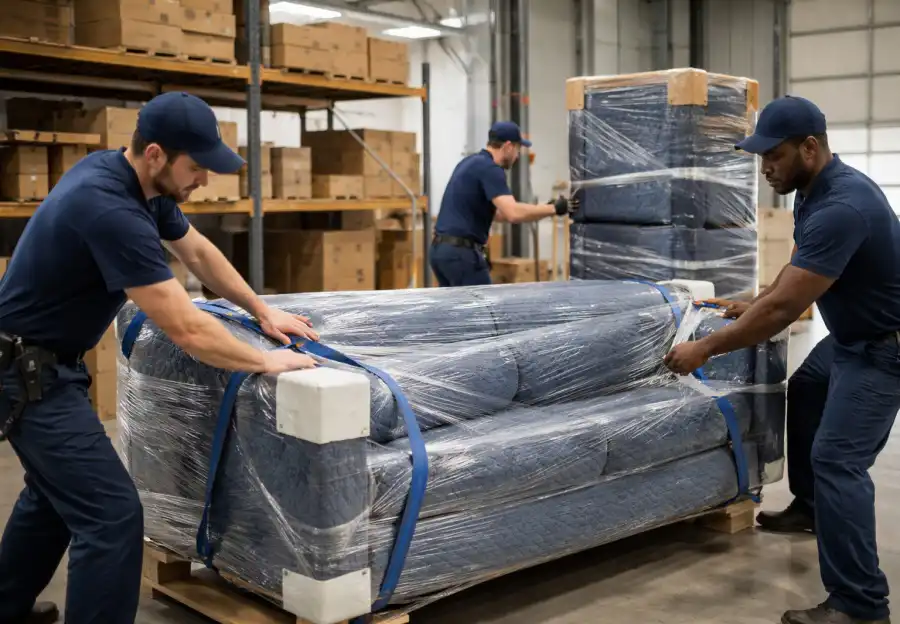
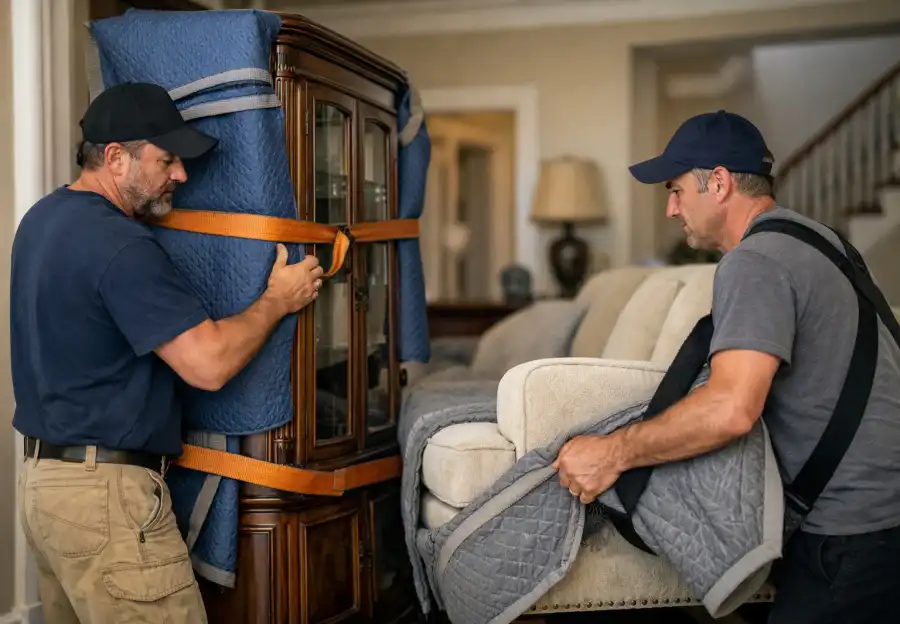
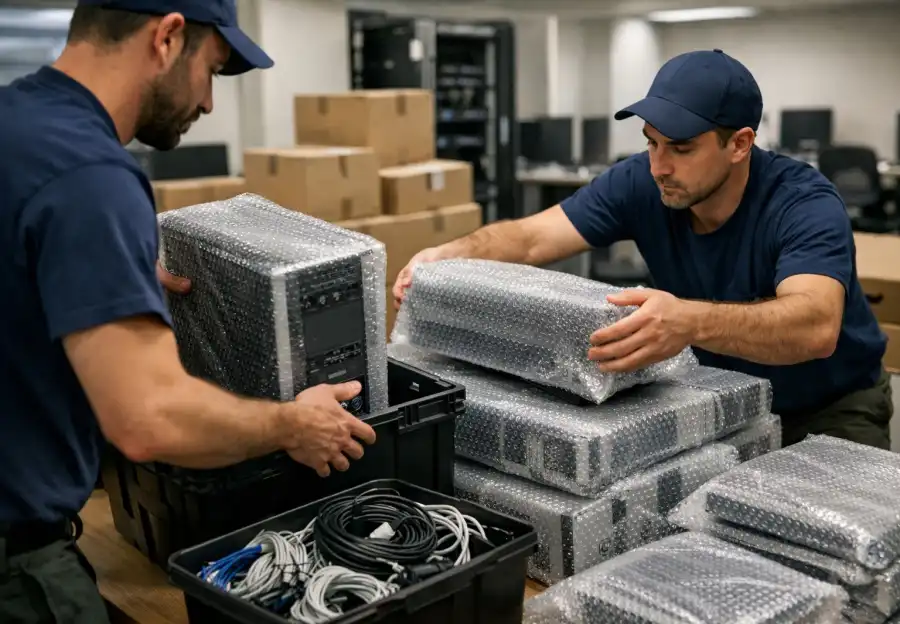
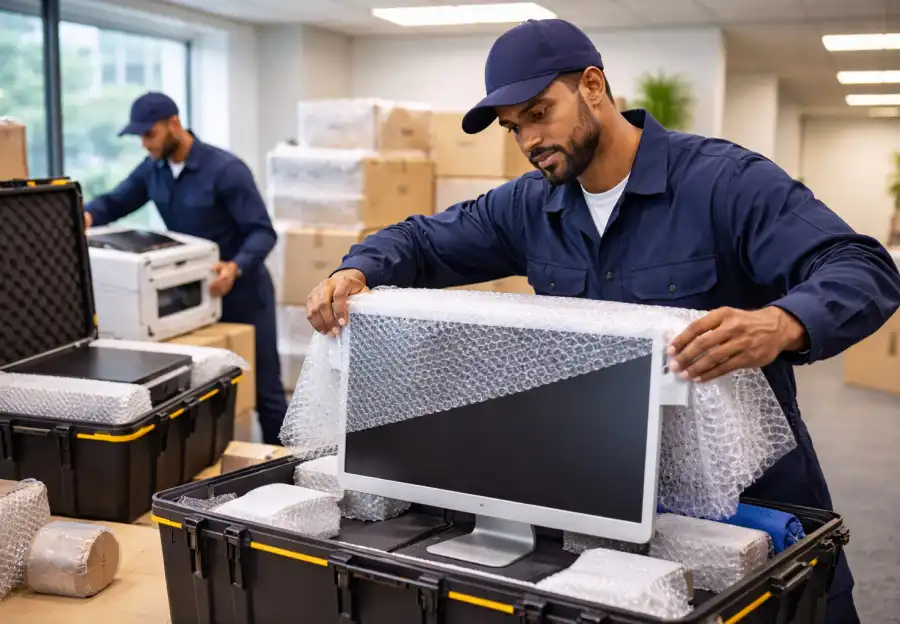
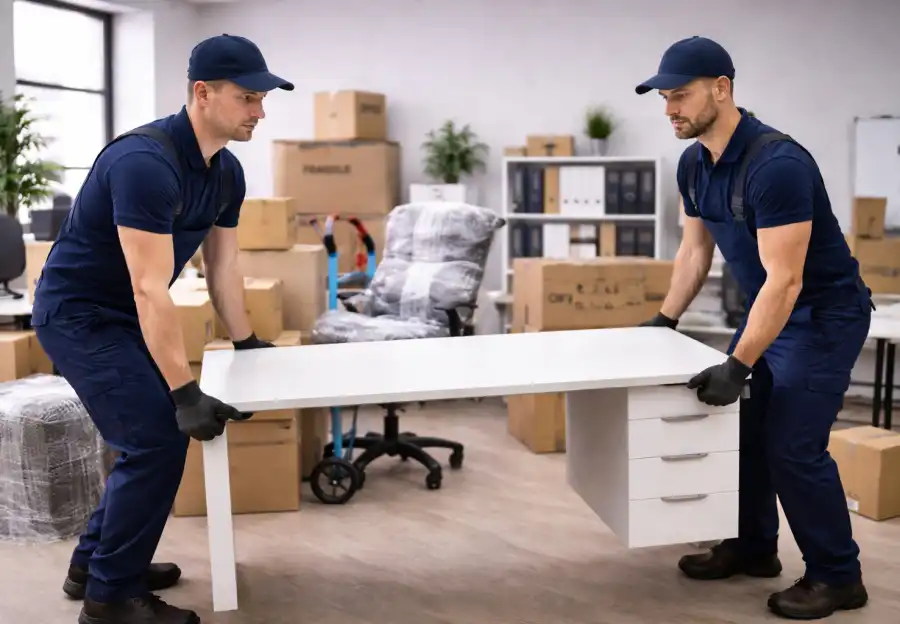
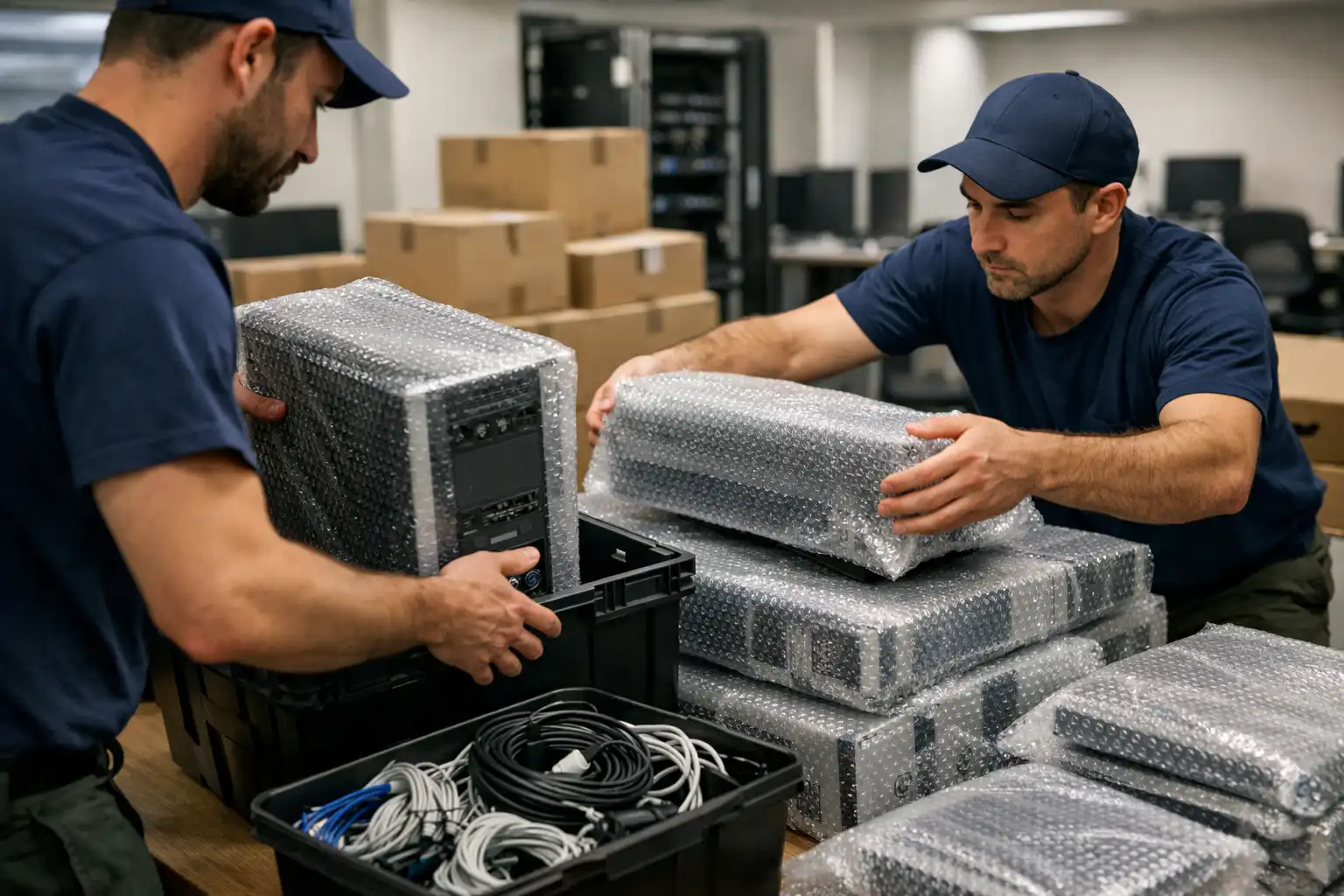
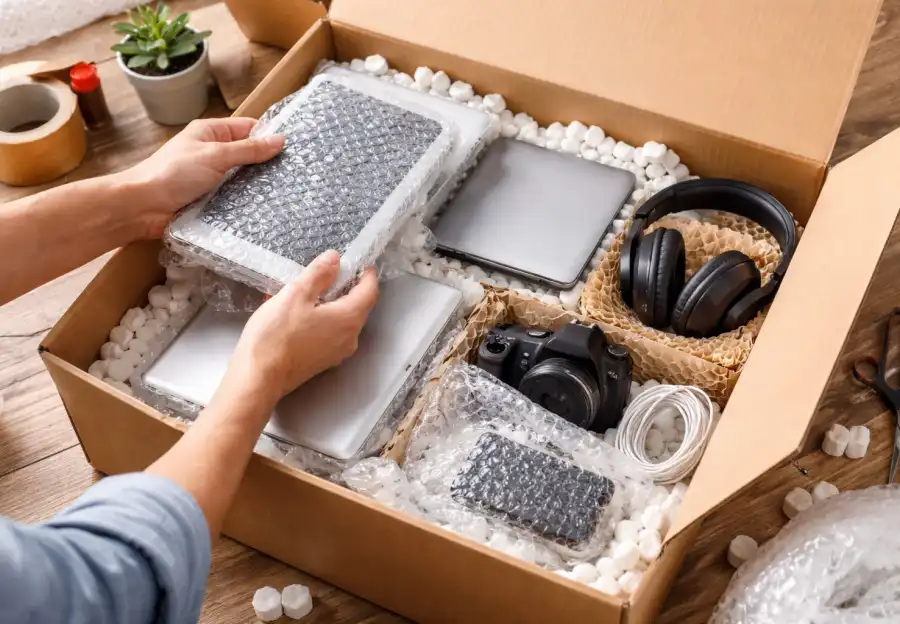
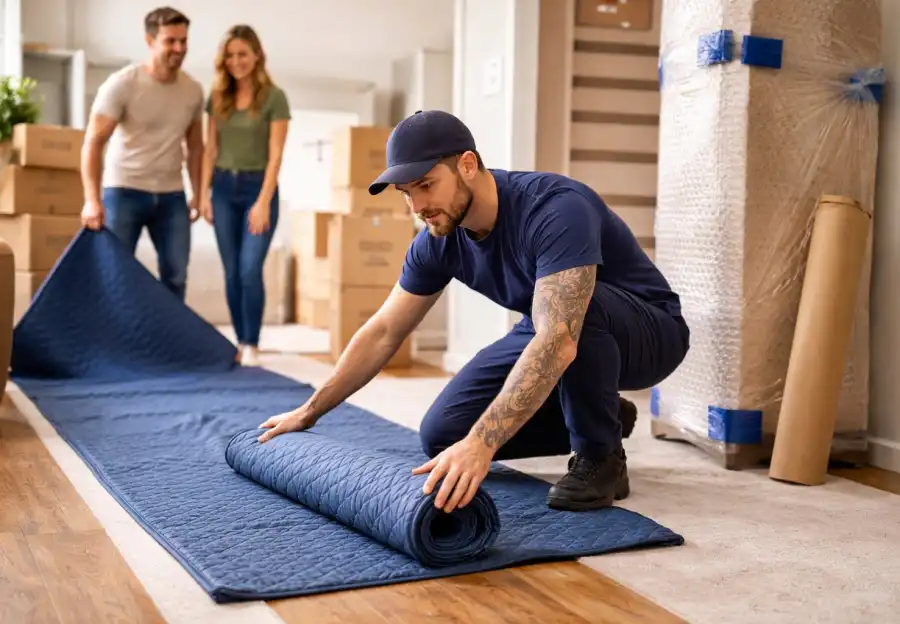
The first step in effective pre-closing storage is assessment. Individuals should inventory all items that require temporary storage, distinguishing between essentials needed during the interim period and items that can be securely packed away. Large furniture, fragile items, seasonal belongings, and high-value possessions may each require specialized handling, packing, and protective measures. Evaluating the storage requirements of each category allows for the selection of appropriate containers, wrapping materials, and storage methods. For example, delicate electronics may need padded boxes, while bulky furniture might require blankets or shrink wrap to prevent scratches and dents. Assessment ensures that items are not only safe but also organized in a manner that facilitates easy retrieval and movement when the time comes.
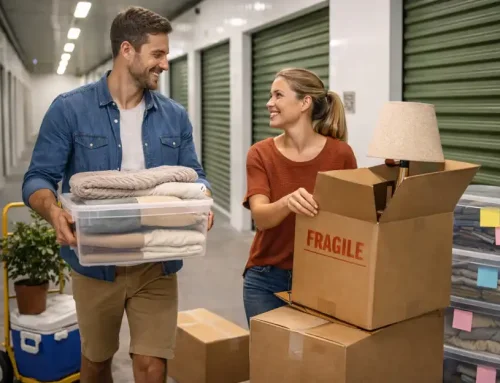
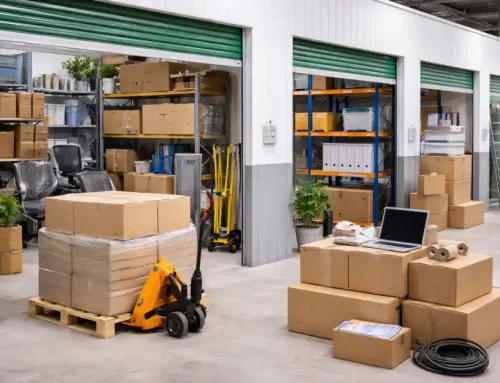
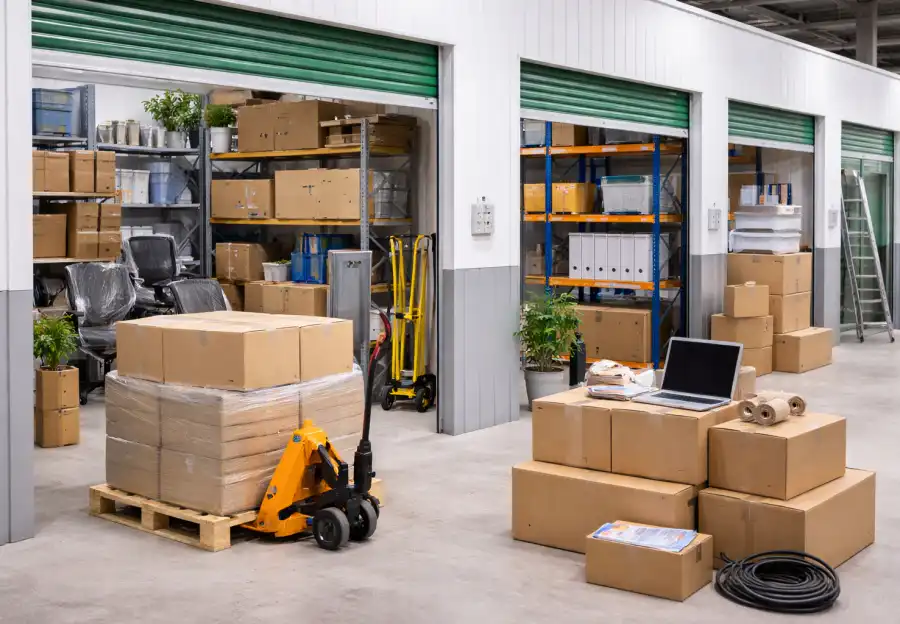
Selecting the right storage solution is equally essential. Options range from self-storage units and climate-controlled facilities to temporary in-home storage solutions, depending on the volume, sensitivity, and value of the items. Climate-controlled environments are particularly important for items susceptible to humidity, temperature fluctuations, or pests, including wooden furniture, antiques, electronics, and important documents. Security features such as lockable units, monitored facilities, and restricted access enhance protection and provide peace of mind. Understanding the specific needs of each item guides the selection of a storage environment that maximizes safety and minimizes the risk of damage or loss.
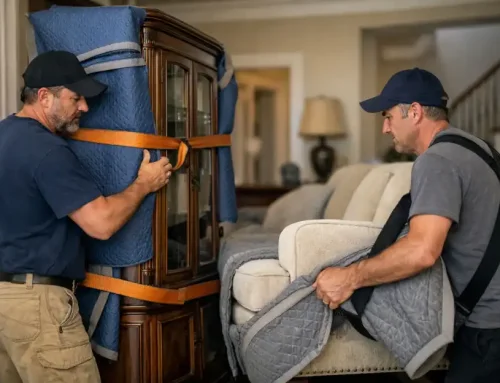
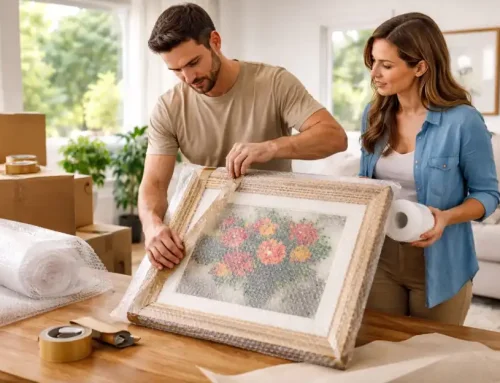
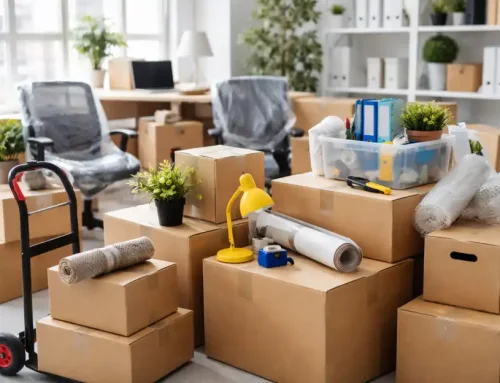
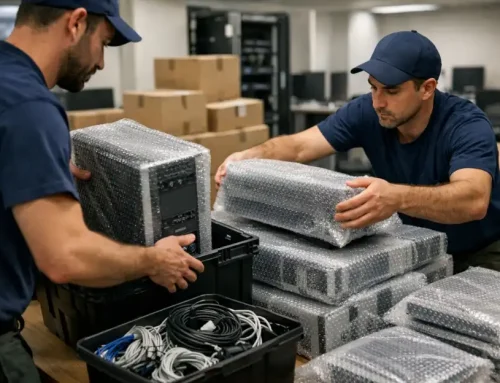
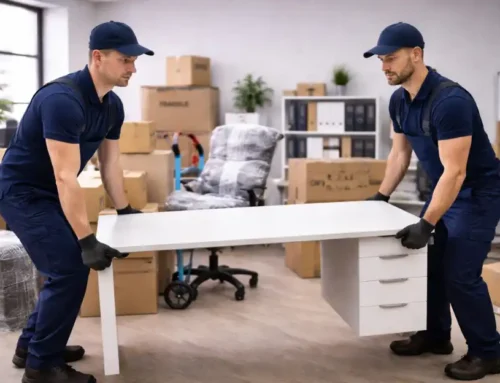
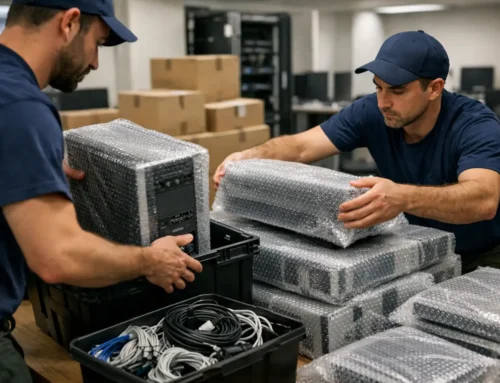
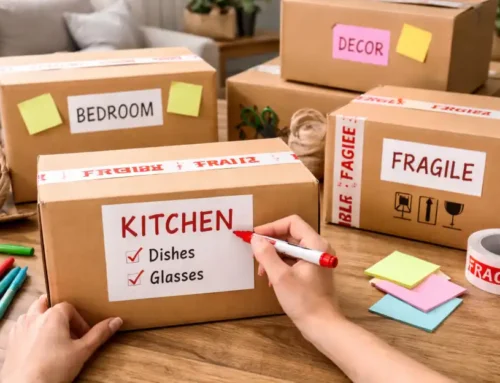
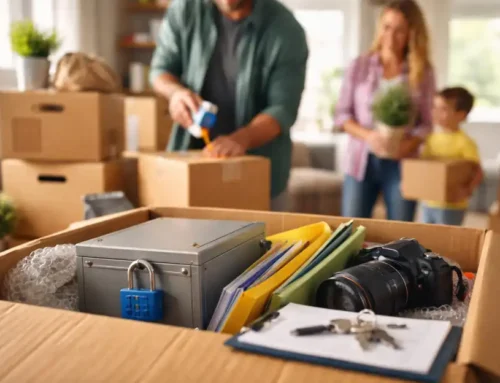
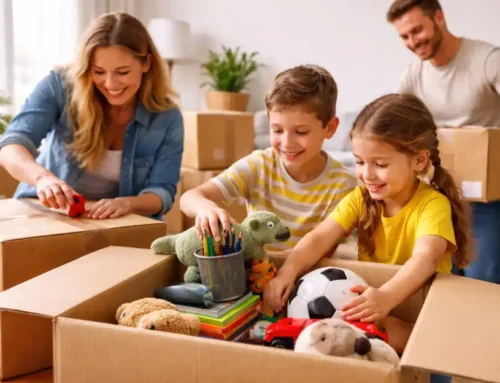
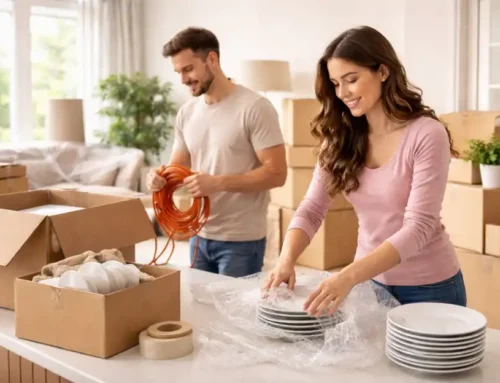
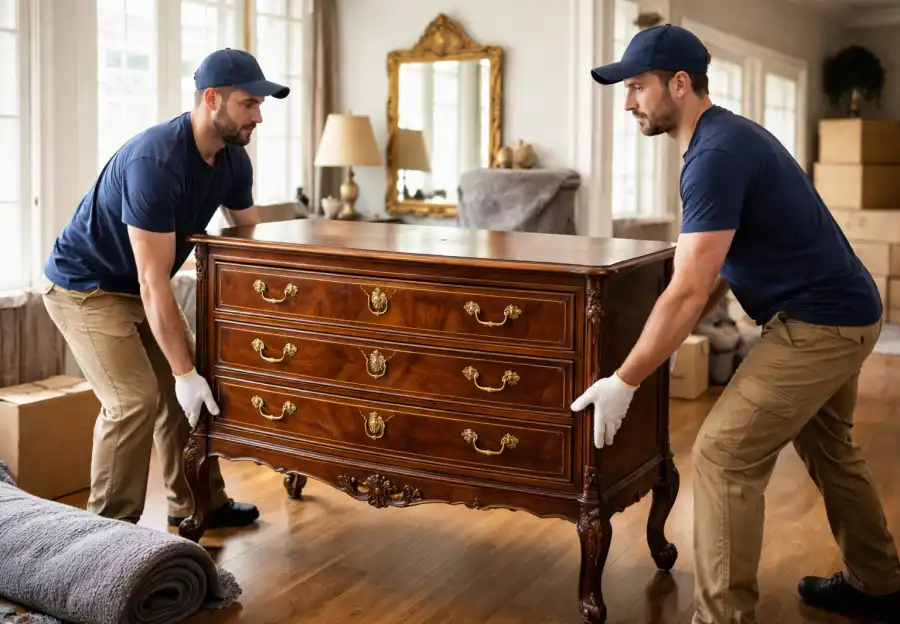
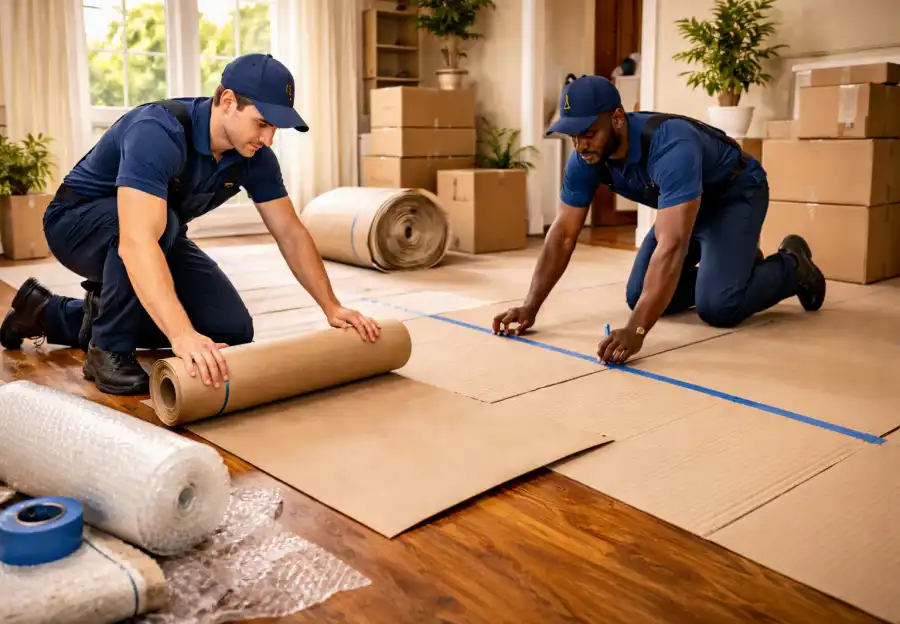
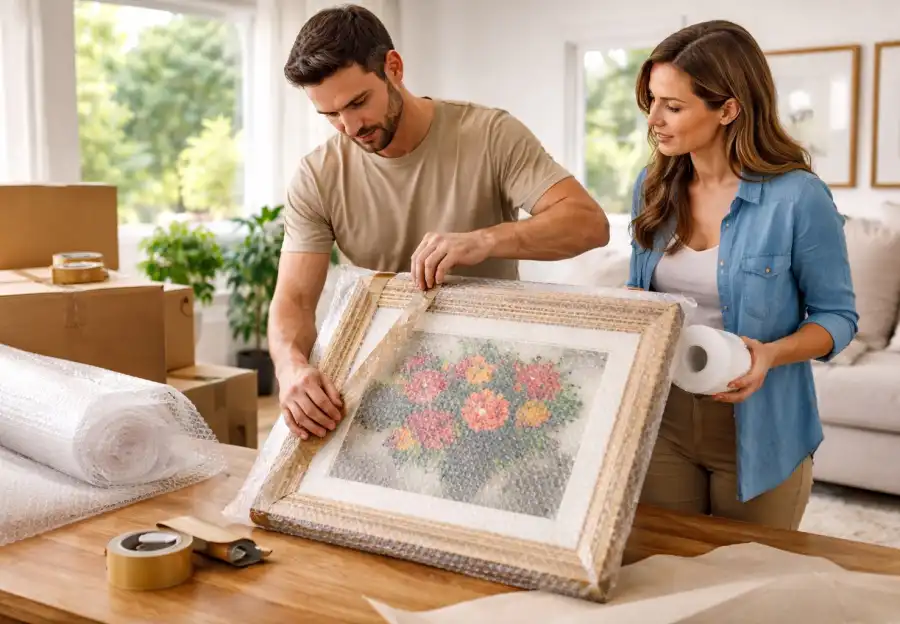
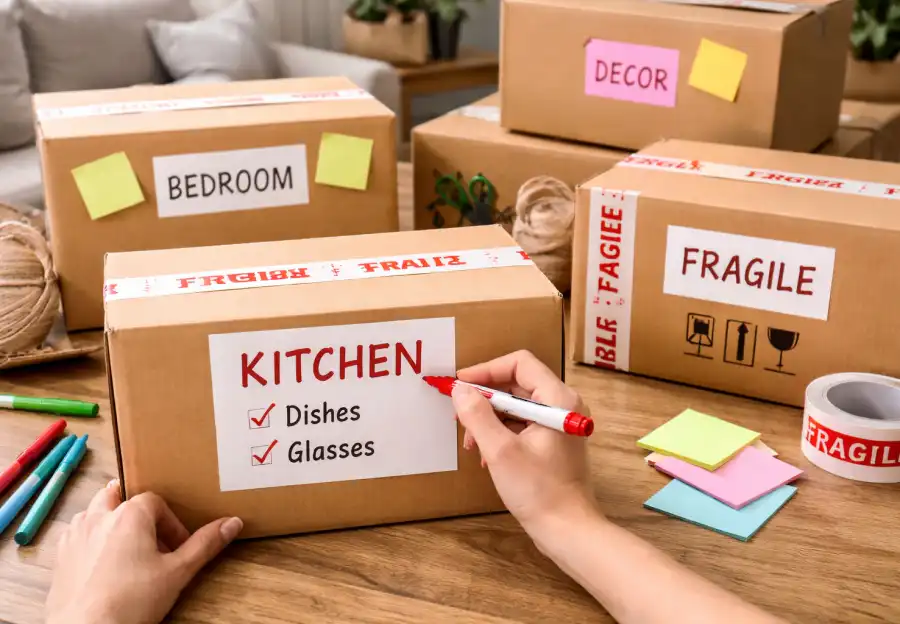
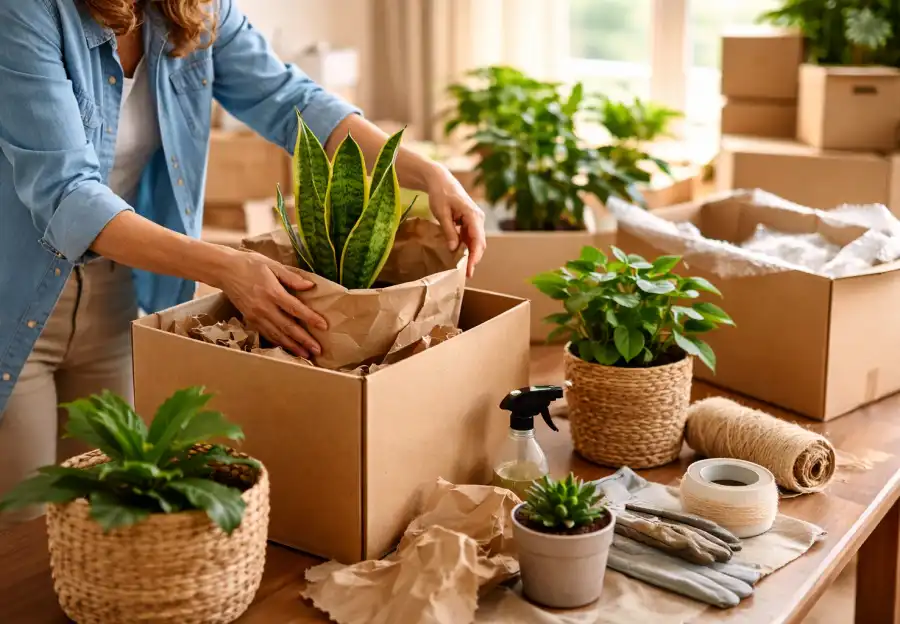
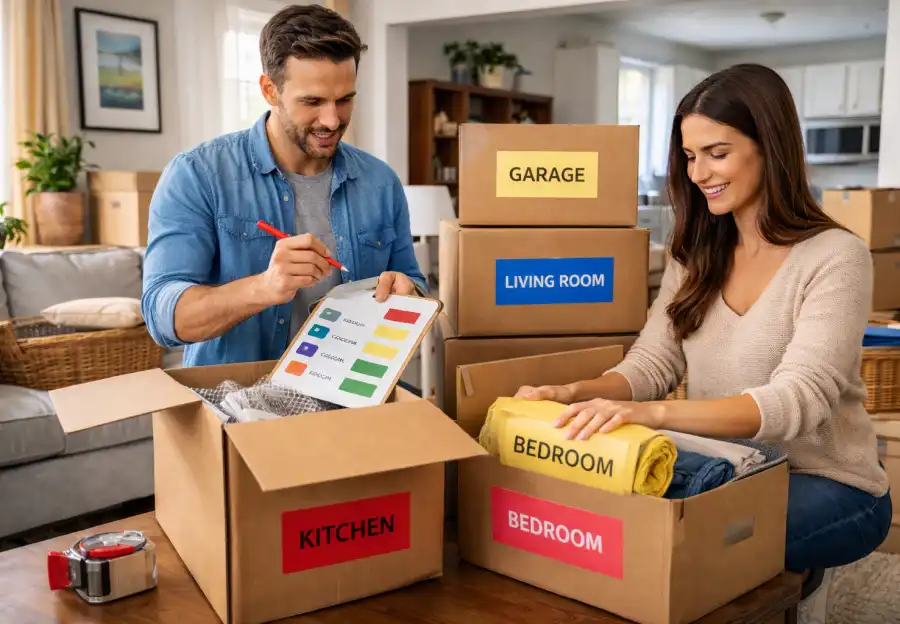
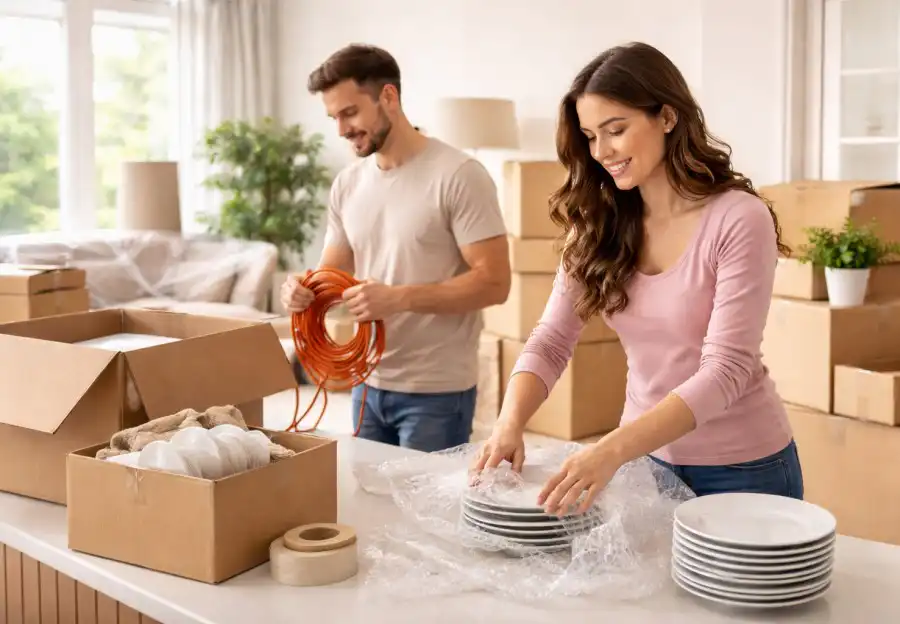
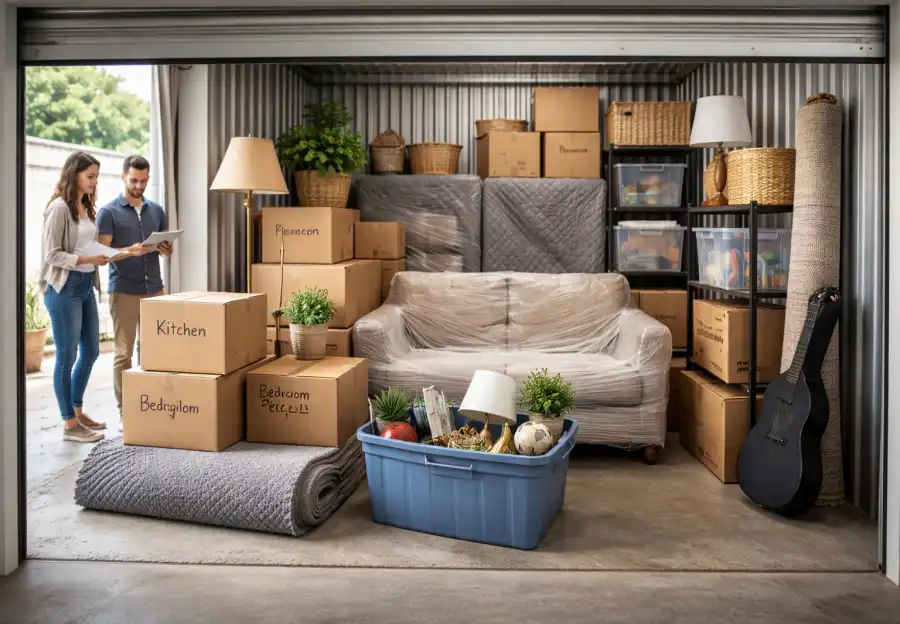
Proper packing is the foundation of successful pre-closing storage. Fragile items should be individually wrapped with bubble wrap, foam sheets, or padded paper, and stored in appropriately sized, sturdy boxes. Furniture and larger items benefit from protective blankets, shrink wrap, or cardboard covers to shield surfaces from scratches, dents, and environmental exposure. Labeling each box or item with clear descriptions, orientation instructions, and priority status ensures efficient retrieval and prevents confusion during the eventual move. When storing multiple boxes in a single area, stacking lighter items on top of heavier ones and maintaining organized rows or sections reduces the likelihood of damage and facilitates easy access.
Strategic placement within the storage area is another key consideration. Items should be arranged to optimize space while maintaining accessibility, particularly for objects that may be needed before closing. Frequently used items can be positioned near the entrance of a storage unit or area, while less urgent belongings can be placed toward the back. Creating a mental or written map of the storage layout further supports quick retrieval and minimizes disruptions. Maintaining clear pathways and leaving adequate space for maneuvering also reduces the risk of accidental damage and enhances overall efficiency when adding or removing items.
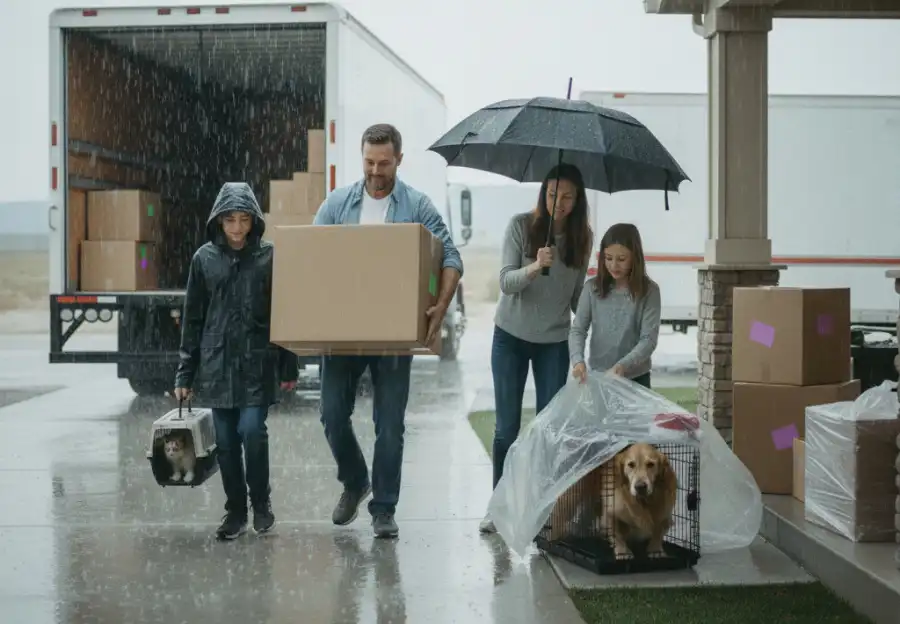
Environmental considerations play a crucial role in pre-closing storage. Exposure to moisture, temperature fluctuations, sunlight, or pests can cause irreversible damage to furniture, textiles, electronics, and documents. Using moisture-absorbing packets, waterproof covers, and breathable storage materials can mitigate environmental risks. Regular inspections of stored items help identify potential issues early, such as leaks, mold, or pest activity, allowing for timely intervention. Planning storage in a secure, sheltered location reduces the stress and uncertainty associated with temporary relocation periods and ensures that belongings remain in optimal condition until they are moved into the new home.
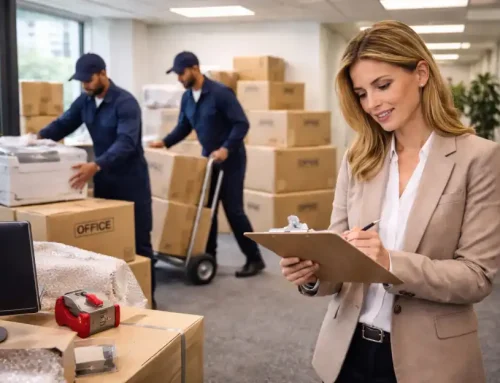
Documentation, organization, and prioritization enhance the effectiveness of storage practices. Keeping a detailed inventory of stored items—including descriptions, condition, and storage location—provides a clear reference and simplifies tracking during the interim period. Numbered or color-coded labeling systems can further streamline access and reduce confusion when multiple boxes or pieces of furniture are stored together. Additionally, separating essentials needed for immediate use from long-term storage items ensures that daily activities remain uninterrupted and reduces unnecessary handling, which can increase the risk of damage.
Mastering how to store items before closing on a new home cultivates transferable skills that extend beyond relocation. Effective planning, attention to detail, and proactive decision-making foster stronger organizational habits, better time management, and improved problem-solving abilities. Individuals develop a mindset oriented toward efficiency, foresight, and risk mitigation, which can enhance both personal and professional endeavors. By approaching storage systematically, prioritizing the protection and accessibility of belongings, and implementing structured workflows, individuals can navigate the pre-closing period with confidence, reduce stress, and maintain clarity, ultimately ensuring a smooth transition into their new home.