May 11, 2026
How to Handle Fragile Electronics
Handling fragile electronics during a move is a crucial component of ensuring that sensitive, high-value, or irreplaceable devices arrive safely at their destination. Unlike general packing advice, guidance on how to handle fragile electronics focuses on precise methods, deliberate decision-making, and specialized insights that help individuals prevent predictable and unexpected damage. People often underestimate the risks posed by vibrations, impacts, temperature changes, and improper handling, all of which can permanently impair electronic functionality. Understanding how to handle fragile electronics equips movers with the knowledge and tools to reduce stress, avoid costly mistakes, and maintain efficiency throughout the relocation process.
The first step in managing fragile electronics is to assess each device’s fragility, size, and sensitivity. Computers, televisions, gaming consoles, sound systems, and specialized equipment each have distinct needs and vulnerabilities. Recognizing these differences early allows movers to choose appropriate packing materials, determine the correct orientation for transportation, and plan for additional precautions such as anti-static packaging or extra cushioning. Evaluating devices ahead of time also helps prioritize the sequence of packing and loading, ensuring that the most sensitive items receive the highest level of protection and attention during every stage of the move.
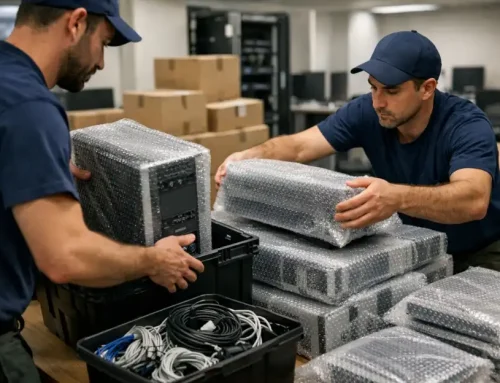
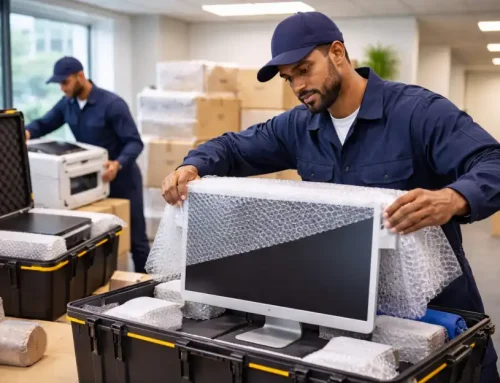
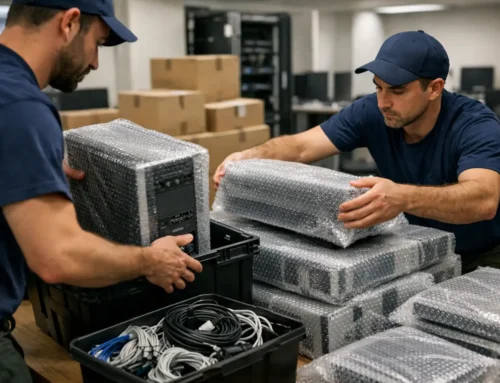
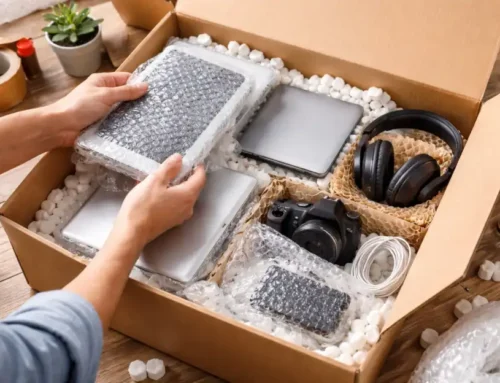
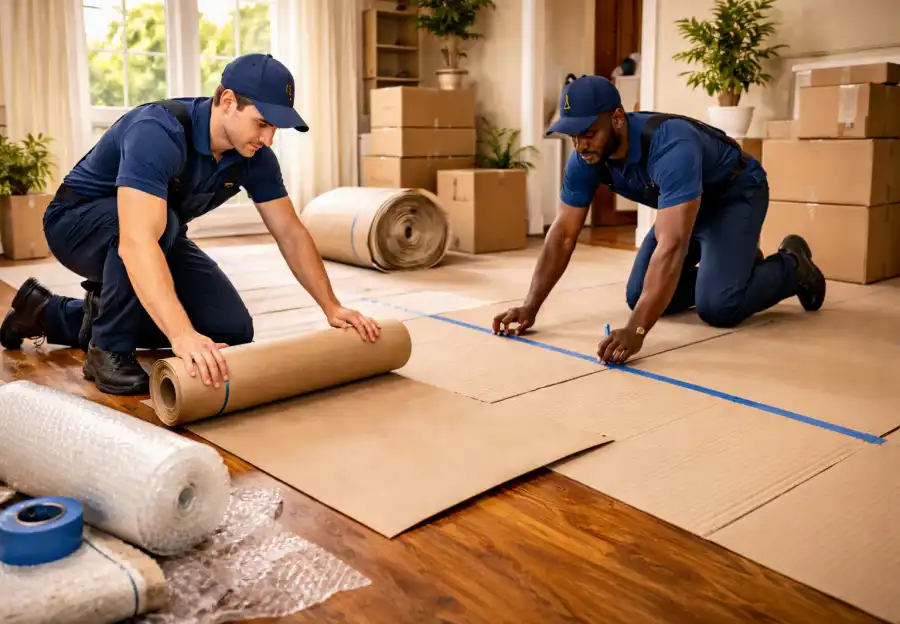
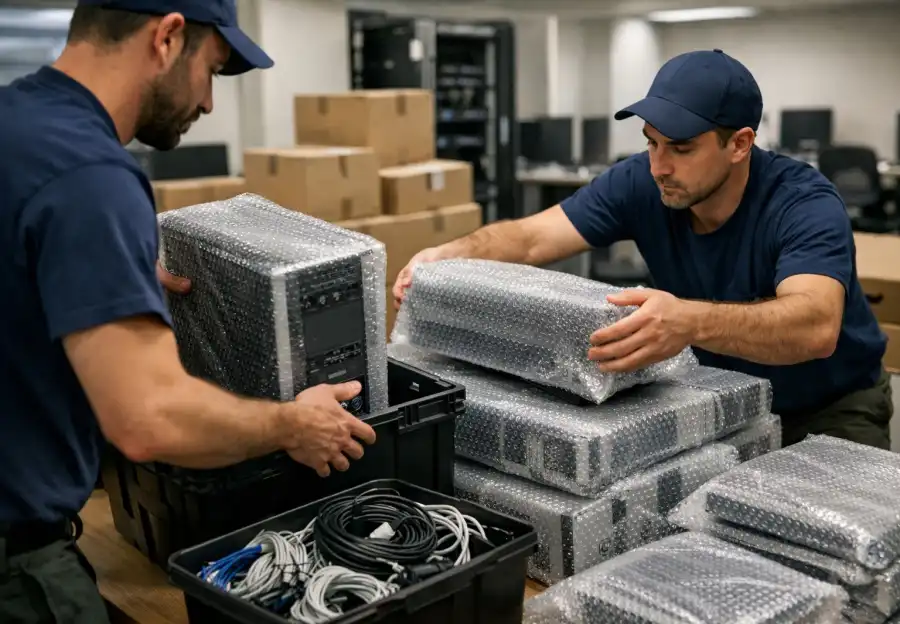
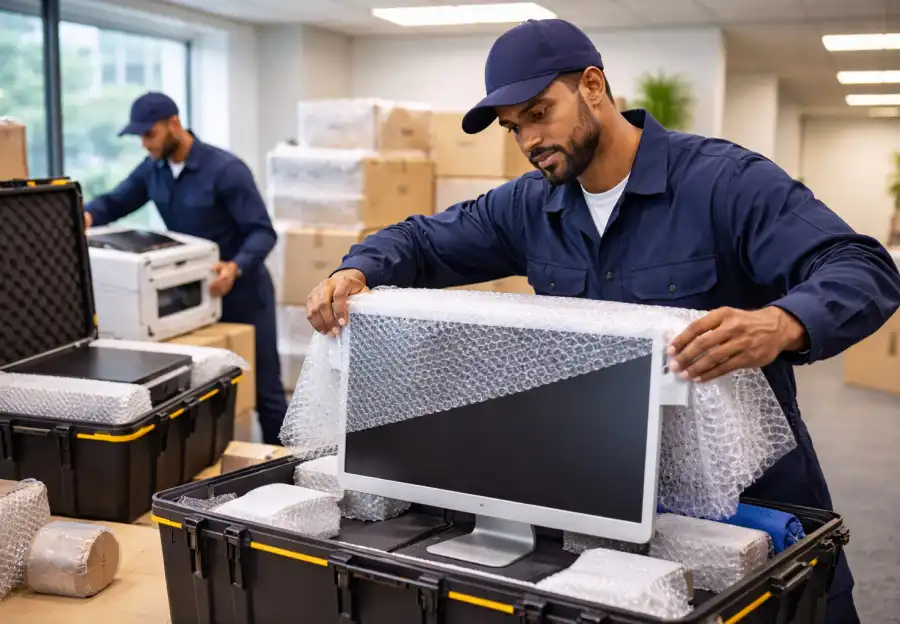
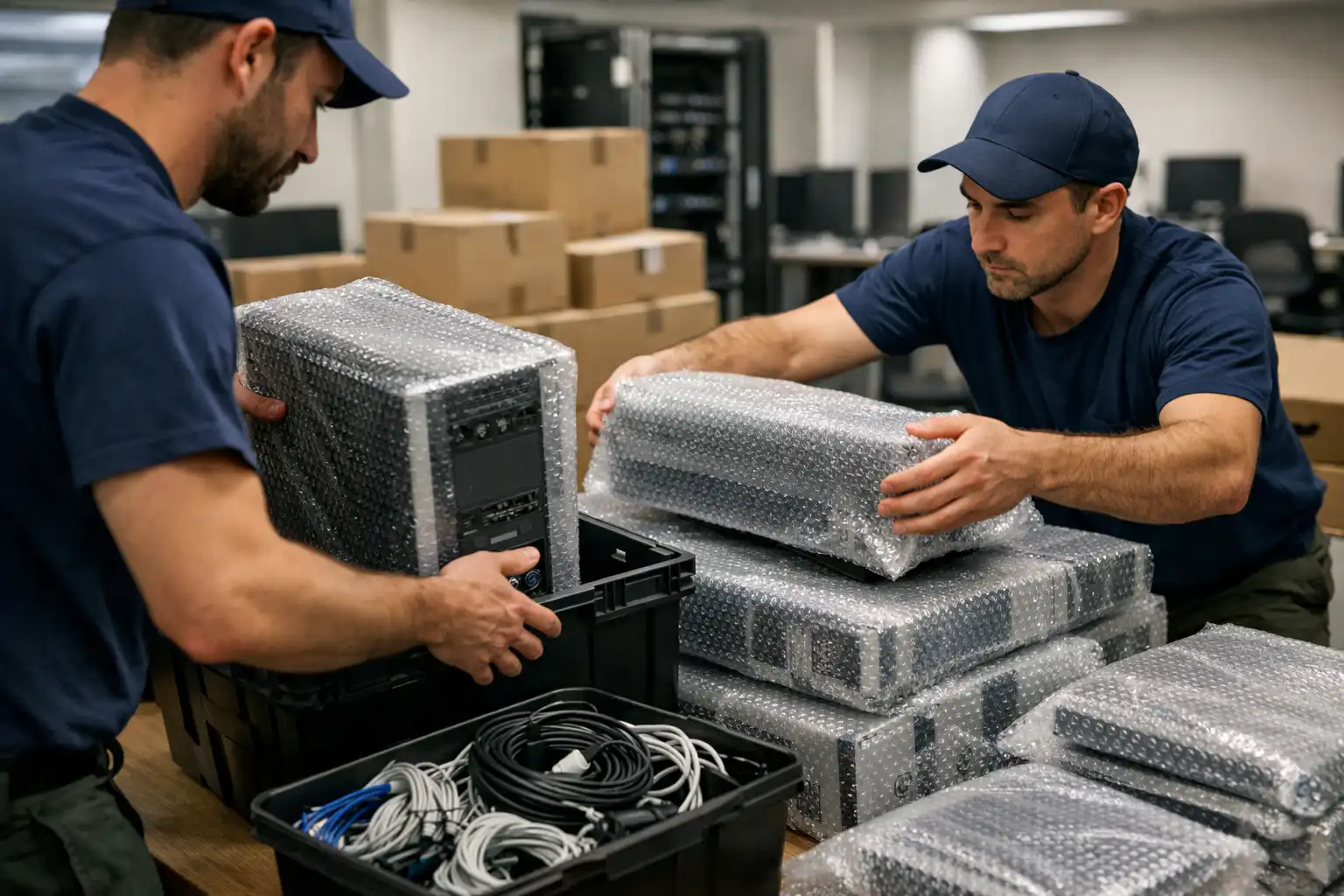
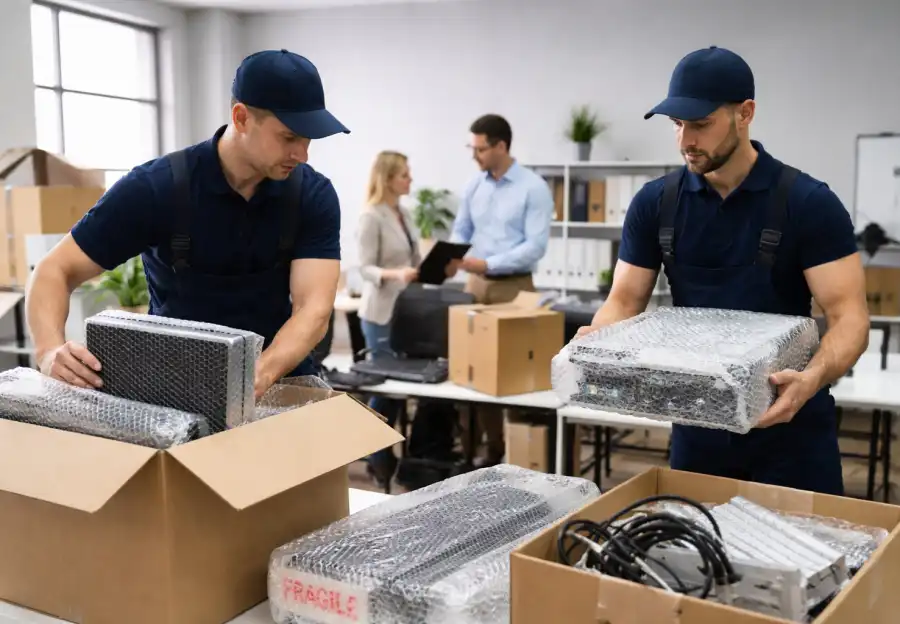
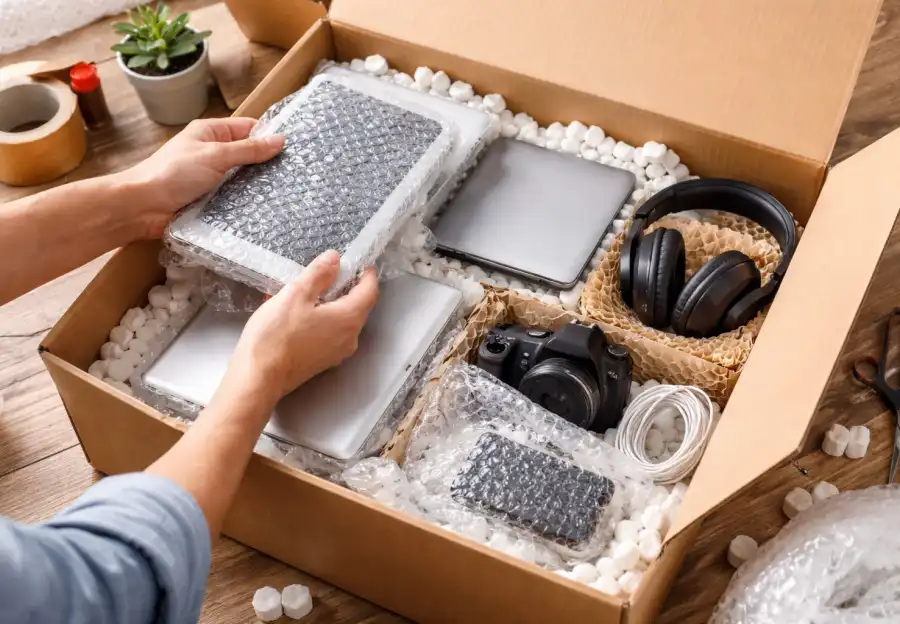
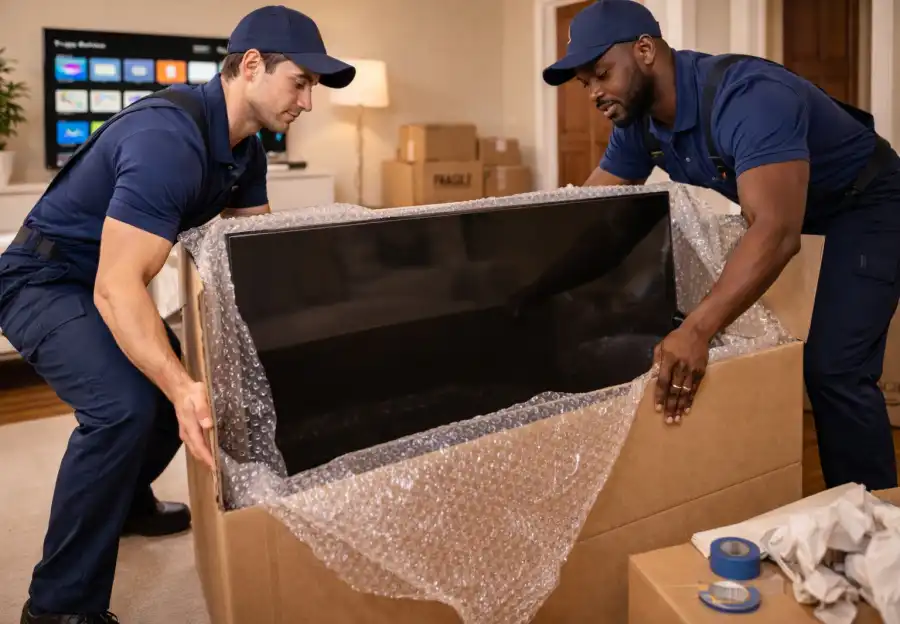
Proper protective materials are essential for safeguarding electronics. High-quality packing boxes, bubble wrap, foam inserts, anti-static bags, and sturdy tape form the foundation of a secure packing system. Bubble wrap and foam padding protect against impacts, while anti-static bags prevent damage from electrostatic discharge, which can compromise sensitive circuits. Sturdy, well-labeled boxes help keep items organized and reduce the risk of crushing during transit. For larger electronics such as flat-screen TVs or desktop computers, specialized moving crates or reinforced cardboard boxes with internal padding offer an additional layer of security. Each material is chosen deliberately to address the specific vulnerabilities of electronic devices.
Disassembly and careful handling are often necessary for fragile electronics. Detachable components such as keyboards, monitors, cords, and peripherals should be removed and packed separately in labeled containers. Keeping accessories together prevents loss and ensures easy setup at the new location. In some cases, specialized protective sleeves, cable organizers, or compartmentalized boxes can further reduce the risk of internal damage. Documenting each component and its placement during packing enhances organization, simplifies unpacking, and provides reassurance that no critical part is overlooked.
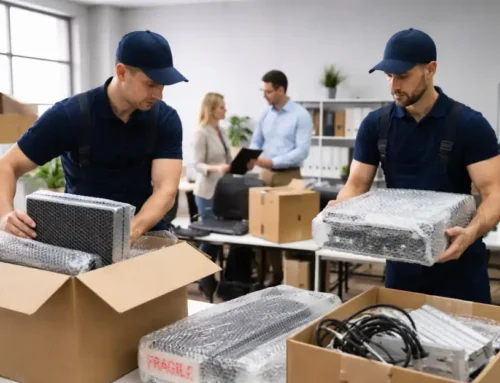
Labeling and organization play a significant role in maintaining safety during a move. Boxes containing fragile electronics should be clearly marked with “Fragile,” “Handle with Care,” or “This Side Up” indicators. This visual communication informs movers and anyone handling the items of their delicate nature, promoting careful treatment. Additionally, creating an inventory list of all electronic items provides a reference point in case of disputes, losses, or damages. This structured approach helps maintain clarity, reduces confusion during loading and unloading, and ensures that time and effort are allocated efficiently.
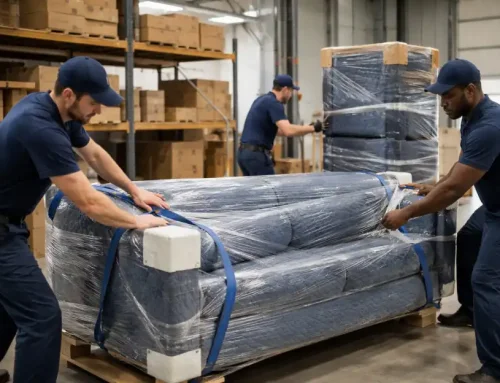
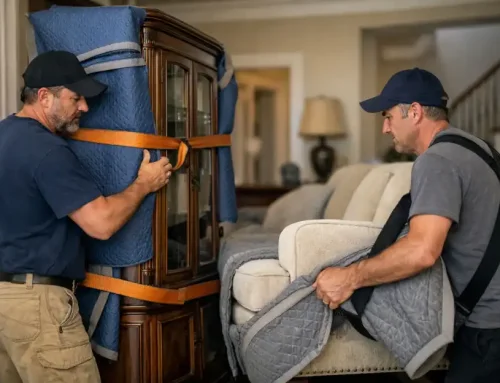
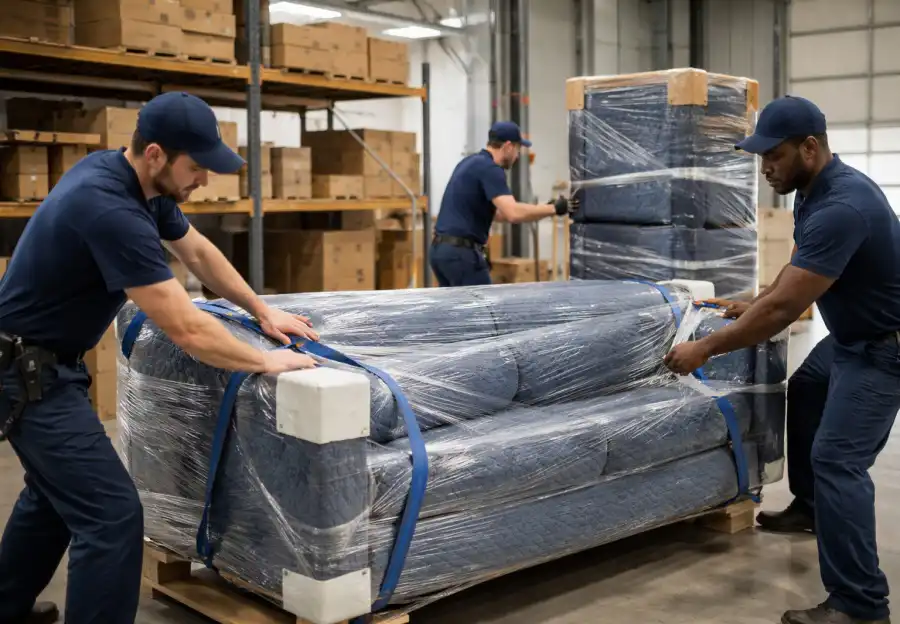
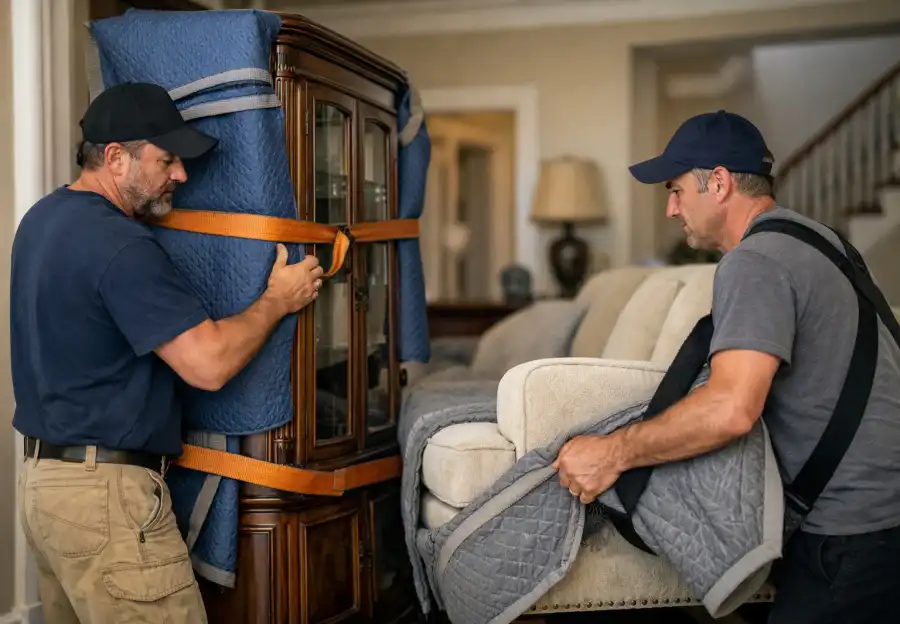
Transport strategy is equally important. Electronics should be loaded securely in the moving vehicle, positioned to minimize shifting, and separated from heavy or irregularly shaped items. Soft padding or blankets can fill gaps between boxes to prevent movement, while straps or ropes can immobilize items during transit. It is also advisable to avoid placing electronics directly on the floor of the moving truck, where vibrations and shocks are strongest. Instead, using elevated platforms, pallets, or cushioning layers further protects against potential impact damage. Properly strategizing vehicle loading ensures that all protective measures function effectively during the journey.
Environmental considerations also matter when moving fragile electronics. Extreme heat, cold, or humidity can damage sensitive components, including hard drives, screens, and battery-powered devices. Packaging should account for potential temperature fluctuations by including insulated materials or moisture-absorbing packets. When moving over long distances, monitoring weather forecasts and planning travel routes accordingly helps minimize exposure to adverse conditions. These precautions ensure that devices retain their integrity and functionality throughout the relocation process.
Finally, mastering how to handle fragile electronics provides individuals with transferable skills that enhance everyday life. The careful planning, risk assessment, and methodical execution required when packing electronics improve problem-solving abilities, organizational skills, and time management. These competencies extend beyond moving, supporting professional and personal endeavors that require precision, foresight, and attention to detail. By approaching fragile electronics with deliberate strategy and care, individuals can reduce anxiety, prevent damage, and ensure a smooth, predictable, and successful relocation process. Overall, adopting these methods transforms the daunting task of moving delicate devices into a manageable, systematic operation that protects both possessions and peace of mind.