May 10, 2026
How to Wrap Furniture for Long-Distance Travel
Wrapping furniture for long-distance travel is a critical component of a successful move, especially when protecting valuable or fragile items. Unlike general packing advice, guidance on how to wrap furniture for long-distance travel emphasizes careful planning, precise execution, and informed decision-making to prevent damage during transit. Many individuals underestimate the risks associated with long trips, including shifting cargo, temperature fluctuations, moisture, or rough handling. Understanding how to wrap furniture for long-distance travel equips movers with practical strategies to mitigate these risks, reduce stress, and maintain both safety and efficiency throughout the moving process.
The first step in preparing furniture for long-distance travel is to assess the item’s structure, material, and fragility. Solid wood, glass, upholstered, and antique pieces each require different wrapping techniques. Identifying these differences early enables movers to select appropriate materials, plan for extra padding where necessary, and anticipate challenges related to moving bulky or heavy items. It also allows for prioritizing which pieces need the most protection and determining the order in which furniture should be loaded to minimize shifting during transit. This stage is vital in developing a structured approach, which significantly reduces confusion and ensures every piece is handled appropriately.
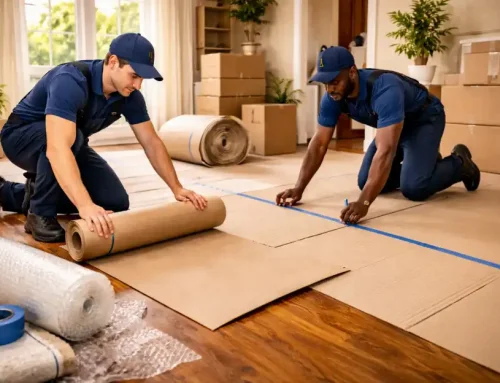
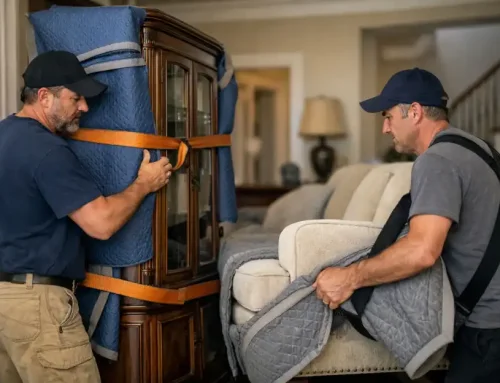
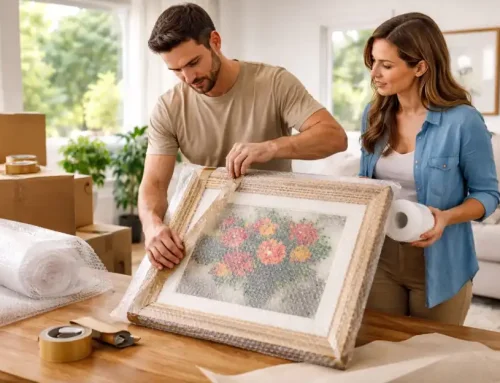
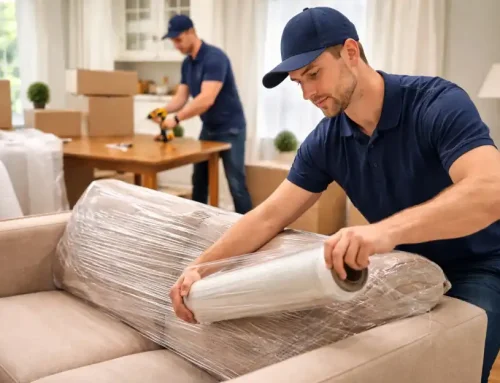
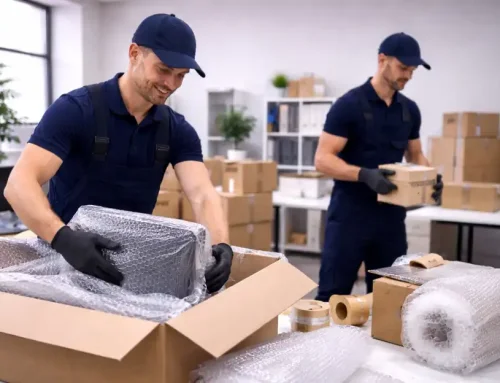
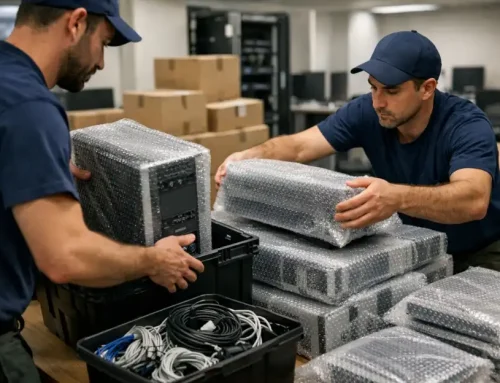
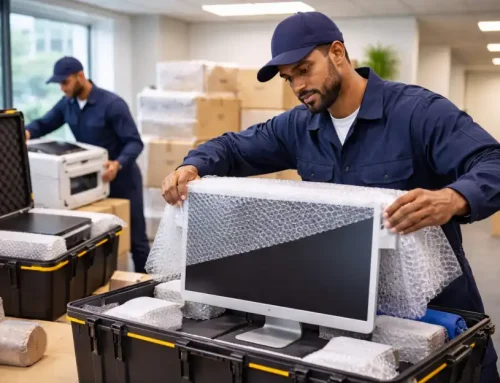
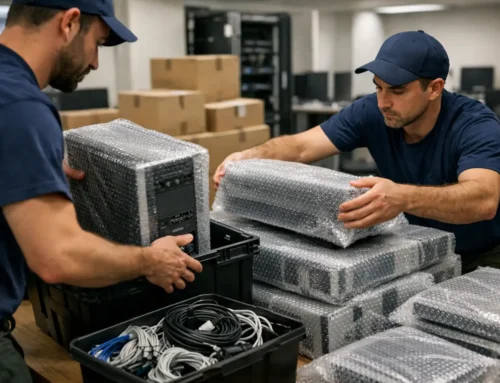
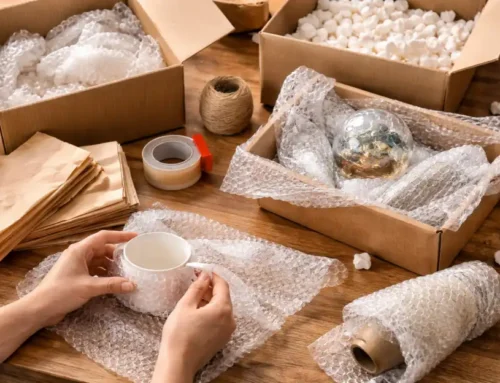
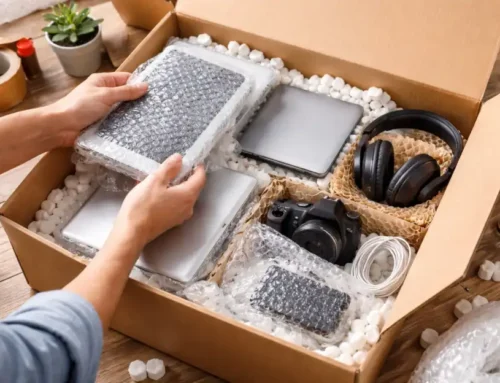
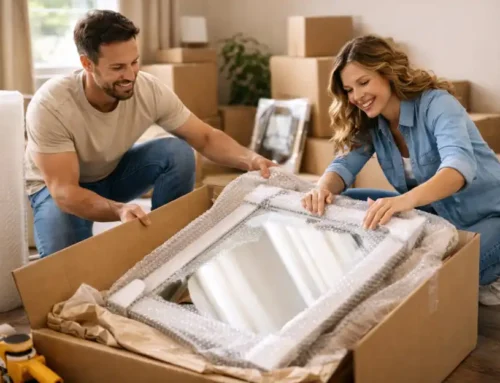
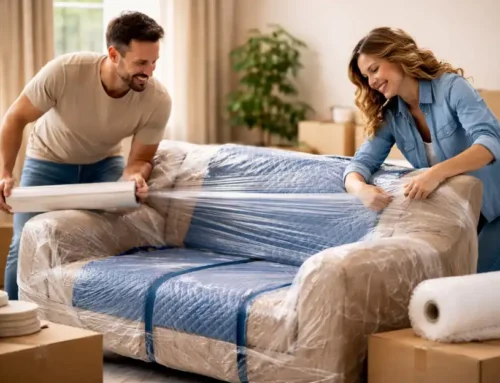
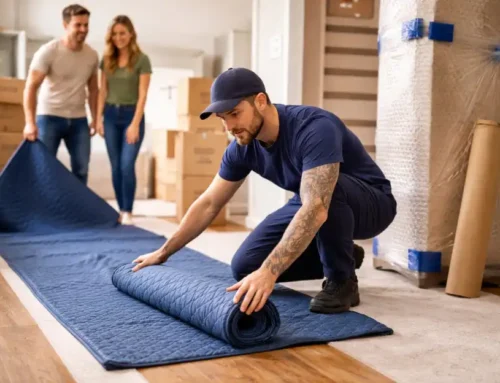
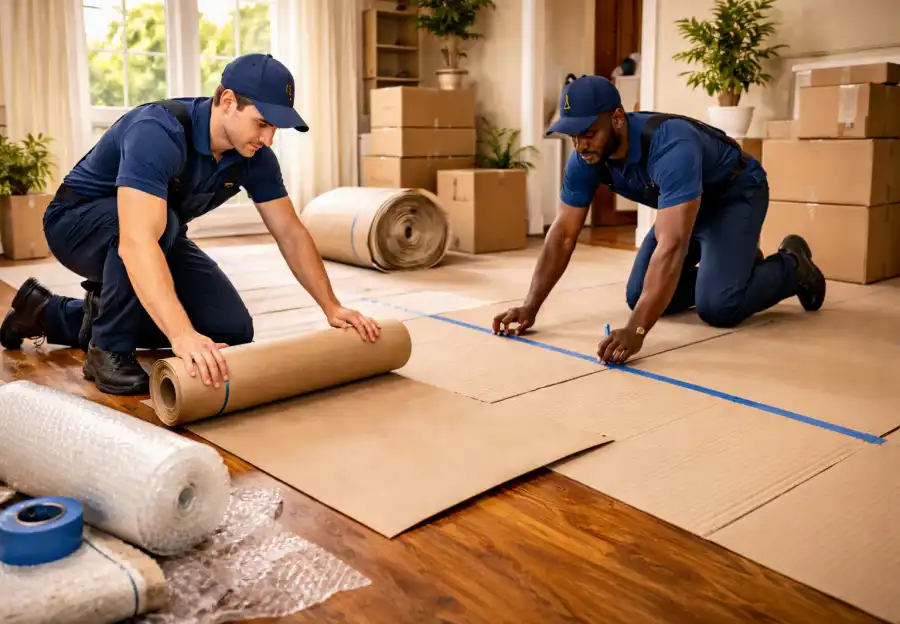
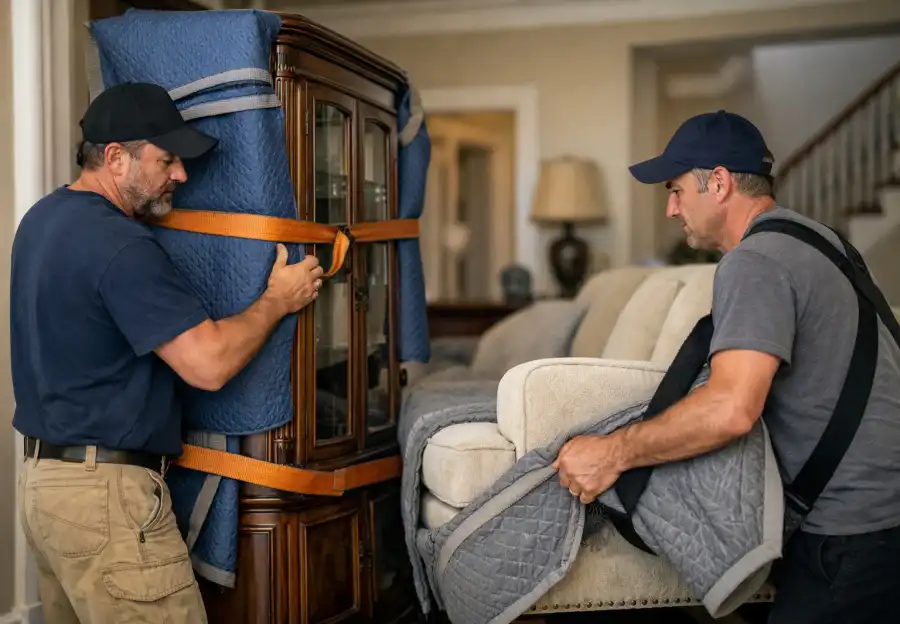
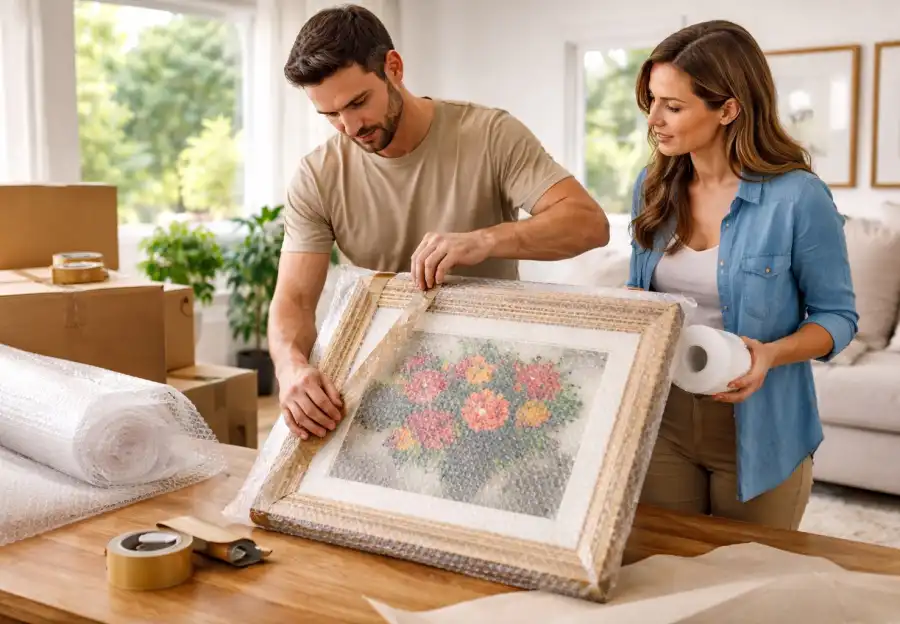
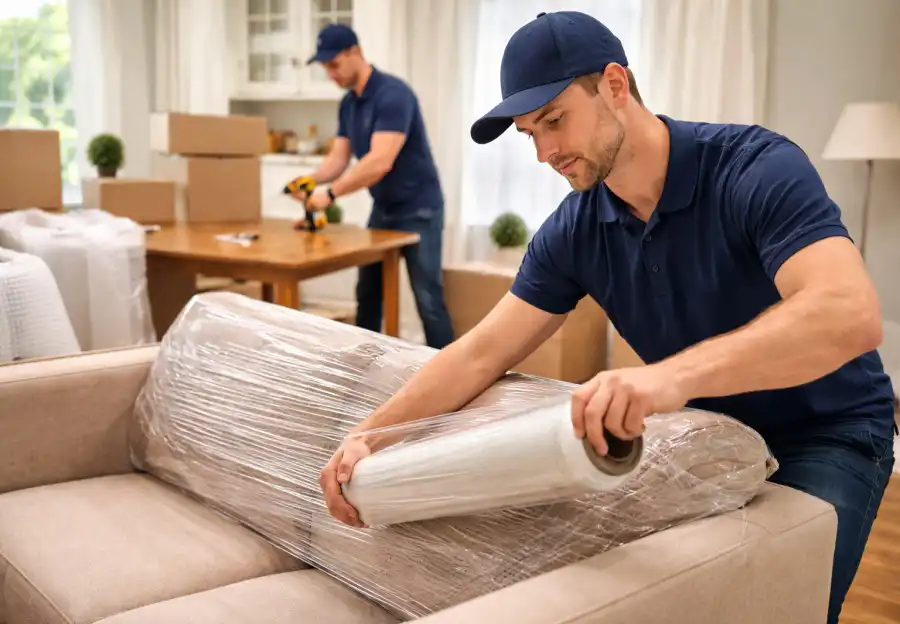
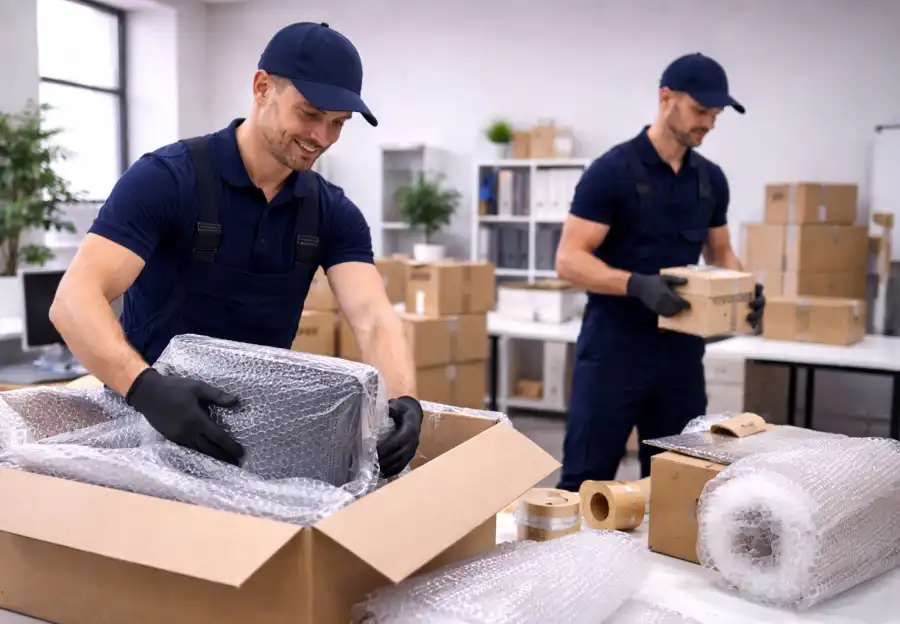
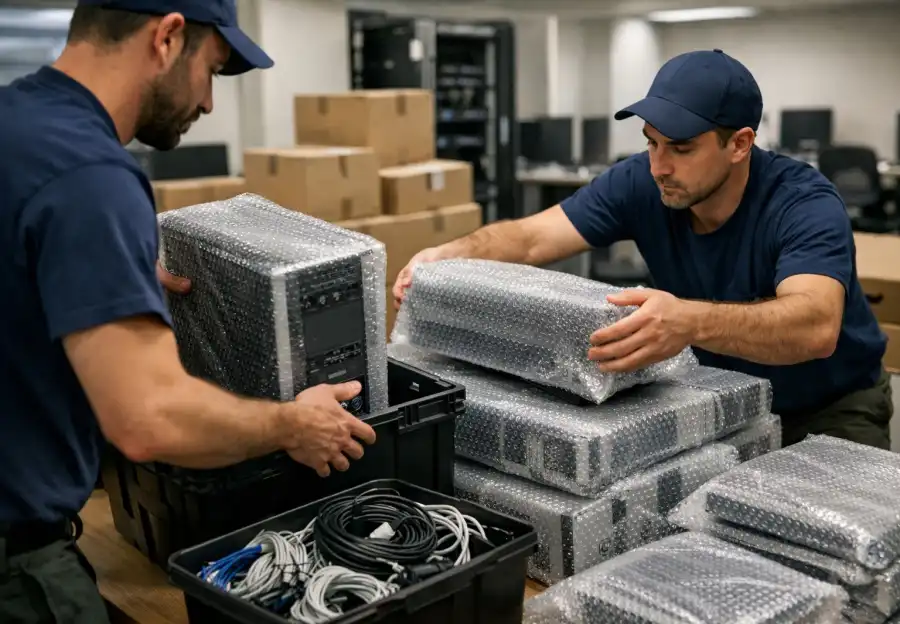
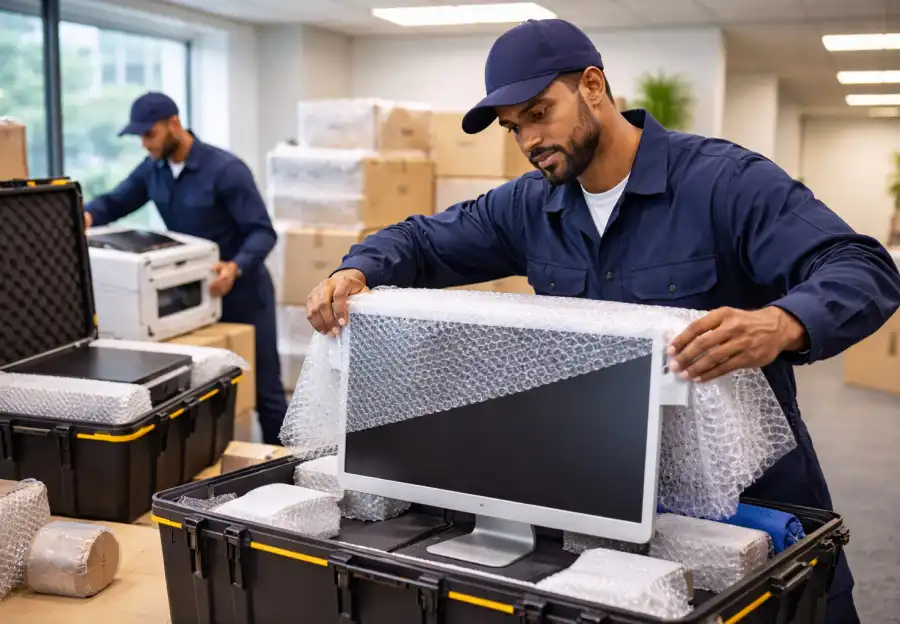
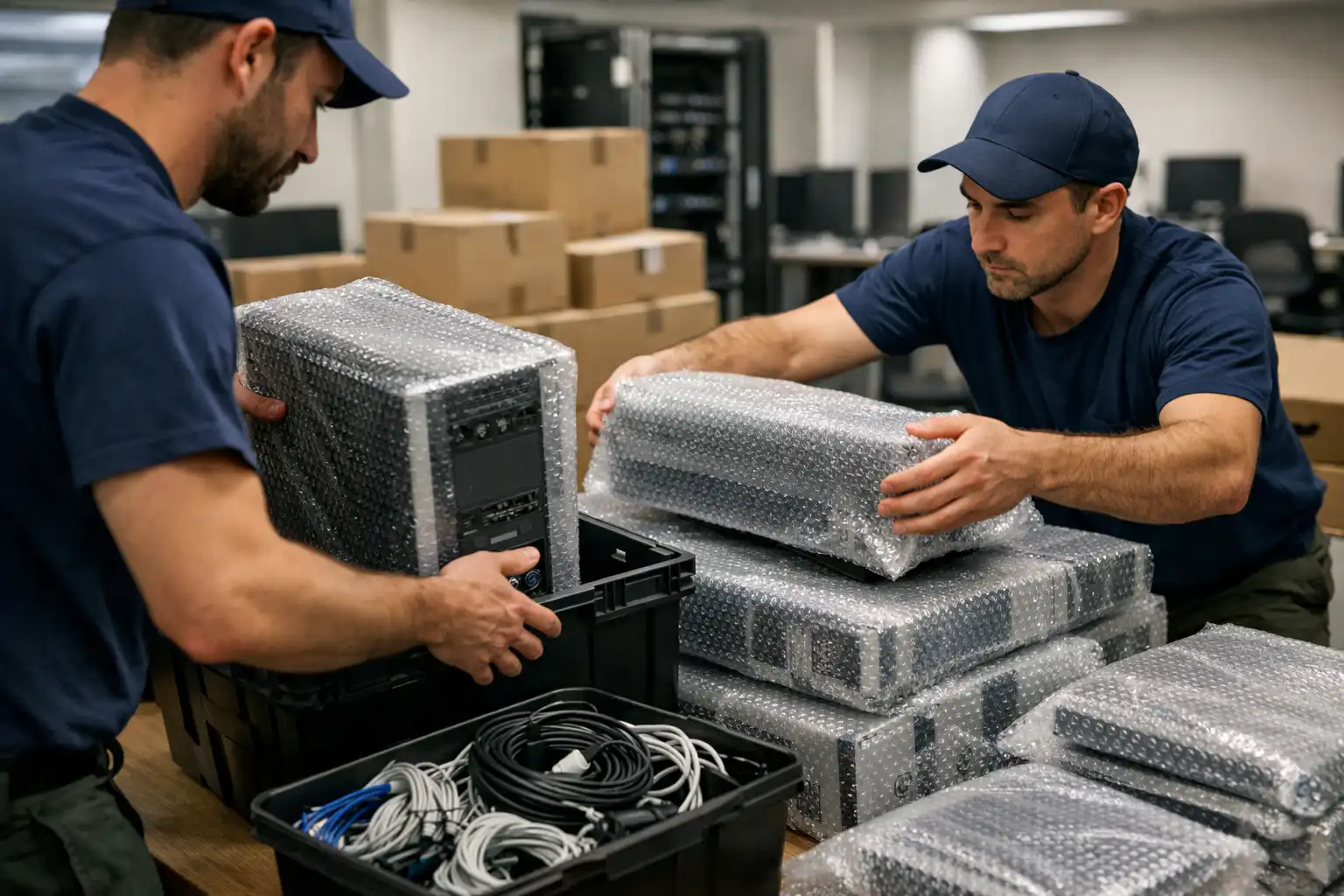
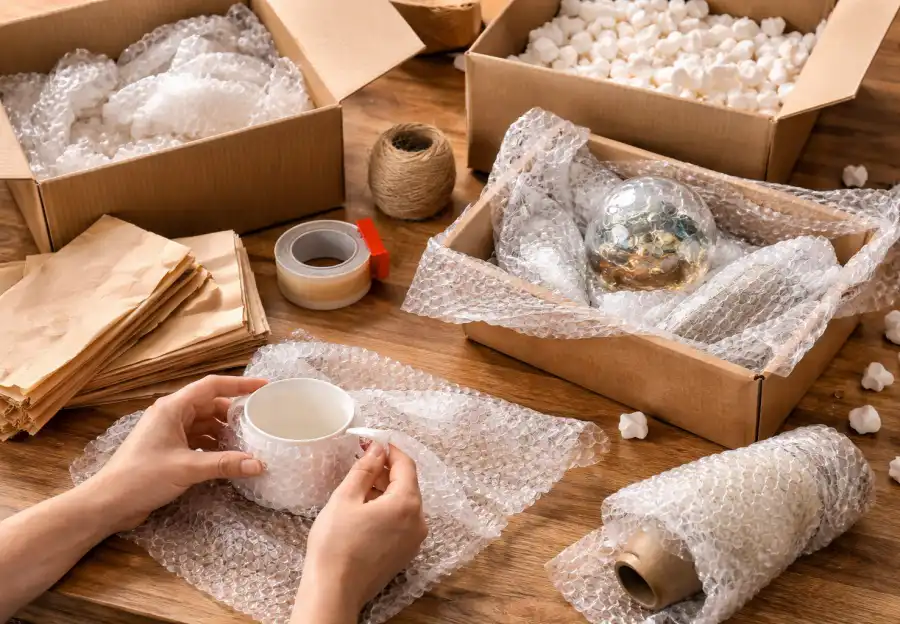
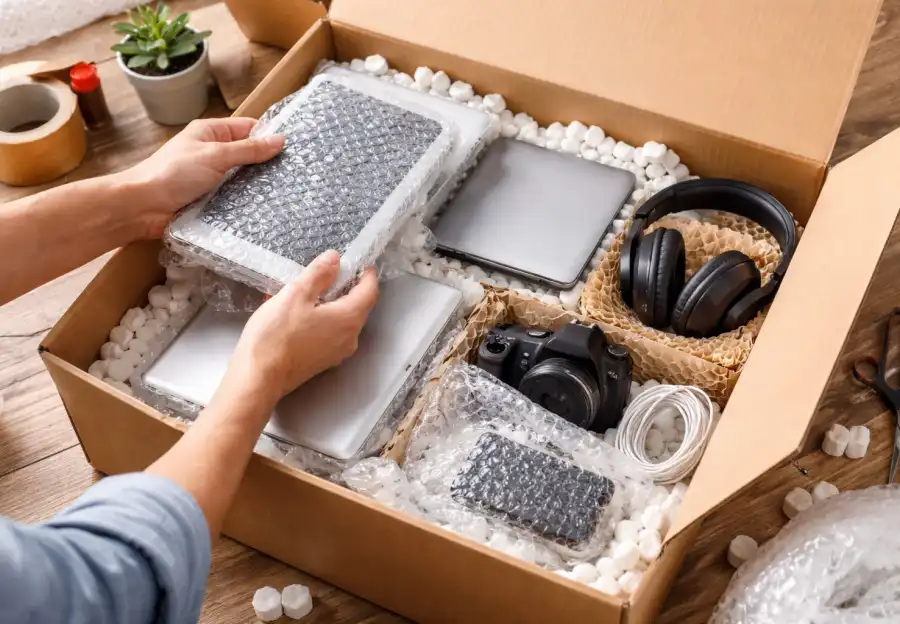
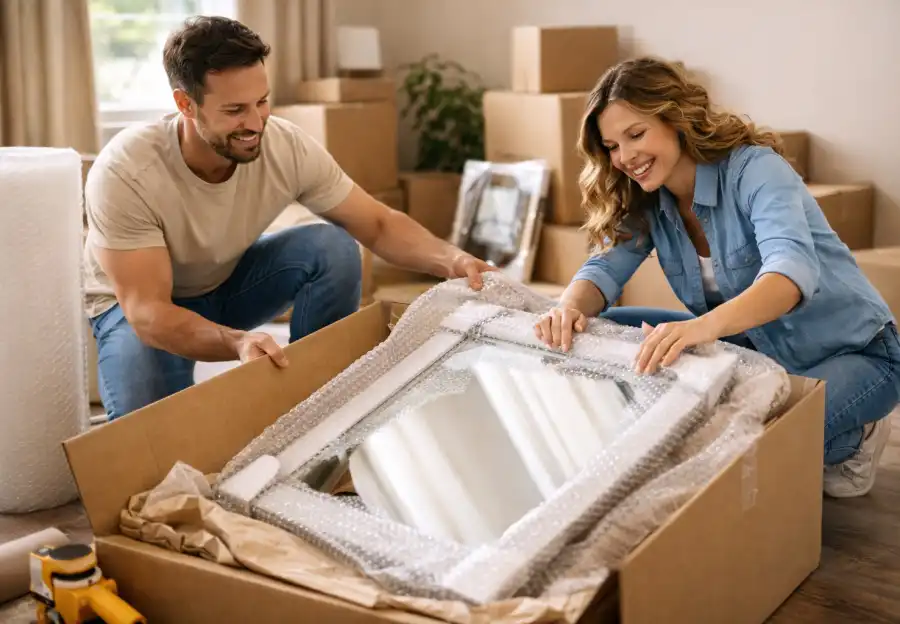
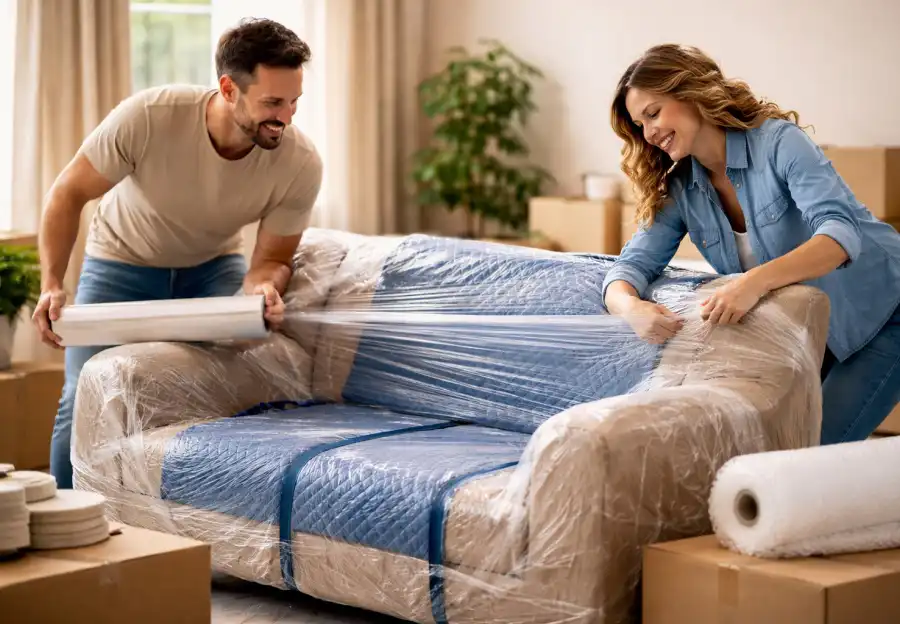
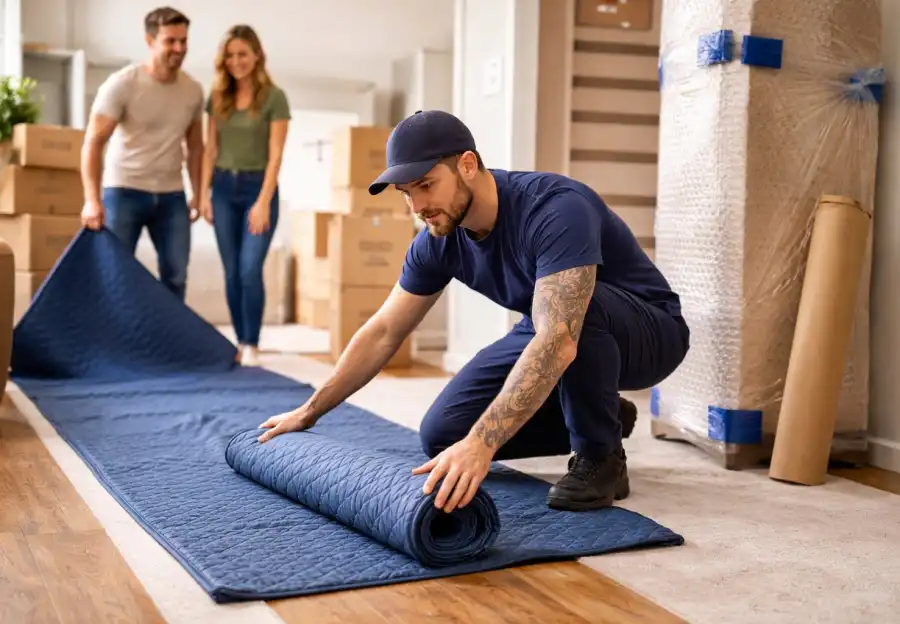
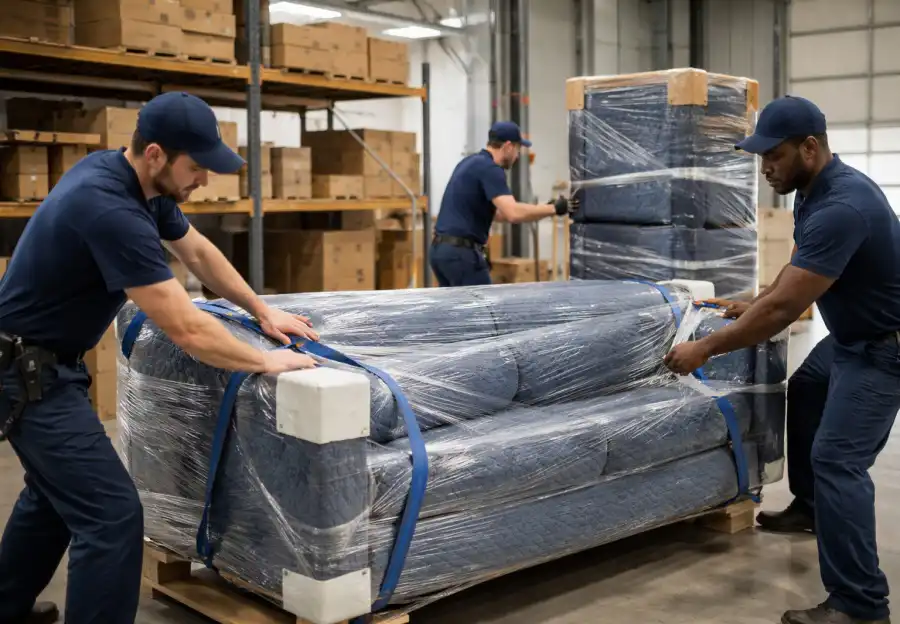
Protective materials are central to wrapping furniture for long-distance travel. Heavy-duty moving blankets, bubble wrap, stretch film, foam padding, and corner protectors provide essential layers of defense against scratches, dents, and moisture. Moving blankets are especially effective for large, solid furniture pieces, as they absorb shocks and prevent abrasions. For items with delicate surfaces, such as glass tabletops or polished wood, wrapping bubble wrap underneath a blanket layer adds an extra barrier. Stretch film secures padding tightly, keeping it from slipping during the journey. Corner protectors safeguard vulnerable edges from impacts, while tape and non-slip adhesives ensure that all protective layers remain in place. Each material plays a specific role in maintaining furniture integrity over long distances.
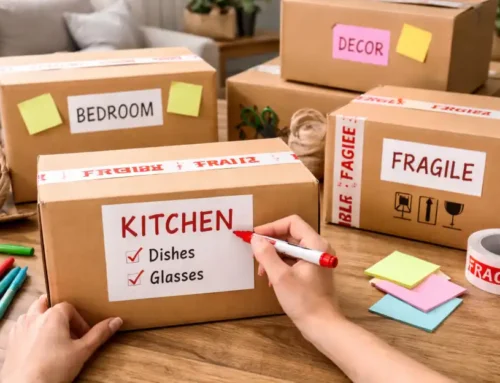
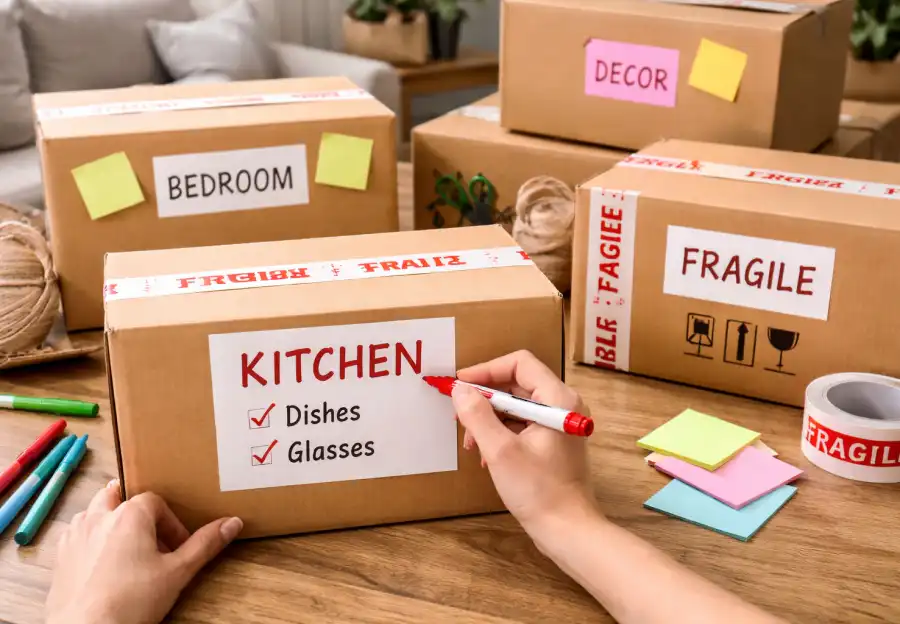
Disassembly of furniture is another important step for safe long-distance travel. Removing legs, drawers, glass panels, or detachable shelves reduces bulk and weight, making items easier to handle and wrap effectively. It also minimizes the chance of structural damage during loading, unloading, and transportation. Labeling disassembled components and keeping hardware organized simplifies reassembly at the destination. Furthermore, separating components allows for customized wrapping techniques tailored to each part’s vulnerability, enhancing overall protection without sacrificing efficiency. Proper documentation of disassembled parts ensures no pieces are lost and reduces frustration during reassembly.
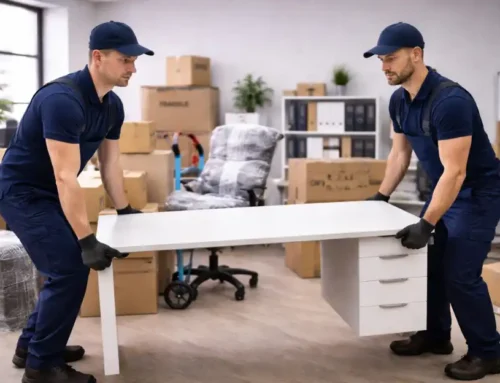
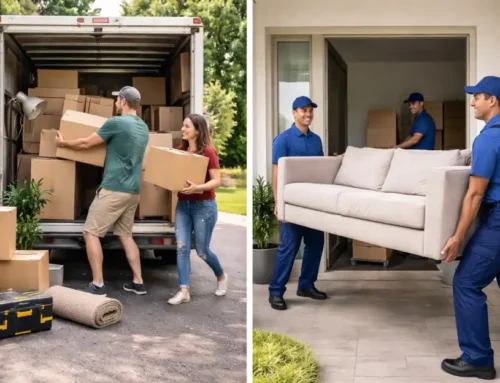
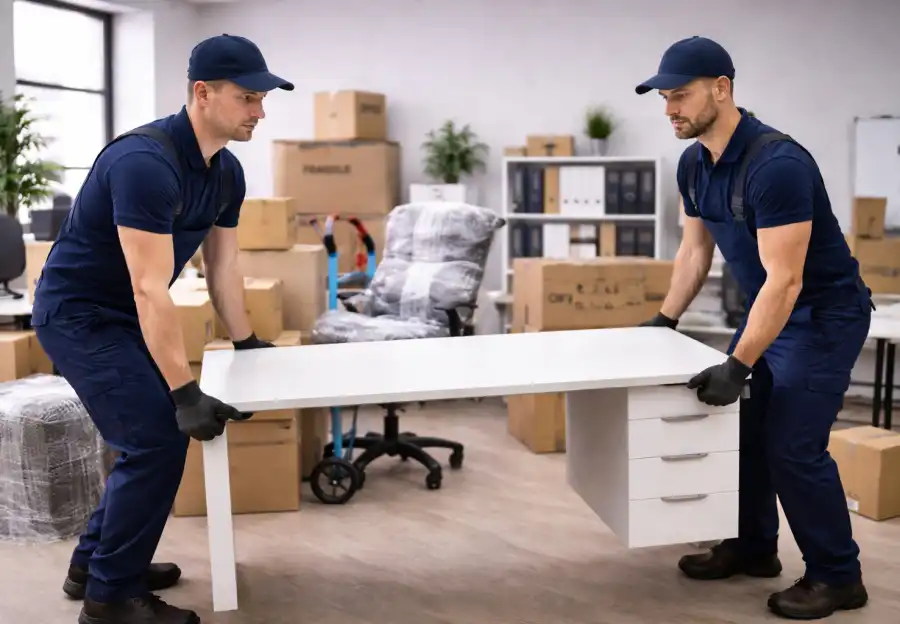
Securing furniture for transport requires careful handling and proper lifting techniques. Dragging items across floors or lifting unevenly can compromise both furniture and moving personnel. Using dollies, hand trucks, or lifting straps in conjunction with protective padding prevents direct contact with floors or other surfaces. Coordinating movements with helpers reduces the risk of sudden shifts or tipping, which can cause damage even to well-wrapped items. For heavy pieces, multiple people may be needed to maintain control while wrapping, lifting, and loading. Systematic planning of lifting points and travel paths ensures the move remains safe and reduces stress on everyone involved.
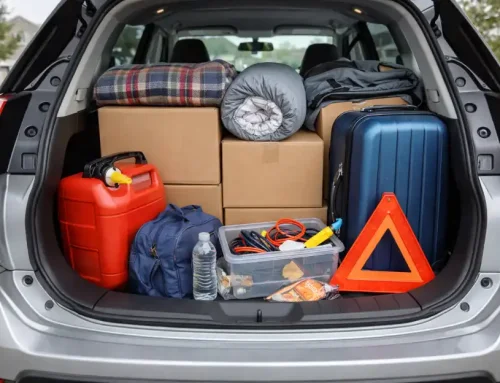
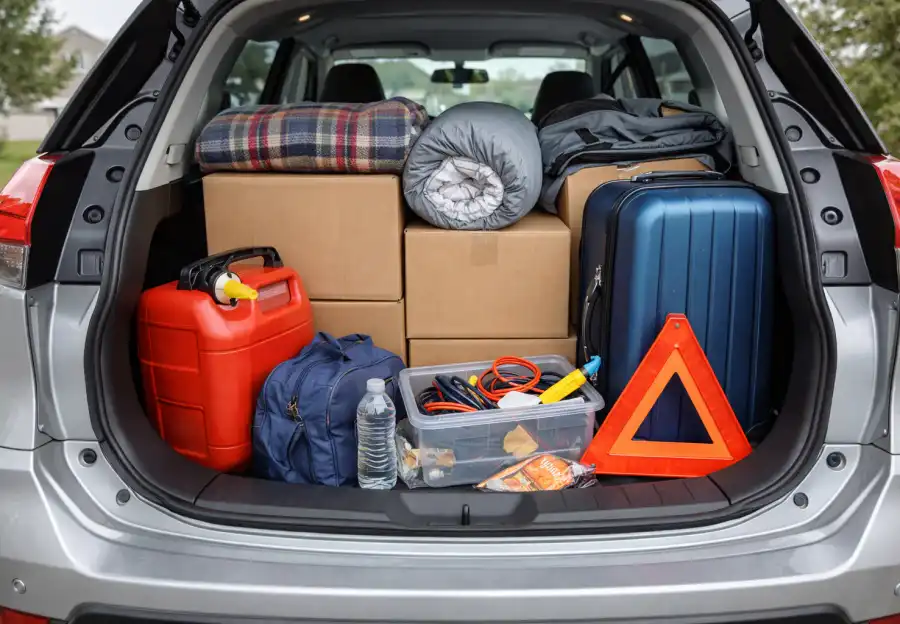
Strategic arrangement in the moving vehicle is also crucial. Wrapping alone cannot prevent damage if furniture is improperly loaded. Items should be positioned to minimize movement, with heavier objects on the bottom and lighter or fragile pieces on top. Blankets and padding can fill gaps between items to prevent shifting, while straps or ropes secure furniture in place. This organization reduces the risk of impact damage and ensures that the protective layers remain effective throughout the journey. Thinking several steps ahead in terms of loading order, weight distribution, and balance improves safety and preserves both furniture and vehicle integrity.
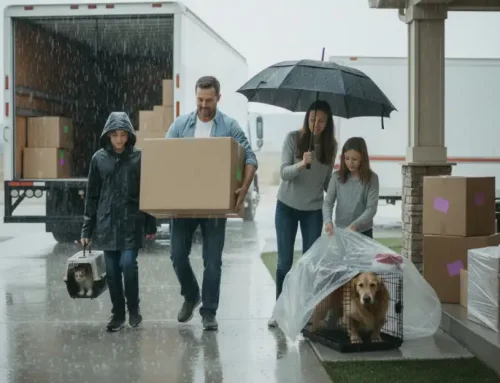
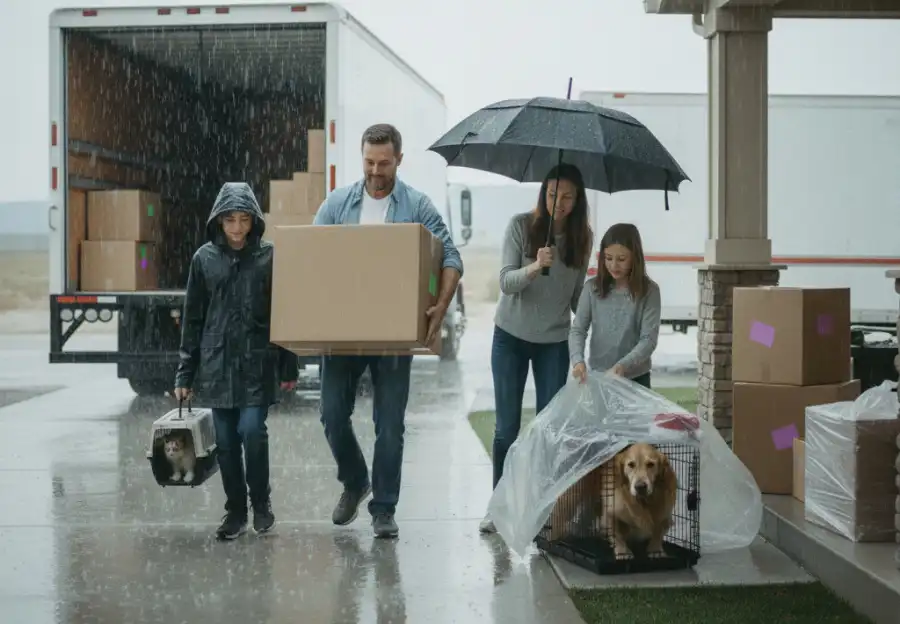
Environmental factors during long-distance travel must also be considered. Extreme temperatures, humidity, or exposure to moisture can damage unprotected furniture. Wrapping furniture in moisture-resistant materials or using desiccant packs for enclosed areas helps prevent water damage or warping. For long trips in varying climates, layering materials appropriately ensures that each piece maintains its structural and aesthetic integrity. Awareness of environmental risks encourages movers to plan extra precautions, which can prevent costly or irreversible damage during transit.
Finally, mastering how to wrap furniture for long-distance travel develops skills that extend beyond moving. It promotes planning, problem-solving, and organization, all of which are useful in personal and professional contexts. Individuals learn to assess risks, select appropriate materials, and execute strategies systematically. These transferable skills enhance efficiency, reduce stress, and improve the overall quality of relocation projects. By approaching furniture wrapping with careful thought, attention to detail, and practical methods, movers ensure that valuable possessions arrive safely, maintaining their value and functionality. This comprehensive approach guarantees a controlled, predictable, and less stressful moving experience, turning a potentially daunting process into a manageable and successful operation.