May 8, 2026
How to Move Expensive Furniture Safely
Moving expensive furniture safely is a task that requires careful planning, strategic execution, and attention to detail. Unlike general moving advice, guidance on how to move expensive furniture safely focuses on methods that protect valuable items from damage, minimize the risk of personal injury, and maintain efficiency throughout the relocation process. People often underestimate the complexity involved in handling high-value pieces, which can include antiques, solid wood furniture, designer sofas, or custom-made tables. Understanding how to move expensive furniture safely allows individuals to break down the task into manageable steps, anticipate potential challenges, and apply a structured approach that ensures both safety and peace of mind.
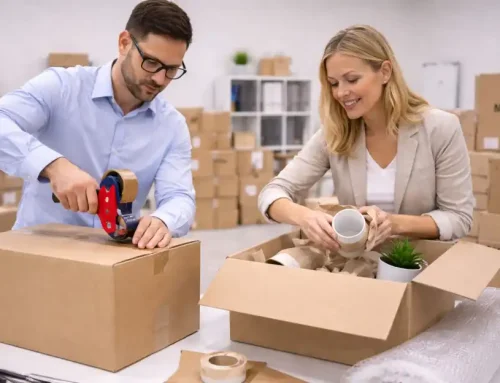
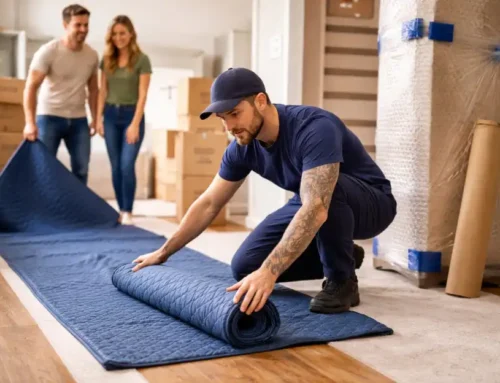
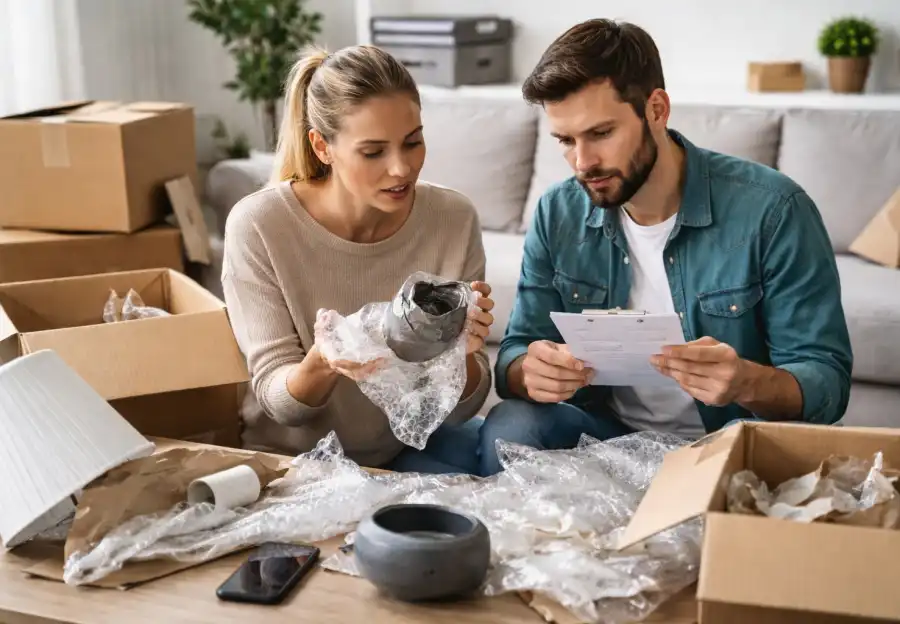
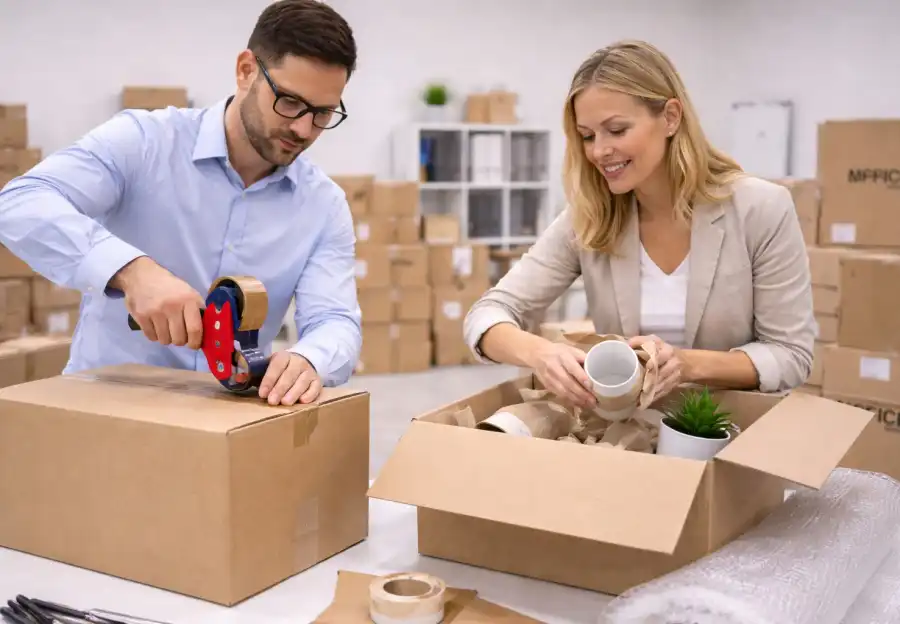
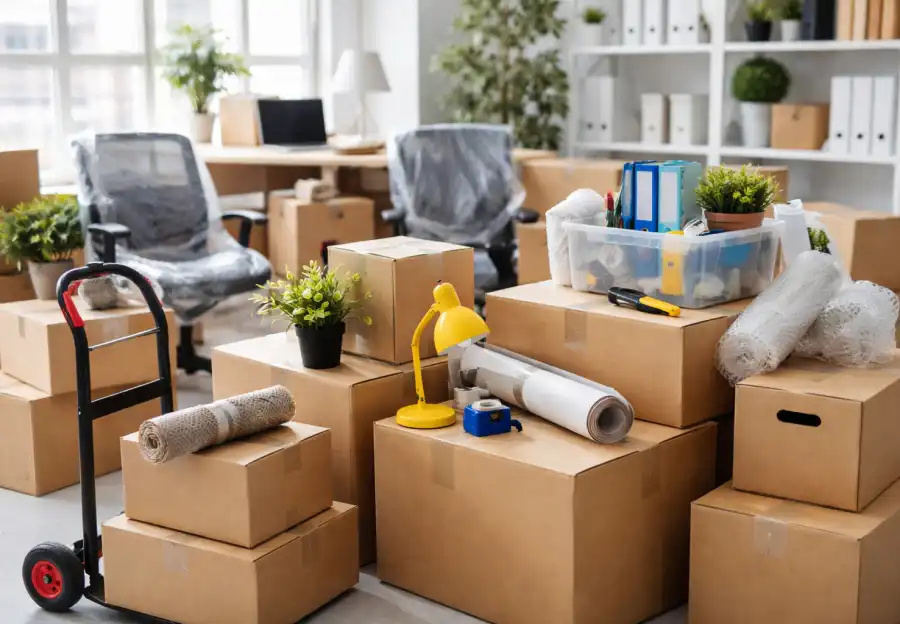
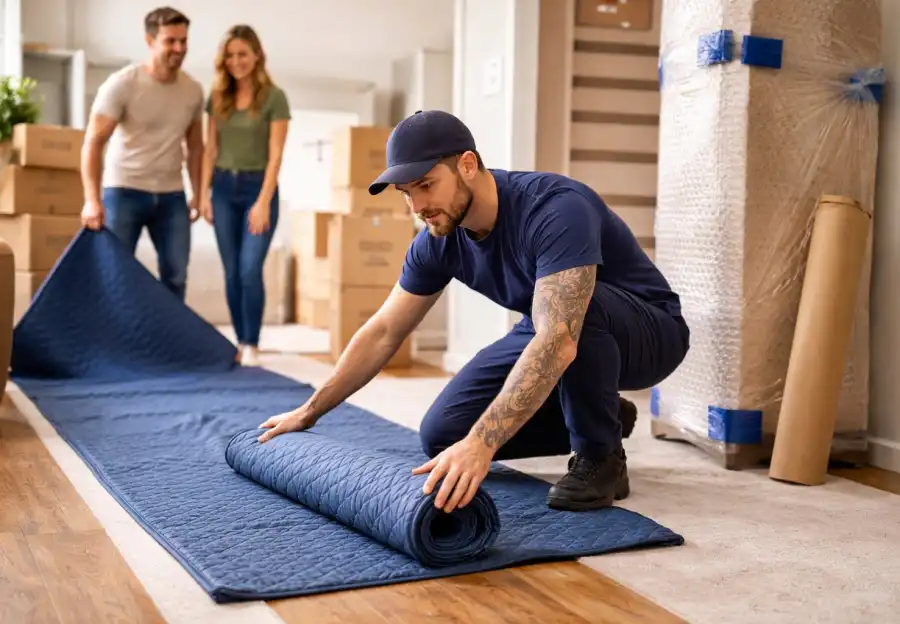
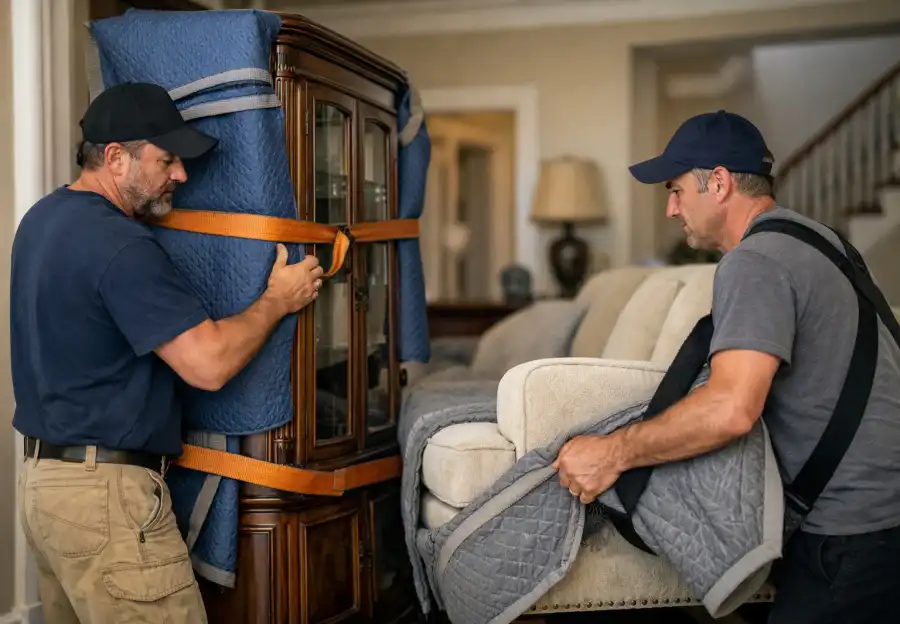
The first principle of moving expensive furniture safely is preparation. This involves assessing the size, weight, and fragility of each item and determining the best method for transport. Measuring doorways, hallways, staircases, and elevators in advance prevents last-minute obstacles and ensures that the furniture will fit through all necessary spaces without damage. Additionally, gathering the right supplies is crucial. Items such as heavy-duty moving blankets, furniture sliders, straps, dollies, and protective padding help shield the furniture from scratches, dents, or other types of damage. Proper preparation also involves clearing the path of obstacles and ensuring that there is sufficient room to maneuver bulky pieces safely.
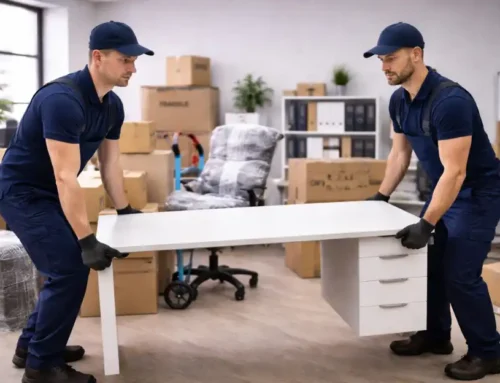
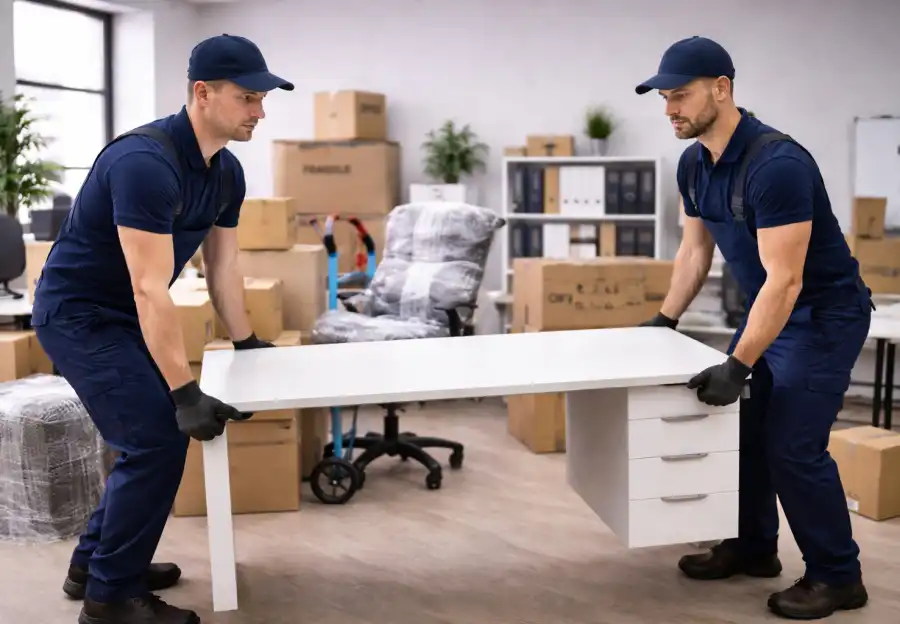
Another essential component is proper lifting and handling techniques. Expensive furniture is often heavy, awkwardly shaped, or fragile, making improper handling a major risk. Using safe lifting practices—such as lifting with the legs rather than the back, keeping the item balanced, and coordinating movements with helpers—reduces the likelihood of injury. For particularly large or delicate items, employing specialized equipment like furniture dollies or lifting straps is recommended. These tools not only make the process safer but also more efficient, allowing movers to navigate tight spaces and transport heavy items with reduced physical strain.
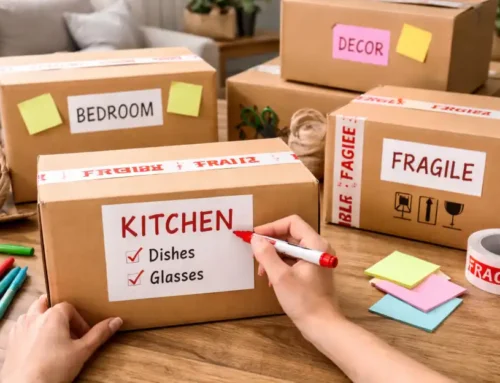
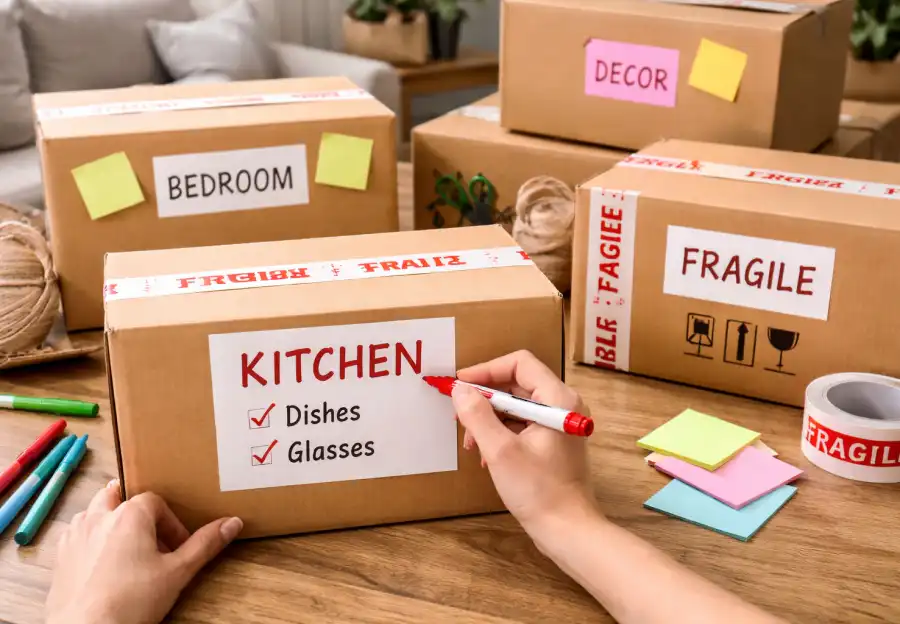
Disassembly is another key strategy in moving expensive furniture safely. Many pieces can be partially or fully disassembled to reduce weight, prevent structural stress, and make transportation more manageable. Removing legs, drawers, or shelves can significantly reduce the risk of damage while making items easier to carry. Labeling all parts and keeping screws, bolts, and small hardware in clearly marked bags ensures that reassembly is straightforward. This step also helps maintain organization throughout the moving process, preventing confusion or loss of important components.
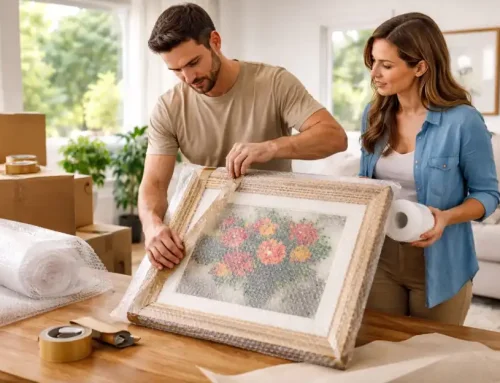
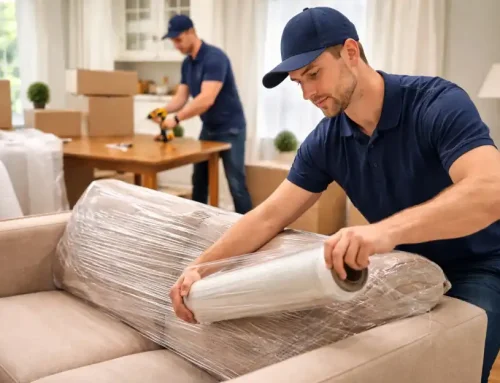
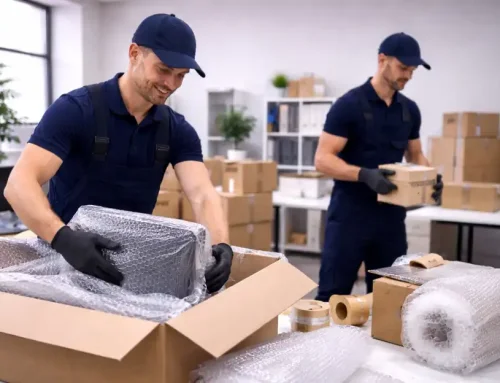
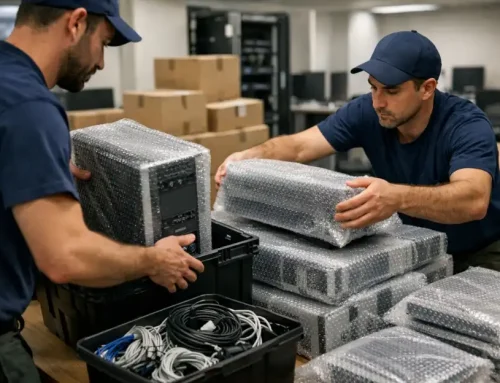
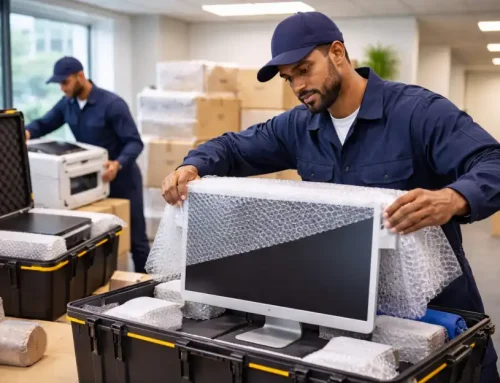
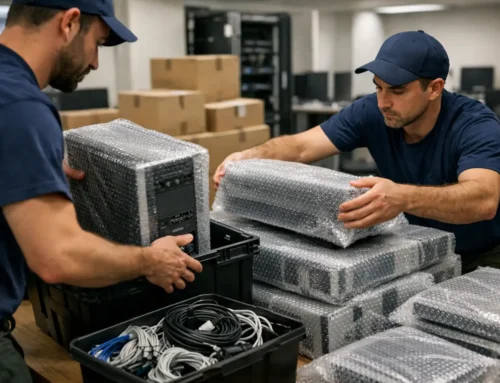
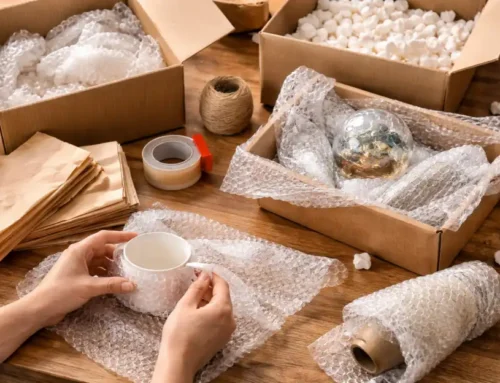
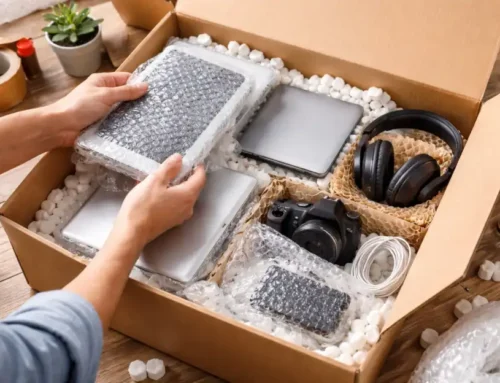
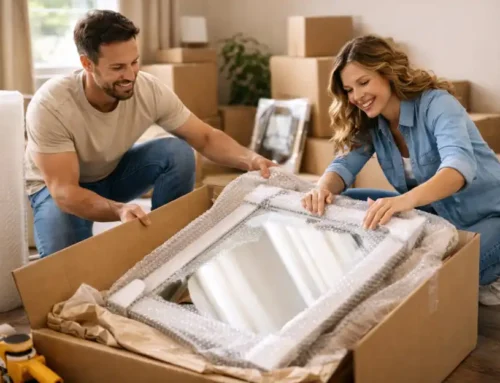
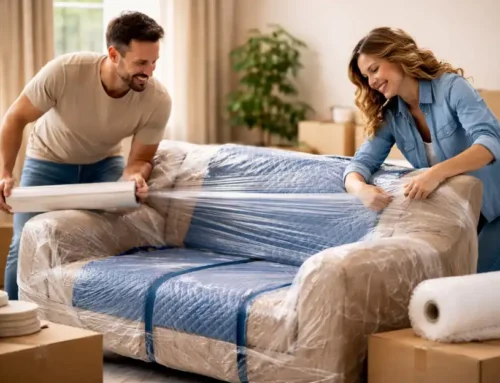
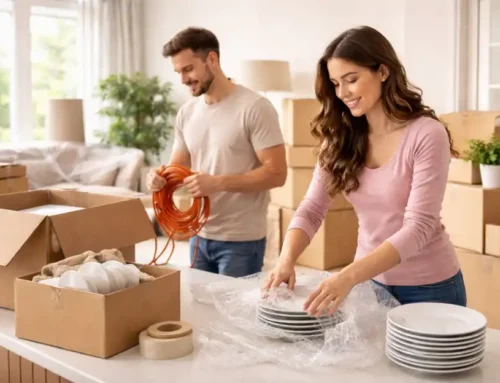
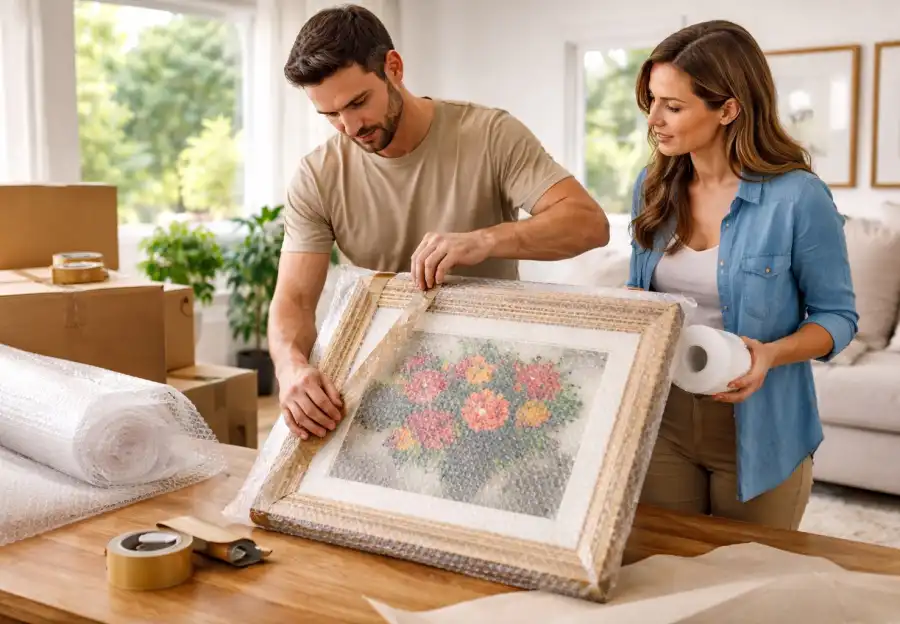
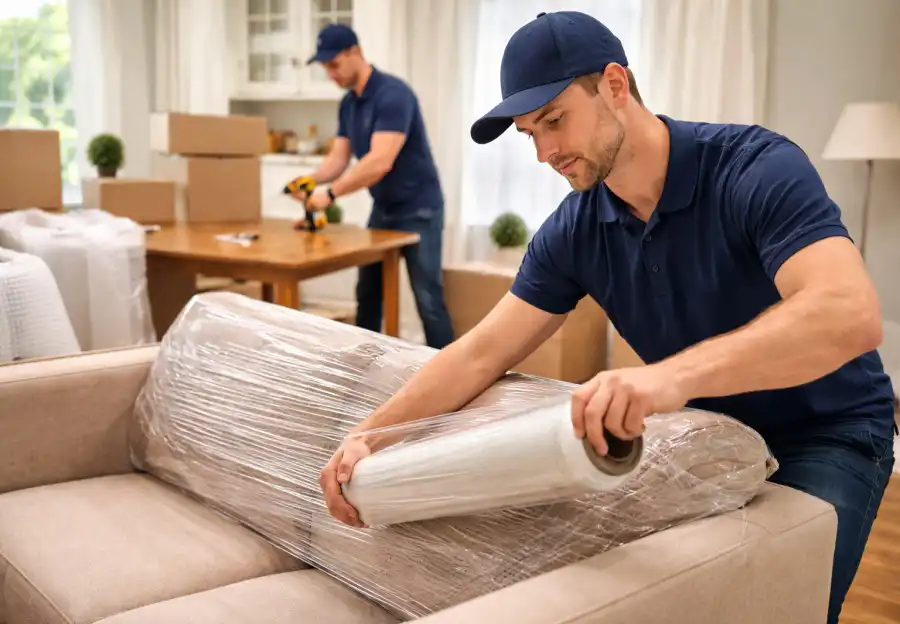
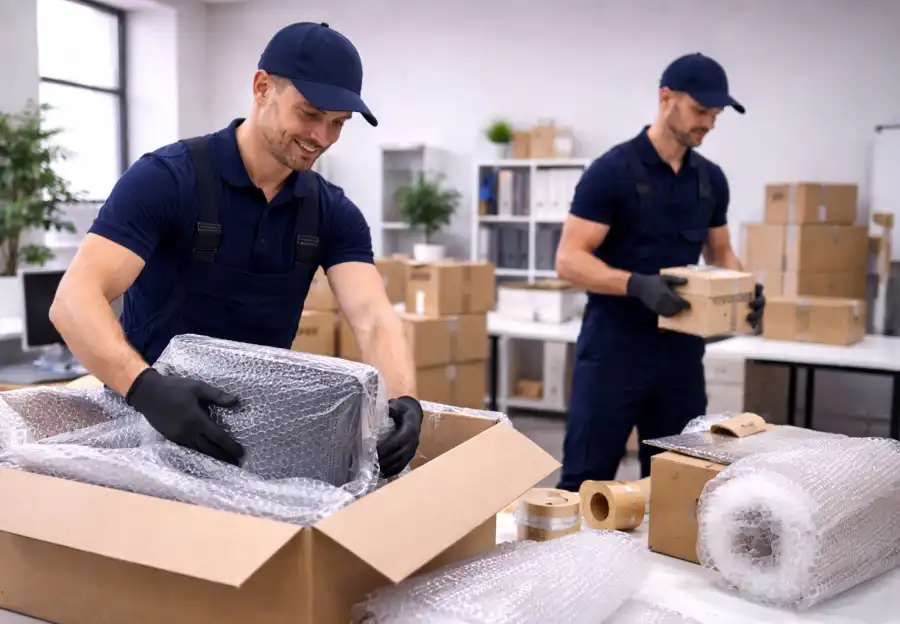
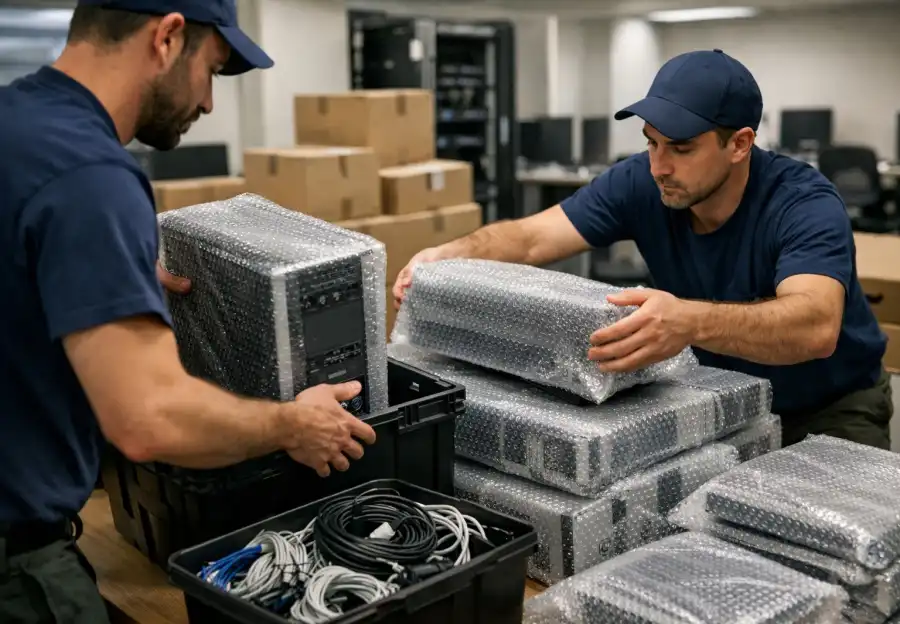
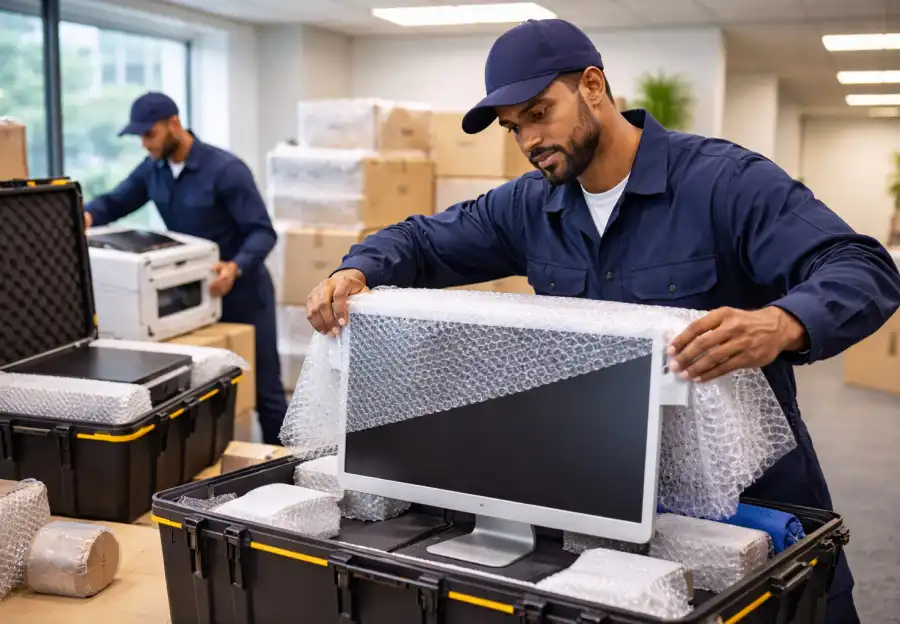
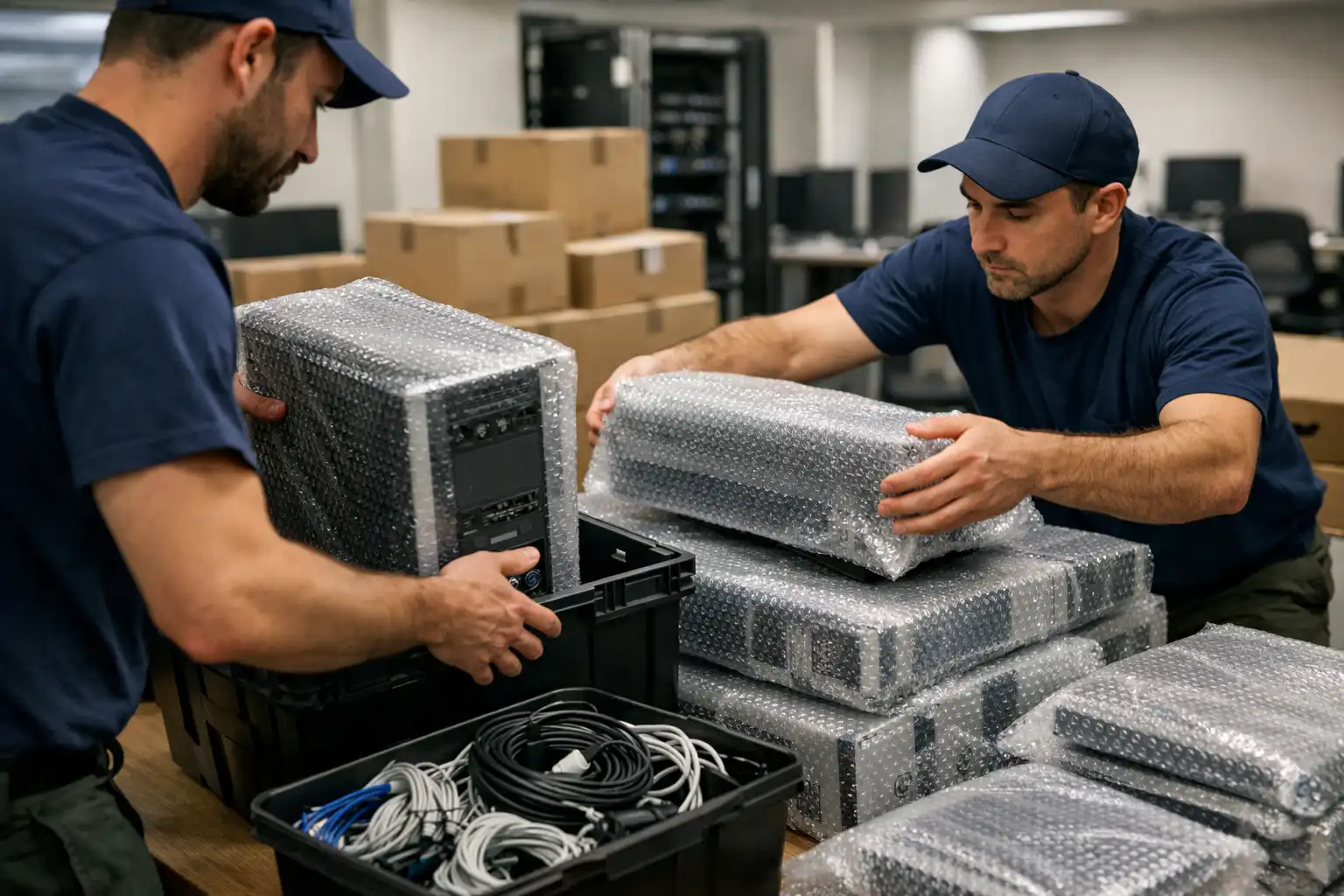
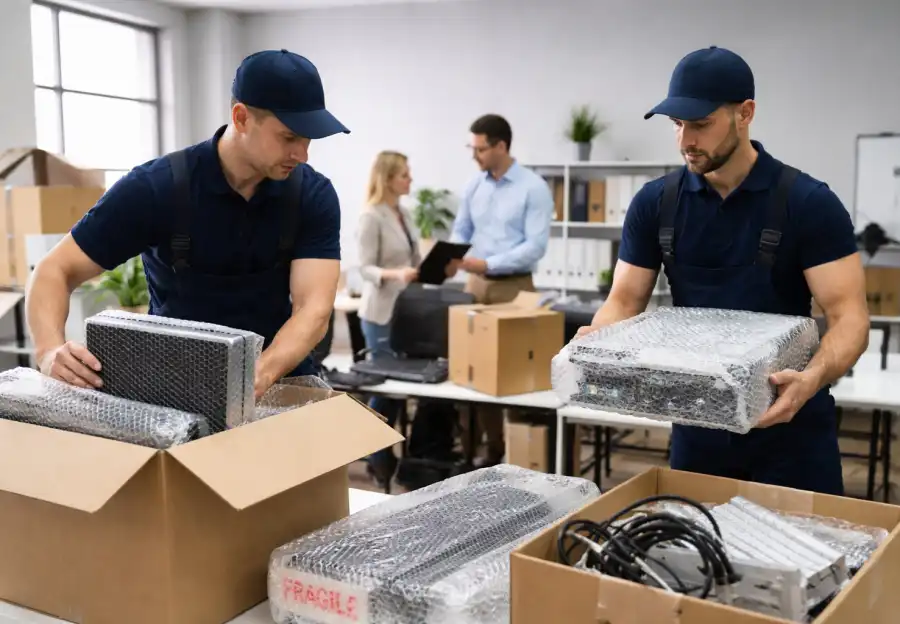
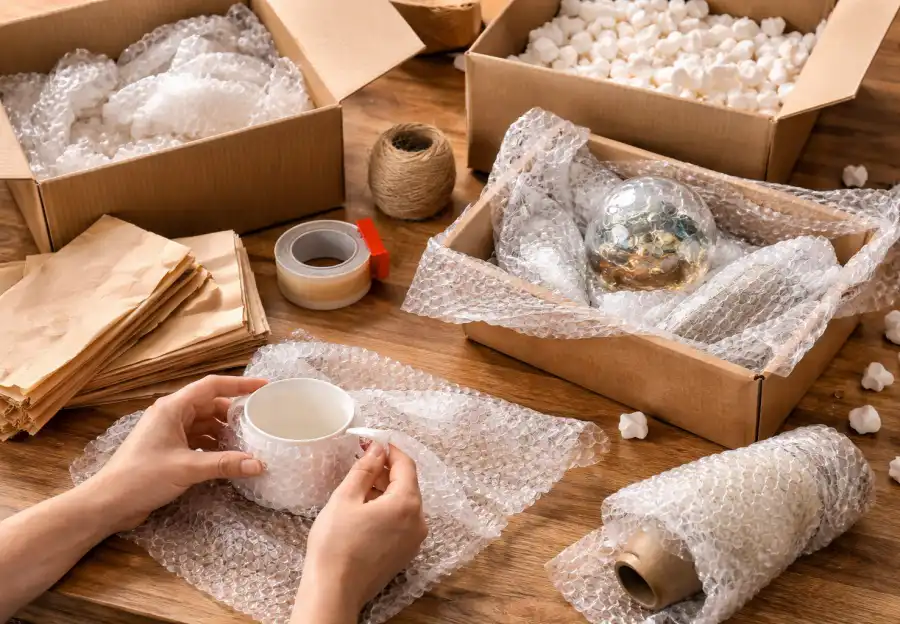
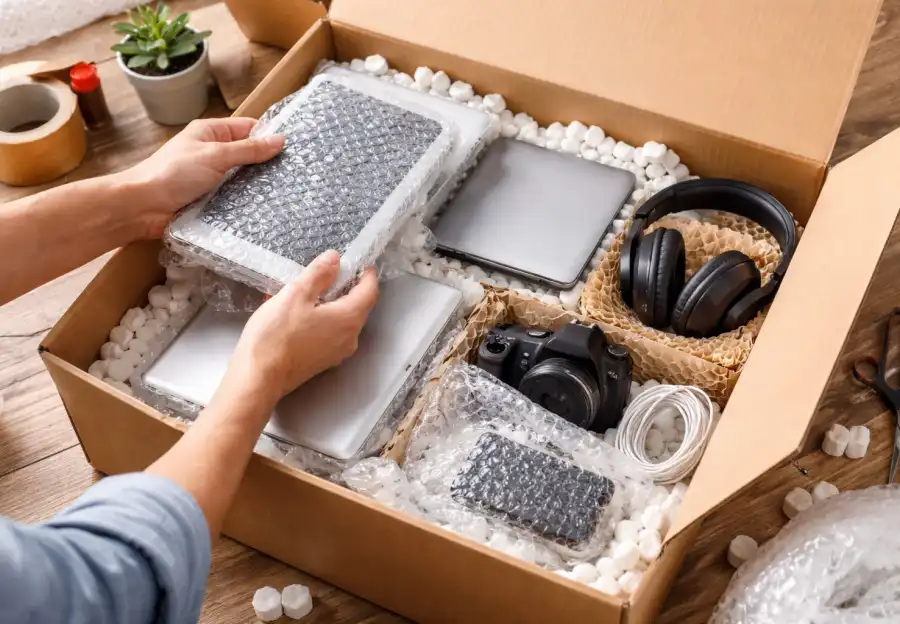
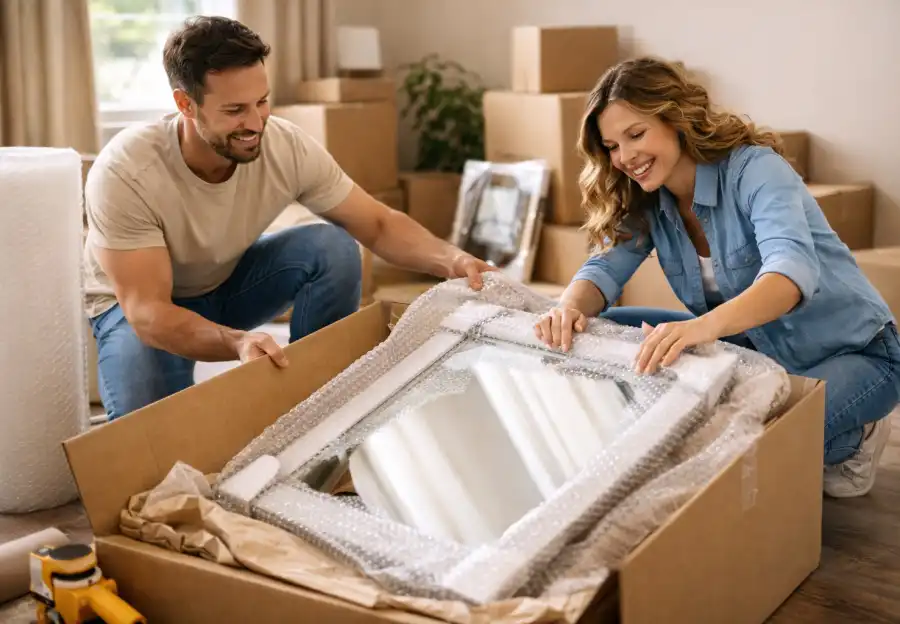
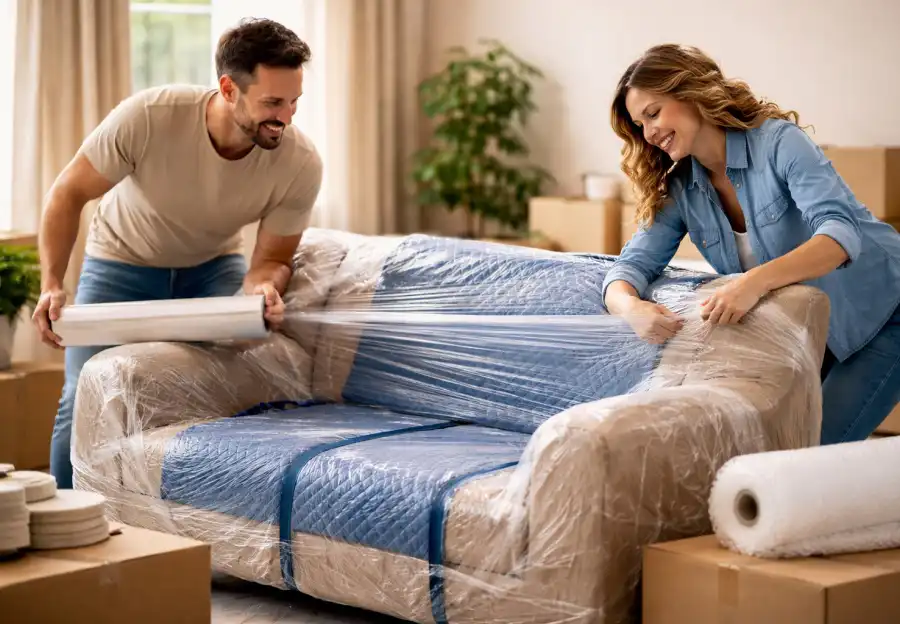
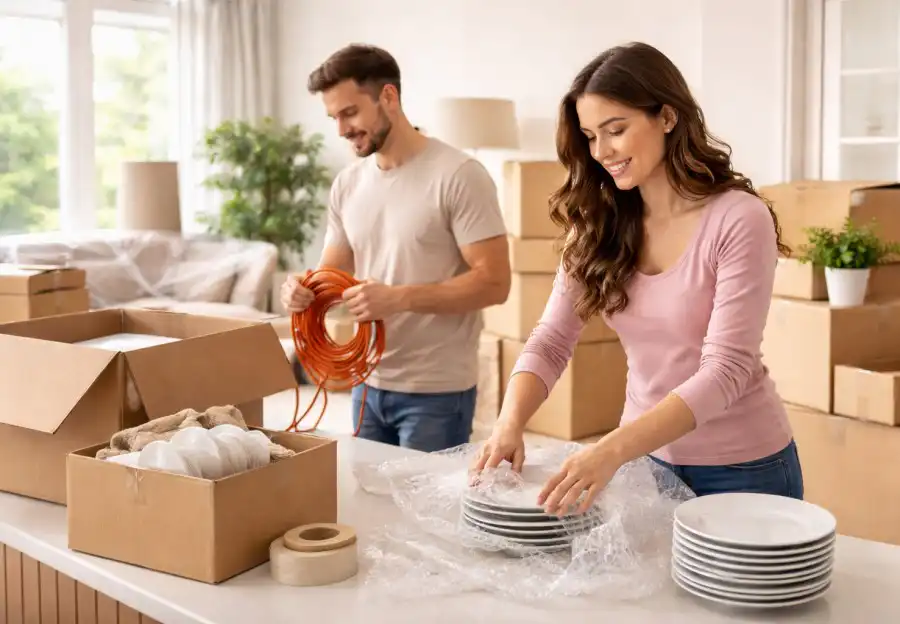
Protective measures during transit are equally important. Wrapping furniture in thick moving blankets, bubble wrap, or shrink wrap provides a buffer against bumps, scratches, and impacts during loading and unloading. Securing items properly in the moving truck with straps, ropes, or bungee cords prevents shifting during transportation, which is a common cause of damage. Paying attention to the orientation of furniture—ensuring that items are not tilted, stacked improperly, or placed under heavy objects—further safeguards valuable pieces. Maintaining a climate-controlled environment during transit can also be beneficial for wooden or antique furniture, as extreme temperatures or humidity can cause warping, cracking, or other damage.
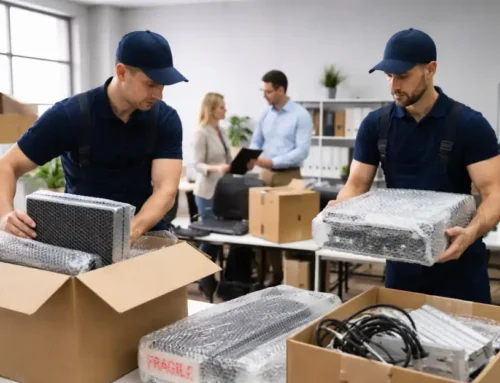
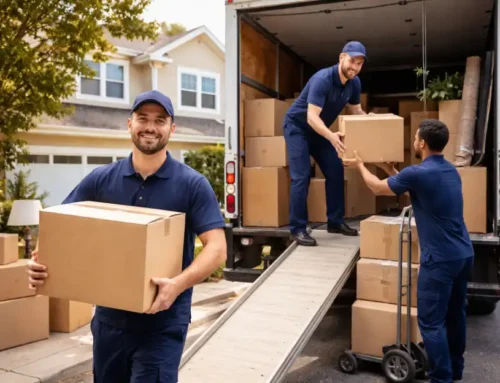
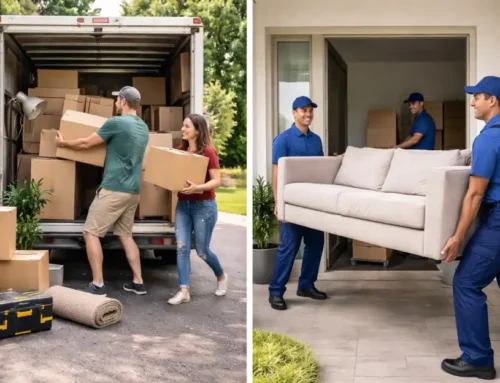
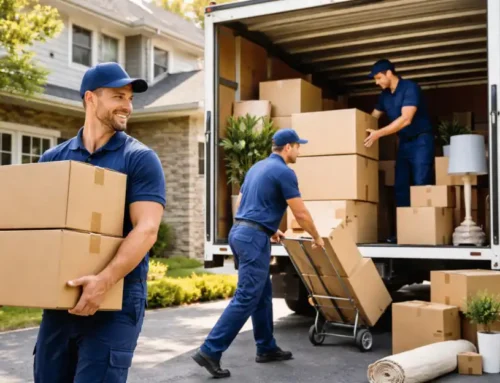
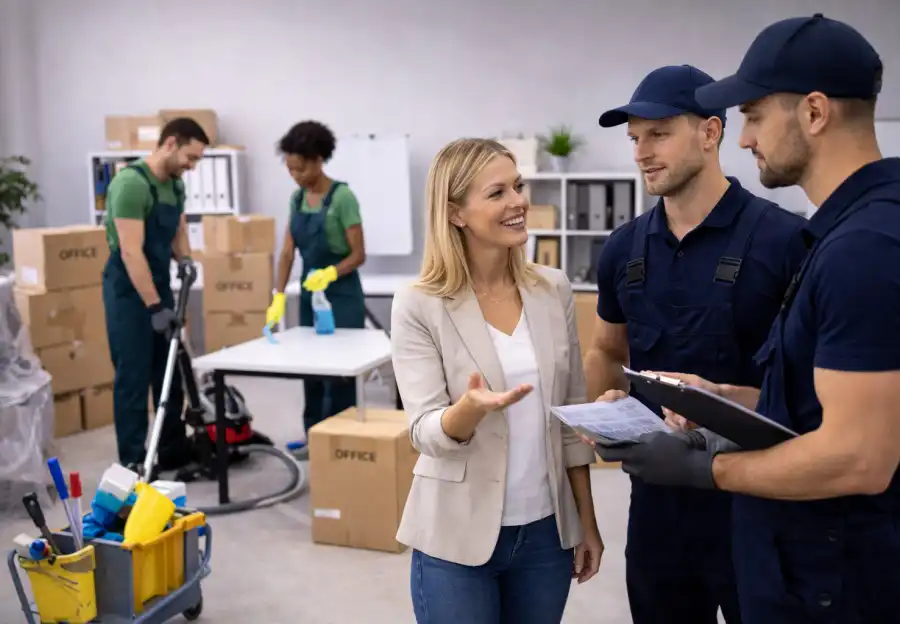
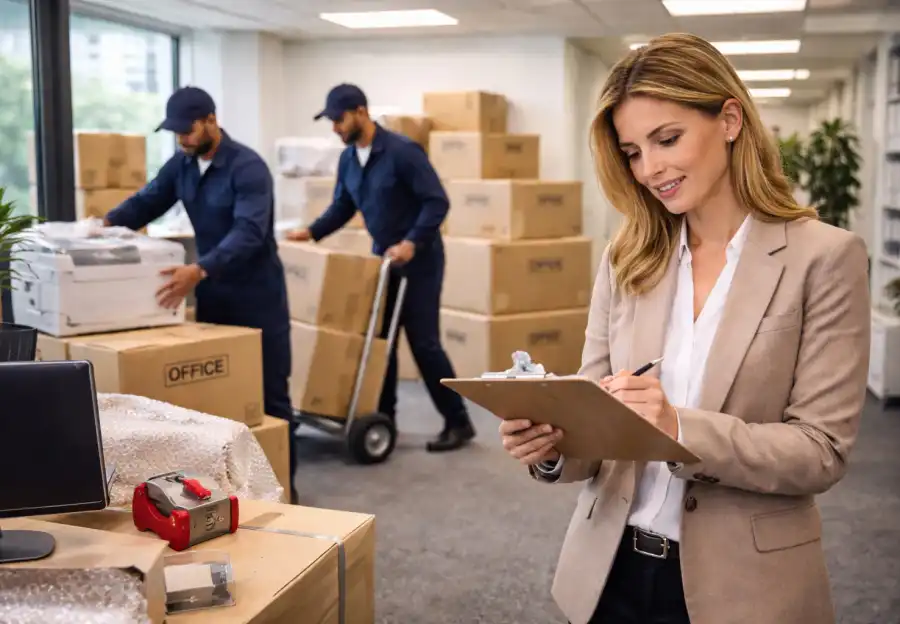
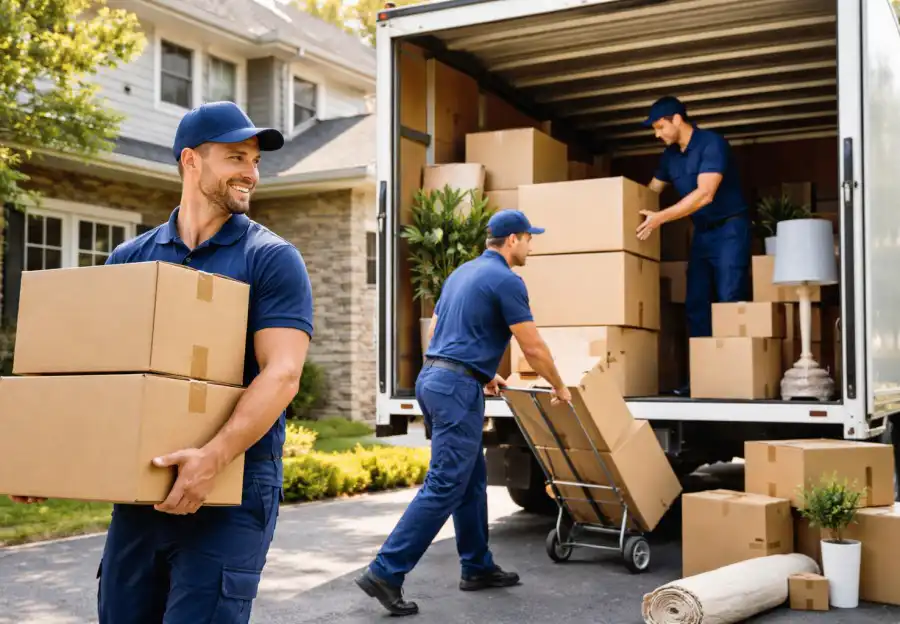
Engaging professional movers who specialize in handling expensive or fragile furniture is another effective approach. Experienced movers have the training, equipment, and expertise to transport valuable items safely and efficiently. They understand how to navigate difficult spaces, lift heavy objects correctly, and implement protective measures that minimize risk. If hiring professionals is not an option, coordinating with friends or family who are physically capable and organized can serve as an alternative, provided proper planning and safety precautions are followed.
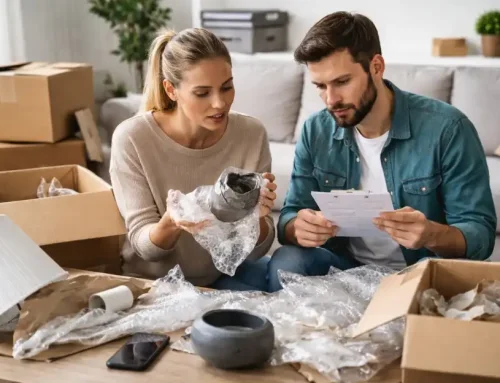
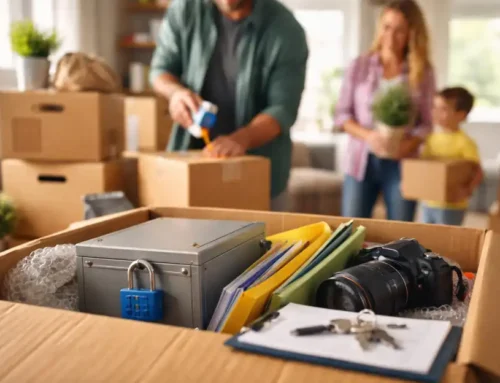
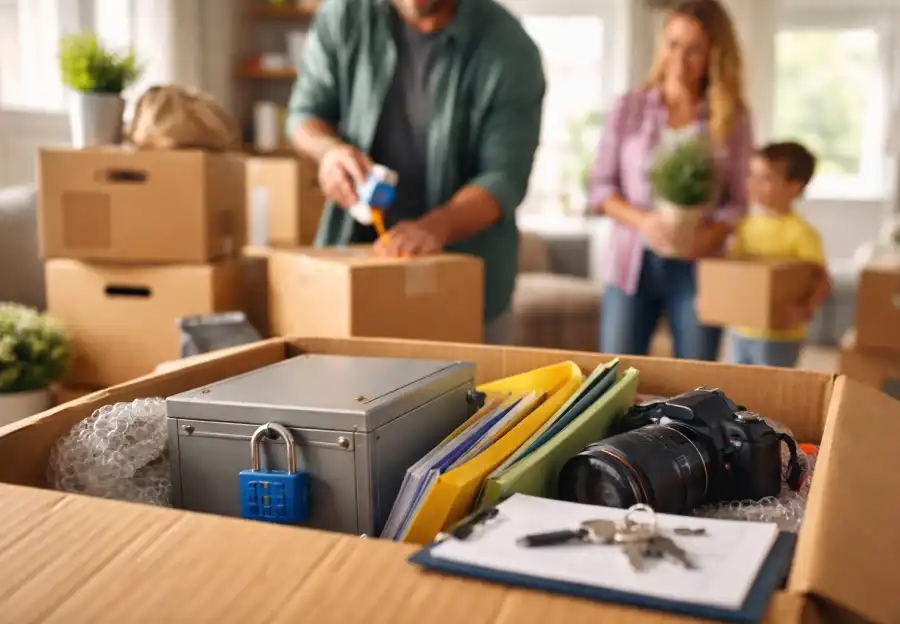
Attention to insurance and documentation adds another layer of security. Verifying that the moving company offers coverage for high-value items protects against potential financial loss in case of accidents. Photographing or cataloging each piece before moving provides evidence of the item’s condition, which is useful for insurance claims or personal records. This practice adds a psychological layer of reassurance, as individuals can confidently manage their valuable possessions knowing there is accountability and recourse in the event of unforeseen circumstances.
Finally, moving expensive furniture safely teaches skills that extend beyond relocation. Individuals develop a disciplined approach to planning, prioritization, and risk management. They learn to assess potential hazards, communicate effectively with helpers, and implement strategies that reduce stress and physical strain. Mastering these techniques not only ensures the protection of high-value furniture but also fosters transferable skills applicable to daily life, including organization, problem-solving, and efficient task execution. By approaching the task systematically—from preparation to transit and final placement—individuals can achieve a move that is both safe and stress-free, preserving both valuable possessions and their own well-being throughout the process.