May 6, 2026
How to Move in Extreme Heat
Moving in extreme heat presents a unique set of challenges that requires careful planning, strategic decision-making, and heightened attention to safety, efficiency, and preservation of belongings. Unlike general moving advice, understanding how to move in extreme heat focuses on the specific nuances of high-temperature conditions, including physical strain on movers, potential heat-related health risks, and the protection of possessions vulnerable to temperature damage. Many individuals underestimate the impact that hot weather can have on time management, energy levels, and overall logistics, which makes a structured and well-thought-out approach essential. By planning meticulously, movers can anticipate challenges, reduce stress, and maintain control over the process, even under difficult environmental conditions.
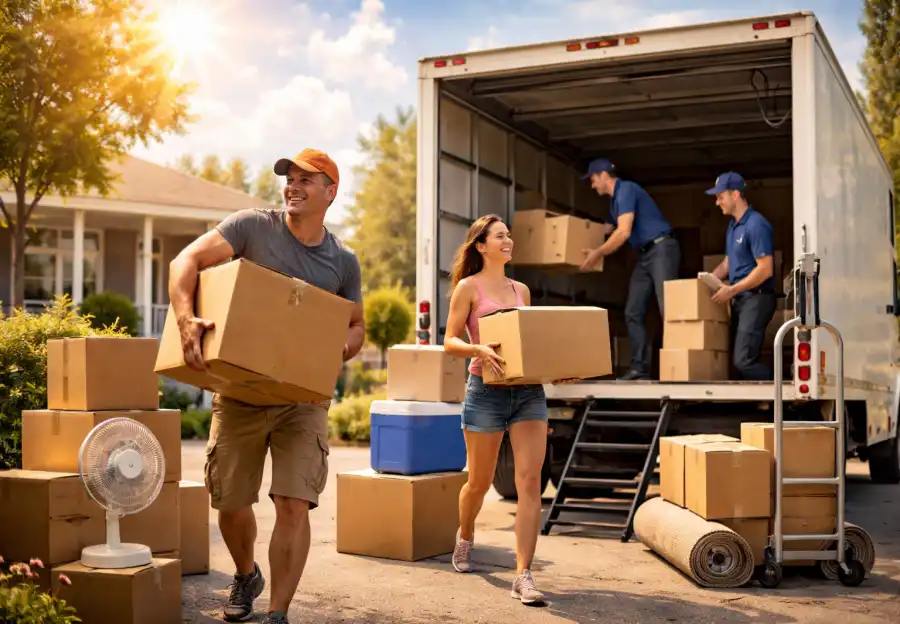
One of the first considerations when moving in extreme heat is scheduling and timing. Avoiding the hottest parts of the day is critical to minimizing heat exposure for both movers and belongings. Early mornings or late evenings often provide cooler temperatures, reducing the risk of heat exhaustion, dehydration, and sunburn. Breaking the moving day into manageable shifts, with planned breaks in shaded or air-conditioned spaces, allows for proper rest and hydration. Ensuring that water, electrolyte drinks, and healthy snacks are readily available supports physical stamina and prevents fatigue, making the move safer and more efficient. Strategic timing also helps prevent damage to temperature-sensitive items such as electronics, perishable goods, and delicate furniture.
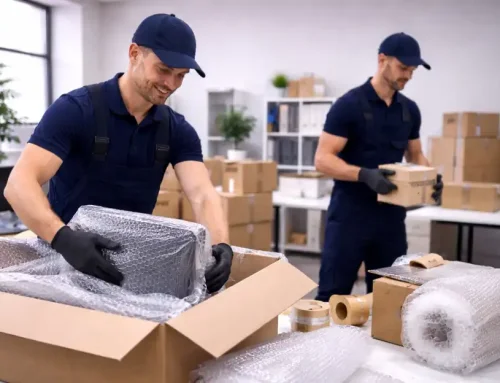
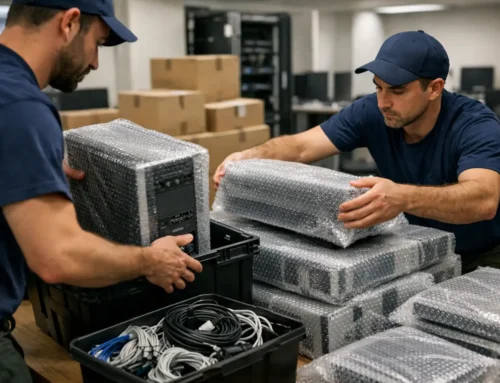
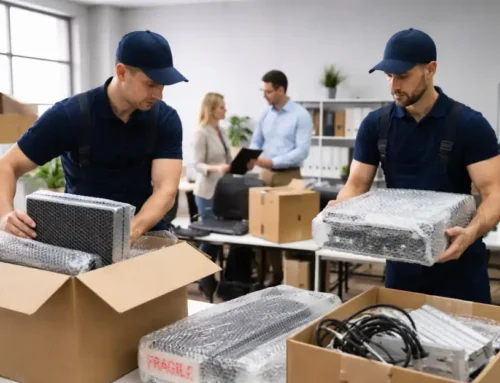
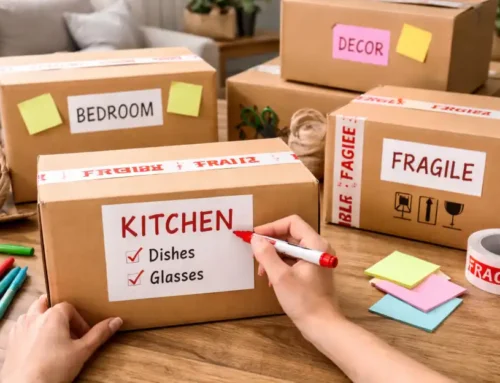
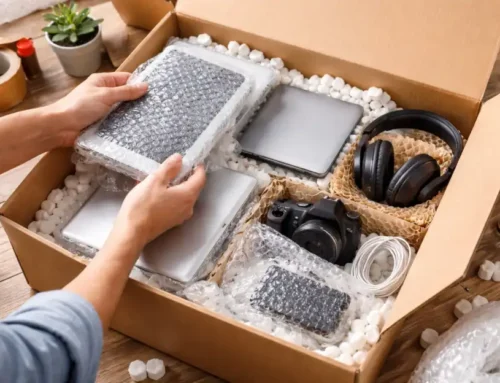
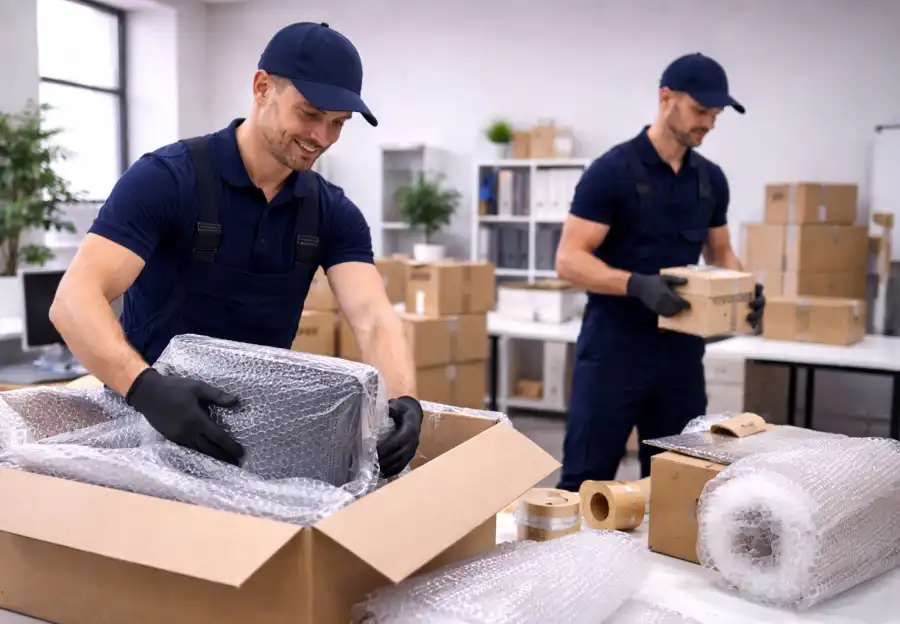
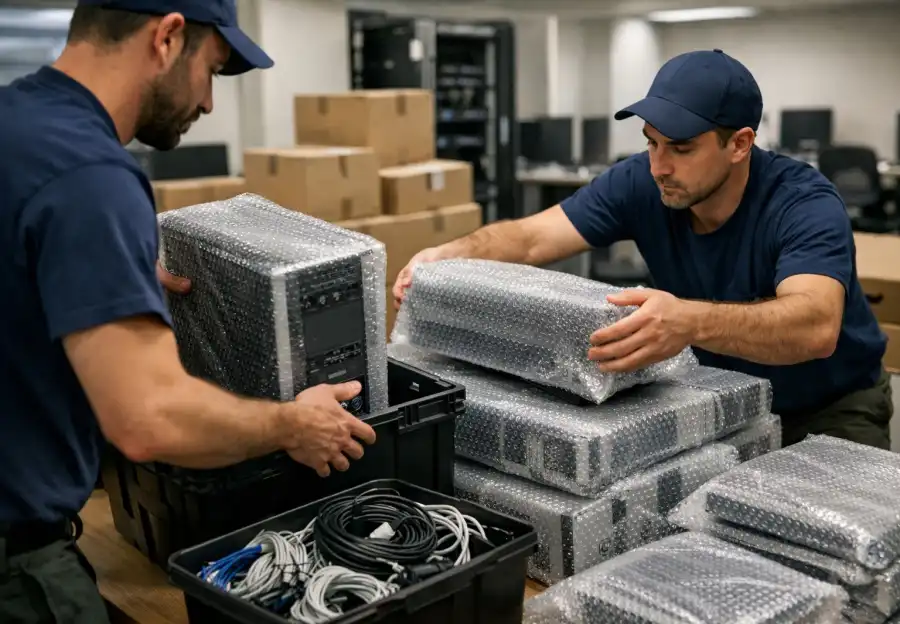
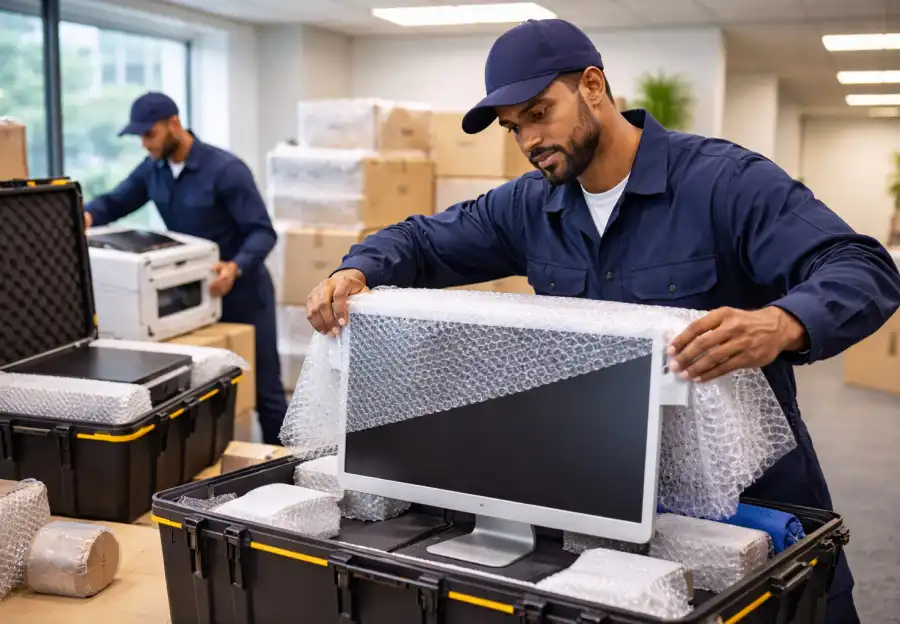
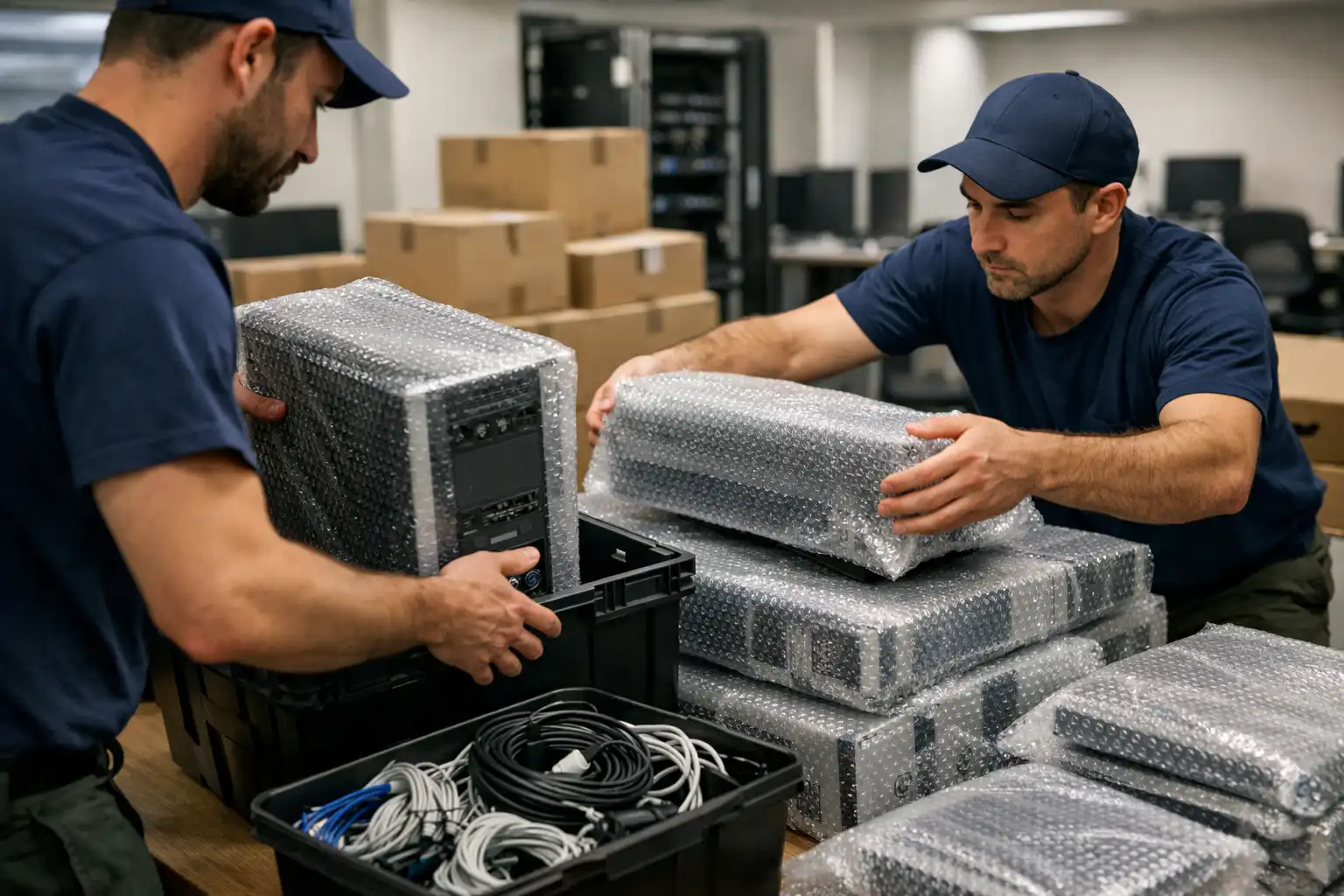
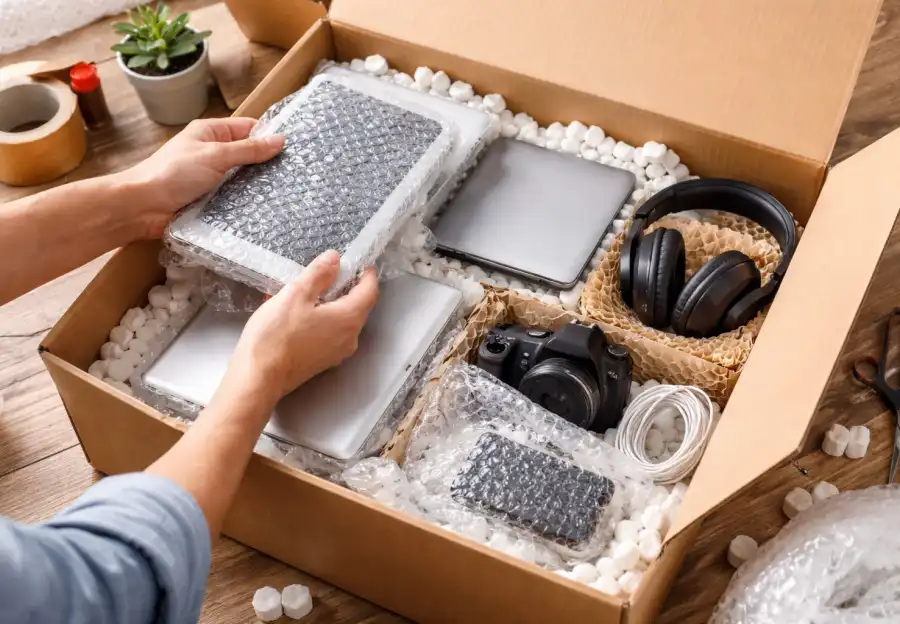
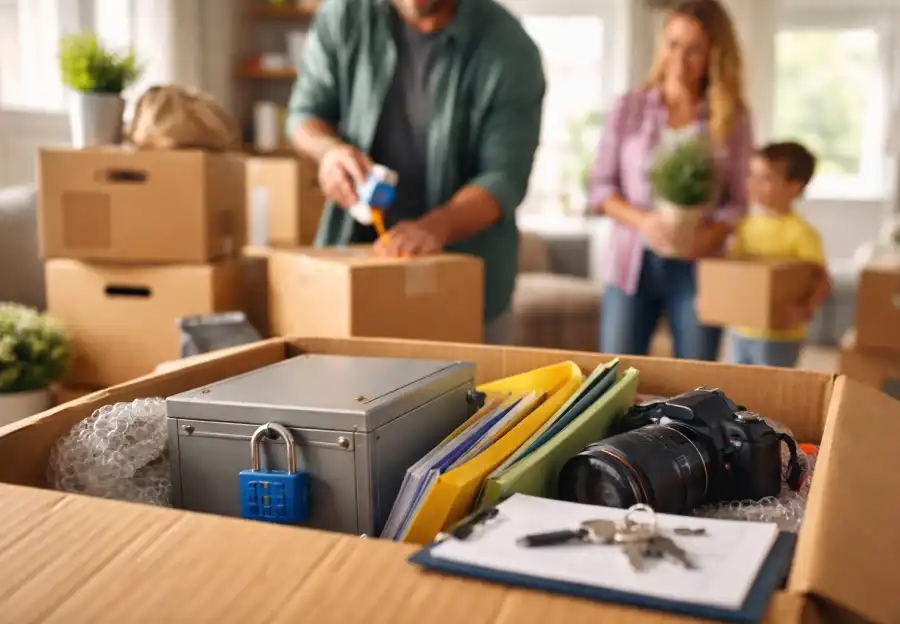
Protecting possessions from heat-related damage is another key aspect of preparation. Items made of plastic, vinyl, leather, or electronics can warp, melt, or become brittle in high temperatures. Using insulated boxes, thermal blankets, or moisture-resistant covers helps safeguard these belongings during transit. Additionally, packing items in smaller, manageable loads ensures that heavy boxes are not left in a hot truck for extended periods, reducing the risk of heat-induced warping or breakdown. Labeling boxes clearly and prioritizing the transportation of temperature-sensitive items allows movers to unload them first, minimizing exposure to extreme heat at both the origin and destination.
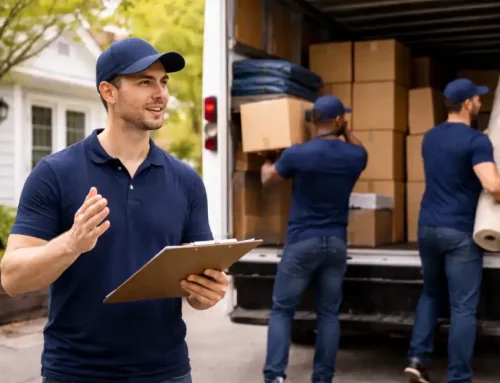
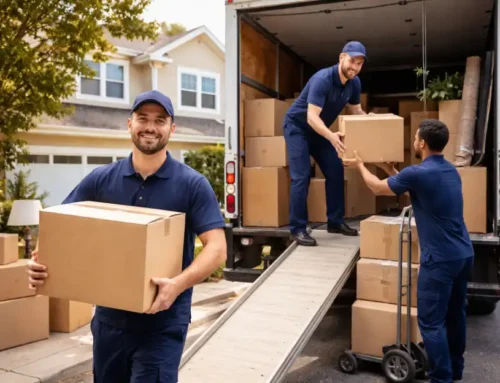
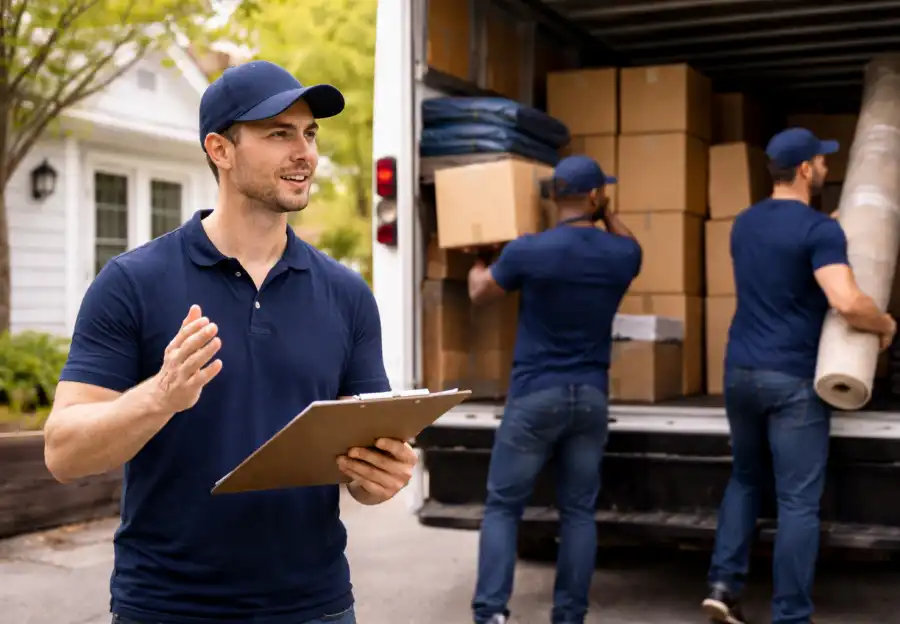
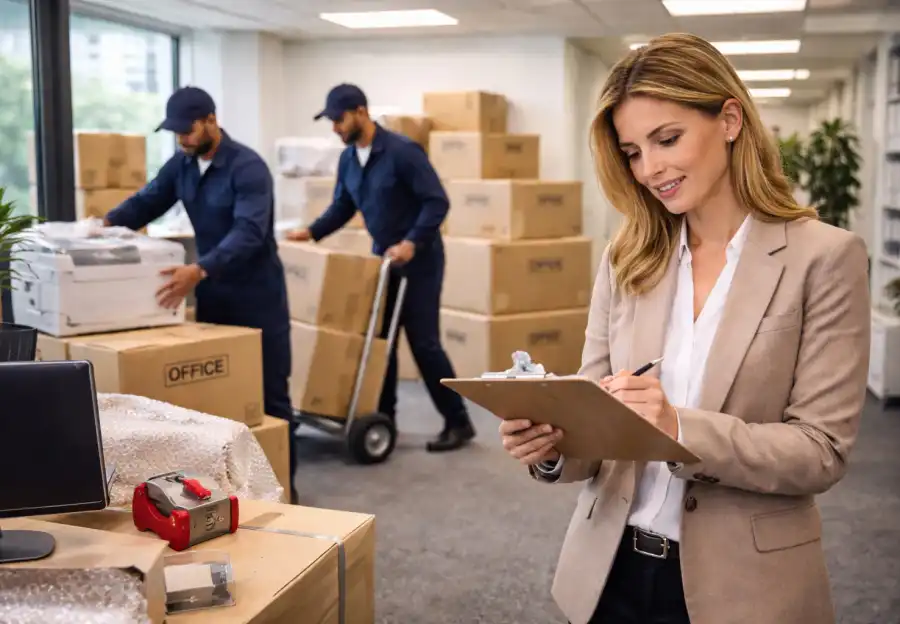
Efficient coordination and communication are particularly important during hot-weather moves. Movers, family members, or hired professionals must be aware of the plan for breaks, hydration, and handling delicate items. Clear instructions regarding which items to transport first, how to navigate loading paths, and how to avoid prolonged sun exposure prevent confusion and reduce the likelihood of accidents. Additionally, coordinating with moving companies to confirm truck air-conditioning, shaded parking, or timely arrival supports smoother execution under extreme conditions. A well-organized approach ensures that all participants maintain energy levels and work effectively throughout the day.
Time management and workload distribution also play a significant role in moving during extreme heat. High temperatures can slow down physical labor, making it important to allocate additional time for each step of the move. Planning for staggered loading and unloading helps prevent overcrowding, reduces stress, and allows movers to work at a sustainable pace. Breaking down tasks into smaller, achievable segments minimizes overexertion, prevents heat-related injuries, and increases overall efficiency. Incorporating flexibility in the timeline is critical, as sudden spikes in temperature or unexpected delays may require adjusting the pace or order of tasks.
Health and safety considerations are paramount. Wearing light, breathable clothing, applying sunscreen, and using hats or protective gear help prevent sunburn and overheating. Movers should be encouraged to take frequent water breaks and to recognize early signs of heat exhaustion, including dizziness, nausea, or excessive fatigue. Proper footwear with good traction ensures stability while carrying heavy loads, especially if surfaces are hot or uneven. By prioritizing physical safety and adopting ergonomic lifting techniques, individuals reduce the risk of injury and maintain their capacity to work effectively throughout the move.
Financial planning is also impacted by extreme heat. Additional costs may arise from the need for specialized packaging materials, temperature-controlled transportation, or hiring professional movers experienced in handling hot-weather relocations. Budgeting for these contingencies ensures that the move remains manageable and cost-effective. Reducing the volume of items, decluttering before the move, and transporting essentials first can help control expenses while also improving efficiency and safety. Thoughtful preparation for these financial considerations prevents last-minute surprises and ensures a smooth moving experience.
Finally, mastering the logistics of moving in extreme heat provides transferable skills that extend beyond relocation. The ability to plan around environmental conditions, prioritize essential tasks, manage energy, and coordinate a team efficiently strengthens general organizational skills, improves problem-solving under pressure, and fosters adaptability. Applying these lessons to everyday activities promotes better planning habits and a stronger sense of environmental and personal responsibility. By approaching a move in extreme heat with strategic preparation, careful coordination, and attention to safety, individuals ensure that both their possessions and themselves remain protected, making the relocation process smoother, safer, and more controlled.