March 15, 2026
How to Coordinate Movers and Cleaning Crews
Coordinating movers and cleaning crews effectively requires careful planning, clear communication, and precise scheduling to ensure that relocations or office transitions proceed smoothly and efficiently. A successful move depends on task prioritization, resource management, and proactive oversight, which collectively minimize downtime, maintain operational continuity, protect assets, enhance employee satisfaction, and present a polished environment for clients and staff. Integrating multiple components—such as timeline development, team responsibilities, workflow synchronization, risk management, logistics planning, equipment allocation, quality control, and contingency measures—creates a seamless approach that addresses every aspect of the move and cleaning process.
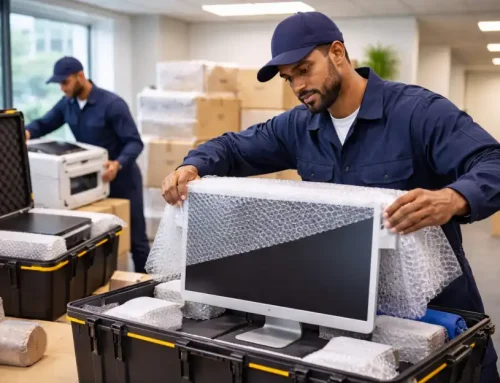
The first step in coordination is developing a comprehensive project plan outlining the scope, objectives, and specific requirements for both movers and cleaning crews. This plan should identify the items to be moved, areas to be cleaned, special handling instructions for fragile or sensitive materials, and the expected condition of the space upon completion. Establishing clear expectations provides a framework for both teams and ensures alignment with performance and timeline goals. A detailed timeline is essential to avoid conflicts, allowing movers to transport furniture, equipment, and boxes without interference while cleaning crews prepare areas for packing and complete final touch-ups after items are removed. Including time buffers accounts for unforeseen delays, additional cleaning requirements, or logistical challenges, keeping operations on track.
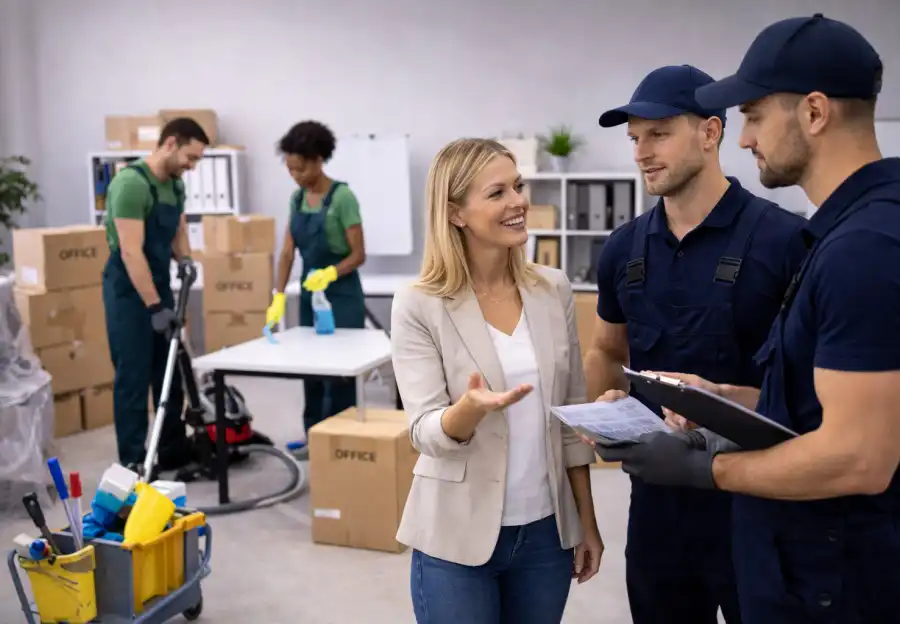
Assigning clear responsibilities and points of contact improves accountability and communication. Designated supervisors for both movers and cleaning crews streamline interactions with management and stakeholders, facilitate rapid problem-solving, and monitor adherence to the plan. These supervisors act as liaisons, ensuring priorities are understood, progress is tracked, and adjustments are made in real time. Workflow synchronization is also critical; teams need to understand the sequence of tasks, such as which rooms are cleared first, which items remain accessible during cleaning, and which steps must occur sequentially. Proper synchronization minimizes idle time, prevents disruptions, and allows teams to operate simultaneously without compromising safety or quality.
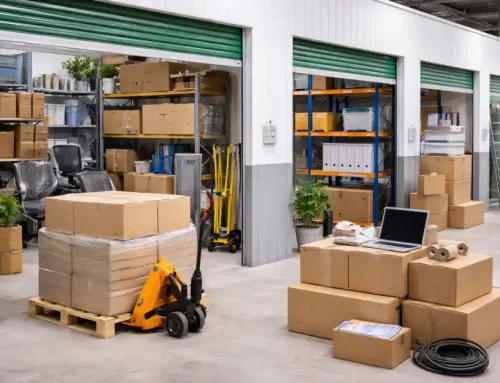
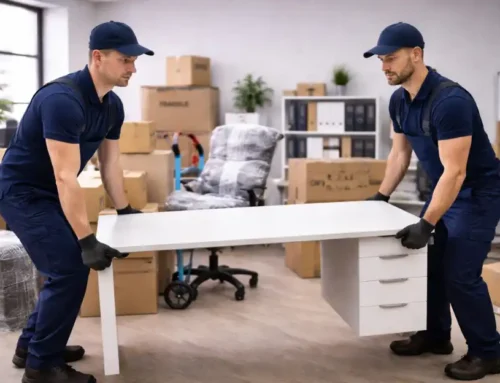
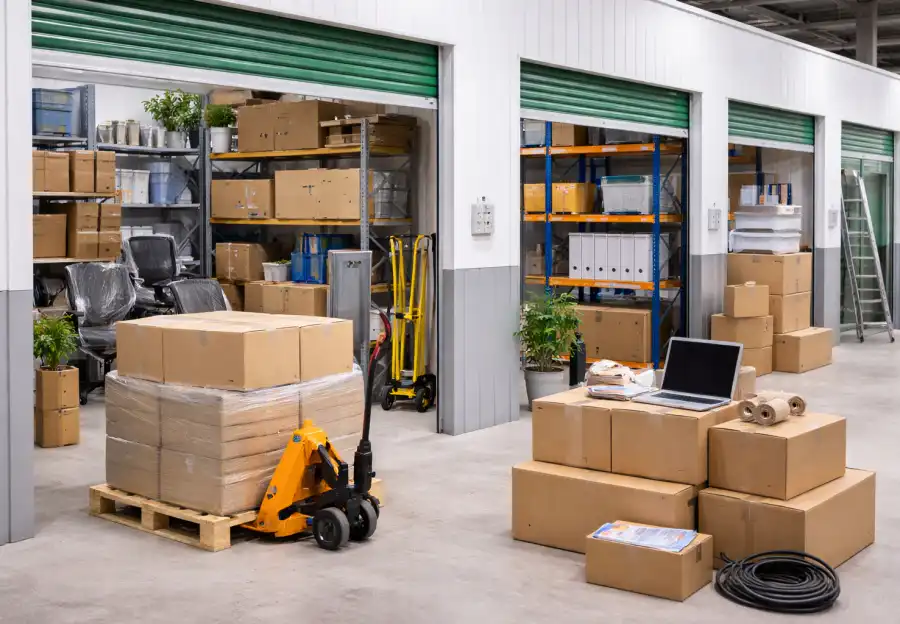
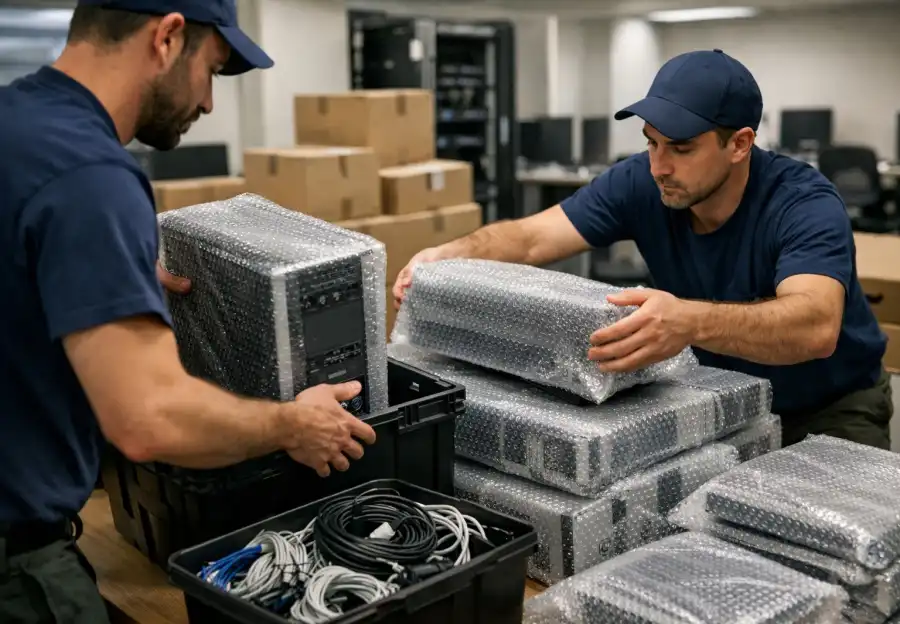
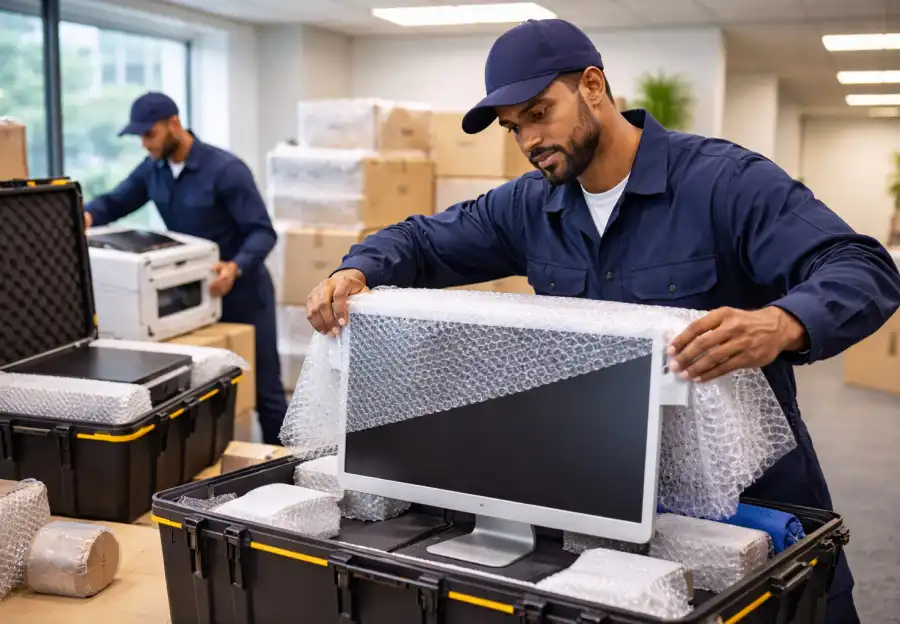
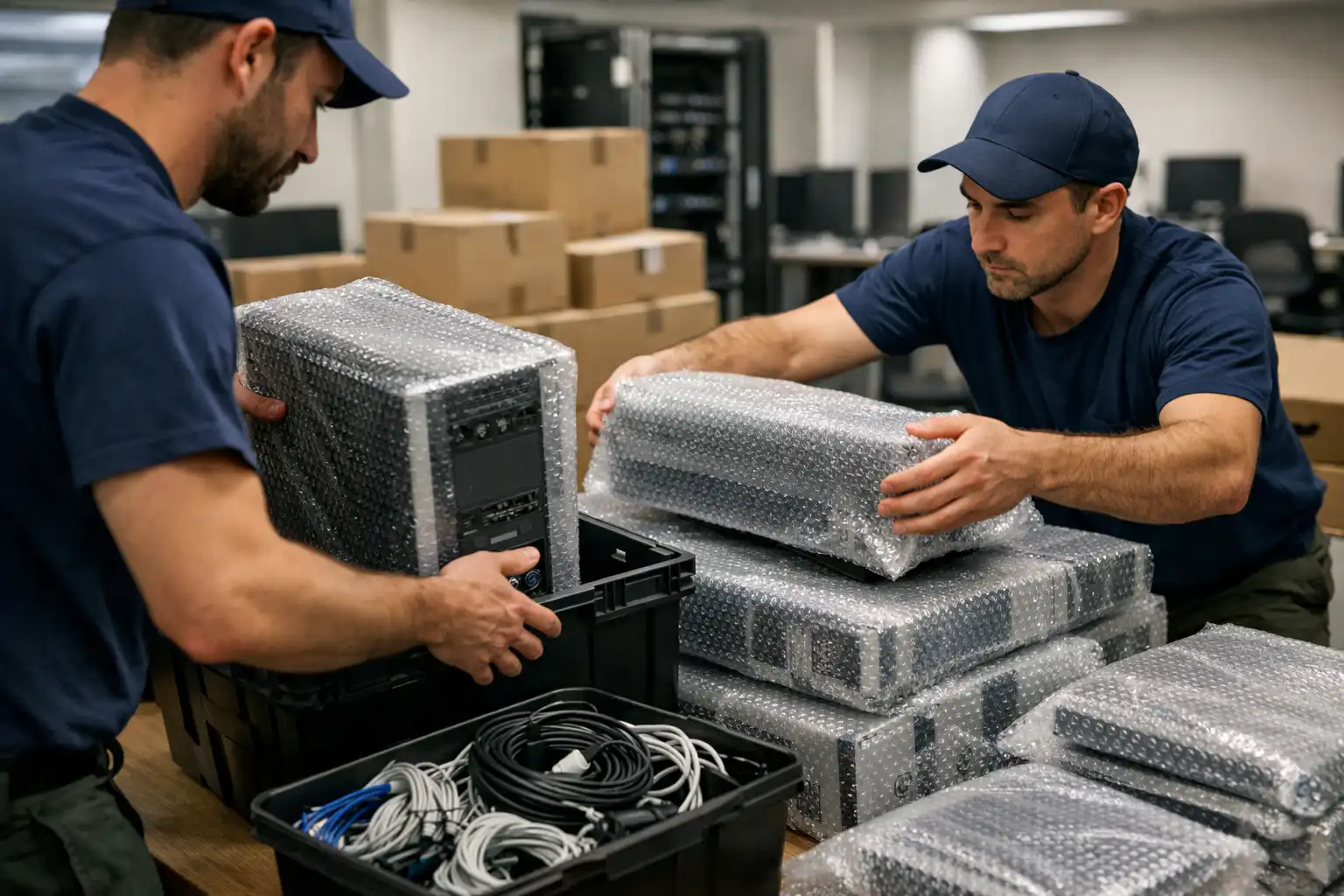
Effective communication protocols are essential for smooth coordination. Regular check-ins, progress updates, and real-time alerts keep both teams informed about changes, delays, or special instructions. Tools such as mobile communication devices, walkie-talkies, or project management software centralize information, reduce miscommunication, and ensure that all team members are aware of expectations and adjustments. Resource and equipment allocation should be planned in advance to prevent conflicts. Movers require dollies, lifts, moving blankets, crates, and transport vehicles, while cleaning crews need vacuums, mops, buckets, and protective gear. Scheduling shared resources, designating storage areas, and ensuring availability of materials prevents delays and maintains workflow continuity.
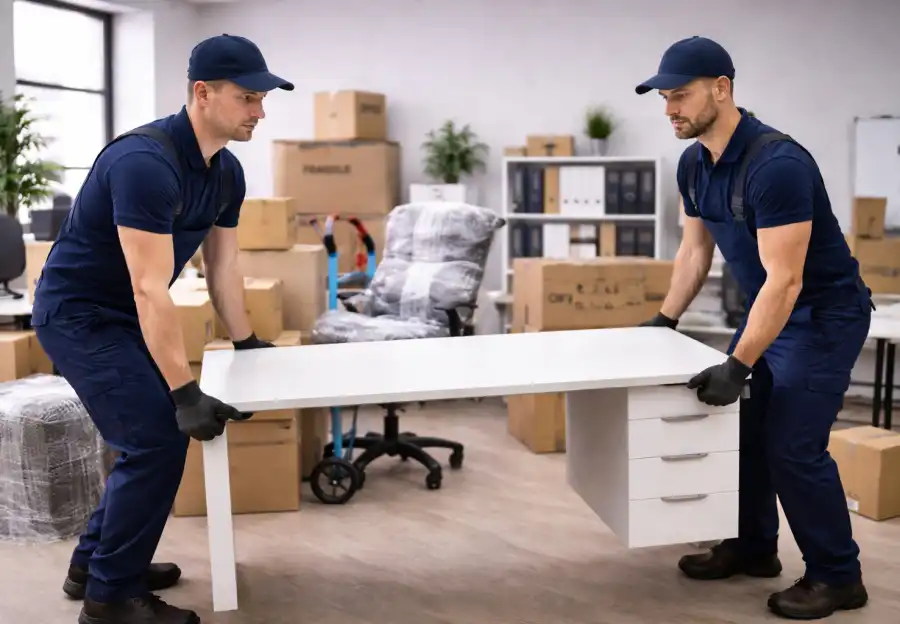
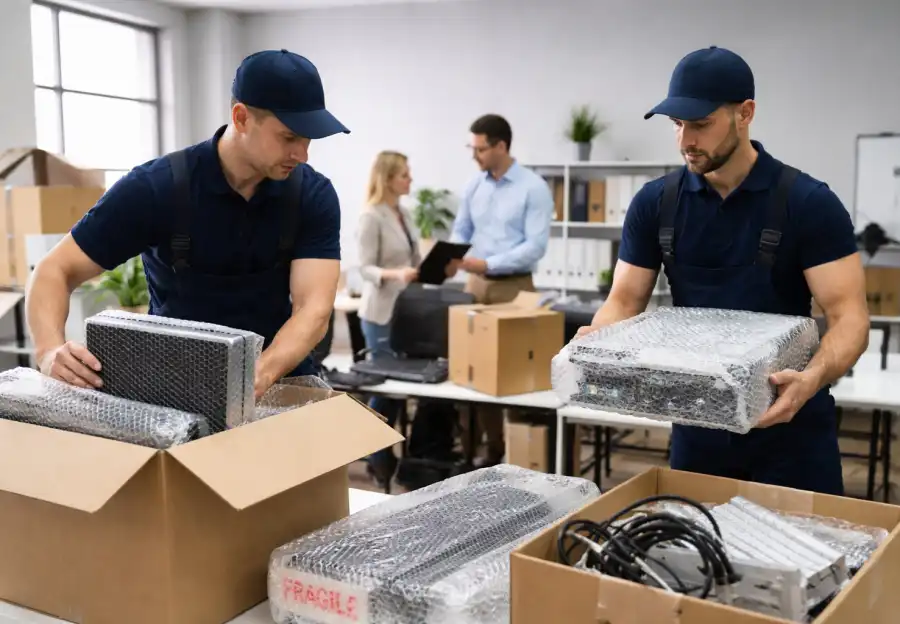
Safety considerations must be integrated into the coordination plan. Clear pathways, designated work zones, and the use of personal protective equipment help reduce accidents, collisions, and damage to items or property. Task prioritization further enhances efficiency. Movers should focus on high-value, fragile, or bulky items first, while cleaning crews should prioritize pre-move preparation in areas that will be vacated earliest and post-move finishing touches where furniture has already been relocated. Structured prioritization ensures that efforts are directed where they are most needed, maintaining functionality and presentation throughout the move.
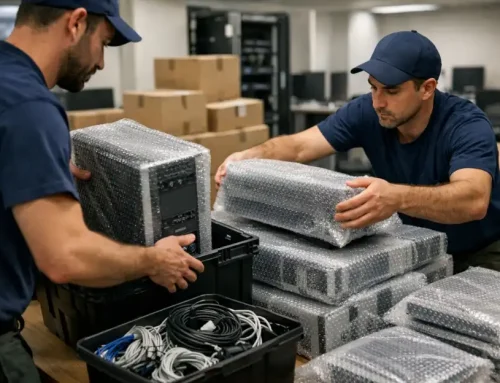
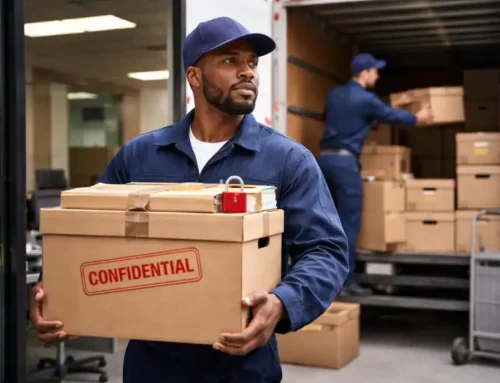
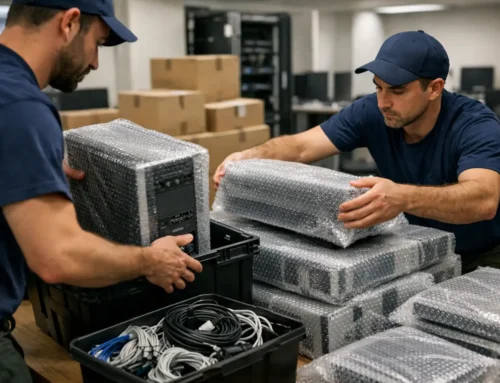
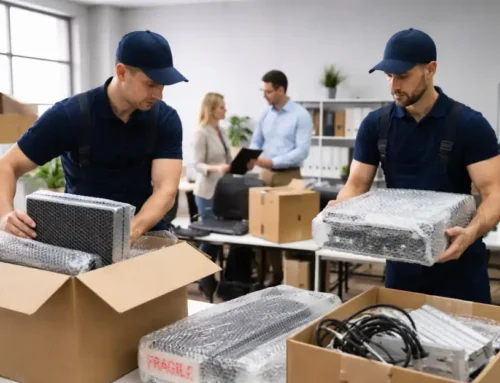
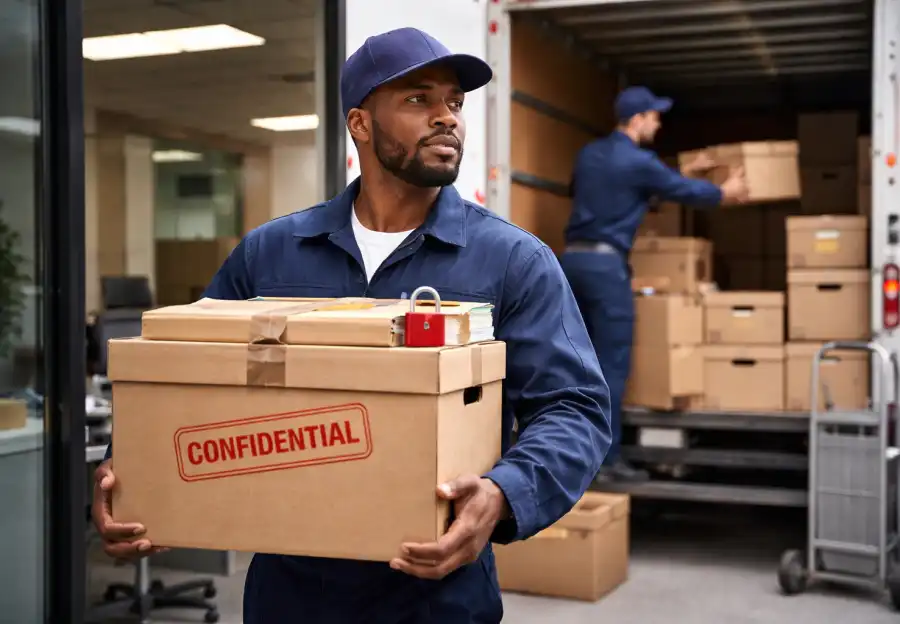
Contingency planning allows both movers and cleaning crews to adapt to unexpected challenges, such as delayed deliveries, equipment malfunctions, or additional cleaning tasks. Backup personnel, flexible schedules, alternative equipment, and clear escalation protocols help teams respond without operational disruption. Inventory management and documentation provide accountability, track progress, and facilitate post-move setup. Labeling boxes, documenting the condition of items, and recording cleaned areas create a reliable reference and support transparency with management and stakeholders.
Technology integration improves coordination by enabling shared calendars, digital checklists, and project management dashboards. Teams can visualize progress, track task completion, and communicate updates efficiently, reducing errors and duplication of effort. Coordination with vendors and stakeholders, including utility providers, contractors, or building management, ensures smooth access, prevents conflicts, and avoids delays. Quality control measures, such as inspections and progress reviews, help maintain high standards and allow immediate correction of issues, guaranteeing that moved items are intact and spaces are presentable.
Employee engagement and morale are critical for productivity and safety. Keeping movers and cleaning crews informed, motivated, and supported encourages teamwork and maintains efficiency, especially during physically demanding schedules. Budget monitoring ensures that labor costs, equipment rentals, cleaning supplies, and overtime remain within limits, while sustainability practices, such as proper waste disposal and eco-friendly cleaning, reduce environmental impact. Flexible scheduling, particularly for multi-day or phased moves, prevents congestion and maximizes team productivity. Strict adherence to health and safety protocols—including proper lifting techniques, ventilation during cleaning, and safe handling of chemicals—protects employees and property.
Post-move evaluation and debriefing provide opportunities for continuous improvement. Reviewing team performance, analyzing efficiency, identifying challenges, and gathering feedback streamlines future moves and strengthens operational procedures. Documentation of inventory, cleaning checklists, condition reports, and task logs ensures accountability, supports insurance claims, and creates a reference for future planning. Transparent communication with employees and clients throughout the move maintains trust, sets expectations, and minimizes operational disruptions.
In summary, effective coordination of movers and cleaning crews involves detailed project planning, clear timelines, assigned responsibilities, workflow synchronization, strong communication, resource management, task prioritization, safety measures, contingency planning, inventory tracking, technology utilization, stakeholder coordination, quality control, employee engagement, budget monitoring, environmental consideration, flexible scheduling, health and safety enforcement, and post-move evaluation. Implementing these strategies ensures that both teams operate efficiently, safely, and harmoniously, protecting assets, minimizing downtime, maintaining a clean and organized environment, supporting productivity, satisfying stakeholders, and achieving a seamless and successful relocation.