
March 14, 2026
How to Audit Your Office Inventory before Moving
Auditing your office inventory before moving is a critical step in ensuring that the relocation process is efficient, organized, and minimally disruptive. Unlike general packing advice, this process requires a systematic approach to evaluating every item in the office, from furniture and equipment to documents and supplies. Conducting a thorough inventory audit allows individuals to understand what is essential, what can be discarded or donated, and how items should be categorized, packed, and transported. This process not only reduces stress on moving day but also provides a foundation for establishing order in the new office environment.
The first step in auditing office inventory is planning and preparation. Establishing a clear workflow for how the audit will be conducted is essential to avoid confusion or oversight. This includes determining which areas of the office will be assessed first, identifying team members responsible for specific tasks, and creating a timeline for the completion of the audit. Using checklists, spreadsheets, or inventory management software can facilitate documentation, allowing individuals to record quantities, conditions, and storage requirements for each item. Early planning ensures that no critical items are overlooked and provides a visual map of the office’s assets, which aids in logistical decision-making during the move.
Sorting and categorizing items is the next critical component of an inventory audit. Office contents can be grouped into categories such as furniture, technology, stationery, documents, and personal items. Each category should be examined carefully to determine the necessity and condition of items. For example, outdated electronics may need to be recycled, old documents may require secure disposal, and surplus office supplies can be donated or repurposed. Categorization not only streamlines packing but also reduces the volume of materials that need to be moved, minimizing both labor and transportation costs. Additionally, creating a priority list within each category ensures that essential items are packed first and handled with appropriate care.
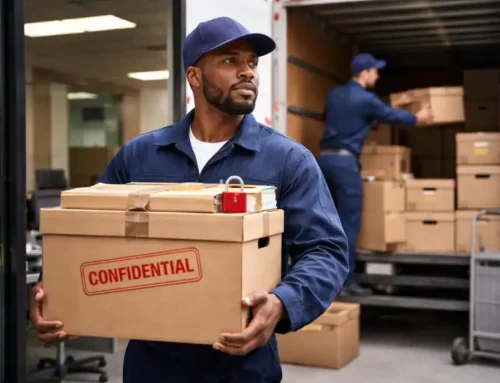
Document management is a particularly important aspect of auditing office inventory. Offices often contain large volumes of physical files, contracts, and records that require careful organization. During the audit, documents should be reviewed for relevance, duplication, and compliance with retention policies. Sensitive or confidential materials should be flagged for secure handling and transport. Digitizing files where possible not only reduces physical storage needs but also enhances accessibility in the new office. Establishing a clear labeling and indexing system during the audit facilitates both packing and unpacking, ensuring that critical documents are not lost or misplaced.
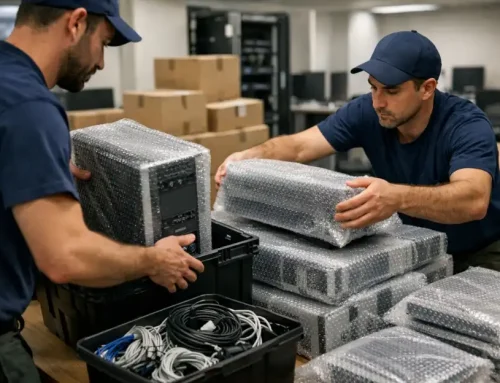
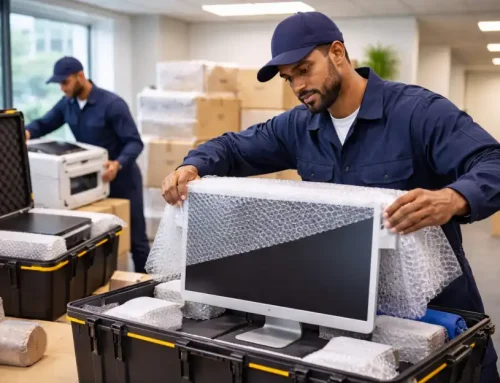
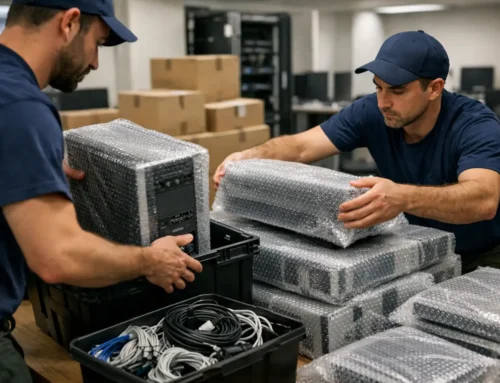
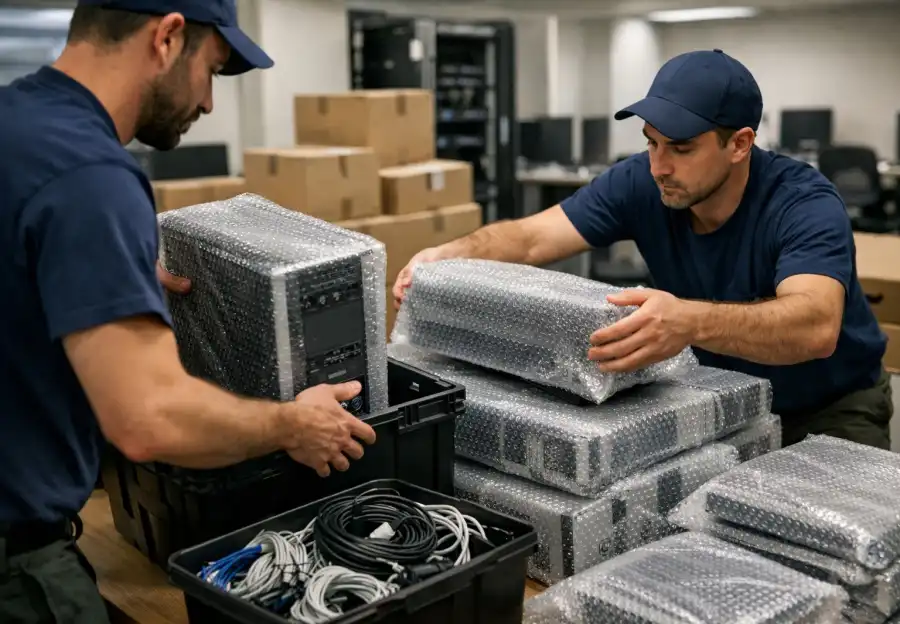
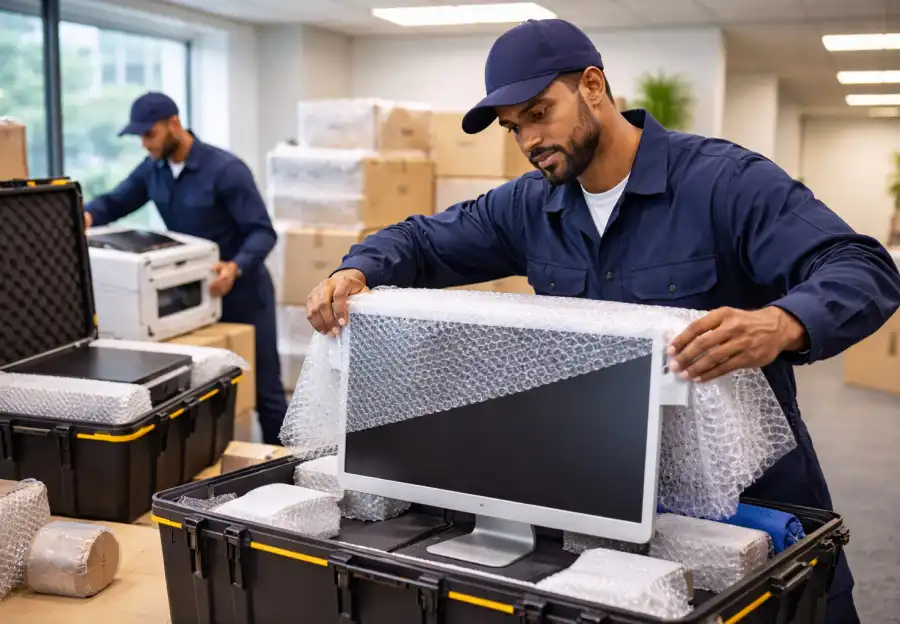
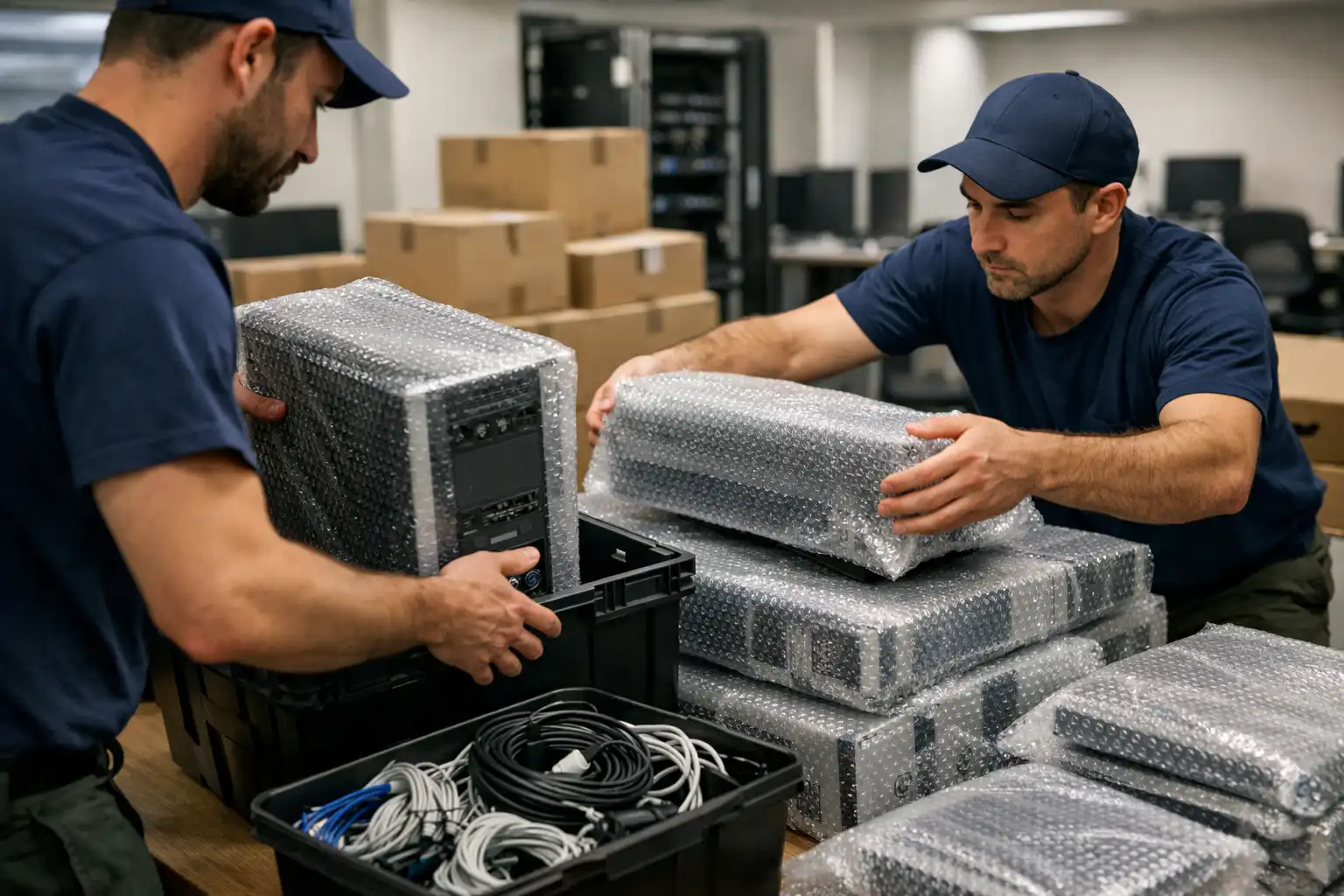
Technology and electronic equipment require special attention during an inventory audit. Computers, monitors, printers, and servers must be evaluated for functionality, compatibility, and transport requirements. Proper documentation of serial numbers, warranties, and configurations can prevent potential issues during reinstallation. Additionally, securing cables, peripherals, and accessories in labeled containers prevents loss and confusion. Fragile or high-value electronics may require custom packaging or professional relocation services, which should be planned for in advance to avoid delays and potential damage.
Furniture and large office items also benefit from a detailed inventory audit. Each piece should be assessed for condition, disassembly requirements, and space allocation in the new location. Labeling components, keeping hardware in clearly marked bags, and noting the assembly order ensures that furniture can be reassembled efficiently. Items that are damaged or no longer fit the requirements of the new office should be earmarked for donation, sale, or recycling. Careful planning in this area reduces the risk of costly mistakes and helps to optimize the layout and functionality of the new workspace.
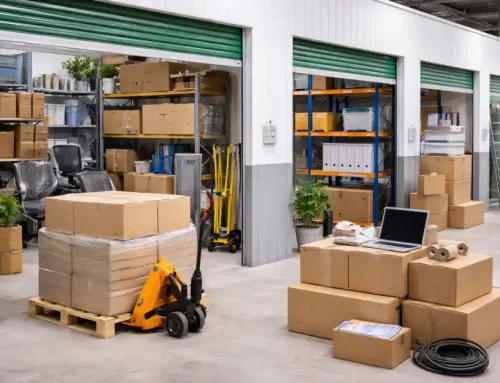
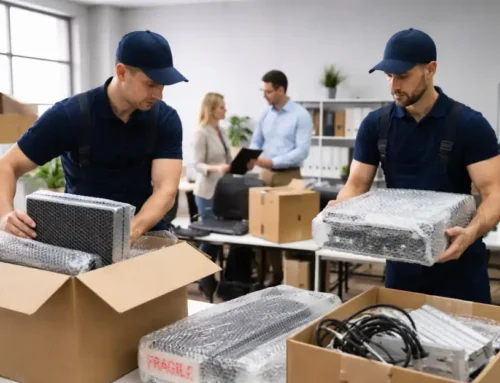
Another critical aspect of auditing office inventory is assessing storage and packing materials. Understanding what supplies—such as boxes, bubble wrap, protective padding, and labeling tools—are required for each category of items allows for efficient resource allocation. Preparing appropriate packing solutions in advance ensures that fragile or valuable items are protected during transport. This foresight reduces the likelihood of damage, minimizes waste, and contributes to a smoother, faster move.
Communication and documentation are key throughout the audit process. Maintaining accurate records of every item, its condition, and its assigned packing category allows all team members to work with clarity and accountability. Sharing these records with movers, IT specialists, and administrative staff helps ensure that everyone understands the plan and follows the same protocols. This transparency also aids in troubleshooting and problem-solving if unexpected challenges arise during the move.
Finally, auditing office inventory before moving provides long-term benefits beyond the relocation itself. The process encourages systematic thinking, enhances organizational skills, and fosters a mindset of efficiency and resourcefulness. By identifying unnecessary or obsolete items, offices can reduce clutter, improve operational workflows, and establish a cleaner, more productive workspace in the new location. A thorough inventory audit also minimizes the risk of loss, damage, or misplacement, ultimately saving time, money, and effort during and after the move.
In conclusion, conducting a comprehensive audit of your office inventory before moving is a strategic and practical necessity. By planning systematically, categorizing items, managing documents, evaluating technology, assessing furniture, preparing packing materials, and maintaining clear communication, individuals can execute a move with minimal disruption and maximum efficiency. Beyond the immediate benefits, mastering the art of office inventory auditing enhances organizational practices, supports long-term productivity, and ensures that the relocation process is both controlled and successful. This structured approach transforms the challenge of moving into an organized, predictable, and manageable operation.