March 13, 2026
How to Choose Storage for Commercial Use
Choosing storage for commercial use requires a strategic approach that balances multiple priorities, including security, accessibility, cost-efficiency, scalability, compliance, operational needs, and risk management. Businesses rely on storage facilities to protect assets, inventory, equipment, documents, and sensitive materials while ensuring that these resources remain accessible for daily operations or long-term preservation. Selecting the right storage solution involves evaluating location, facility type, size, security measures, climate control, insurance, access protocols, technological integration, vendor reliability, regulatory requirements, and operational workflows to ensure alignment with logistical, financial, and strategic objectives.
The first consideration when choosing commercial storage is determining the purpose and type of items to be stored. Inventory, raw materials, finished goods, machinery, documents, or sensitive electronic equipment each require distinct storage conditions, including environmental control, handling procedures, and space allocation. Understanding the nature, volume, and turnover rate of items ensures that the chosen facility meets operational demands, prevents damage, and optimizes retrieval efficiency. Proper assessment at this stage lays the foundation for selecting a storage solution that accommodates both current needs and potential future growth.
Location is another critical factor in commercial storage. Proximity to the main business site, transportation hubs, suppliers, and clients can reduce transportation costs, improve supply chain efficiency, and facilitate rapid access when needed. When choosing a location, businesses must balance convenience with cost considerations while assessing potential risks such as crime rates, natural disasters, and zoning restrictions. A strategically chosen location enhances operational resilience and minimizes the likelihood of disruptions in the storage and retrieval process.
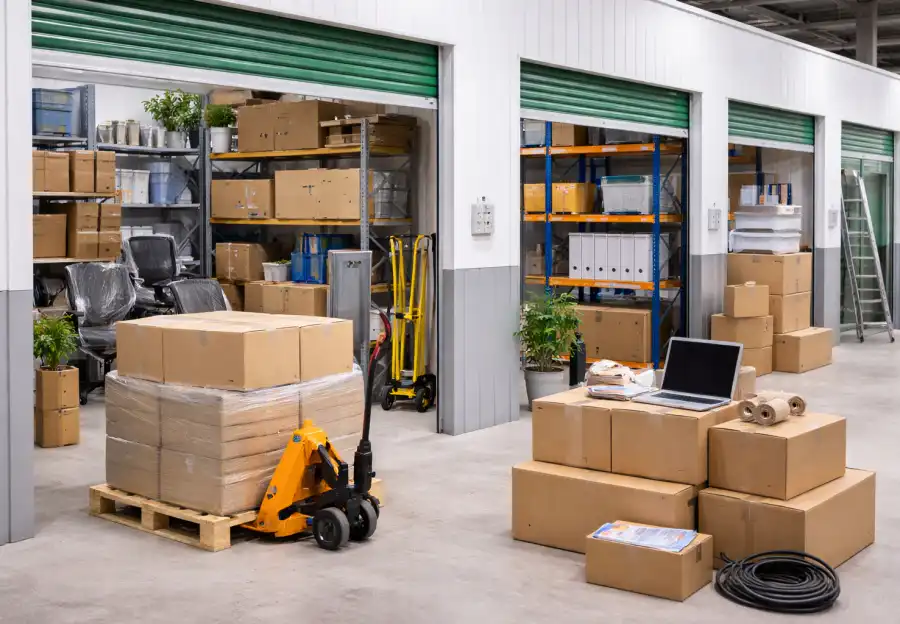
Facility type and design should align with the specific requirements of the stored items. Options include traditional warehouses, climate-controlled units, self-storage facilities, industrial storage complexes, and specialized document storage centers. Each facility type offers unique benefits in terms of space flexibility, infrastructure, and accessibility. Selecting the appropriate facility ensures that operational workflows are supported, regulatory constraints are met, and items are stored efficiently and safely.
Security measures are paramount in commercial storage. Evaluating surveillance systems, controlled access points, alarm systems, fencing, on-site personnel, and monitoring services ensures that assets are protected from theft, vandalism, and unauthorized access. Facilities should provide both physical and technological safeguards that comply with industry standards, giving businesses confidence that their valuable assets are secure. Regular audits and inspections further enhance security and operational integrity.
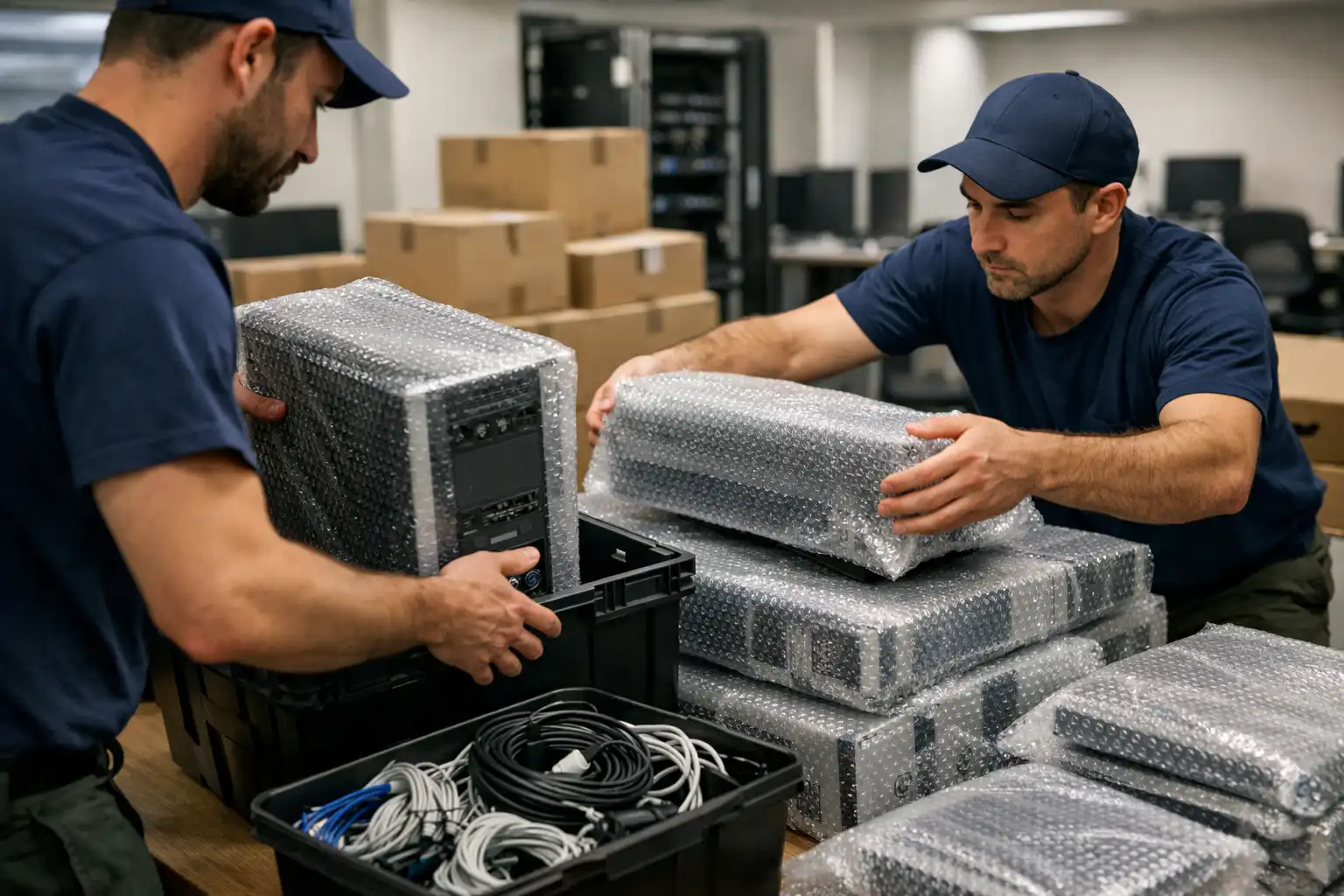
Climate control and environmental considerations are particularly important for sensitive items such as electronics, pharmaceuticals, archival documents, or perishable goods. Facilities offering regulated temperature, humidity control, ventilation, and pest management prevent deterioration, mold, or corrosion. These measures preserve the integrity and value of stored items, reducing the risk of financial loss and operational setbacks.
Insurance coverage is another essential component of commercial storage. Ensuring that the facility provides adequate insurance or that the business can obtain its own coverage mitigates financial risk and protects against loss, damage, or liability. Comprehensive insurance provides peace of mind and safeguards the investment in stored assets, especially for high-value or critical inventory.
Access protocols and operational flexibility influence the efficiency of commercial storage. Businesses with frequent retrieval or distribution needs should evaluate facility hours, entry procedures, appointment requirements, and staff availability for loading and unloading. Efficient access reduces delays, supports operational workflows, and ensures that inventory management remains smooth and reliable.
Technological integration can significantly enhance commercial storage operations. Facilities equipped with inventory management systems, barcode scanning, real-time tracking, automated alerts, and reporting capabilities allow businesses to monitor stock levels, track movements, and optimize space utilization. These tools improve operational accuracy, facilitate decision-making, and streamline day-to-day storage management.
Vendor reliability and reputation should also be assessed. Reviewing client testimonials, certifications, references, and the provider’s track record ensures consistent service quality. Reliable vendors reduce the risk of operational disruptions, mishandling of assets, or service interruptions. Choosing a trustworthy provider establishes a stable foundation for long-term storage partnerships.
Scalability and flexibility are vital for businesses experiencing growth or seasonal fluctuations. Storage solutions that allow for expansion, temporary additional units, or reconfiguration accommodate changing inventory levels without requiring frequent relocations or costly upgrades. This adaptability ensures that storage needs can evolve alongside business operations.
Regulatory and compliance requirements must guide storage selection, particularly for industries with strict safety, data protection, or environmental standards. Adherence to regulations such as hazardous material handling, fire codes, OSHA standards, and health and safety guidelines prevents legal issues, fines, and operational interruptions. Compliance also demonstrates corporate responsibility and supports risk management objectives.
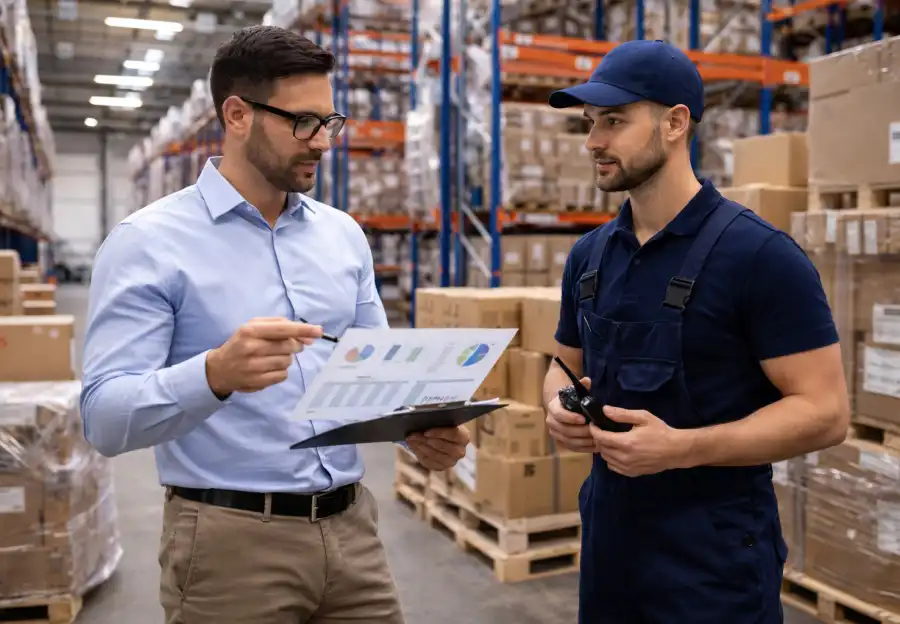
Operational workflow integration is key for maximizing efficiency. Proper layout, shelving systems, aisle width, loading docks, and material handling capabilities facilitate smooth receipt, storage, retrieval, and distribution of goods. Optimized workflows reduce labor costs, minimize errors, and improve turnaround times, enhancing overall operational performance.
Cost considerations, including rental fees, utilities, insurance, and ancillary services, must be evaluated in relation to operational needs and budget constraints. A detailed cost-benefit analysis ensures that the selected storage solution delivers value while supporting long-term business objectives. Sustainability and environmental impact may also factor into the decision, with energy-efficient lighting, renewable energy, and eco-friendly materials aligning with corporate responsibility goals.
Risk assessment and contingency planning further enhance storage strategy. Identifying risks such as natural disasters, equipment failure, power outages, security breaches, or supply chain disruptions and implementing mitigation measures ensures resilience. Employee training, proper staffing, and safety protocols at the facility contribute to safe handling, compliance, and operational integrity.
Finally, integrating storage with transportation, logistics, and communication strategies is crucial. Coordinated shipping, loading docks, proximity to transport routes, clear communication channels, and routine inspections maintain operational continuity, security, and efficiency. Documentation, record-keeping, and periodic performance reviews allow for continuous improvement and optimization of storage operations.
In summary, selecting commercial storage involves a comprehensive evaluation of storage purpose, facility type, location, security, climate control, insurance, access, technology, vendor reliability, scalability, regulatory compliance, workflow integration, costs, risk management, employee support, logistics, sustainability, and performance monitoring. By considering these factors systematically, businesses can secure storage solutions that protect assets, enhance efficiency, ensure compliance, support growth, and provide a resilient, reliable foundation for commercial operations.