March 7, 2026
How to Handle Last-Minute Office Moves
Handling last-minute office moves requires meticulous planning, rapid decision-making, effective communication, and efficient coordination of logistics to ensure that relocation occurs smoothly despite time constraints. Such moves pose unique challenges, including potential disruption to operations, risk to equipment and sensitive data, employee stress, and maintaining client relationships. The overarching goal is to protect organizational assets, maintain productivity, and ensure business continuity while executing a move quickly and efficiently.
The first step in managing a last-minute office move is to immediately assess the situation and define the scope of the relocation. Understanding the reasons for urgency—whether due to lease termination, safety concerns, sudden expansion, or unforeseen circumstances—enables management to prioritize tasks, allocate resources effectively, and set realistic timelines. Creating a rapid action plan is essential, outlining critical steps, assigning responsibilities, and identifying essential personnel and equipment that must be moved first. A triage approach ensures that core operational assets, such as IT infrastructure, sensitive documents, and high-use equipment, are prioritized to resume business quickly at the new location.
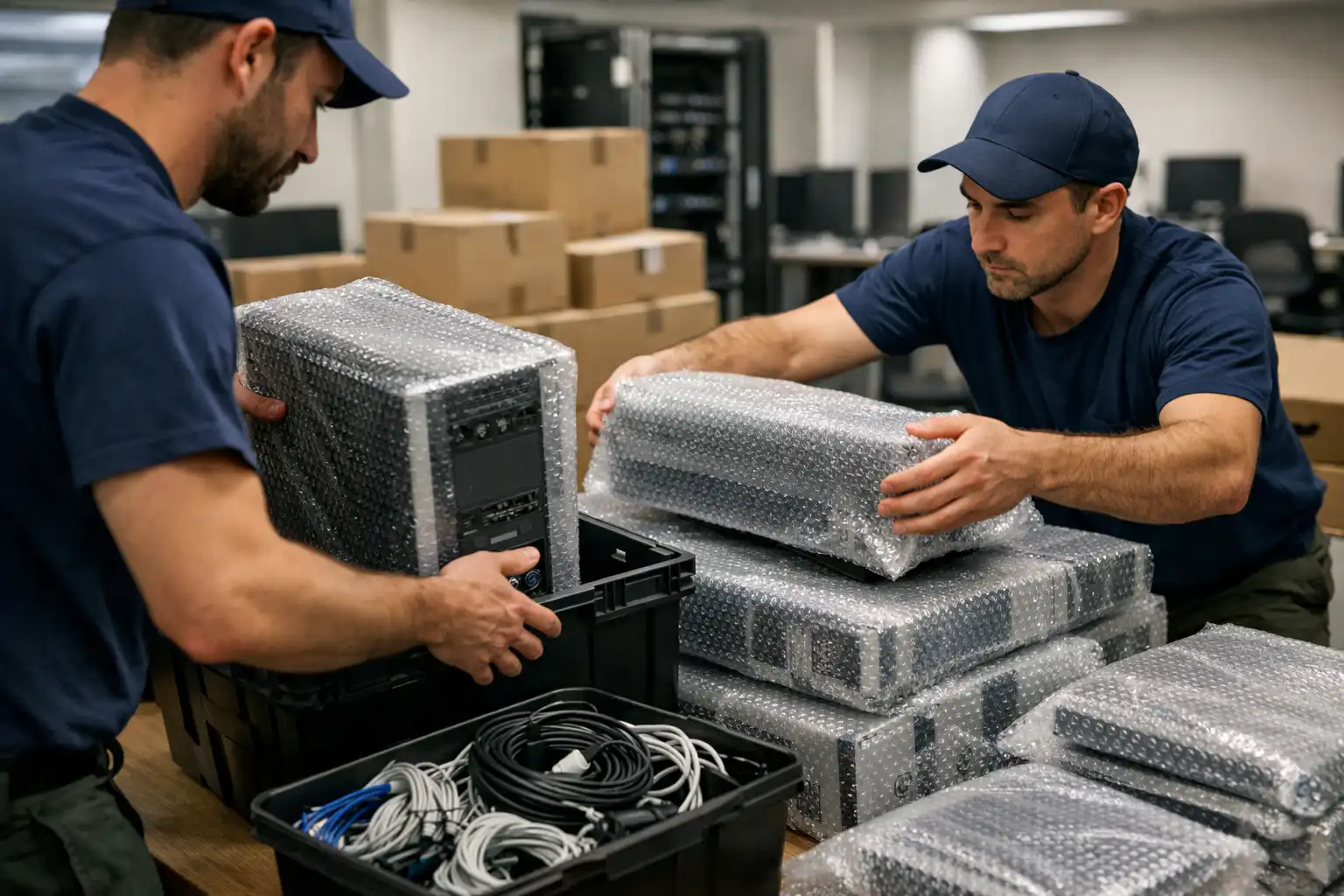
Engaging professional movers without delay is crucial for efficiency. Experienced office relocation specialists can handle high-pressure situations, provide the necessary labor and equipment, and execute the move with precision. Coordination with the moving company should include clear communication of urgency, detailed inventories, access requirements, and specific instructions for handling fragile or high-value items. Such collaboration reduces the risk of damage and ensures that the relocation progresses smoothly, even under tight timelines.
Employee communication is another critical component of last-minute office moves. Staff must be informed promptly and clearly about the move, timelines, individual responsibilities, packing requirements, and safety protocols. Providing checklists, guidelines, and rapid training helps employees contribute effectively without confusion or error. Transparent communication reduces stress, enhances efficiency, and ensures that everyone is aligned with the accelerated moving plan.
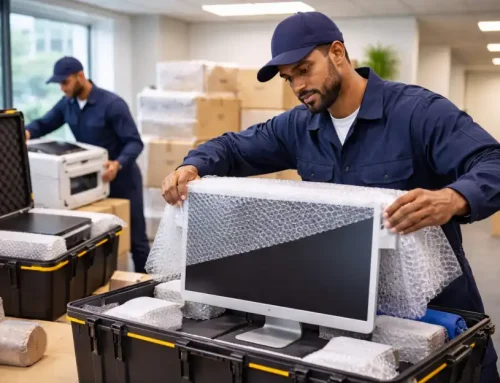
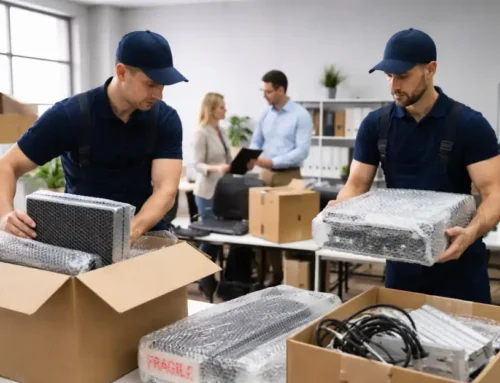
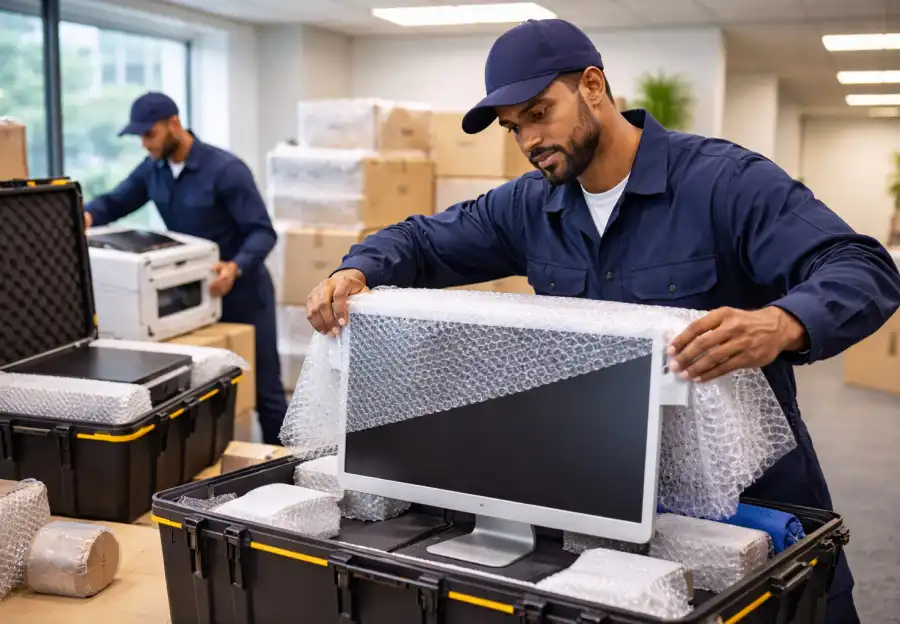
Packing and labeling must be executed swiftly yet systematically. Using color-coded labels, clear markings, and priority indicators helps movers and staff quickly identify critical items, reduces the risk of loss or damage, and facilitates organized setup at the new office. Attention to detail during packing, especially for fragile items, ensures that assets arrive safely and that operations can resume immediately upon arrival.
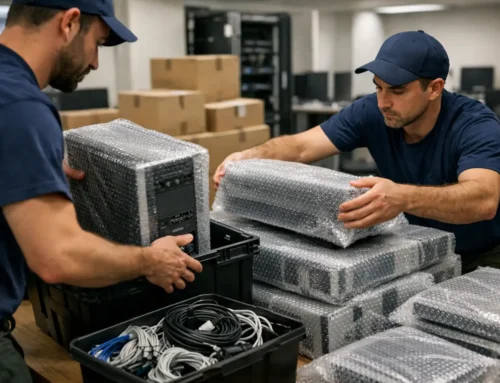
Technology and IT systems require special attention during expedited moves. Backing up critical data, coordinating the relocation of servers, computers, phones, and network equipment, and ensuring continuity of digital operations are essential to prevent downtime. Deploying IT support teams for setup, testing, and troubleshooting ensures that systems are operational as soon as possible, minimizing disruption to business functions and maintaining employee productivity.
Inventory management is vital for accountability and minimizing loss. Maintaining detailed lists of office assets, including furniture, electronics, files, and supplies with serial numbers and condition notes, allows for accurate tracking. Assigning staff to monitor loading and unloading helps prevent mistakes and ensures that all items reach the new location intact. Accurate inventory also supports insurance claims and future planning.
Strategic space planning at the new office expedites setup. Essential workstations, common areas, IT stations, and meeting rooms should be prioritized so employees can resume operations quickly. Secondary or decorative items can be arranged after core functions are operational, reducing downtime and ensuring functional readiness. Simplifying layouts without compromising efficiency allows for a smoother transition despite compressed timelines.
Risk management is critical in last-minute relocations. Identifying potential hazards—such as equipment damage, employee injury, traffic delays, or insufficient packing materials—allows for proactive mitigation. Contingency measures, including alternative transport options, temporary storage solutions, or backup personnel, help organizations address unexpected issues without compromising operations. Insurance verification remains essential to protect high-value equipment and sensitive documents during transit.
Supporting employees during a rushed move is also essential. Providing clear instructions, adequate supplies, and encouragement reduces stress, prevents burnout, and maintains focus. Coordination with vendors, utility providers, and external partners ensures that essential services such as security systems, cleaning, and connectivity are operational at the new location. Temporary measures, such as phased relocation of departments, help maintain business continuity while moving essential personnel and assets first.
Leadership involvement enhances the efficiency of last-minute office moves. Managers must actively supervise, make rapid decisions, and provide guidance while maintaining team morale. Continuous communication among movers, management, IT staff, and employees ensures alignment on priorities, allows for immediate problem-solving, and minimizes confusion. Clear delegation of tasks, effective resource utilization, and streamlined post-move setup further contribute to a successful transition.
Finally, post-move evaluation and documentation are crucial. Maintaining accurate records of inventories, condition reports, and timelines supports accountability, insurance claims, and future reference. Debriefing staff and collecting feedback help identify strengths and weaknesses, allowing organizations to improve procedures for future moves. Attention to stress management, including breaks, hydration, and support for physically demanding tasks, helps sustain productivity and morale during accelerated relocations.
In summary, handling last-minute office moves involves immediate assessment, rapid planning, triage prioritization, engaging professional movers, clear employee communication, systematic packing, IT management, inventory control, strategic space planning, risk assessment, employee support, vendor coordination, insurance verification, task delegation, resource optimization, continuous communication, streamlined post-move setup, stress management, documentation, leadership involvement, and post-move evaluation. Implementing these strategies ensures that urgent relocations are executed efficiently, operational disruptions are minimized, assets are protected, employee morale is maintained, and business continuity is preserved, enabling organizations to adapt and succeed even under tight time constraints.