March 5, 2026
How to Move Expensive Equipment Safely
Moving expensive equipment safely requires meticulous planning, proper handling techniques, specialized tools, secure transport methods, and adherence to safety protocols. Whether transporting machinery, electronics, medical devices, or industrial equipment, the goal is to ensure items arrive without damage, loss, or operational disruption. A holistic approach addresses every stage of the relocation process, from preparation to delivery, while maintaining operational continuity, protecting investments, and complying with safety and regulatory requirements. Careful attention to detail throughout the process ensures that high-value equipment remains functional and reliable.
The first step in safely moving expensive equipment is conducting a thorough assessment of all items to be relocated. This involves identifying the type, dimensions, weight, fragility, sensitivity, and operational requirements of each piece. Understanding structural and functional characteristics helps determine the appropriate handling methods, packing materials, and transport strategies. Risk assessments can identify potential hazards, such as vibration, temperature fluctuations, moisture, or power interruptions, that may compromise equipment integrity. A detailed evaluation provides the foundation for safe, efficient relocation planning.
Comprehensive planning is critical for a successful move. A structured move plan should outline timelines, responsibilities, logistics, equipment requirements, and contingency measures. Including detailed risk assessments, emergency protocols, and coordination schedules ensures that all stakeholders are aligned and prepared. Planning also involves evaluating transport routes, load limits, storage facilities, and required tools, which reduces the likelihood of unexpected problems and ensures a smooth transition for high-value items.
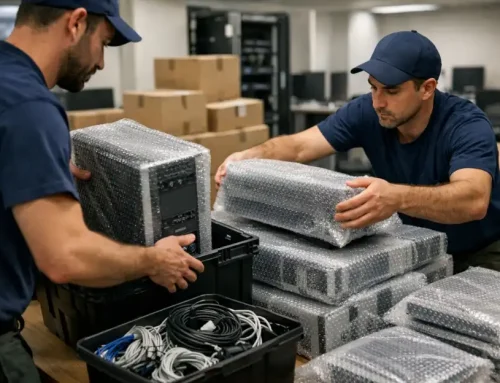
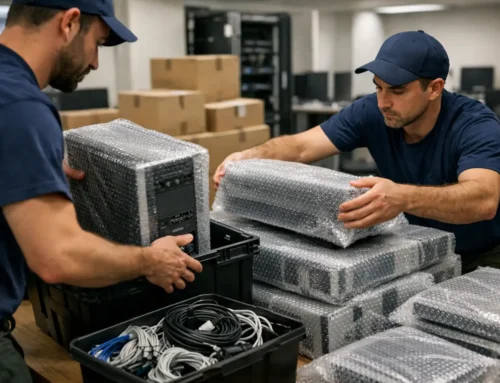
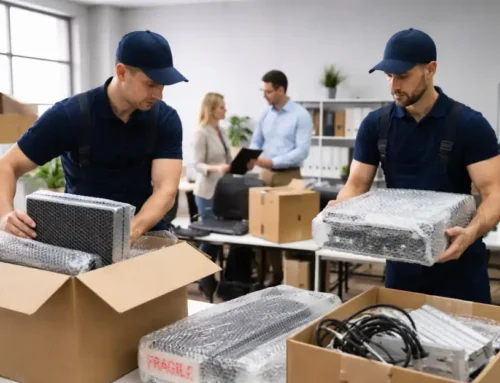
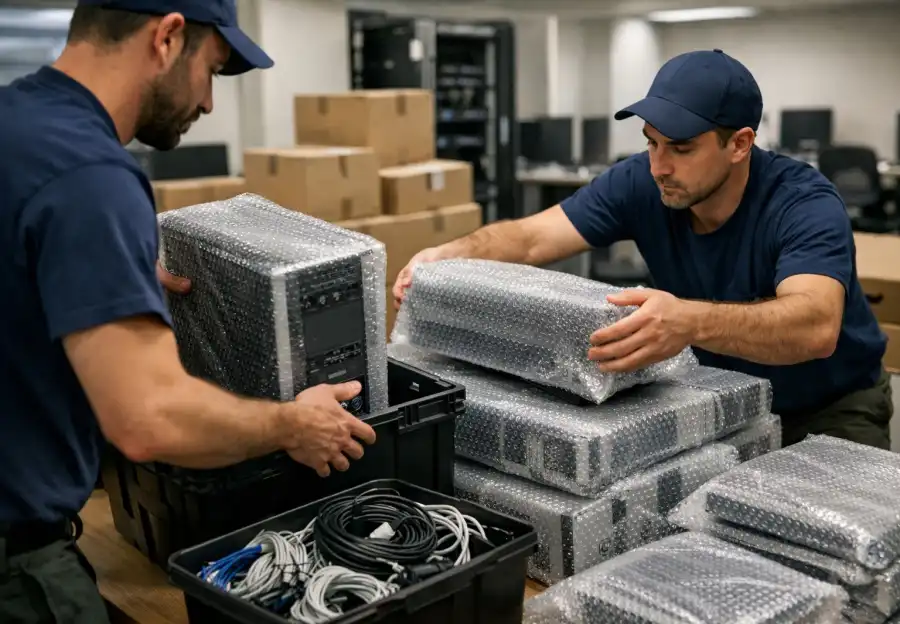
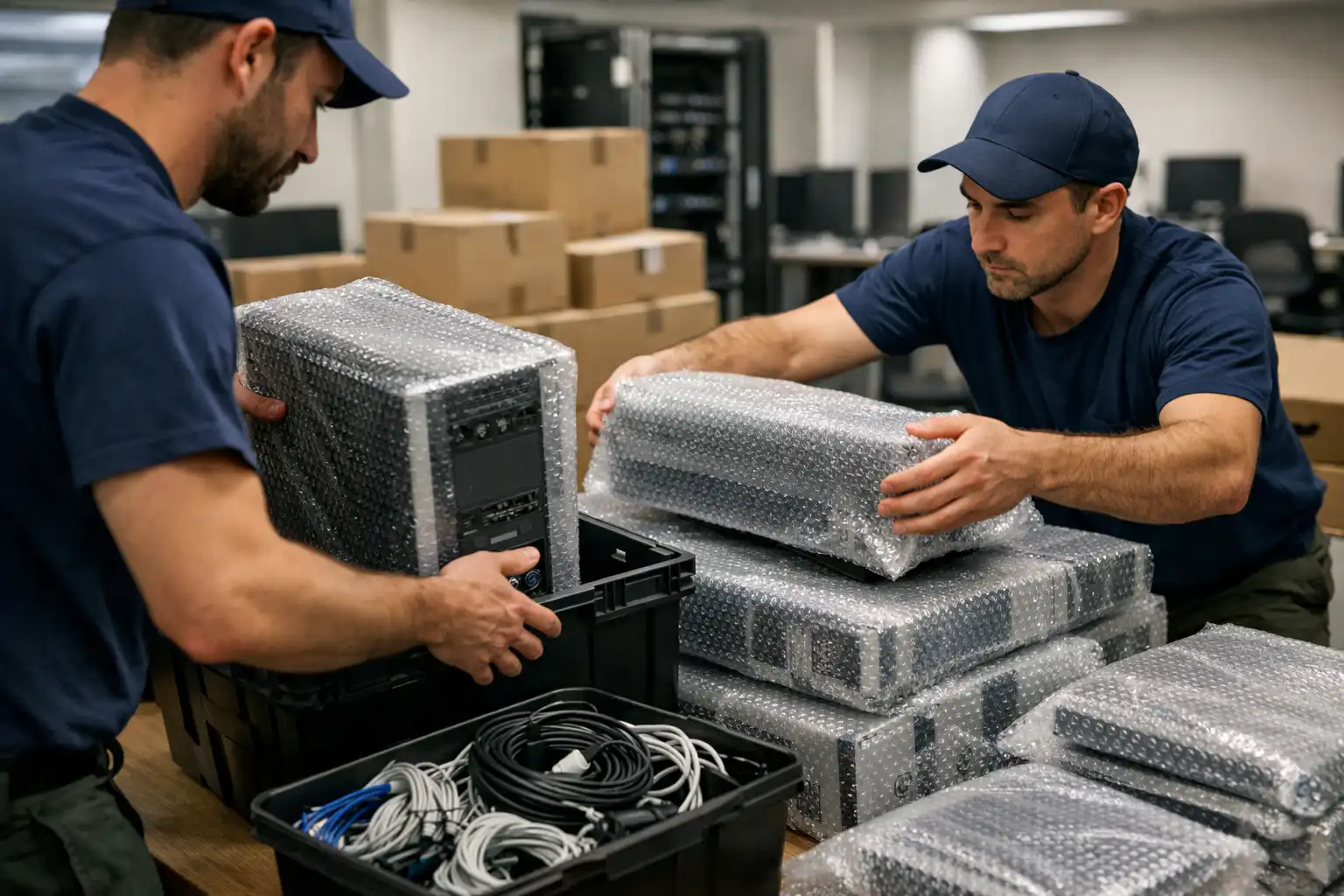
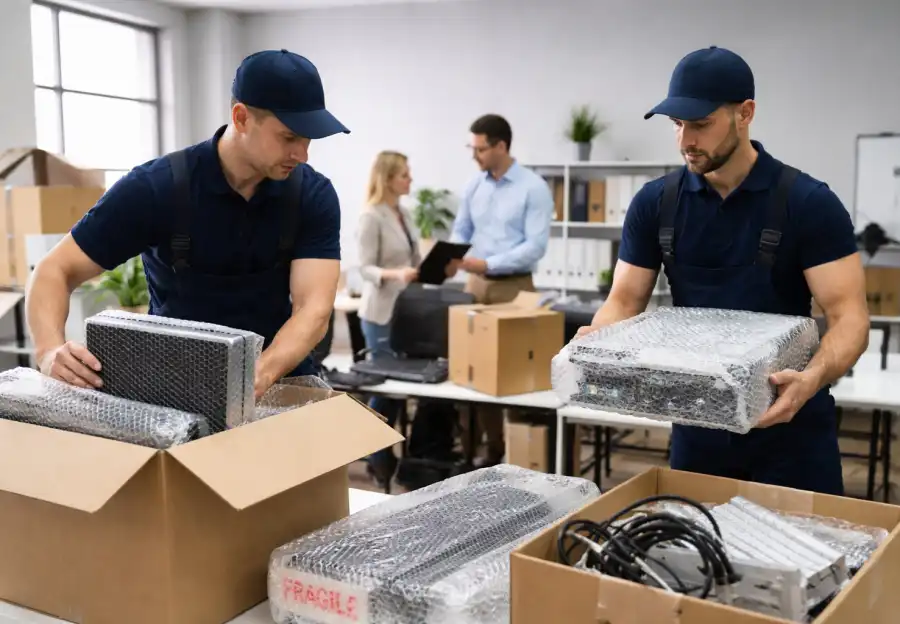
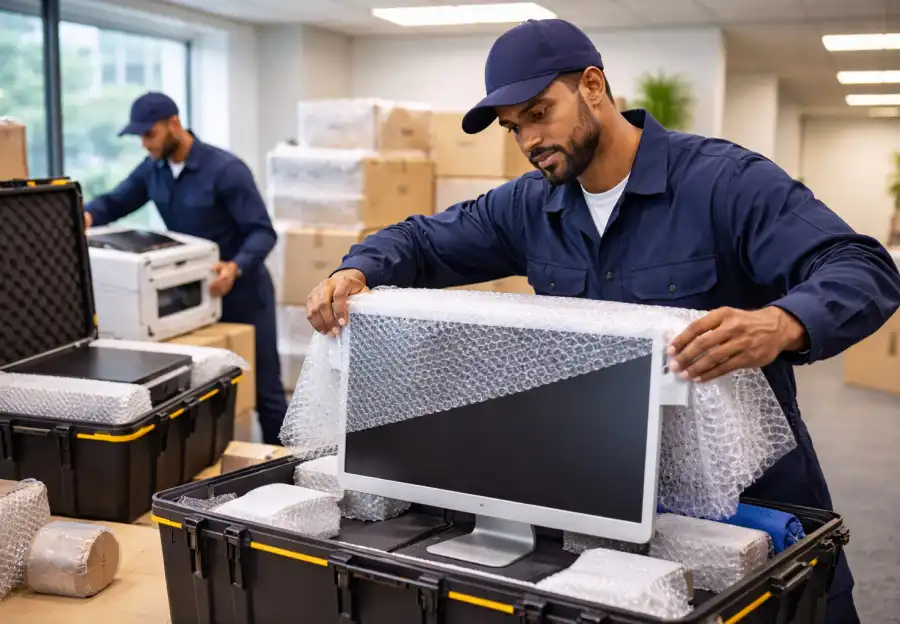
Protective packaging is a key element in moving expensive equipment. Custom crates, padded cases, shock-absorbing materials, anti-static wraps, and reinforced containers shield equipment from impacts and environmental stressors. Fragile components, delicate machinery, and sensitive electronics should be secured individually, with careful attention to cushioning, stabilization, and sealing. Proper packaging minimizes the risk of damage during handling, loading, and transit, ensuring that equipment maintains operational integrity throughout the relocation.
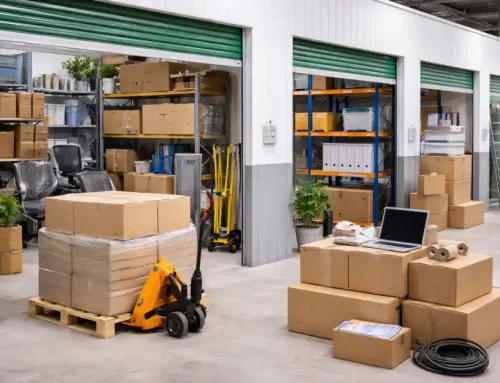
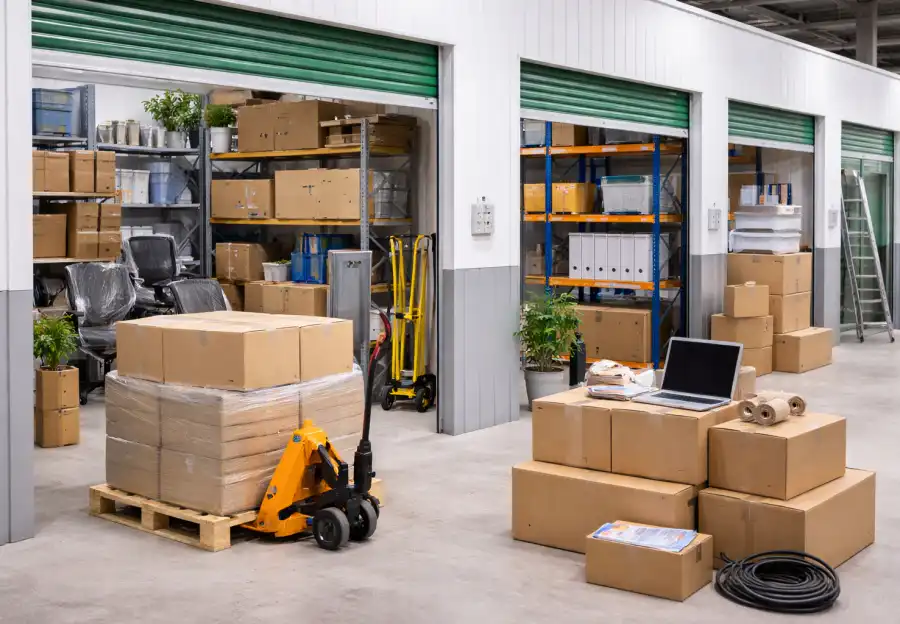
Specialized handling equipment is essential for transporting heavy or awkwardly shaped items safely. Forklifts, pallet jacks, hoists, cranes, and trolleys allow precise control and reduce the risk of accidents. Using the correct equipment prevents strain or injury to personnel and ensures that items are moved efficiently. Handling tools must be matched to the weight, size, and fragility of the equipment to maintain balance, prevent tipping, and avoid damage during repositioning or loading operations.
Trained personnel play a crucial role in safe equipment relocation. Employees and movers should receive instruction on proper lifting techniques, team coordination, emergency protocols, and standardized handling procedures. Training ensures that staff understand the importance of careful handling, maintain situational awareness, and adhere to safety guidelines. Knowledgeable personnel reduce the likelihood of accidents, protect the equipment, and maintain overall operational efficiency during the move.
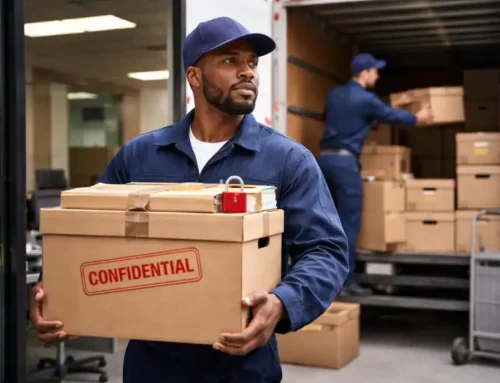
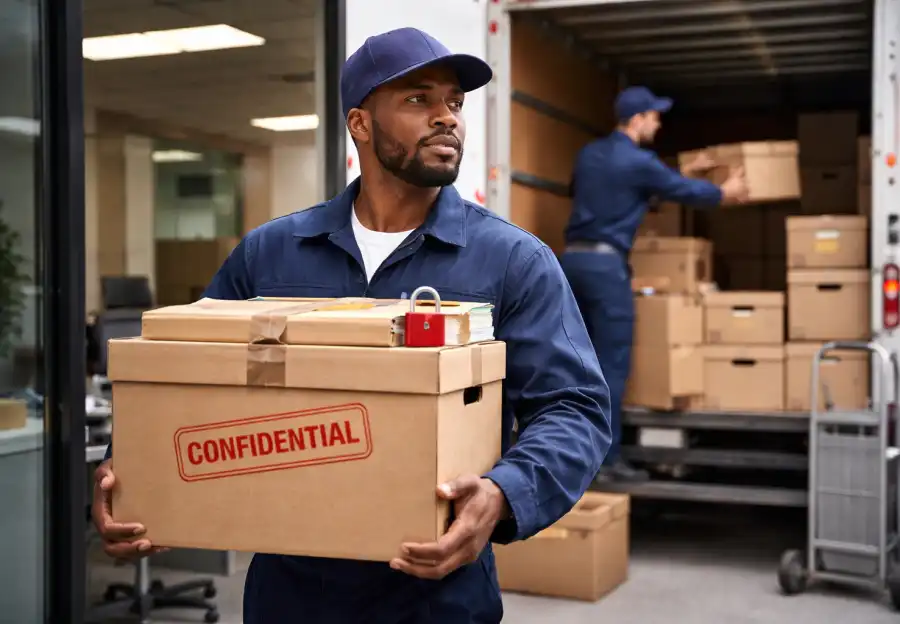
Labeling, documentation, and technology monitoring enhance safety and accountability. Each item should be clearly labeled with handling instructions, weight, orientation, and fragility indicators. Detailed inventory lists, serial numbers, photographs, and condition reports provide transparency and support tracking. Technology such as GPS, temperature and humidity sensors, shock indicators, and real-time monitoring devices offers visibility into environmental conditions during transit, enabling immediate intervention if thresholds are exceeded and preventing potential damage.
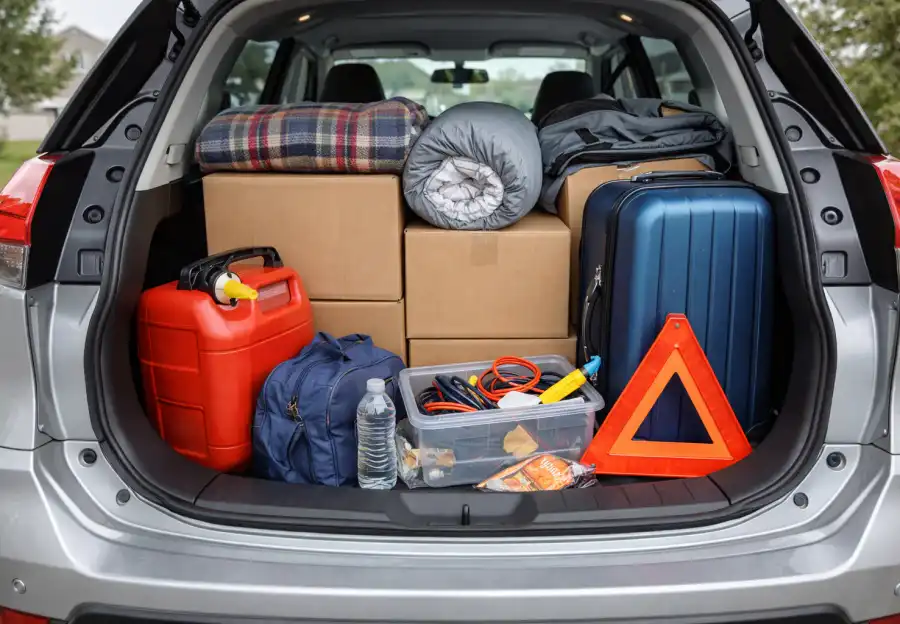
Route planning and logistical coordination further ensure safe transport. Selecting routes with minimal traffic, smooth road surfaces, and low risk of delays reduces vibration, jostling, and handling hazards. Transport providers must use vehicles equipped for the load, restraints, and climate control if needed, with experienced drivers trained to handle high-value equipment carefully. Proper coordination minimizes risks and contributes to timely, secure delivery.
Decommissioning and preparation of equipment before transit are critical. Electrical, mechanical, and hydraulic systems should be powered down, fluids drained or secured, and moving parts immobilized. Preparing equipment reduces the risk of leaks, short circuits, mechanical failures, or other damage during handling and transport. On-site supervision ensures that packing, loading, and unloading follow established protocols, while environmental controls such as padded supports, vibration reduction, and climate management protect sensitive items.
Phased or modular relocation strategies can further reduce risk. Moving equipment in manageable batches, prioritizing fragile or critical items, and coordinating with operational schedules maintain functionality while limiting exposure to potential damage. Post-move inspection and setup verify that equipment arrives in optimal condition. Thorough checks, referencing pre-move reports, testing functionality, and reassembling components allow prompt identification and correction of any issues.
Insurance coverage, vendor coordination, ergonomics, and record-keeping are additional safeguards. Comprehensive insurance protects against financial loss due to damage or accidents, while consultation with manufacturers ensures compliance with operational requirements and warranty conditions. Emphasizing employee safety through proper lifting techniques and protective gear prevents injury. Maintaining logs of packing, handling, transport, and inspections provides accountability and facilitates claims or process improvements.
Finally, contingency planning, emergency preparedness, and continuous evaluation strengthen relocation strategies. Having backup plans, technical support, and rapid response protocols ensures that unexpected events are managed effectively. Lessons learned from previous moves inform future relocations, enhancing safety, efficiency, and operational reliability.
In summary, moving expensive equipment safely requires detailed assessment, careful planning, protective packaging, specialized handling, trained personnel, monitoring, route coordination, insurance, equipment preparation, on-site supervision, environmental controls, phased relocation, and thorough documentation. By implementing these strategies, organizations can protect high-value assets, ensure personnel safety, maintain operational continuity, minimize financial risk, and achieve a successful relocation while preserving equipment functionality, reliability, and value.