
January 6, 2026
What Every First-Time Mover Should Know
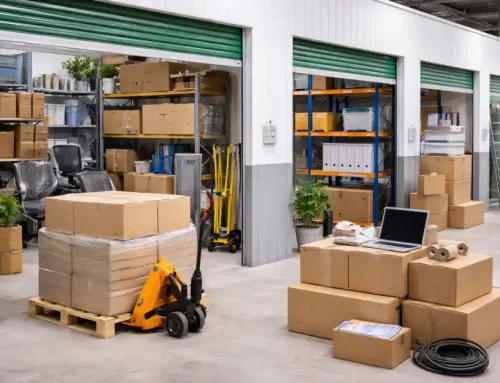
Moving for the first time can be both exciting and overwhelming, as it involves balancing logistics, finances, time management, and emotional adjustment all at once. Many first-time movers underestimate the complexity of the process, which can lead to stress, confusion, and unnecessary expenses. One of the most important lessons for first-time movers is the value of planning well in advance. Without a clear timeline, tasks can pile up quickly, deadlines can be missed, and rushed decisions often result in higher costs and frustration. Creating a detailed moving plan that outlines every step—from decluttering and packing to hiring movers and setting up utilities—provides structure and accountability, giving you a sense of control throughout the process.
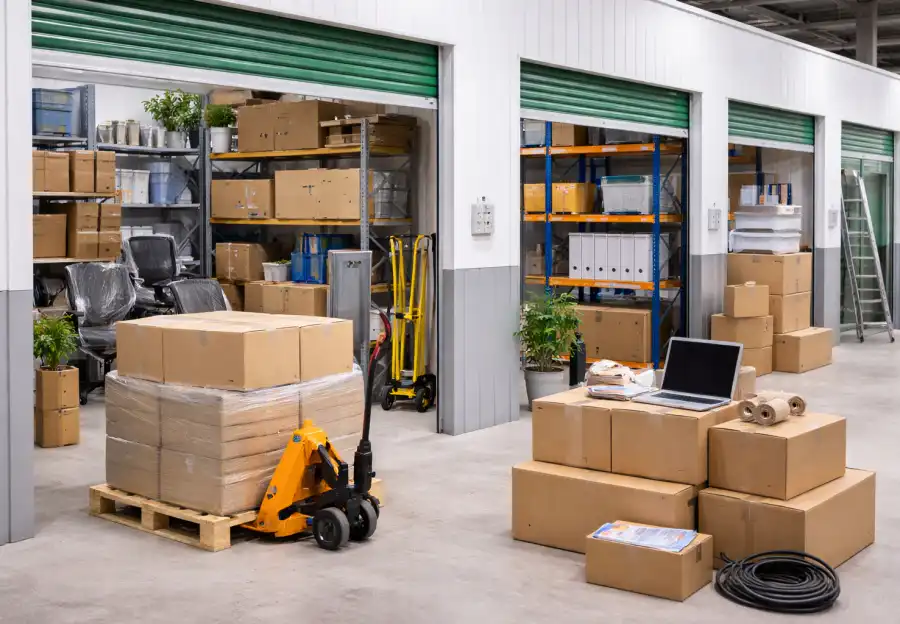
Budgeting is another critical consideration for first-time movers. Moving expenses add up faster than many people expect, including costs for movers or truck rentals, packing supplies, insurance, utility deposits, temporary storage, and unforeseen charges. Failing to budget properly can cause significant financial stress at an already demanding time. Developing a comprehensive budget that accounts for all potential expenses, along with a contingency fund for unexpected costs, allows you to make informed decisions, prioritize essential services, and avoid last-minute financial strain.
Decluttering before packing is a step that many first-time movers overlook, yet it can make a dramatic difference in the overall experience. Packing and transporting items you no longer need increases both the workload and the cost of the move. Taking time to sort through your belongings and decide what to keep, donate, sell, or discard simplifies packing and reduces stress. Decluttering also helps your new home feel organized from the beginning and ensures that movers handle only the items that truly matter to you.
Choosing the right moving company—or deciding whether to move on your own—is another major decision. Hiring unlicensed or uninsured movers can result in damaged belongings, delays, and disputes. First-time movers should research reputable moving companies by checking licenses, verifying insurance, reading reviews, and comparing multiple quotes. This careful vetting process ensures that your belongings are handled professionally and that you receive reliable service suited to your needs. For smaller moves, a DIY option may work, but it still requires planning and coordination to be successful.
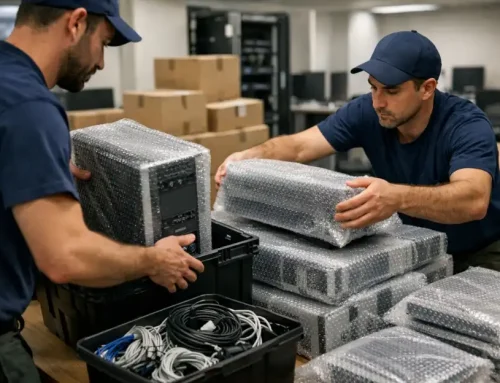
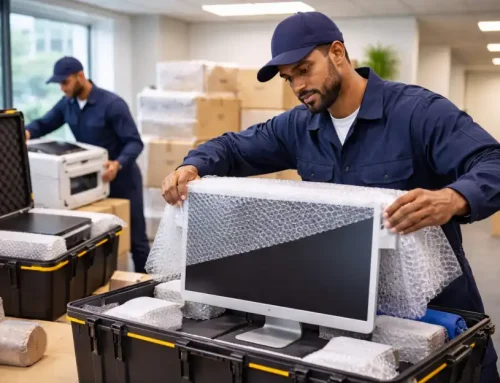
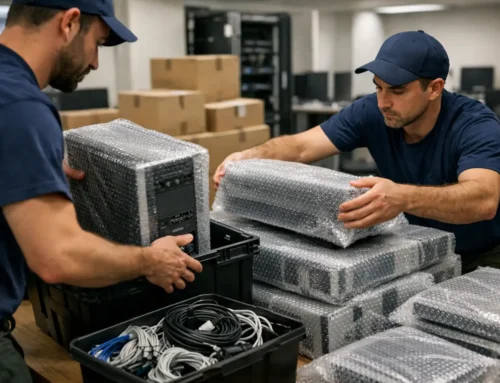
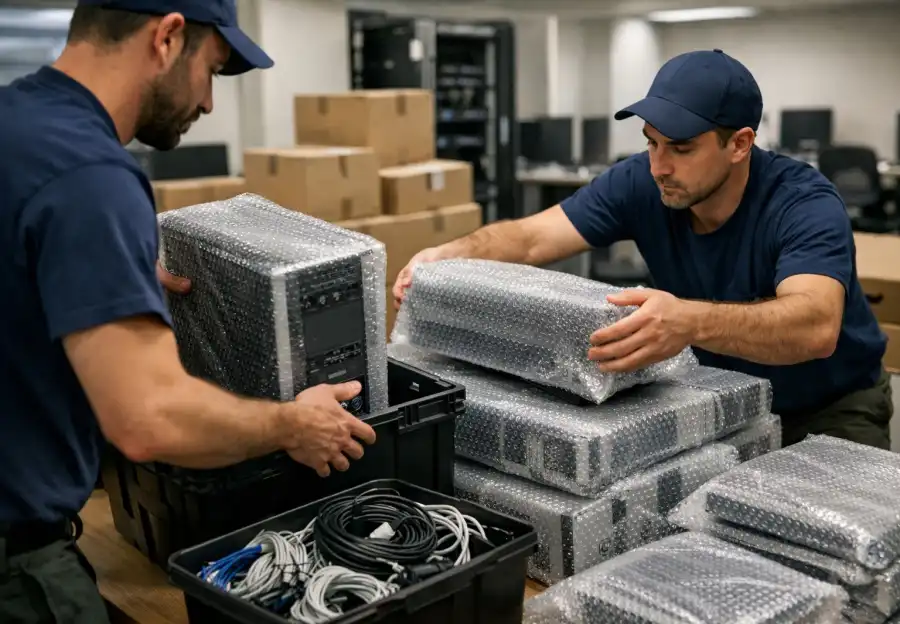
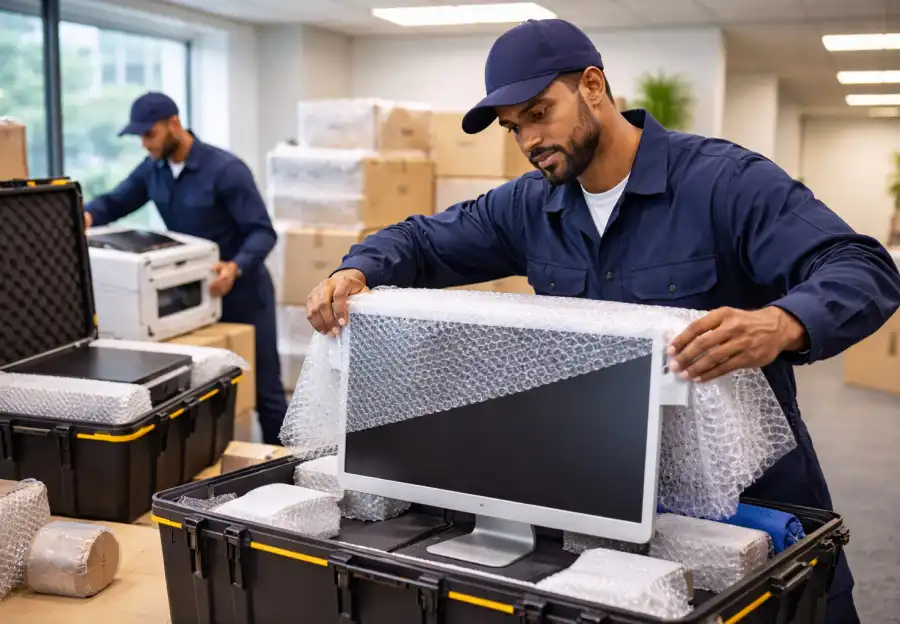
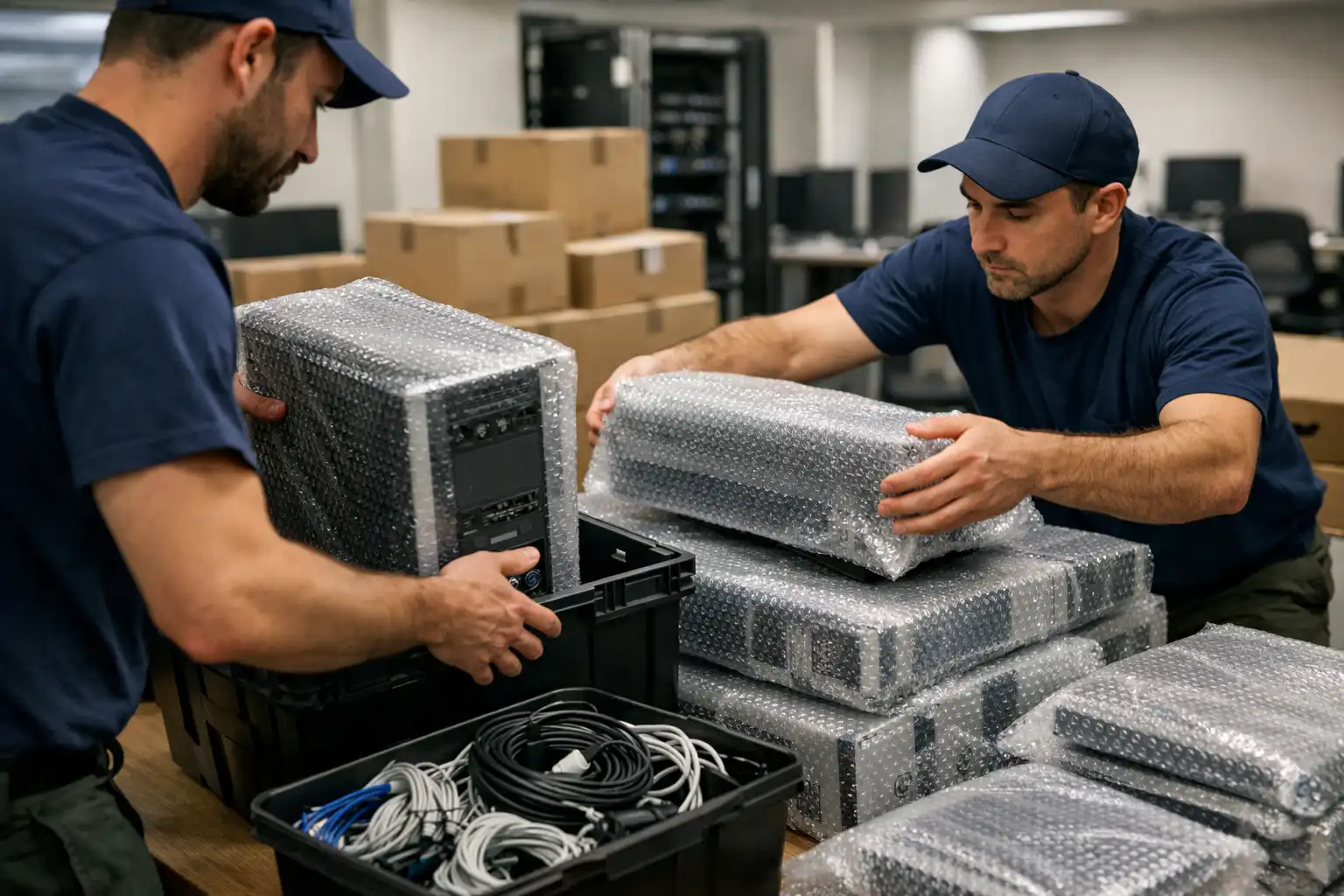
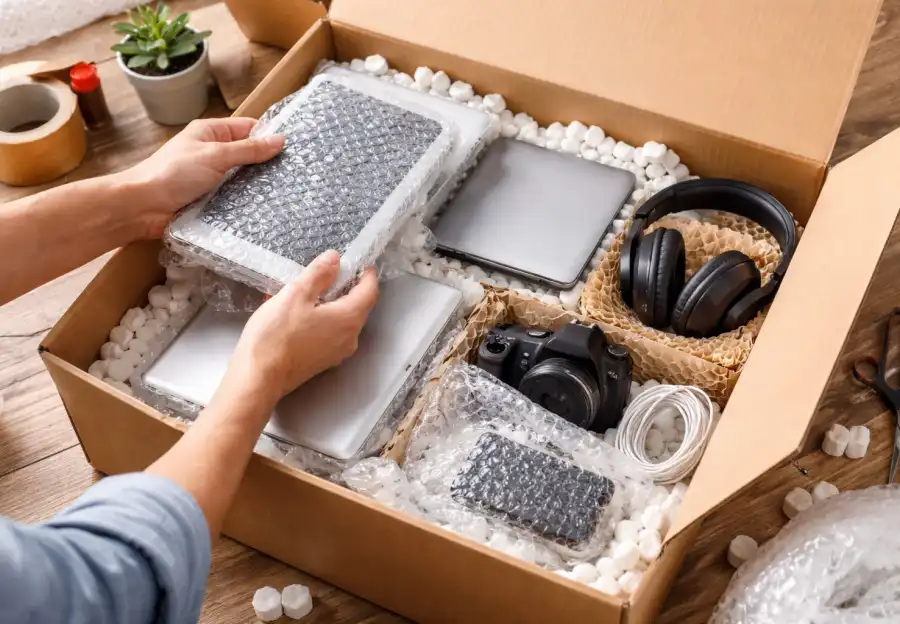
Efficient packing is an essential skill for first-time movers. Using high-quality boxes, packing tape, bubble wrap, and furniture blankets helps protect your belongings from damage. Labeling each box clearly with its contents and destination room makes unpacking far easier and less stressful. Starting with non-essential items weeks in advance and saving daily necessities for last allows you to manage your time effectively, avoid exhaustion, and prevent last-minute panic as moving day approaches.
Special care should be given to fragile, valuable, or sentimental items. First-time movers may not be familiar with the best methods for packing electronics, artwork, antiques, or family heirlooms. Using proper padding, secure containers, and custom packing solutions helps prevent damage. Keeping an inventory of these items or transporting the most valuable possessions yourself adds an extra layer of security and simplifies insurance claims if needed.
Understanding moving day logistics is another area where first-time movers often face challenges. Coordinating truck arrival times, ensuring clear pathways, arranging parking or elevator access, and communicating instructions to movers or helpers are all essential. Overlooking these details can lead to delays or confusion. Preparing in advance and maintaining clear communication helps the day run smoothly and keeps stress levels manageable.
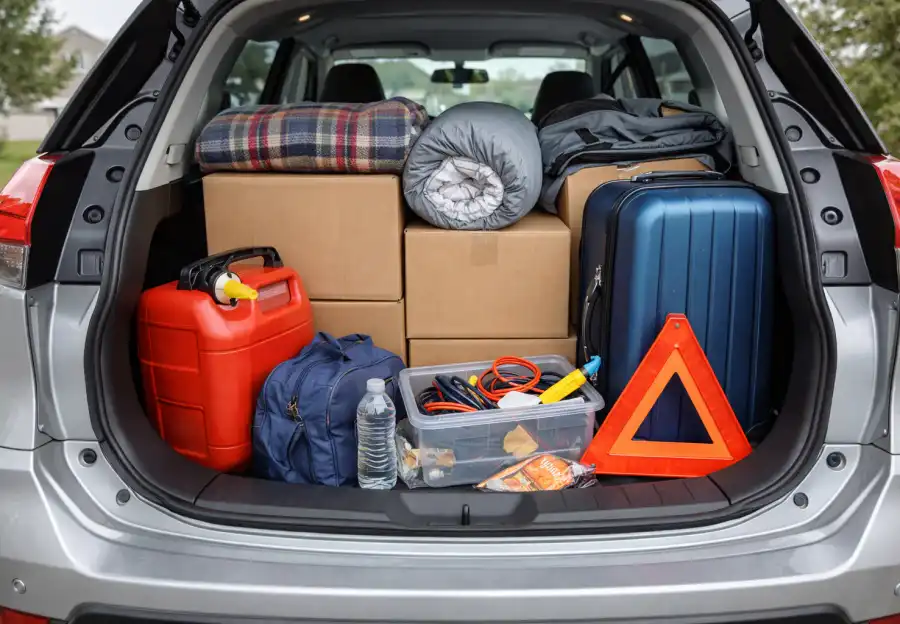
Administrative tasks should not be neglected. First-time movers often forget to update addresses, transfer utilities, notify banks and insurance providers, or organize important documents. Creating a checklist with deadlines ensures that these tasks are completed on time, preventing service interruptions and missed communications. Personal and family considerations are equally important. Arranging childcare or pet care during the move reduces distractions and enhances safety, while keeping an essentials bag with medications and important items ensures immediate access when needed.
Finally, first-time movers should prioritize safety, flexibility, and emotional well-being. Lifting heavy items, coordinating tasks, and managing change can be physically and mentally taxing. Taking breaks, staying hydrated, and using proper lifting techniques help prevent injuries. Unexpected challenges are common, so maintaining a flexible and positive mindset allows you to adapt calmly. With preparation, organization, and patience, your first move can become a rewarding transition into a new chapter of life.