
December 22, 2025
The Ultimate Moving Checklist
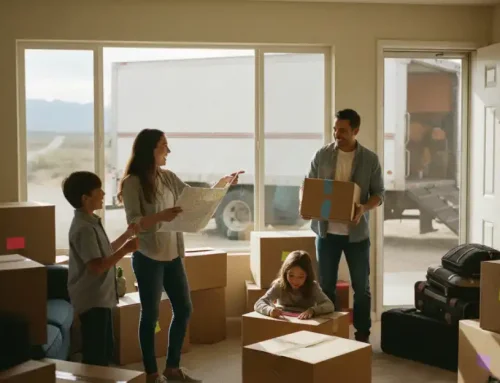
Moving can be an overwhelming process, but having a comprehensive and detailed moving checklist can turn a stressful relocation into a smooth, organized, and efficient experience. The ultimate moving checklist begins weeks in advance with early planning, which allows you to break down every task into manageable steps. Start by determining your moving date and assessing your moving needs, whether the move is local, long-distance, or international. At this stage, decide whether you will hire professional movers, rent a moving truck, or handle the move yourself. Knowing the type of move you are making sets the foundation for all future planning. Giving yourself ample time prevents last-minute chaos, rushed packing, and overlooked details, making the entire process more controlled and predictable.
One of the most important steps on any moving checklist is decluttering your home. Go through each room carefully and decide which items you want to keep, donate, sell, or discard. Reducing the number of belongings you move lowers moving costs, simplifies packing, and makes unpacking far easier. Decluttering also provides a fresh start in your new home by eliminating items you no longer use or need. Selling unwanted items can help offset some moving expenses, while donating items supports charitable causes. This step alone can significantly reduce stress and make the entire move more efficient.
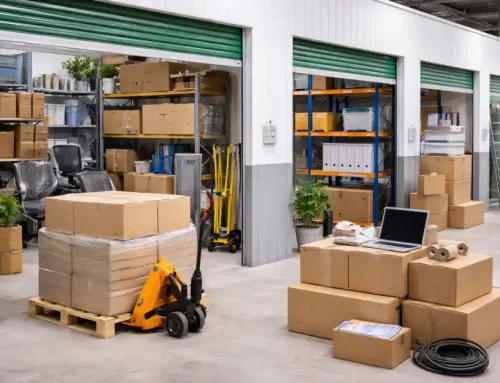
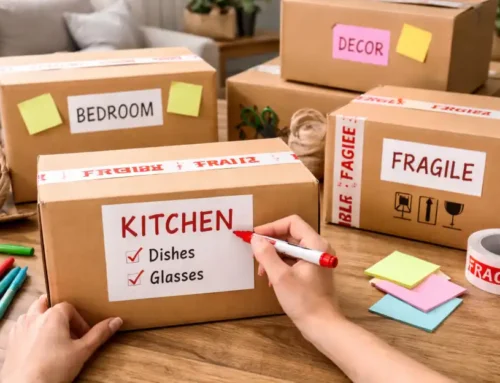
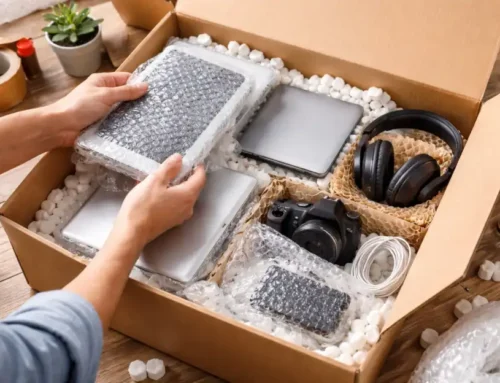
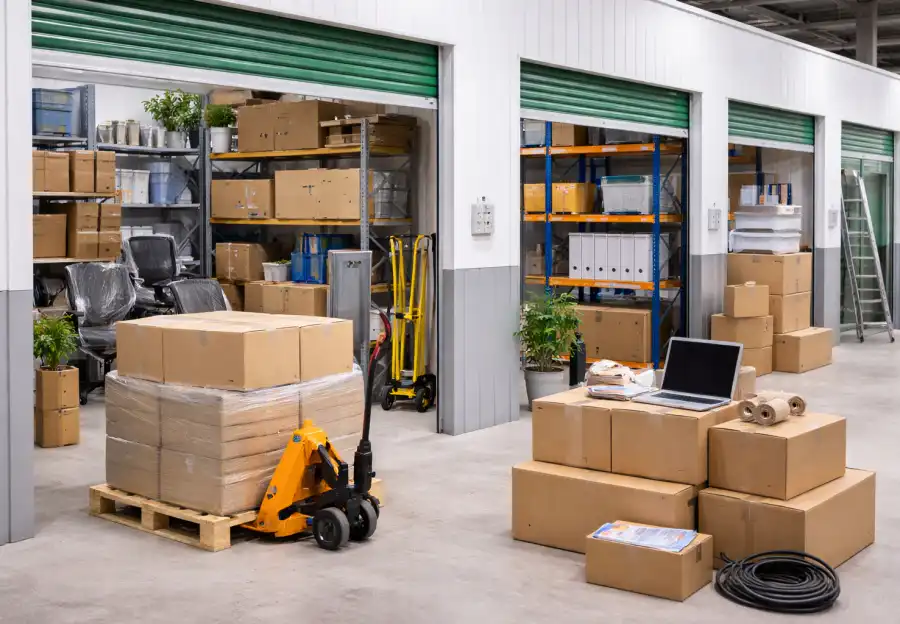
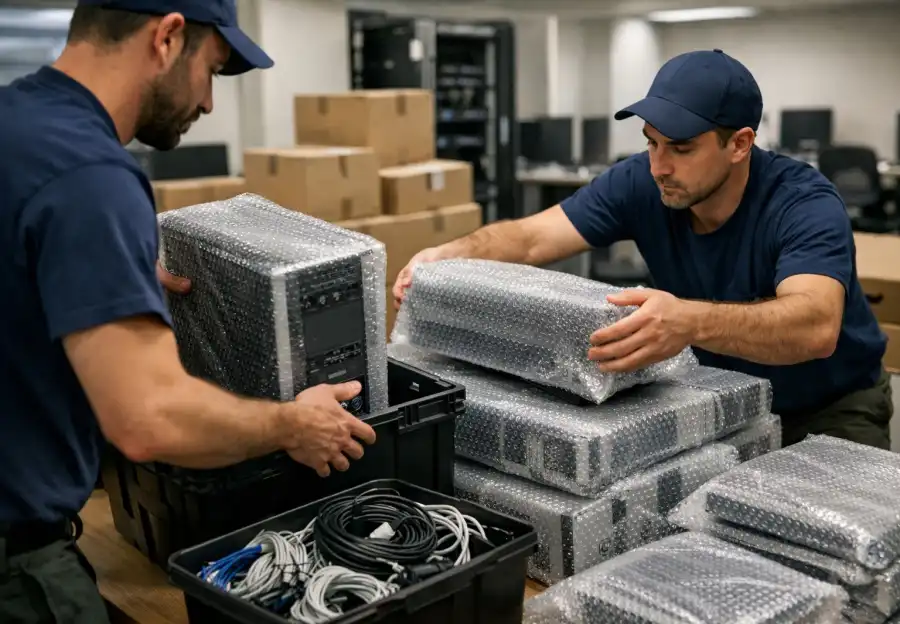
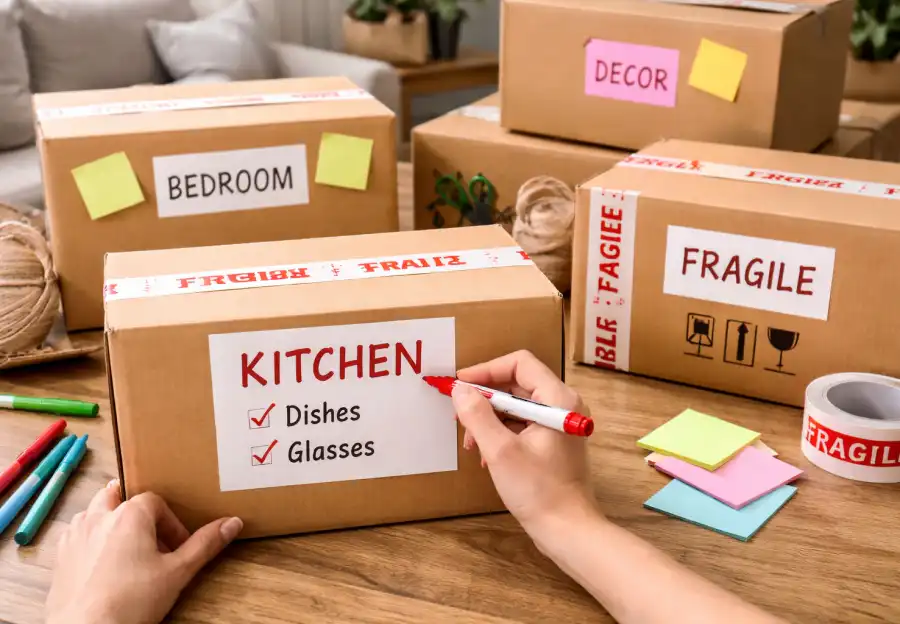
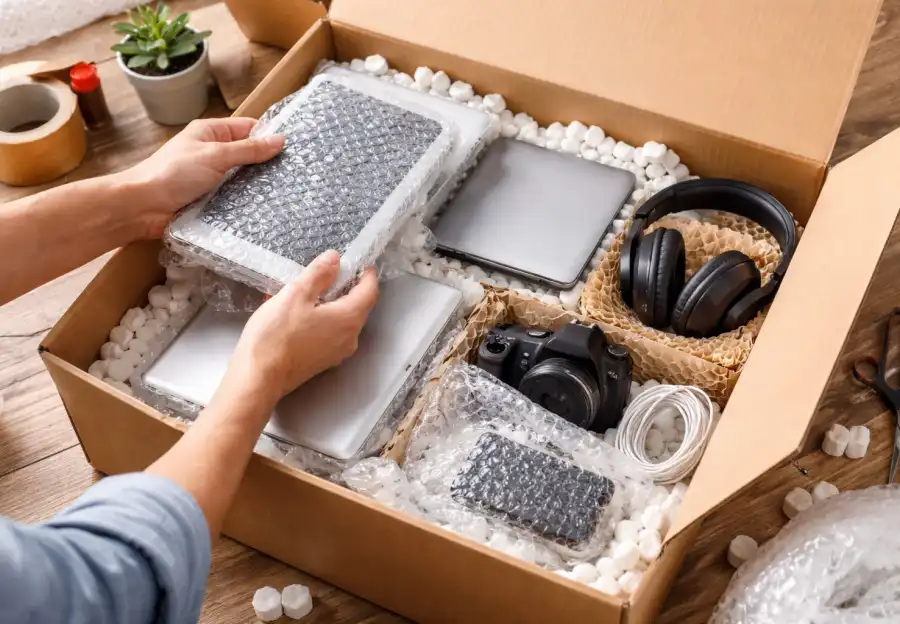
Gathering high-quality packing materials is another essential task on your moving checklist. You will need sturdy boxes in various sizes, packing tape, bubble wrap, packing paper, furniture blankets, mattress covers, and permanent markers for labeling. Packing should be done strategically by starting with items you rarely use and leaving daily essentials for last. Clearly label each box with its contents and the room it belongs to, and consider using a color-coded labeling system. This organization helps movers work efficiently and ensures boxes are placed in the correct rooms, saving time and reducing confusion on moving day.
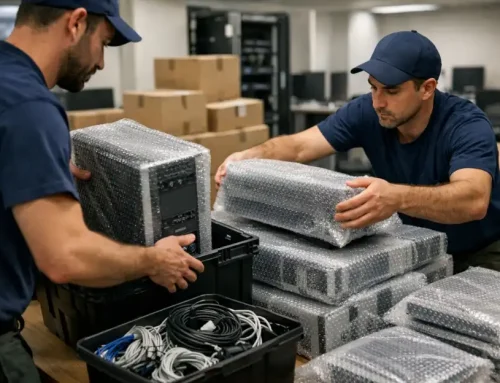
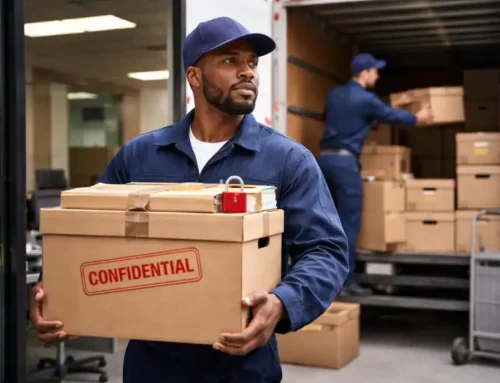
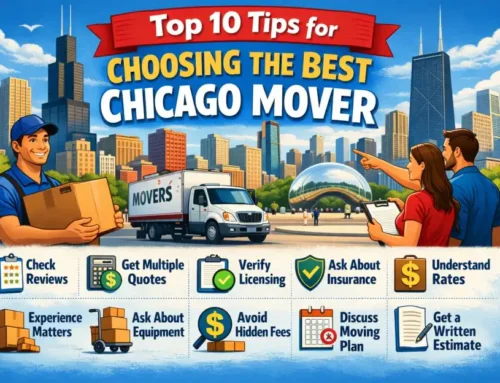
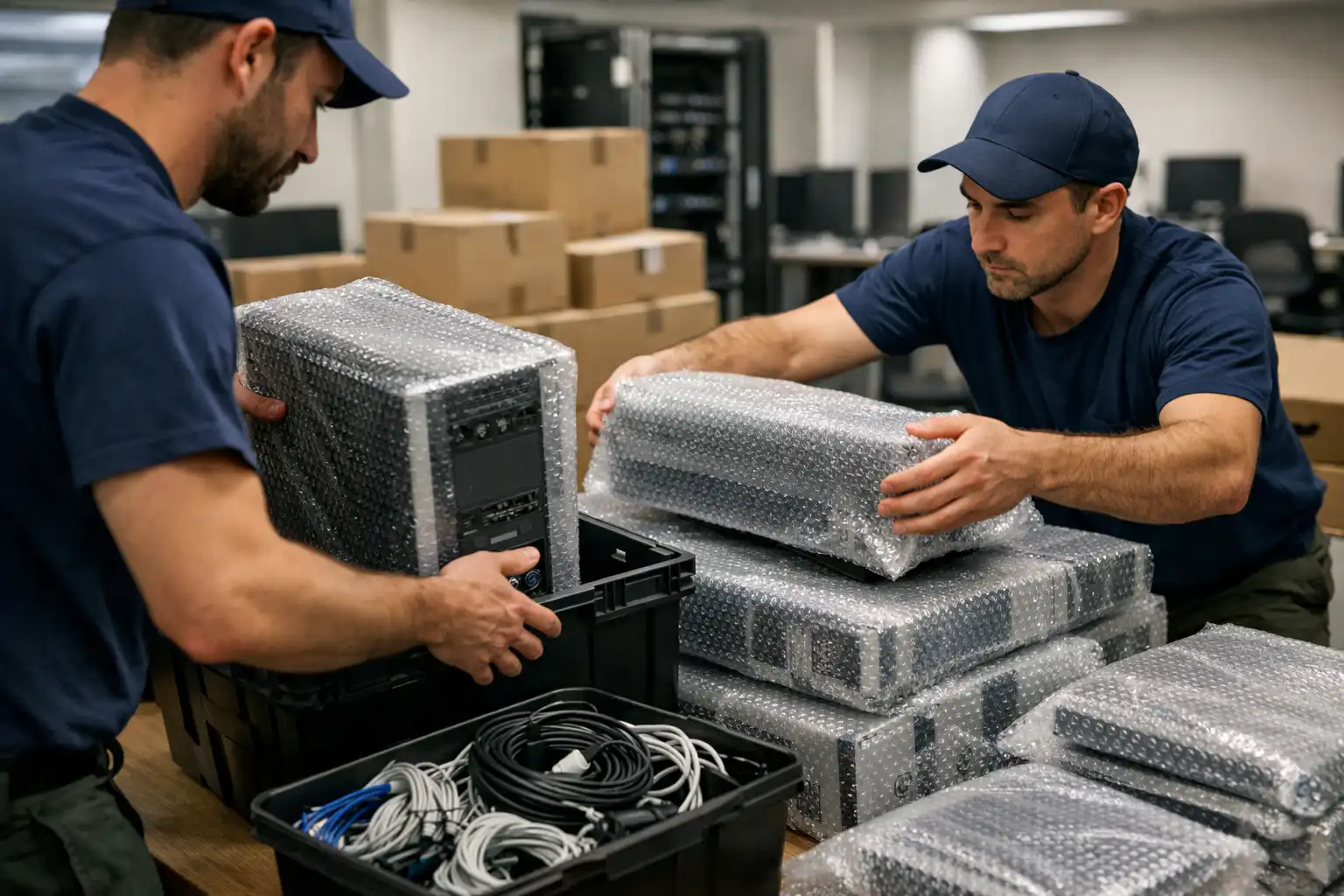
Hiring a reputable moving company or scheduling a rental truck is a critical checklist item. Research multiple movers, read customer reviews, verify licensing and insurance, and request detailed written estimates. Professional movers bring experience, proper equipment, and trained staff who can safely handle heavy, fragile, and bulky items. They also reduce physical strain and save valuable time. If you are moving yourself, reserve a truck early to ensure availability. Securing transportation well in advance protects you from last-minute scheduling issues and unexpected price increases.
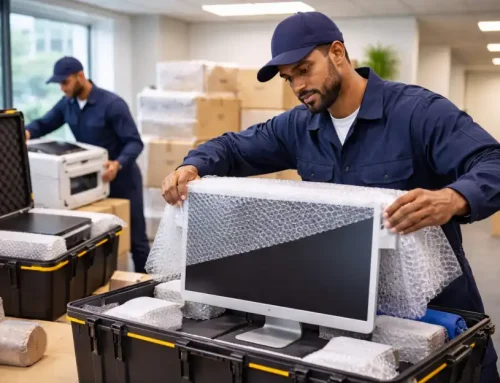
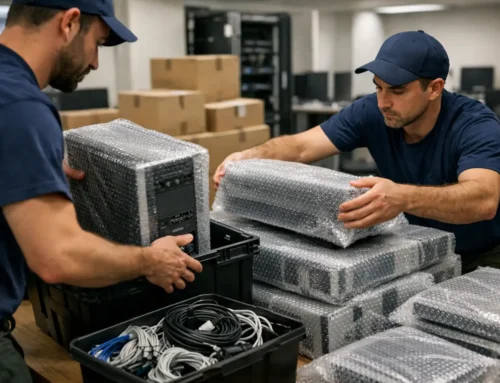
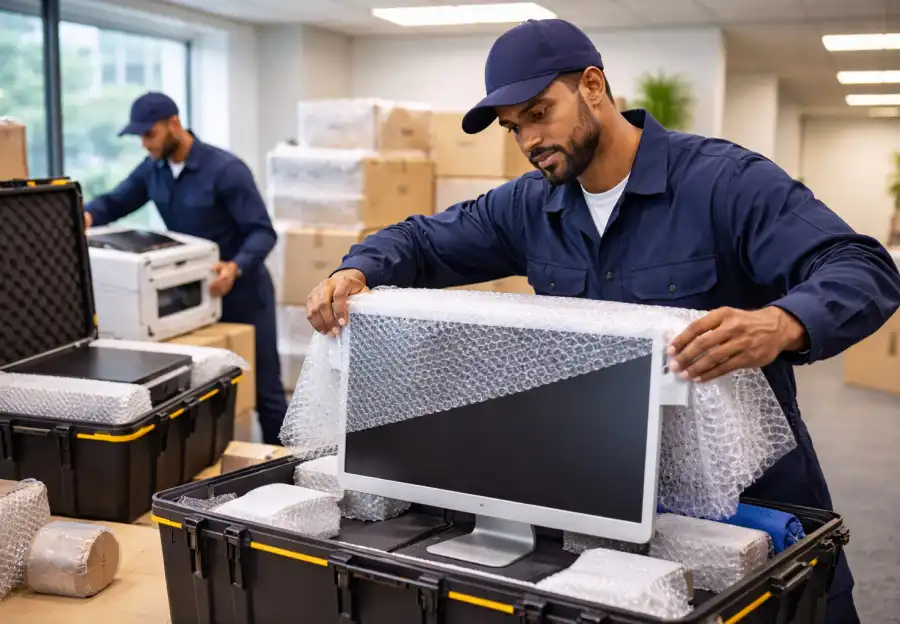
Preparing your home before moving day is essential for a smooth process. Clear pathways, stairways, and doorways to allow easy movement of furniture and boxes. Secure pets in a safe area to prevent stress or accidents. Disconnect appliances such as refrigerators, washing machines, and dryers, defrost freezers, and drain water lines ahead of time. Protect floors, walls, and door frames from damage, and take special care when packing electronics, artwork, and delicate items. These preparations reduce the risk of damage and keep the moving day running efficiently.
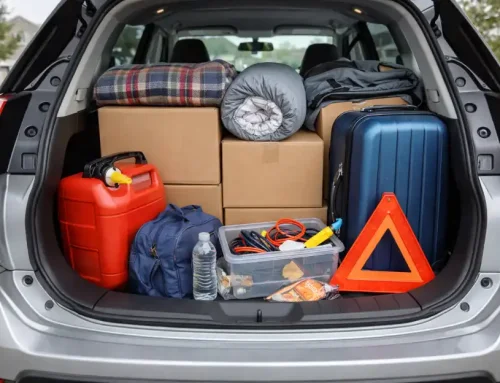
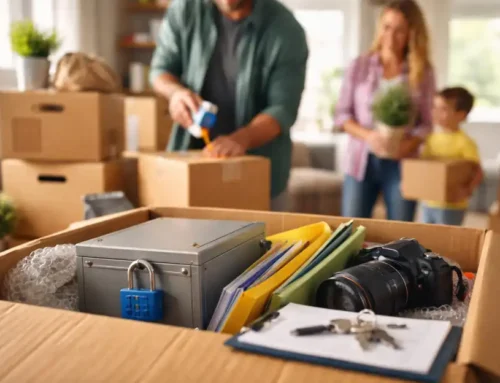
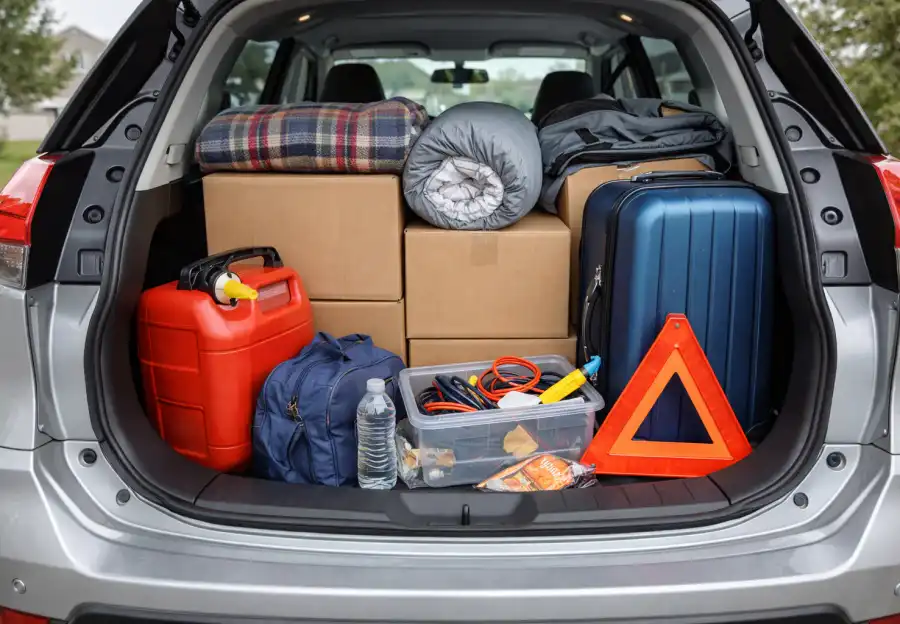
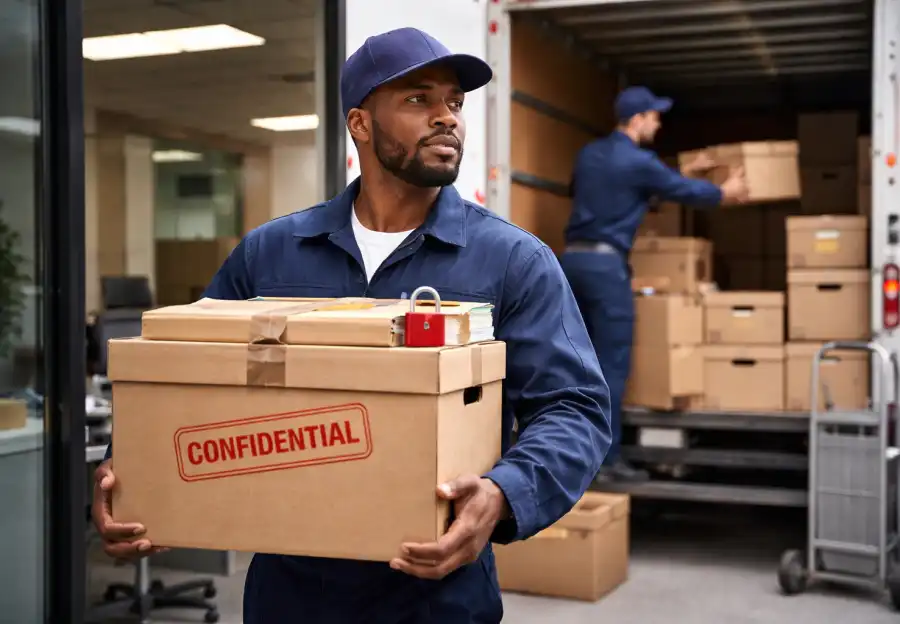
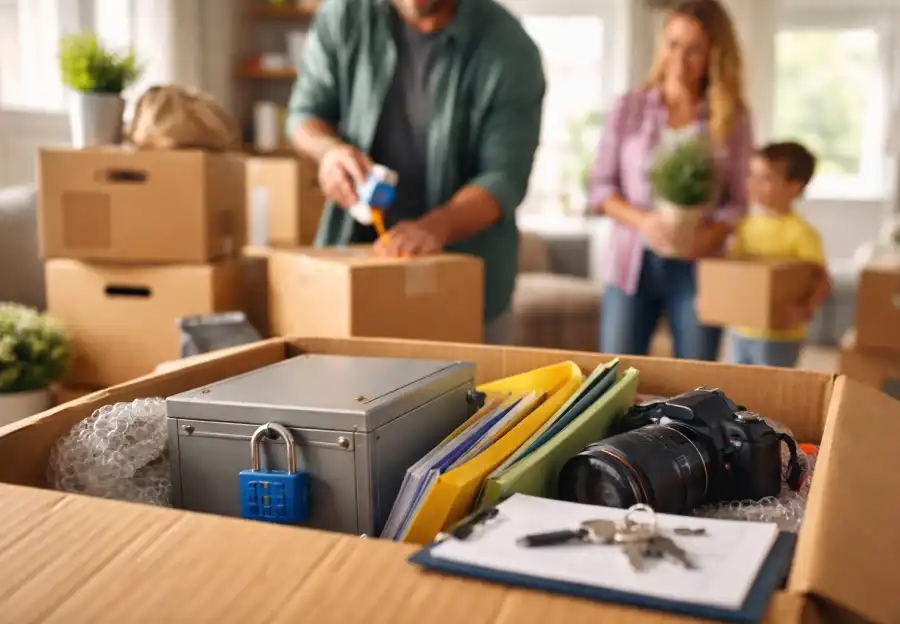
Another crucial step is creating a moving-day essentials kit. This kit should include medications, toiletries, phone chargers, important documents, snacks, water, and a change of clothes. Having these items readily available prevents frustration when boxes are still unpacked. It is also wise to keep valuables and critical documents with you rather than placing them in the moving truck. Additionally, preparing a detailed inventory list of your belongings helps track items during the move and provides documentation in case of damage or loss.
Coordinating utilities is an often-overlooked but vital checklist item. Schedule disconnections at your current home and reconnections at your new residence for electricity, water, gas, internet, and cable services. Notify banks, insurance companies, healthcare providers, subscription services, and government agencies of your address change to avoid disruptions. Planning your unpacking process also helps you settle in faster. Prioritize essential rooms such as bedrooms, bathrooms, and the kitchen so your new home becomes functional immediately.
Finally, your moving checklist should include personal care and stress management. Moving is physically and mentally demanding, so stay hydrated, eat nutritious meals, take breaks, and ask for help when needed. Maintaining a positive mindset and pacing yourself can make a significant difference. By following this ultimate moving checklist—from early planning and decluttering to packing, coordination, and self-care—you can reduce stress, protect your belongings, and enjoy a smooth, organized, and successful relocation from start to finish.