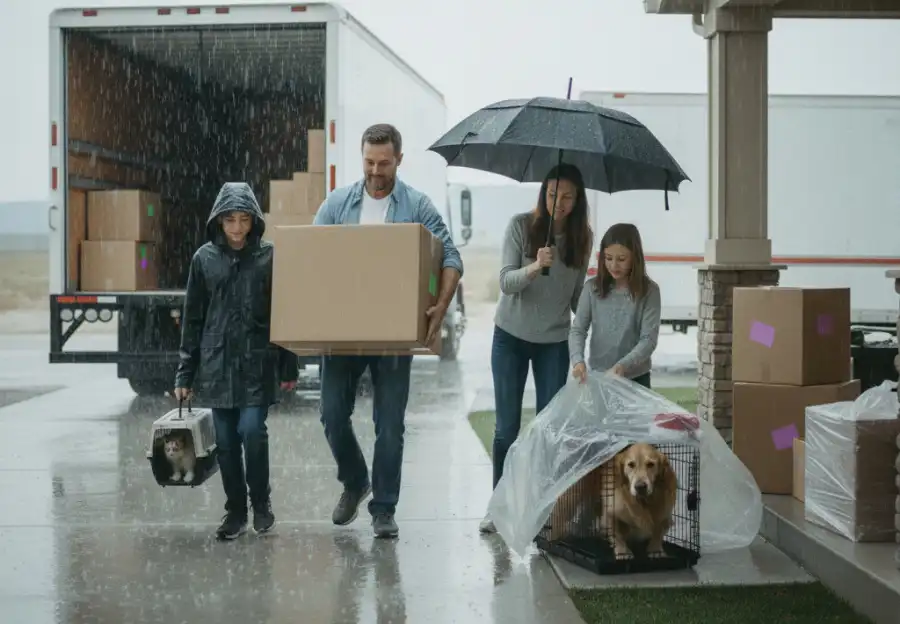
How to move in the rain plays a crucial role in shaping how individuals plan, manage, and execute a relocation under less-than-ideal conditions. Rain introduces challenges that are not always obvious until moving day arrives—slippery surfaces, damaged belongings, slower workflows, and increased physical risk. Without a structured approach, a rainy move can quickly become stressful, chaotic, and unsafe.
Unlike general moving advice, moving in the rain requires heightened awareness, preparation, and adaptability. Rain affects every stage of the process, from packing and loading to transportation and unloading. Understanding how to account for these variables allows individuals to maintain control, protect belongings, and reduce both physical and mental strain during the move.
Preparation is the foundation of a successful rainy-day move. When rain is anticipated, planning shifts from convenience to protection and safety. This mindset change is critical. Instead of reacting to wet conditions as they occur, individuals who prepare in advance are able to follow a clear system that minimizes disruption. Preparation creates predictability, even when the weather itself is unpredictable.
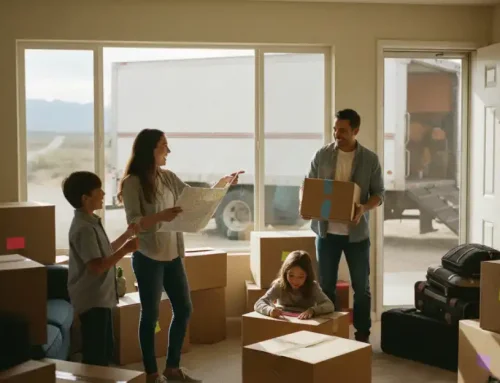
Organization becomes especially important when moisture is involved. Wet environments increase the risk of damage and accidents, making clear workflows essential. Knowing which items move first, which areas must stay dry, and how transitions are sequenced helps prevent confusion. A well-organized plan reduces unnecessary exposure to rain and keeps progress steady despite delays.
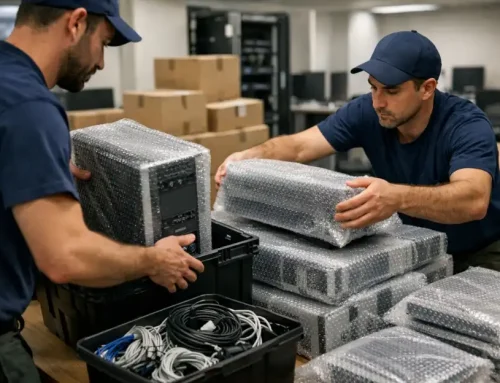
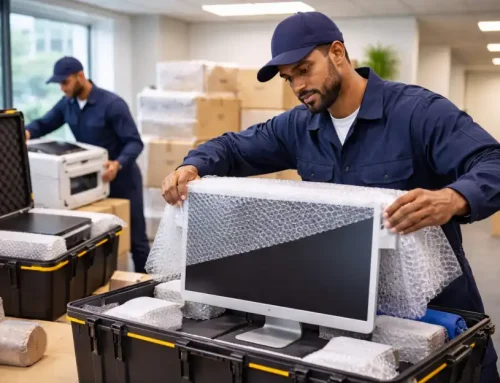
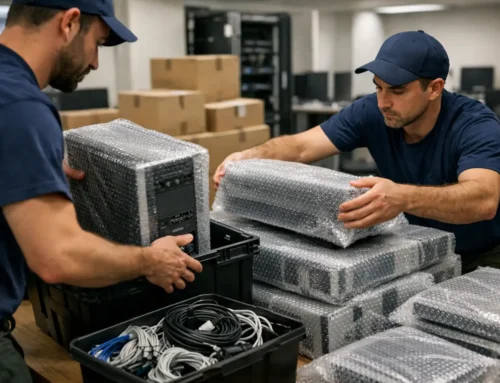
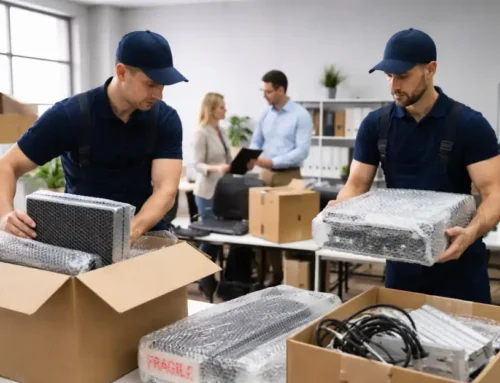
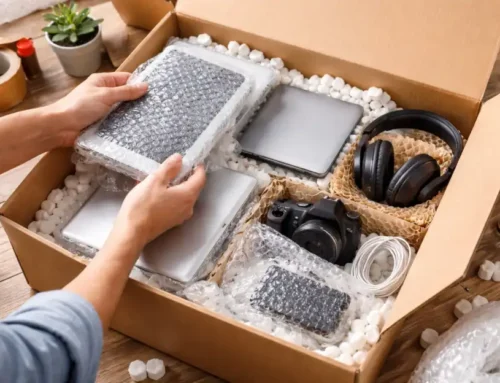
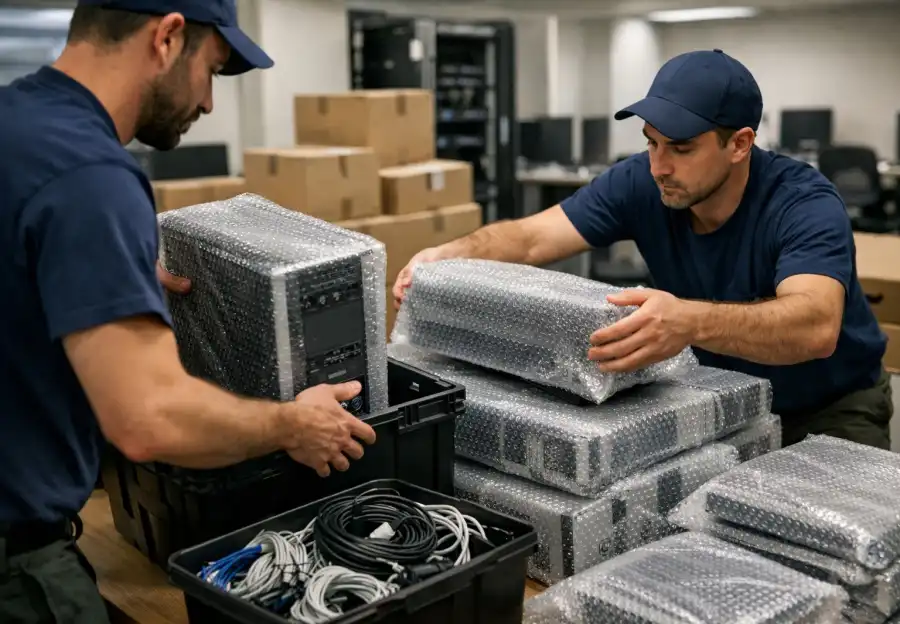
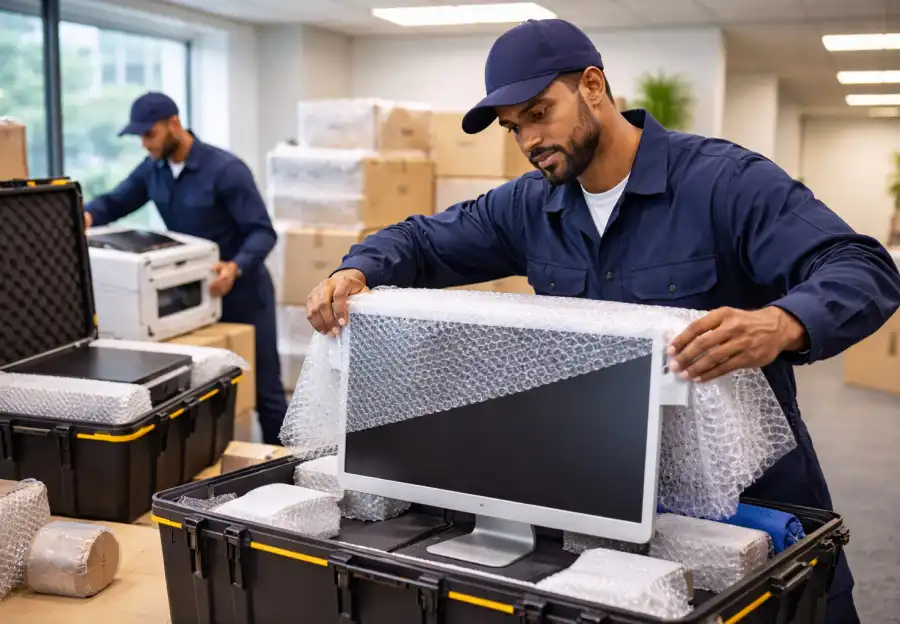
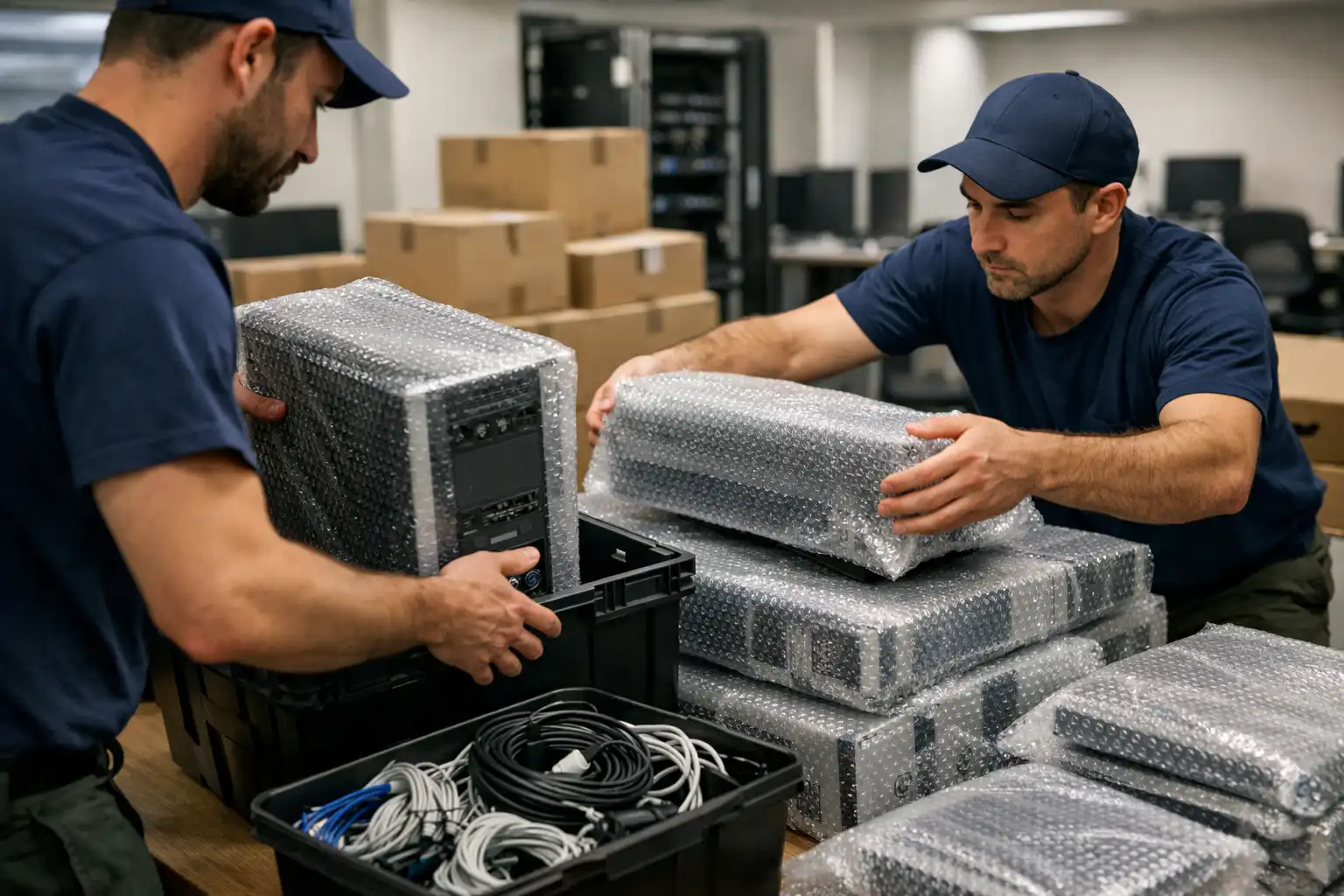
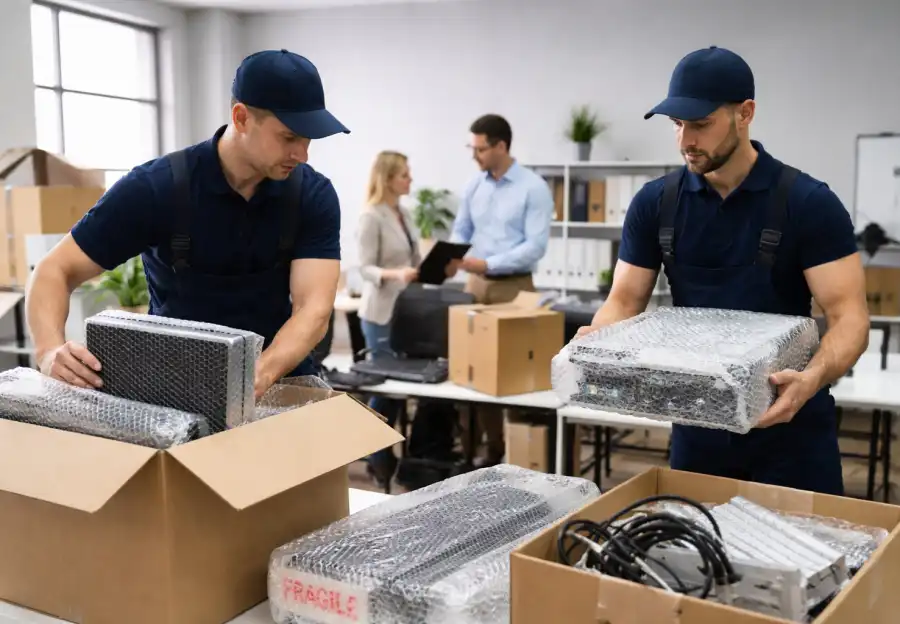
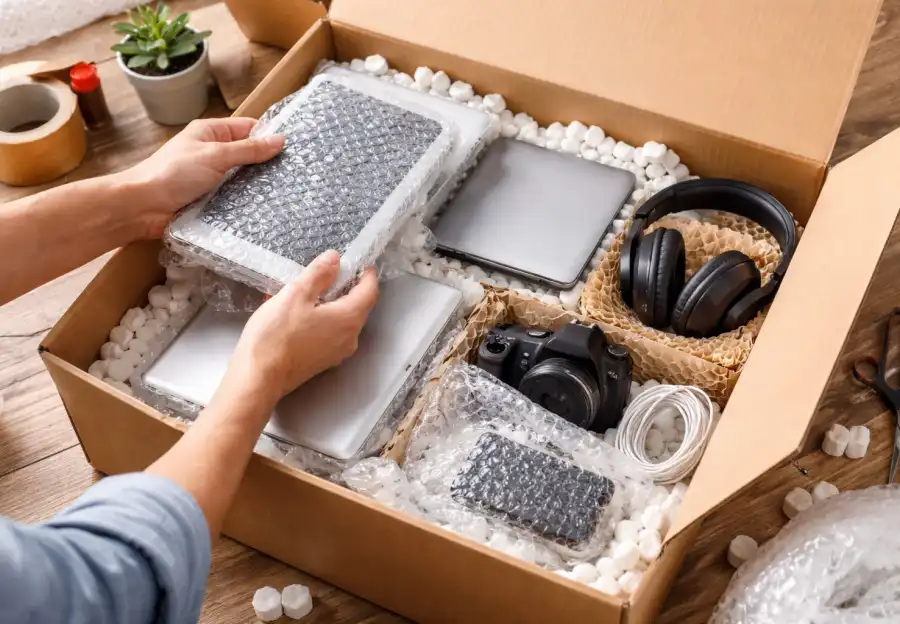
One of the most significant challenges of moving in the rain is protecting belongings. Water damage can occur quickly and silently. A structured packing strategy ensures that items are sealed, layered, and handled in a way that limits exposure. Thoughtful handling reduces the need for rushed decisions, which often lead to mistakes. When protection is built into the process, efficiency and safety improve together.
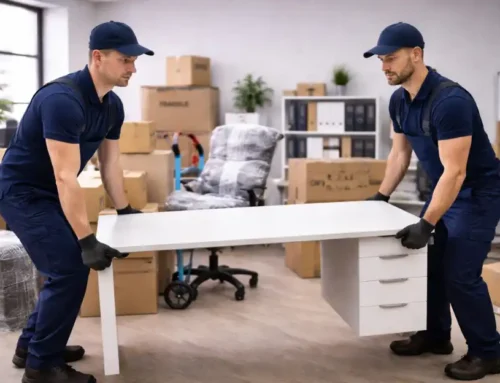
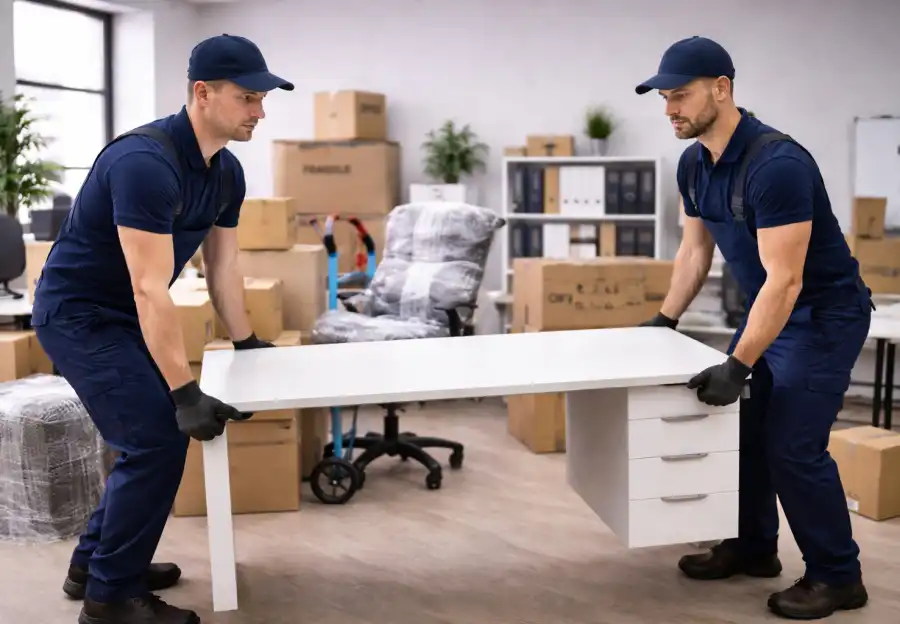
Physical safety is another major consideration. Rain increases the likelihood of slips, strains, and fatigue. Moving heavy items in wet conditions requires slower pacing and greater awareness. Planning for additional time is not a setback—it is a safeguard. Allowing for a slower workflow reduces injury risk and preserves energy throughout the day.
Efficiency during a rainy move does not come from speed, but from sequencing. Moving items in a logical order reduces repeated trips through wet areas and limits unnecessary handling. When tasks are aligned correctly, fewer steps are wasted, and exposure to rain is minimized. This strategic efficiency lowers stress and prevents burnout.
Another key element is adaptability. Even the best plans may need adjustment when weather conditions change unexpectedly. Flexibility allows individuals to pause, redirect, or reorganize without losing momentum. This adaptability is not about improvising without structure, but about adjusting within a clear framework. When the plan allows for change, disruptions feel manageable rather than overwhelming.
Psychological relief plays an important role during a rainy move. Rain can amplify frustration and make tasks feel more difficult than they actually are. Having an organized approach reduces emotional fatigue by providing clarity. When each step has a defined place in the process, individuals are less likely to feel lost or discouraged by external conditions.
Communication is also essential when moving in the rain. Whether coordinating with family members, helpers, or movers, clear communication ensures that everyone understands priorities and safety considerations. Miscommunication in wet conditions can lead to accidents or damaged items. Clear expectations create smoother coordination and reinforce shared responsibility.
Another important factor is time management. Rain naturally slows movement and handling. Building extra time into the schedule prevents rushing, which is one of the biggest risks during wet moves. Rushed decisions often lead to dropped items, injuries, or overlooked details. A realistic timeline supports both safety and effectiveness.
Moving in the rain also encourages smarter prioritization. Not everything needs to be moved at once. Identifying what must be handled immediately versus what can wait reduces pressure. This prioritization helps individuals maintain control and prevents exhaustion. It also reinforces the habit of intentional decision-making.
Environmental awareness is subtly reinforced during rainy moves. When conditions are challenging, wasteful actions become more obvious. Thoughtful planning reduces unnecessary trips, excess materials, and repeated handling. This efficiency not only protects belongings but also supports a more sustainable approach to moving.
Another often overlooked benefit of managing a rainy move well is skill development. Navigating adverse conditions strengthens problem-solving abilities, patience, and planning skills. These competencies extend into daily life, improving how individuals handle unexpected challenges beyond relocation.
Maintaining morale is also important. Rain can dampen motivation as much as it dampens surroundings. Breaking the move into small, achievable steps helps sustain momentum. Each completed task reinforces progress and keeps energy levels stable. This psychological reinforcement is especially valuable during difficult conditions.
Ultimately, how to move in the rain is about managing risk with structure. Rain does not have to derail a move if it is treated as a factor to plan around rather than an obstacle to fight against. By aligning preparation, organization, efficiency, and adaptability, individuals transform a challenging scenario into a controlled process.
Mastering this approach ensures that weather does not dictate the success of the move. Instead, it becomes one variable within a larger, well-managed system. With the right mindset and planning, moving in the rain can be handled safely, efficiently, and with far less stress than expected—proving that preparation, not conditions, determines outcomes.