How to find temporary housing between moves plays a crucial role in shaping how individuals plan, manage, and and execute a smooth relocation. Temporary housing is often required when move-out and move-in dates do not align, when construction or renovations are ongoing, or when long-distance relocations involve multiple stages. Without a clear plan, this in-between period can quickly become stressful, disruptive, and costly.
Unlike general moving advice, finding temporary housing between moves focuses on coordination, timing, and adaptability. It requires anticipating uncertainty while still maintaining structure. Temporary housing is not just about having a place to stay—it is about maintaining stability during transition. A thoughtful approach ensures that daily life remains functional even when permanent arrangements are still unfolding.
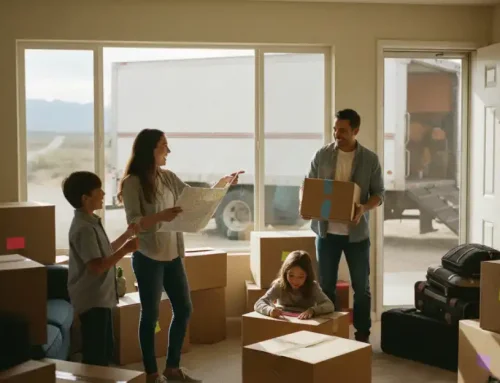
One of the first steps in managing temporary housing is understanding the timeline. Knowing how long the temporary stay may last helps narrow options and prevents unnecessary commitments. While exact dates are not always predictable, having a realistic estimate allows individuals to choose flexible solutions that accommodate change. This awareness prevents rushed decisions that may later create inconvenience or financial strain.
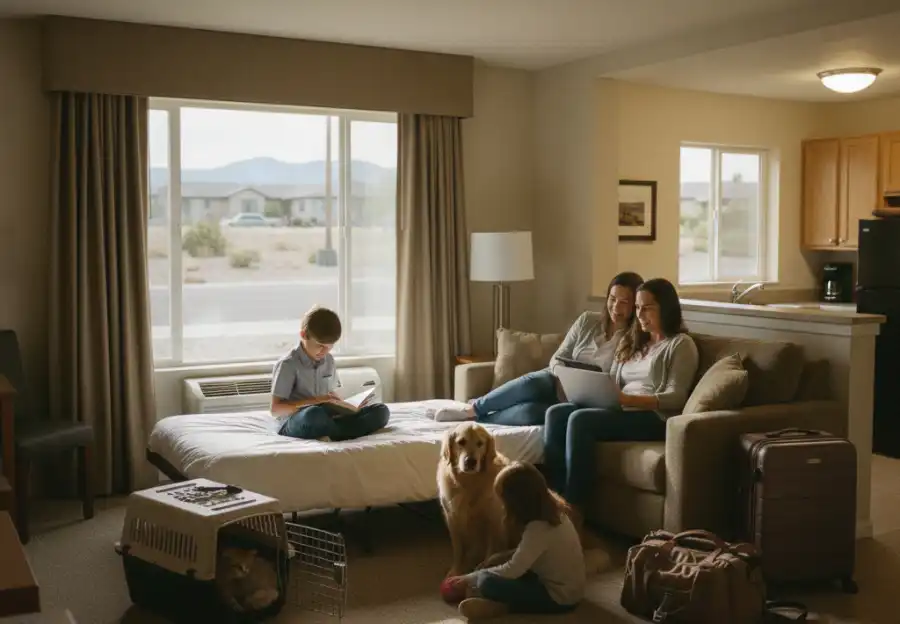
Organization becomes essential during this phase. Temporary housing often involves limited space and reduced access to belongings. Planning what to keep accessible and what to store allows individuals to function comfortably without unpacking everything. This deliberate selection reduces clutter, minimizes physical strain, and simplifies daily routines during the interim period.
Another important consideration is proximity. Temporary housing should support existing responsibilities such as work, school, or family commitments. Choosing a location that minimizes disruption to daily life preserves a sense of normalcy. This stability is especially important during long transitions, where prolonged displacement can lead to fatigue or frustration.
Flexibility is a defining feature of successful temporary housing planning. Moves rarely follow perfect schedules, and unexpected delays are common. Selecting housing options that allow extensions or early exits provides valuable breathing room. Flexibility reduces pressure and prevents the stress of having to relocate again on short notice.
Efficiency plays a central role in reducing stress. Without a plan, individuals may spend excessive time searching for housing, managing logistics, or adjusting arrangements. A structured approach streamlines decision-making and allows attention to remain focused on the broader relocation process. This efficiency supports better time management and conserves energy during a demanding period.
Temporary housing also requires financial awareness. Short-term stays often involve different cost structures than long-term leases. Understanding these financial dynamics helps individuals budget effectively and avoid surprises. Thoughtful planning ensures that temporary housing supports the move rather than becoming an additional burden.
Psychological relief is one of the most valuable benefits of securing suitable temporary housing. Knowing that there is a safe, functional place to stay provides peace of mind. This sense of security allows individuals to focus on organizing their next steps instead of worrying about immediate shelter. Order and predictability create emotional stability during uncertainty.
Another key aspect is maintaining routine. Temporary housing can disrupt daily habits, but intentional planning helps preserve structure. Simple routines such as consistent wake times, meal patterns, and work schedules anchor individuals during transition. This continuity supports emotional well-being and improves adaptability.
Handling belongings during temporary housing requires thoughtful coordination. Storage, transport, and accessibility must be balanced carefully. By planning in advance, individuals avoid unnecessary lifting, repeated handling, or damage to items. This reduces physical strain and protects possessions during a vulnerable phase of the move.
Temporary housing planning also encourages smarter prioritization. When space and time are limited, individuals learn to identify what truly matters. This clarity often leads to better organization and more intentional living. The skills developed during this period extend into future housing arrangements and everyday life.
Environmental responsibility can also be incorporated into temporary housing decisions. Efficient use of space, reduced consumption, and minimal transport align sustainability with practicality. Conscious choices during this phase contribute to a lower environmental footprint while supporting an organized transition.
Communication is another important element. Coordinating with family members, employers, or service providers ensures that expectations are aligned. Clear communication prevents misunderstandings and helps everyone adapt to temporary arrangements more easily. This clarity reduces tension and fosters cooperation.
Temporary housing also supports smoother final transitions. Having a stable base during the interim allows individuals to prepare thoughtfully for their permanent move-in. It provides time to finalize arrangements, address issues, and plan the final stage with confidence rather than urgency.
Ultimately, how to find temporary housing between moves is about managing uncertainty with structure. It is not about finding a perfect solution, but about choosing an option that supports stability, flexibility, and efficiency. By aligning planning, organization, and adaptability, individuals transform an uncertain gap into a manageable phase of the relocation journey.
Mastering this process empowers individuals to navigate transitions calmly and effectively. Temporary housing becomes a supportive bridge rather than a disruption, allowing life to continue smoothly even while permanent plans are still taking shape.