February 11, 2026
How to Prevent Damage to Fragile Items
Preventing damage to fragile items during a move requires careful planning, preparation, and close attention to detail. Fragile belongings such as glassware, ceramics, electronics, mirrors, artwork, and collectibles are especially vulnerable to breaking, chipping, or scratching if they are not handled correctly. Even small errors during packing, loading, transportation, or unloading can result in costly damage or complete loss. A systematic and organized approach greatly reduces these risks and ensures that delicate possessions arrive at the new location in the same condition they left.
The process should begin with a thorough assessment of all fragile items. Identifying which belongings are delicate, valuable, or sentimentally important allows you to prioritize protection and allocate appropriate packing materials. This step also helps determine which items should be transported personally, professionally packed, or possibly donated or sold to reduce risk. By minimizing the number of high-risk items and focusing resources on those that truly matter, the overall moving process becomes more manageable and secure.
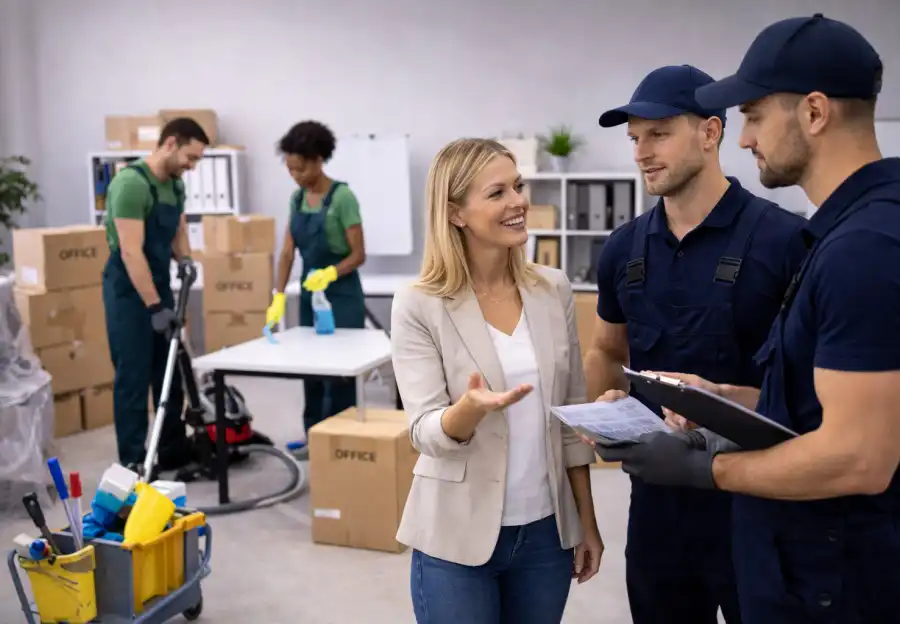
Preparation continues with cleaning and inspecting each fragile item before packing. Dust, dirt, or debris can cause scratches when items are wrapped, while loose parts may shift and break during transport. Inspecting items for existing cracks or weaknesses is equally important, as these areas may require extra reinforcement. Particularly delicate or high-value items may benefit from advice or services provided by professional movers or packing specialists, who can recommend custom crating or specialized materials for maximum protection.
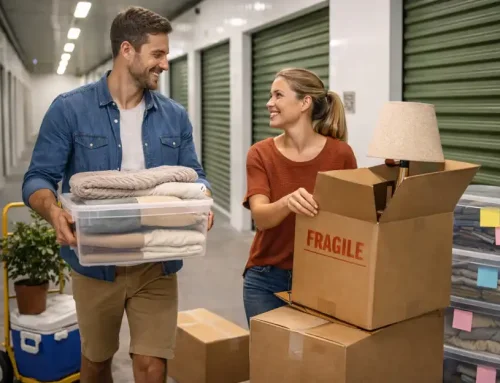
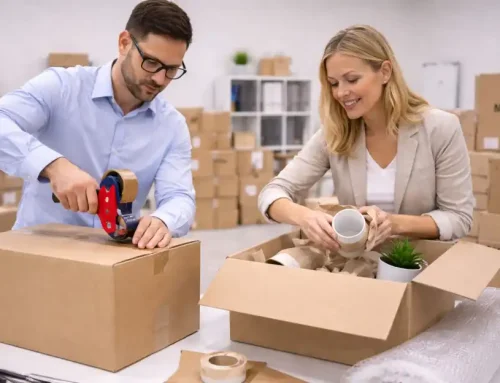
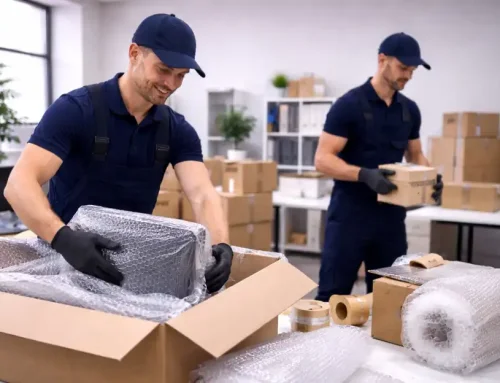
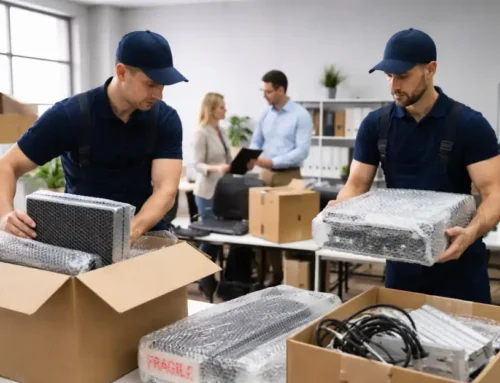
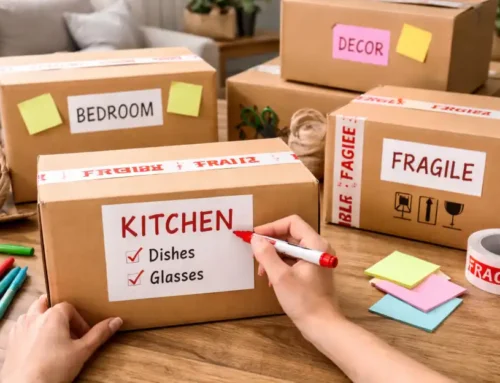
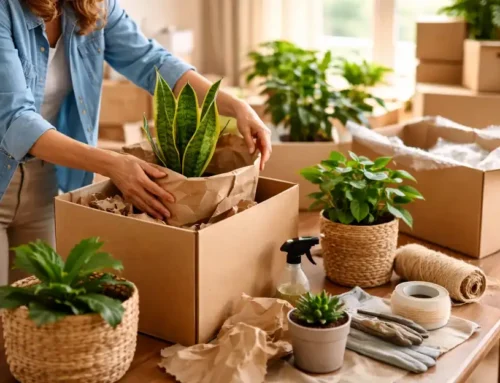
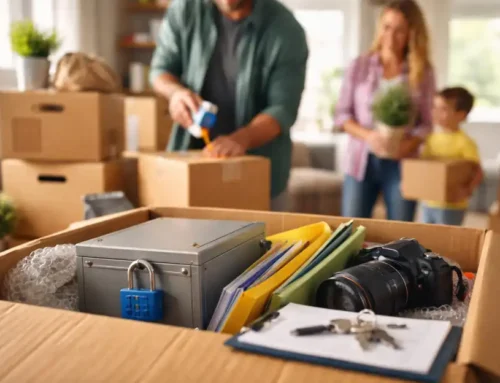
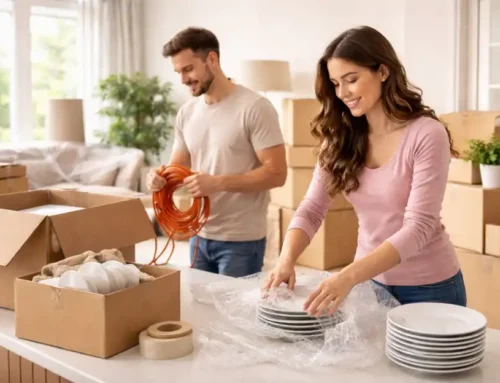
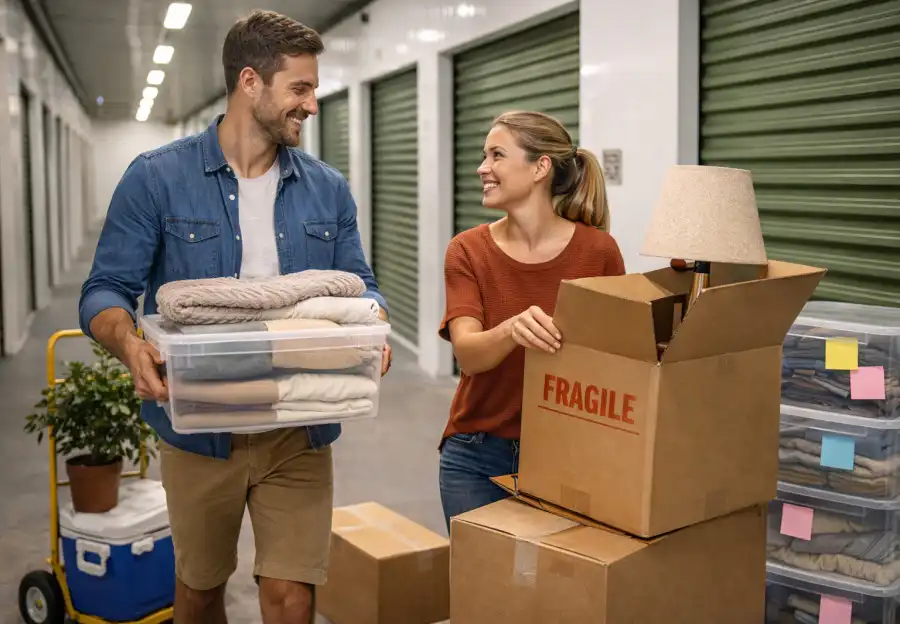
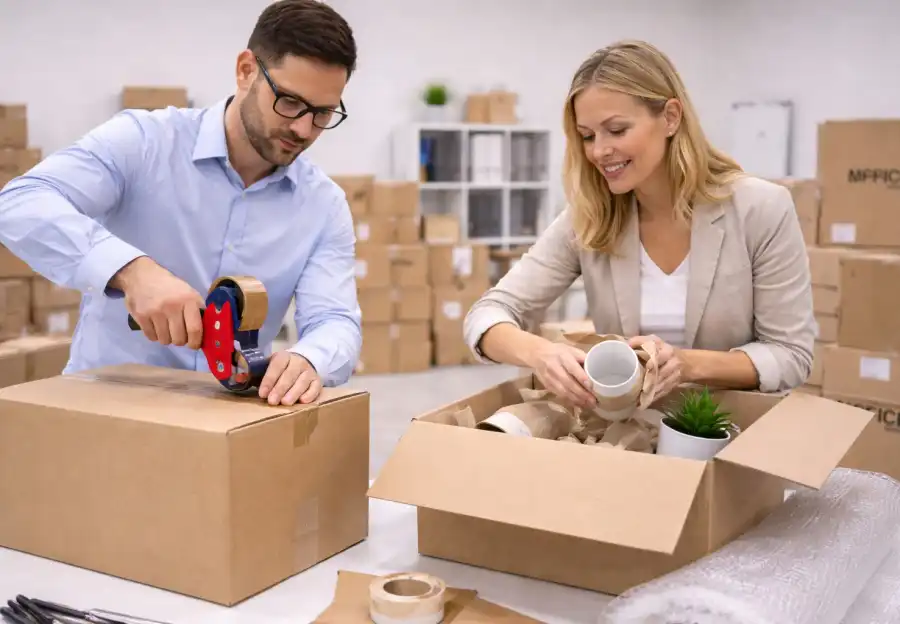
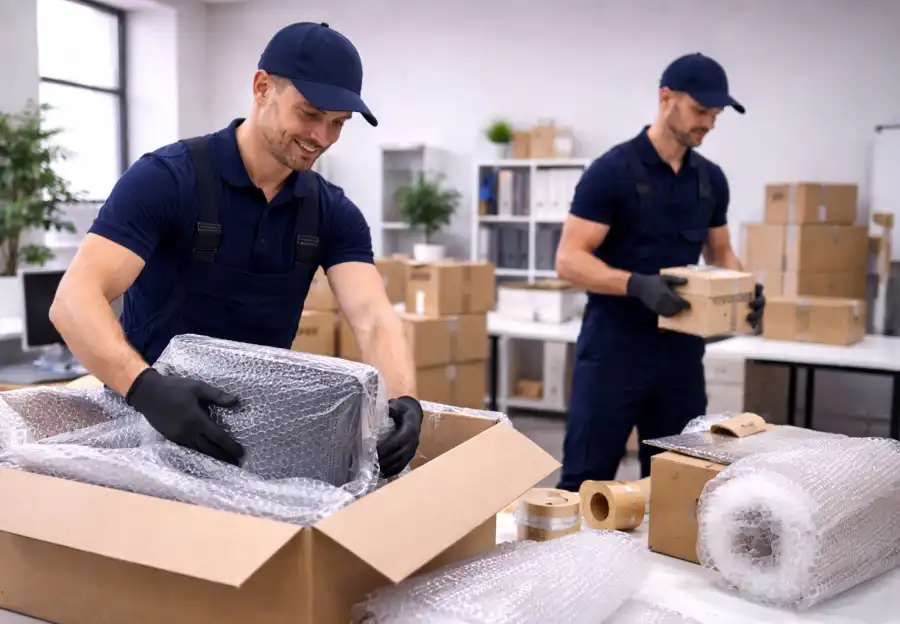
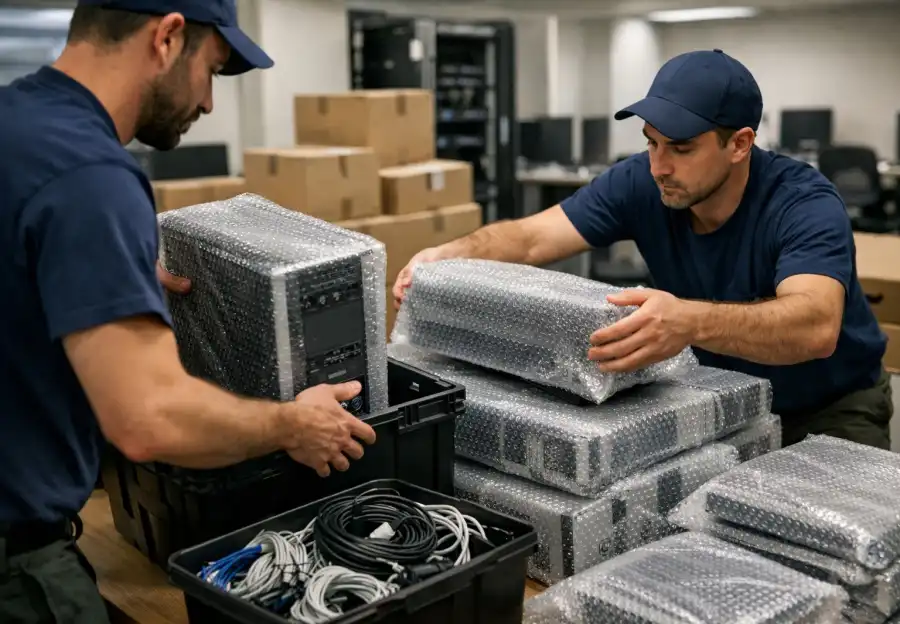
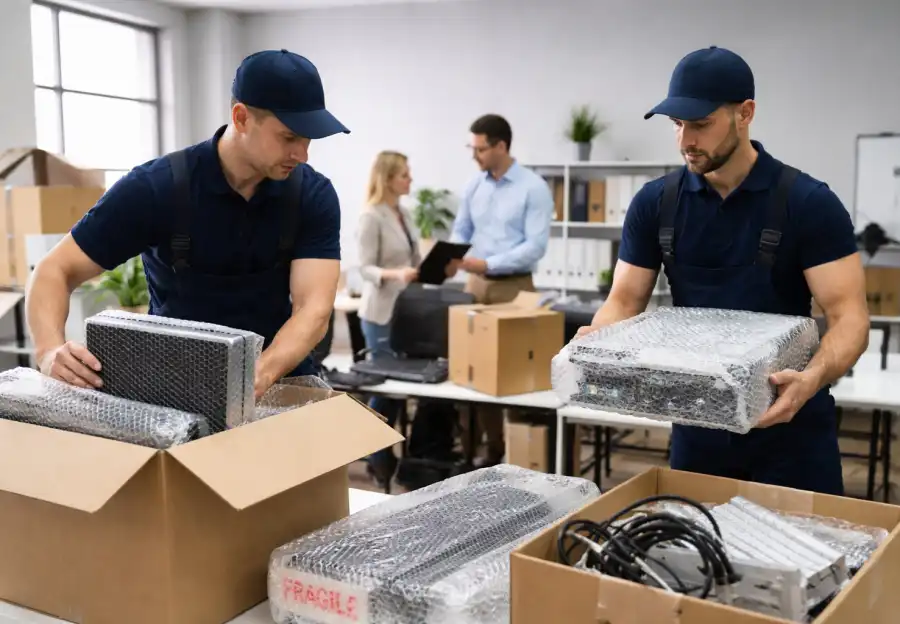
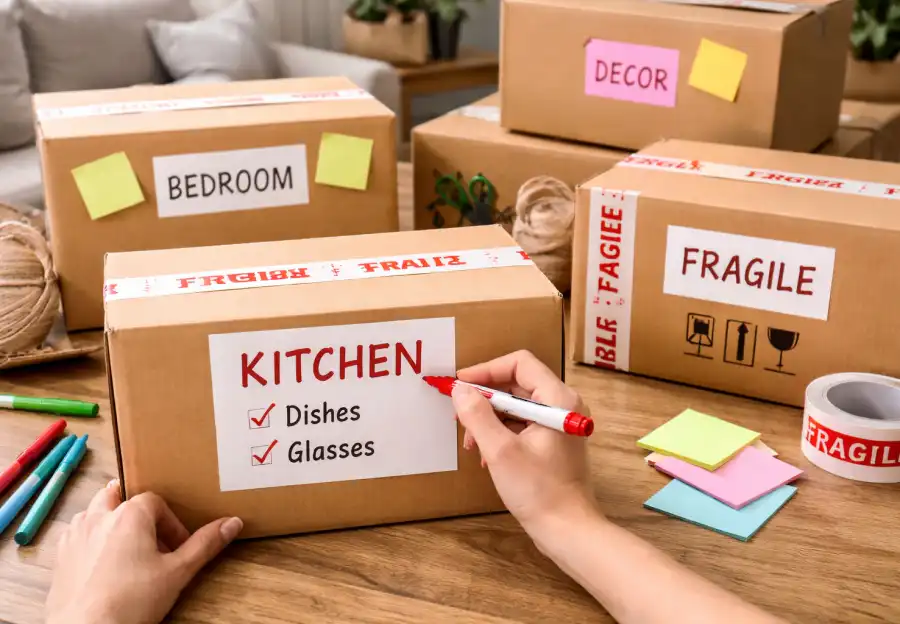
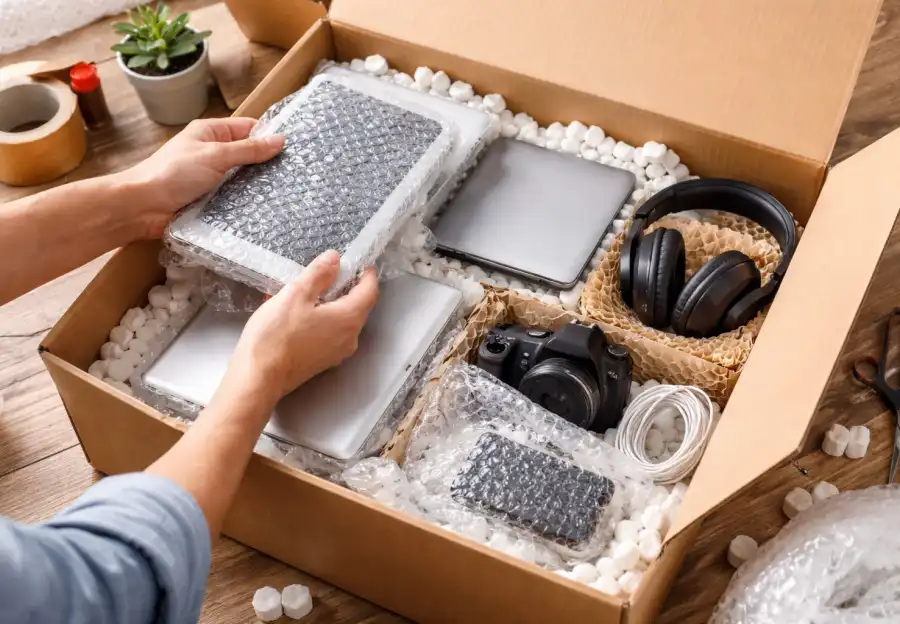
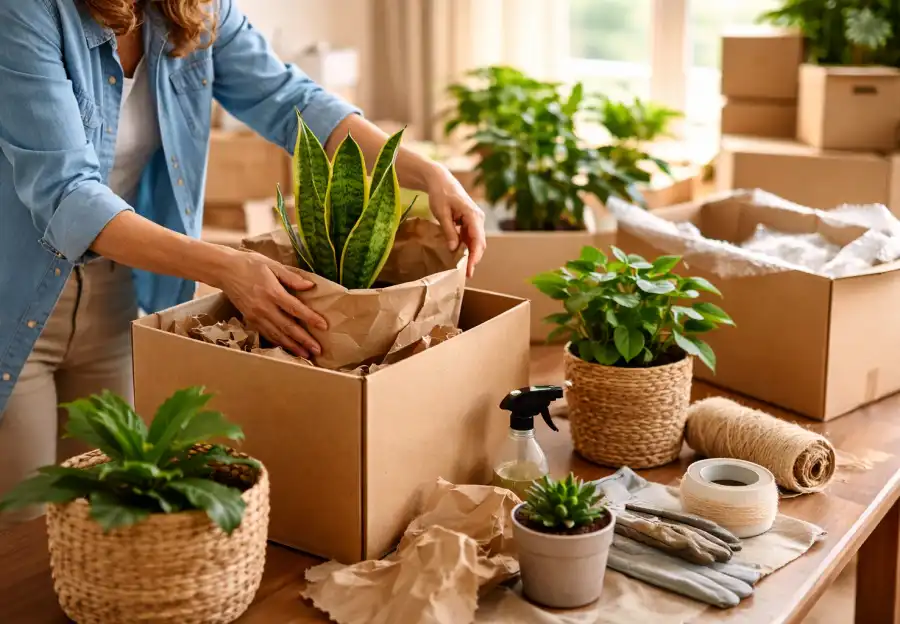
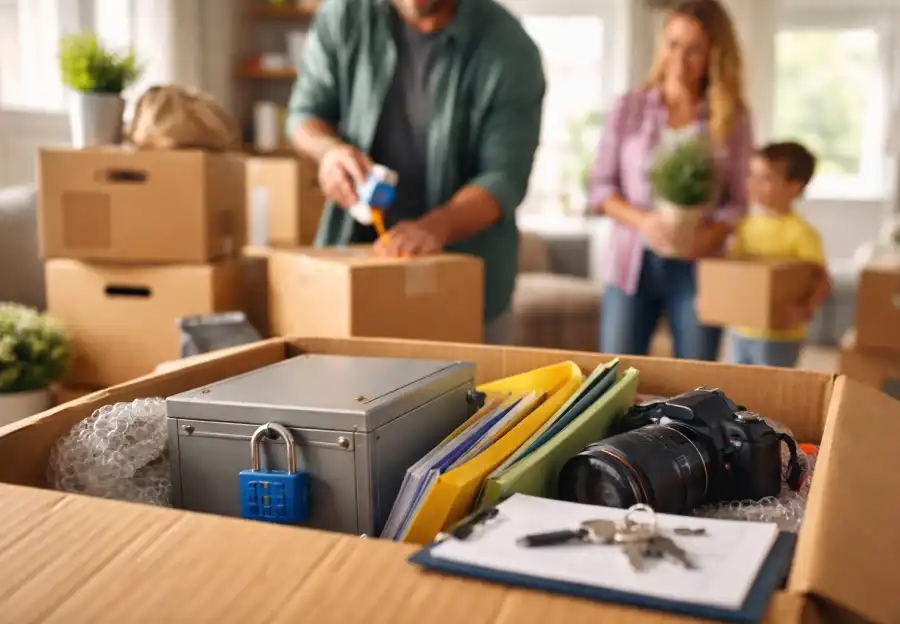
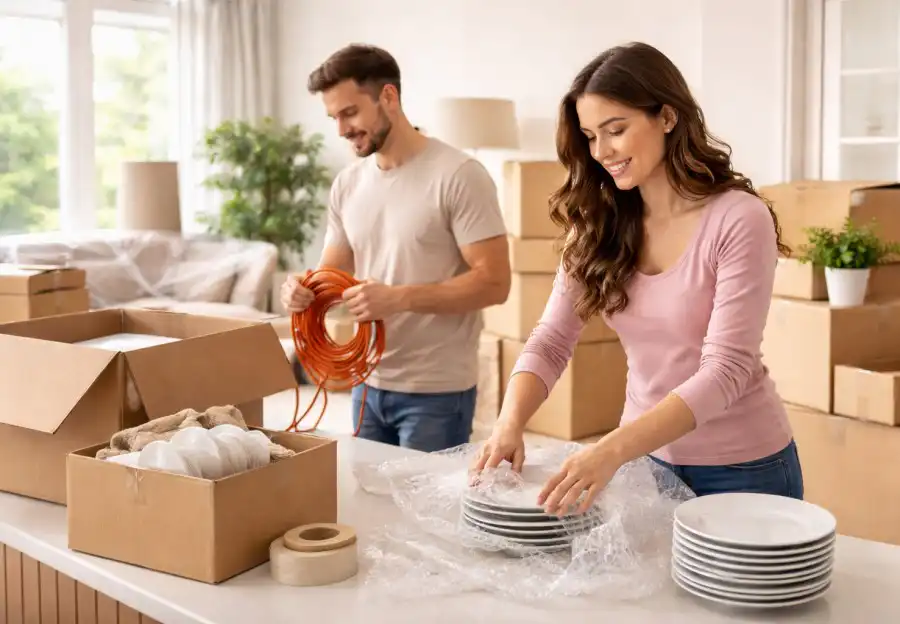
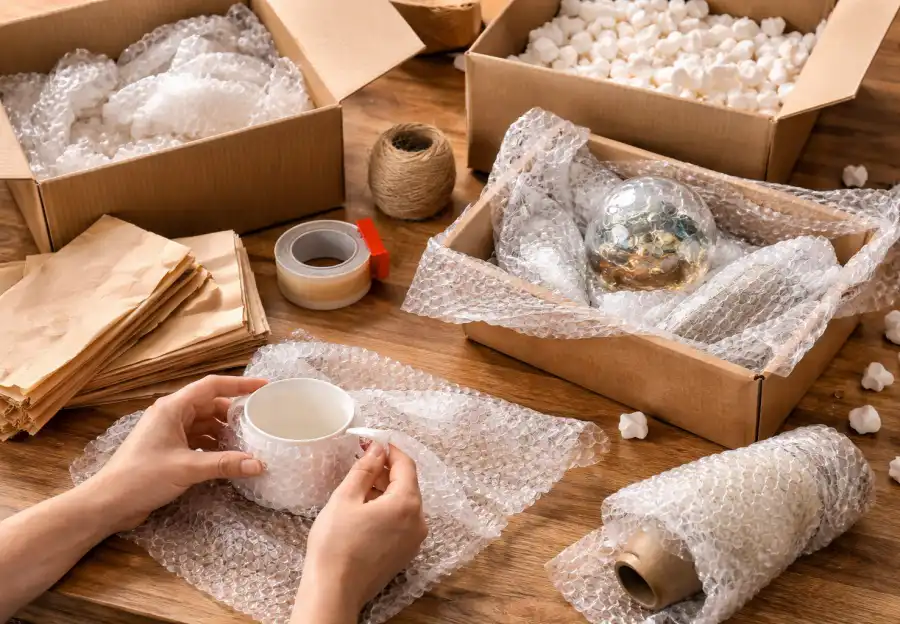
Using the correct packing materials is essential for safeguarding fragile items. Sturdy cardboard boxes, bubble wrap, foam sheets, packing paper, and specialty containers help absorb impact and reduce vibration. Each fragile item should be wrapped individually, with extra attention paid to corners, edges, and thin surfaces. Empty spaces inside boxes should always be filled with cushioning materials to prevent shifting. Clear labeling with “Fragile” and “This Side Up” alerts movers to handle boxes carefully and maintain proper orientation throughout the move.
Glassware and ceramics require specific packing strategies to prevent breakage. Items should be packed vertically rather than stacked flat, as this distributes pressure more evenly. Cardboard dividers, tissue paper, or bubble wrap should separate each piece to prevent contact. Remaining gaps inside the box should be filled with foam peanuts, towels, or crumpled paper to stabilize contents. Heavier fragile items should be packed in separate boxes to avoid excessive weight, which can strain the box and increase the likelihood of damage.
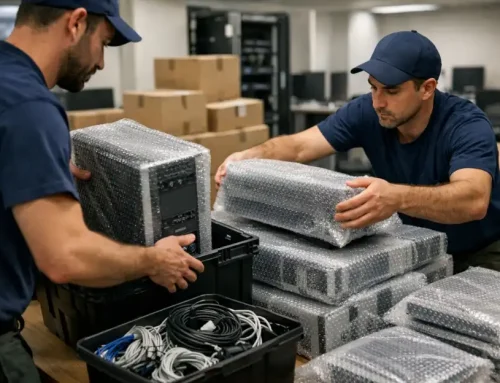
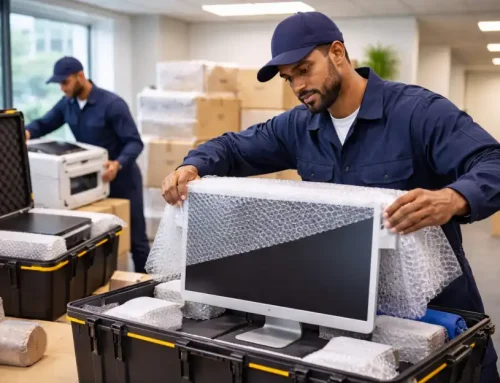
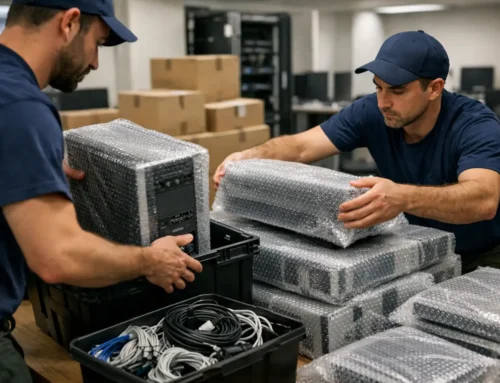
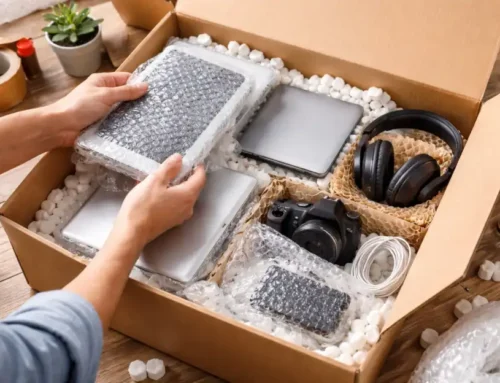
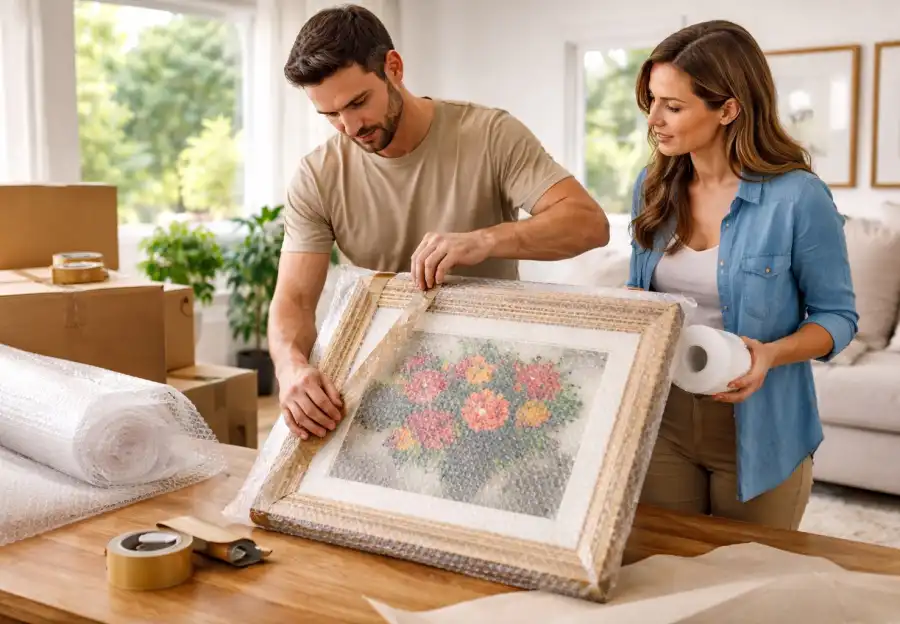
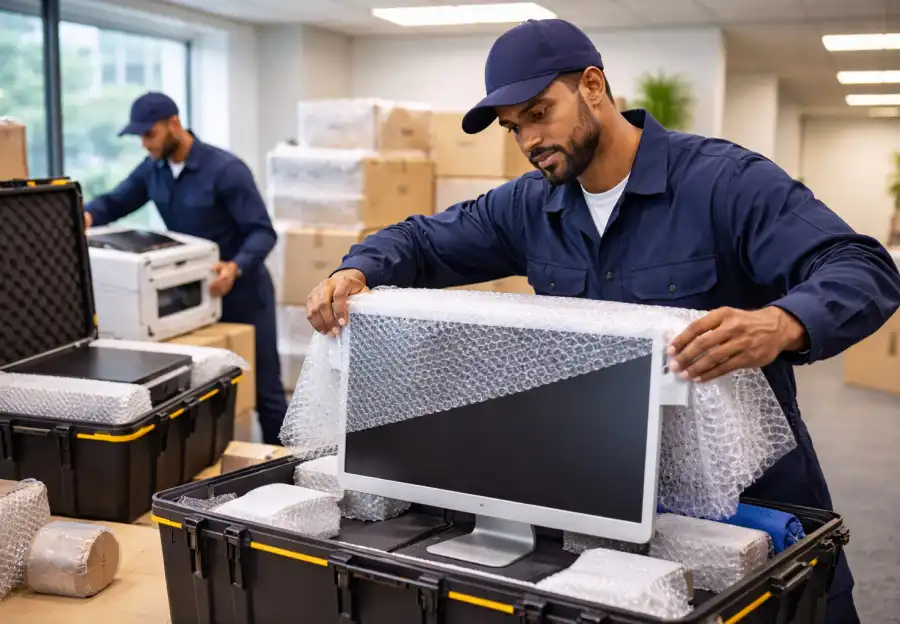
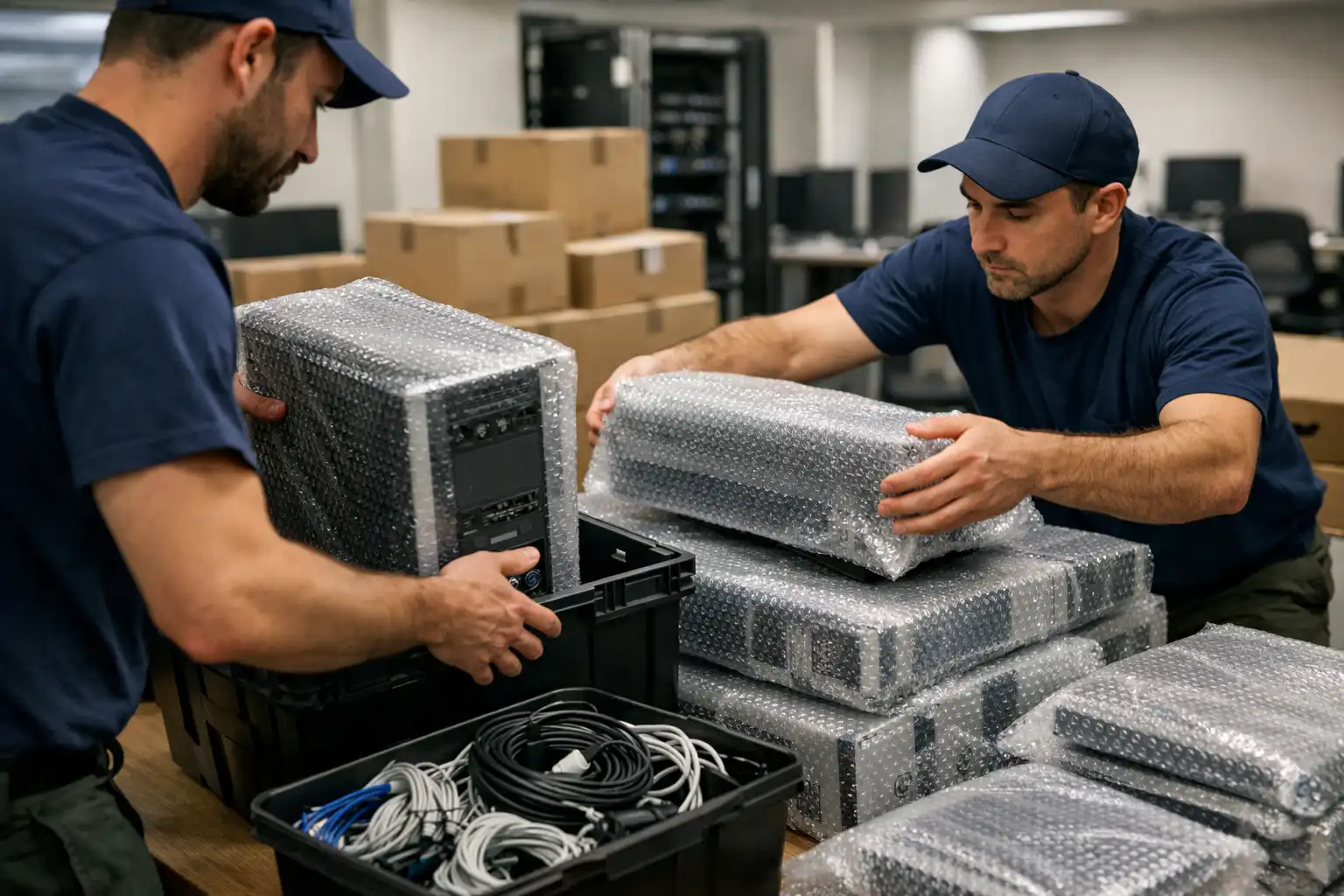
Electronics and artwork demand additional care because they are sensitive to impact, moisture, and temperature changes. Anti-static bubble wrap is ideal for electronics, while screens and delicate components should be padded generously. Cords and accessories should be secured separately to avoid pressure on ports or screens. Artwork, photographs, and framed pieces should be wrapped with protective paper and placed in reinforced boxes, maintaining upright orientation to reduce stress. Proper labeling ensures these items are not stacked or mishandled.
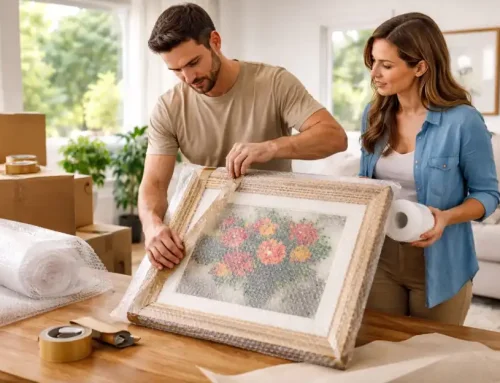
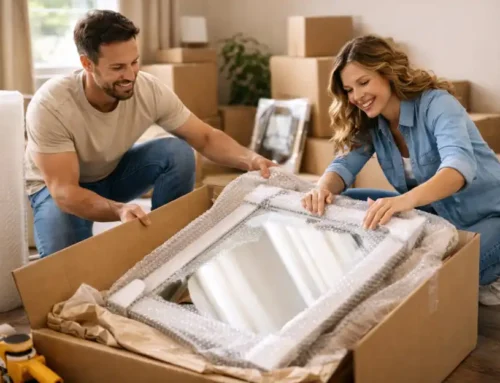
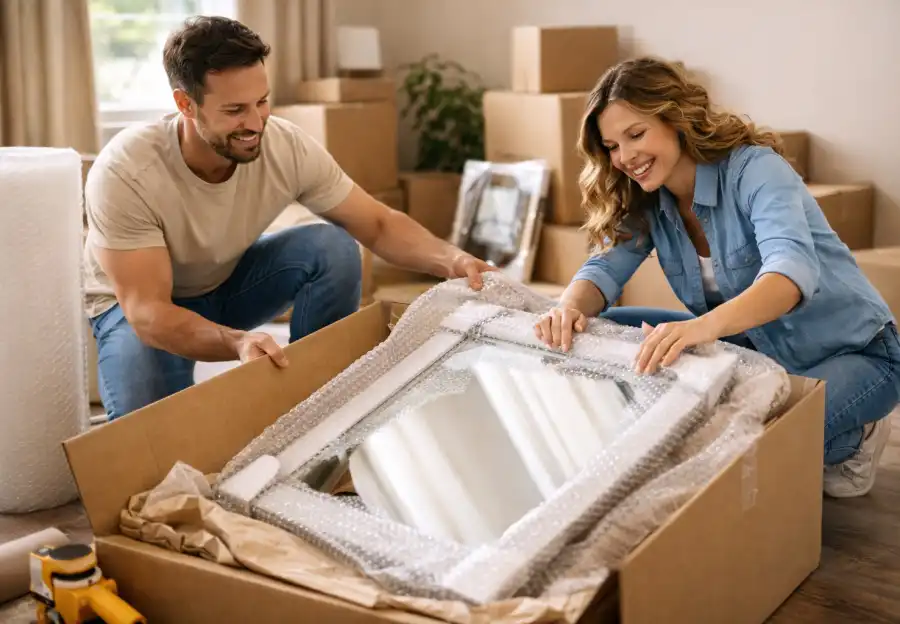
Mirrors, paintings, and picture frames benefit from specialized protection. Corner guards, foam sheets, and mirror cartons help absorb shocks and protect edges. Taping glass surfaces in an “X” pattern can reduce shattering if breakage occurs. Canvases should be wrapped in acid-free paper to prevent damage to the surface, while corners and frames should be cushioned to avoid dents or cracks. These precautions ensure that artwork arrives ready for display without costly restoration.
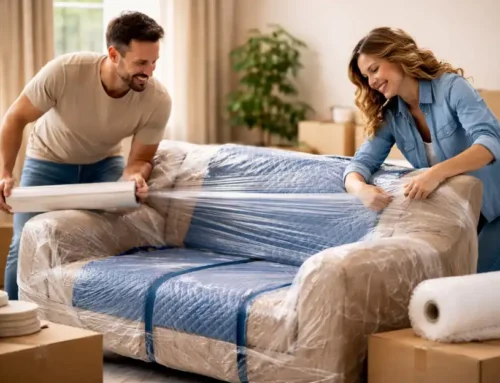
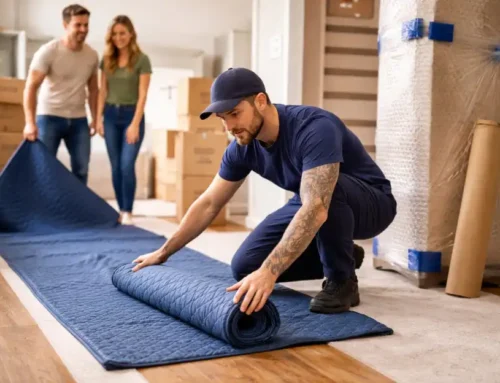
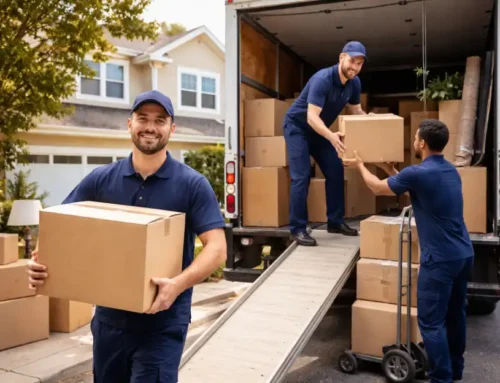
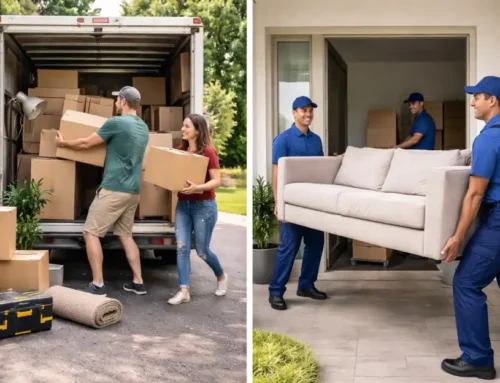
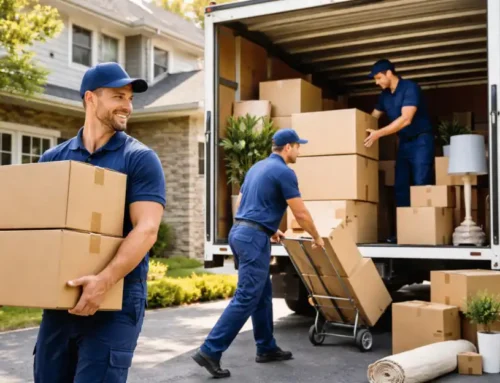
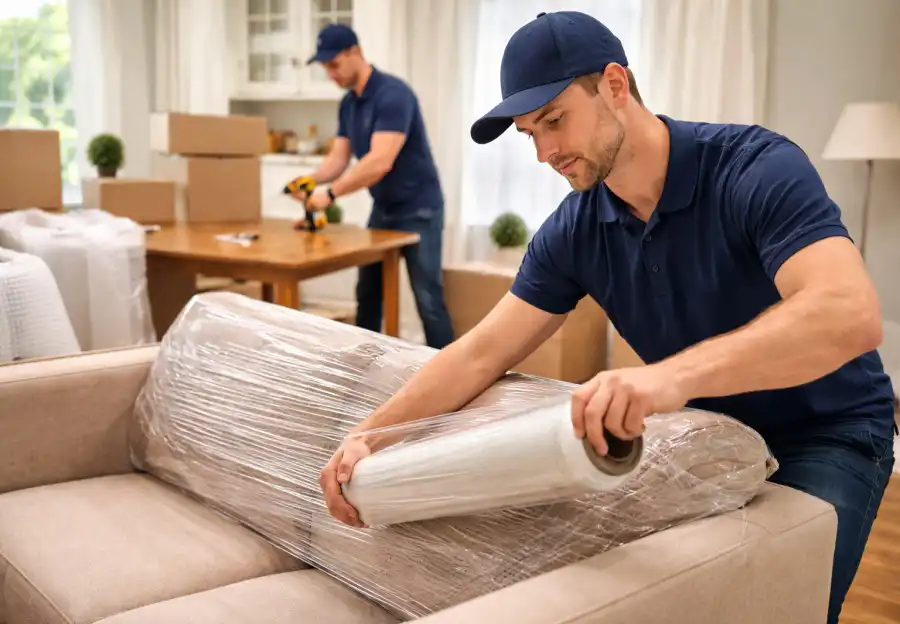
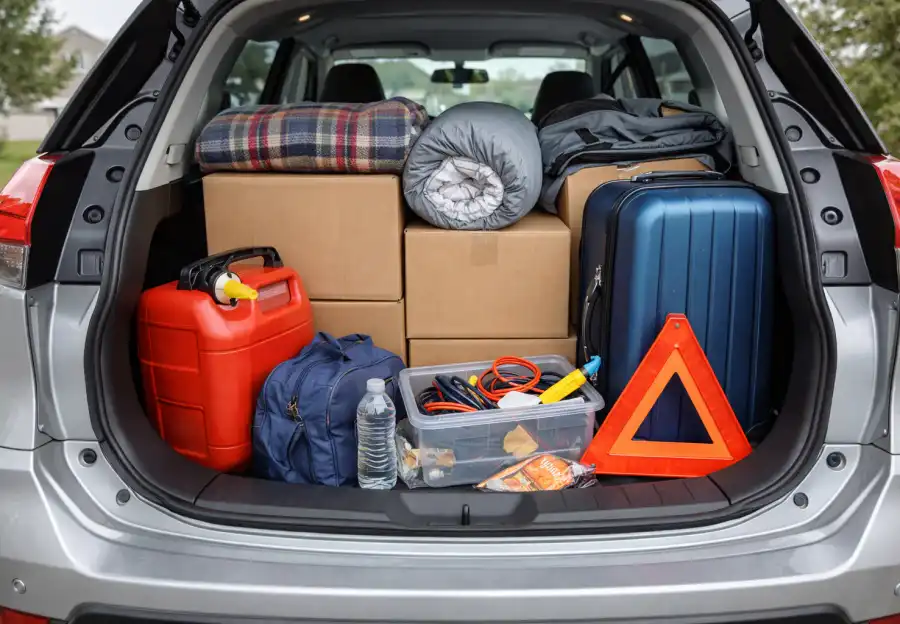
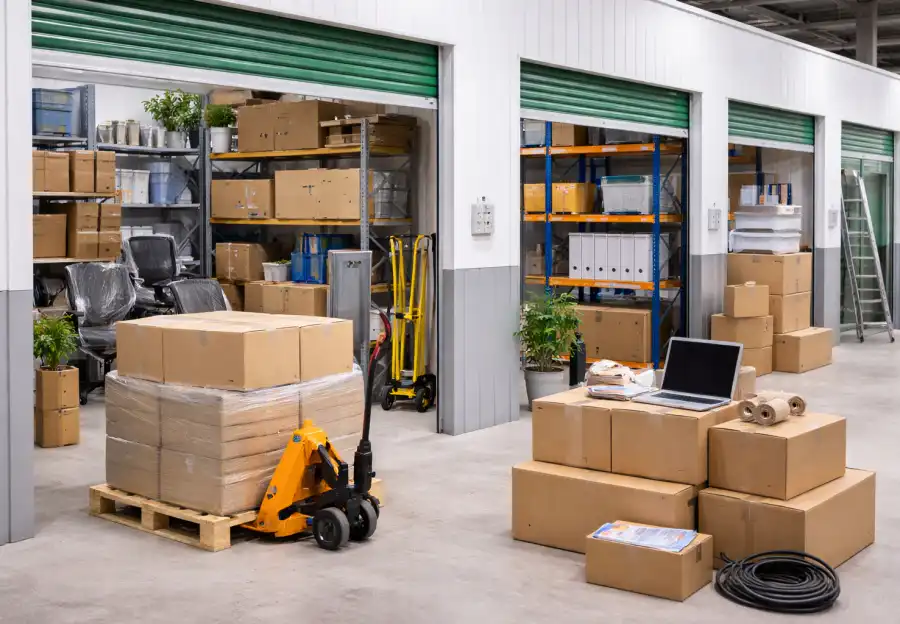
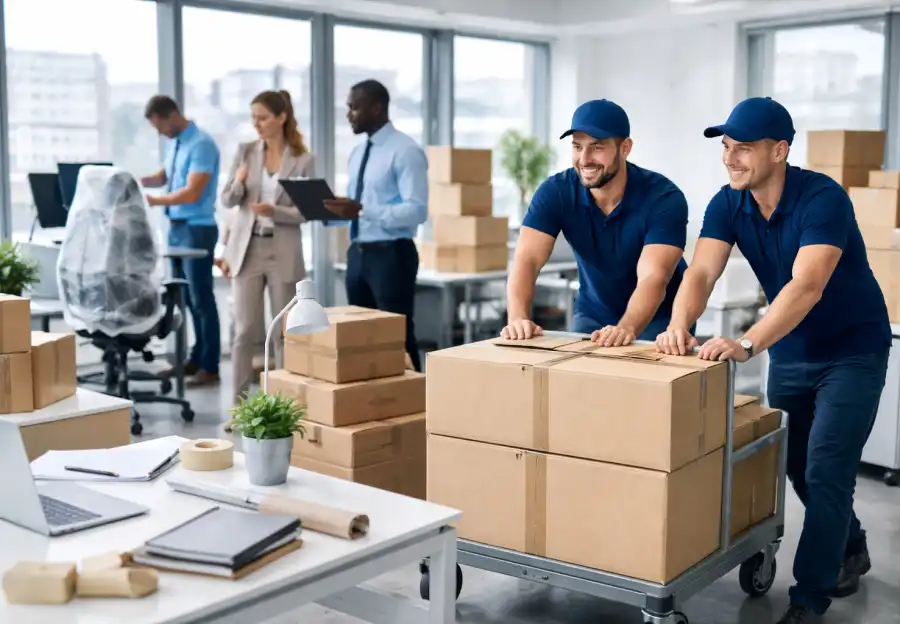
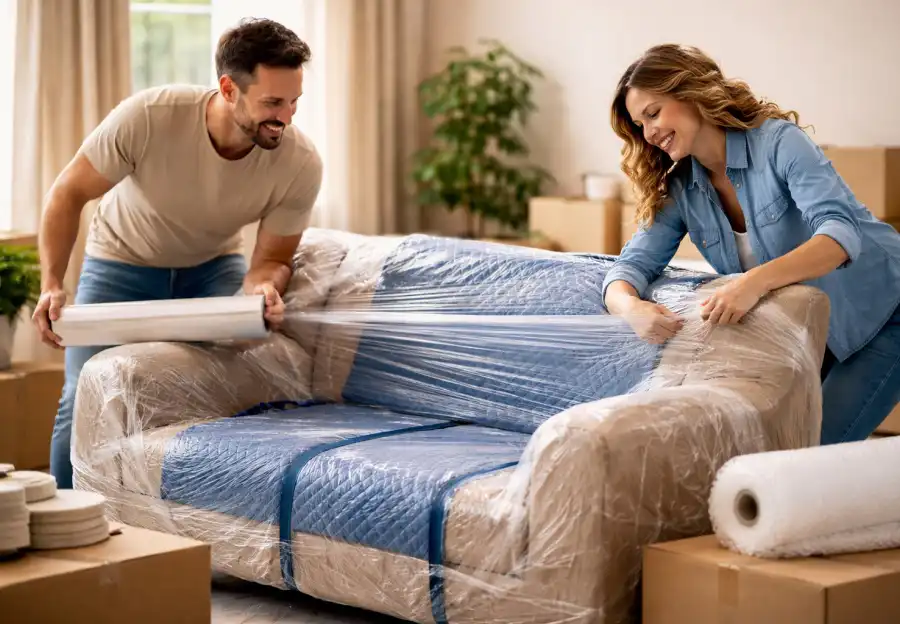
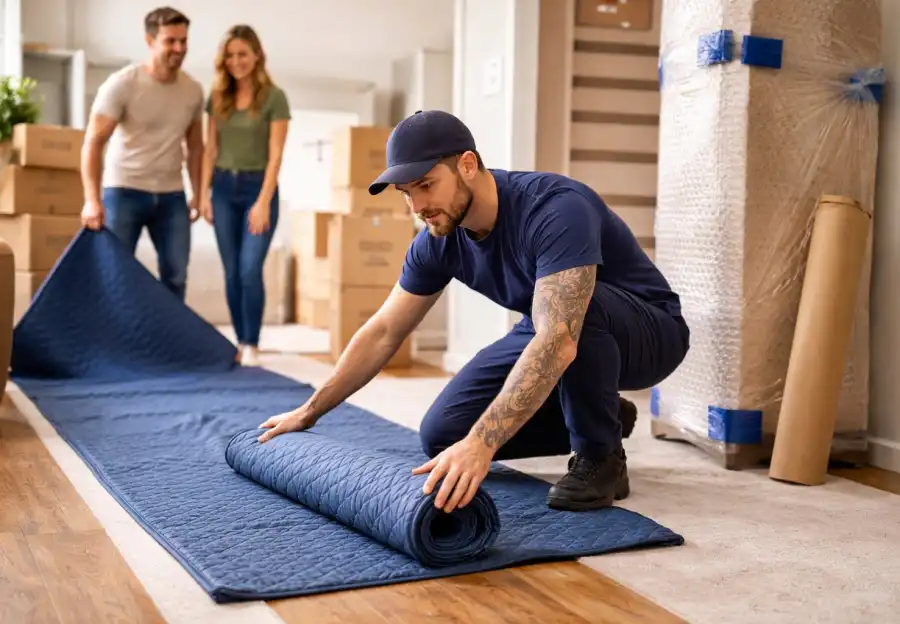
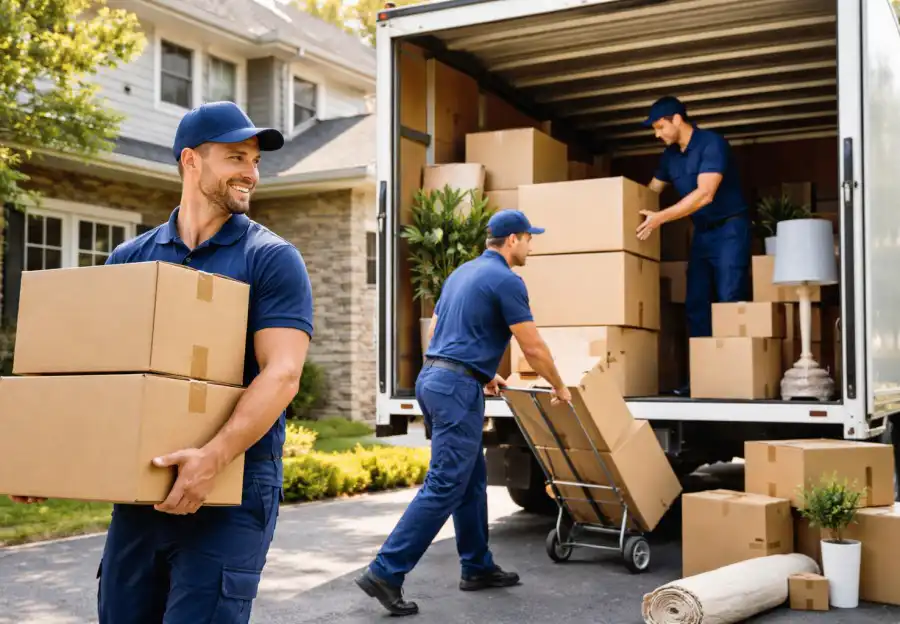
Proper handling and loading practices are just as important as packing materials. Heavier boxes should always be placed at the bottom of stacks, with lighter and fragile boxes on top. Gaps inside the moving truck should be filled with soft materials to prevent shifting during transit. Boxes should be secured with straps or padding to minimize movement caused by braking or turns. Assigning experienced movers to handle fragile items further reduces the risk of accidents.
Environmental conditions also play a role in protecting delicate belongings. Extreme temperatures, humidity, and moisture can damage glass, wood, ceramics, and painted surfaces. Whenever possible, fragile items should be transported in climate-controlled vehicles. Protecting items from rain, direct sunlight, and condensation preserves their integrity. Monitoring conditions during transit ensures that no boxes are exposed to harmful environments for extended periods.
Careful unpacking is the final step in preventing damage. Protective materials should only be removed once items are in a stable, designated area. Fragile items should be unpacked slowly, inspected for damage, and allowed to acclimate to the new environment. Addressing minor issues immediately can prevent further deterioration. Maintaining patience and organization during unpacking is just as important as during packing.
Ultimately, preventing damage to fragile items during a move requires a combination of preparation, proper materials, careful handling, environmental awareness, and systematic organization. By following these steps, homeowners can significantly reduce the risk of breakage or loss. With the right approach, even the most delicate possessions can be moved safely, preserving their beauty, functionality, and sentimental value while providing peace of mind throughout the relocation process.