
March 11, 2026
What to Include in Your Business Move Plan
Creating a comprehensive business move plan is essential for ensuring a smooth, efficient, and successful relocation. A well-structured plan minimizes disruption to daily operations, protects company assets, maintains employee morale, safeguards sensitive information, retains customer loyalty, and ensures continuity of service. Achieving these outcomes requires careful consideration of multiple components, including objectives, timelines, responsibilities, logistics, communication strategies, risk management, inventory management, technology and IT setup, vendor coordination, regulatory compliance, financial planning, employee engagement, operational continuity, contingency planning, post-move evaluation, and ongoing monitoring to ensure that every aspect of the move is accounted for and executed effectively.
The first element of a business move plan is a clear statement of objectives. Defining the purpose, goals, and desired outcomes of the relocation helps align stakeholders and provides a framework for decision-making. Objectives clarify what the organization hopes to achieve, whether it is improved operational efficiency, enhanced employee experience, or strategic market positioning. Establishing detailed timelines is equally important, outlining key milestones, deadlines, and the sequencing of tasks from initial planning through post-move setup. This schedule should cover all phases of the relocation, including packing, transportation, IT and equipment relocation, office setup, employee orientation, and final inspections, ensuring proactive management and preventing last-minute bottlenecks.
Assigning responsibilities ensures accountability and smooth coordination across departments. Clearly designating tasks to specific teams or individuals, including facilities management, IT, human resources, finance, and operations, prevents duplication of effort and ensures critical functions are addressed. Appointing a project manager or move coordinator centralizes decision-making, communication, and oversight, providing consistency and adherence to the move plan. Detailed logistics planning forms the operational backbone, covering transportation arrangements, packing procedures, equipment handling, furniture disassembly and reassembly, storage needs, and scheduling of movers. Engaging professional movers with experience in business relocations and coordinating their schedules, vehicle requirements, and special handling instructions reduces risk and improves efficiency.
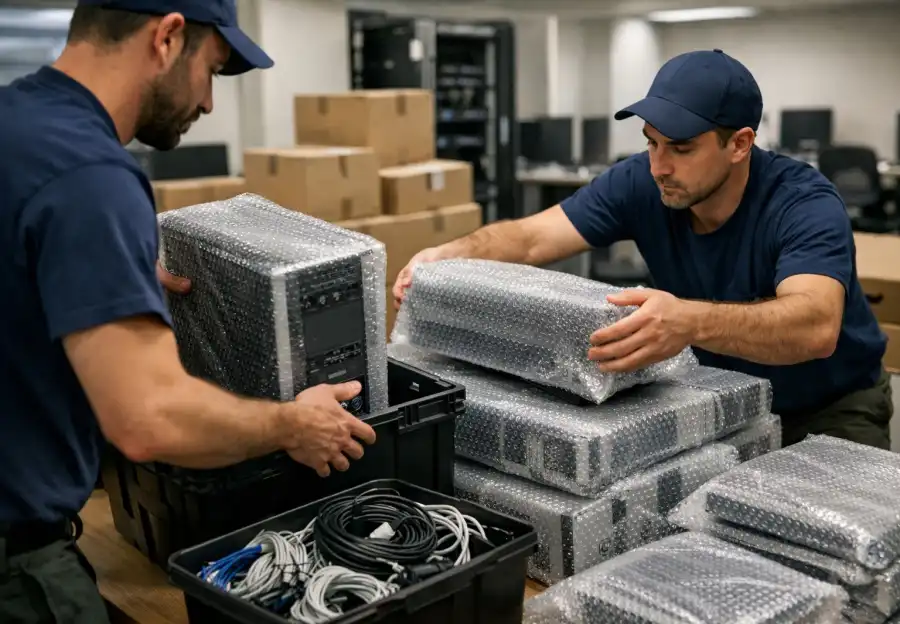
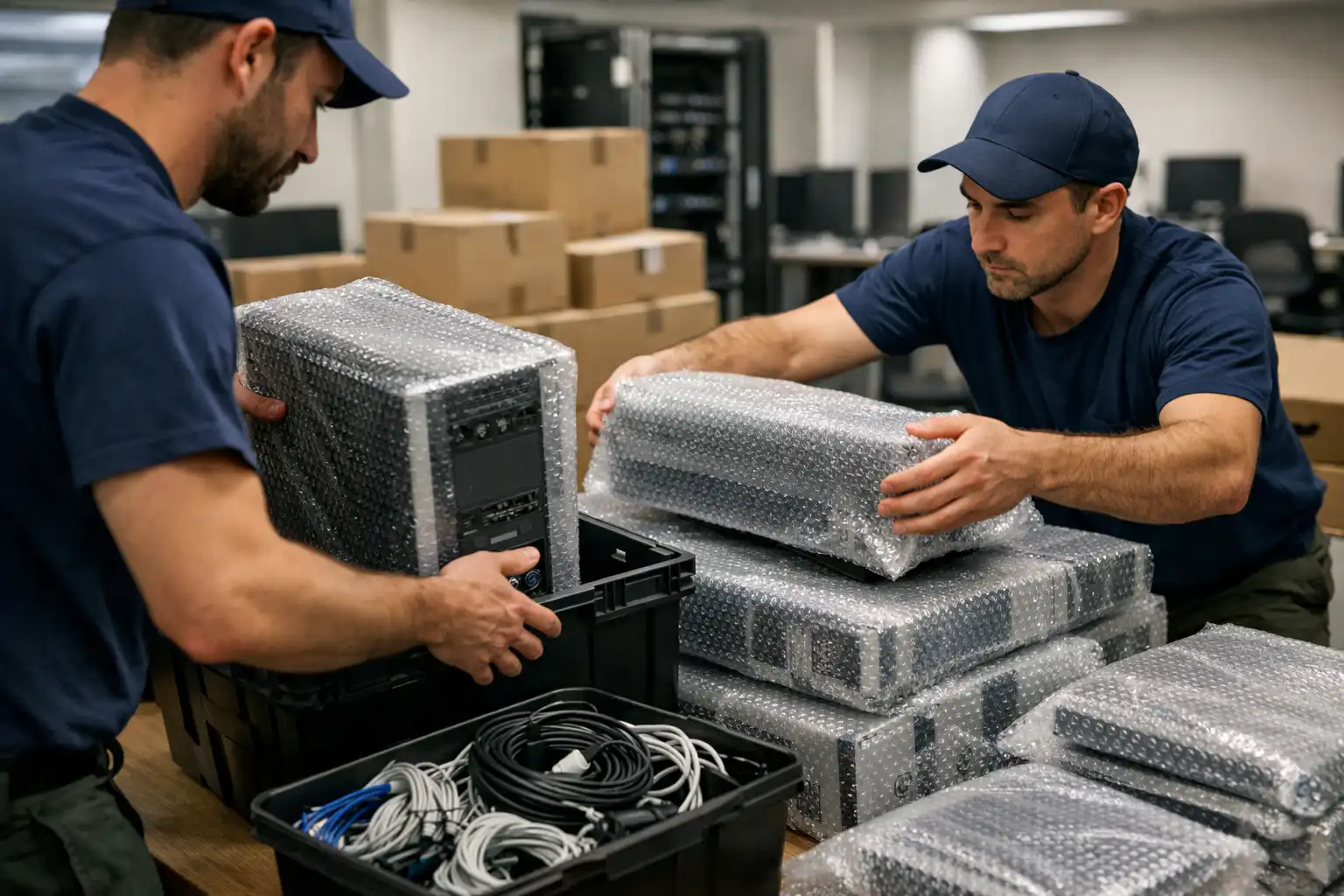
Inventory management is crucial to protect assets and maintain operational continuity. Creating a comprehensive inventory of all office equipment, furniture, supplies, files, and digital assets allows items to be categorized by priority, fragility, and usage frequency. Proper labeling, condition documentation, and tracking mechanisms ensure accountability, minimize loss or damage, and facilitate efficient unpacking at the new location. Technology and IT considerations are equally critical to prevent downtime. This includes backing up data, relocating servers, computers, telephony systems, network equipment, and software platforms, and testing functionality once reinstalled. Assigning IT personnel to oversee setup and troubleshoot issues ensures seamless continuity of digital operations.
Risk management strategies are an integral component of the move plan. Identifying potential challenges such as equipment damage, delays, staff shortages, or service interruptions and developing contingency plans allows the organization to respond effectively to unexpected events. Communication planning is also vital. Internally, employees must be informed of timelines, responsibilities, and procedures, while externally, clients, suppliers, stakeholders, and partners should be updated regarding the move, temporary disruptions, and new contact information. Clear communication helps maintain trust, transparency, and operational relationships throughout the relocation process.
Regulatory compliance is another key consideration. Ensuring that licenses, permits, safety inspections, and industry-specific requirements are met at the new location prevents legal issues, fines, or forced interruptions. Financial planning and budgeting are essential to control relocation costs. Estimating expenses for movers, packing materials, IT setup, utilities, temporary storage, signage, and marketing, while monitoring expenditures against the budget, ensures fiscal responsibility and allows resources to be allocated to critical areas. Employee engagement strategies maintain morale and productivity, including clear instructions, training, packing assistance, and recognition of contributions.
Contingency planning should address emergencies, delays, or operational disruptions. Backup storage options, flexible schedules, alternative transport routes, emergency service contracts, and staffing adjustments help mitigate risk. Space planning and office layout at the new location optimize workflow, accessibility, and employee comfort. Detailed floor plans, workstation assignments, and furniture placement reduce setup time and allow employees to resume work quickly. Vendor coordination ensures that essential services such as utilities, cleaning, security, catering, and facility maintenance are operational immediately. Establishing timelines, responsibilities, and points of contact with vendors prevents interruptions and supports smooth operations.
Post-move evaluation assesses the effectiveness of the relocation, identifies challenges, and documents lessons learned. Collecting feedback from employees, clients, and vendors promotes continuous improvement and ensures best practices are institutionalized. Health, safety, and ergonomics considerations protect employees during the move, while marketing and public relations strategies maintain client awareness and capitalize on the relocation as a positive opportunity. Sustainability practices, including efficient material use, waste management, and energy efficiency, align with corporate responsibility goals. Documentation and record-keeping ensure accountability and support insurance or operational tracking.
Finally, staff training and leadership structures are critical for effective execution. Providing guidance on packing techniques, equipment handling, safety protocols, and emergency procedures ensures that employees perform tasks efficiently and safely. Clear leadership channels enable rapid problem-solving and decision-making, allowing the move to proceed with minimal disruptions. By incorporating all these elements—objectives, timelines, responsibilities, logistics, inventory management, IT considerations, risk assessment, communication, compliance, financial planning, employee engagement, space planning, vendor coordination, evaluation, safety, marketing, sustainability, documentation, training, and leadership—organizations can ensure that their business relocation is executed smoothly, assets remain protected, operations continue with minimal disruption, and employees, clients, and stakeholders experience a seamless transition, achieving long-term business objectives successfully.