February 7, 2026
Tips for Moving Plants Safely
Moving plants safely requires careful planning, preparation, and gentle handling because plants are living organisms that are highly sensitive to changes in their environment. Variations in light, temperature, humidity, and movement can cause stress, shock, or even permanent damage if not managed correctly. Unlike household items, plants cannot simply be packed and unpacked without consideration. They depend on consistent conditions and attentive care, making it essential to create a thoughtful moving strategy that protects their health and vitality throughout the relocation process.
The first step in moving plants safely is assessing your plant collection and determining which specimens are suitable for transport. Some plants are hardy and adapt well to changes, while others are delicate, oversized, or particularly sensitive to movement and environmental shifts. Identifying which plants you want to keep, which may need special handling, and which could be donated or gifted before the move helps streamline the process. This assessment reduces the number of plants to manage and ensures that your most valuable or meaningful greenery receives priority attention and care.
Preparation plays a crucial role in minimizing stress for plants during a move. In the days leading up to relocation, ensure that plants are healthy and properly hydrated, but avoid overwatering. Excess water can cause soil spillage, increase weight, and lead to root rot during transport. Trimming dead leaves, pruning excessive growth, and removing damaged stems helps reduce vulnerability. Tall or fragile plants may benefit from staking to provide extra support, keeping them upright and stable while making them easier to handle and pack.
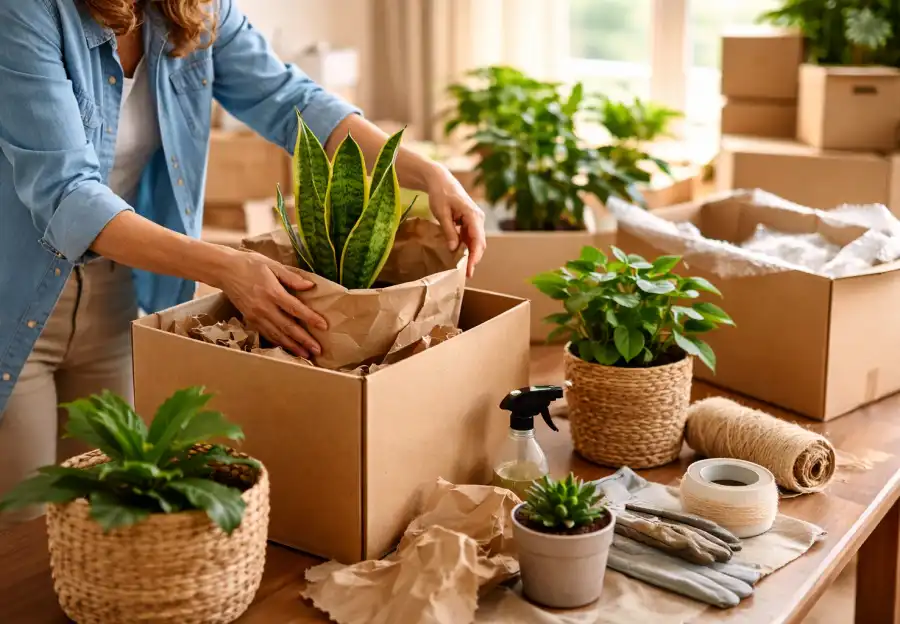
Choosing the right containers and protective materials is another important consideration. Sturdy plants can often be transported in their existing pots, while more delicate specimens may require additional protection. Lightweight boxes, plastic bins, or plant-specific carriers work well for this purpose. Lining the bottom of containers with crumpled paper, towels, or foam helps stabilize pots and absorb shock. Leaves and branches should be wrapped gently in breathable materials such as tissue paper, newspaper, or soft cloth to protect foliage without trapping moisture. Securing pots with tape or twine ensures they remain upright and prevents shifting during transit.
Environmental conditions during transport significantly affect plant health. Extreme temperatures, whether hot or cold, can be especially harmful. Plants should be transported in a climate-controlled vehicle whenever possible, avoiding exposure to direct sunlight, freezing air, or strong drafts from air-conditioning vents. Proper ventilation is equally important, as stagnant air can cause heat buildup. Periodic checks during the journey allow you to spot signs of distress early and adjust positioning or airflow as needed, ensuring a calmer and safer trip for your plants.
Strategic placement inside the moving vehicle further reduces the risk of damage. Plants should be kept away from heavy boxes, sharp edges, or unstable items that could fall or shift. Smaller plants can be placed on top of sturdy items, cushioned with soft padding to prevent movement. Grouping plants with similar care requirements together makes it easier to monitor temperature and moisture levels. This organized approach not only protects individual plants but also simplifies handling during loading and unloading.
Unpacking and acclimating plants in the new home requires just as much care as transport. Sudden changes in light, temperature, or humidity can shock plants, so it is best to place them initially in an area that closely resembles their previous environment. Gradually reintroducing sunlight and adjusting watering schedules helps plants adapt more smoothly. Avoid repotting immediately unless absolutely necessary, as this can add stress. During unpacking, inspect plants for pests, broken stems, or soil issues so that problems can be addressed promptly.
Long-distance or international moves require additional planning and research. Certain plants may be subject to agricultural regulations, quarantine laws, or import restrictions. Checking local and international requirements in advance helps prevent confiscation or fines. For valuable or sensitive plants, professional plant relocation services may be worth considering. These services often provide specialized packaging, climate-controlled transport, and expert handling, offering peace of mind during complex moves.
Creative strategies can further improve plant safety during relocation. Using reusable crates, labeling plants with care instructions, and securing delicate foliage with soft ties help ensure proper handling. Moisture-retaining wraps or soil covers can maintain hydration during long journeys. Incorporating familiar items such as stakes or supports adds stability and comfort, helping plants withstand the stress of movement.
Ultimately, moving plants safely requires patience, observation, and consistency. By assessing plant suitability, preparing them properly, using protective materials, controlling environmental conditions, and allowing gradual acclimation, homeowners can significantly reduce stress and damage. With thoughtful planning and gentle care, plants can survive relocation successfully and continue to thrive in their new environment, preserving their beauty, value, and role in creating a healthy, welcoming living space.