
January 23, 2026
Tips for Moving Out of State
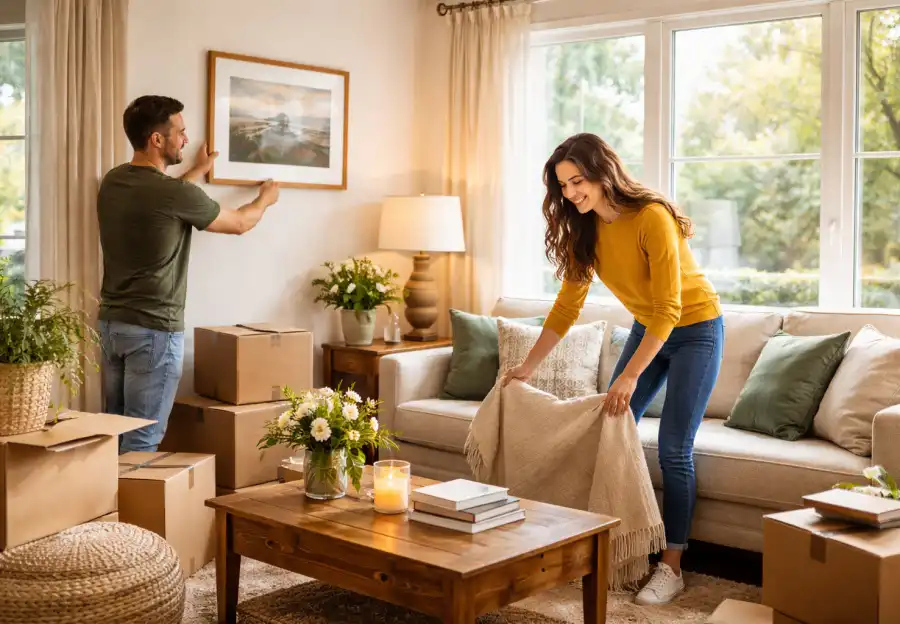
Making your new house feel like home is an essential part of the moving process, because relocating, even when it is exciting, can be overwhelming, stressful, and emotionally draining. Creating a comfortable, familiar, and welcoming environment helps reduce anxiety, fosters a sense of stability, and allows you and your family to settle in quickly. The first step in this process is personalizing your space. Adding personal touches such as family photos, artwork, favorite decorations, and meaningful mementos immediately makes the house feel lived-in and familiar, while also reflecting your unique personality and style. Arranging furniture in a way that promotes comfort, functionality, and a sense of flow ensures that spaces are practical, enjoyable, and aligned with your daily routines. Considering factors such as natural lighting, focal points, and traffic patterns enhances both aesthetics and usability, creating a harmonious and inviting home environment.
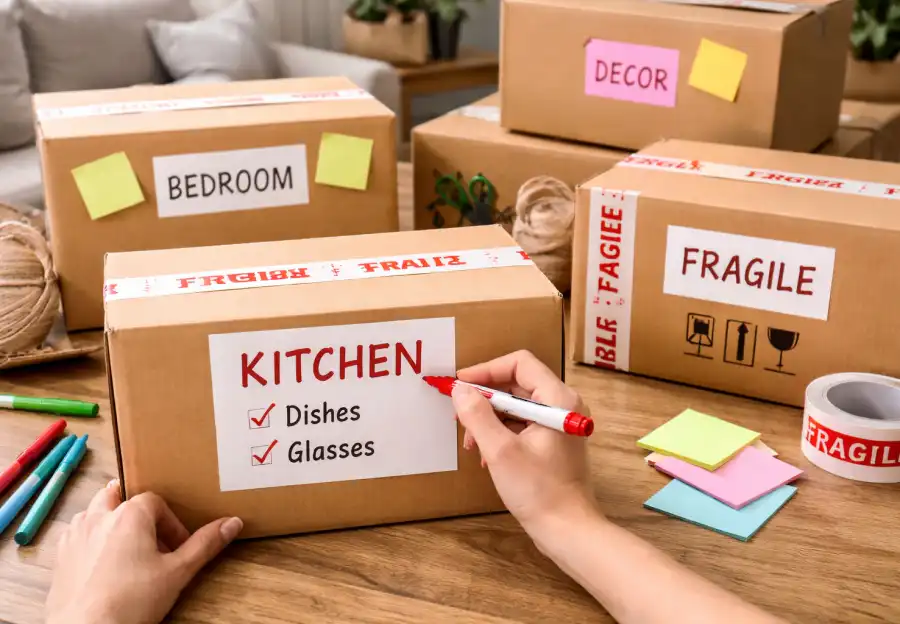
Unpacking strategically is another key aspect of making a new house feel like home. Focusing on essential rooms such as the bedroom, kitchen, and bathroom first allows daily life to continue smoothly while other spaces are gradually organized. Placing frequently used items within easy reach saves time and frustration, while creating designated storage solutions for clothes, kitchen supplies, and personal items keeps the space organized. Reducing clutter promotes a sense of calm, because clutter can increase stress and make it harder to feel settled in a new environment. Gradually unpacking non-essential boxes over the following days allows the home to evolve naturally while maintaining order, giving you time to make intentional decisions about placement and organization.
Establishing routines is crucial for helping a new house feel like home. Familiar routines provide structure, predictability, and comfort, helping both adults and children adjust to new surroundings. Incorporating daily rituals such as morning coffee, family meals, or evening reading time creates continuity and stability. Exploring your new neighborhood, identifying local grocery stores, schools, parks, and essential services helps build familiarity, enhances comfort, and fosters a sense of belonging. Engaging with neighbors, attending community events, or joining local groups helps establish social connections, creating a sense of community and support that contributes to feeling truly at home.
Attention to ambiance and sensory elements is another important factor. Scents, lighting, colors, and textures strongly influence comfort and mood. Using candles, diffusers, or fresh flowers can provide pleasant aromas, while incorporating soft lighting, cozy blankets, and warm colors makes rooms inviting and relaxing. Selecting décor and furnishings that reflect your tastes creates a visually cohesive and enjoyable environment, enhancing both functionality and emotional satisfaction. By intentionally designing spaces that appeal to the senses and reflect personal preferences, homeowners can make their house feel more welcoming and emotionally comforting.
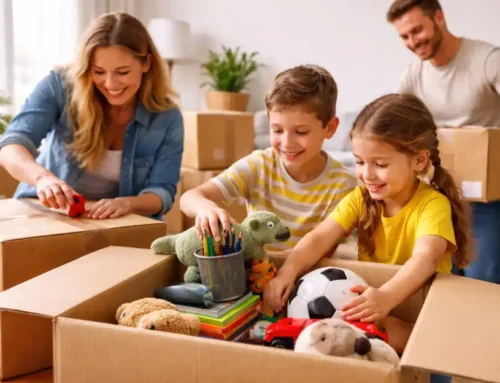
Involving family members in the personalization process is essential. Allowing everyone to contribute to décor choices, furniture arrangement, and organization fosters a sense of ownership and belonging, making the house feel like a shared home rather than a temporary space. Giving children opportunities to decorate their rooms, display toys, or arrange personal items helps them adjust emotionally and mentally. Family discussions about shared spaces and household responsibilities create harmony, promote cooperation, and ensure that everyone feels comfortable and valued in the new environment, which in turn strengthens family bonds and encourages collective pride in the home.
Establishing comfort zones and relaxing areas is also key. Creating spaces where you can unwind, read, watch TV, or enjoy hobbies promotes relaxation, mental health, and well-being. Integrating functional spaces for work, exercise, or study ensures that daily life continues efficiently without disruption. Strategically placing furniture, rugs, and accessories enhances usability while also creating distinct areas for different activities, making the home more enjoyable, versatile, and adaptable to the needs of all family members.
Incorporating elements of familiarity from your previous home can accelerate the feeling of home. Moving often involves leaving behind cherished memories, and including favorite pieces of furniture, heirlooms, or beloved décor items provides continuity, comfort, and a sense of stability. Small touches such as familiar linens, blankets, or pillows create an immediate sense of warmth and belonging, bridging the emotional gap between old and new spaces and helping family members feel emotionally anchored.
Maintaining cleanliness and organization is critical for creating a welcoming home environment. A tidy and orderly space reduces stress, promotes efficiency, and enhances emotional comfort. Developing simple cleaning routines, keeping clutter under control, and arranging belongings thoughtfully ensures that spaces remain functional, visually appealing, and inviting. Clean, organized spaces allow family members to enjoy their home fully, rather than feeling overwhelmed by disorder, and support long-term comfort and satisfaction.
Finally, patience and time are essential for truly making a house feel like home. Adjusting to a new space and creating a sense of belonging is a gradual process. Allowing yourself and your family the time to adapt, explore, and personalize the environment without rushing encourages comfort, reduces anxiety, and fosters a deeper emotional connection. Celebrating small milestones, such as completing unpacking, decorating a room, or hosting your first meal, reinforces a sense of accomplishment, belonging, and satisfaction.
By combining thoughtful personalization, strategic unpacking, routines, attention to ambiance, family involvement, comfort zones, familiar items, organization, and patience, homeowners can successfully transform a new house into a home. This approach creates a nurturing environment where family life can flourish, memories can be made, and the transition from one space to another becomes a positive, fulfilling, and emotionally rewarding experience.