February 9, 2026
The Right Way to Pack Mirrors and Artwork
Packing mirrors and artwork correctly is essential to ensure these fragile and often valuable items survive a move without damage. Mirrors can shatter easily, and artwork can suffer scratches, dents, cracked glass, or frame damage if handled carelessly. Because these items often hold both financial and sentimental value, a careful and methodical packing approach is necessary. Proper preparation not only protects their physical integrity and appearance but also reduces stress during the moving process by minimizing the risk of costly replacements or repairs.
The first step in packing mirrors and artwork is assessing each item’s size, weight, and fragility. Understanding the dimensions, materials, and construction of frames, glass, canvas, or backing helps determine the best packing method and materials to use. Large mirrors, antique frames, or high-value artwork may require additional protection or even professional packing services. This assessment phase allows you to plan ahead, gather suitable supplies, and decide whether certain pieces need custom crates or specialized handling to ensure their safety.
Preparation begins with cleaning and protecting surfaces. Dust, dirt, or residue can cause scratches or become trapped beneath packing materials during transport. Mirrors should be gently wiped with a soft, lint-free cloth, while artwork should be cleaned carefully using a dry brush or microfiber cloth to avoid damaging paint, canvas, or paper. Harsh chemicals should be avoided, as they can damage finishes or coatings. Adding corner protectors or padding to frames at this stage provides an extra layer of defense against impacts during handling and loading.
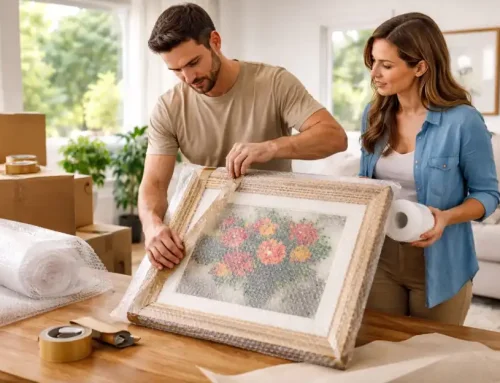
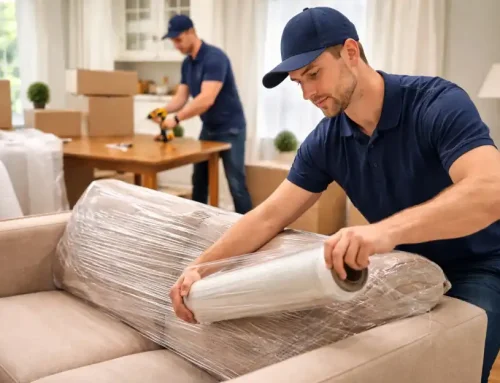
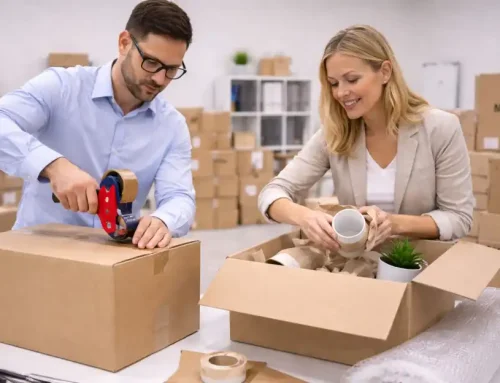
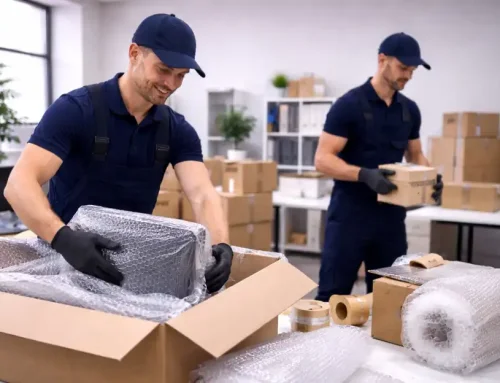
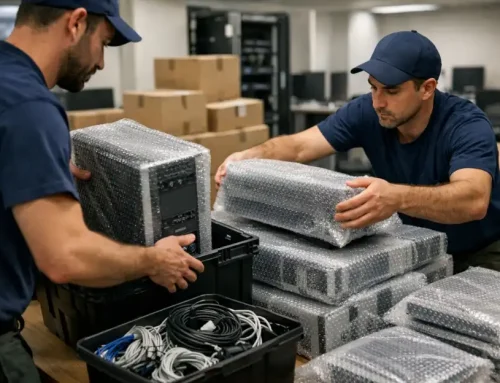
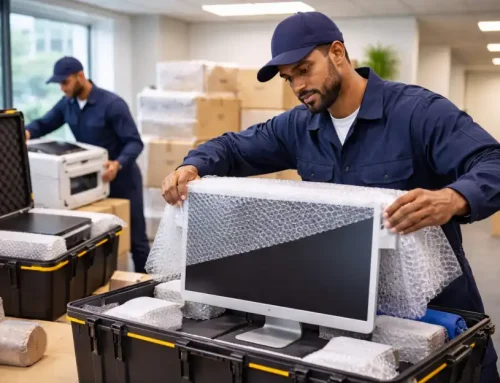
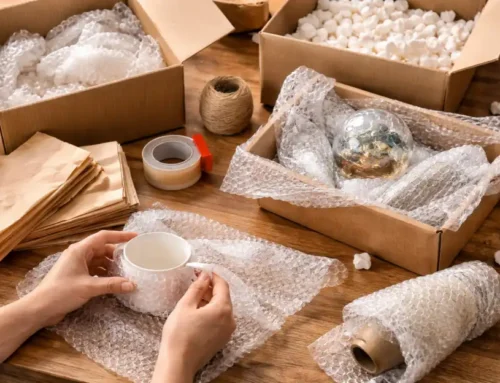
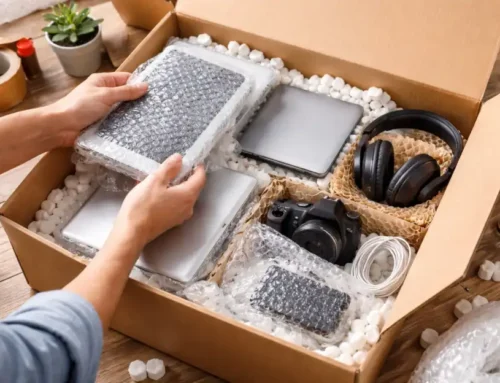
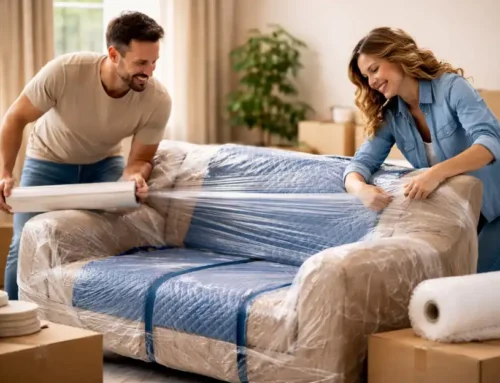
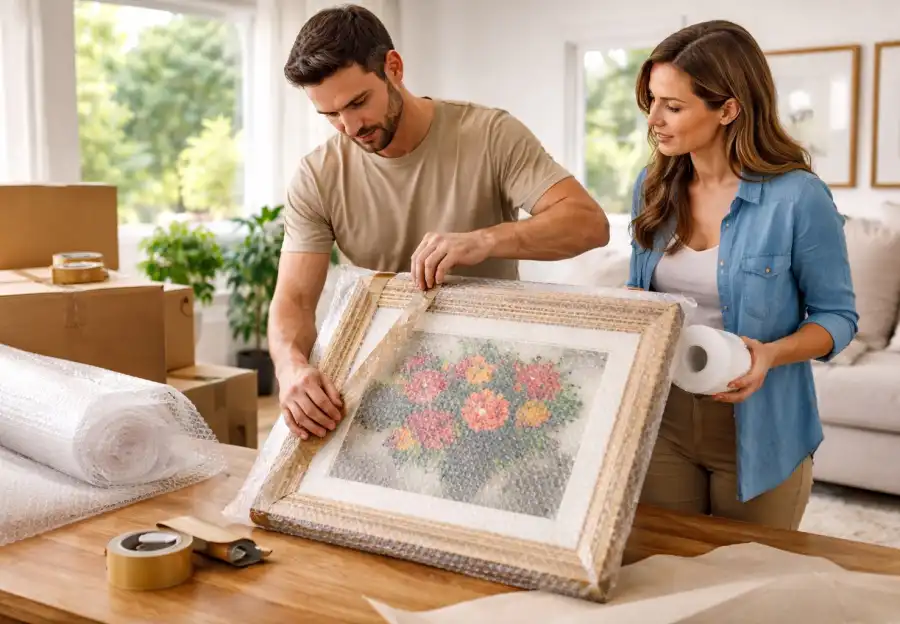
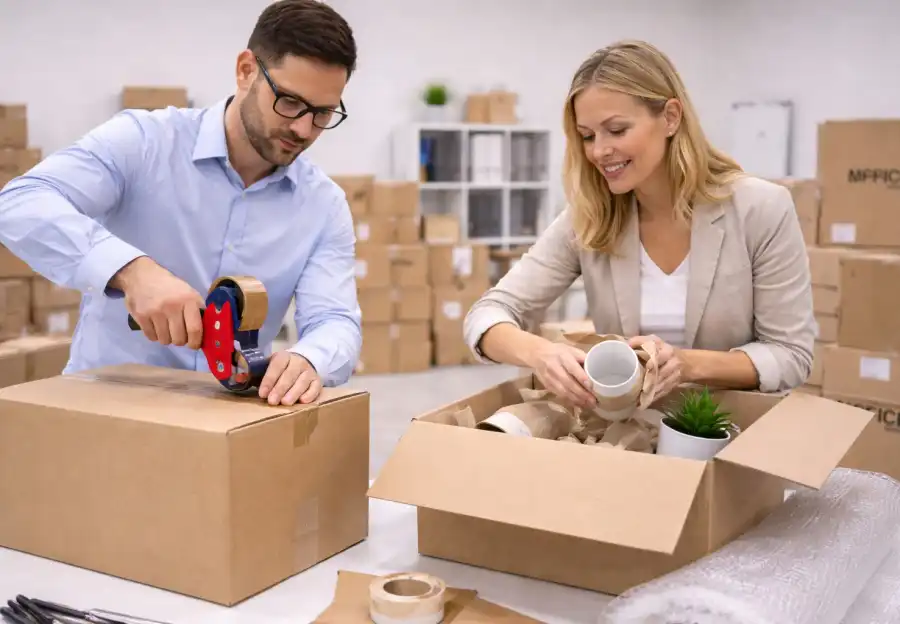
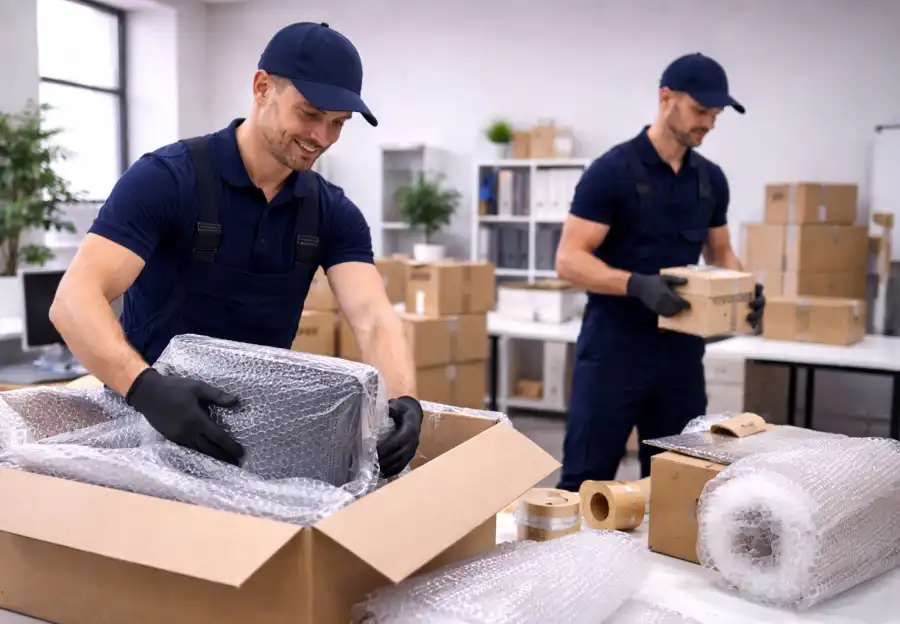
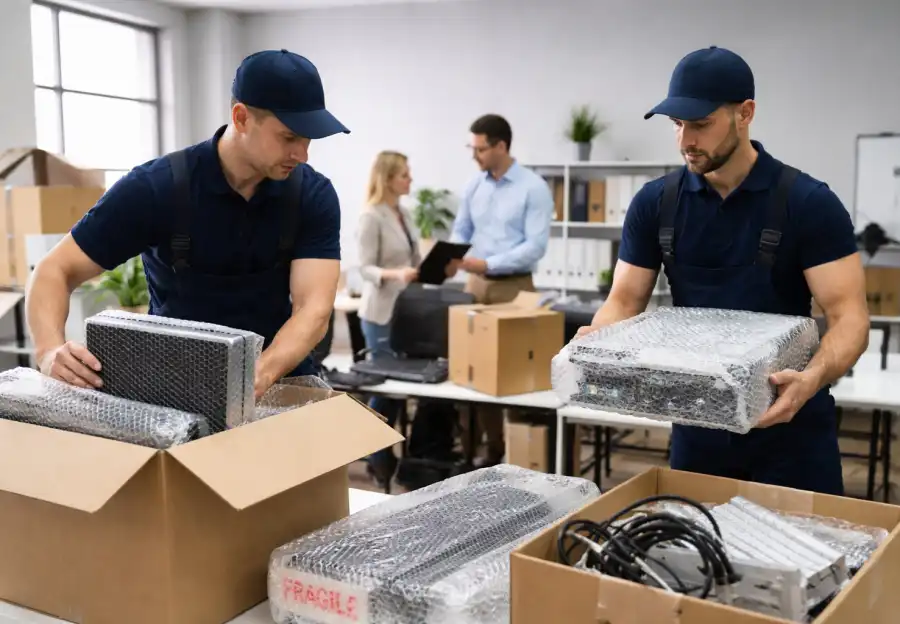
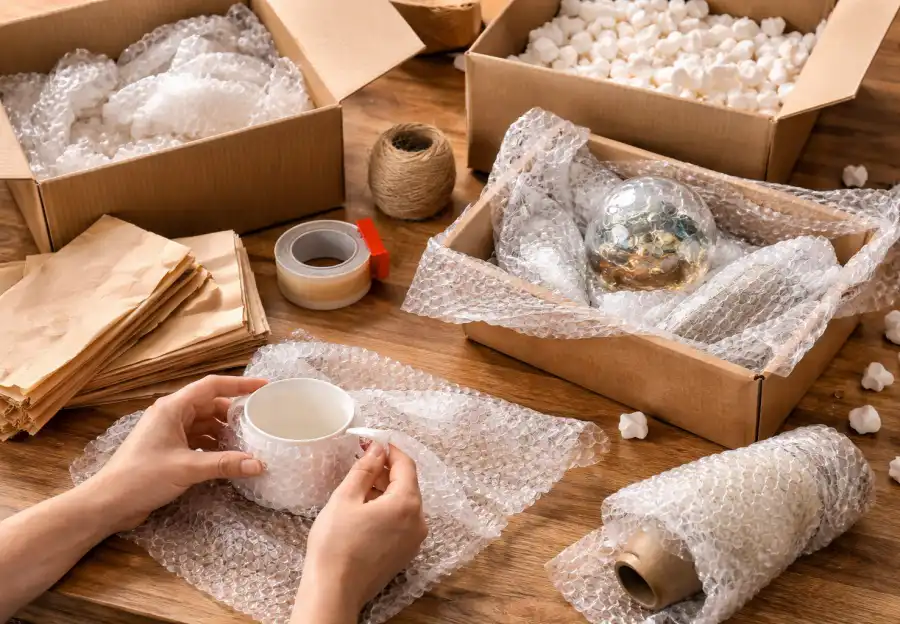
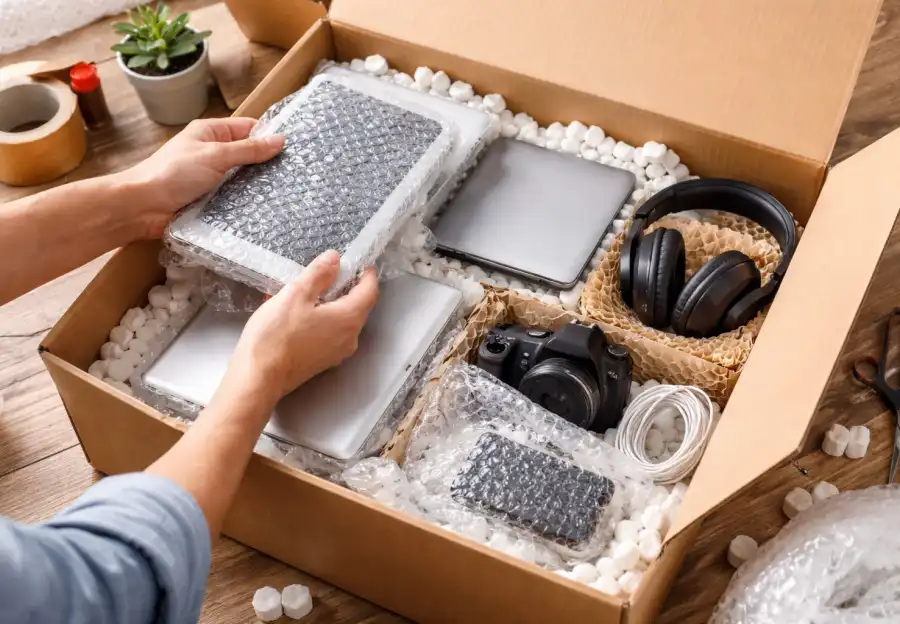
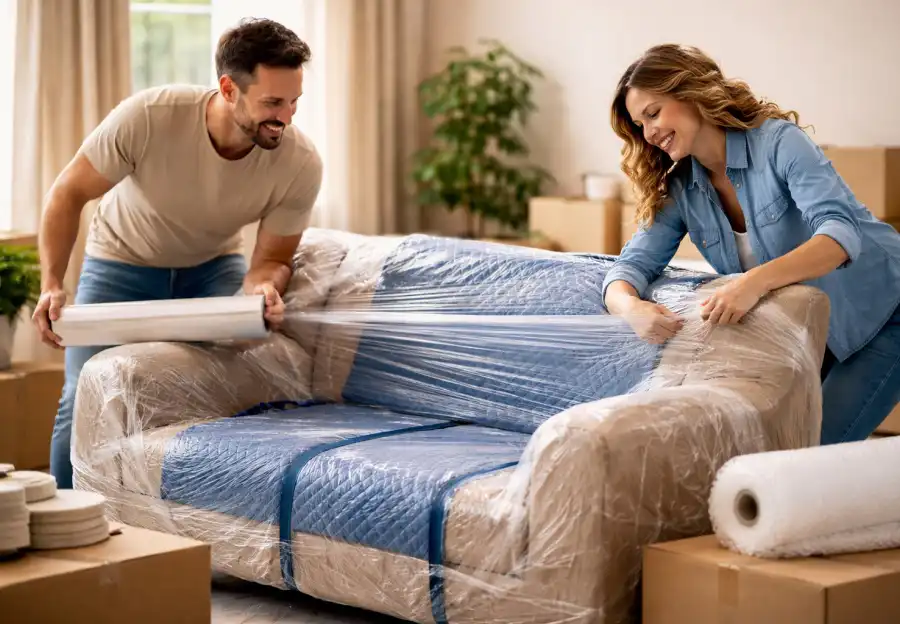
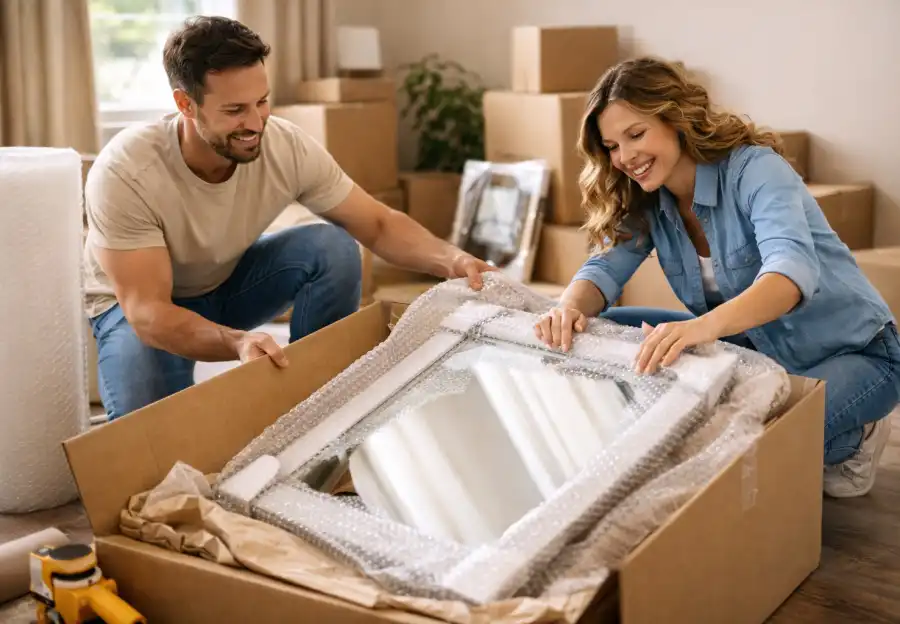
Using the right packing materials is critical for protecting mirrors and artwork. Sturdy cardboard boxes, mirror cartons, foam boards, bubble wrap, packing paper, and stretch wrap provide the cushioning and structure needed to absorb shocks. Foam corners and edge protectors help prevent chipping and cracking, especially on frames. Wrapping surfaces with soft, non-abrasive materials such as bubble wrap or acid-free paper prevents scratches and abrasions. Securing these layers with tape or stretch film ensures the protection stays in place without allowing adhesive to come into direct contact with delicate surfaces.
Mirrors require extra care due to their high risk of shattering. Purpose-built mirror boxes are ideal, as they provide rigid support and space for padding. If these are unavailable, using double layers of thick cardboard can create a strong protective shell. Padding should be placed between the mirror and the box to prevent movement and absorb shocks. Clearly labeling boxes as “Fragile” alerts movers to handle them carefully. Mirrors should always be transported upright rather than laid flat, as vertical positioning reduces pressure on the glass and lowers the risk of breakage.
Artwork also demands careful handling, particularly framed pieces that may include glass. Reinforced cardboard boxes or custom art cartons protect frames from bending or crushing. Acid-free paper or bubble wrap shields the artwork itself, while corner protectors and tape applied across the glass surface in an “X” pattern can help minimize shattering if the glass breaks. Extra padding around edges absorbs impacts and prevents shifting inside the box. For oversized or highly valuable artwork, professional art shipping services or custom wooden crates offer the highest level of protection.
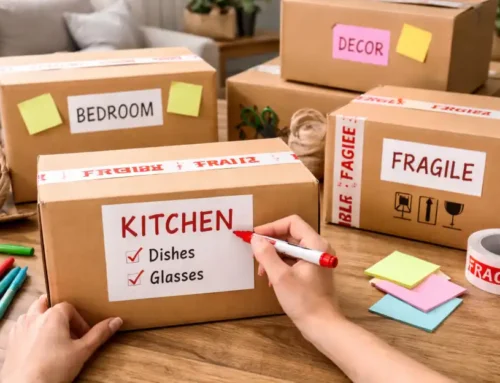
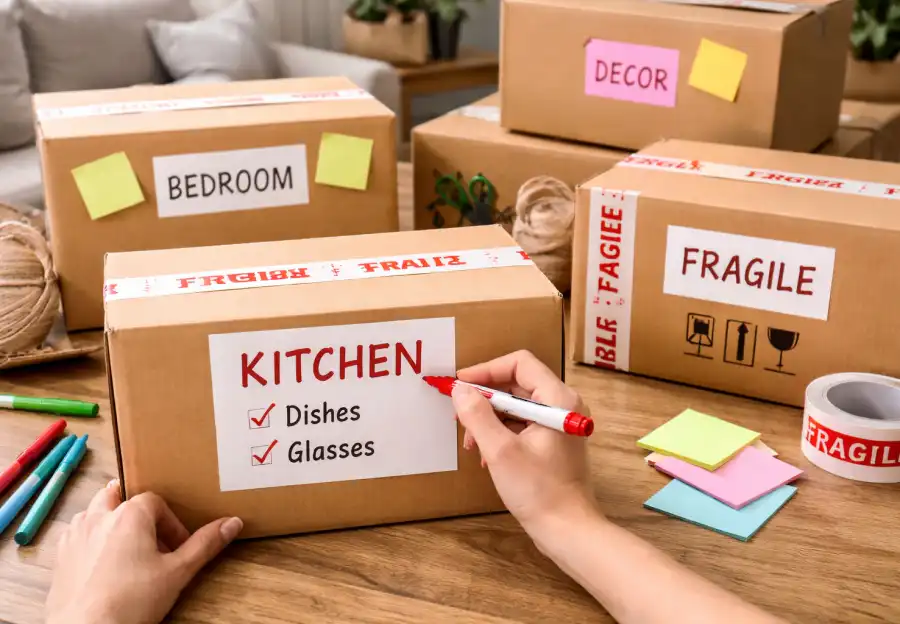
Clear labeling and organization play a vital role in preventing damage. Boxes should be marked with labels such as “Mirror,” “Artwork,” “Fragile,” and “This Side Up” to ensure proper handling and orientation. Including the destination room helps movers place items correctly upon arrival, reducing unnecessary movement. Numbering or cataloging each piece and keeping an inventory ensures that nothing is lost or overlooked. This documentation can also be useful for insurance purposes in case of accidental damage.
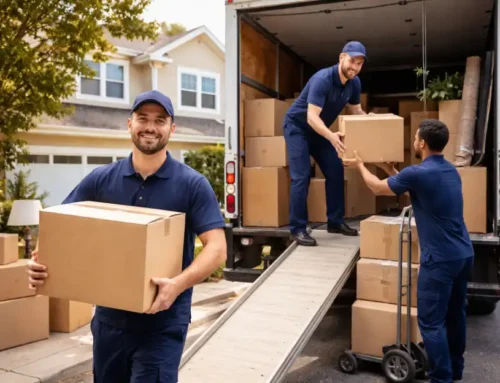
During transport, maintaining stability and proper orientation is essential. Mirrors and artwork should be placed upright in the moving truck, secured with straps, blankets, or padding to prevent shifting. Heavy items should never be stacked on top of them. Controlling environmental conditions such as temperature and humidity is also important, as extreme changes can cause warping, cracking, or deterioration of wood, canvas, and paint. When possible, especially valuable pieces should be transported in a climate-controlled vehicle or kept with you rather than loaded onto a truck.
Unloading and unpacking require the same level of care as packing. Protective materials should only be removed once items are placed safely in their designated areas. Gradually acclimating artwork to new lighting, temperature, and humidity conditions helps preserve its materials. Carefully inspecting mirrors and artwork for damage upon arrival allows for immediate attention or professional repair if needed. Prompt inspection is especially important for insurance claims, should any issues arise.
In conclusion, packing mirrors and artwork properly requires patience, planning, and attention to detail. By assessing each item’s fragility, cleaning and preparing surfaces, using appropriate packing materials, securing and labeling boxes, maintaining correct orientation during transport, monitoring environmental conditions, and unloading carefully, you can ensure these delicate pieces arrive safely. A systematic approach transforms a potentially risky process into an organized and successful move, allowing mirrors and artwork to remain intact, beautiful, and ready to enhance your new home without compromise.