February 1, 2026
The Most Efficient Packing Strategies
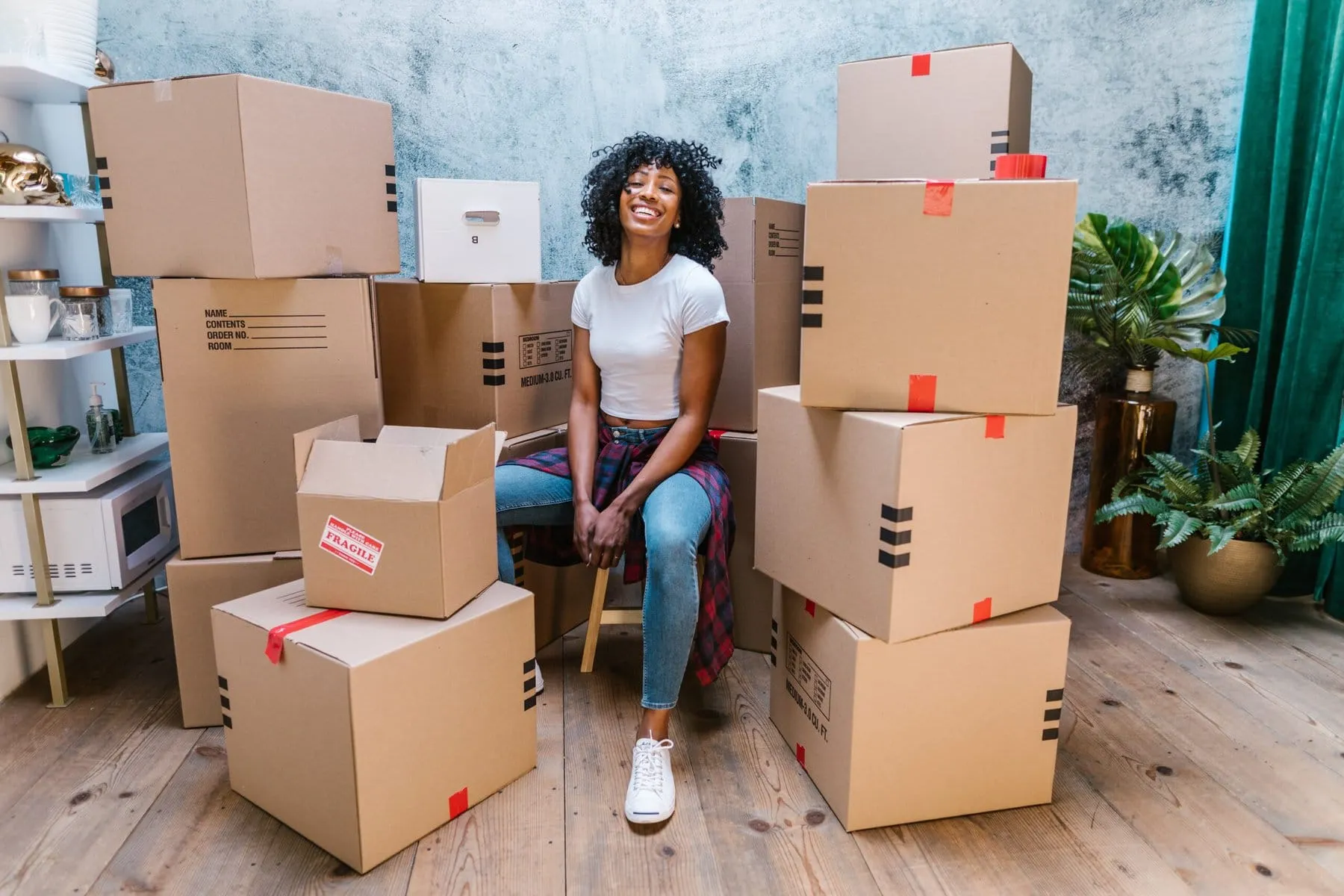
Packing efficiently is one of the most important aspects of a successful move because the way your belongings are packed directly affects their safety, the speed of the relocation, and the overall cost of transportation. Poor packing can lead to damaged items, wasted space, higher moving expenses, and unnecessary stress, while an organized and thoughtful approach creates a smoother experience from start to finish. By applying proven packing strategies, you can protect your possessions, reduce workload, and make settling into your new home quicker and more comfortable.
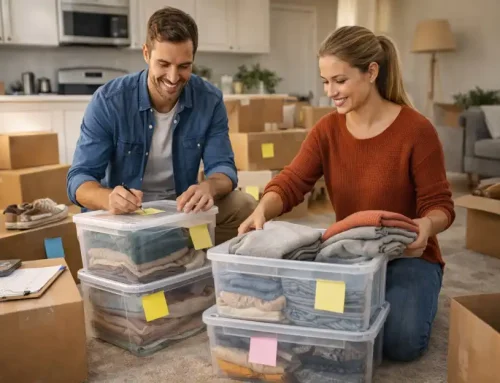
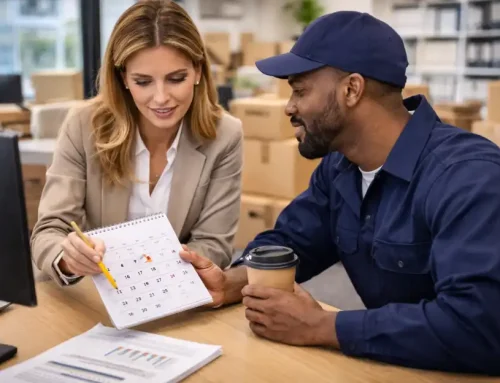
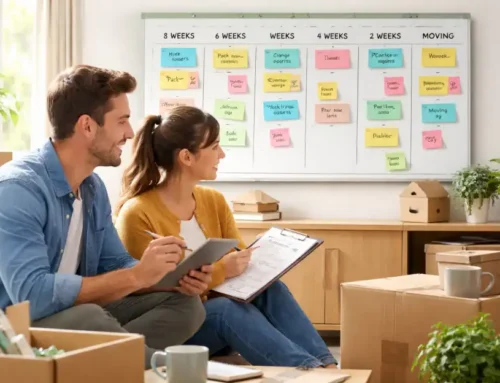
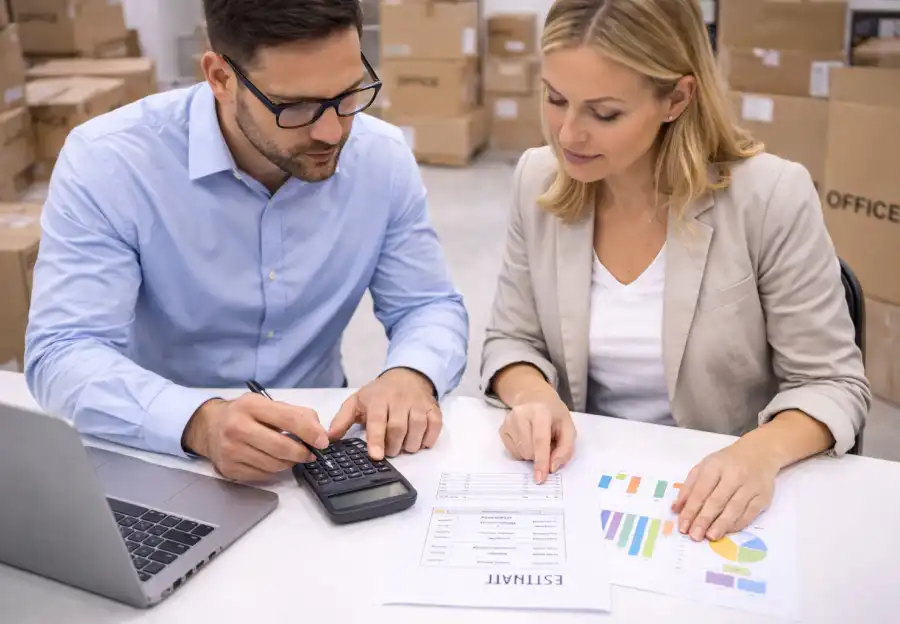
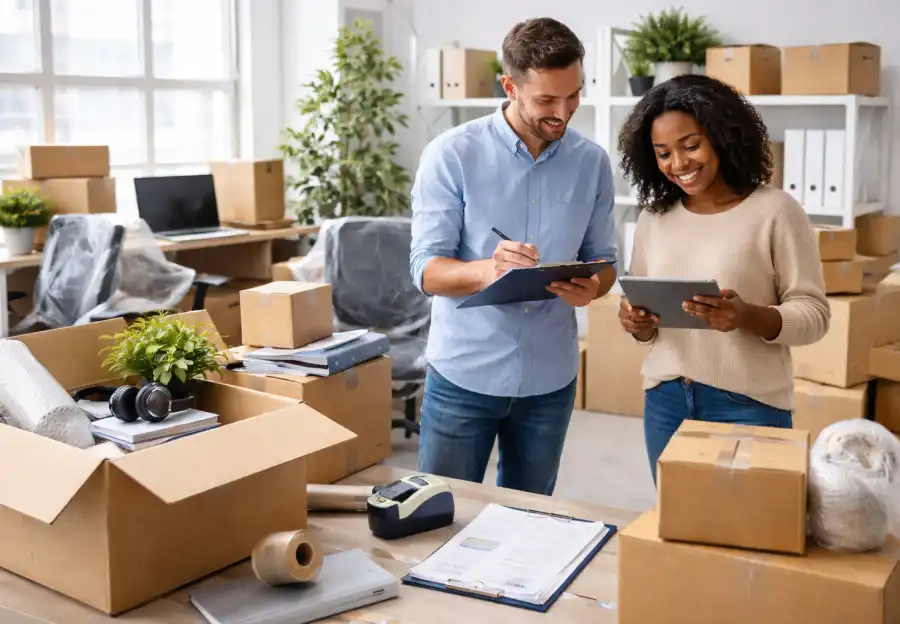
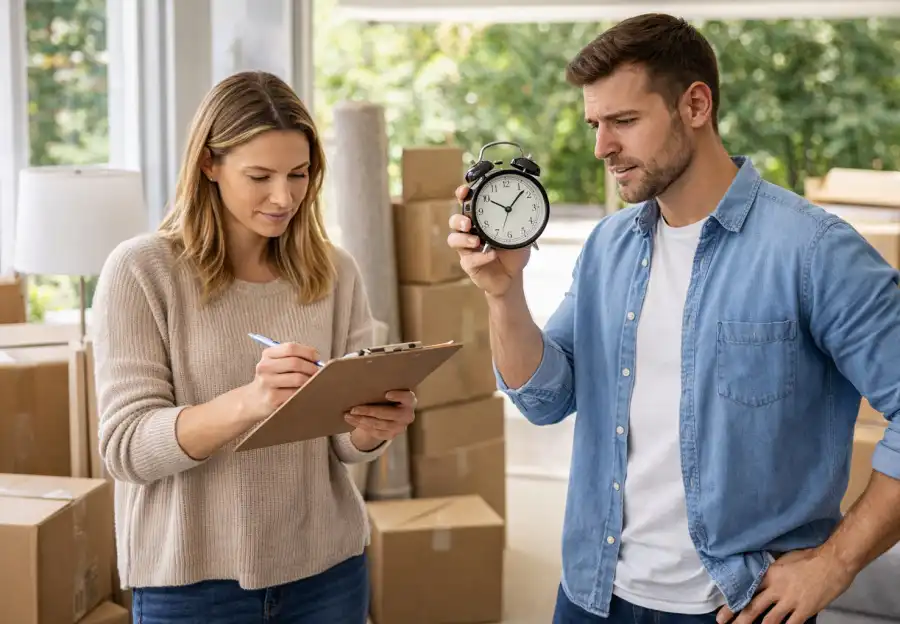
The foundation of efficient packing begins with careful planning and creating a detailed inventory. Taking time to list and categorize your belongings by room or function allows you to understand exactly what you own and how much needs to be packed. This step makes it easier to identify fragile, bulky, essential, or replaceable items and helps you prioritize packing order. It is also the ideal opportunity to declutter by donating, selling, or discarding items you no longer need. Reducing the volume of your belongings not only saves time and effort but can significantly lower moving costs and simplify unpacking later.
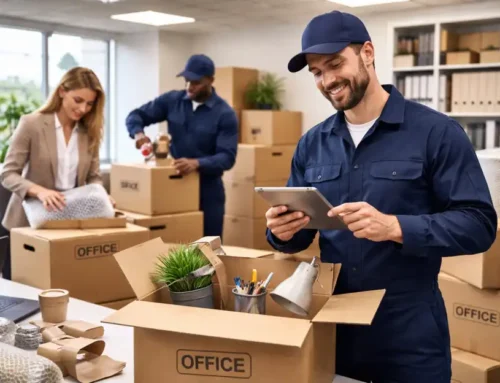
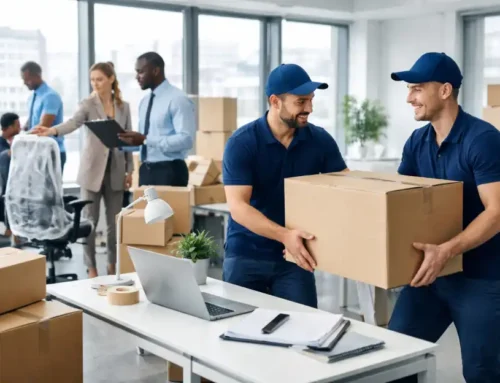
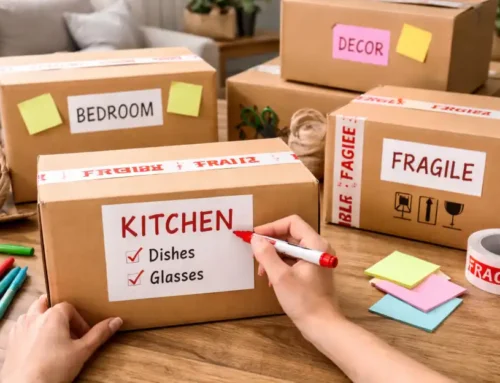
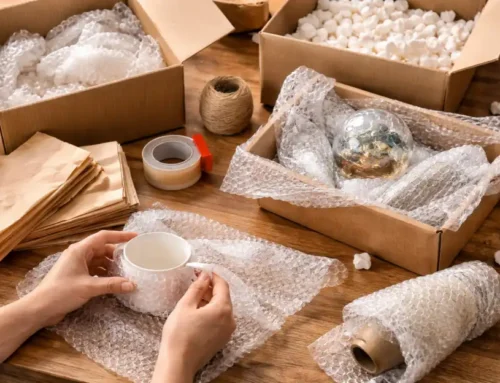
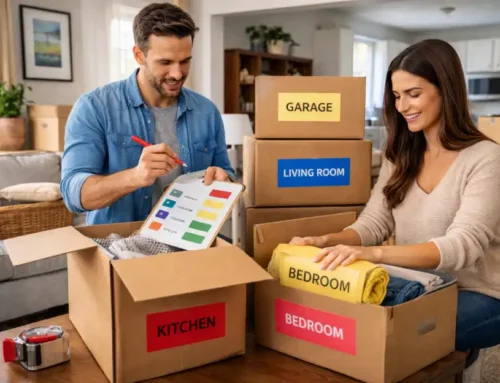
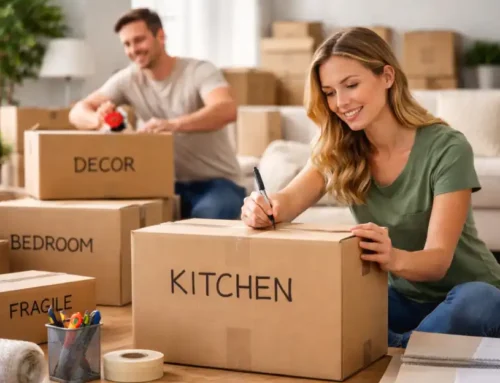
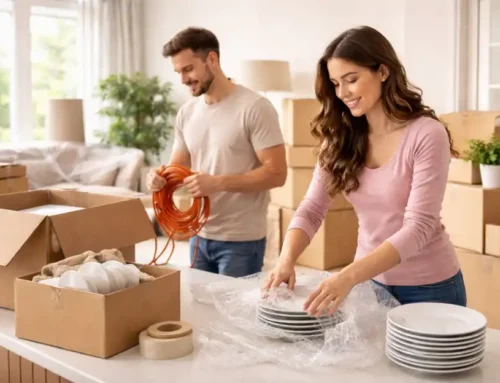
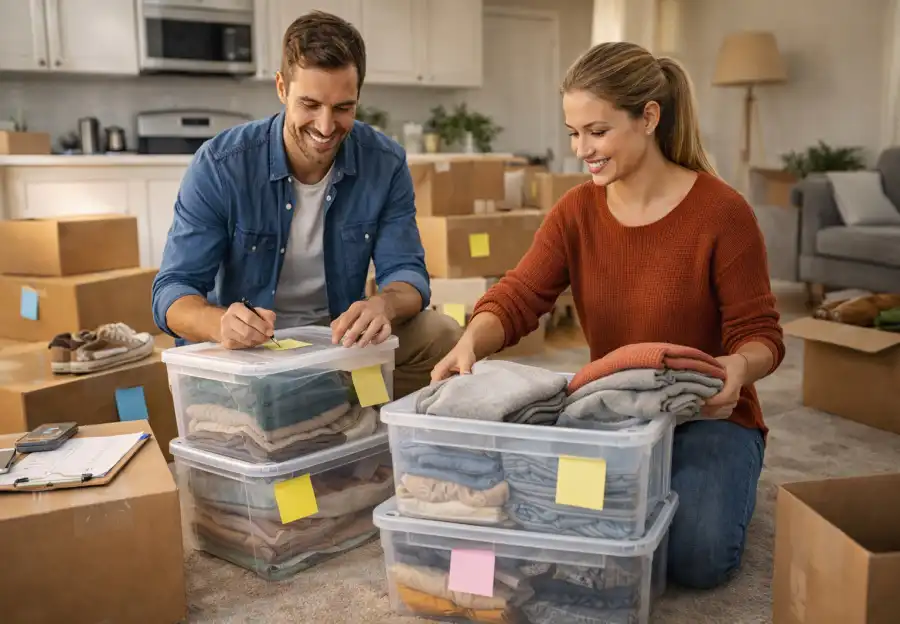
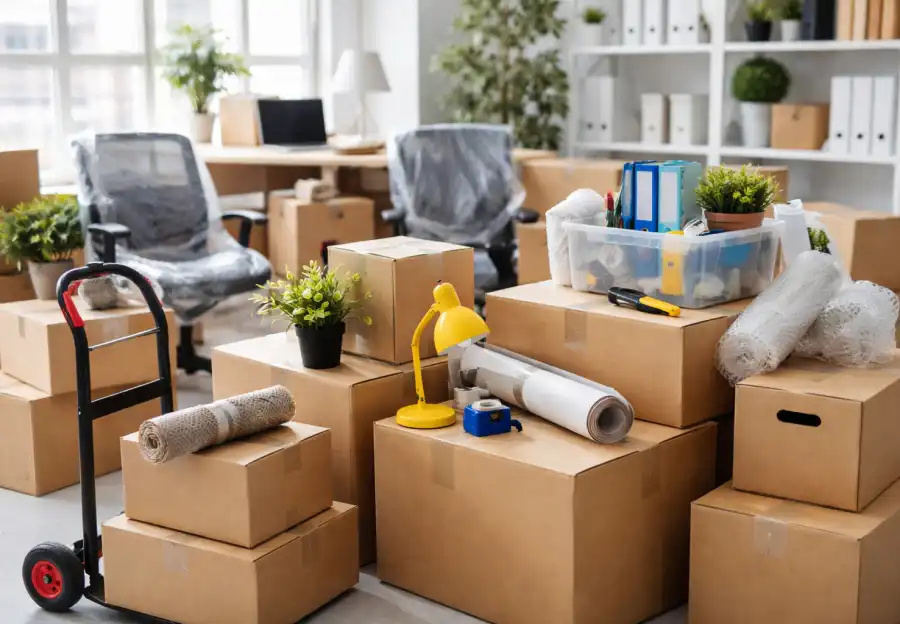
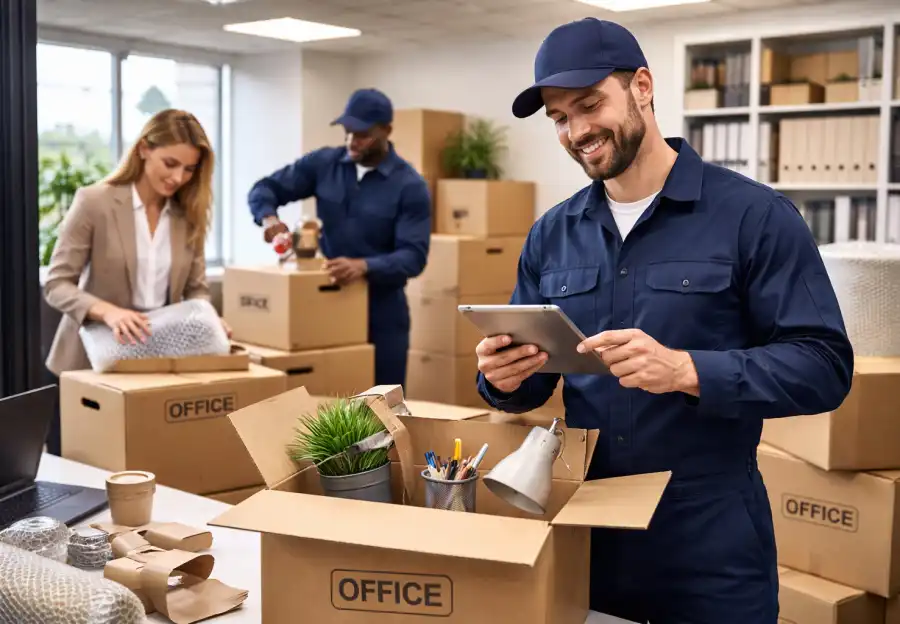
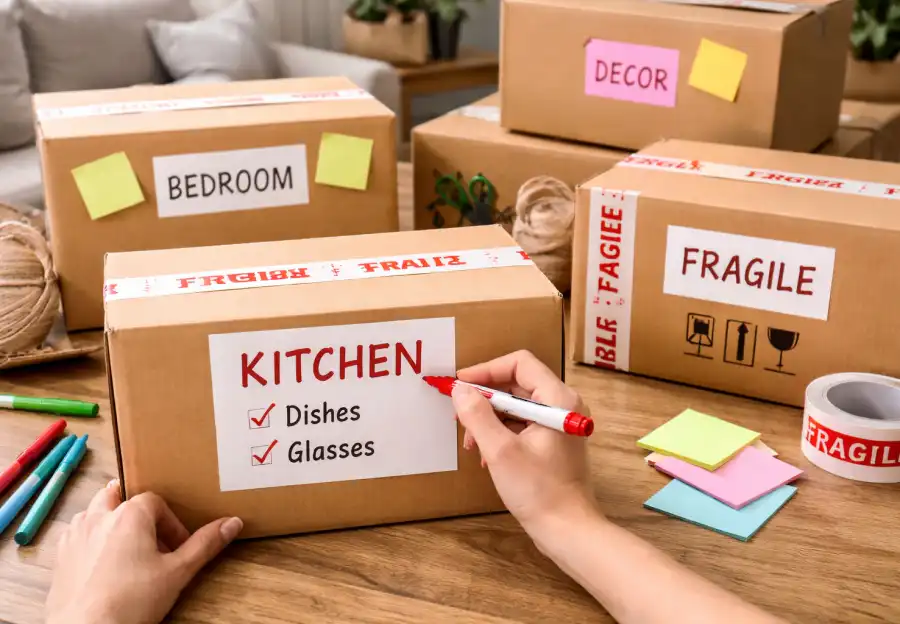
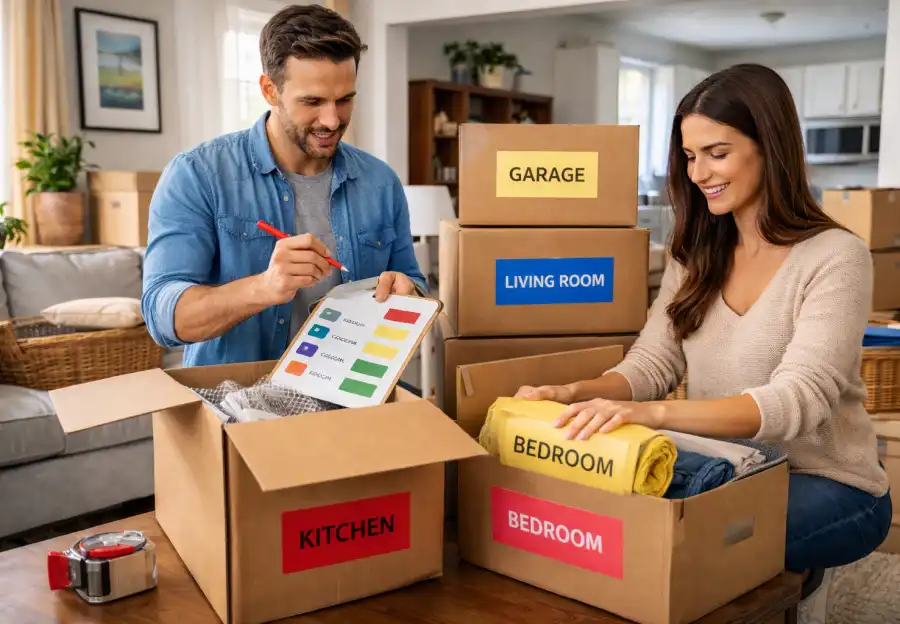
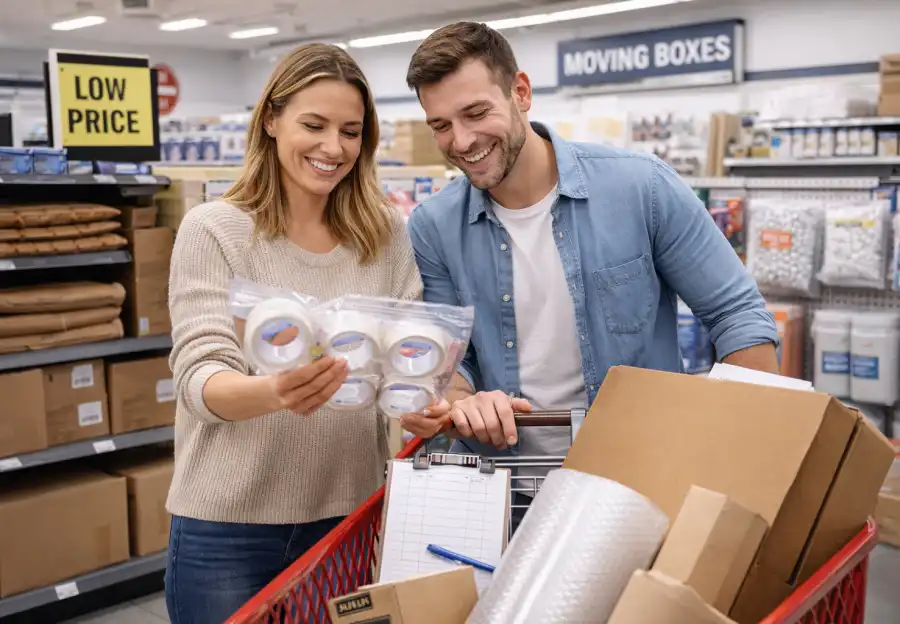
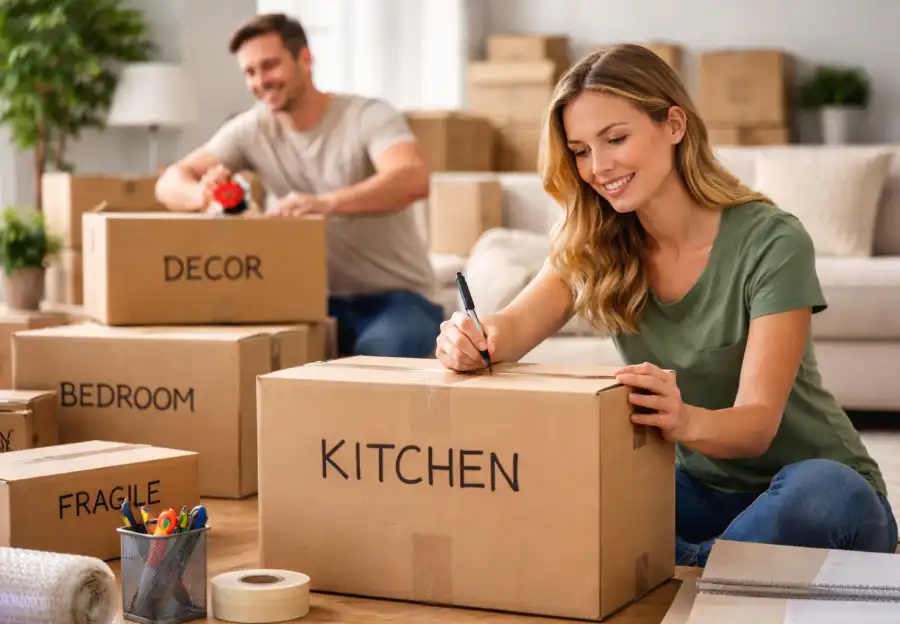
Choosing the right packing materials is another critical element of efficiency. Sturdy boxes in small to medium sizes are ideal for heavy items, while larger boxes should be reserved for lightweight belongings. Packing paper, bubble wrap, padding, and specialty containers protect items from impact and shifting during transport. Using uniform box sizes whenever possible improves stacking and maximizes truck space. Clear labeling with contents, destination rooms, and handling instructions ensures faster unloading and organized placement, while color-coding boxes by room further reduces confusion and increases efficiency on moving day.
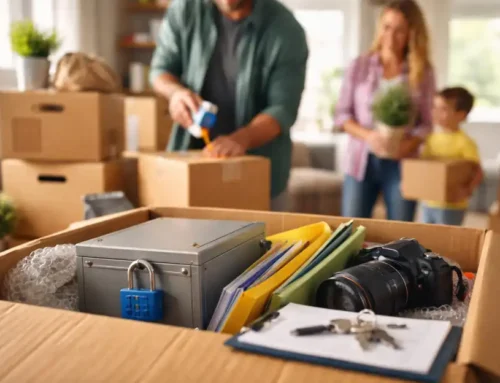
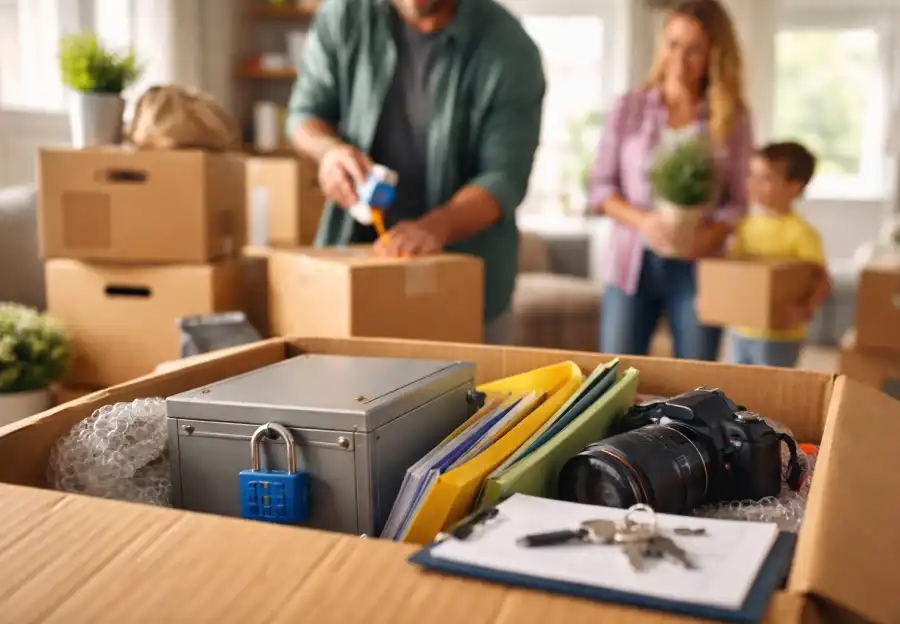
Establishing a strategic packing order helps maintain organization and accessibility throughout the move. Non-essential items such as seasonal clothing, decorations, books, and rarely used household goods should be packed first. This keeps everyday essentials available until the final days. Creating a clearly labeled “first-day” or “open-first” box for toiletries, basic kitchen supplies, important documents, chargers, medications, and a change of clothes ensures that necessities are easily accessible upon arrival, eliminating the need to search through multiple boxes when you are tired from moving.
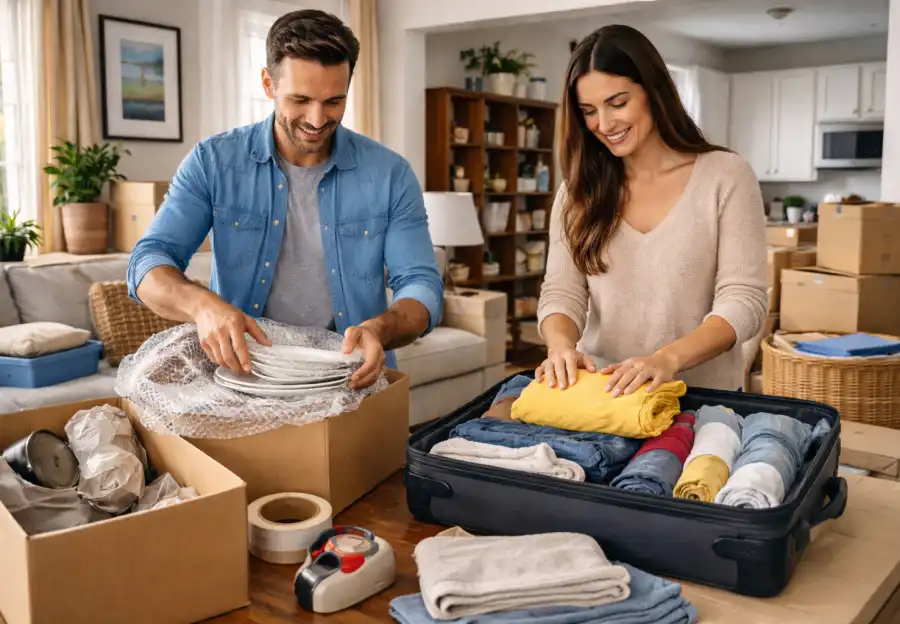
Using space-saving techniques can dramatically improve packing efficiency. Clothing can be rolled instead of folded, linens can be bundled, and kitchen items can be nested to reduce wasted space. Filling empty gaps in boxes with soft items like towels, blankets, or clothing cushions fragile belongings and prevents movement during transit. These techniques reduce the total number of boxes required, make loads easier to carry, and help keep items secure and organized throughout the journey.
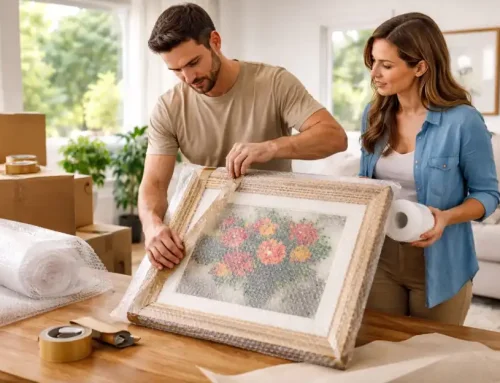
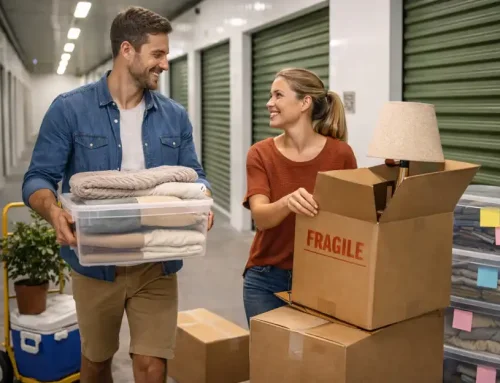
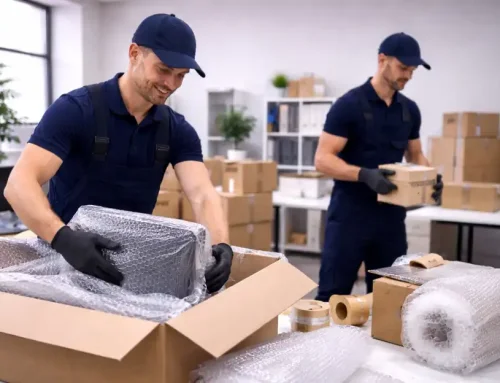
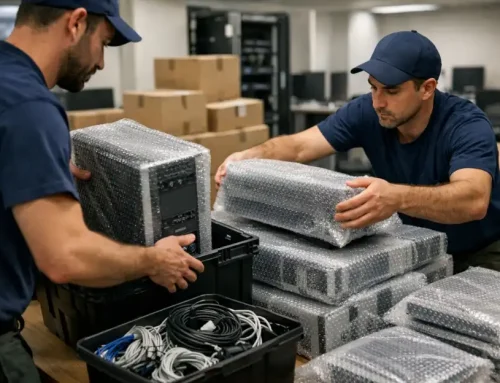
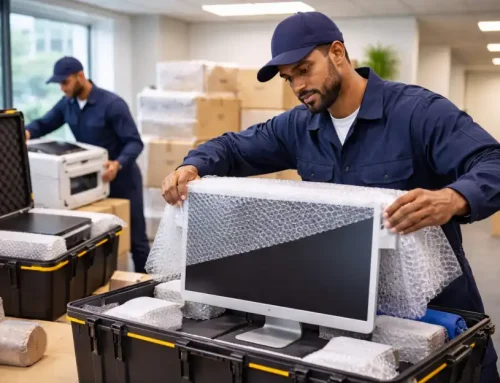
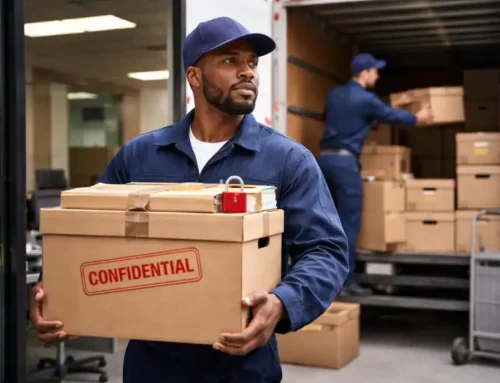
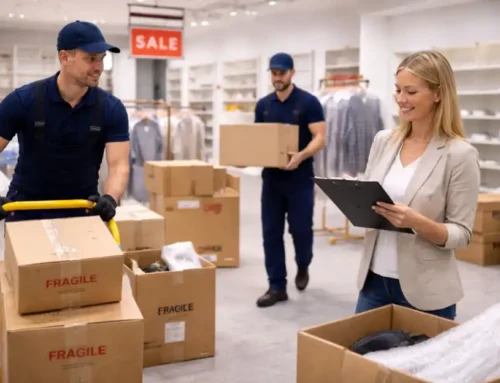
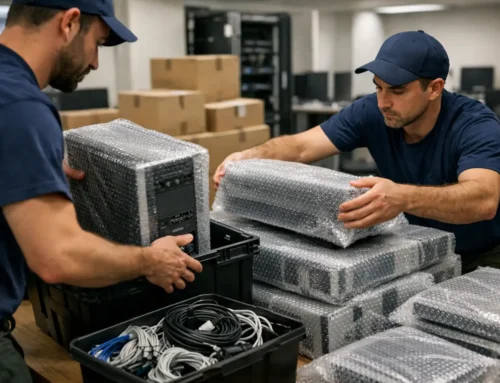
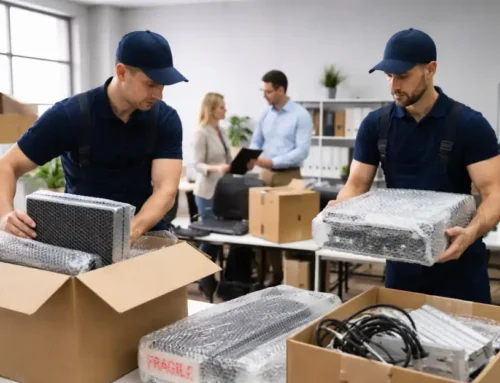
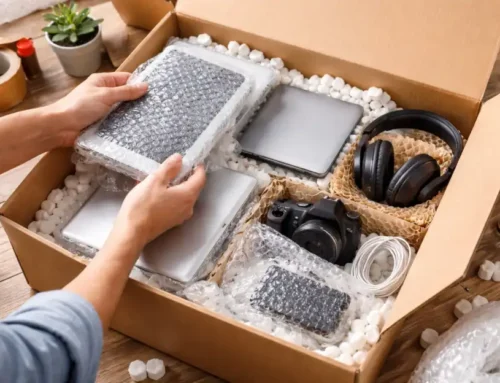
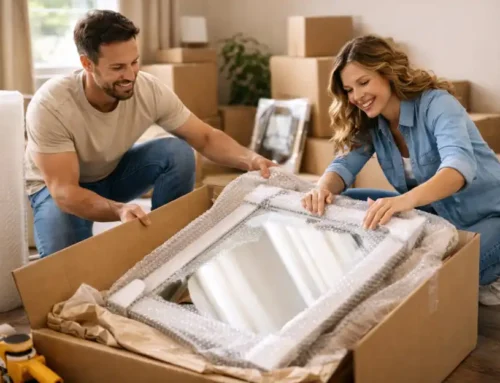
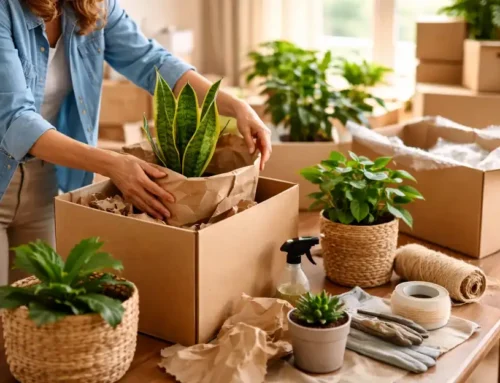
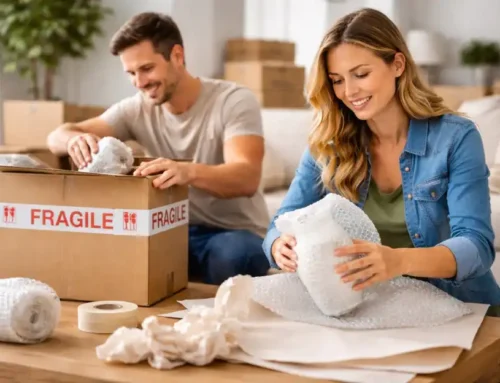
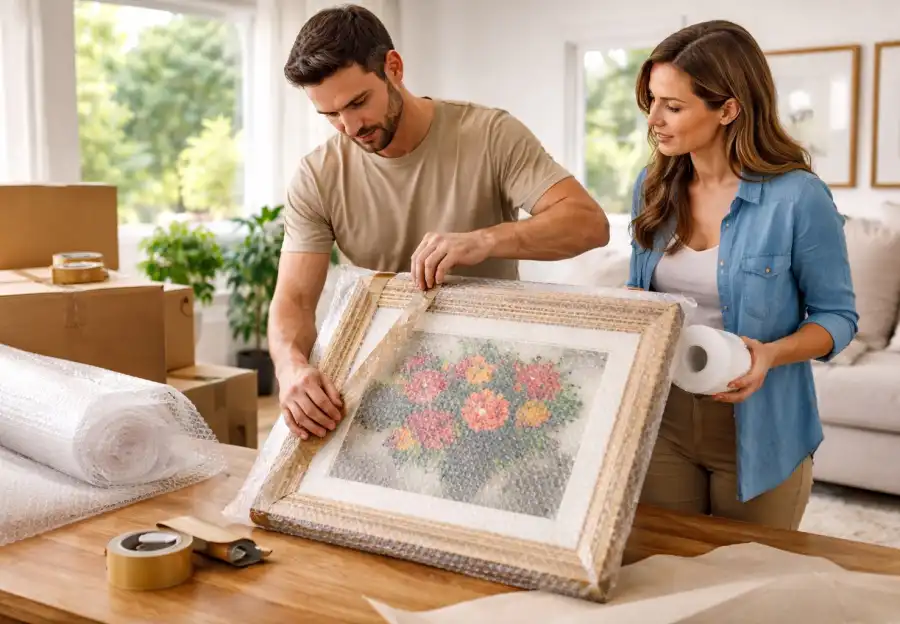
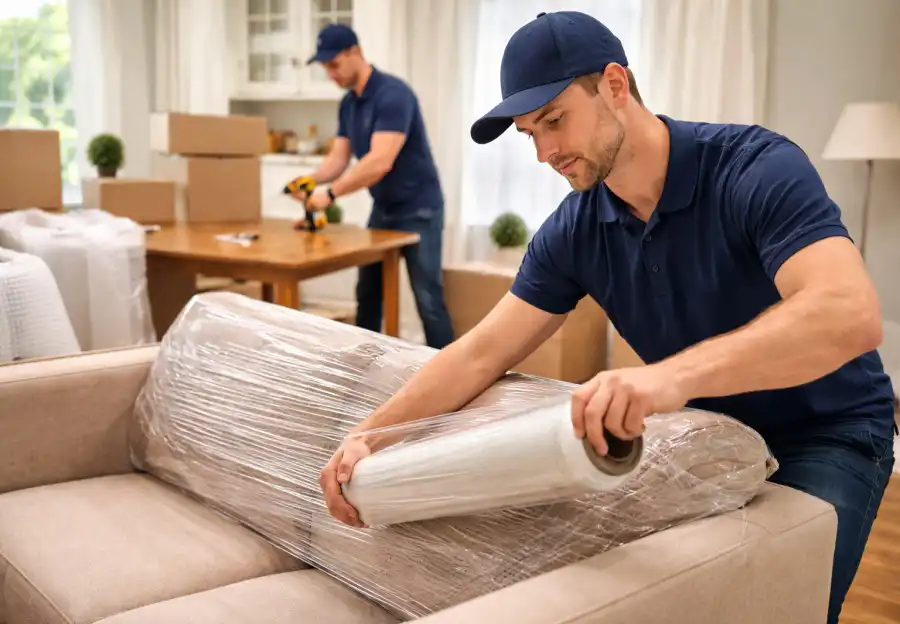
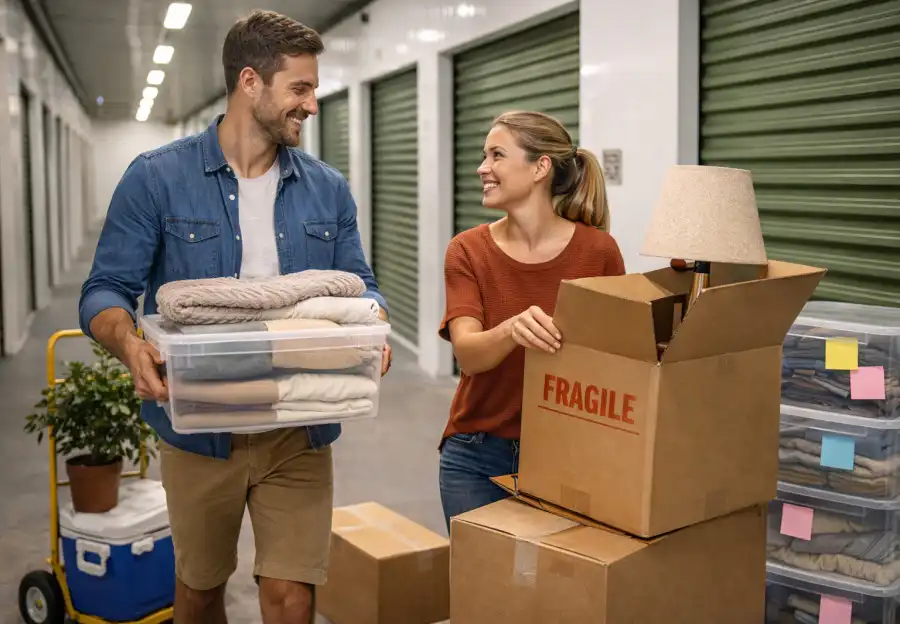
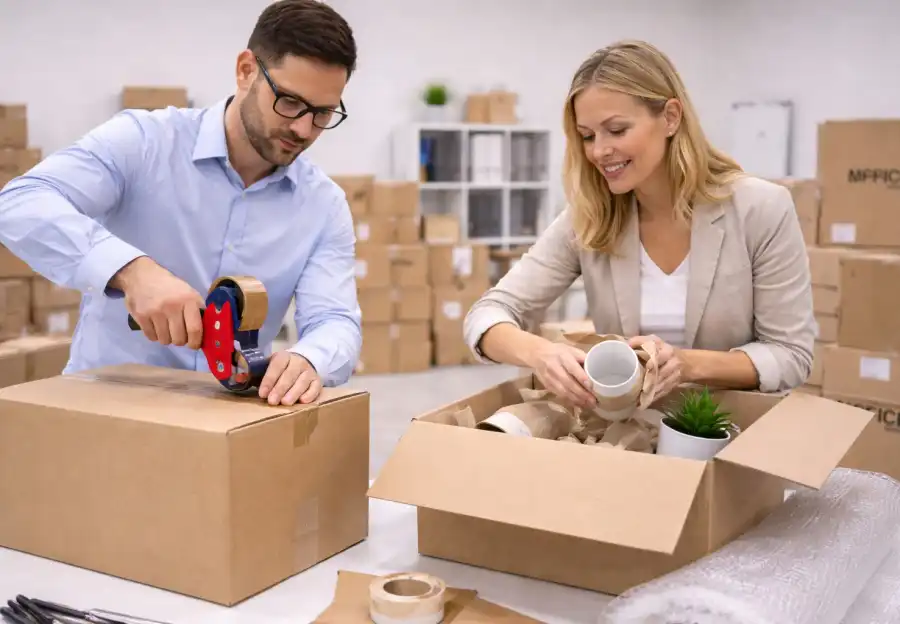
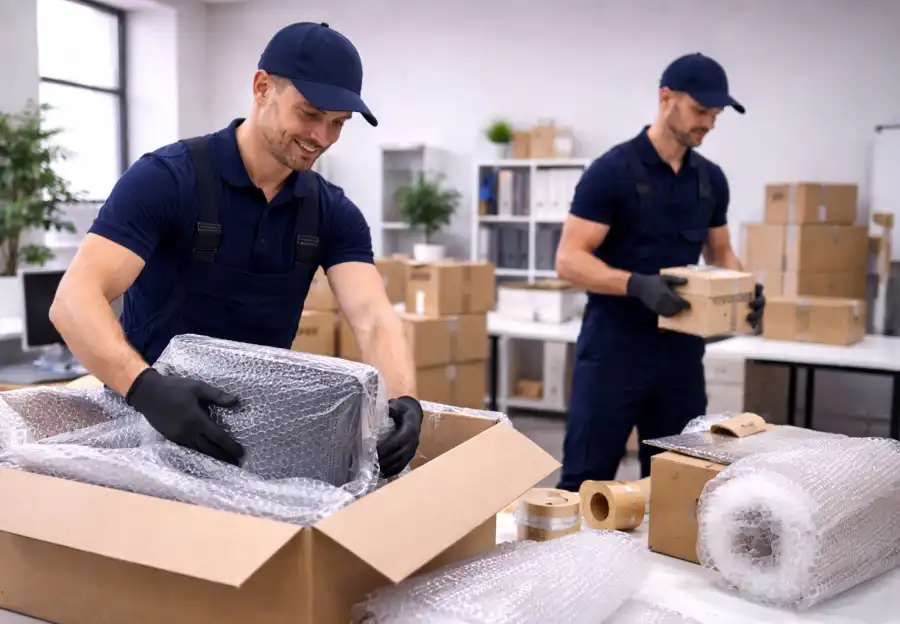
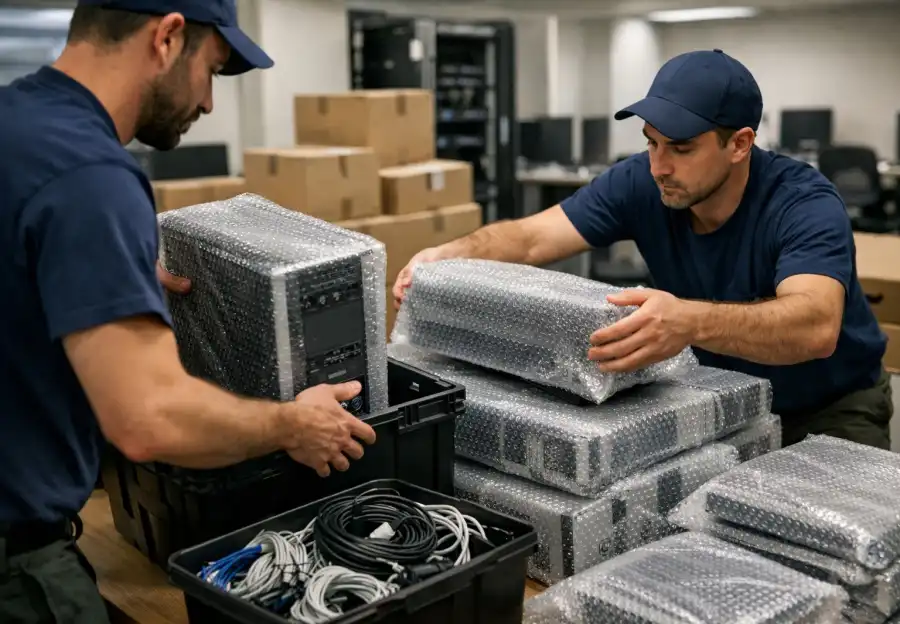
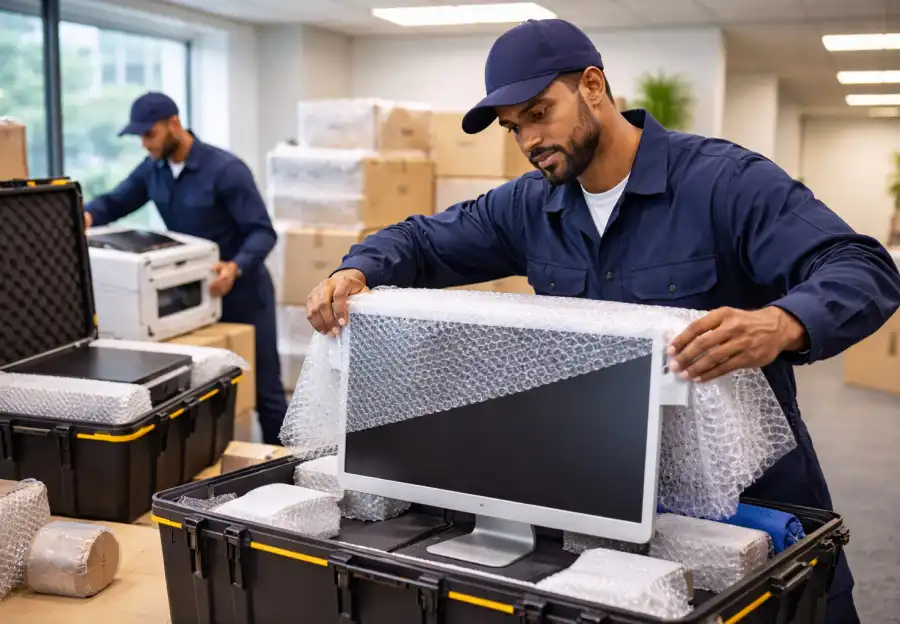
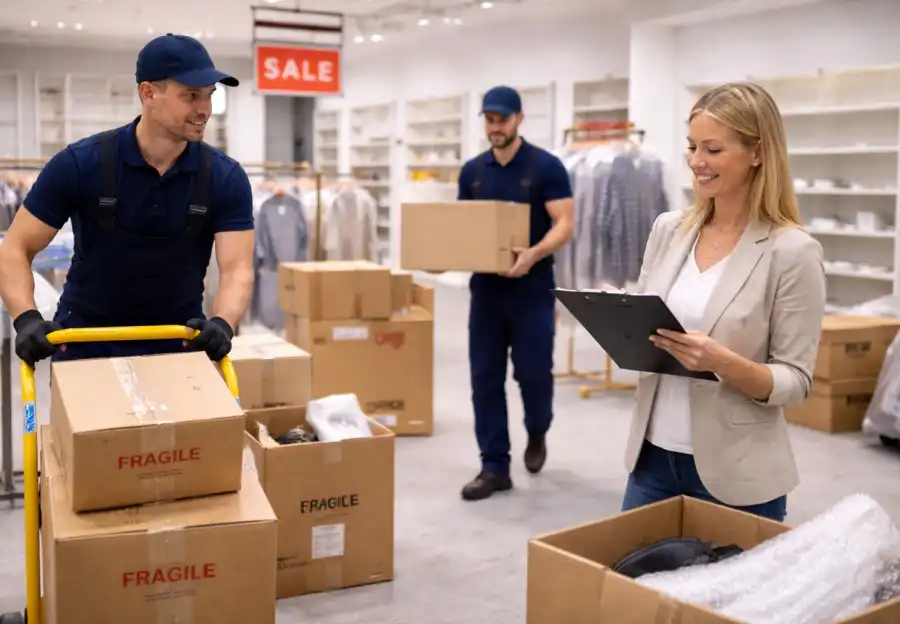
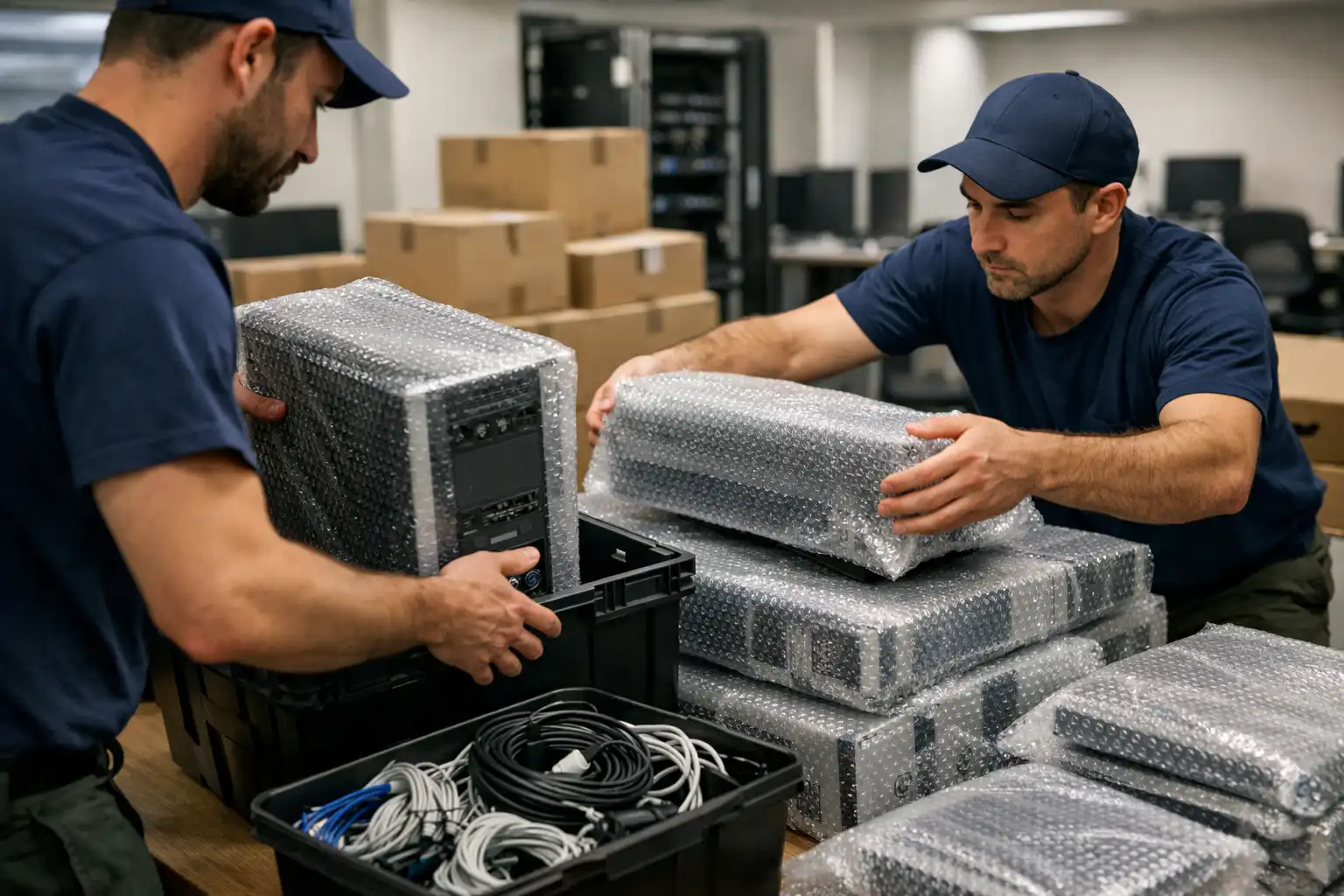
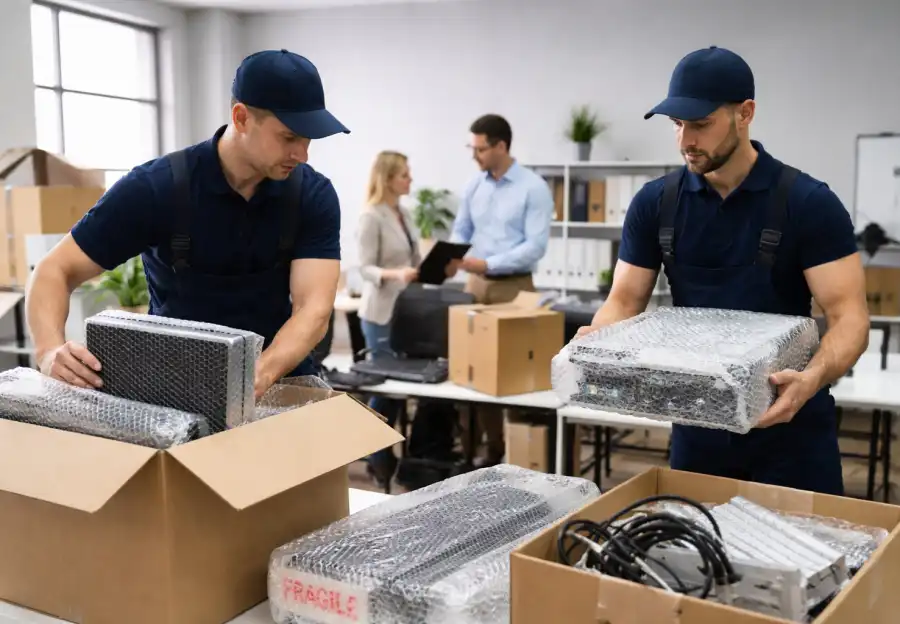
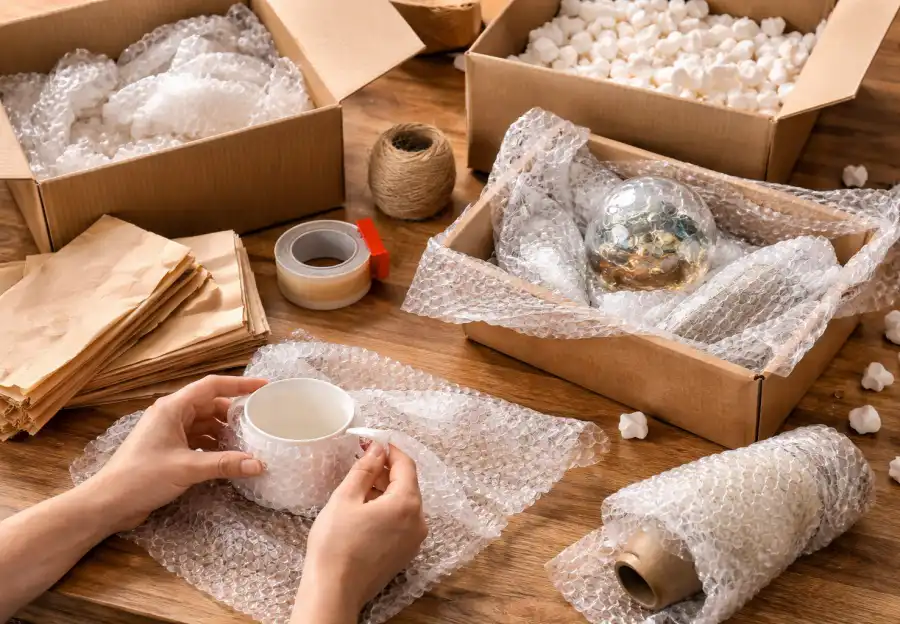
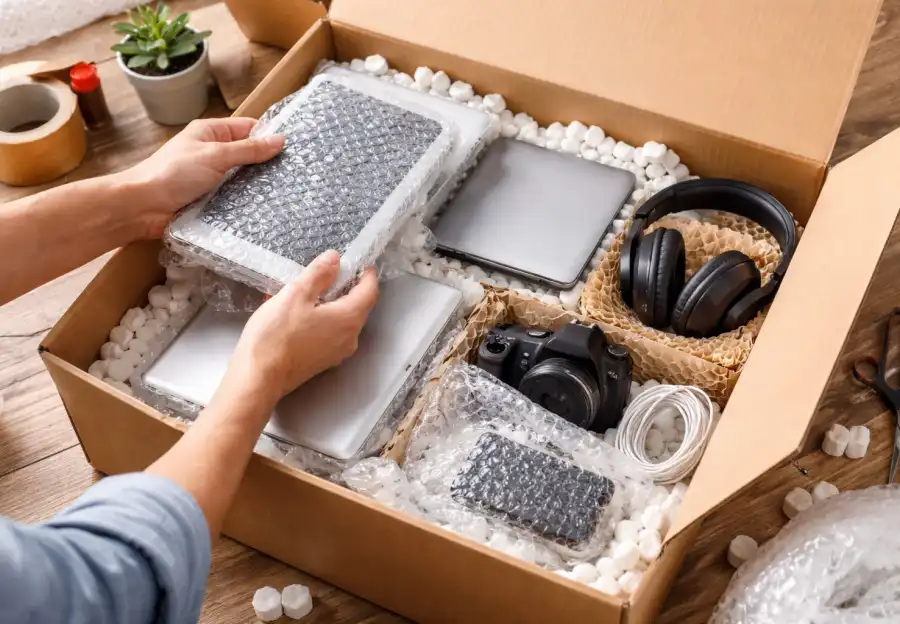
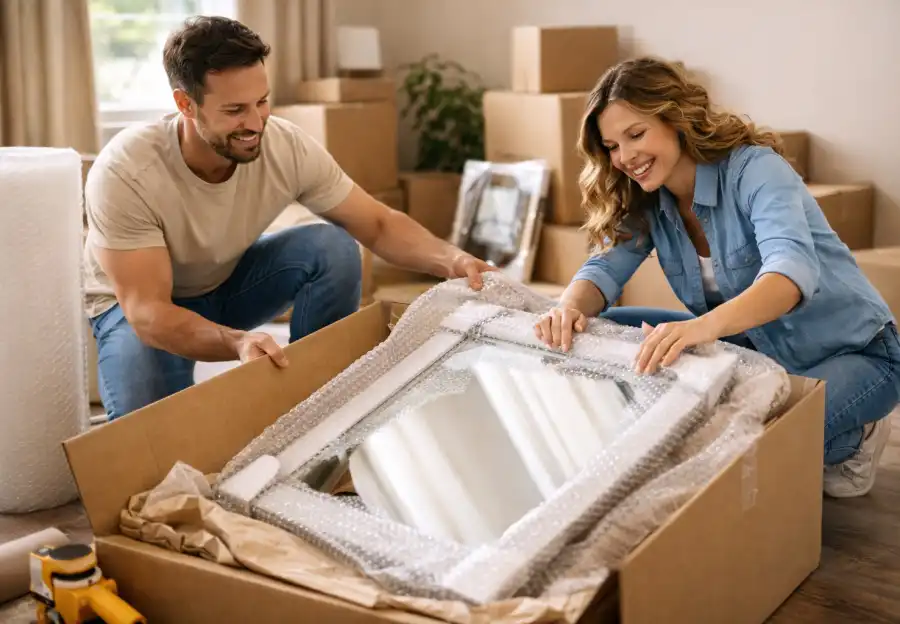
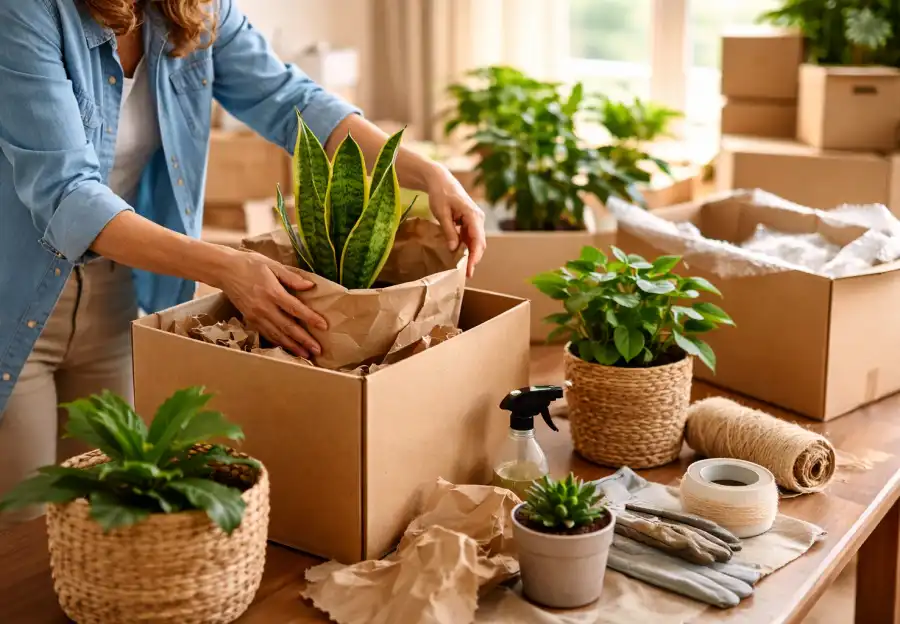
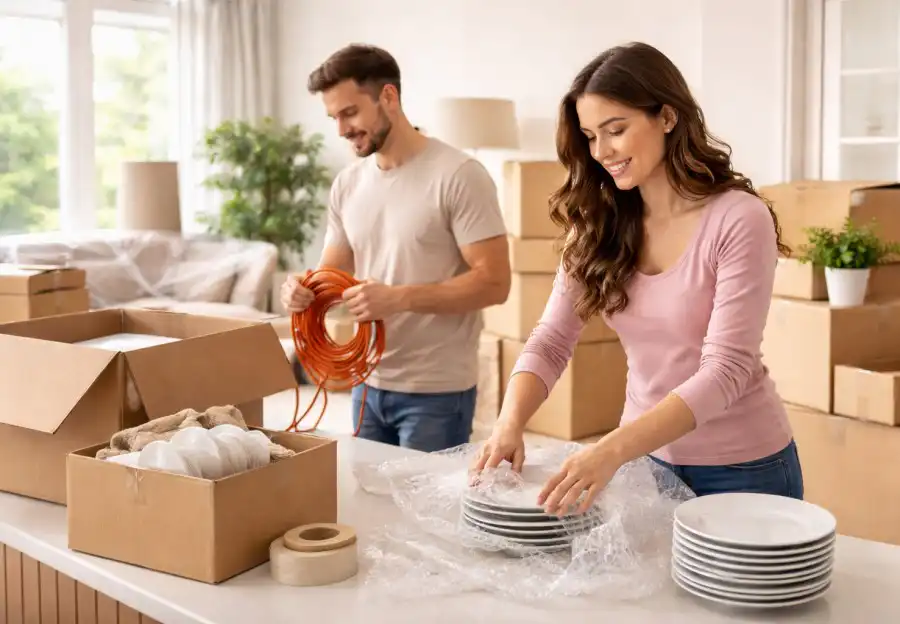
Fragile and valuable items require extra attention to maintain efficiency and prevent costly damage. Each breakable item should be wrapped individually using bubble wrap or packing paper and placed in appropriately sized boxes with sufficient padding. Glassware and electronics benefit from dividers or specialty boxes designed for protection. Boxes containing fragile items should be clearly labeled and positioned carefully in the moving vehicle to avoid crushing. High-value items such as jewelry, artwork, or important documents should be packed separately and kept in a secure, easily accessible location for added safety and peace of mind.
Grouping items by category and room further enhances packing efficiency. Packing similar items together, such as books, office supplies, or kitchen tools, simplifies both loading and unpacking. This approach allows movers to place boxes directly into their intended rooms, reducing the need for rearranging later. It also minimizes the time spent searching for specific items and ensures that delicate belongings are not mixed with heavy or awkward objects that could cause damage.
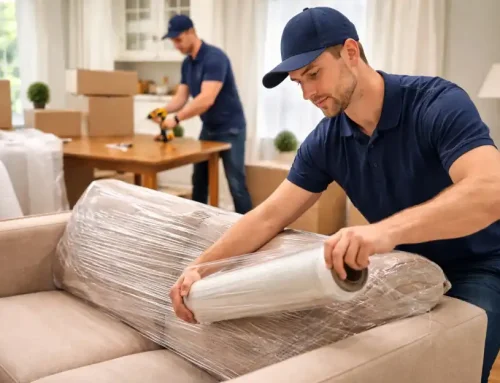
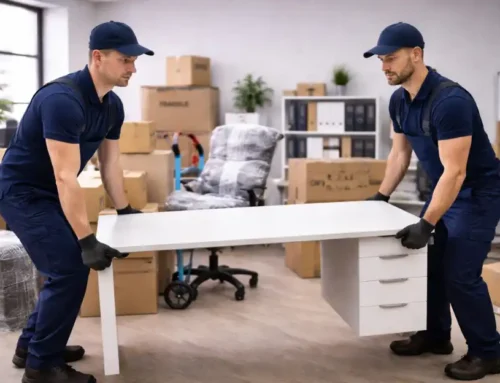
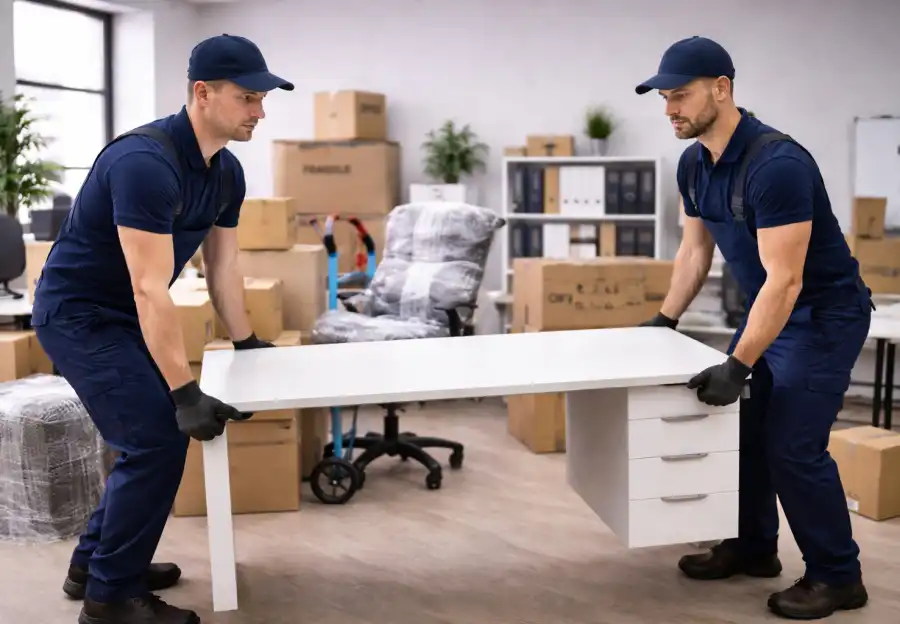
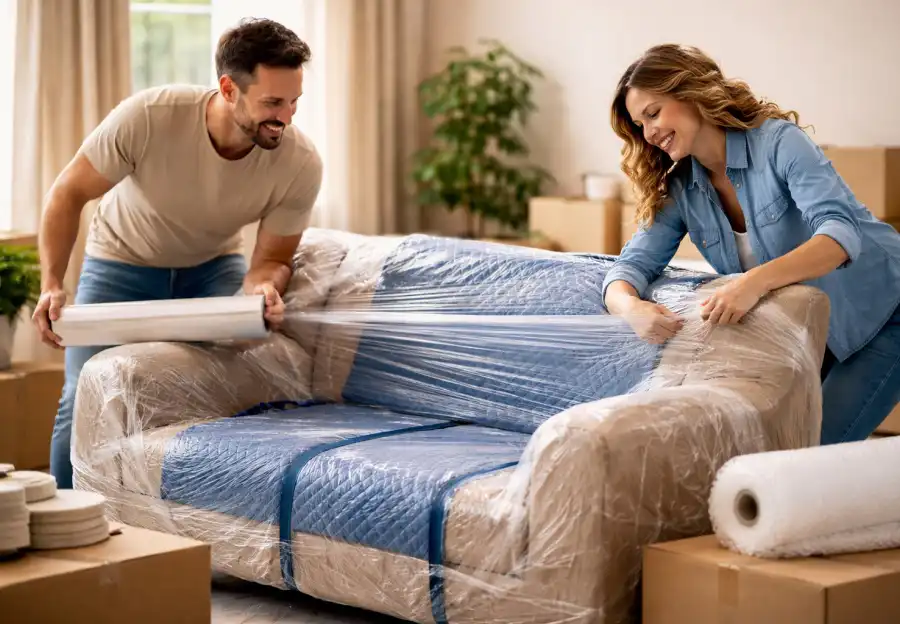
Disassembling large furniture when possible is another effective strategy. Removing legs from tables, separating bed frames, and breaking down modular furniture reduces bulk and makes items easier to maneuver through hallways and doorways. This also allows for more efficient use of truck space. Keeping screws, bolts, and hardware in labeled bags taped securely to the corresponding furniture pieces ensures quick and easy reassembly, preventing frustration and delays after the move.
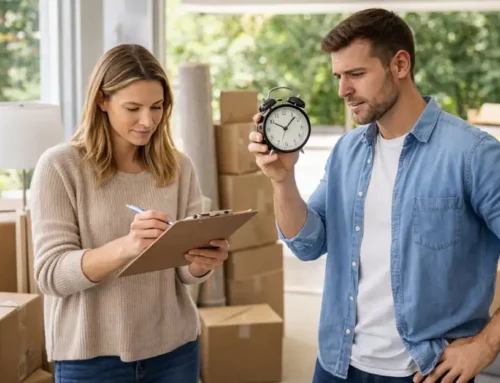
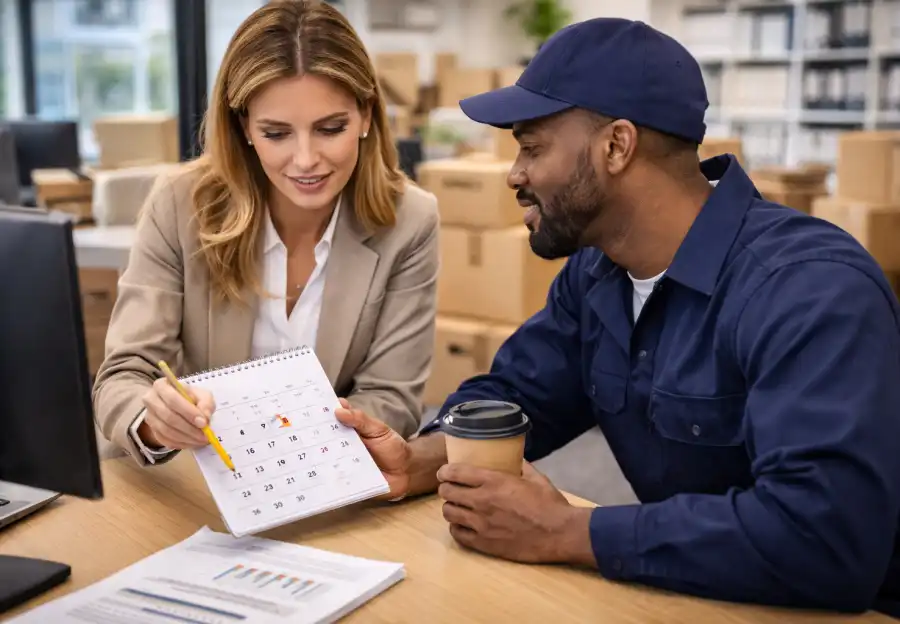
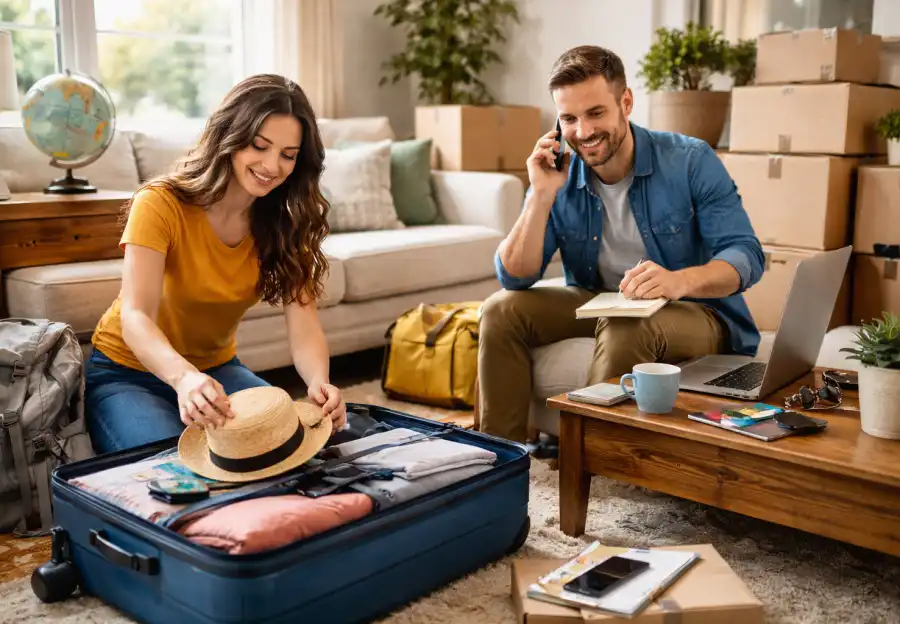
Packing gradually rather than leaving everything until the last minute significantly improves efficiency and reduces stress. Setting aside regular time to pack one room or category at a time allows for better organization and thoughtful decision-making. Gradual packing prevents fatigue, reduces errors, and provides time to check supplies, review labels, and adjust your plan as needed. It also creates a sense of progress and control throughout the moving process.
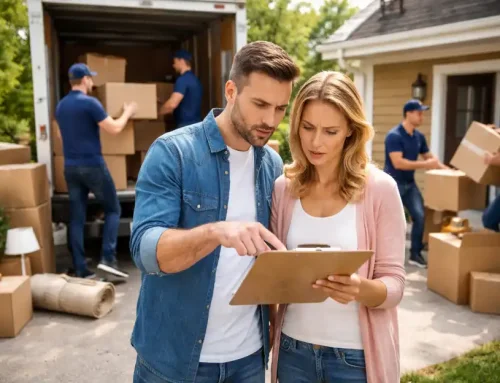
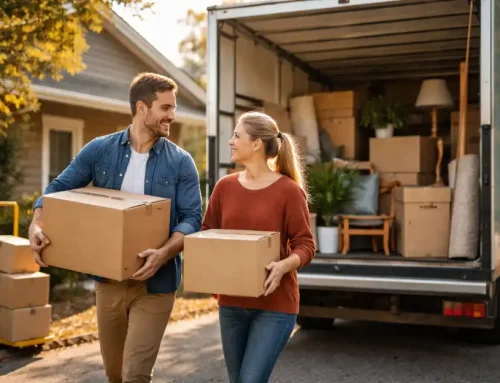
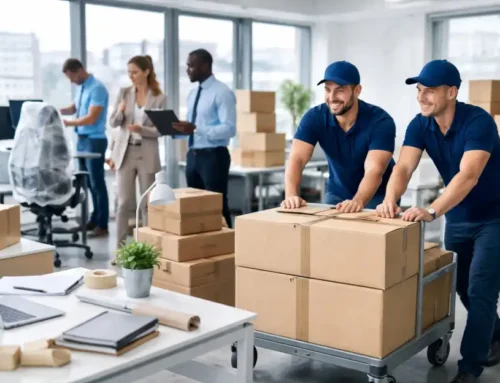
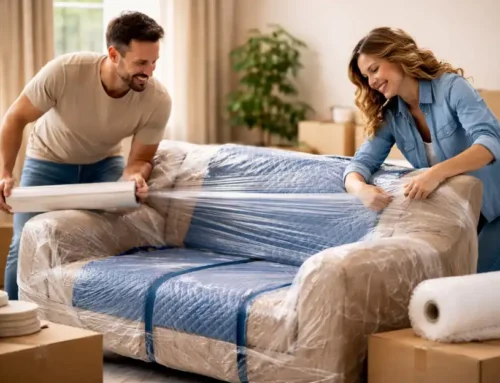
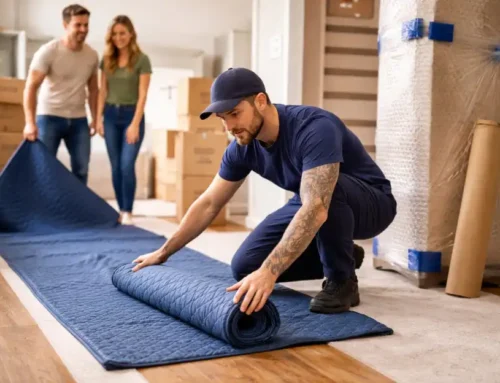
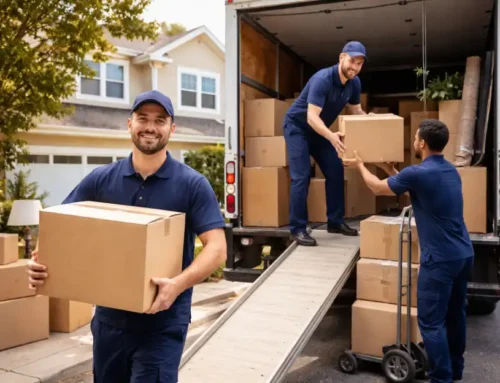
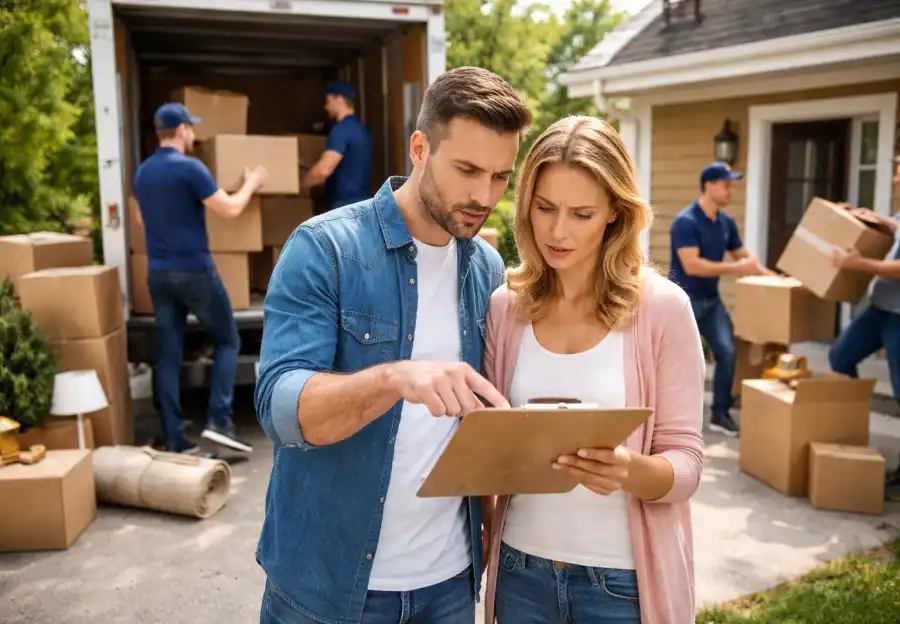
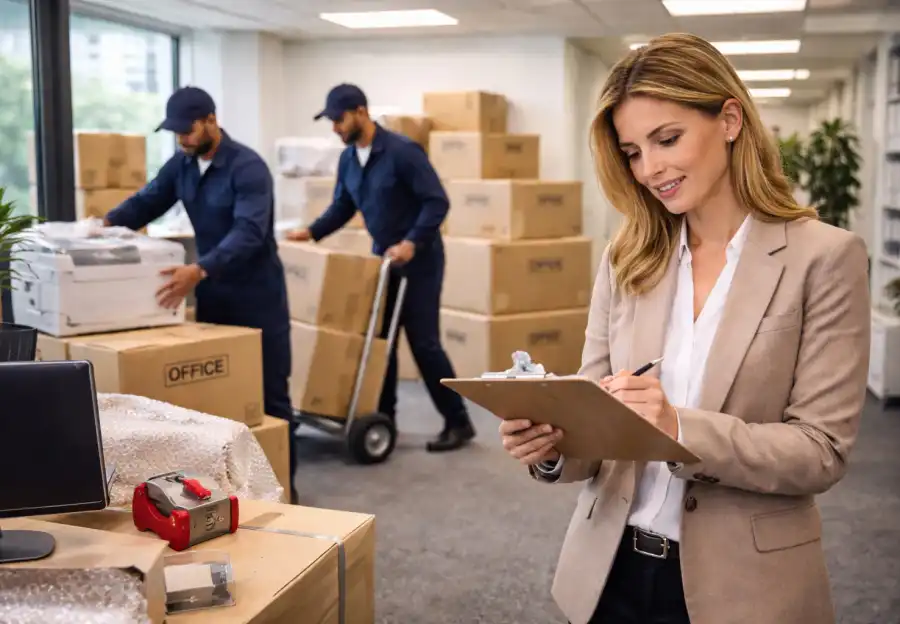
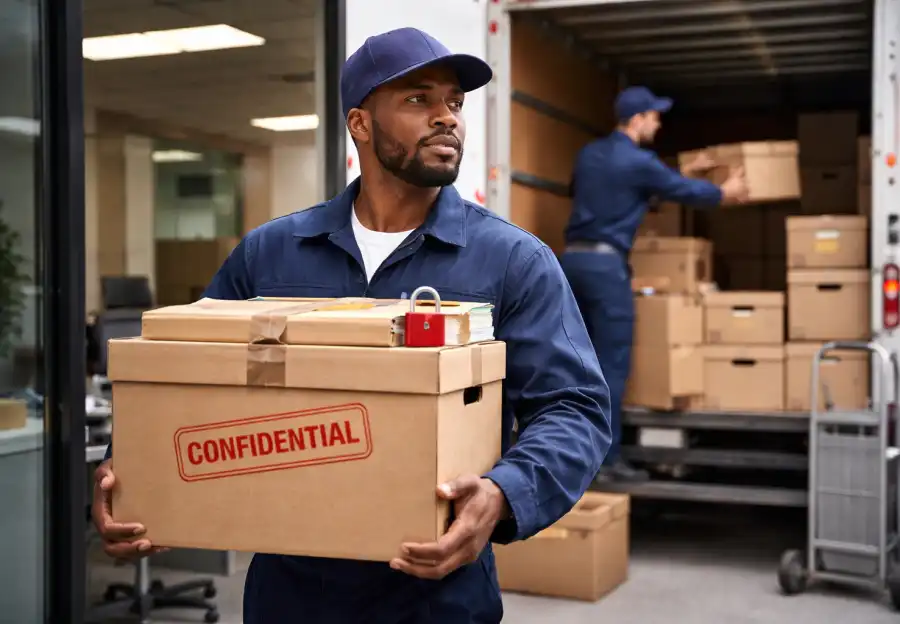
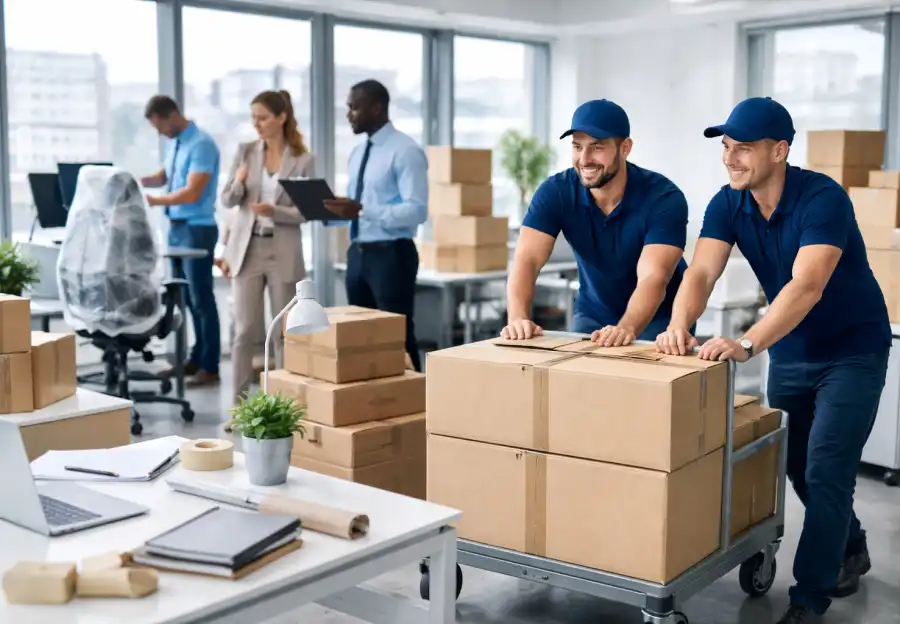
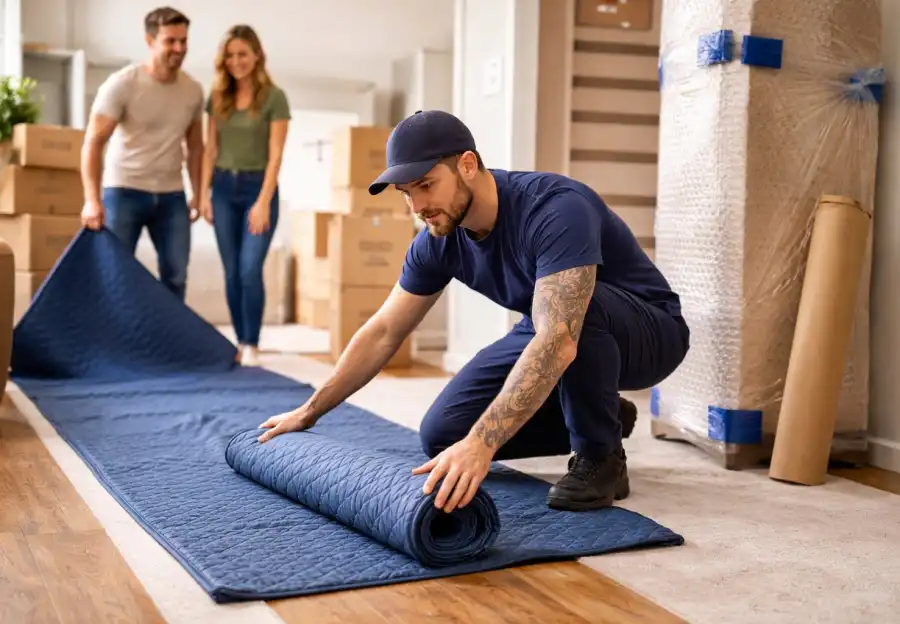
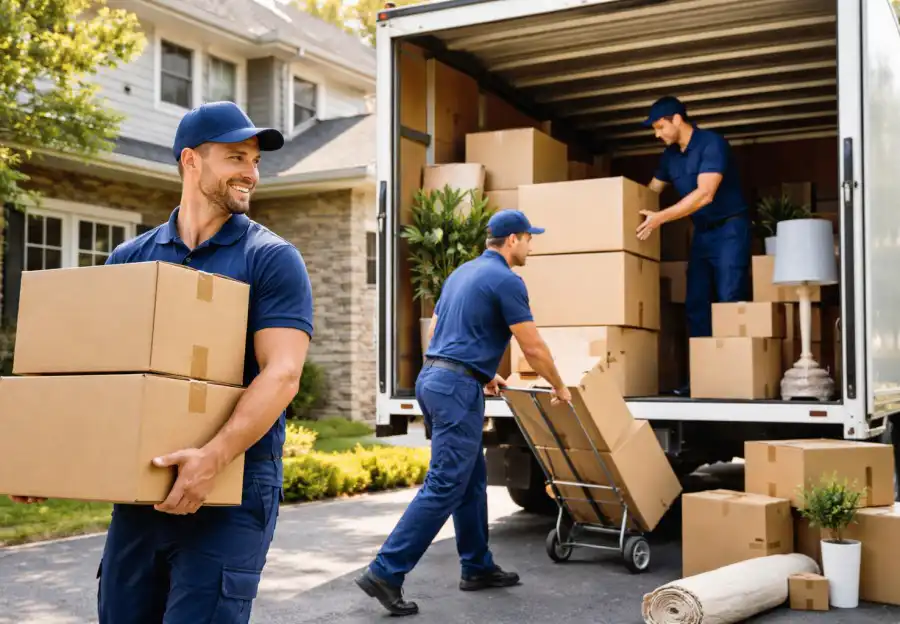
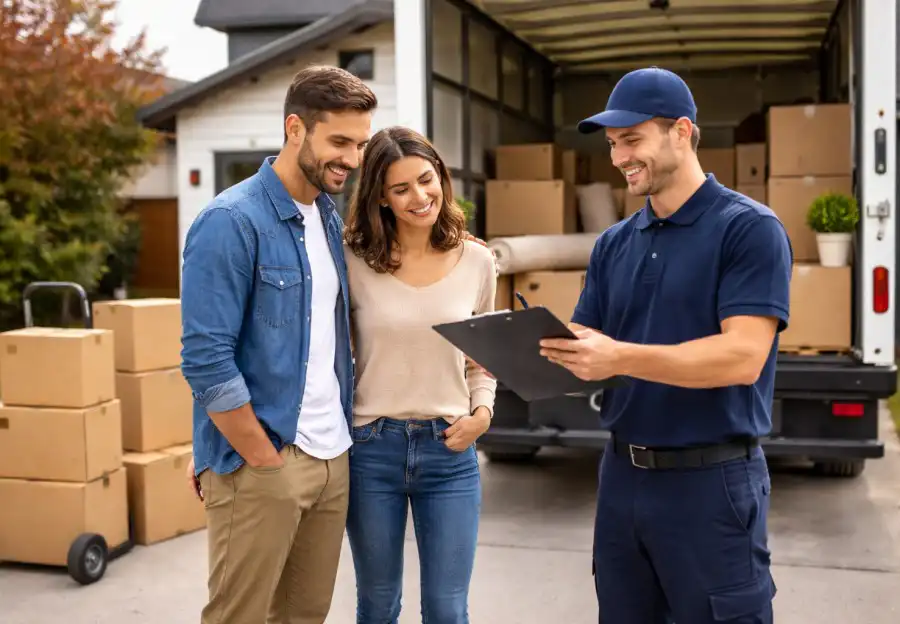
Finally, maintaining organization on moving day ties the entire packing process together. Double-checking labels, loading boxes in order of priority, protecting floors and walls, and ensuring all items are accounted for prevents delays and damage. Efficient packing combined with careful coordination ensures faster loading, smoother transportation, and easier unloading. By planning ahead, using proper materials, packing strategically, maximizing space, protecting fragile items, and staying organized, you can achieve an efficient, cost-effective, and low-stress move that allows you to settle into your new home quickly and comfortably.