
April 9, 2026
The Best Ways to Organize Your Moving Paperwork
The Best Ways to Organize Your Moving Paperwork the best ways to organize your moving paperwork is one of the most overlooked yet essential parts of a successful relocation. While packing boxes and arranging transportation often take priority, paperwork is what keeps the entire move legally, financially, and logistically on track. Poor document organization can lead to delays, misplaced information, and unnecessary stress during an already demanding transition.
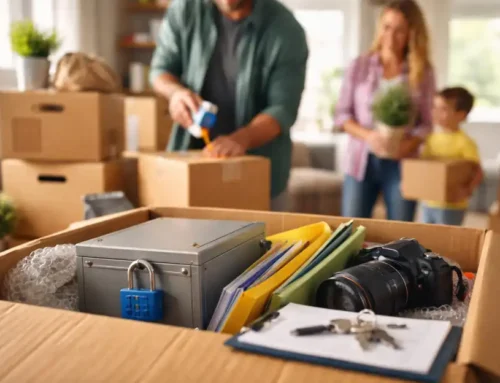
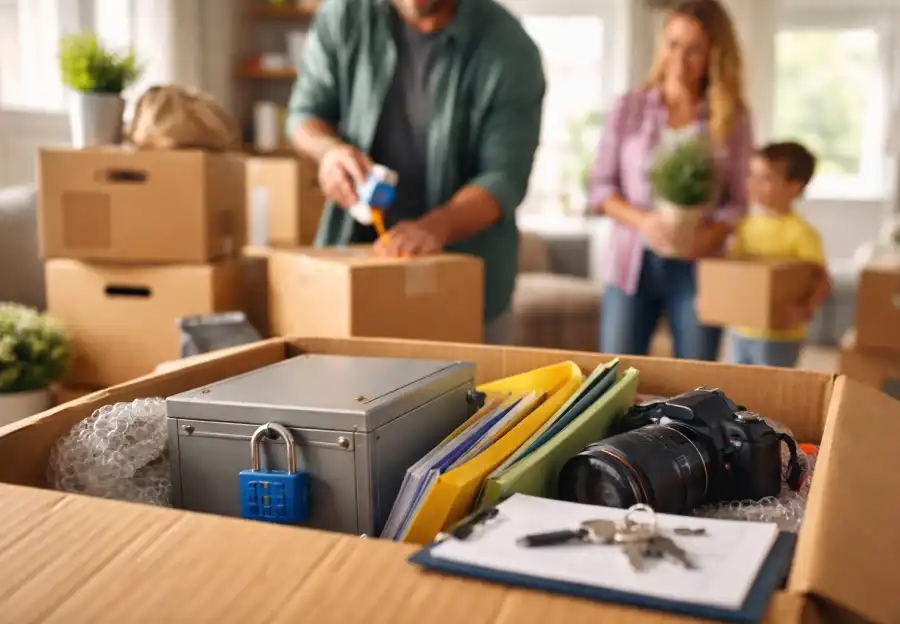
One of the most effective strategies is centralization. Keeping all moving-related documents in one dedicated location—whether a physical folder, binder, or digital folder—creates instant clarity. Contracts, estimates, receipts, lease agreements, insurance policies, and identification documents should never be scattered across bags, emails, or drawers. Centralization ensures everything is accessible when decisions need to be made quickly.
Another important method is categorization. Separating paperwork into clear sections such as housing, utilities, movers, financial records, and personal documents makes information easier to retrieve. When time is limited, knowing exactly where to find a specific document prevents frustration and keeps the move running smoothly. This structured approach also reduces the risk of losing critical paperwork.
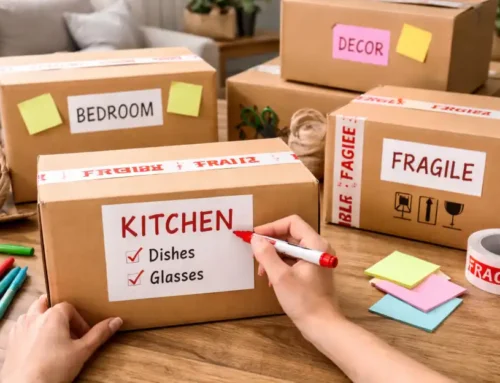
Labeling plays a key role in efficient organization. Clearly marked folders or digital file names help prevent confusion, especially when multiple people are involved in the move. Labels create consistency and reduce the mental effort required to search for information, which is particularly helpful during high-pressure moments.
Digital backups are another essential component of modern paperwork management. Scanning important documents and storing them securely in cloud storage or a password-protected device provides peace of mind. Digital copies protect against loss, damage, or unexpected delays and allow instant access from anywhere. This extra layer of preparation can be invaluable during long-distance or last-minute moves.
Timing and workflow management are also critical. Reviewing paperwork early allows you to identify missing documents, incorrect details, or upcoming deadlines. Address change confirmations, utility transfers, school records, and service cancellations should be tracked with dates and completion status. This proactive handling prevents last-minute scrambling and ensures nothing important is overlooked.
Good paperwork organization also supports better decision-making. When information is clear and accessible, it becomes easier to compare moving quotes, confirm service details, and manage expenses. This clarity saves time and helps avoid costly mistakes caused by miscommunication or forgotten agreements.
Beyond logistics, organized paperwork provides psychological relief. Knowing that every document is accounted for reduces mental clutter and emotional fatigue. Order and predictability create a sense of control, which is especially valuable during stressful transitions like moving homes or offices.
Finally, mastering the best ways to organize your moving paperwork builds transferable life skills. These habits improve long-term organization, strengthen planning abilities, and encourage responsible document management beyond the move itself. The discipline developed during this process often carries over into daily routines, finances, and professional responsibilities.
In summary, organizing moving paperwork is not just an administrative task—it is a strategic advantage. With clear systems, thoughtful preparation, and efficient handling, paperwork becomes a support tool rather than a source of stress, helping ensure a smoother, more confident relocation experience.