
January 21, 2026
Moving Across the Country: What to Expect
Moving across the country is a major life event that requires careful planning, organization, and preparation, because long-distance relocations involve numerous logistical, financial, and emotional challenges that differ significantly from local moves. Understanding what to expect can help reduce stress, prevent mistakes, and ensure that the move proceeds as smoothly as possible. The first step in preparing for a cross-country move is creating a detailed moving timeline. Establishing deadlines for tasks such as packing, decluttering, scheduling movers or truck rentals, and arranging travel allows you to organize your move into manageable steps. This timeline should also account for factors such as weather conditions, traffic patterns, and potential construction along your route, as these variables can significantly affect travel times, especially when transporting large volumes of household items or valuable possessions.
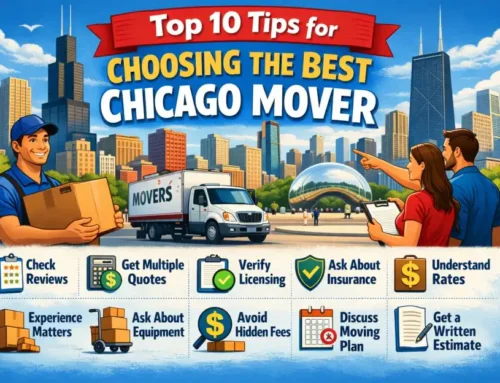
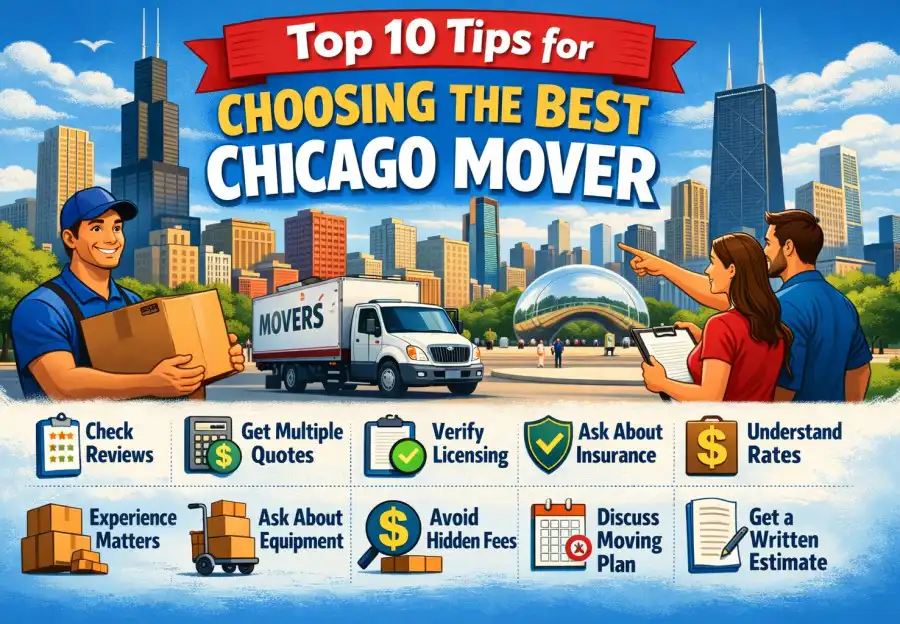
Selecting the right moving company or service is another critical aspect of a cross-country move. Professional movers experienced in long-distance relocations understand the unique challenges involved, including handling fragile items, loading efficiently, planning routes, and meeting delivery schedules. Researching multiple companies, checking reviews, confirming licenses and insurance, and requesting binding estimates ensures that you hire a reputable provider capable of safely transporting your belongings. This careful selection prevents scams, hidden fees, or delays, and directly impacts the overall efficiency, cost, and security of your move.
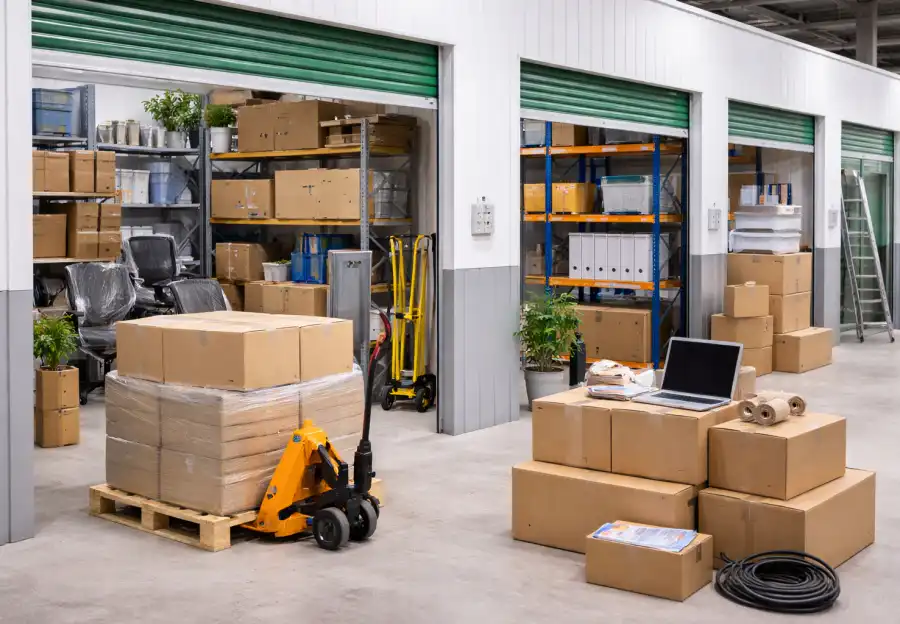
Decluttering your home prior to the move is equally important. Long-distance moves are typically charged based on weight or volume, and removing unnecessary items reduces both costs and the amount of work involved. Selling, donating, or discarding belongings you no longer need not only saves money but also makes unpacking and organizing at your new home easier. Categorizing items into essential, non-essential, and disposable groups ensures that your focus remains on transporting only what truly matters, streamlining both packing and loading.
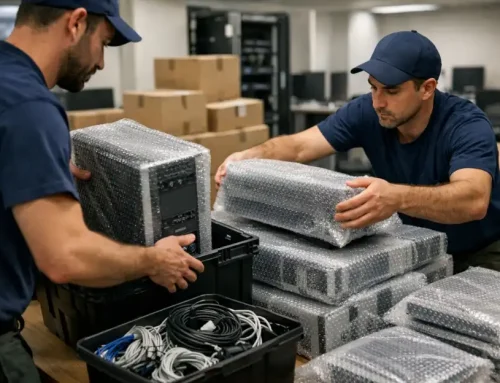
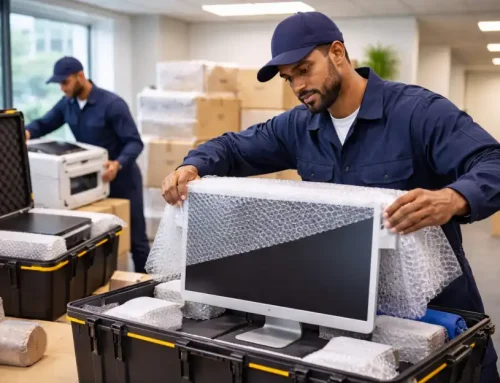
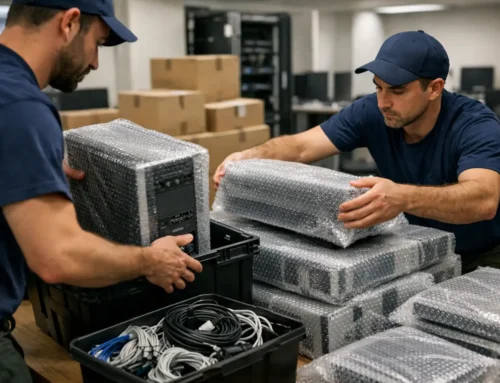
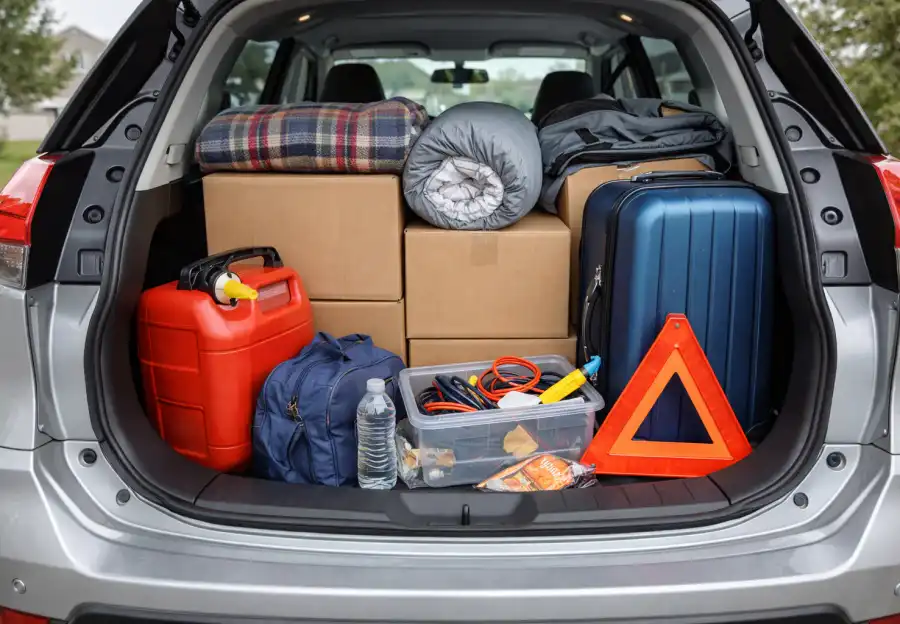
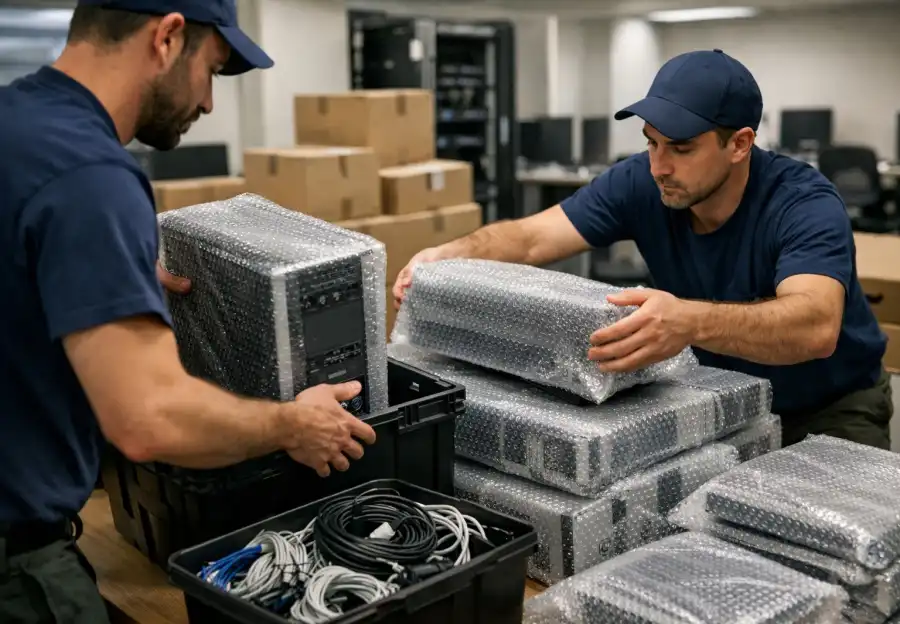
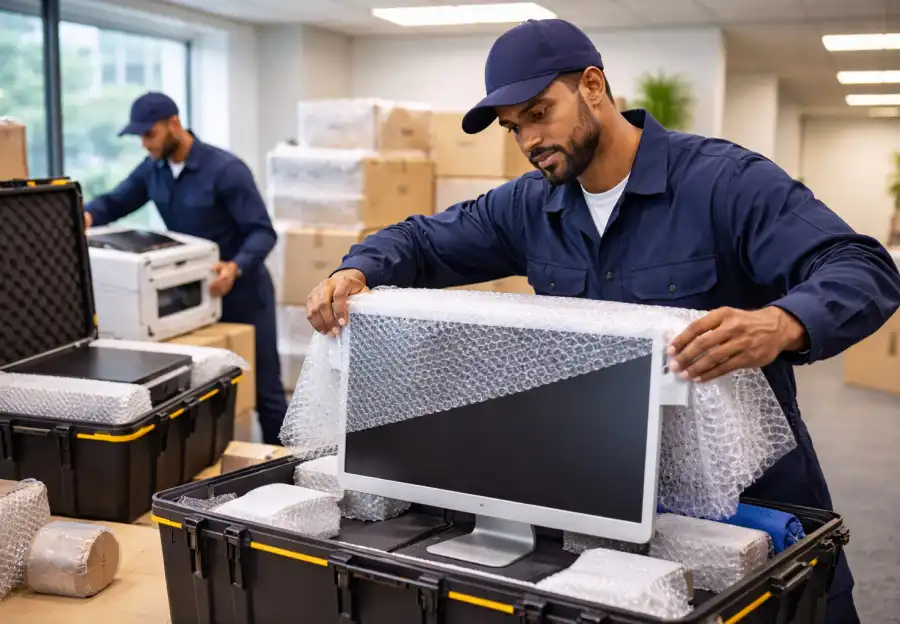
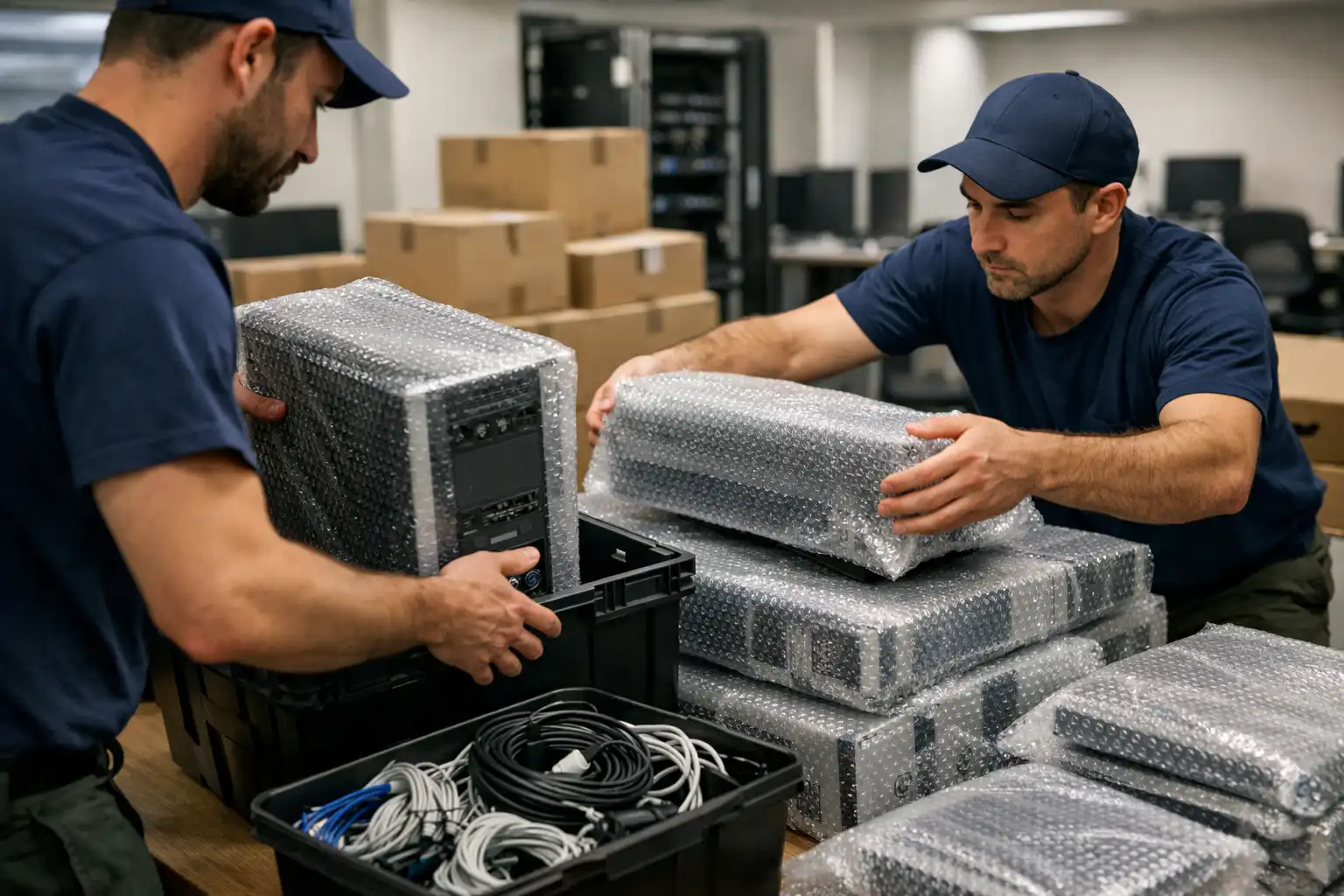
Packing for a cross-country move requires careful attention, because items will be in transit for an extended period and may face potential risks such as shifting, temperature fluctuations, moisture, or accidental impact. Using durable boxes, bubble wrap, packing paper, furniture blankets, shrink wrap, and waterproof containers ensures that fragile or high-value items are well protected. Labeling boxes by room, contents, and handling instructions allows for faster unpacking and reduces confusion upon arrival. Additionally, preparing an emergency or “first-day” box with toiletries, clothing, important documents, snacks, chargers, and medications guarantees access to essentials immediately, eliminating the frustration of digging through numerous boxes in a new environment.
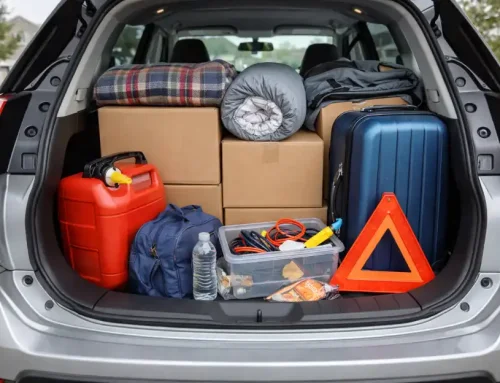
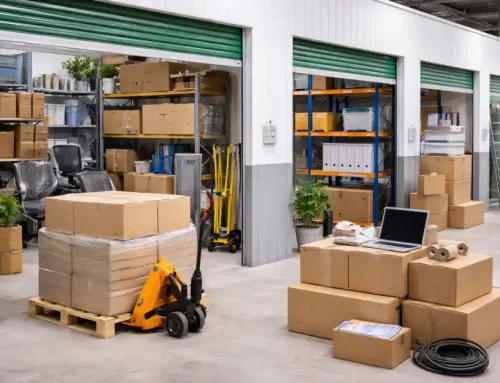
Transportation logistics are another major consideration for cross-country moves. Long travel times and multiple stops require careful planning to maintain efficiency and safety. Planning your route, scheduling rest breaks, monitoring weather conditions, and preparing for fuel, lodging, and meals ensures comfort and minimizes risks. Coordinating arrival times with movers, rental companies, or temporary storage facilities prevents bottlenecks, while factoring in time for unloading, furniture assembly, and unpacking ensures a realistic schedule that avoids rushed decisions or unnecessary stress.
Budgeting is a critical element of long-distance moves. Such relocations are generally more expensive than local moves, and creating a detailed budget that accounts for moving company fees, truck rental, fuel, lodging, meals, packing supplies, insurance, and unexpected costs prevents financial surprises. Including contingency funds allows for flexibility in case of emergencies or unforeseen expenses. Additionally, exploring cost-saving strategies, such as booking movers in advance, moving during off-peak seasons, or reducing the weight and volume of items, can significantly reduce overall expenses without compromising efficiency or safety.
Communication and coordination play a central role in a successful cross-country move. Family members, friends, and movers must all understand the plan, responsibilities, and schedule. Providing clear instructions regarding fragile items, furniture disassembly, and priority boxes ensures smooth collaboration, while maintaining contact throughout the journey allows you to address problems immediately, reroute shipments if necessary, and confirm arrival schedules. Effective communication reduces stress, prevents delays, and enhances overall efficiency.
Preparing your new home before arrival is equally essential. Ensuring that utilities are set up, rooms are ready for furniture placement, and access points are clear allows movers to work efficiently. Planning for parking, elevators, or building regulations prevents logistical complications, especially in apartment complexes or multi-story buildings. A checklist of unpacking priorities ensures that essential areas such as kitchens, bedrooms, and bathrooms are functional immediately, minimizing disruption to daily routines and helping the household settle in quickly.
Finally, moving across the country requires patience, flexibility, and a calm mindset. Even with meticulous planning, unexpected challenges such as weather delays, traffic, or mechanical issues may arise. Maintaining organization, following your timeline, and focusing on critical tasks ensures that the move proceeds efficiently, safely, and with minimal stress. Protecting belongings, adhering to the plan, and staying adaptable throughout the process allows homeowners to navigate challenges without panic or error. By combining detailed planning, careful selection of movers, strategic packing, budgeting, route planning, clear communication, and contingency preparation, a cross-country move can be executed successfully, ensuring possessions arrive safely, schedules remain on track, and the transition to a new home is smooth, organized, and manageable.
With foresight, discipline, and strategic preparation, even the challenges of moving across the country can be handled efficiently. A well-organized approach reduces stress, saves time and money, and transforms what might otherwise be an overwhelming experience into a controlled, successful relocation, allowing homeowners to focus on settling into their new home with confidence and ease.