
April 10, 2026
How to Track Your Moving Inventory
How to track your moving inventory plays a crucial role in shaping how individuals plan, manage, and execute every stage of a relocation. Moving is not simply about transporting items from one place to another; it is a complex process involving organization, accountability, timing, and decision-making. Without a clear system to track belongings, even a well-planned move can quickly become stressful, confusing, and inefficient. Inventory tracking introduces structure into what is otherwise a fast-paced and often overwhelming transition.
Unlike general packing advice, tracking your moving inventory focuses on awareness and control. It encourages people to understand exactly what they own, where it is packed, how it is handled, and when it arrives at its destination. This level of visibility helps prevent common problems such as lost boxes, damaged items, unnecessary repurchasing, or delays during unloading. More importantly, it creates confidence during the move, replacing uncertainty with clarity.
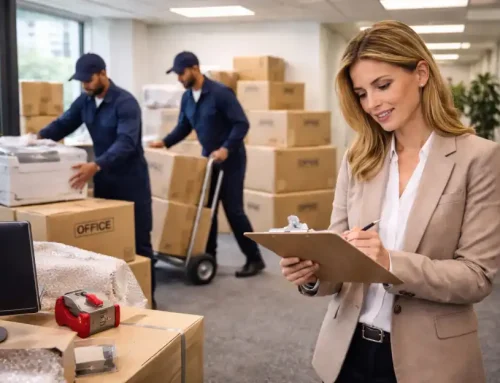
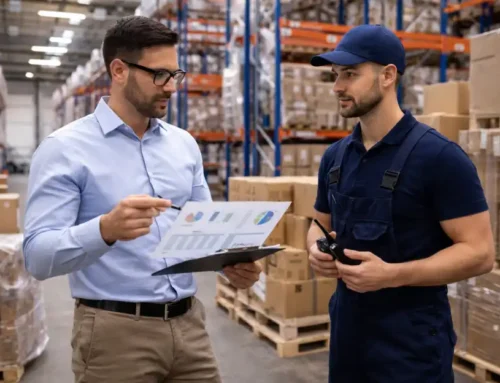
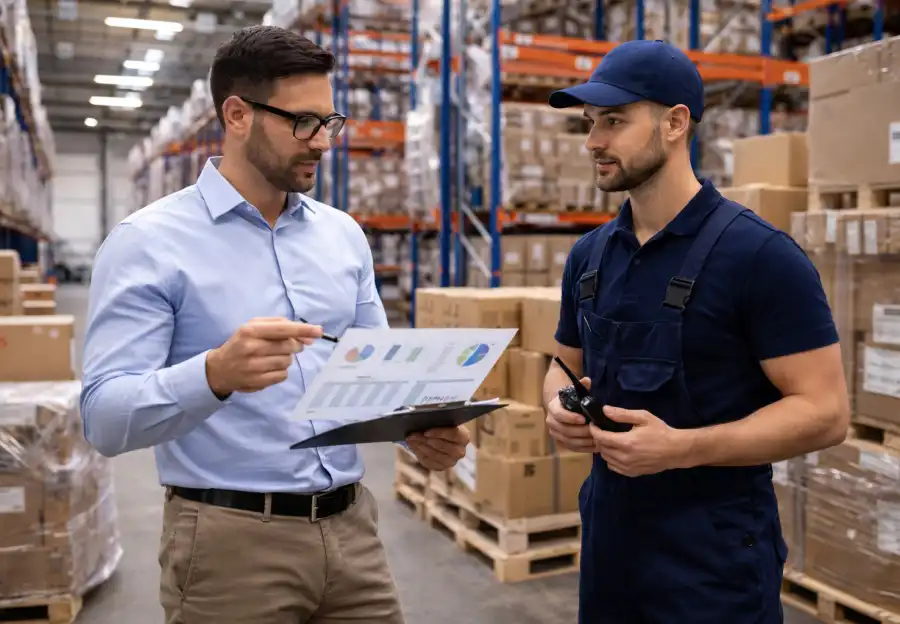
One of the first benefits of tracking your moving inventory is improved planning. When individuals take time to document their belongings, they gain a realistic picture of the volume and nature of what they are moving. This insight allows for smarter decisions about packing supplies, truck size, storage needs, and labor requirements. It also helps identify items that no longer serve a purpose, making it easier to declutter before packing begins. Reducing unnecessary items not only saves time and money but also simplifies the overall workflow.
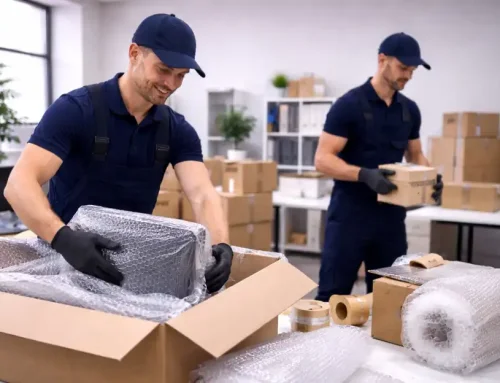
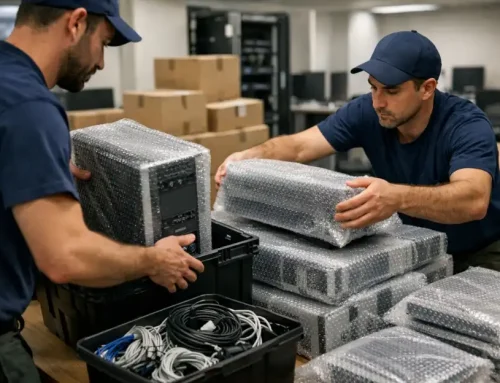
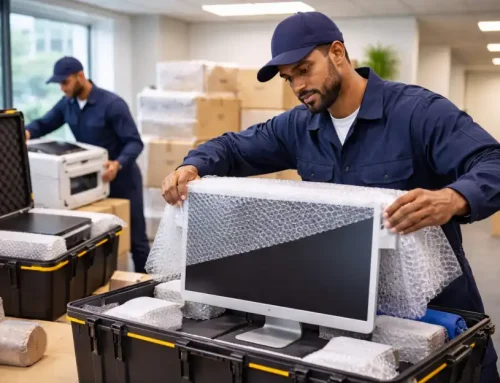
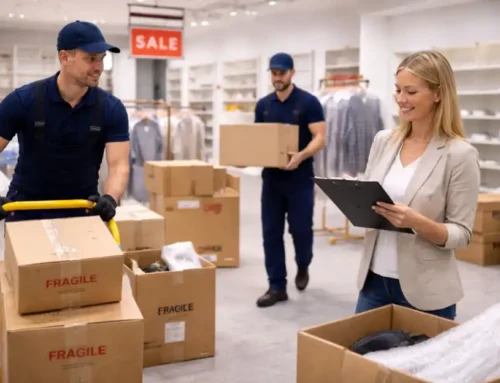
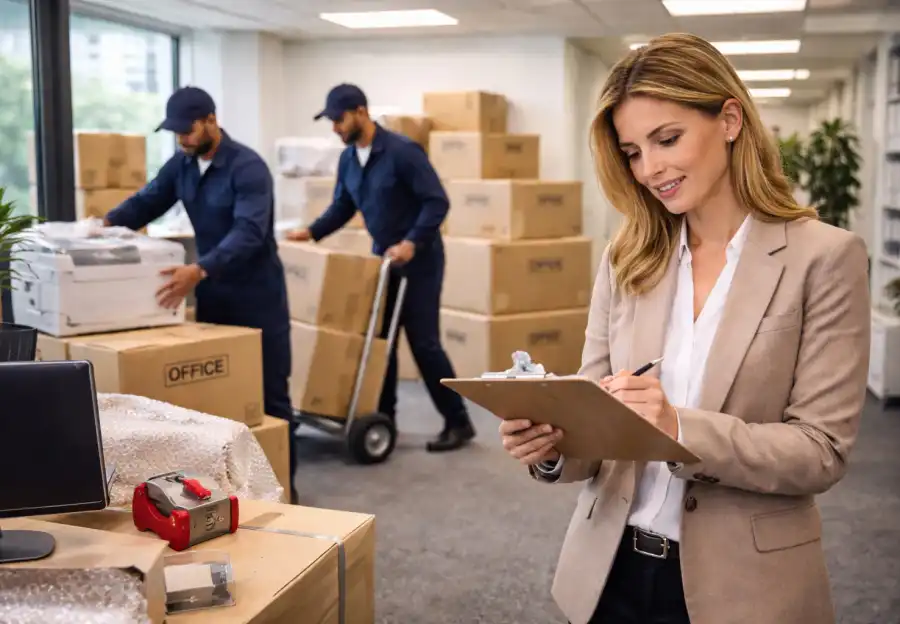
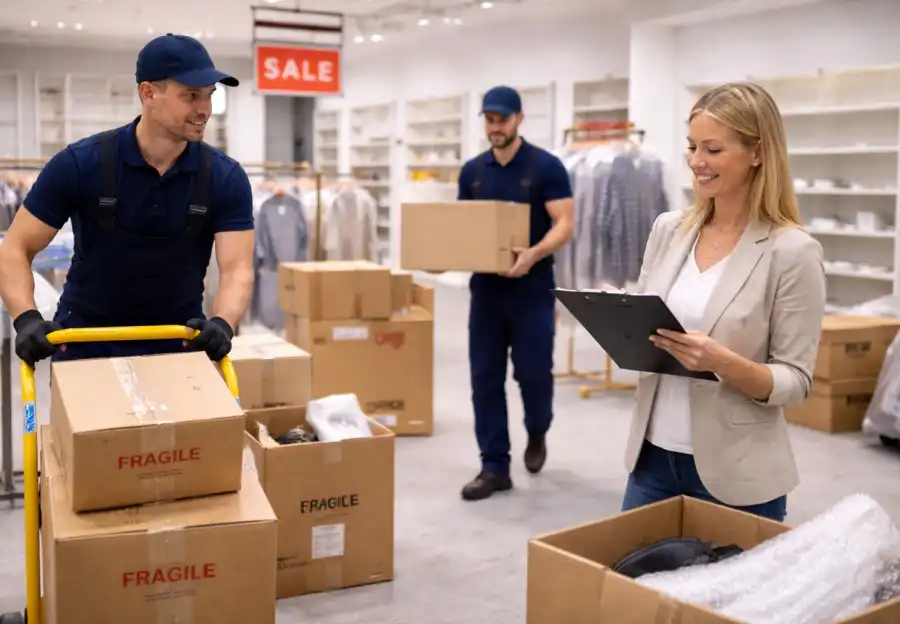
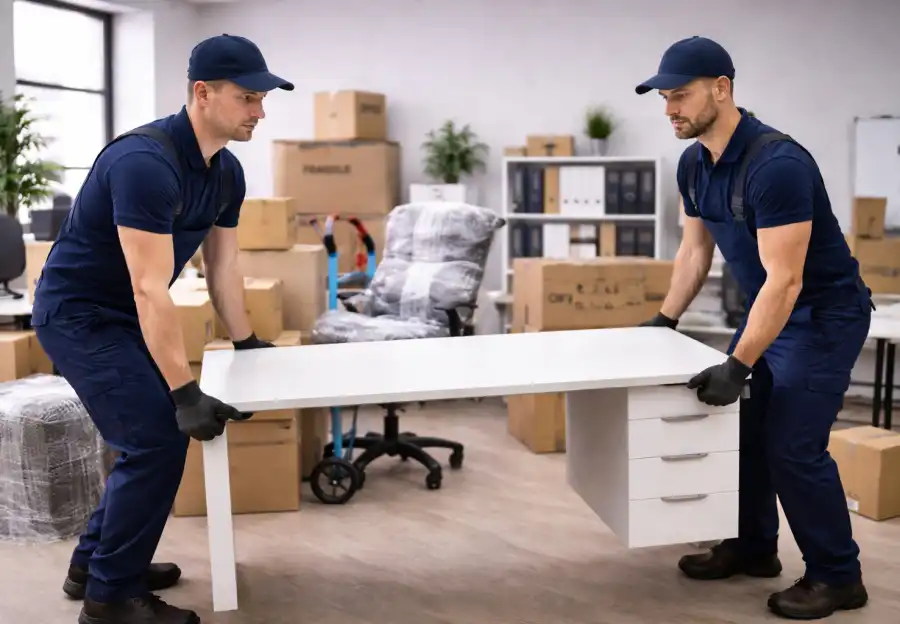
Inventory tracking also supports efficient packing and handling. By grouping items logically—such as by room, function, or fragility—people can assign clear labels and descriptions to each box. This approach ensures that essential items are easy to locate and that fragile or valuable belongings receive proper care. When movers or helpers are involved, a well-tracked inventory acts as a communication tool, guiding everyone on how items should be handled and where they should be placed upon arrival.
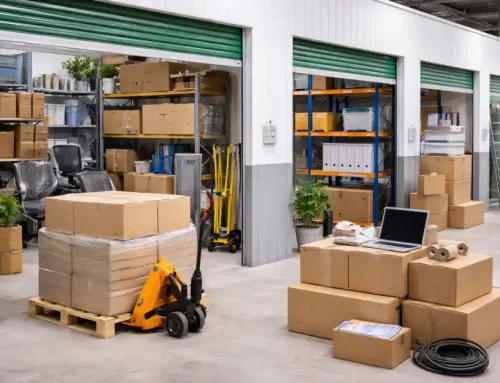
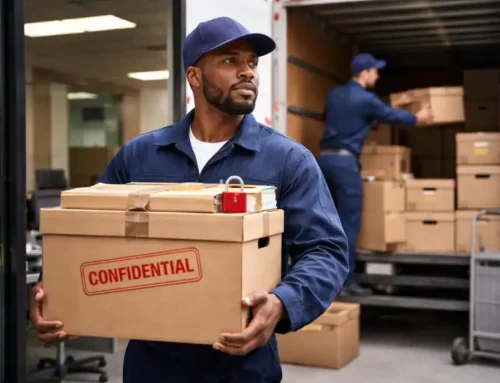
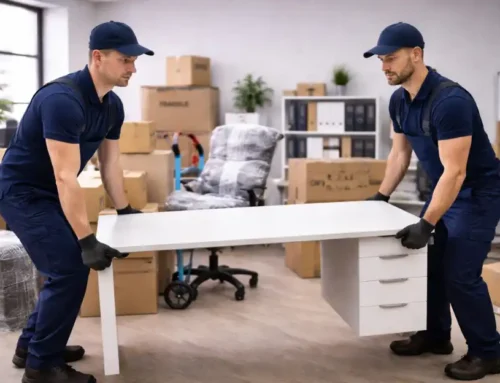
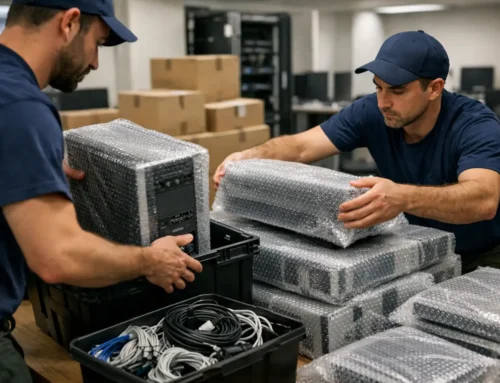
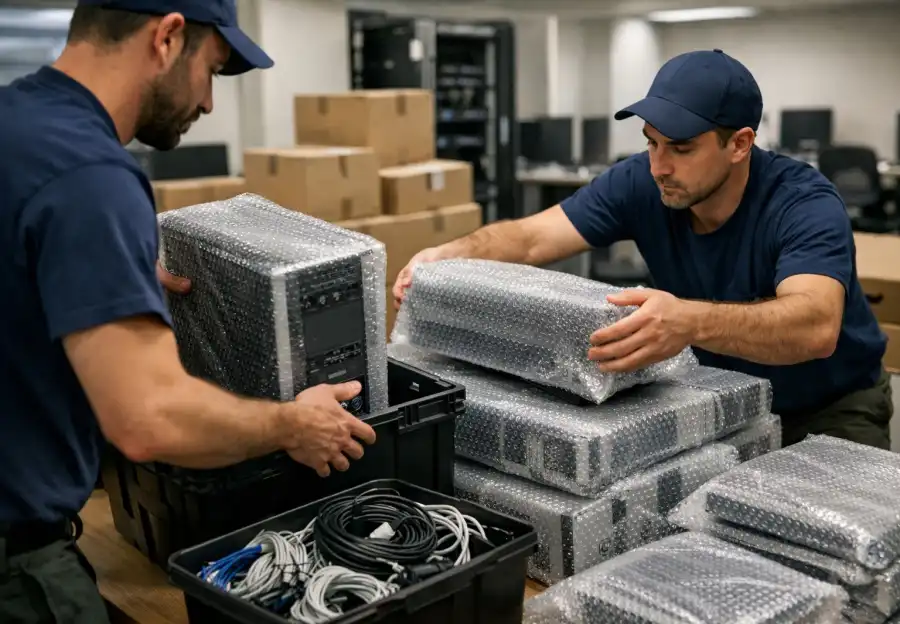
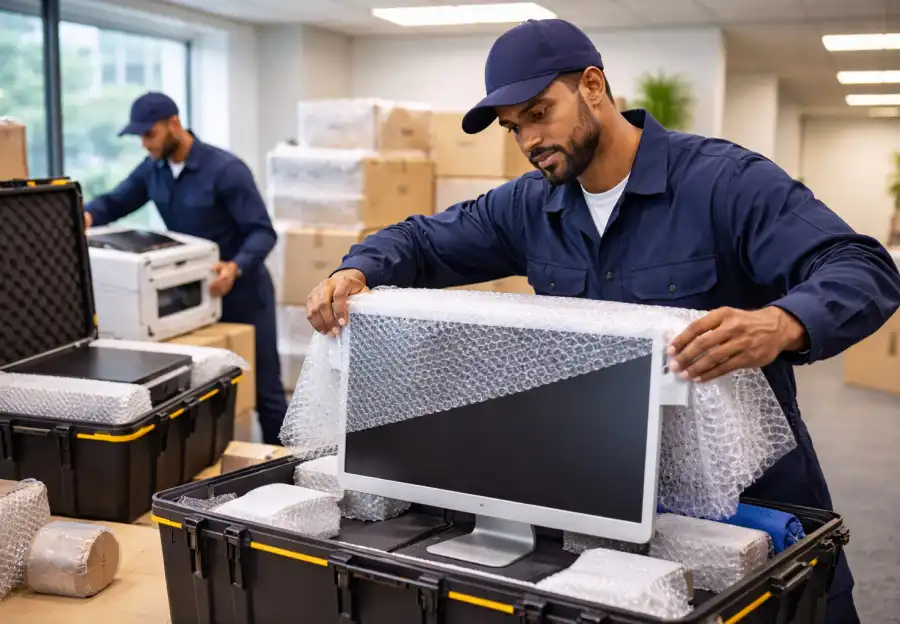
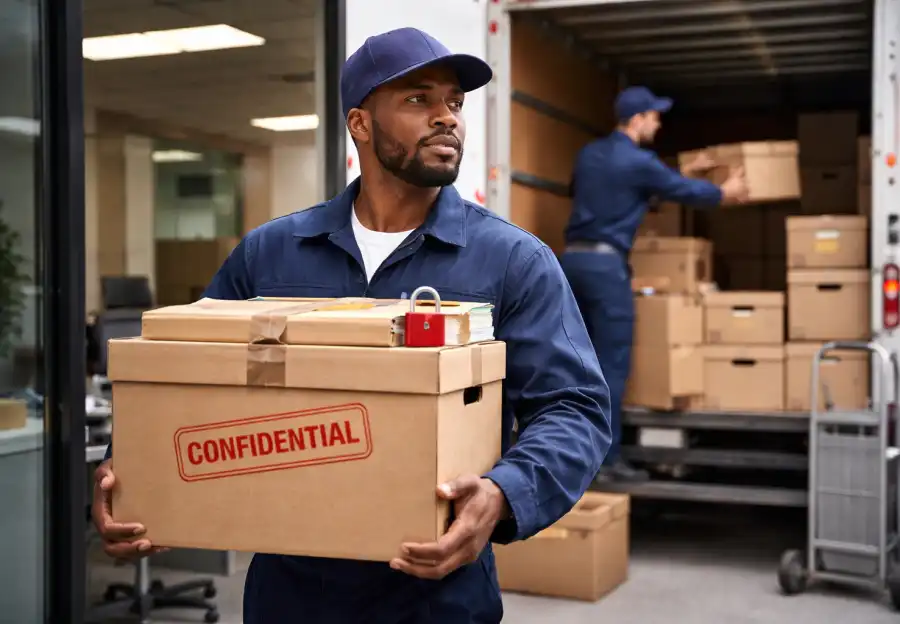
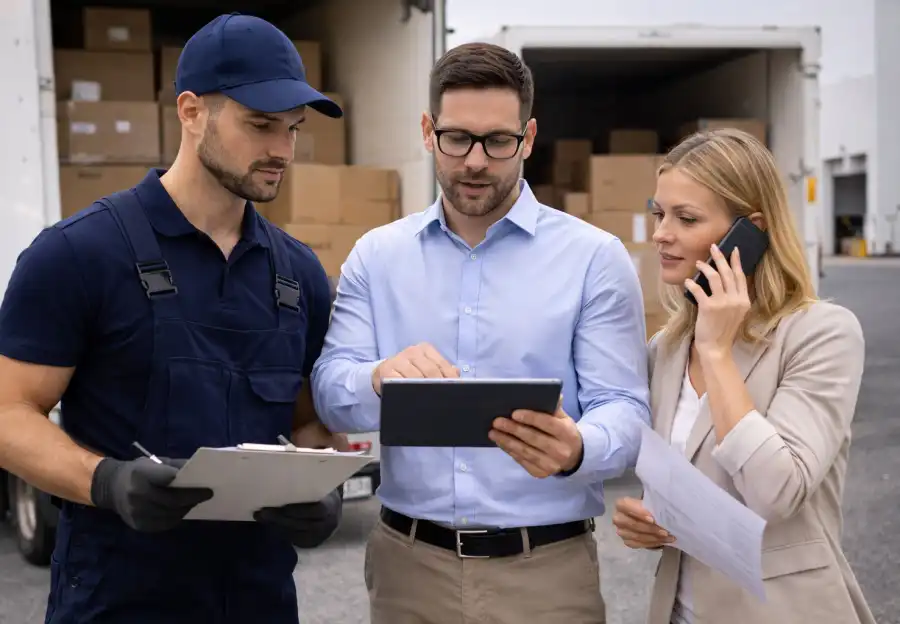
Another important aspect is risk management. Moves often involve multiple transition points, including temporary storage, loading zones, transport vehicles, and unloading areas. Each step introduces opportunities for items to be misplaced or damaged. Tracking your moving inventory creates accountability at every stage. When items are checked in and out systematically, it becomes easier to identify where issues occur and to address them promptly. This is particularly valuable for high-value items, documents, electronics, or sentimental possessions.
Time efficiency is another major advantage. Many people underestimate how much time is lost searching for items during and after a move. Inventory tracking eliminates this problem by creating a clear reference system. Instead of opening multiple boxes to find one item, individuals can quickly identify the correct container and retrieve what they need. This efficiency is especially helpful during the first few days in a new space, when routines are still forming and access to essentials is critical.
Beyond logistics, tracking your moving inventory offers psychological benefits. Moving is widely recognized as a stressful life event, often accompanied by emotional fatigue and decision overload. Having an organized system in place provides a sense of control and predictability. Knowing that items are accounted for reduces anxiety and allows individuals to focus on adapting to their new environment rather than worrying about missing belongings. This mental clarity can significantly improve the overall moving experience.
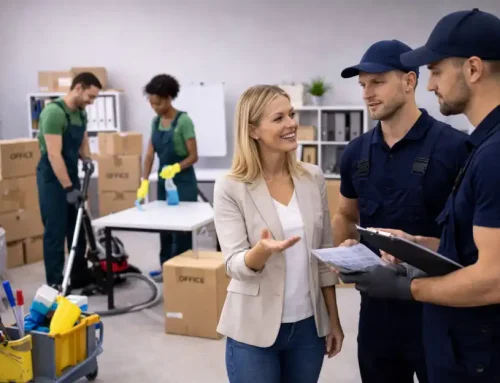
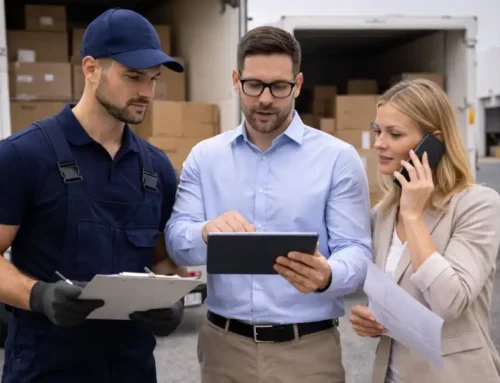
Inventory tracking also encourages better coordination and collaboration. When families, roommates, or teams are involved, a shared inventory system helps align responsibilities. Everyone knows what has been packed, what remains, and who is responsible for specific items. This transparency reduces misunderstandings and prevents duplicated efforts. In professional or business relocations, inventory tracking becomes even more critical, as it supports continuity and minimizes operational disruptions.
Another long-term benefit is the development of transferable skills. Learning how to track a moving inventory strengthens habits related to planning, prioritization, and organization. These skills extend beyond relocation and can be applied to everyday life, such as managing household storage, preparing for travel, or organizing work projects. Over time, individuals become more mindful of their possessions and more intentional in how they manage resources.
Environmental responsibility is also influenced by inventory awareness. When people know exactly what they own, they are less likely to waste materials, overpack, or discard usable items unnecessarily. Inventory tracking promotes thoughtful packing and reuse, supporting more sustainable moving practices. It also encourages people to donate or recycle items responsibly instead of transporting belongings they no longer need.
As the move progresses, inventory tracking continues to add value during unpacking and setup. A structured system makes it easier to prioritize which boxes should be opened first and which can wait. This staged approach prevents chaos and helps new spaces feel functional more quickly. Over time, the inventory list can even serve as a reference for insurance purposes, storage management, or future moves.
Ultimately, how to track your moving inventory is not about rigid control but about informed flexibility. It allows individuals to anticipate challenges, adapt to changes, and maintain efficiency even when unexpected situations arise. By aligning preparation, execution, and follow-up within a single organized framework, inventory tracking transforms moving from a reactive task into a deliberate, manageable process.
Mastering this approach empowers individuals to navigate transitions with confidence. It reduces stress, protects valuable items, saves time, and supports clearer decision-making. More than a moving technique, it is a practical system that fosters order, resilience, and efficiency—qualities that remain valuable long after the move is complete.