
March 24, 2026
How to Store Items Between Moves
Storing items between moves is an essential part of the relocation process, as it influences how individuals plan, organize, and manage their possessions during periods of transition. Unlike general packing advice, focusing specifically on storage requires attention to detail, decision-making, and strategic execution. Proper storage methods help prevent damage, reduce clutter, and ensure that belongings remain accessible and organized for future use. By implementing effective storage techniques, individuals can minimize stress, save time, and maintain control over their moving process, making relocation smoother and more efficient.
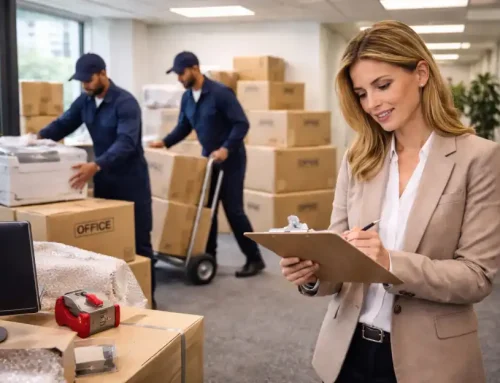
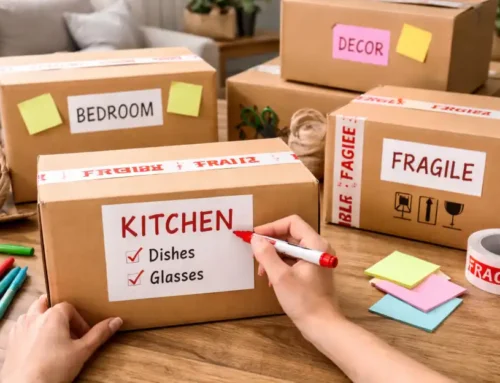
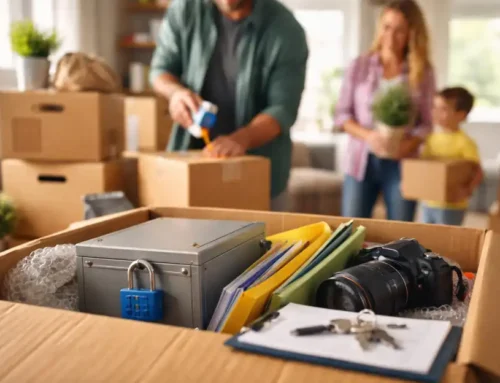
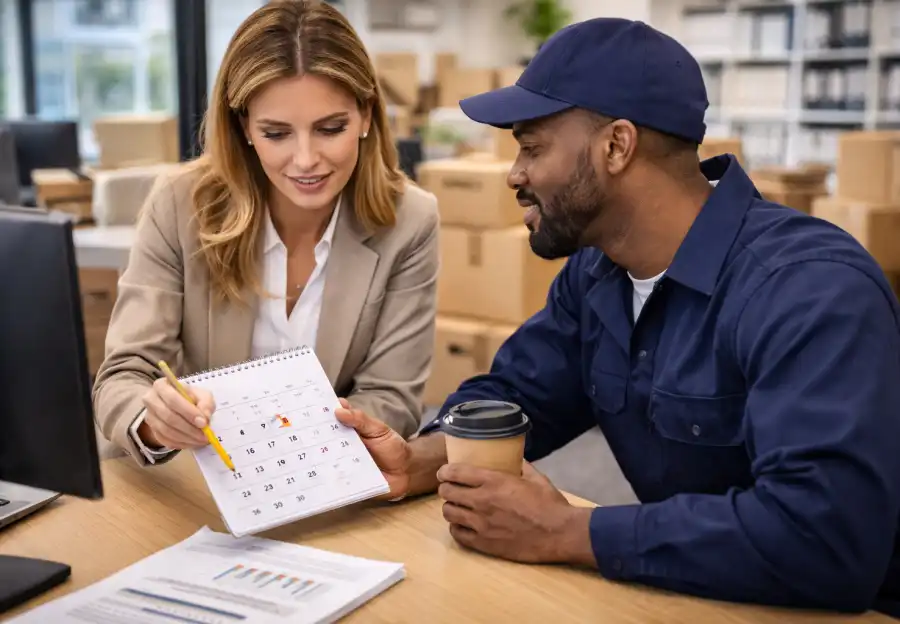
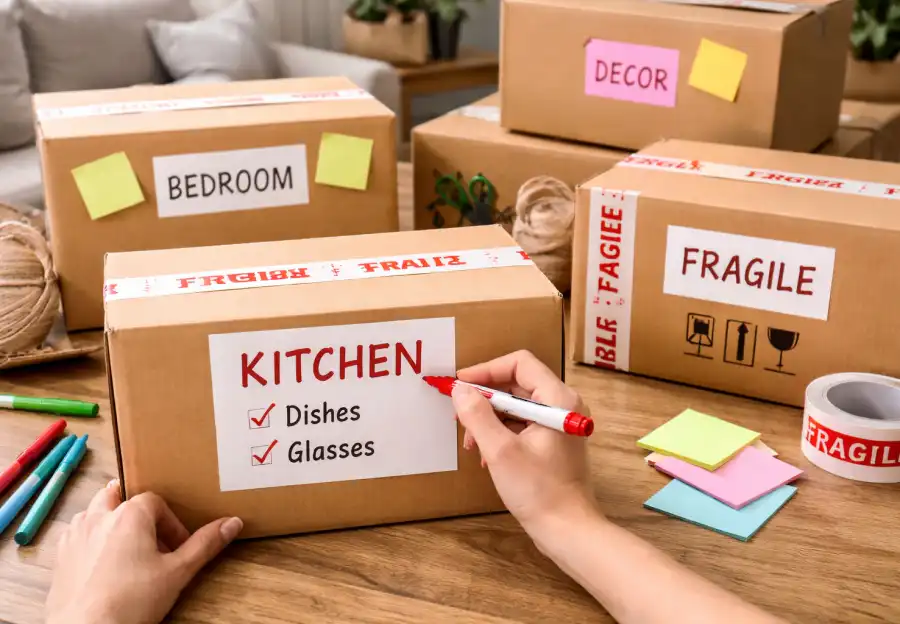
The first principle of storing items between moves is careful planning and categorization. Before placing items in storage, it is important to assess what needs to be stored, what can be donated or discarded, and what should remain immediately accessible. Grouping belongings by type, frequency of use, or fragility ensures that boxes and containers are packed with consideration and purpose. Labeling each container clearly and maintaining a detailed inventory enhances organization, allowing individuals to locate specific items quickly when needed. This approach also provides psychological relief, as knowing that everything has a designated place reduces confusion and stress.
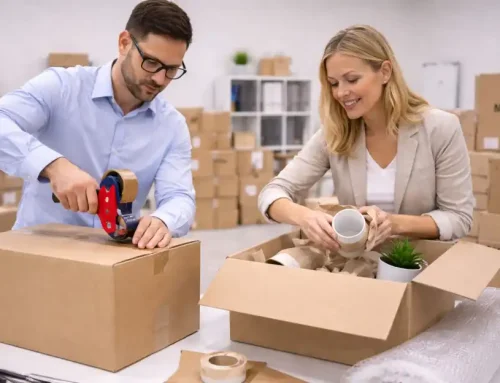
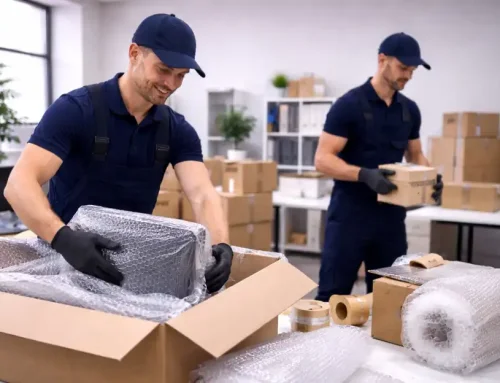
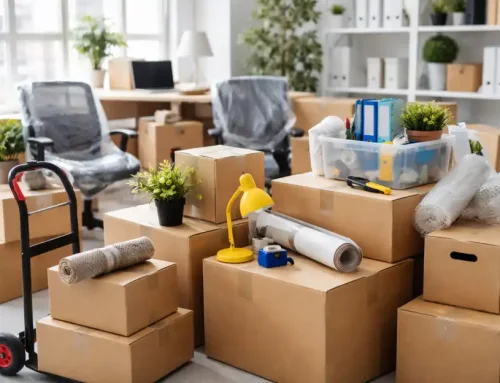
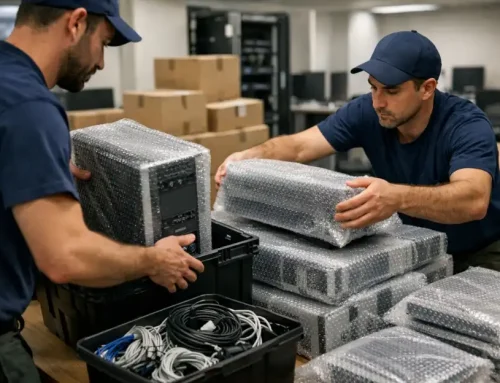
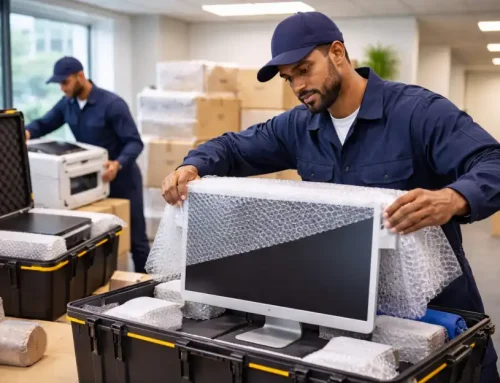
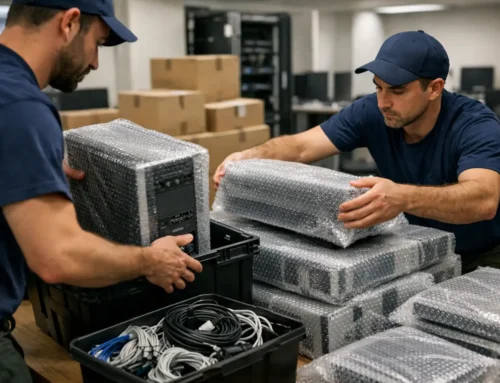
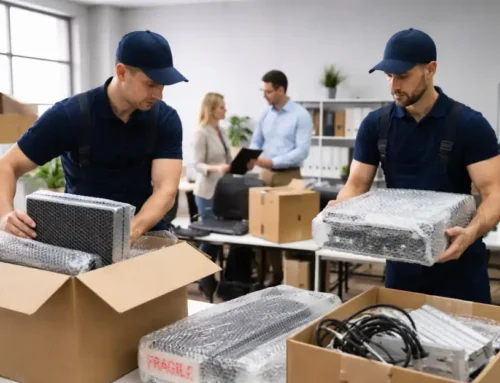
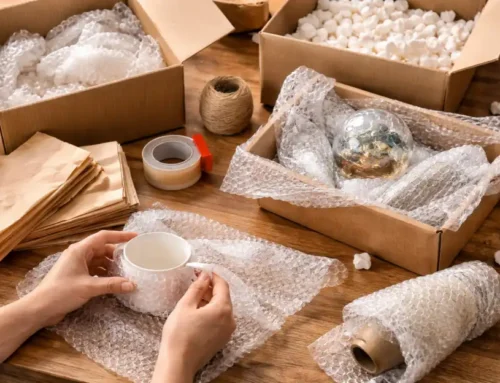
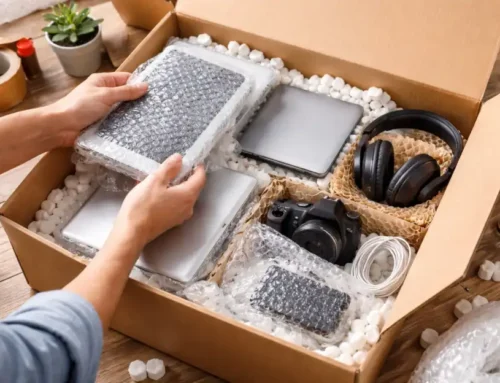
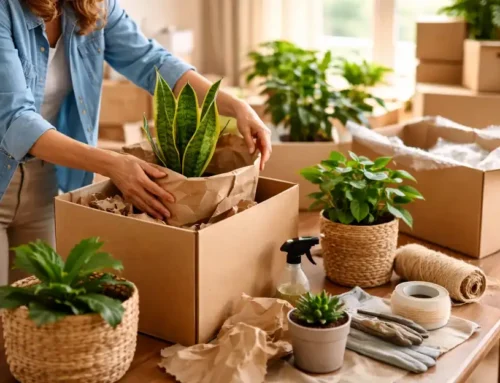
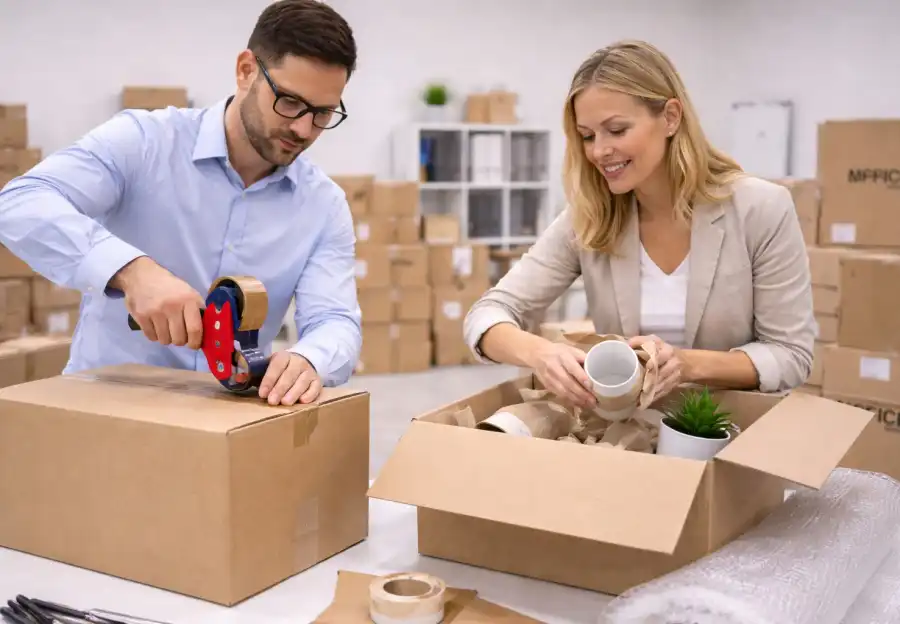
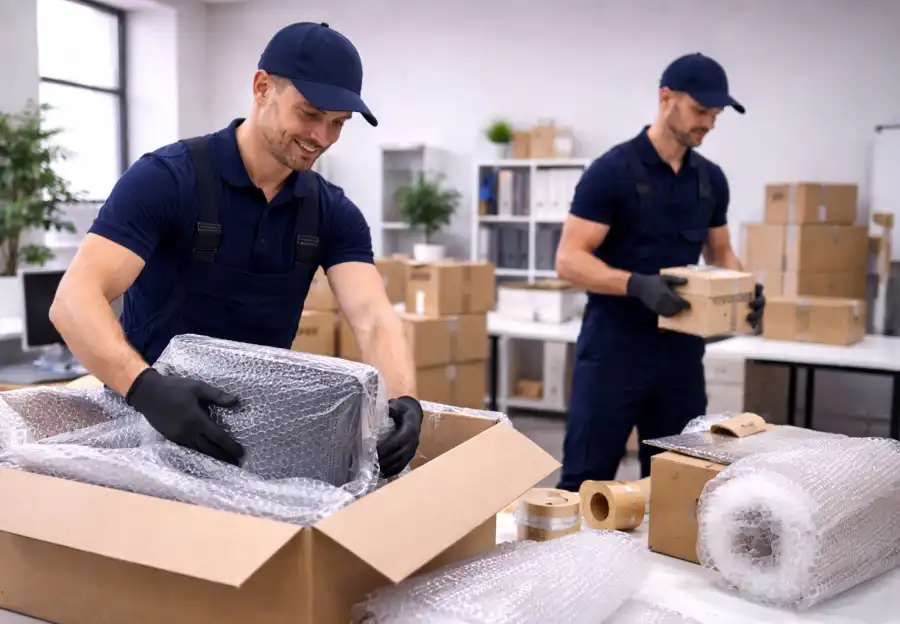
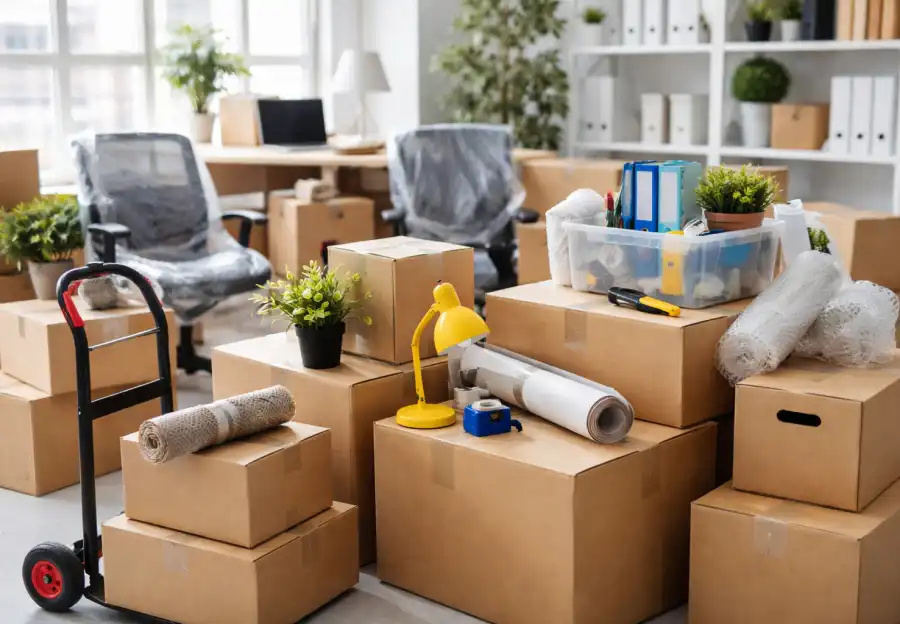
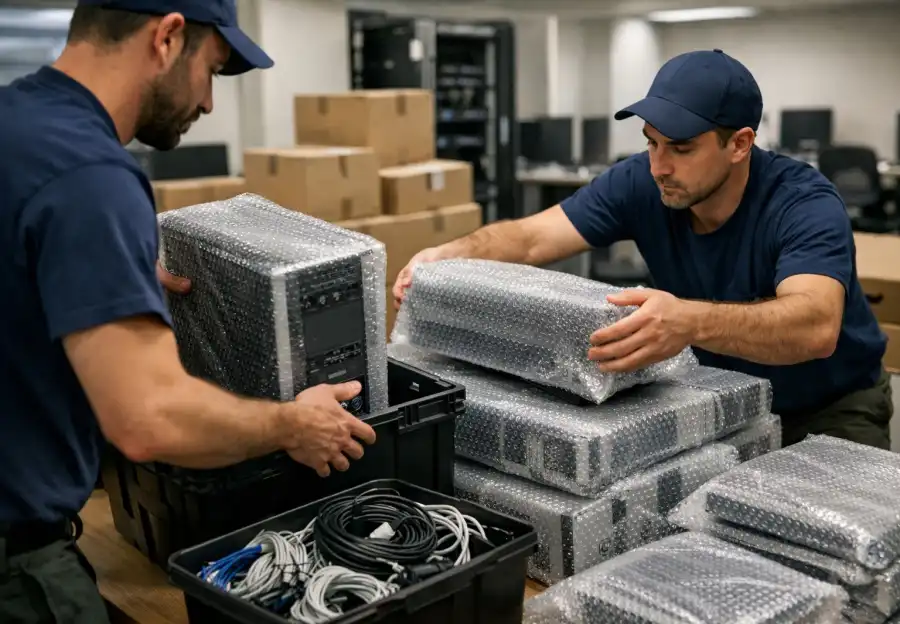
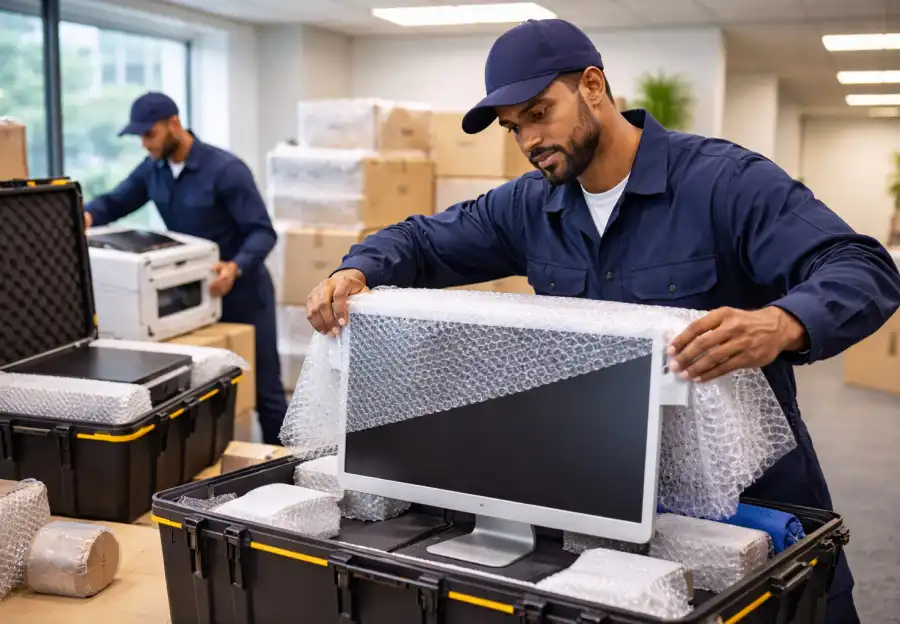
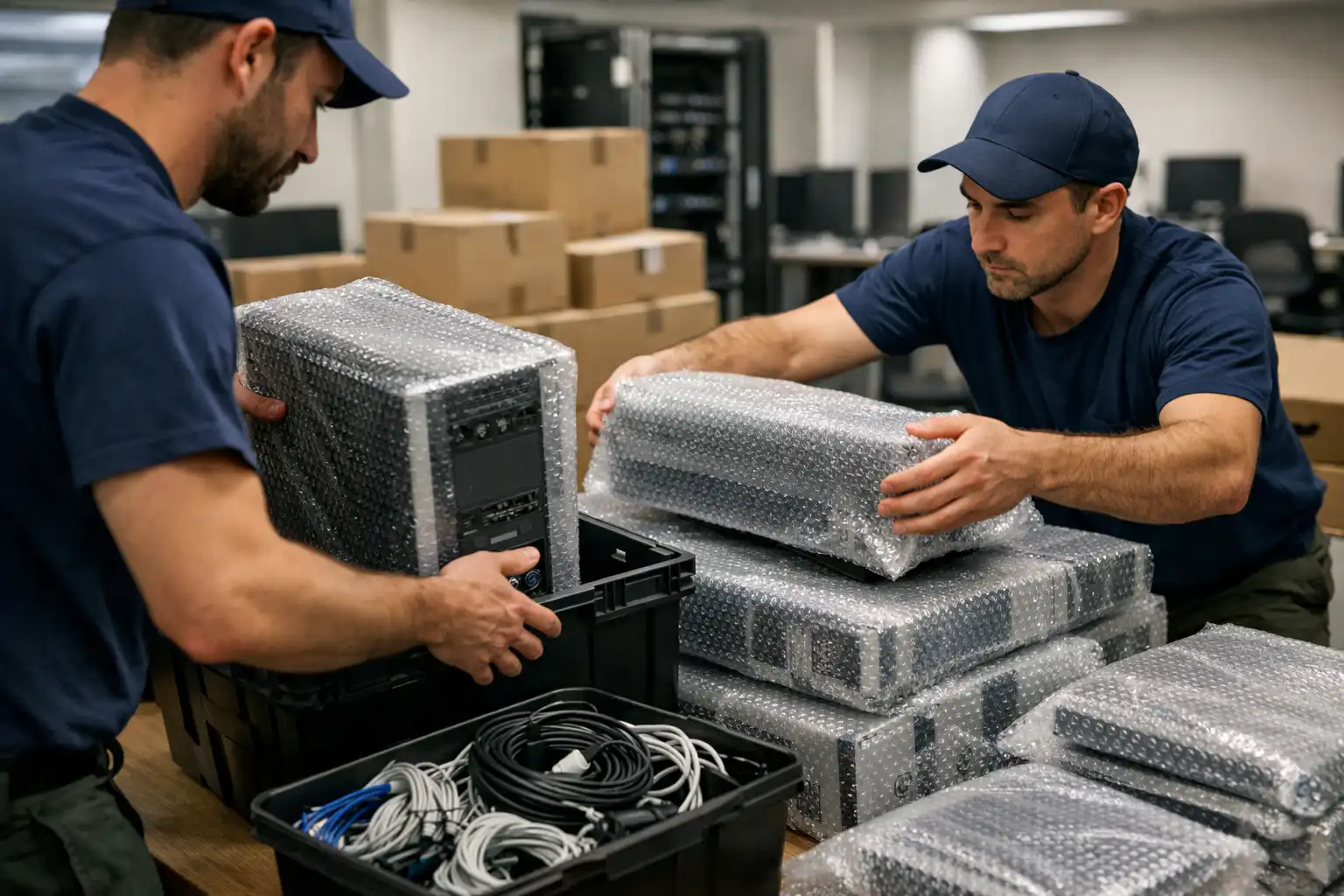
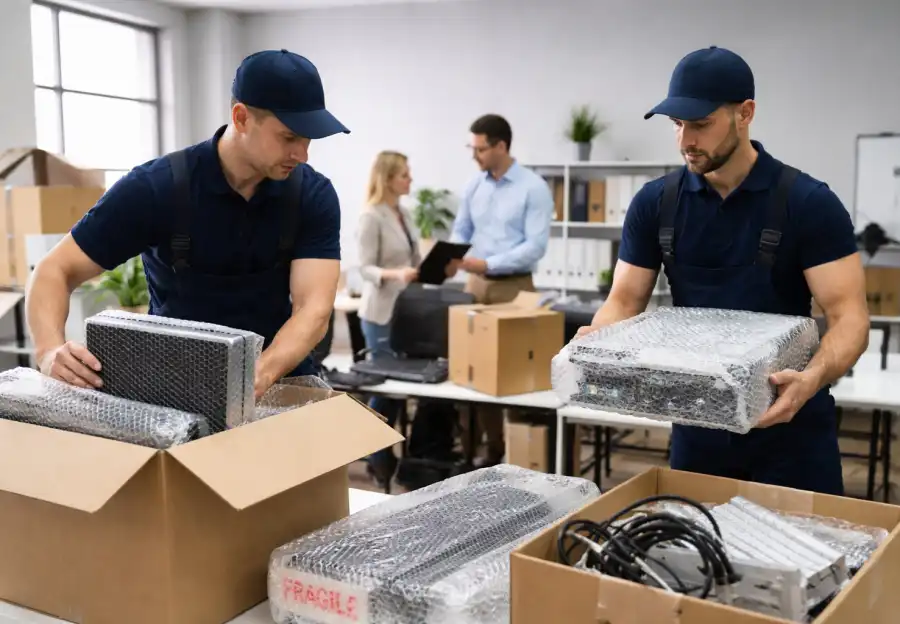
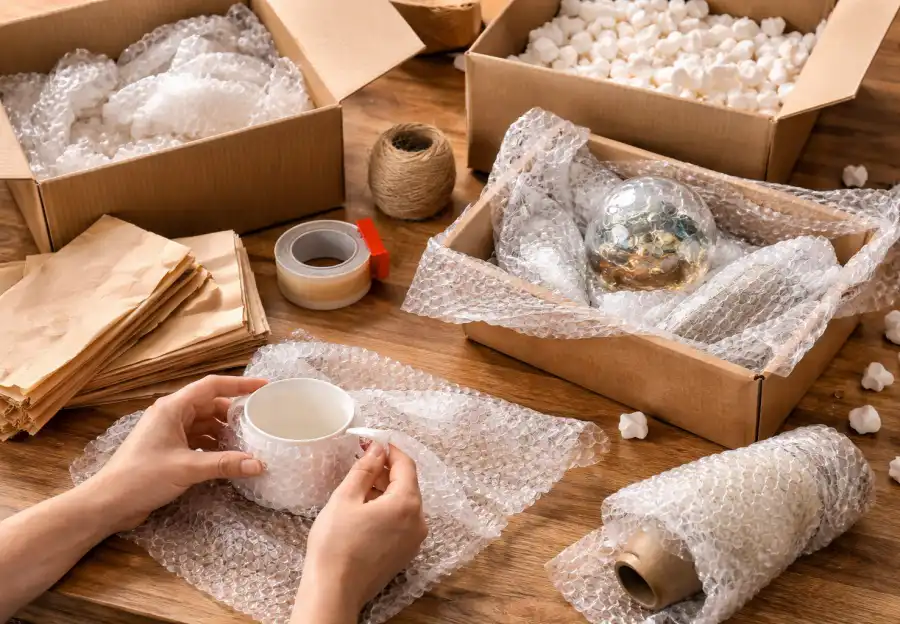
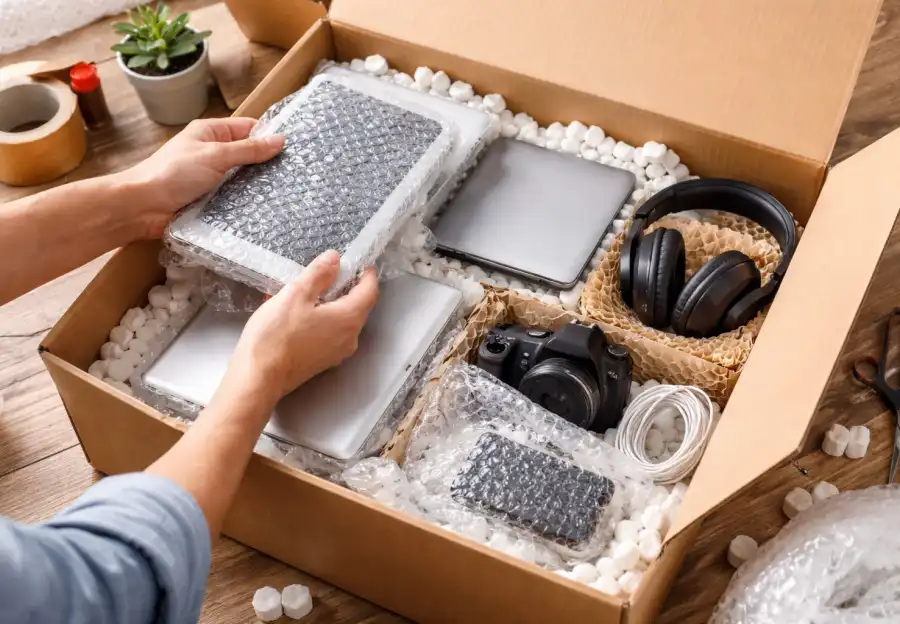
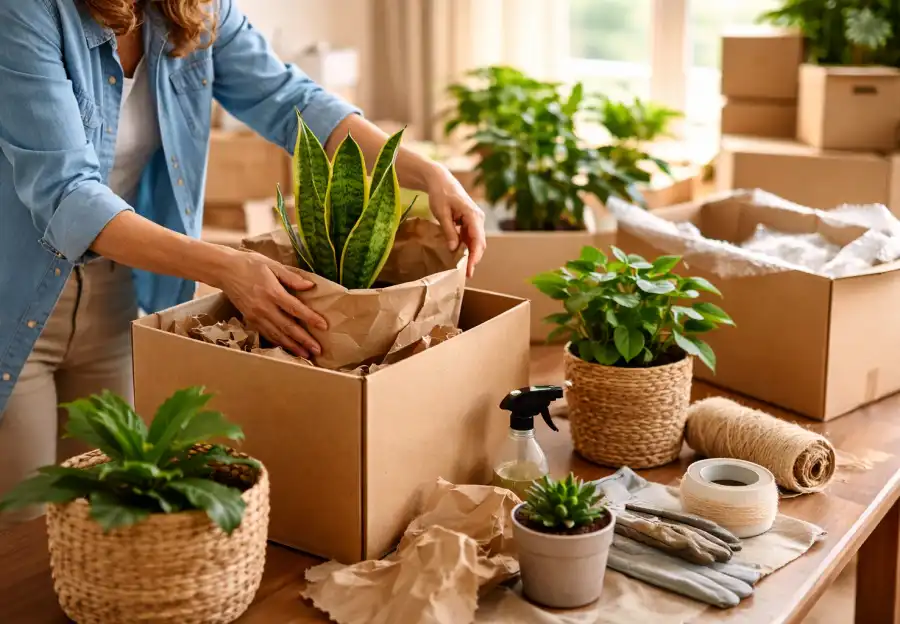
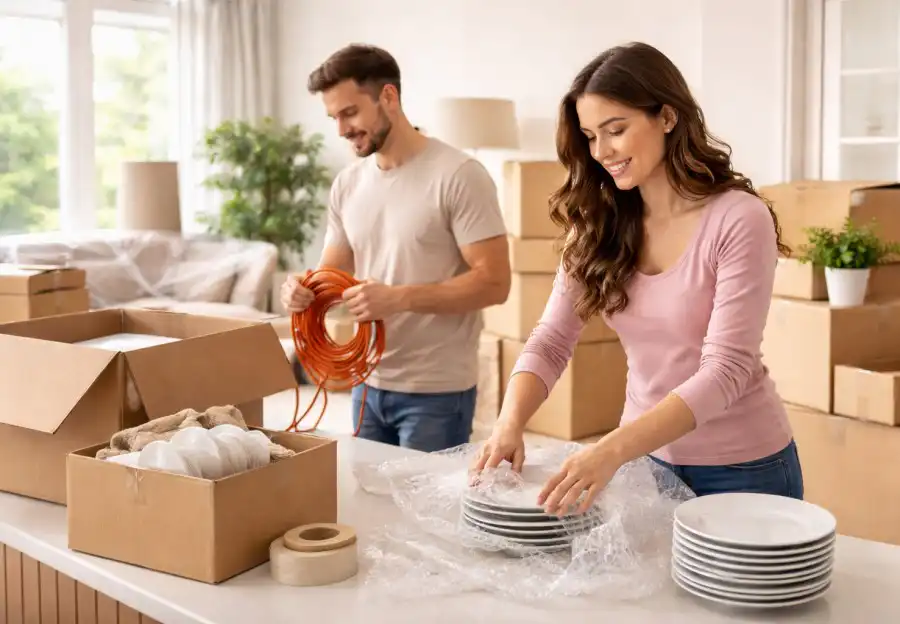
Choosing the right storage materials and containers is another critical factor in safeguarding possessions. Durable, stackable boxes, plastic bins with secure lids, and protective padding such as bubble wrap or packing paper help prevent damage during storage. Fragile items should be packed with additional care, using dividers or cushioning to avoid breakage. Selecting containers that are appropriate for the size and weight of the items ensures safe handling and avoids overpacking. Investing time and resources in high-quality storage materials pays off by protecting belongings and streamlining both the packing and unpacking processes.
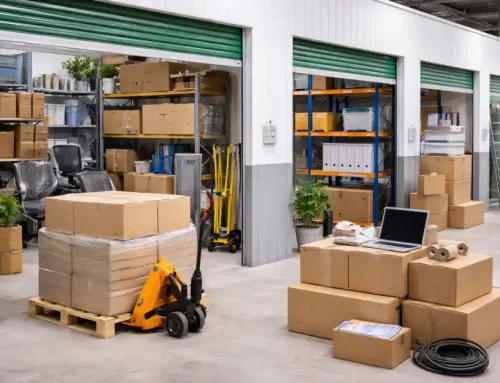
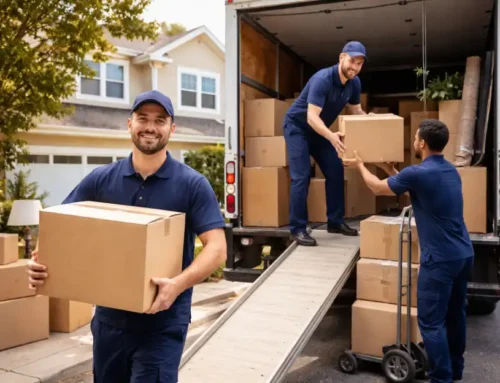
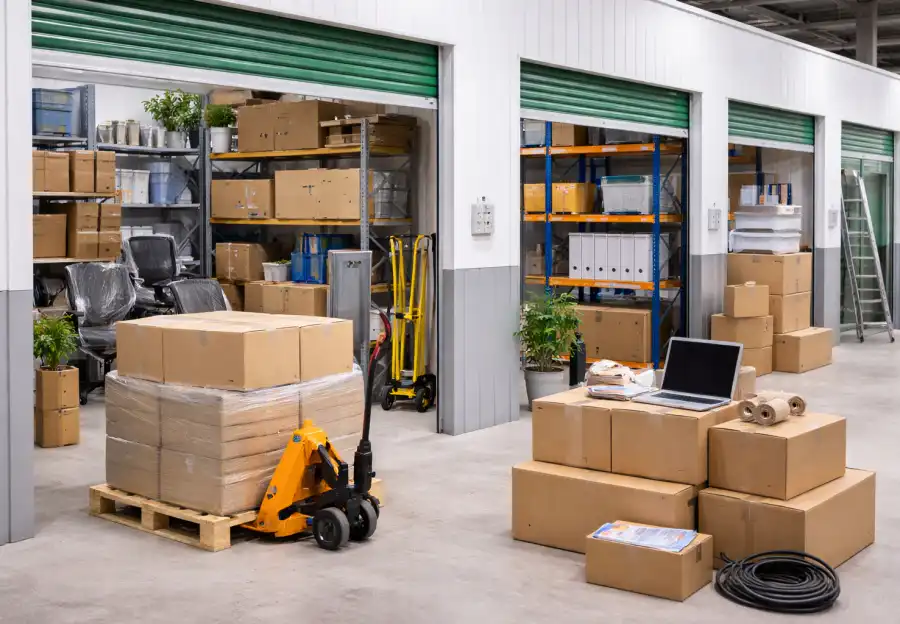
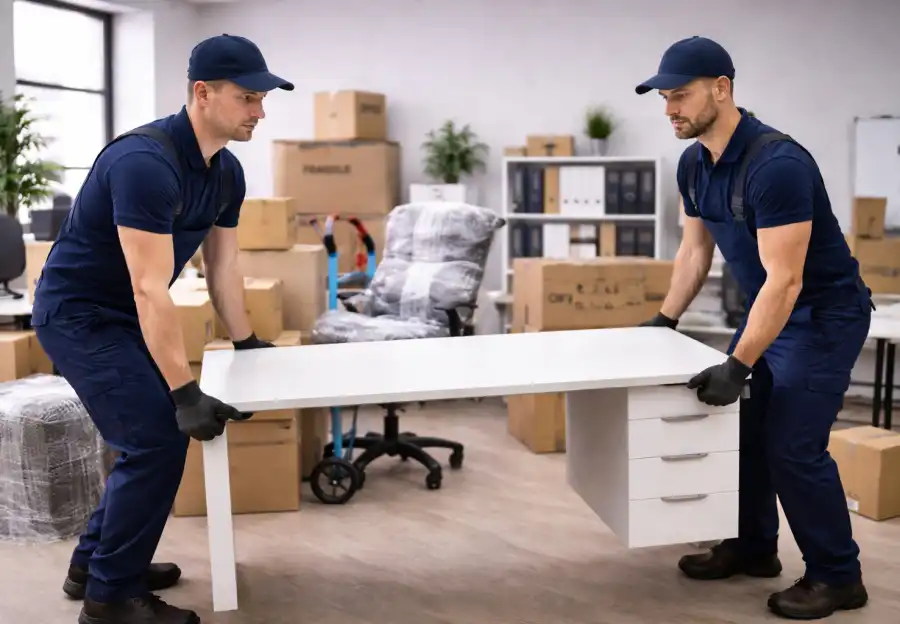
Maximizing space and maintaining accessibility are key considerations for storing items efficiently. Storing boxes and containers in a way that allows easy access to frequently needed items prevents unnecessary rearranging or disruption. Heavier items should be placed at the bottom, with lighter boxes stacked on top to maintain stability and prevent crushing. Vertical space can be optimized with shelving units or carefully planned stacking, while keeping a clear pathway ensures safety and ease of movement. An organized layout in storage facilitates smooth retrieval and helps maintain the condition of stored items.
Environmental factors must also be considered when storing items between moves. Temperature and humidity control are essential for protecting sensitive belongings such as electronics, wooden furniture, and artwork. Avoiding direct sunlight, damp areas, and extreme temperature fluctuations helps preserve the integrity of stored materials. In some cases, climate-controlled storage units may be necessary to prevent warping, mold, or deterioration. Taking these precautions ensures that items remain in optimal condition, avoiding costly replacements or repairs.
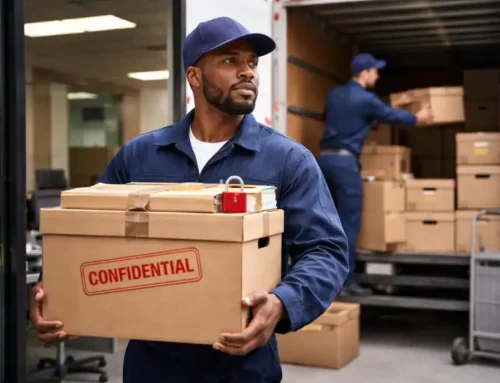
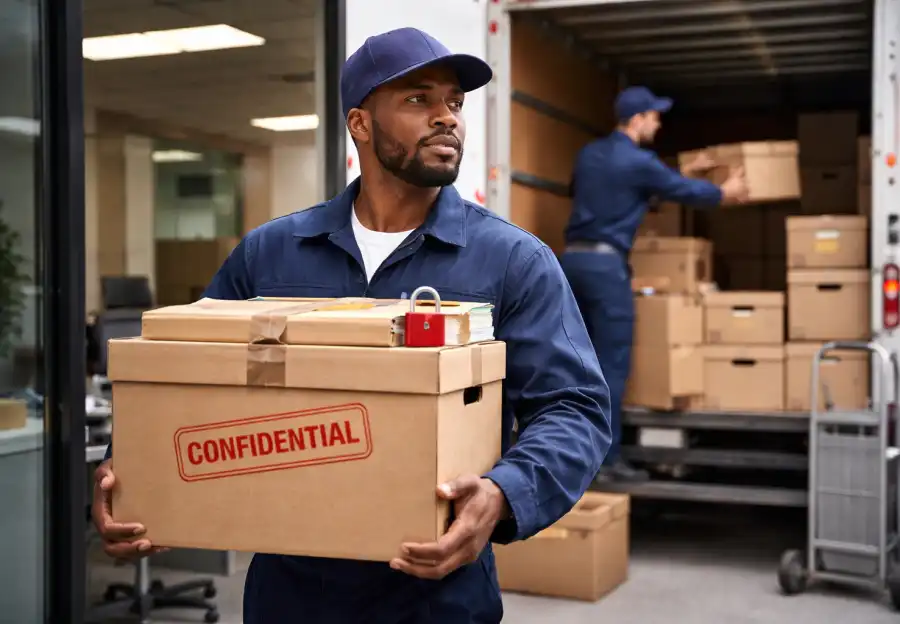
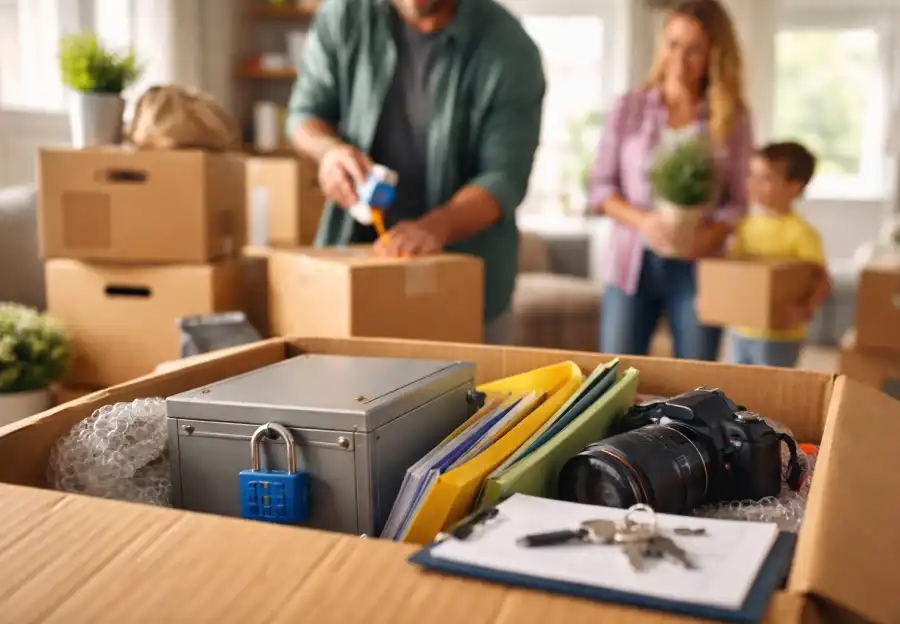
Security and protection are additional priorities in the storage process. Selecting storage locations with adequate security measures, including surveillance, locks, and restricted access, reduces the risk of theft or tampering. Fragile or valuable items may benefit from additional protective measures, such as padding, wrapping, or individual crates. Documenting the condition of items before storage, including photographs and written descriptions, provides a reference in case of damage or loss. This proactive approach ensures accountability and adds confidence that stored belongings are well-protected.
Maintaining an organized inventory system is vital for managing stored items over time. Detailed records of what is stored, including item descriptions, box numbers, and locations, simplify retrieval and prevent unnecessary searches. Keeping a digital or physical inventory allows for quick updates when adding or removing items and helps track the condition of possessions. An organized inventory system also supports better planning for future moves, minimizing the risk of overlooked or misplaced items and promoting efficient storage practices.
Regular monitoring and maintenance of stored items further enhance effectiveness. Periodically checking on stored belongings ensures that environmental conditions are stable, boxes remain intact, and no signs of damage or deterioration appear. Reassessing storage arrangements over time allows individuals to optimize space, reorganize for better accessibility, and address any emerging issues before they become problematic. This ongoing attention maintains the quality of stored items and supports a smoother transition when retrieving them for the next move.
Ultimately, storing items between moves requires a systematic and thoughtful approach. Planning, categorizing, selecting appropriate materials, optimizing space, controlling environmental factors, ensuring security, and maintaining accurate records all contribute to successful storage. By implementing these strategies, individuals can reduce stress, prevent damage, and streamline the relocation process. Effective storage practices not only safeguard belongings but also foster transferable organizational skills, improved planning habits, and a stronger sense of efficiency, benefiting both the immediate moving process and long-term personal management.
In conclusion, mastering how to store items between moves combines careful planning, strategic execution, and ongoing attention to detail. By categorizing possessions, choosing durable materials, organizing space effectively, controlling environmental conditions, maintaining security, and tracking an accurate inventory, individuals can ensure that their items remain safe, accessible, and well-maintained. Proper storage reduces stress, saves time, and supports a smooth, efficient move, while providing valuable skills and habits that extend beyond relocation. Ultimately, thoughtful and systematic storage between moves transforms what can be a chaotic process into an organized, manageable, and successful experience, allowing individuals to maintain control, protect their belongings, and prepare confidently for the next stage of their transition.