
March 21, 2026
How to Stay Productive During a Move
Preparing your car for a long-distance move requires careful planning, thorough inspection, preventive maintenance, and strategic packing to ensure safety, reliability, and efficiency during the journey. Long trips can put considerable strain on a vehicle, and without proper preparation, the risk of breakdowns, damage, or unexpected expenses increases significantly. A comprehensive approach involves mechanical checks, fluid management, tire and brake assessment, battery evaluation, lighting and electrical verification, cleaning and organization, documentation, insurance, emergency preparedness, route planning, load distribution, fuel strategy, and vehicle security, all aimed at keeping the car performing optimally while protecting both vehicle and occupants.
The first step in preparing a car for a long-distance move is performing a thorough mechanical inspection. This includes checking the engine for unusual noises, leaks, or performance issues, ensuring that the oil is at the correct level and recently changed, inspecting belts and hoses for wear or cracks, and verifying that the cooling system is functioning properly to prevent overheating. Addressing these issues prior to departure reduces the likelihood of breakdowns, costly repairs, or delays during the journey. Alongside the engine, fluid levels must be checked and topped up, including coolant, brake fluid, transmission fluid, windshield washer fluid, and power steering fluid. Replacing old or low fluids maintains optimal performance and improves road safety.
Tires are a critical aspect of long-distance travel and require careful attention. Inspecting tire tread depth, looking for uneven wear or damage, and checking inflation ensures stability and safety on varied road conditions. Rotating tires if needed and confirming the spare tire is in good condition prepares the vehicle for potential emergencies. Brake performance is equally essential; checking brake pads, discs, and fluid levels guarantees that the vehicle can handle extended driving on highways, hills, or congested roads. Functional brakes are fundamental to preventing accidents and maintaining control over the car at all times.
Battery health should also be assessed before a long trip. Checking the battery charge, terminals, and overall condition prevents unexpected failures and ensures reliable starts throughout the journey. Additionally, inspecting lighting and electrical systems—including headlights, brake lights, turn signals, hazard lights, and interior lighting—supports safety and legal compliance during day and night travel. Ensuring all electronics function properly also enhances convenience and reduces the risk of roadside issues during the move.
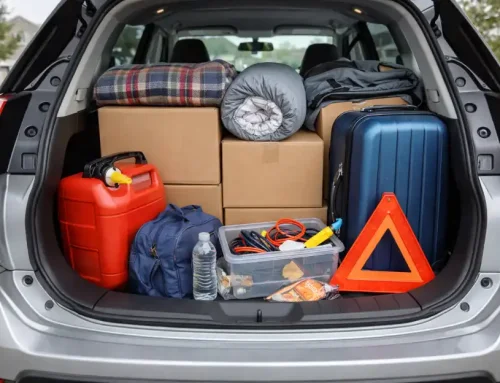
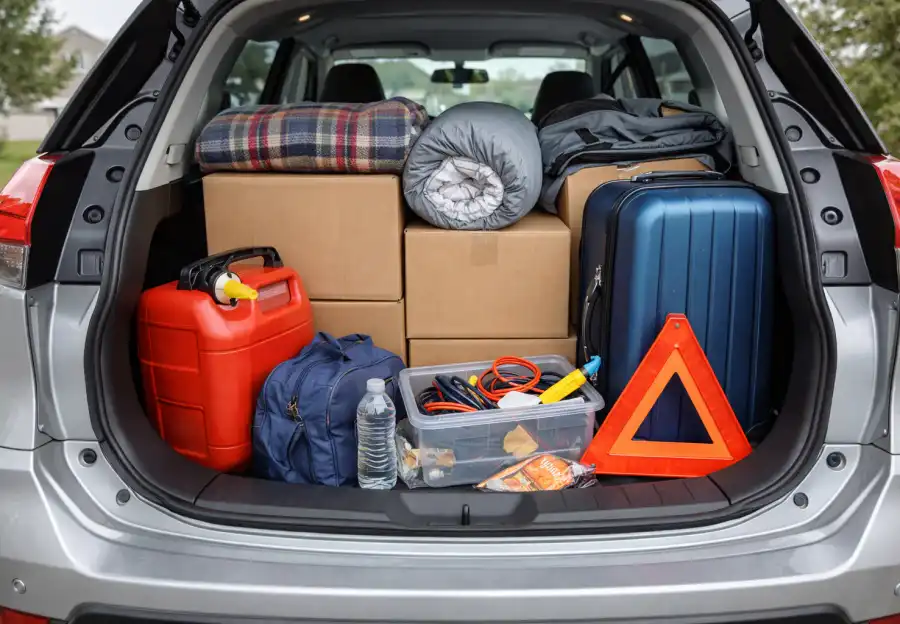
Cleaning and organizing the vehicle both inside and out contributes to efficiency, comfort, and safety. Removing unnecessary items reduces weight, improving fuel efficiency and handling, while securing personal belongings prevents shifting that could distract the driver or cause damage. Vacuuming, wiping surfaces, and checking for leaks or odors ensures a comfortable driving environment. Proper interior organization also allows for better load distribution, keeping heavier items low and near the vehicle’s center to maintain stability.
Documentation and insurance verification are important steps in preparation. Ensuring that registration, insurance, and any required permits are current ensures legal compliance. Carrying emergency contact numbers, roadside assistance information, and travel documents equips drivers for unexpected situations. Emergency preparedness is also crucial; the car should be equipped with a first-aid kit, jumper cables, flashlight, warning triangles, tire repair kit, basic tools, and extra fluids to handle minor issues without external help.
Route planning significantly impacts the smoothness of a long-distance move. Mapping the journey, identifying rest stops, fuel stations, overnight accommodations, and alternative routes in case of road closures reduces stress and aids time management. Considering terrain, weather, and peak traffic hours helps optimize travel efficiency. Fuel strategy is equally important, including estimating consumption, identifying fuel stops, and planning backup options in remote areas. Maintaining adequate fuel levels ensures uninterrupted travel and flexibility in scheduling breaks.
Vehicle security during a move should not be overlooked. Locking doors, using steering locks, securing valuables out of sight, and parking in well-lit, secure locations minimizes the risk of theft or vandalism. Preventive maintenance, such as changing air filters, checking alignment, and ensuring windshield wipers function properly, supports comfort and vehicle longevity. Checking for recalls and addressing them before departure is an additional safety measure that reduces the likelihood of mechanical failures.
Technology and navigation aids enhance safety and efficiency during the move. GPS systems, mobile apps, and traffic monitoring tools allow drivers to adjust routes in real-time, avoid congestion, and locate fuel or service stations as needed. Driver readiness is equally important; scheduling regular breaks, staying hydrated, and ensuring adequate rest prevents fatigue-related accidents and maintains alertness throughout the trip. Preparing for weather variations—rain, snow, or extreme heat—and carrying necessary equipment such as tire chains or sunshades ensures safe travel under diverse conditions.
In summary, preparing your car for a long-distance move requires a systematic and comprehensive approach. Mechanical inspection, fluid checks, tire and brake evaluation, battery and electrical assessment, cleaning, documentation, emergency planning, route and load management, fuel strategy, vehicle security, preventive maintenance, navigation aids, driver readiness, weather preparation, and professional servicing all contribute to a safe, reliable, and efficient journey. Addressing each of these elements minimizes risk, ensures comfort and legal compliance, and provides peace of mind, allowing for a successful, stress-free long-distance relocation.