
March 27, 2026
How to Prepare Furniture for Moving
Preparing furniture for moving is a crucial step in any relocation process, as it directly impacts the safety of belongings, the efficiency of the move, and the overall stress levels of those involved. Unlike general packing advice, preparing furniture requires specific techniques, careful planning, and attention to detail. It involves understanding how different types of furniture—ranging from delicate antique pieces to heavy, bulky items—should be handled, disassembled, protected, and transported. Approaching furniture moving systematically ensures that items arrive intact, minimizes the risk of injury, and allows the relocation process to proceed smoothly and efficiently.
The first step in preparing furniture is planning and assessment. Before any physical moving begins, evaluating each piece’s size, weight, fragility, and mobility is essential. Take measurements of doorways, hallways, staircases, and the moving vehicle to ensure that items can pass safely without damage. Consider whether any furniture requires disassembly, such as removing legs from tables, detaching cushions, or separating bed frames. Creating an inventory list of each piece and noting its condition before the move helps track items and provides a reference for insurance purposes. This level of preparation reduces surprises on moving day and supports a structured workflow.
Disassembly of furniture is often a necessary part of preparation. Many large or awkwardly shaped items, such as bookshelves, tables, and modular sofas, benefit from partial or full disassembly. Removing detachable parts not only makes transportation easier but also minimizes the risk of scratches, dents, or structural damage. It is important to keep screws, bolts, and small components in clearly labeled bags and attach them to the corresponding furniture pieces. This practice ensures that reassembly in the new location is straightforward, saving time and reducing frustration while preserving the integrity of each item.
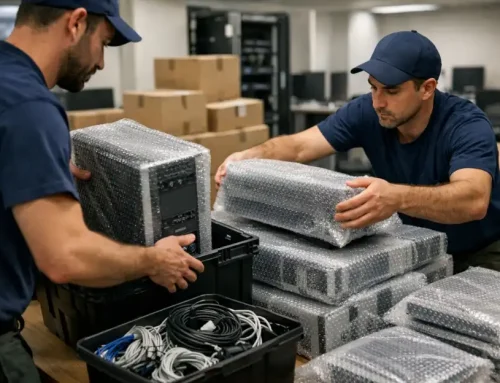
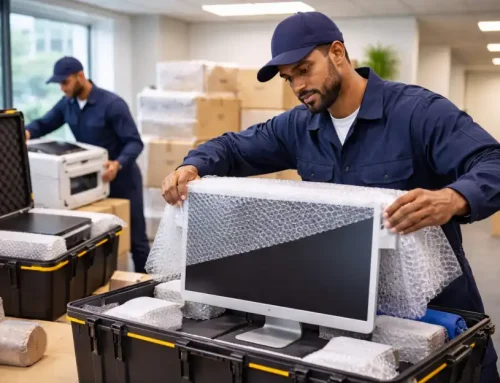
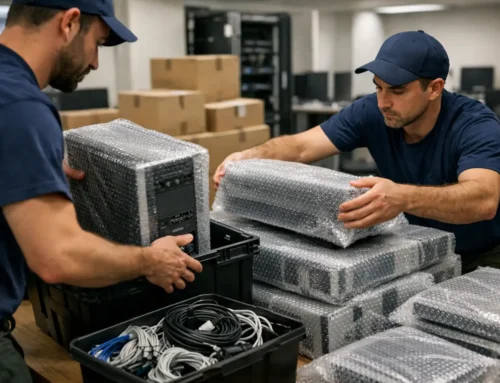
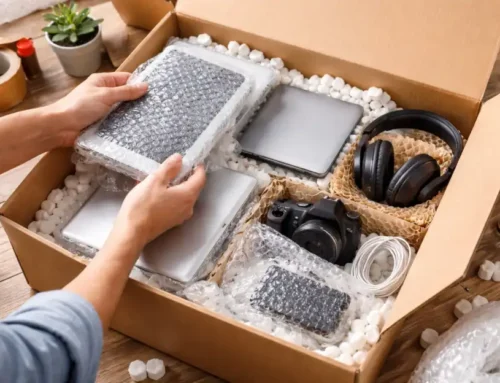
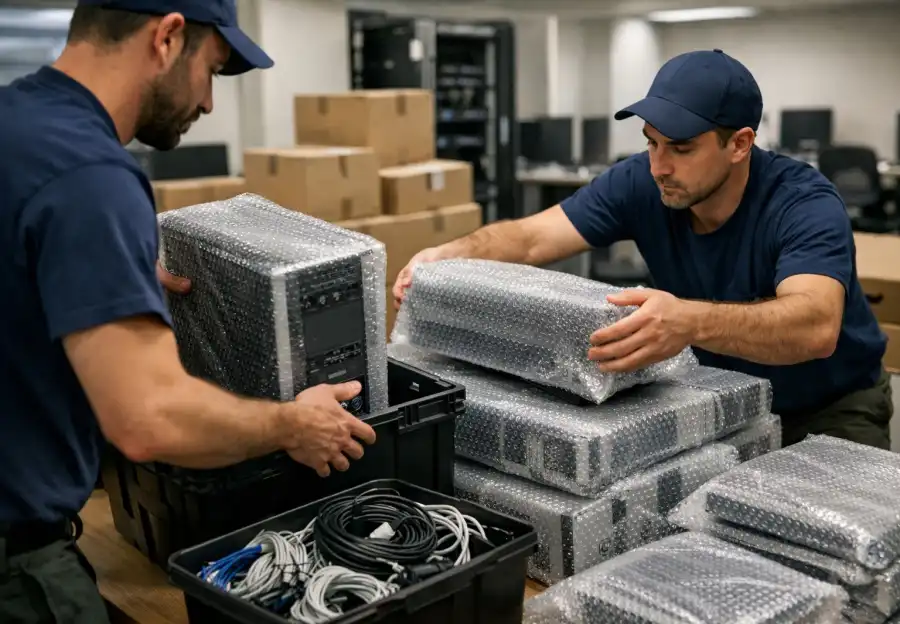
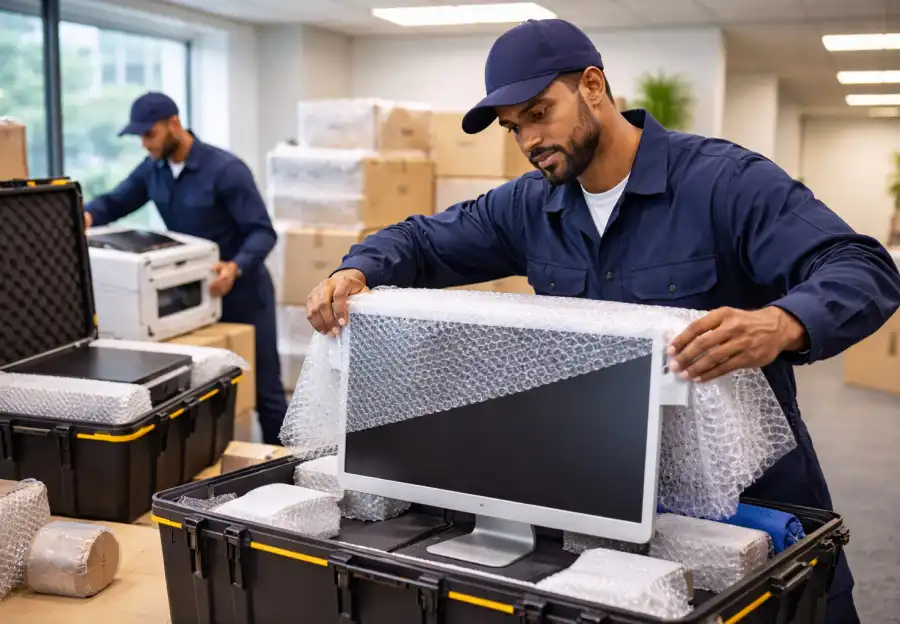
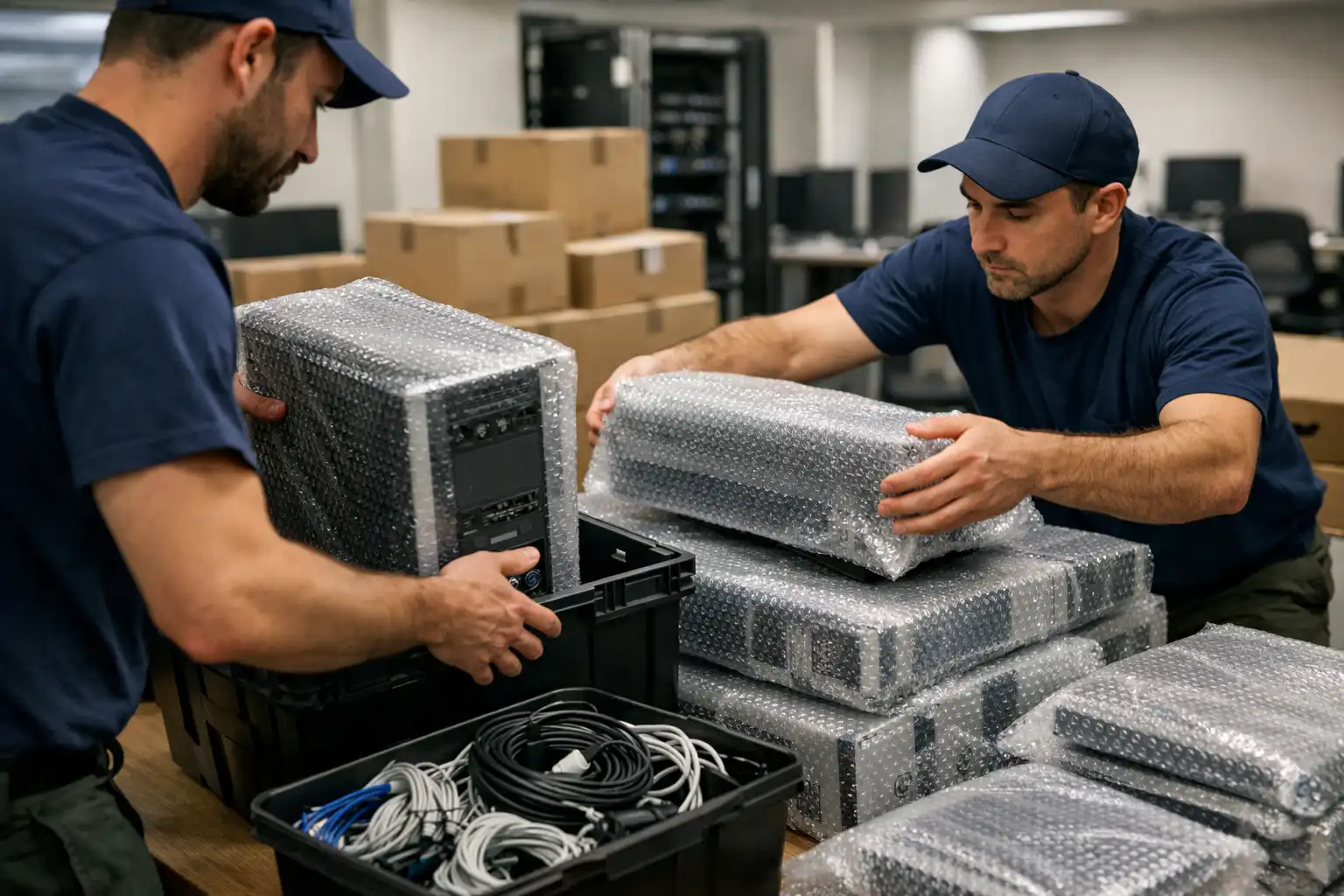
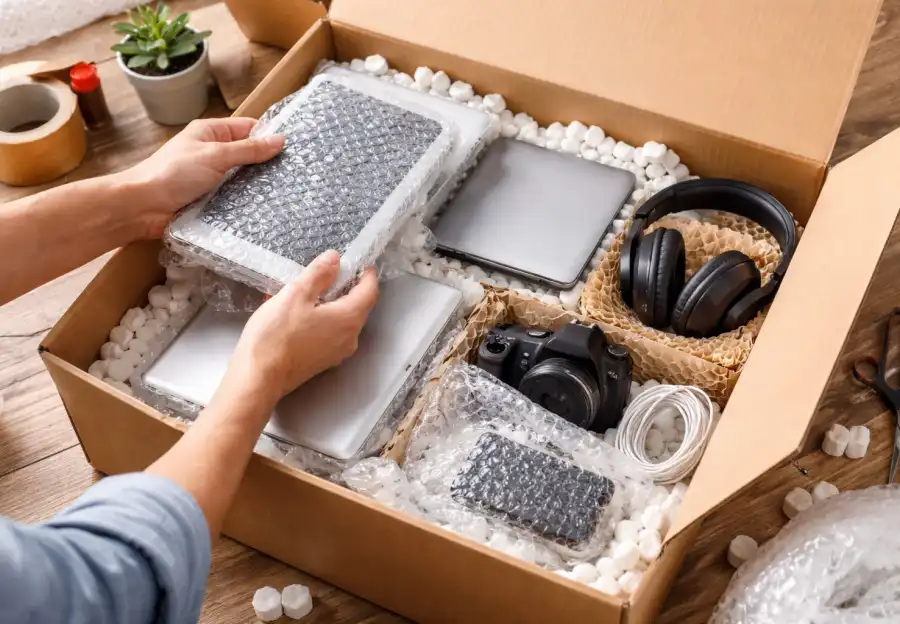
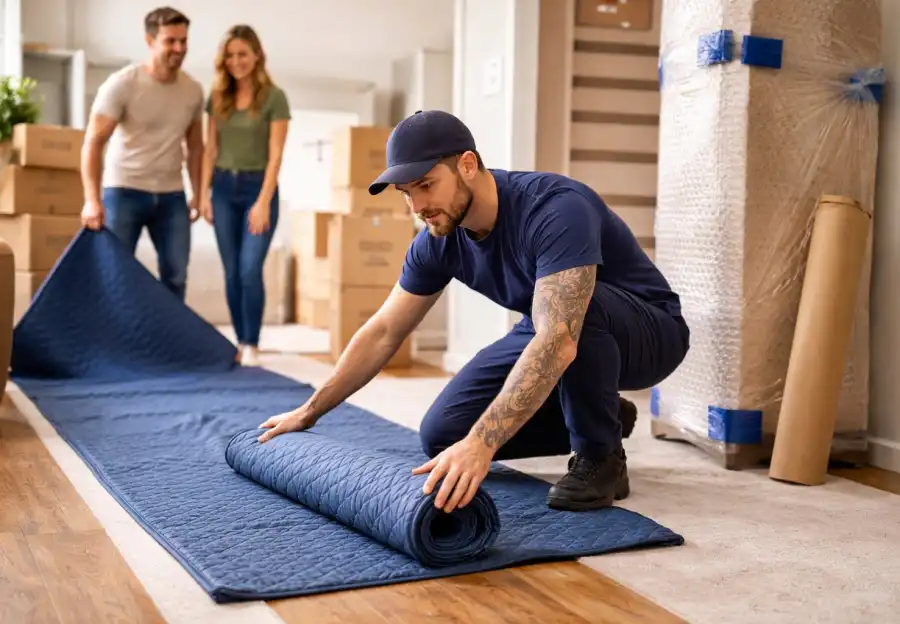
Protecting furniture with the right materials is equally critical. Wrapping items in moving blankets, bubble wrap, or furniture pads cushions them against shocks, scratches, and environmental exposure. Fragile surfaces, such as glass tabletops or polished wood, should receive extra attention, with corner protectors or additional padding. Straps, tape, and shrink wrap can help secure loose elements and prevent shifting during transit. Proper protection not only safeguards furniture but also prevents damage to walls, floors, and other items during loading and unloading. Layering protection according to fragility ensures maximum safety for both furniture and surrounding areas.
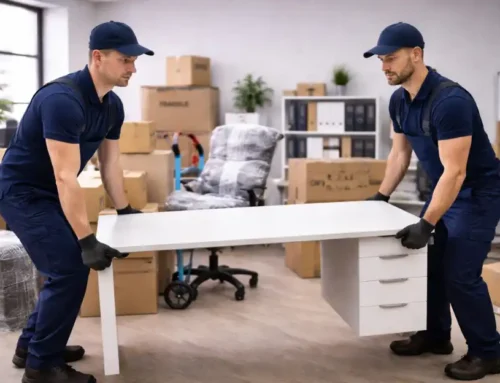
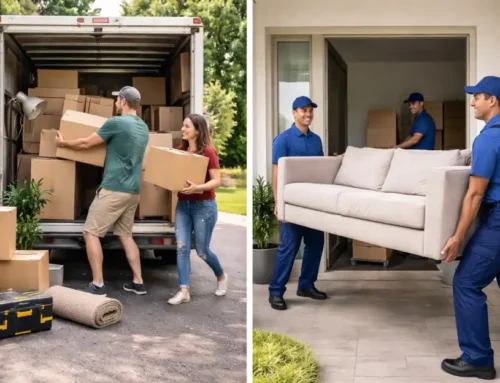
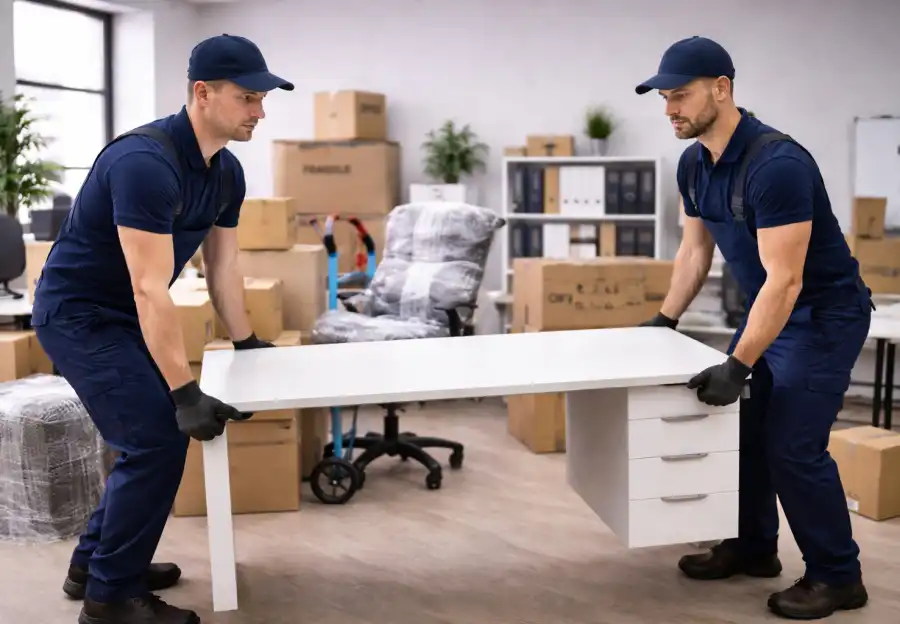
Lifting and handling techniques are another key aspect of furniture preparation. Using proper lifting methods reduces the risk of personal injury and prevents undue stress on the furniture. Whenever possible, employ dollies, hand trucks, sliders, or lifting straps to move heavy items. Coordinating with another person to lift and carry bulky pieces helps distribute weight evenly and avoids accidents. Awareness of posture, grip, and balance during lifting also ensures safe handling. Preparing furniture with these techniques in mind increases efficiency and reduces the likelihood of damage or injury.
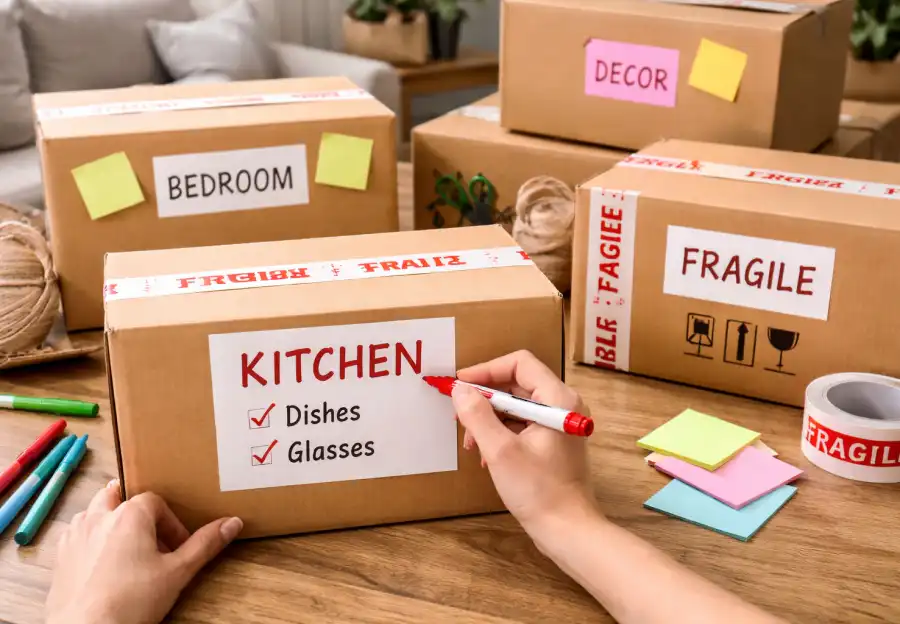
Organization and labeling play an important role in furniture preparation. Clearly marking each piece with its designated location in the new home simplifies placement upon arrival. Color-coded labels, numbered tags, or descriptive notes allow movers to quickly identify where each item belongs, minimizing confusion and speeding up the unpacking and setup process. If furniture is partially disassembled, labeling helps identify which components belong to which item, further reducing errors and ensuring a smoother workflow.
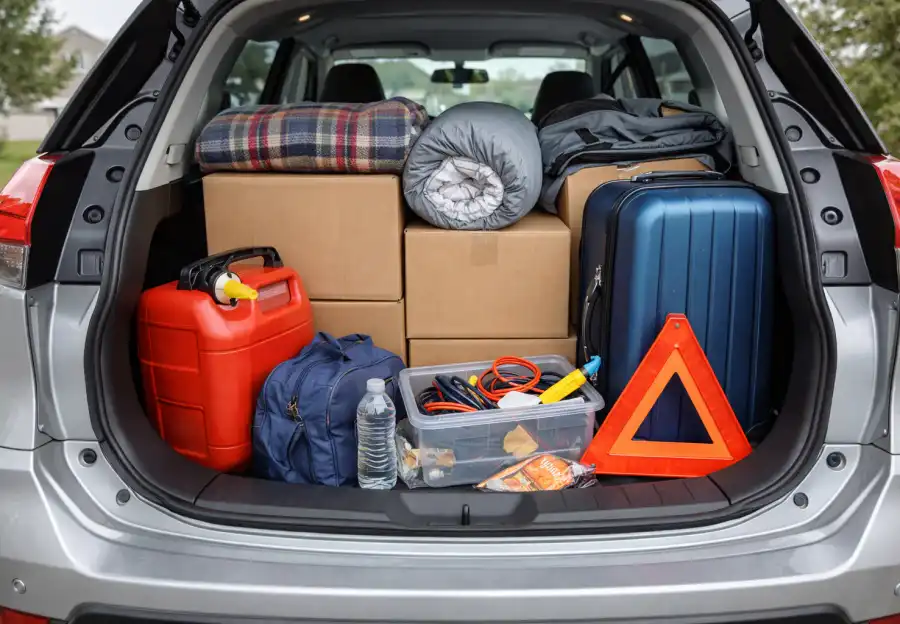
Loading and arranging furniture in the moving vehicle is another critical consideration. Heavier items should be loaded first and positioned against the vehicle walls to provide stability, while lighter or fragile items are placed on top or in protected spaces. Ensuring that furniture is tightly packed reduces movement during transport, preventing scratches or breakage. Using straps, ropes, or tie-downs helps secure items and maintains an organized layout in the moving truck. Strategic loading ensures maximum space efficiency and maintains balance for safe transport.
Finally, environmental and situational factors must be accounted for when preparing furniture. Weather conditions, such as rain or extreme heat, can affect certain materials, requiring waterproof covers or additional padding. Floors, hallways, and entryways should be protected with rugs or cardboard to prevent damage during movement. Considering the timing of the move, arranging assistance, and preparing tools or equipment in advance all contribute to a seamless and controlled process. These factors, combined with careful planning, protective measures, and proper handling, ensure that furniture remains in excellent condition throughout the relocation.
In conclusion, preparing furniture for moving is a detailed process that requires planning, technique, protection, handling, organization, and strategic execution. By assessing each item, disassembling when necessary, applying appropriate protection, using safe lifting methods, labeling, loading efficiently, and accounting for environmental factors, individuals can safeguard their belongings, reduce stress, and streamline the moving experience. Mastery of furniture preparation not only ensures a successful relocation but also develops transferable skills, such as planning, organization, and problem-solving, which extend into everyday life. A methodical, step-by-step approach to furniture preparation transforms what could be a chaotic and risky task into an orderly, efficient, and stress-free process.