
March 8, 2026
How to Prepare for Moving Day in a Commercial Setting
Preparing for moving day in a commercial setting requires meticulous planning, careful execution, and a clear understanding of workflow management. Unlike residential moves, commercial relocations often involve larger volumes of materials, specialized equipment, sensitive documents, and essential business operations that cannot be disrupted. Effective preparation ensures that every aspect of the move—from packing and labeling to transportation and setup—is handled efficiently, minimizing downtime and maintaining continuity. Organizations that adopt a structured approach can reduce stress for employees, prevent damage to valuable assets, and save time and costs associated with unexpected delays or mishandling of items.
The first step in commercial move preparation is conducting a thorough inventory and assessment of all items to be relocated. This includes office furniture, electronic equipment, files, inventory stock, and any specialized machinery. By categorizing items based on fragility, size, and priority, managers can allocate resources appropriately, assign handling responsibilities, and determine the type and quantity of packing materials required. A detailed inventory also helps anticipate potential challenges, such as moving oversized equipment, delicate electronics, or hazardous materials, allowing time to arrange professional assistance or specialized transport if needed.
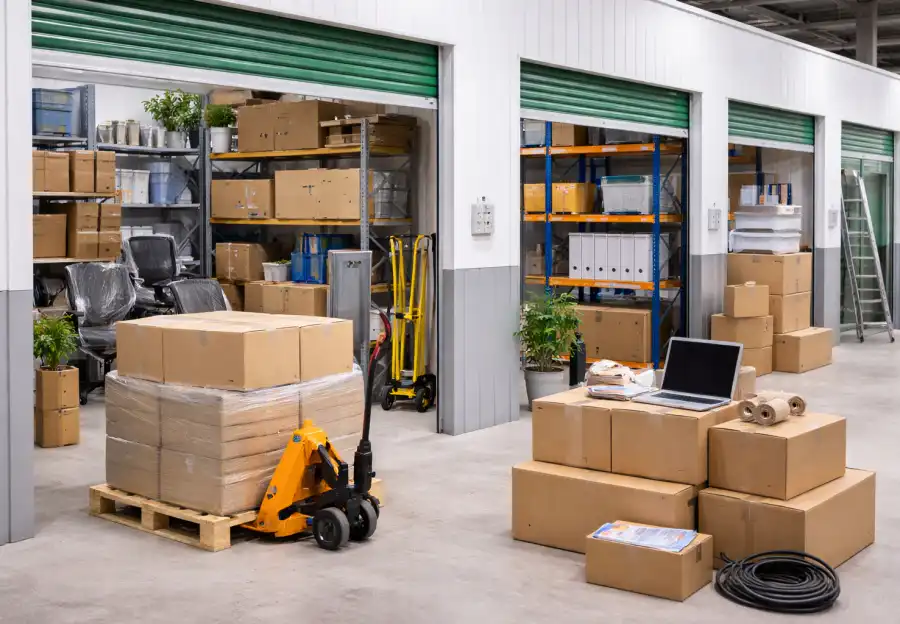
Decluttering and organization are equally important in commercial settings. Unnecessary or obsolete items, outdated files, and non-essential equipment should be removed before packing begins. This step reduces the volume of materials to be moved, lowers transportation costs, and allows the team to focus on essential operations. Additionally, streamlining the items to be relocated simplifies labeling and tracking, ensuring that every box, crate, or pallet is accounted for throughout the process. A clean, organized workspace prior to moving also minimizes confusion and creates a foundation for a smoother transition to the new location.
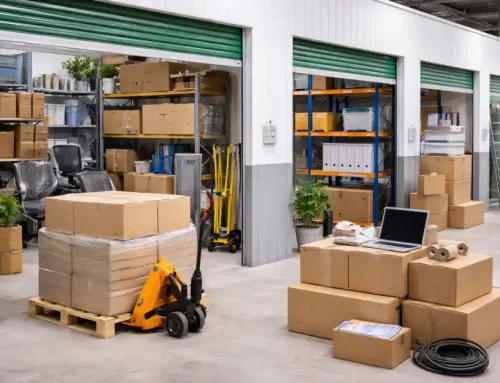
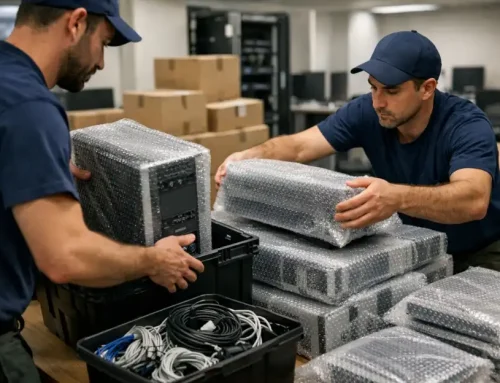
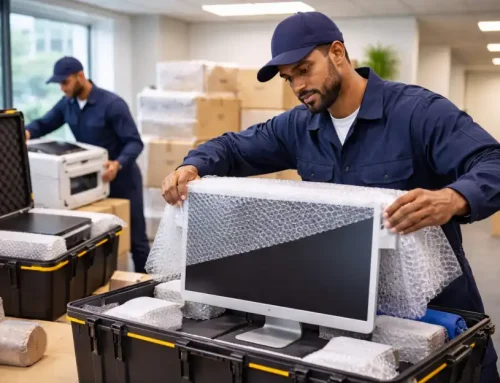
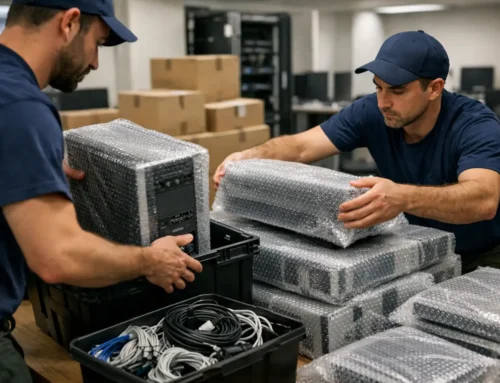
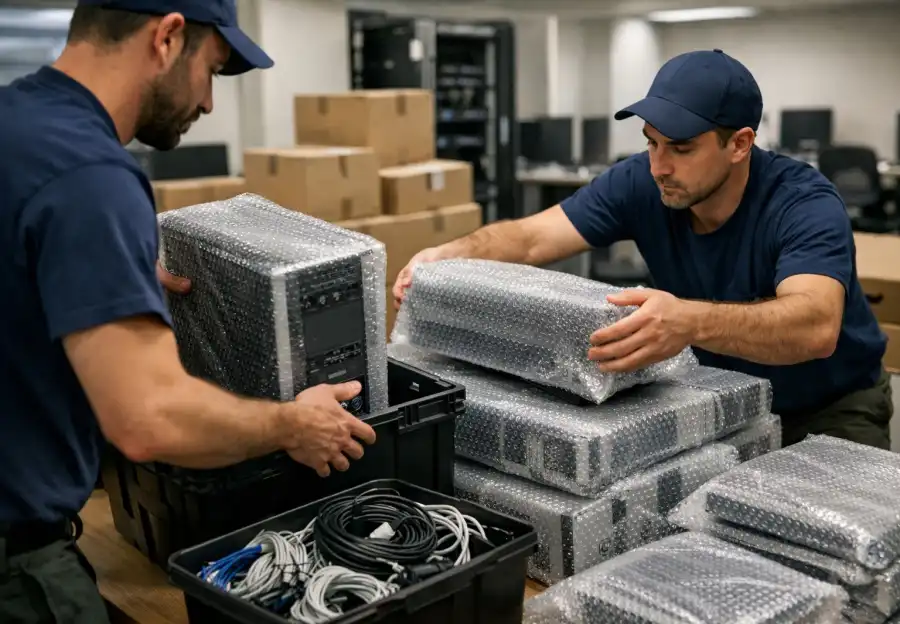
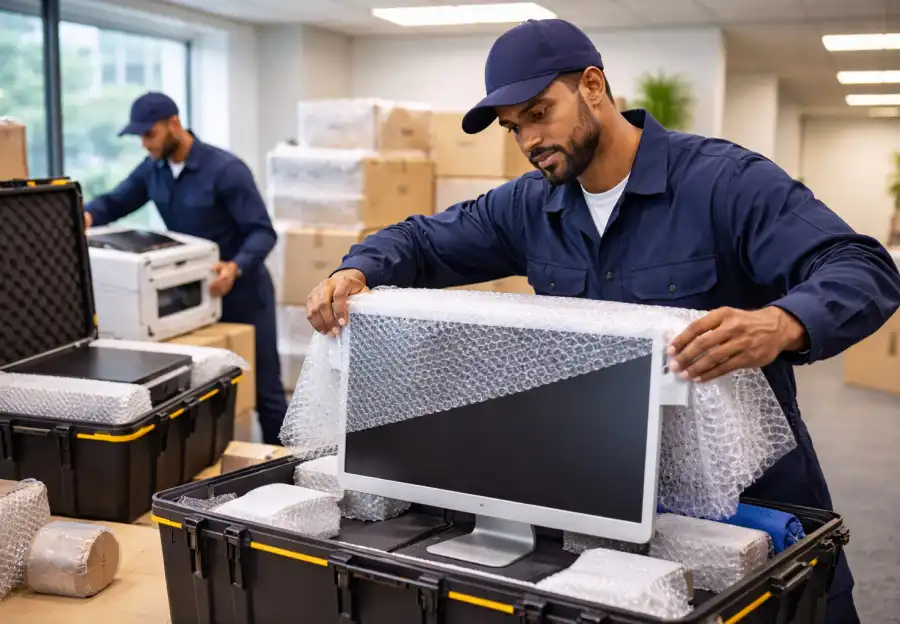
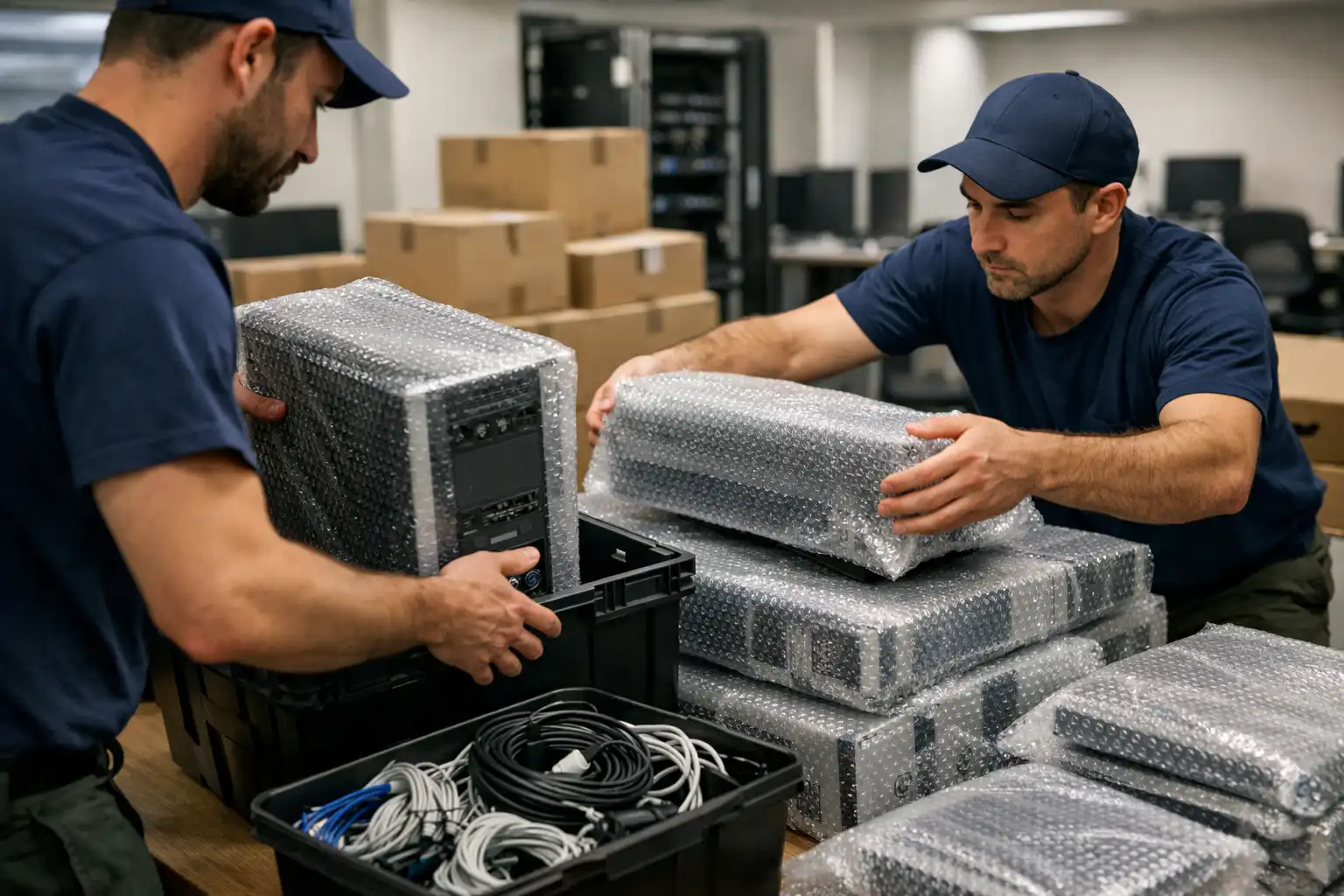
Gathering the appropriate materials and tools is a critical component of preparation. Commercial moves often require a mix of standard packing supplies and industry-specific equipment, including reinforced boxes, pallets, shrink wrap, moving blankets, and dollies. Fragile items such as computers, monitors, and laboratory equipment need specialized padding, foam inserts, or custom crates. Labels, color codes, and inventory sheets ensure that all items are properly documented and can be easily identified during loading and unpacking. Having all materials ready in advance prevents last-minute delays and reduces the risk of damage or misplacement.
Developing a structured workflow and timeline is essential for efficient execution. Each stage of the move—packing, loading, transportation, unloading, and setup—should be assigned to designated teams or personnel, with clear responsibilities and deadlines. Prioritizing critical items, such as servers, operational equipment, and time-sensitive documents, ensures business continuity. Planning for staggered moves or phased relocations can minimize disruption to daily operations. Incorporating contingency plans for unforeseen challenges, such as equipment failure, traffic delays, or missing materials, adds an extra layer of preparedness.
Employee training and communication are key elements in commercial move preparation. Staff should be informed about procedures, schedules, and safety protocols, especially when handling fragile or heavy items. Clear communication reduces stress, prevents mistakes, and encourages accountability. Providing instructions on how to disassemble, pack, or secure equipment properly ensures consistency and minimizes the risk of damage. Regular updates during the moving process also help teams adapt to changes, coordinate effectively with movers, and maintain operational continuity.
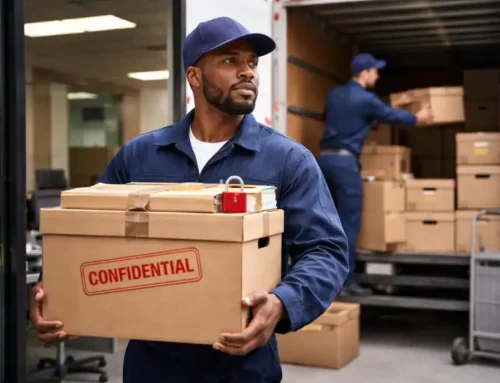
Transportation logistics must be carefully considered in commercial settings. Selecting the appropriate vehicles, route planning, and scheduling deliveries at optimal times are essential to avoid delays and reduce the risk of accidents. Oversized or sensitive equipment may require specialized transport vehicles with climate control or suspension systems. Ensuring that vehicles are properly loaded, balanced, and secured prevents damage during transit. Collaboration with professional movers who have experience in commercial relocations can provide expertise and efficiency, particularly for large or complex moves.
Unpacking, setup, and integration at the new location are equally important as the packing and transport phases. Designating spaces for furniture, equipment, and inventory prior to arrival allows movers to place items directly in their intended locations. Systems and technology, such as servers, phone lines, and office networks, should be reinstalled carefully to minimize downtime. Maintaining a detailed unpacking checklist ensures that all items are accounted for, functional, and organized according to the operational plan. This final phase directly impacts how quickly a business can resume normal operations and avoid prolonged disruptions.
Safety considerations must be integrated throughout the process. Employees and movers should use proper lifting techniques, protective gear, and equipment designed to handle heavy or hazardous items. Securing pathways, avoiding overcrowded loading areas, and labeling fragile or high-risk items reduces the likelihood of accidents. Maintaining safety standards protects both people and property, ensuring the move is executed efficiently and responsibly.
Finally, documenting the entire process adds value for future reference and continuous improvement. Keeping records of inventories, transportation schedules, packing methods, and any issues encountered during the move allows organizations to refine procedures for subsequent relocations. Post-move evaluations help identify areas for improvement, optimize workflows, and create best practices tailored to the company’s operational needs. A well-documented and executed move demonstrates professionalism, reduces stress, and enhances the organization’s ability to manage future relocations effectively.
In summary, preparing for moving day in a commercial setting requires a combination of strategic planning, organized execution, effective communication, and safety-conscious handling. Conducting thorough inventories, decluttering unnecessary items, securing proper materials, creating structured workflows, managing transportation, supervising unpacking, and documenting the process all contribute to a smooth, efficient, and successful move. By adopting these principles, organizations can minimize downtime, protect assets, reduce costs, and ensure a seamless transition to a new workplace, ultimately maintaining operational continuity and fostering long-term efficiency.