
December 16, 2025
How to Plan Your Move From Start to Finish
Planning a move from start to finish can seem overwhelming, but with careful organization, preparation, and a step-by-step strategy, you can make the relocation process smooth, efficient, and far less stressful, and the first step in this process is setting a clear timeline that allows ample preparation time, ideally starting at least eight to ten weeks before your scheduled move, which gives you the opportunity to inventory your belongings, acquire packing materials, hire a moving company or reserve a rental truck, and coordinate all logistics, reducing last-minute chaos and unexpected complications.
The next step is to create a detailed inventory of everything you own, listing items by room, size, and type, which not only helps determine the amount of packing materials, space, and transportation you will need but also allows you to decide which items you can donate, sell, or discard, thereby minimizing clutter and potentially lowering moving costs while simplifying unpacking at your new home.
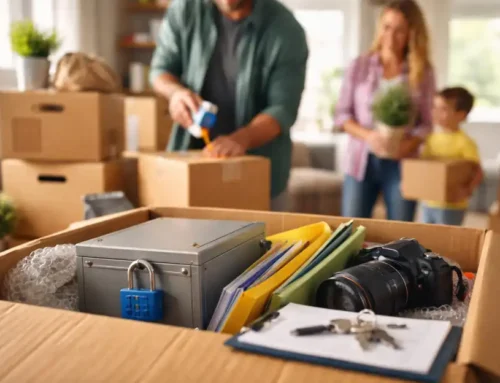
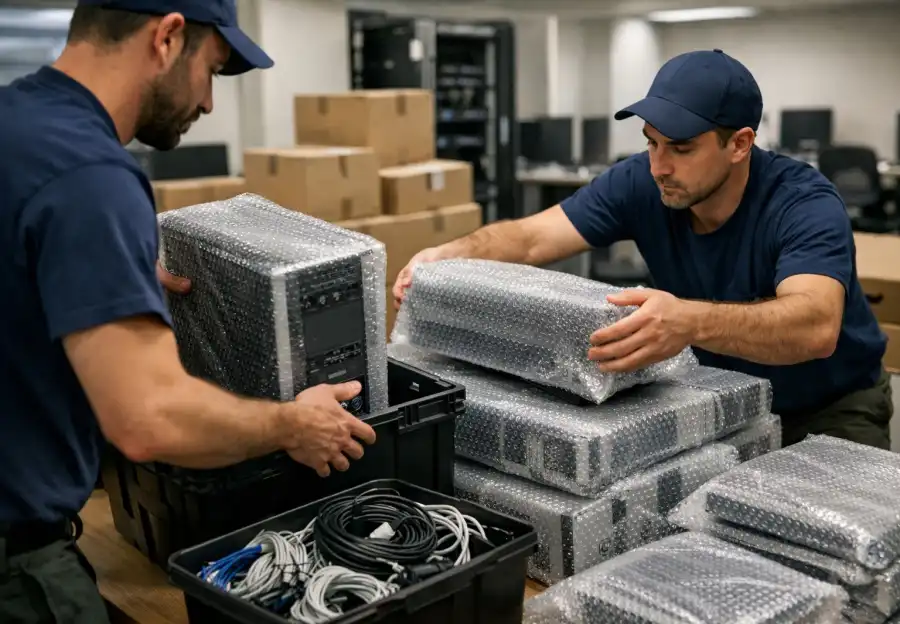
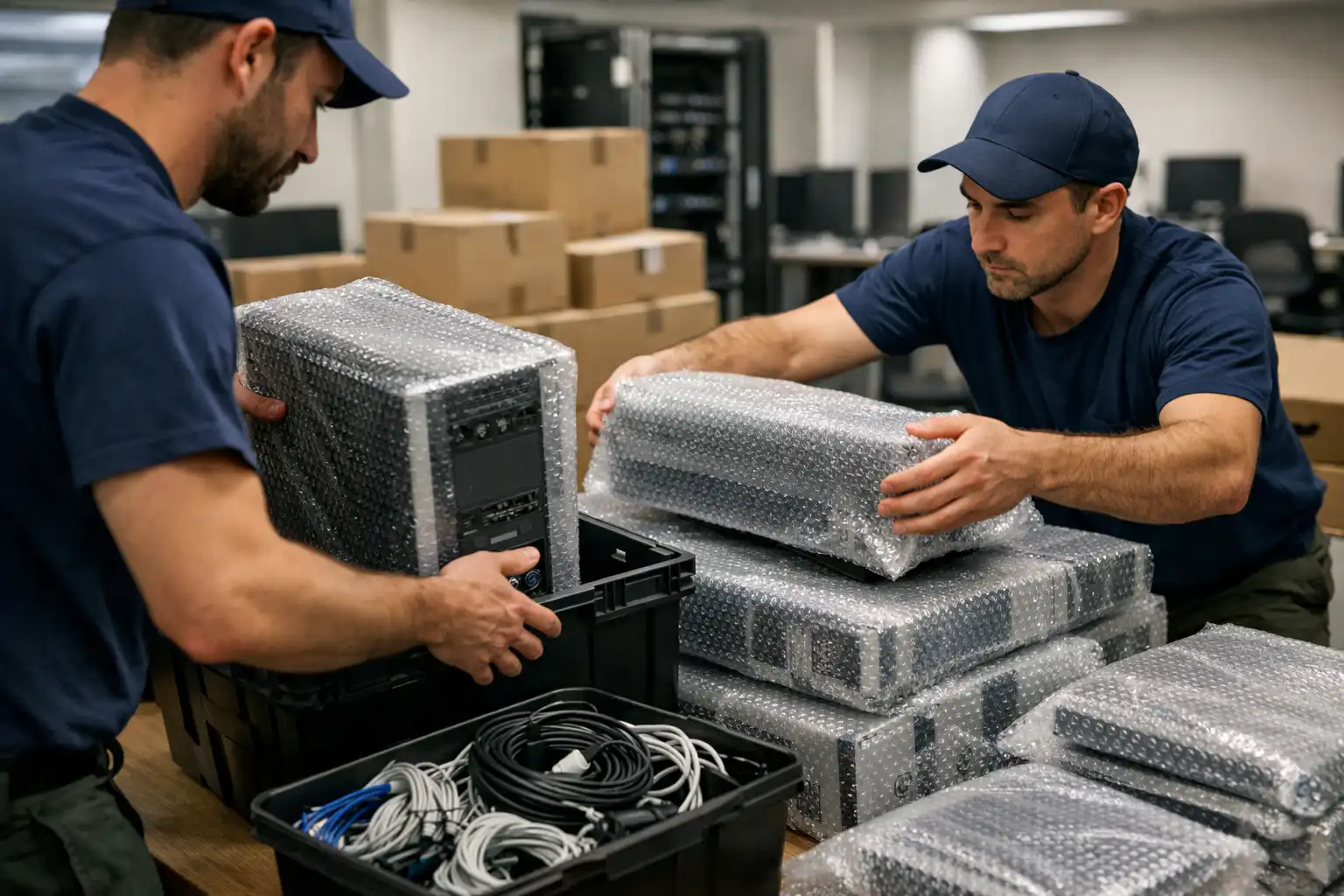
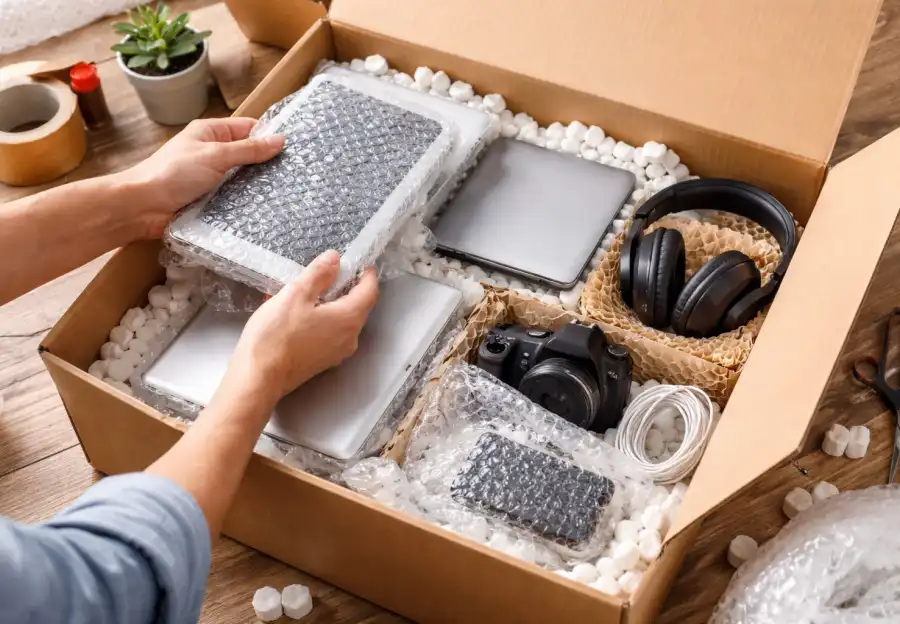
Once your inventory is complete, gathering packing supplies is essential, including boxes of various sizes, packing tape, bubble wrap, packing paper, mattress covers, labels, and markers, and establishing a systematic packing strategy—starting with items you rarely use and ending with daily essentials—ensures an organized, efficient process, while labeling each box with its contents and the room it belongs to makes unpacking and placement much easier and reduces the chance of misplaced items; hiring professional movers or renting a truck is a critical aspect of planning a move, and it is important to research multiple companies, check licensing and insurance, read reviews, obtain several estimates, and schedule in-home or virtual surveys for accurate pricing, as selecting a reputable and experienced moving company can save time, protect your belongings, and reduce stress, while also providing specialized expertise for handling fragile, bulky, or valuable items.
Notifying all relevant parties of your address change is another important step, including utility providers, banks, insurance companies, subscription services, and government agencies, while also scheduling disconnections at your current residence and reconnections at your new home ensures that essential services like electricity, water, gas, and internet are operational when you arrive, preventing unnecessary disruptions and making your first days in the new home more comfortable.
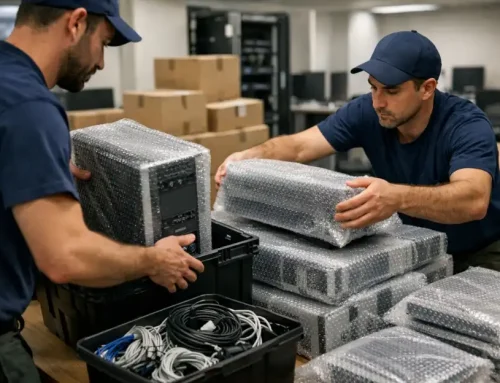
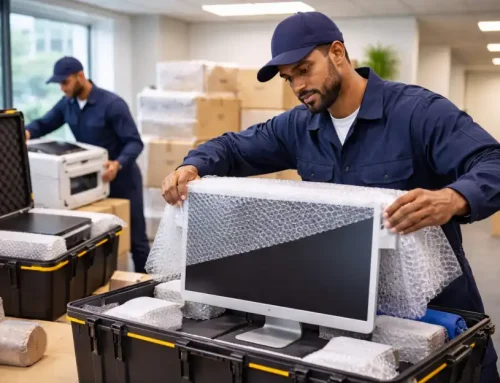
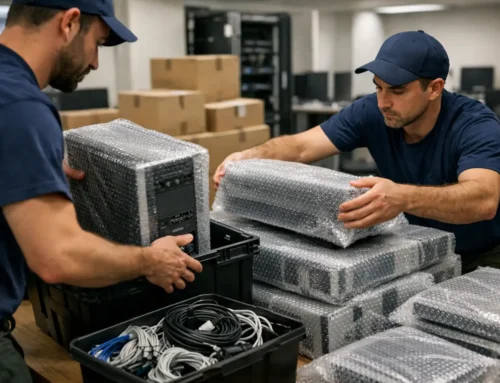
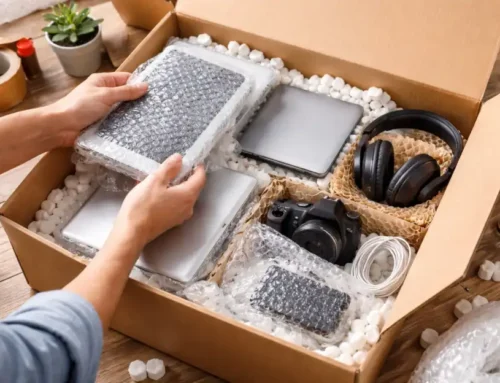
Packing should be approached methodically, with fragile items carefully wrapped in bubble wrap or packing paper, books and heavy objects packed in smaller boxes, and all boxes sealed securely with tape, while important documents, valuables, and personal items should be transported personally for safety and accessibility.
Creating a moving-day kit with essentials such as medications, chargers, toiletries, snacks, water, a change of clothes, and important documents ensures that you can manage the first day in your new home comfortably without searching through boxes; on moving day, organizing the loading and unloading process is critical, and creating a checklist, supervising the movers, confirming the inventory list, and providing instructions for delicate items can prevent lost or damaged belongings while keeping the move efficient, and clear communication between you, the movers, and any helpers is key to avoiding misunderstandings or delays.
Once at your new home, focus on unpacking essential rooms such as the kitchen, bathrooms, and bedrooms, setting up beds and ensuring utilities are working, while gradually unpacking nonessential items, arranging furniture, and organizing storage to create a comfortable and functional living space; maintaining flexibility and patience throughout the moving process is essential, as unexpected challenges such as traffic, weather, or minor issues with movers may arise, and having backup plans, extra packing materials, and clear communication helps you adapt without stress, ensuring that the day proceeds smoothly; self-care is also crucial, including staying hydrated, eating well, taking breaks, and enlisting help from friends or family when needed, because physical and mental well-being significantly affect your ability to manage moving tasks efficiently.
After everything has been unpacked, inspecting belongings for damage, returning any rented equipment, finalizing paperwork with the moving company, and updating remaining accounts or subscriptions with your new address helps complete the transition, while familiarizing yourself with your new neighborhood, exploring local amenities, and establishing routines aids in feeling settled and comfortable.
Ultimately, planning a move from start to finish involves careful preparation, methodical packing, coordination with movers and service providers, flexible problem-solving, and attention to detail, and by following these steps, you can minimize stress, protect your possessions, and ensure that your relocation is organized, efficient, and successful, allowing you to transition into your new home with confidence, peace of mind, and a sense of accomplishment, setting a foundation for a positive experience in your new living environment, while also equipping yourself with knowledge and strategies that will make future moves easier and more manageable, turning a potentially overwhelming and stressful experience into a controlled, efficient, and even rewarding process that allows you to enjoy your new space and start the next chapter of your life on a smooth and organized note.