
December 27, 2025
How to Pack Like a Pro for Your Next Move
Packing for a move is often one of the most time-consuming and stressful aspects of relocation, but with proper planning, organization, and professional techniques, it can become a manageable and efficient process. Packing like a pro not only saves time and effort but also reduces the risk of damage to your belongings and ensures a smoother transition into your new home.
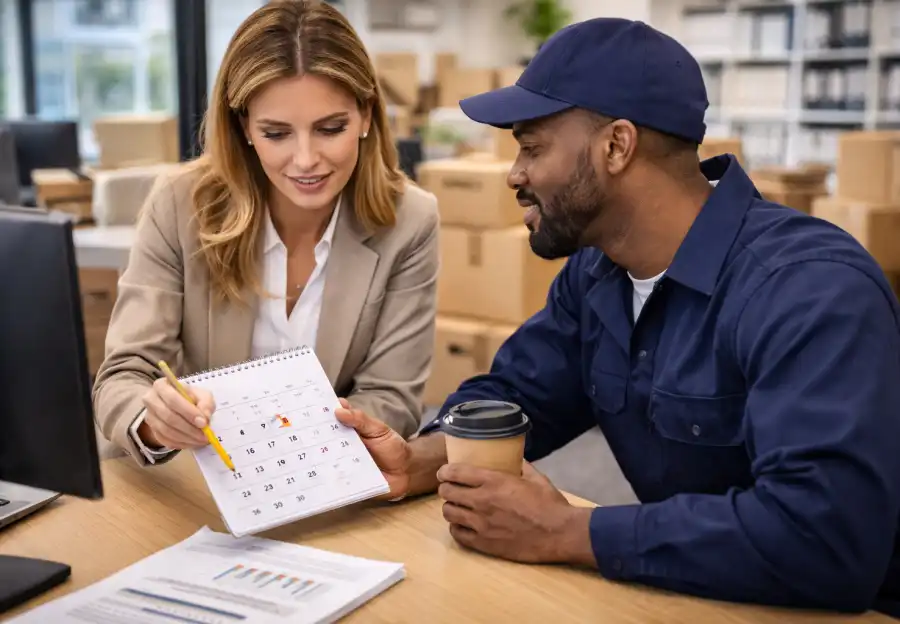
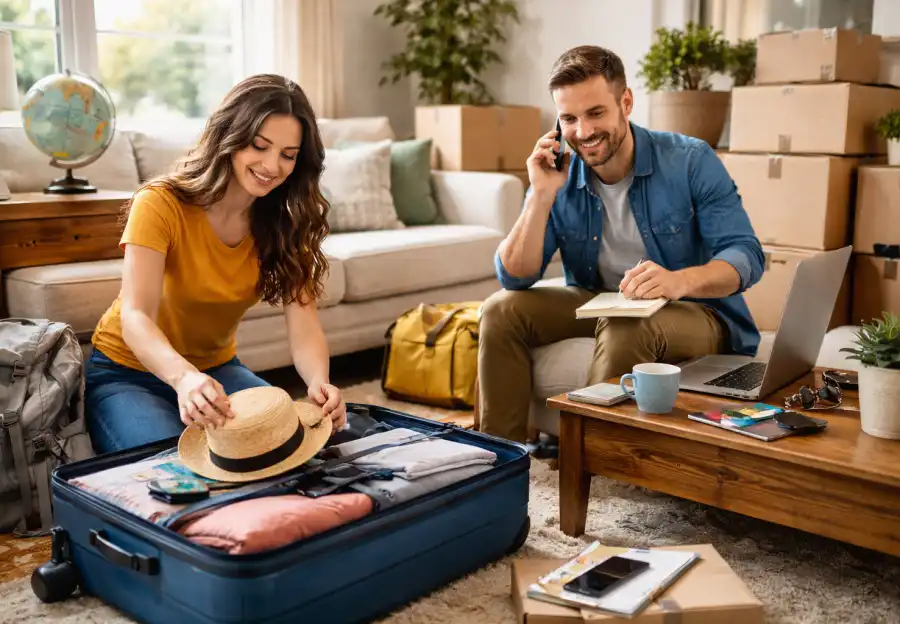
The foundation of professional packing is starting early. Ideally, packing should begin several weeks before moving day. Starting early allows you to sort through your belongings, declutter unnecessary items, and pack non-essential items gradually without feeling rushed. This approach minimizes last-minute stress, helps you stay organized, and gives you the flexibility to handle unexpected challenges calmly and efficiently.
Decluttering is a critical step in packing efficiently. Go through each room and carefully decide what to keep, donate, sell, or discard. Packing only what you truly need reduces the total volume of items to move, which can lower moving costs and simplify the packing process. Selling or donating items also provides financial or charitable benefits while helping you start fresh in your new space.
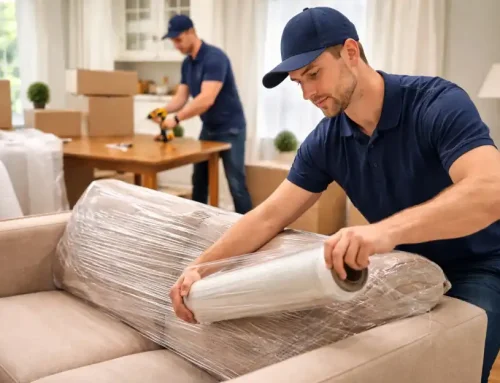
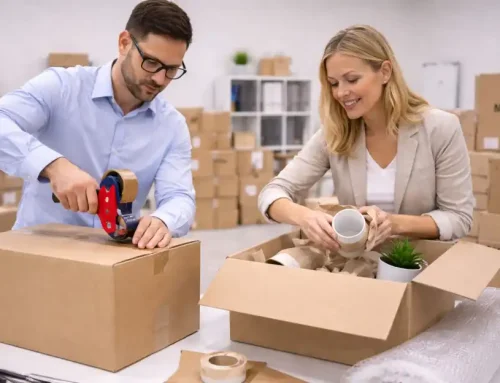
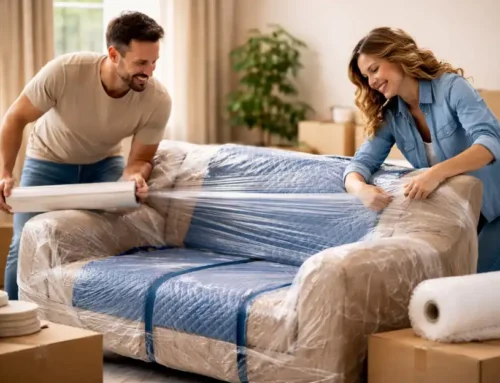
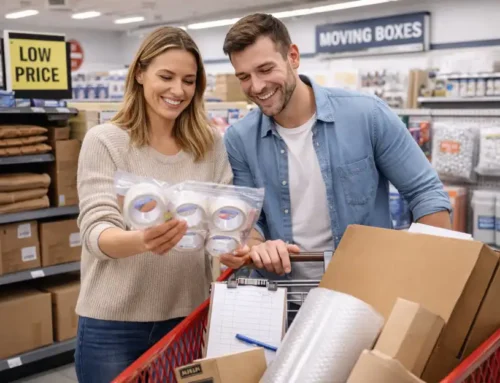
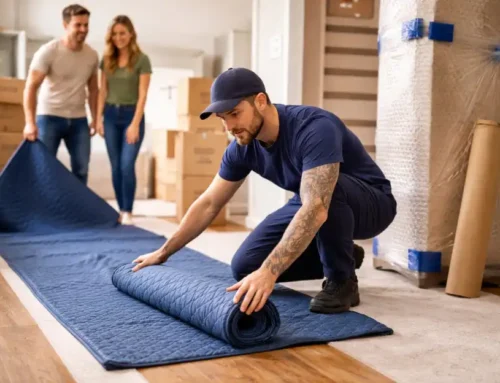
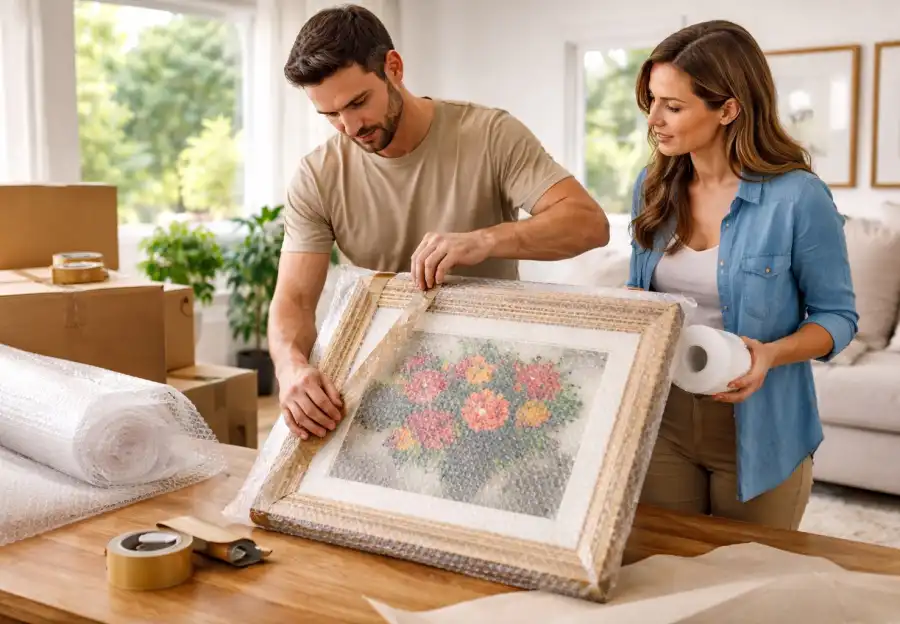
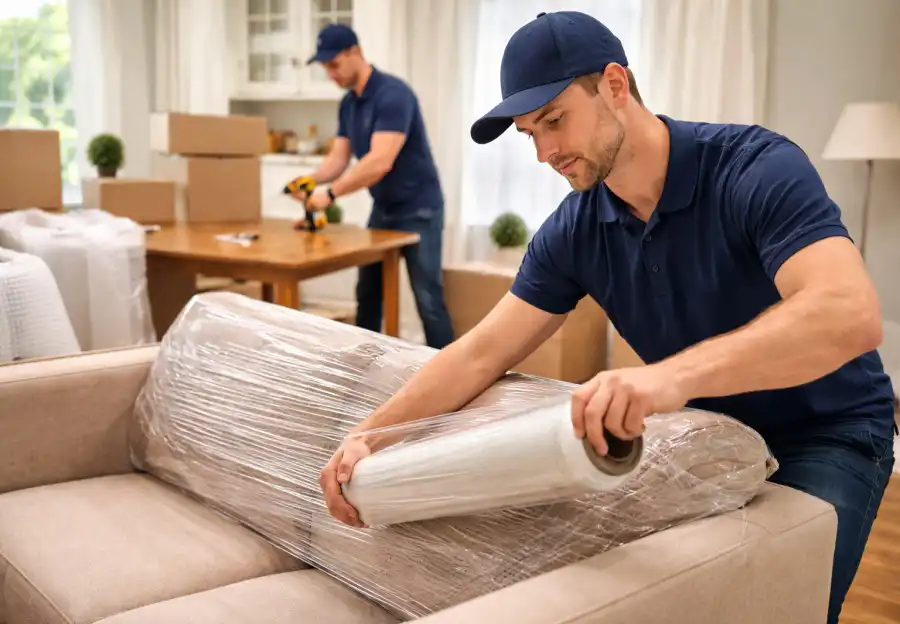
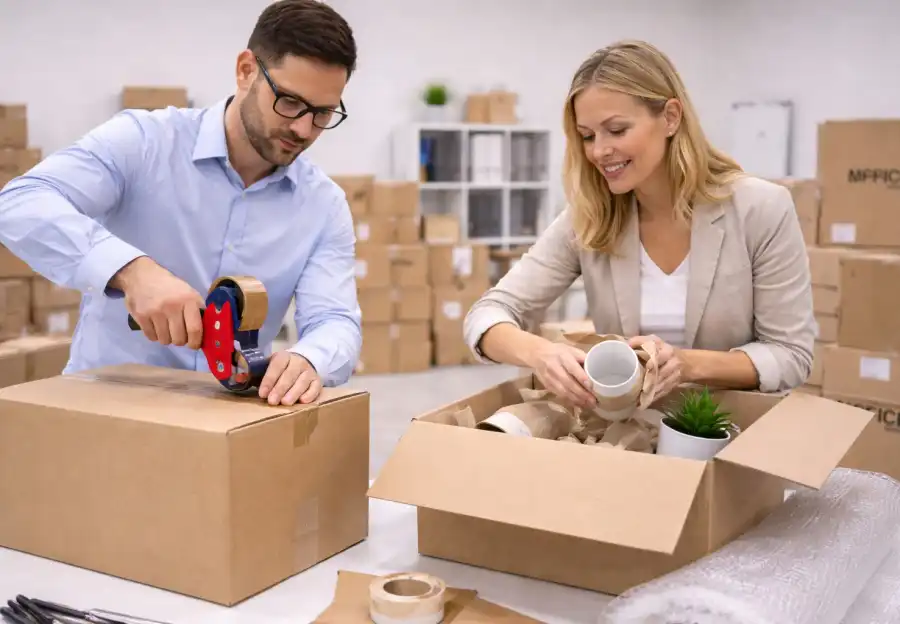
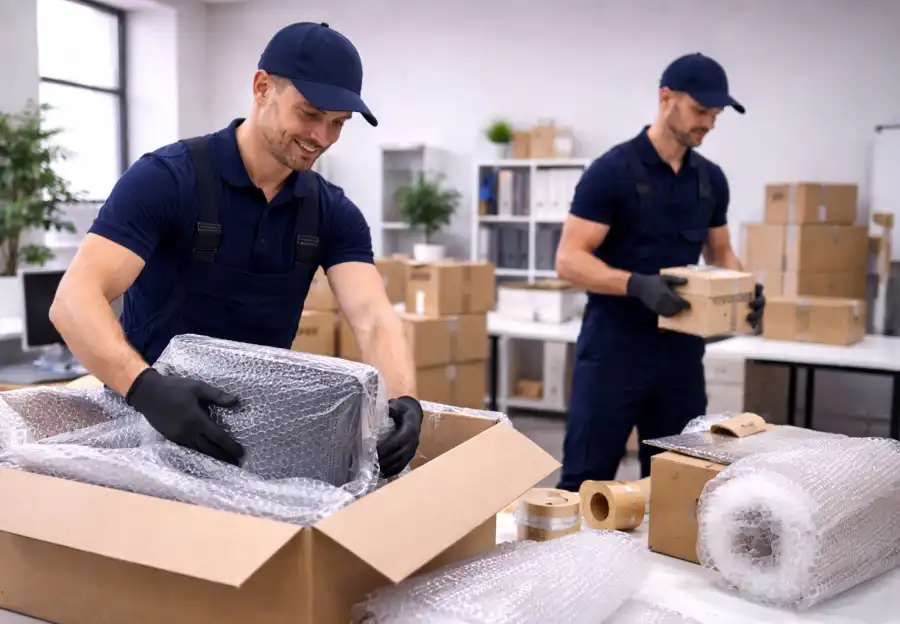
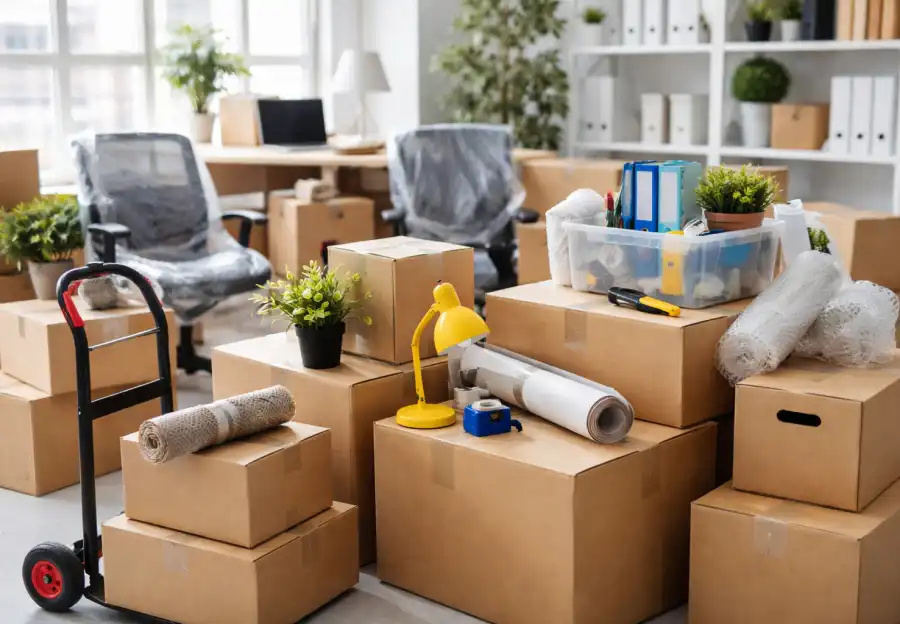
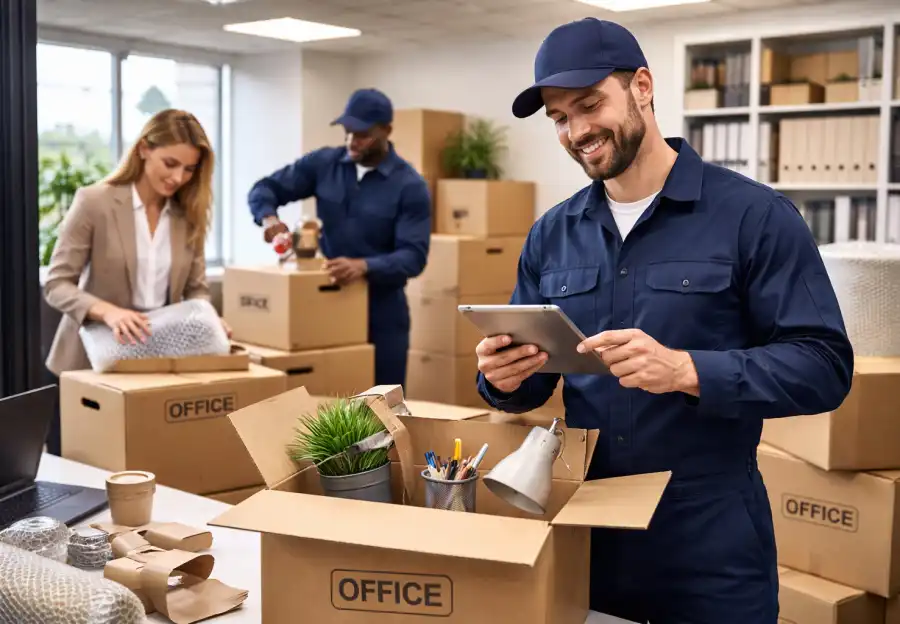
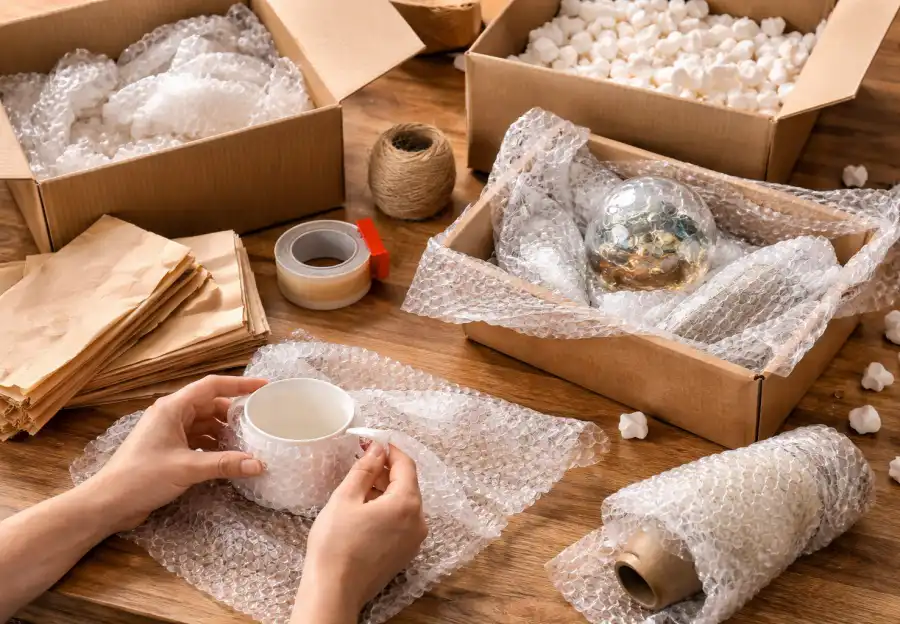
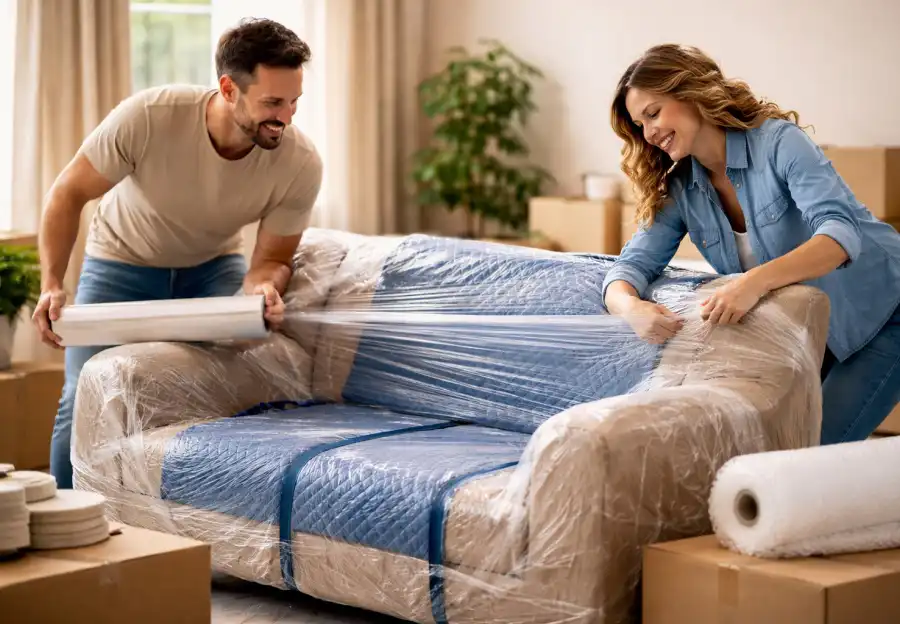
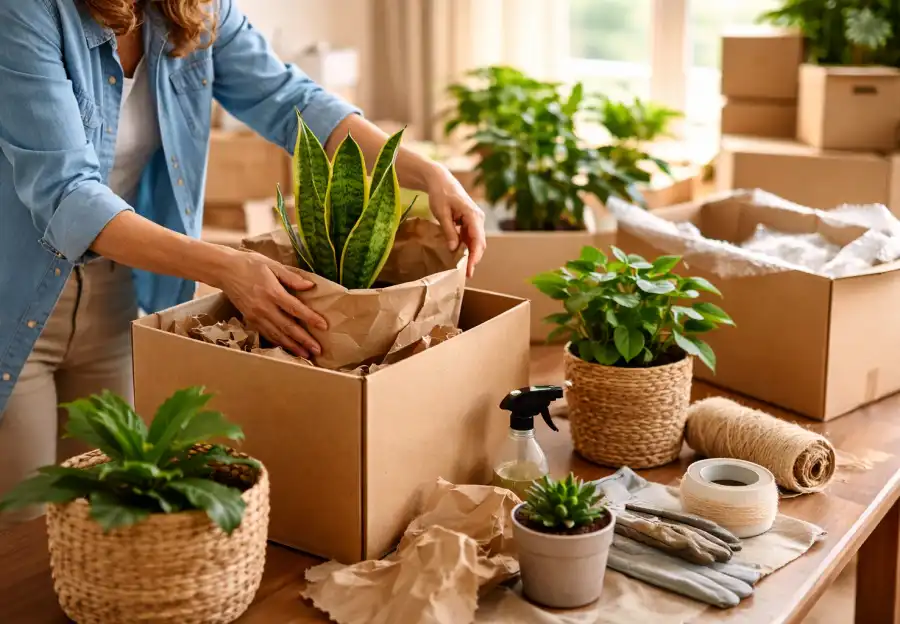
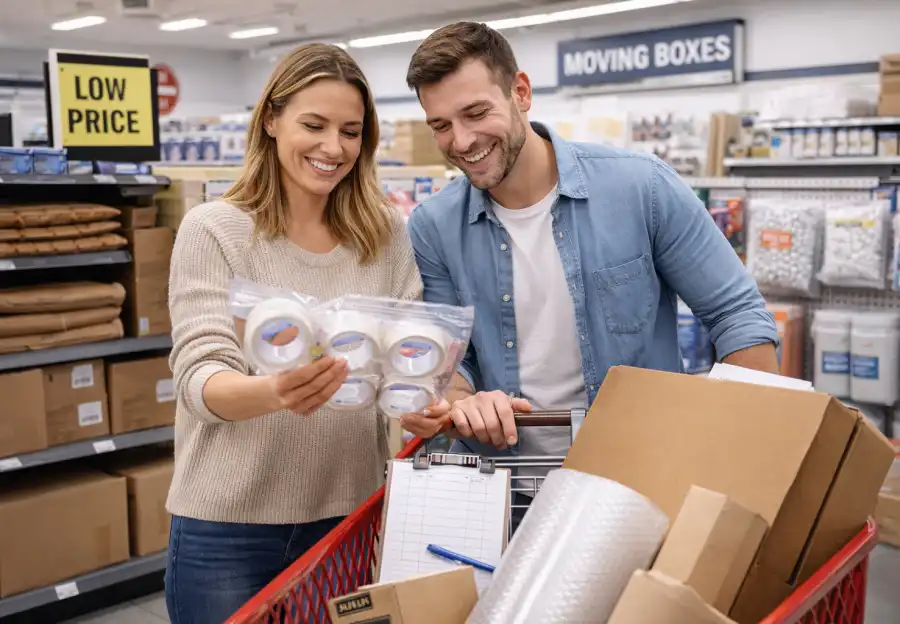
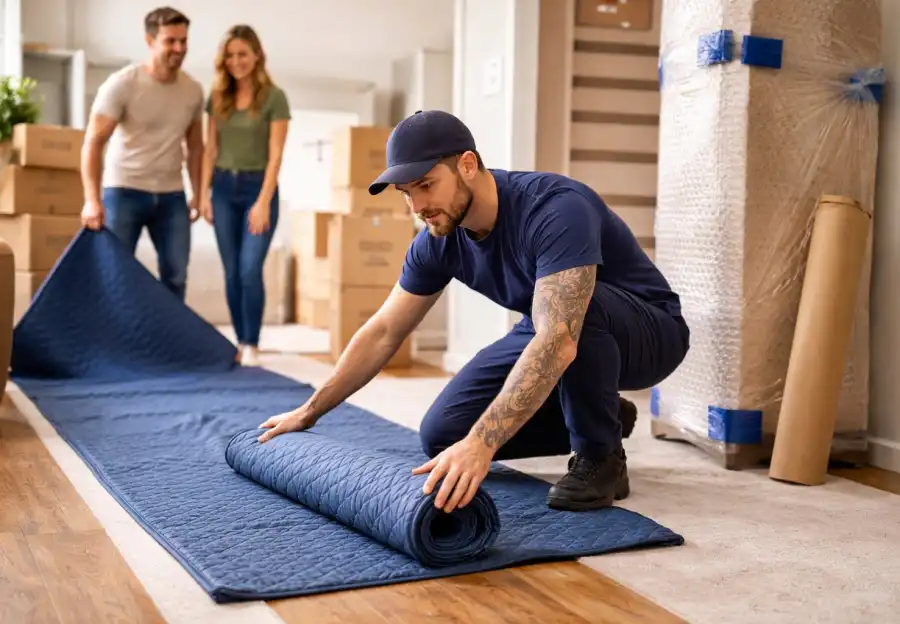
Using high-quality packing materials is another key element of packing like a professional. Sturdy boxes in multiple sizes, strong packing tape, bubble wrap, packing paper, furniture blankets, mattress covers, and permanent markers are essential tools. Quality materials protect your belongings from damage, allow for safer stacking and transport, and reduce the risk of breakage that could result in costly replacements.
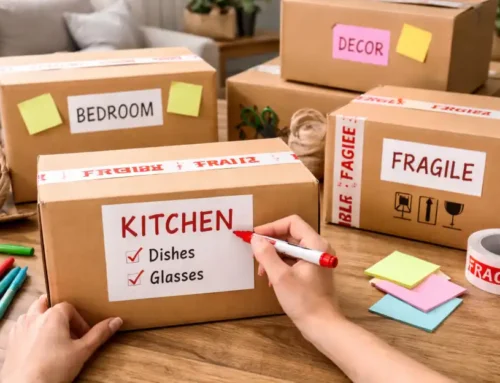
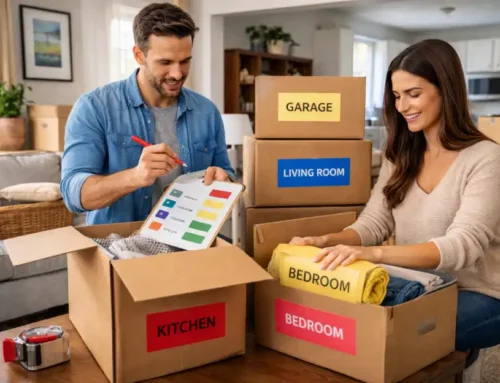
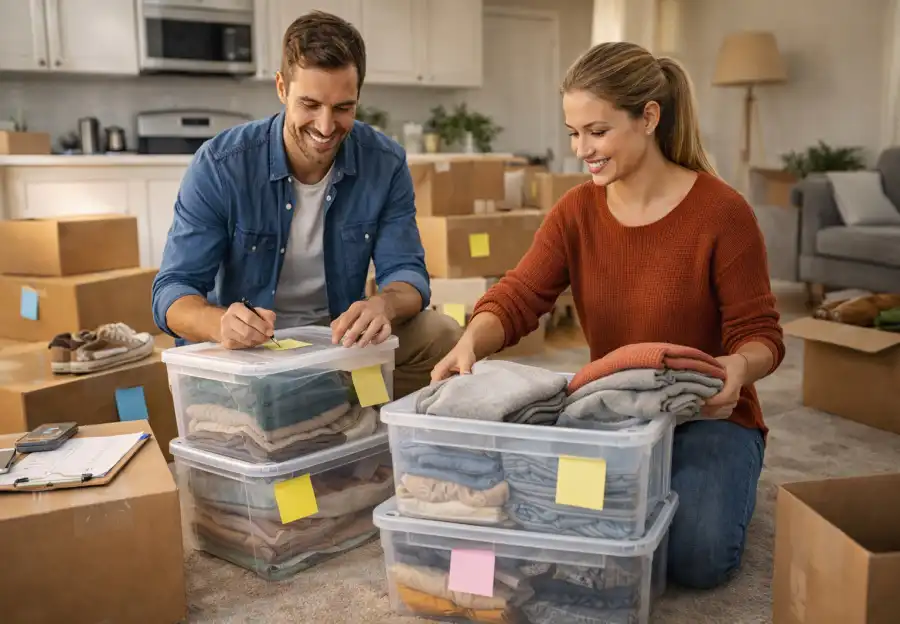
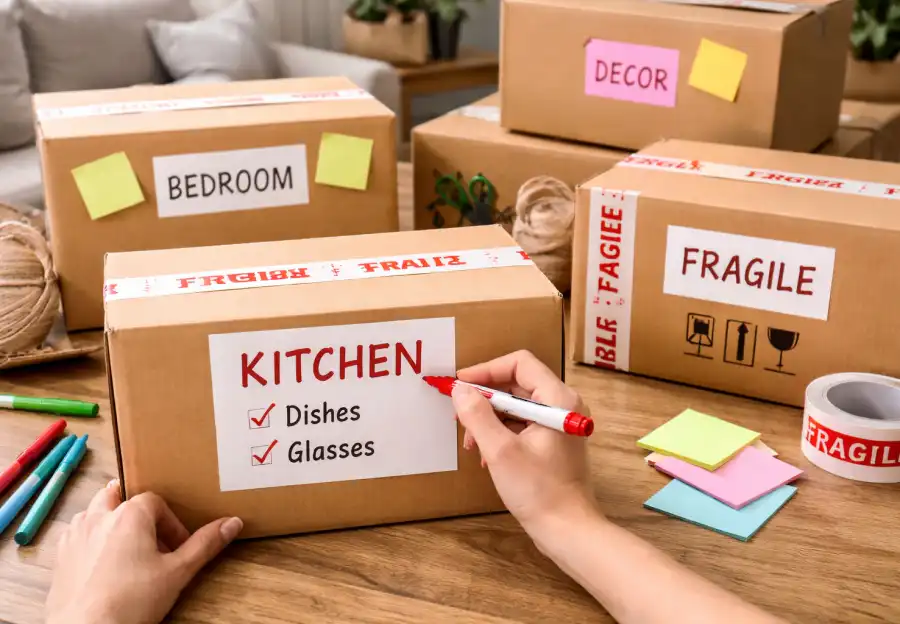
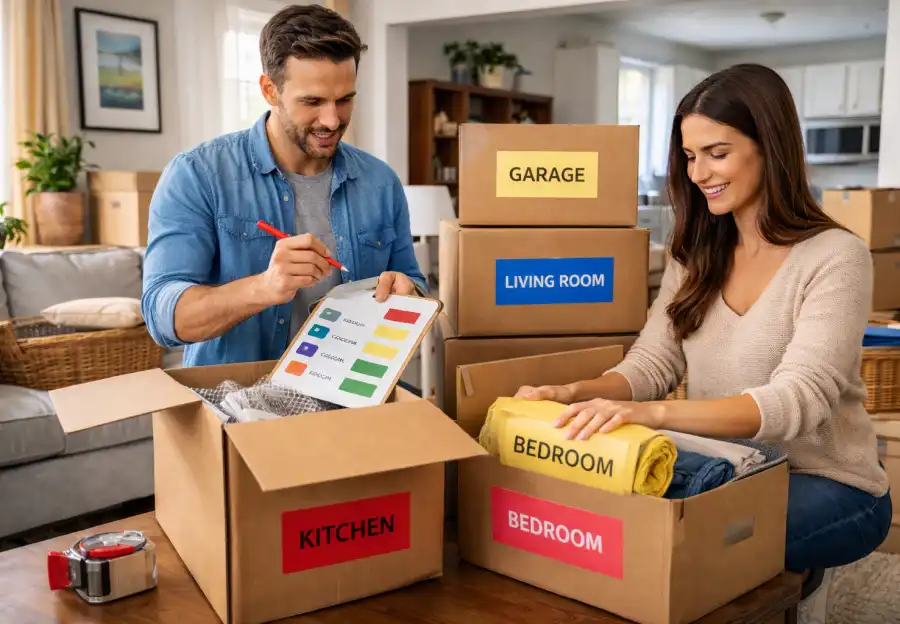
Strategic packing techniques play a major role in protecting your items. Group belongings by room and function, place heavier items at the bottom of boxes, and lighter items on top. Use padding materials such as bubble wrap, towels, or packing paper to prevent movement and breakage. Filling empty spaces with soft items like clothing or blankets helps keep items secure during transit. Clearly labeling boxes with contents and destination rooms, and using color-coded labels if desired, makes unloading and unpacking far more efficient.
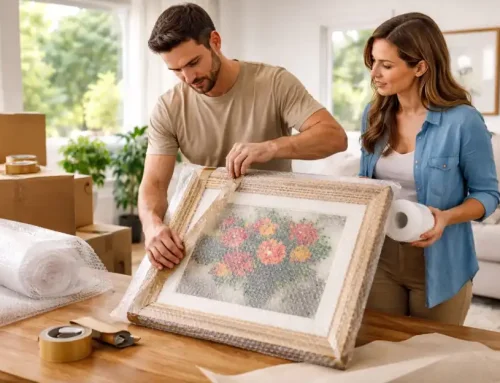
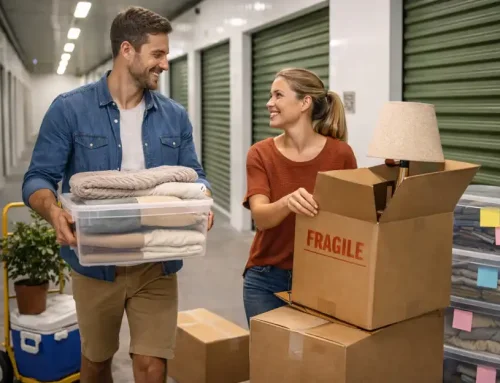
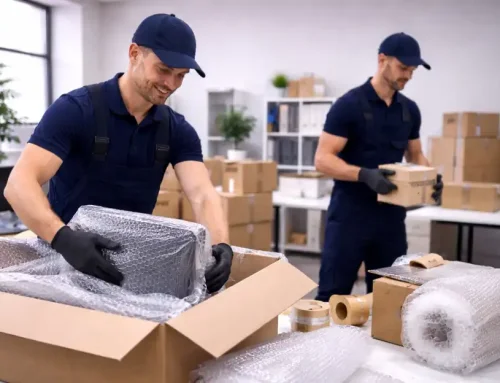
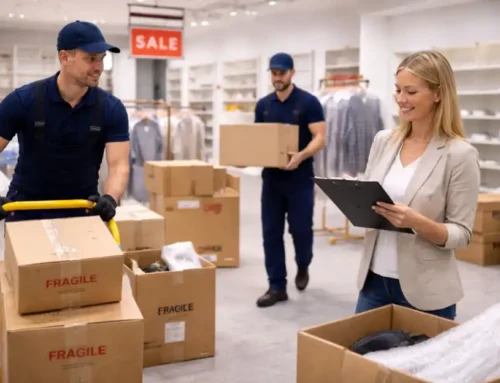
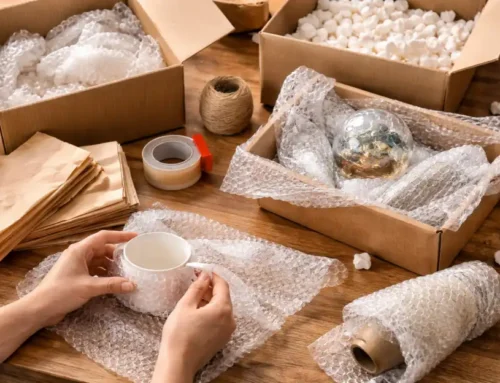
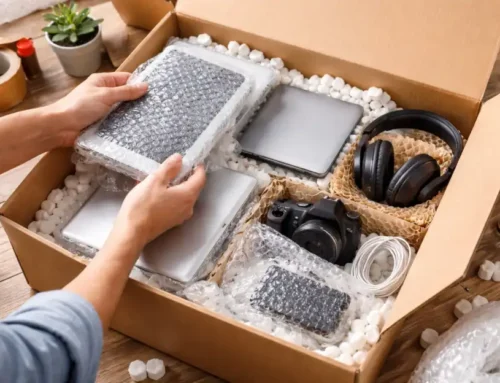
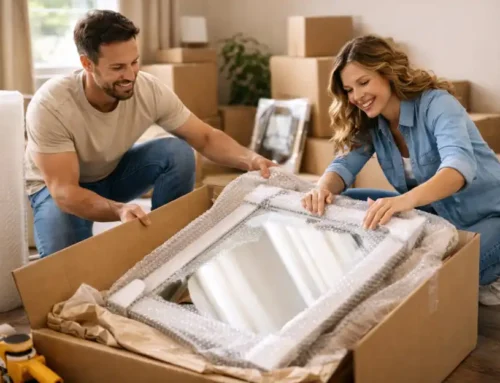
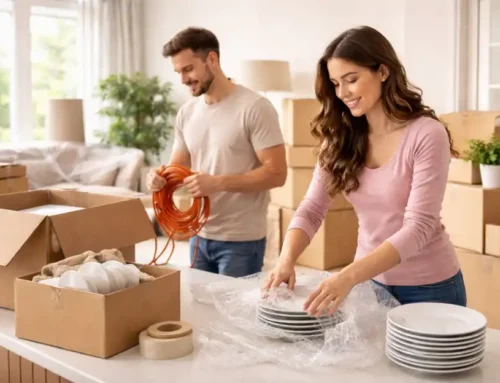
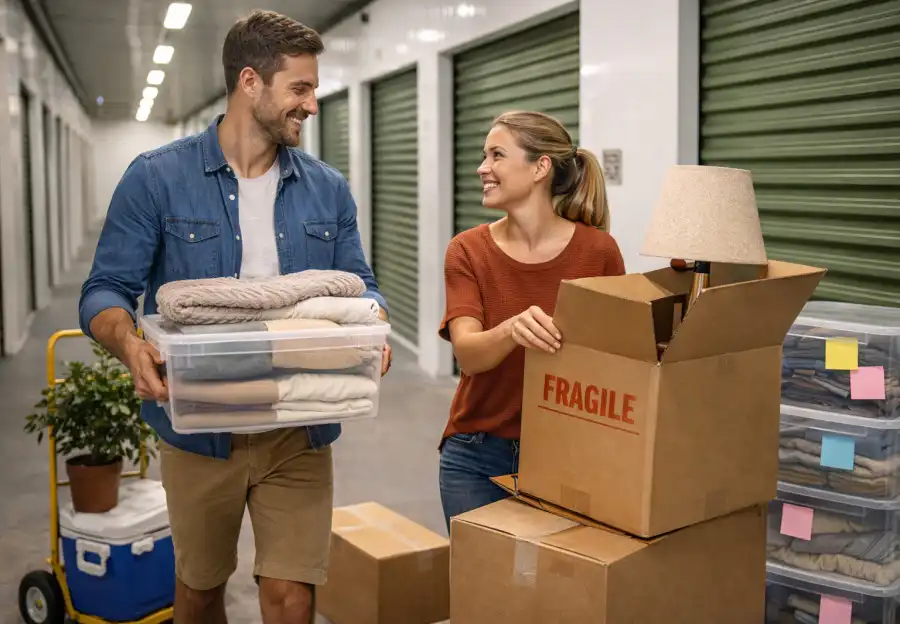
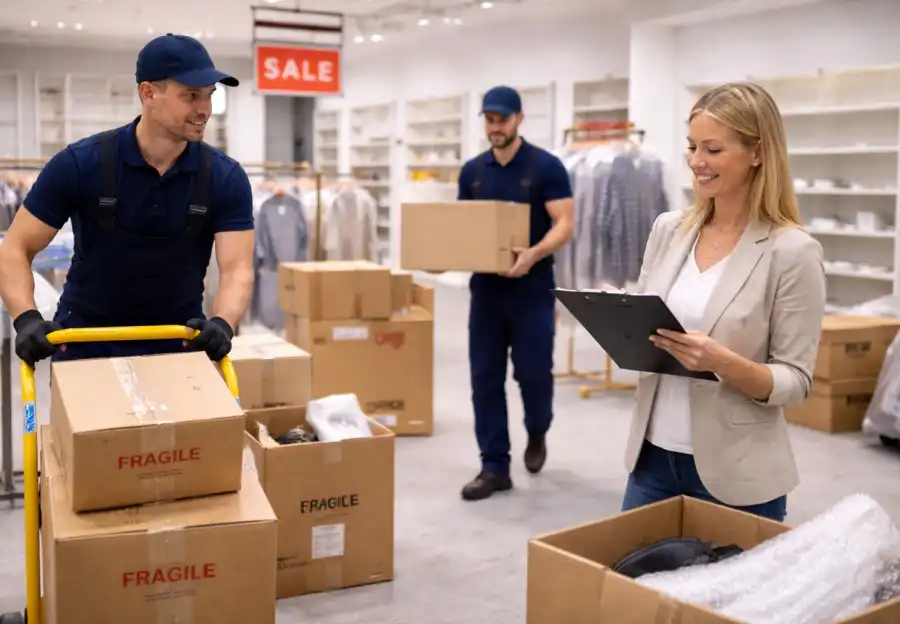
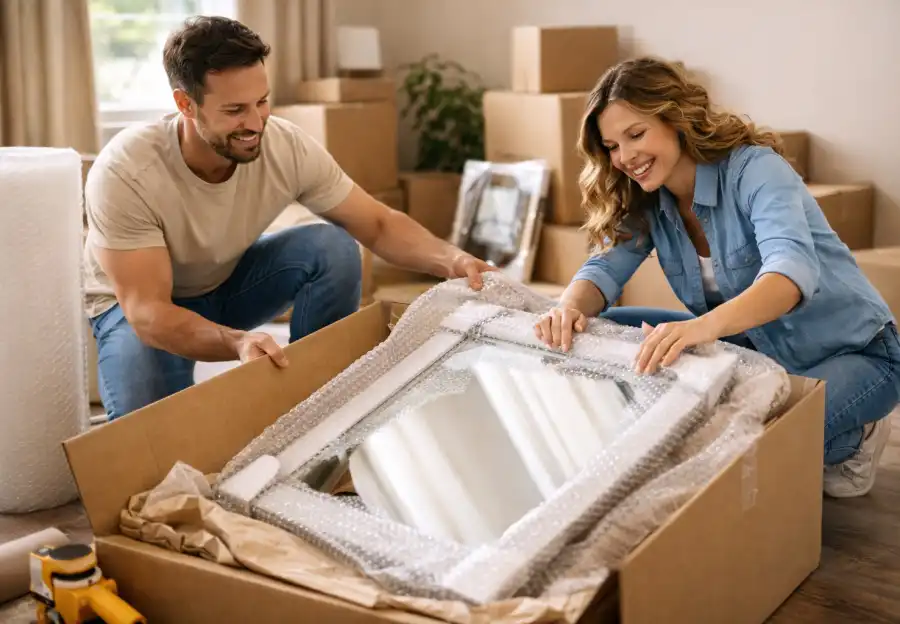
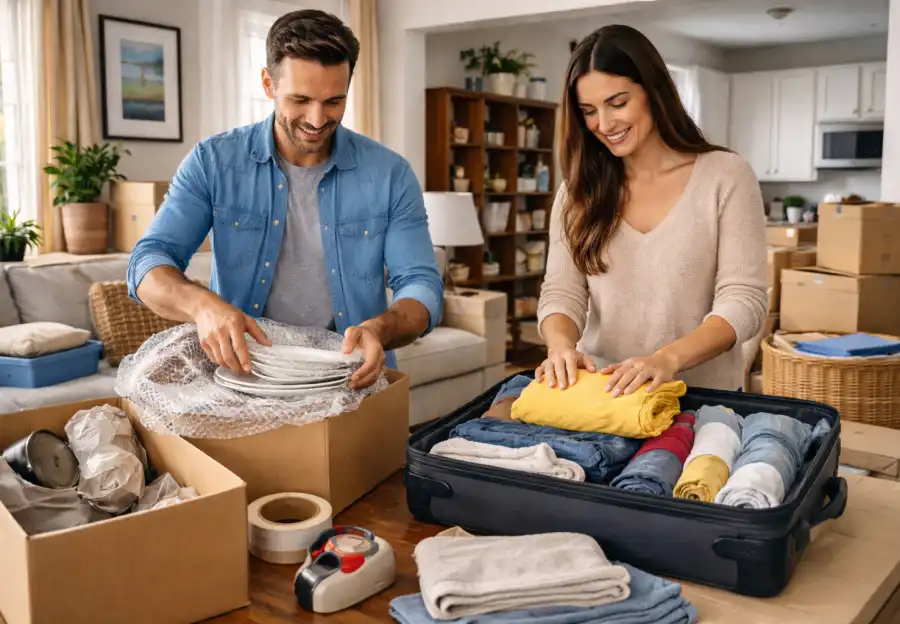
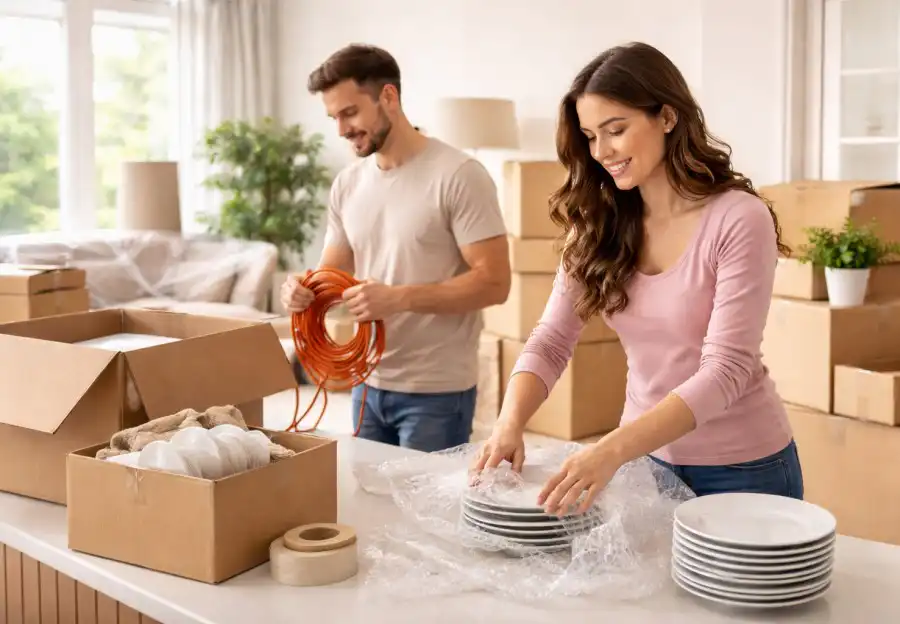
Fragile items require extra attention. Each piece should be wrapped individually using bubble wrap or packing paper and placed in sturdy boxes marked clearly as fragile. Heavier items should always be packed at the bottom, with lighter items layered above. Using dividers for dishes, glassware, and collectibles adds additional protection and minimizes the risk of damage during transport.
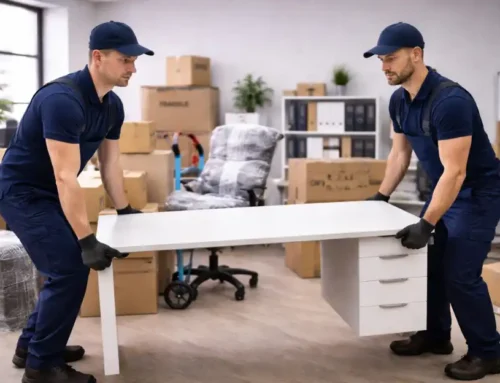
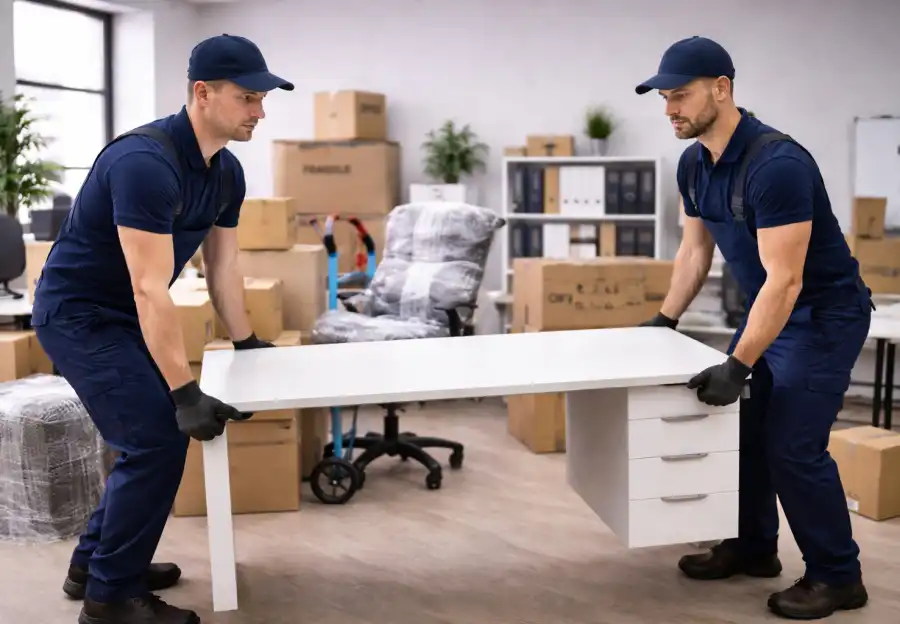
Disassembling furniture is another professional packing strategy. Removing table legs, breaking down bed frames, and separating modular furniture makes items easier to move and reduces the risk of damage. Keep all screws, bolts, and hardware in labeled bags taped directly to the corresponding furniture so reassembly at your new home is quick and hassle-free.
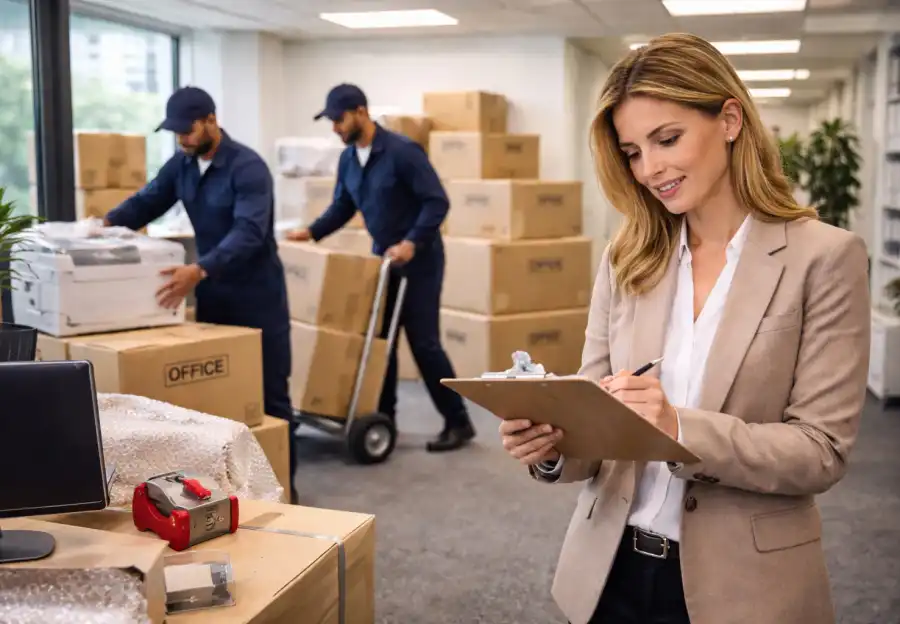
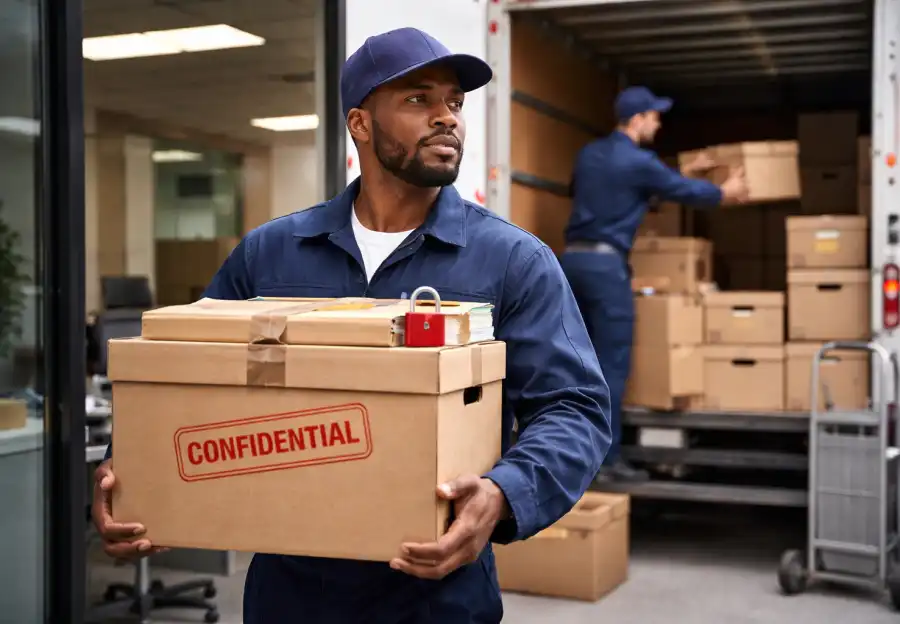
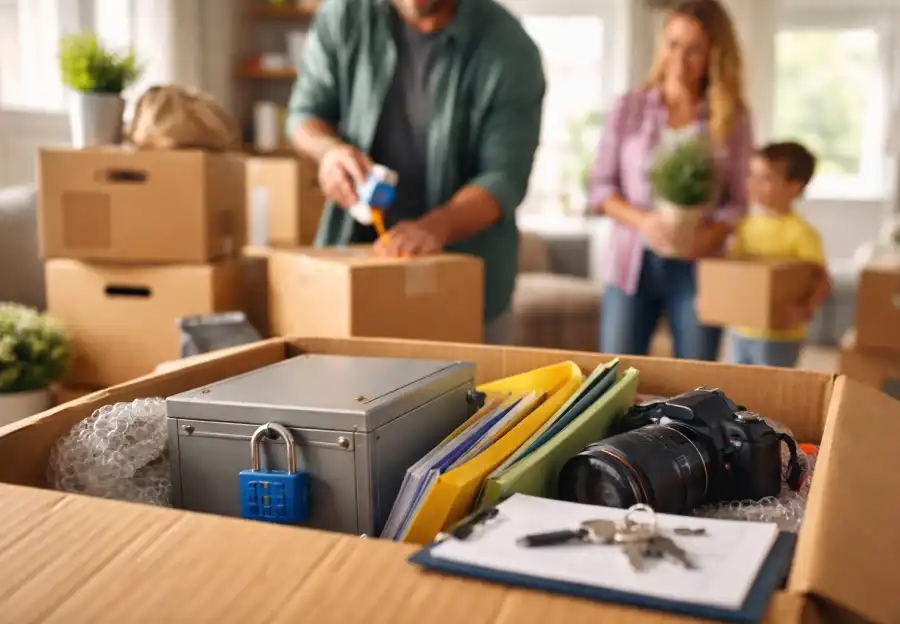
Creating an inventory list is a highly effective organizational tool. Tracking each box and its contents allows you to monitor everything during the move, prioritize unpacking, and document items for insurance purposes if necessary. An inventory also provides peace of mind by ensuring nothing is misplaced or forgotten.
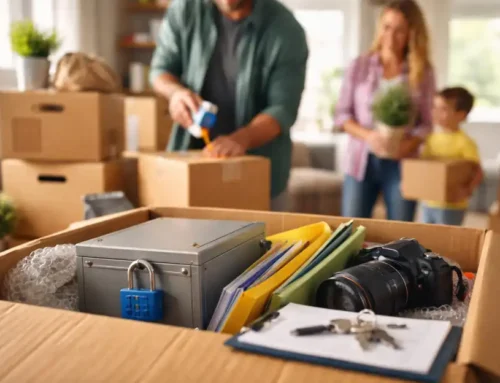
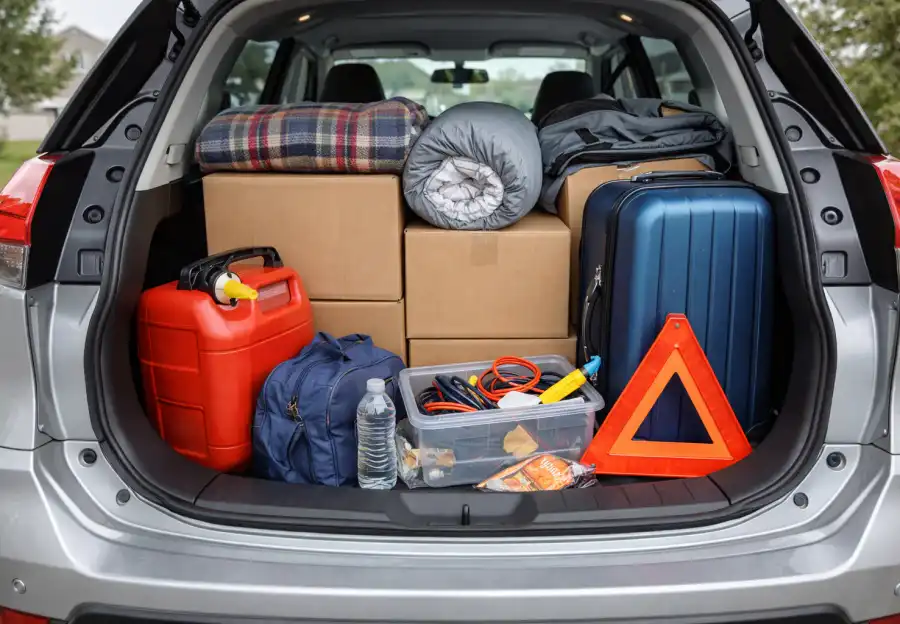
Packing a moving-day essentials box is a must. This box should include toiletries, medications, important documents, chargers, snacks, a change of clothes, and any essentials for children or pets. Having these items easily accessible ensures your first night in your new home is comfortable and stress-free.
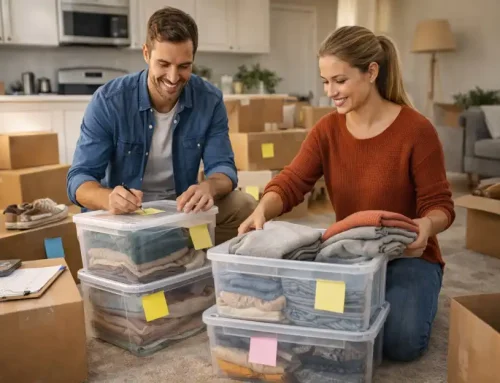
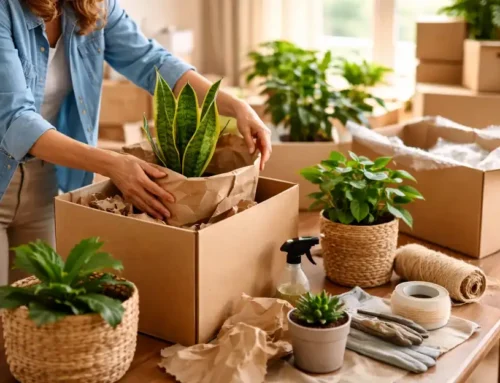
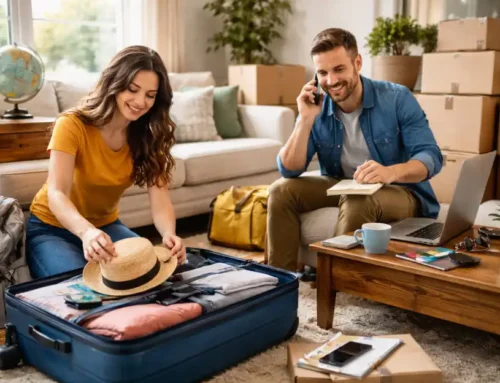
Using suitcases, baskets, and reusable containers is another smart packing technique. These containers are often sturdier than cardboard boxes and ideal for books, clothing, and kitchen items. They maximize space, reduce the number of boxes needed, and make transportation easier.
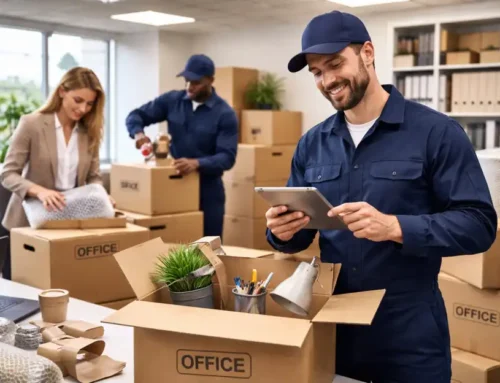
Clear and detailed labeling is essential for an organized move. Each box should include a description of its contents and the room it belongs to. Numbering boxes can further streamline the unloading process and help you follow a structured unpacking plan.
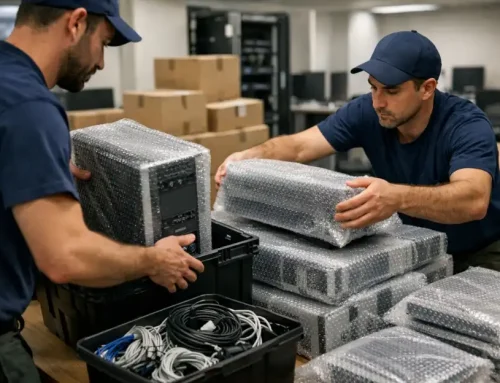
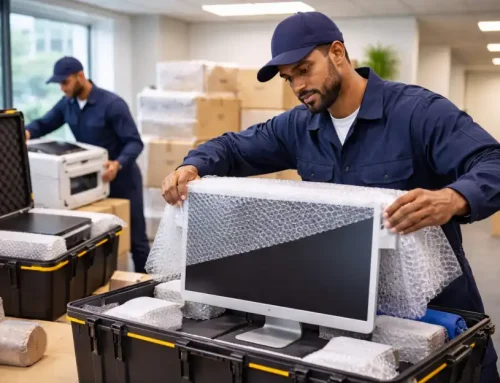
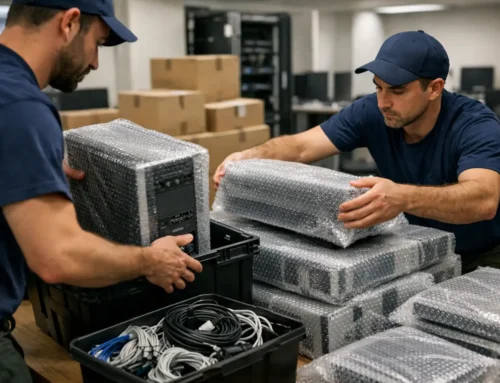
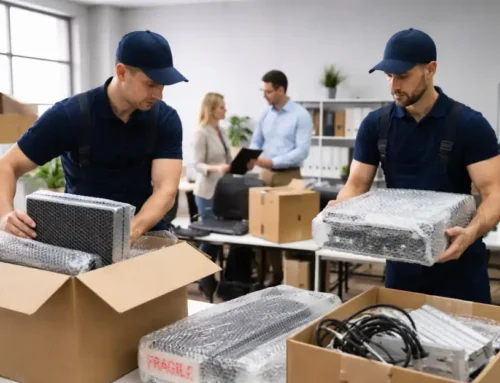
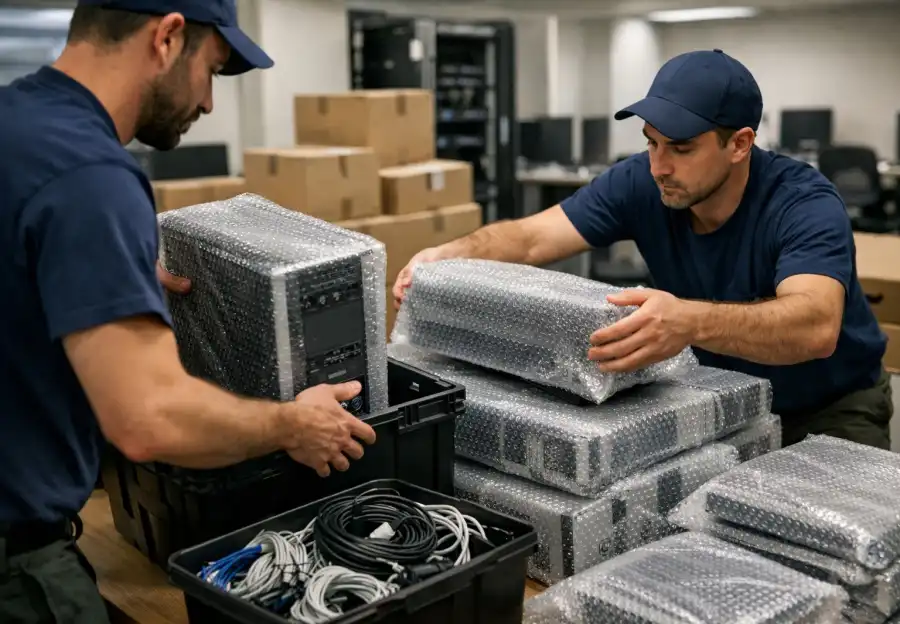
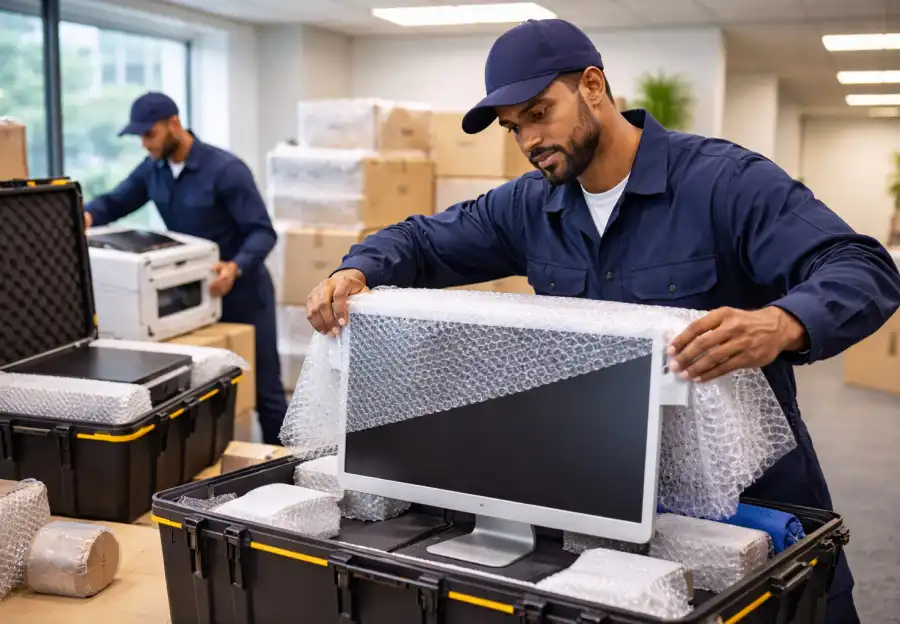
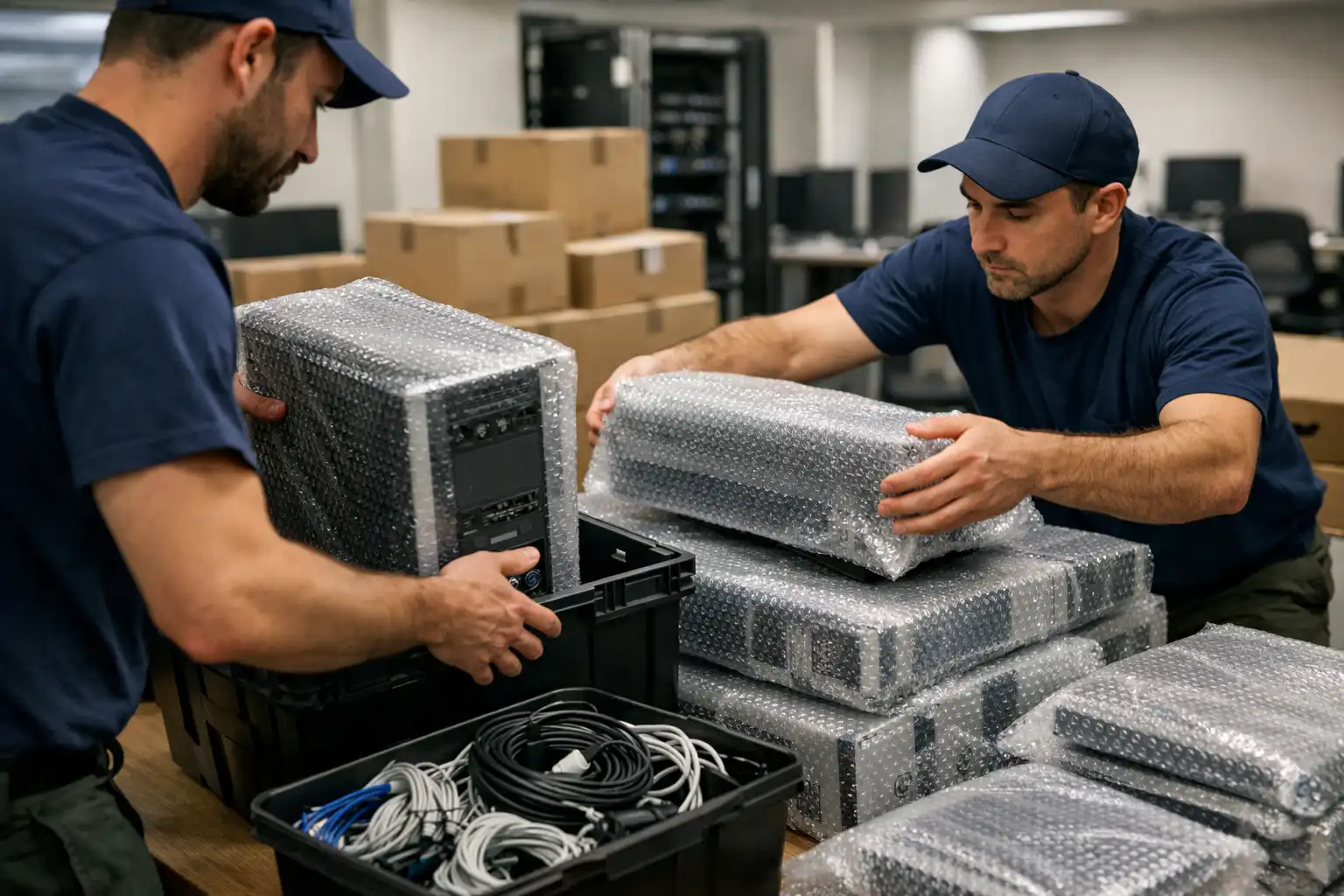
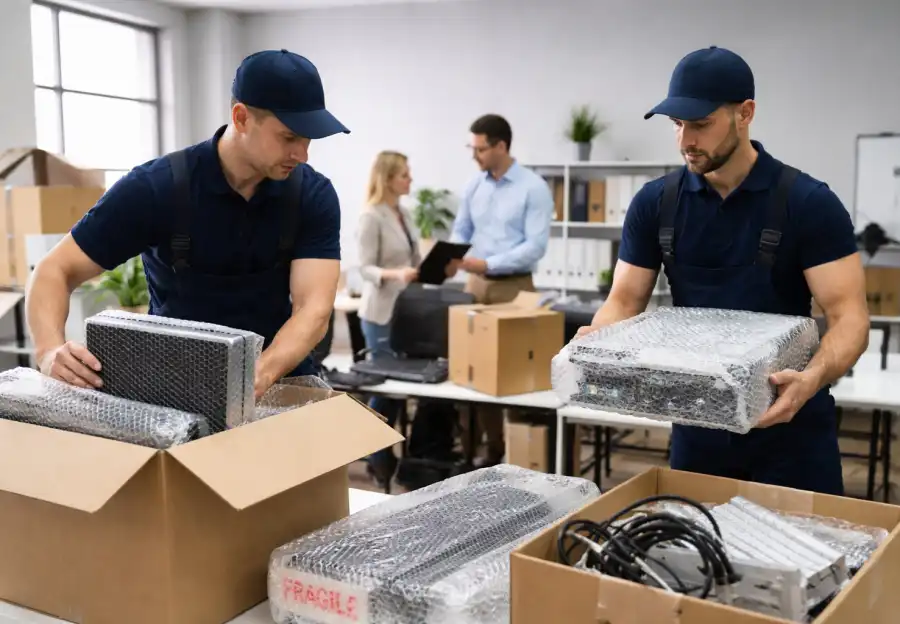
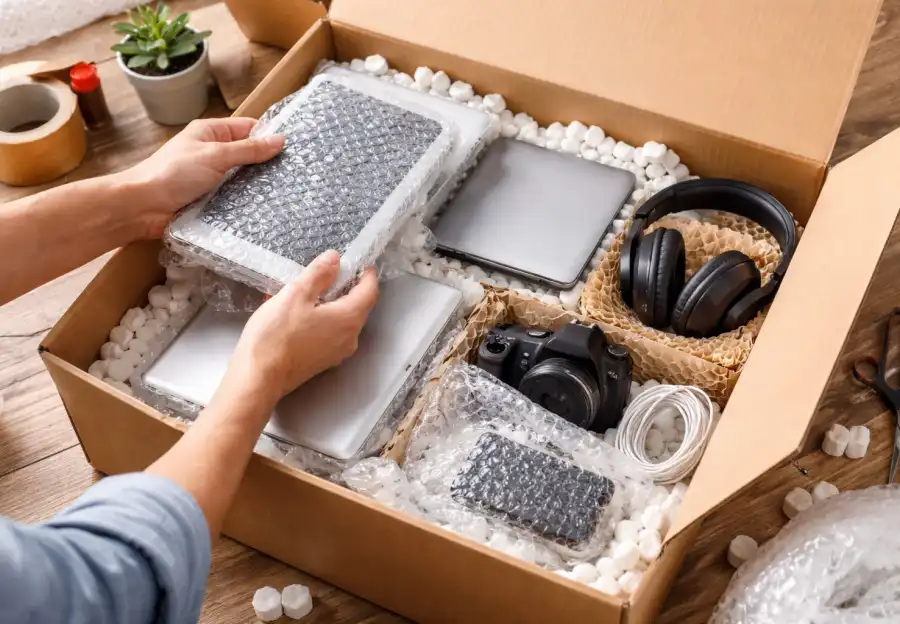
Electronics such as computers, televisions, and audio equipment require special care. Whenever possible, use original packaging or add extra padding with anti-static materials. Keep cords and accessories in labeled bags to ensure quick and easy setup in your new home.
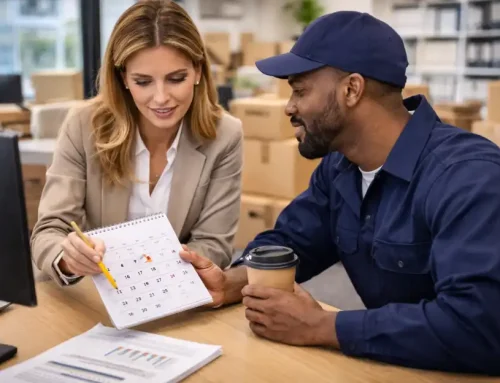
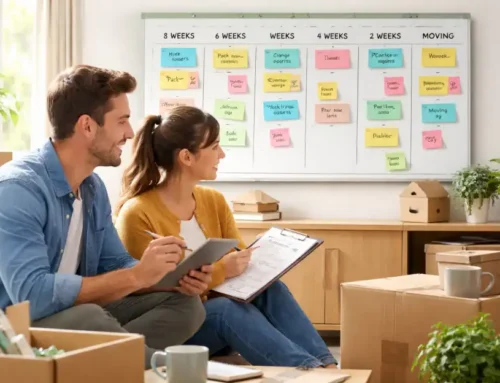
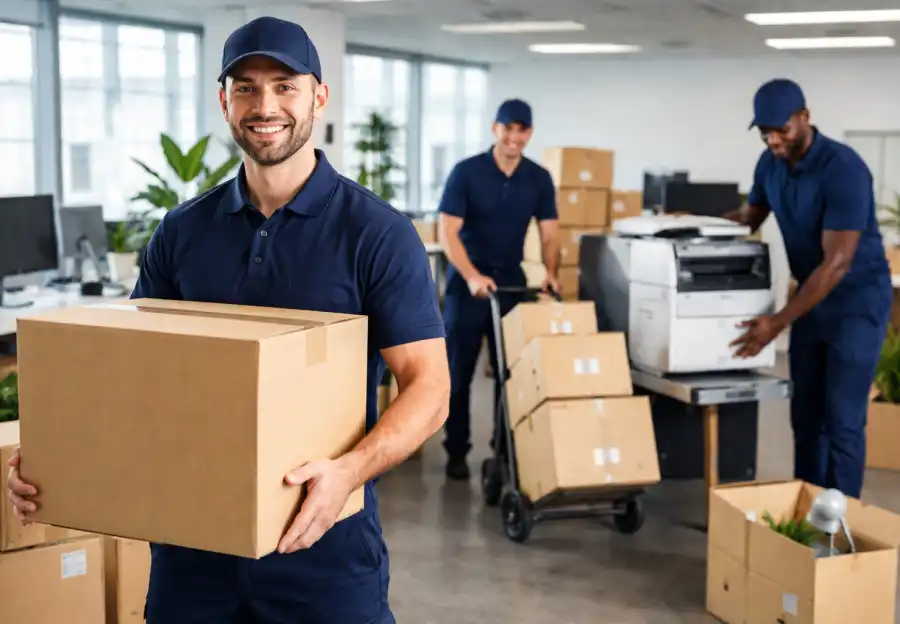
Finally, maintaining a structured packing schedule and pacing yourself helps prevent burnout. Enlisting help from friends, family, or professional packers when needed keeps the process efficient and manageable. Staying organized and consistent ensures every item is packed safely and systematically.
By following these professional packing strategies—starting early, decluttering, using quality materials, applying strategic techniques, protecting fragile items, disassembling furniture, keeping an inventory, packing essentials separately, using alternative containers, labeling clearly, and maintaining a steady schedule—you can pack like a pro. This approach transforms packing from a stressful task into an organized, efficient process, ensuring your move is smooth, secure, and stress-free from start to finish.