
March 30, 2026
How to Move While Renovating Your New Home
Moving into a home that is still under renovation presents unique challenges that require careful planning, organization, and foresight. Unlike standard relocation, this process demands attention not only to packing and transportation but also to the ongoing construction or improvement work within the new space. Effective strategies ensure that belongings remain safe from damage, workers have unimpeded access to renovation areas, and timelines are coordinated to minimize disruption. Approaching the move with a structured plan helps reduce stress, prevents accidents, and allows homeowners to settle into their space even while improvements are ongoing.
The first step in moving while renovating is conducting a thorough assessment of the new home. This includes identifying which areas are fully functional, which are under construction, and which will require temporary closures or restricted access. Creating a detailed layout or floor plan allows homeowners to designate specific zones for storage, unpacking, and renovation activity. This early evaluation enables better decision-making regarding what items can be moved immediately, what should be held off until work is complete, and how to protect surfaces, flooring, and newly installed fixtures.
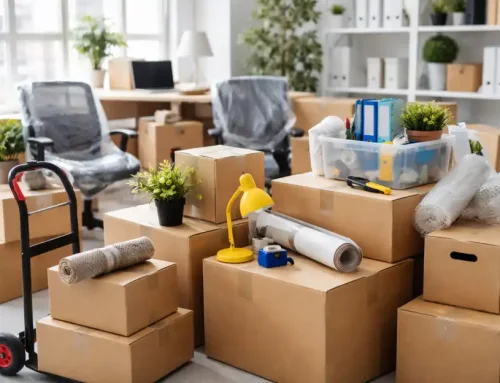
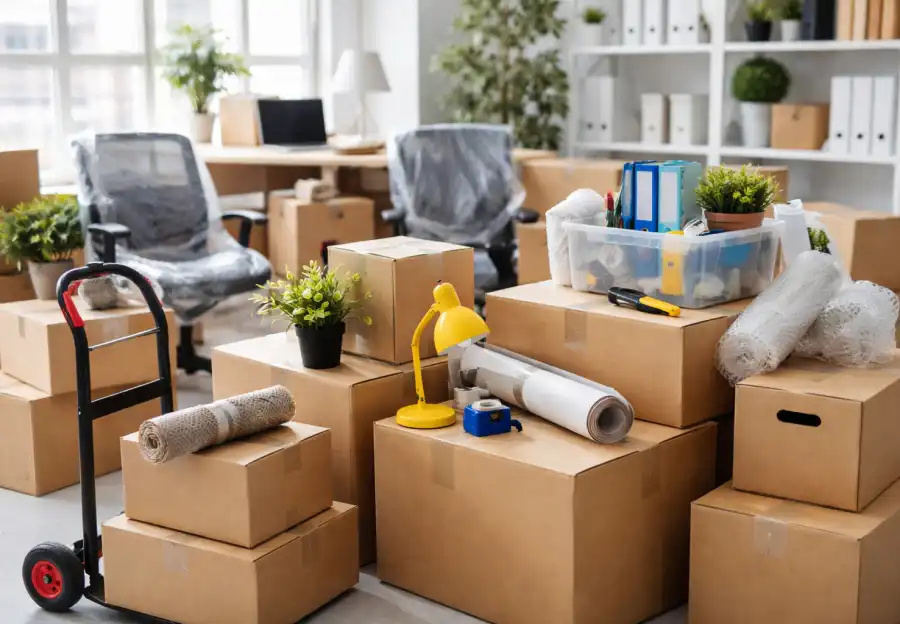
Organizing belongings according to priority and function is crucial when moving into a partially renovated space. Essential items—such as bedding, kitchen supplies, toiletries, and daily-use appliances—should be packed separately for quick and convenient access. Non-essential items can remain in storage or in boxes to be unpacked once renovation work is finalized. Labeling boxes with clear descriptions and destination rooms streamlines the process and reduces the risk of misplaced or damaged items. Grouping items based on their intended use or room assignment further simplifies the task of unpacking amidst ongoing work.
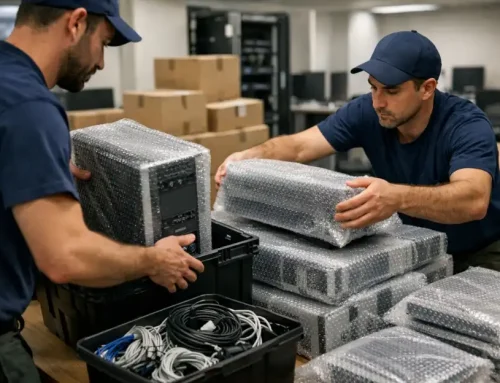
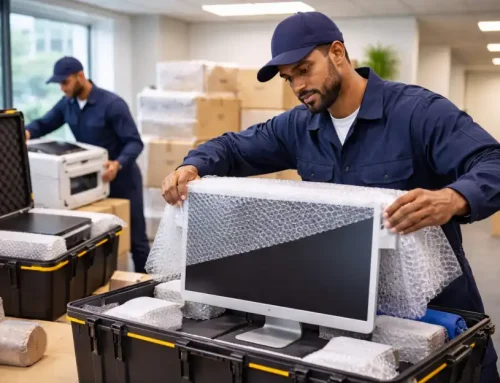
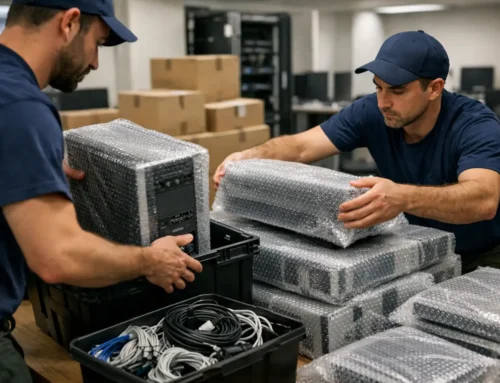
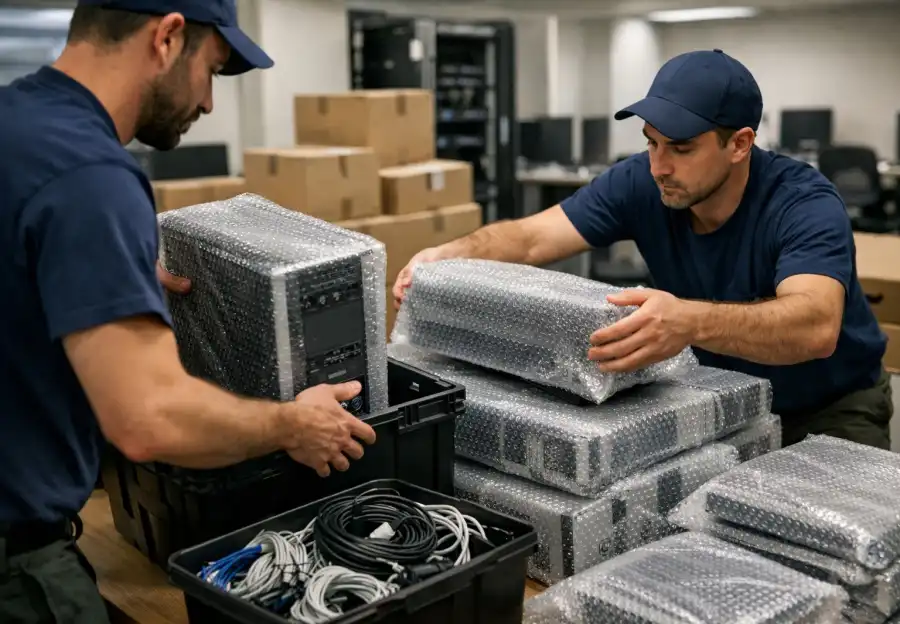
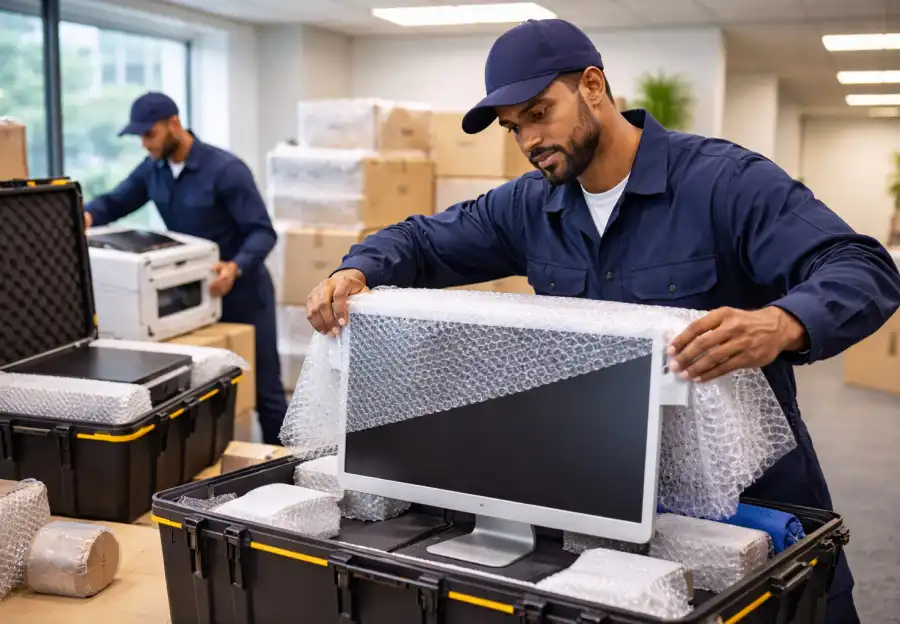
Protective measures are vital to safeguard possessions during renovations. Floors, walls, and furniture can be covered with protective materials such as tarps, drop cloths, or cardboard sheets to prevent scratches, dust, and paint splatter. Fragile items should be wrapped in bubble wrap or packing paper and placed in secure containers. Additionally, separating construction materials, tools, and debris from household items is essential to prevent accidents and maintain a clean working environment. Clear delineation between renovation zones and living spaces ensures safety and organization.
Timing and coordination with contractors or workers significantly impact the success of moving into a home under renovation. Homeowners should establish a clear schedule with renovation teams, including deadlines for completing specific areas that need to be accessible for unpacking or daily living. Communication about priorities, work hours, and temporary storage areas prevents confusion and ensures that the move does not interfere with ongoing work. Flexibility is equally important, as delays in construction or unforeseen issues may require adjustments to moving plans or temporary relocation of certain items.
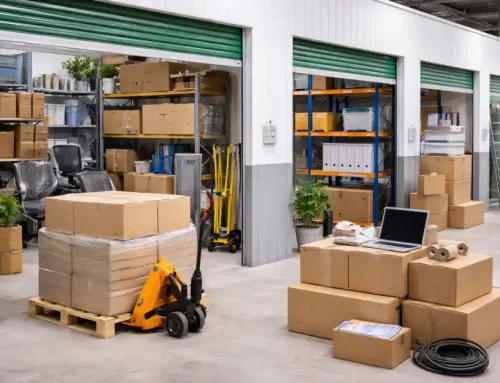
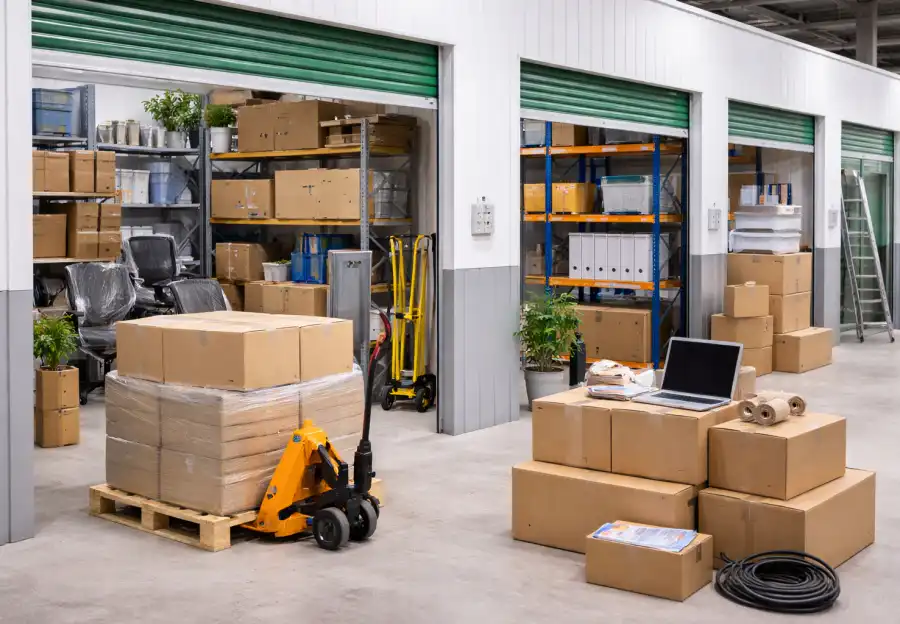
Storage solutions play a key role when moving into a home that is still being renovated. Temporary shelving, modular furniture, or stackable containers allow homeowners to organize possessions without interfering with construction activity. For larger items or furniture, it may be practical to store them off-site until renovations are complete. Using durable, labeled containers that can be easily moved or accessed reduces stress and prevents damage to both belongings and renovation work. This approach also allows homeowners to gradually transition into the new space without overwhelming the environment.
Maintaining cleanliness and minimizing dust, debris, and construction waste is essential when living in a partially renovated home. Covering HVAC vents, sealing off unfinished rooms, and employing air purifiers or dust barriers helps protect both residents and their belongings. Regularly cleaning high-traffic areas ensures that the home remains functional and reduces the accumulation of materials that could interfere with renovation progress. Coordinating cleaning efforts with renovation work prevents delays and supports a smoother, safer moving experience.
Flexibility and adaptability are crucial skills for managing a move during home renovations. Homeowners should anticipate disruptions, unexpected delays, and changes to planned layouts or access points. Being prepared with backup plans, alternate routes for moving items, and temporary arrangements for essential services—such as utilities, internet, or kitchen facilities—ensures that the household can continue to function while work is in progress. Maintaining a proactive mindset helps reduce frustration and allows the move to proceed with minimal complications.
Finally, moving while renovating provides an opportunity to integrate organization and efficiency into the new home from the outset. By carefully planning placement of furniture, storage solutions, and functional zones, homeowners can align their move with the renovation design, creating a more cohesive and optimized living space. This approach also supports long-term habits of systematic organization, resource allocation, and efficient workflow management. Applying these principles during the move fosters a smoother transition and maximizes the utility of the renovated space once completed.
In conclusion, moving while renovating a home requires deliberate planning, strategic organization, and proactive problem-solving. From assessing the property and prioritizing belongings to protecting items, coordinating with workers, and maintaining cleanliness, every aspect of the move demands attention to detail. Flexible scheduling, effective storage solutions, and clear communication contribute to a safer, more efficient, and less stressful experience. By combining practical strategies with foresight and adaptability, homeowners can successfully navigate the challenges of relocating into a partially renovated space, ensuring that their move is orderly, their possessions remain secure, and the home becomes functional and comfortable even as improvements continue. This approach not only reduces immediate stress but also lays the groundwork for long-term organization, efficiency, and satisfaction in the newly renovated home.