
January 29, 2026
How to Move Safely During Winter
Moving during the winter months can present unique challenges that require careful planning, preparation, and attention to detail. Unlike moves in warmer seasons, winter relocations involve unpredictable weather, icy roads, snow, and shorter daylight hours, all of which increase the risks associated with transporting belongings and performing physical labor. A successful winter move requires proactive strategies to ensure safety, protect possessions, and maintain efficiency. By anticipating these obstacles and taking the proper precautions, homeowners can reduce stress and complete their move smoothly, even under adverse conditions.
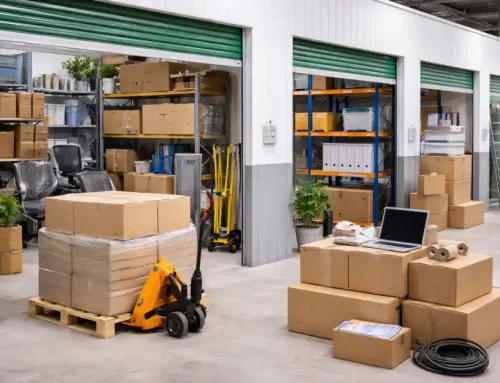
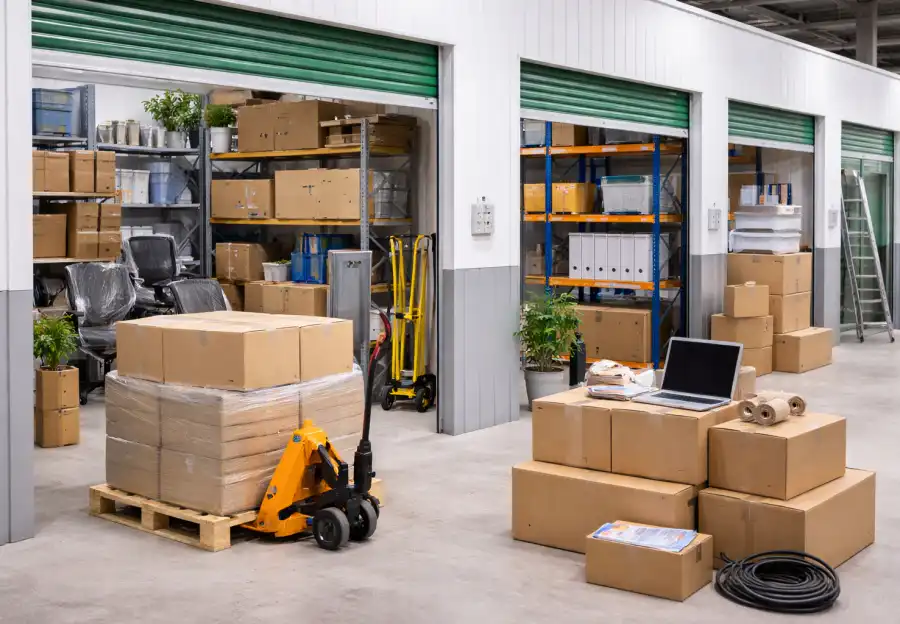
The first step in preparing for a winter move is to closely monitor weather forecasts in the days leading up to the relocation. Knowing when snowstorms, freezing rain, or icy conditions are expected allows you to schedule the move on a relatively clear day and communicate with your moving company about potential delays. Having contingency plans in place, such as rescheduling or arranging temporary storage, ensures that the move can proceed safely even if conditions worsen. By staying informed about weather patterns, homeowners can minimize risk and avoid unnecessary hazards on moving day.
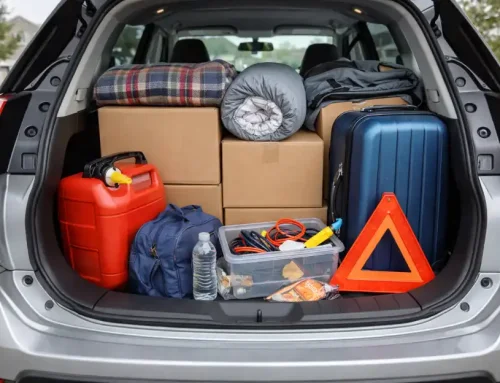
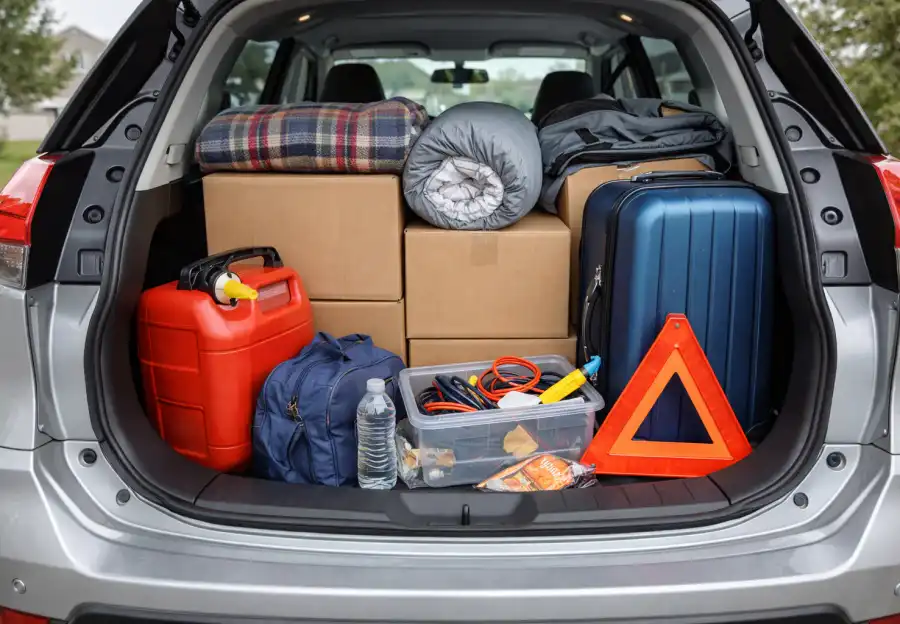
Preparing the moving truck and personal vehicles is another critical step for a safe winter relocation. Winter driving requires extra caution and proper equipment, and ensuring that the moving truck is equipped with winter tires, chains if necessary, windshield washer fluid, and a functioning heating system enhances safety for both movers and drivers. Checking tire pressure, brakes, lights, and battery condition on personal vehicles ensures that all transportation is reliable. Carrying emergency kits with blankets, flashlights, food, water, and a first-aid kit adds an extra layer of security in case of unexpected situations, allowing drivers to respond effectively to weather-related challenges.
Clearing paths and walkways at both the old and new residences is an essential safety measure. Snow, ice, and slush can create dangerous conditions for movers carrying heavy boxes and furniture. Shoveling, salting, or sanding driveways, sidewalks, and entryways reduces the risk of slips and falls. Adding mats or rugs near entrances prevents ice and snow from being tracked inside, which protects floors and provides a safer working environment. Marking icy patches or uneven surfaces allows movers to navigate with greater caution, preventing accidents and injuries during the move.
Dressing appropriately for winter conditions is equally important. Moving involves physical labor in cold temperatures, and wearing layered clothing, insulated gloves, waterproof boots with traction, hats, and scarves helps maintain body warmth while allowing freedom of movement. Frequent breaks to warm up prevent exhaustion, frostbite, or hypothermia, and staying hydrated ensures that energy levels and alertness remain high throughout the day. Proper clothing and self-care measures allow movers to work efficiently while minimizing the risks associated with cold weather.
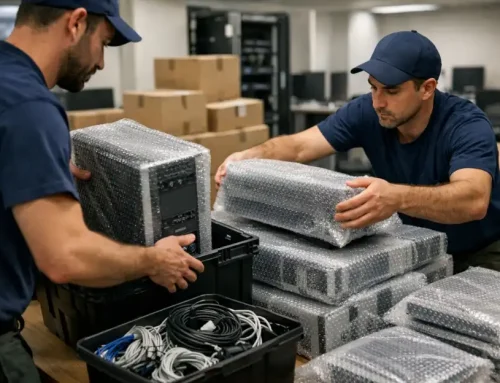
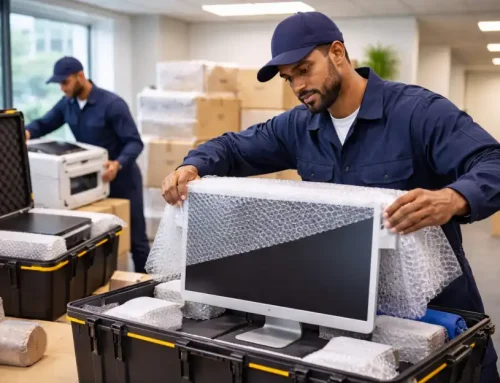
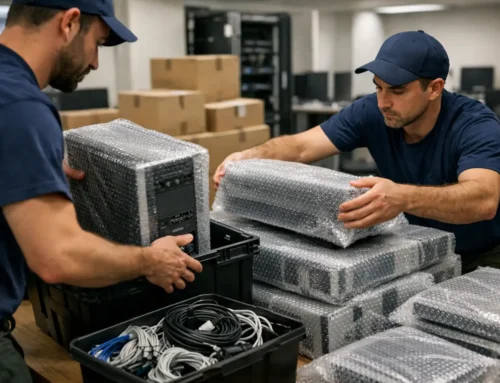
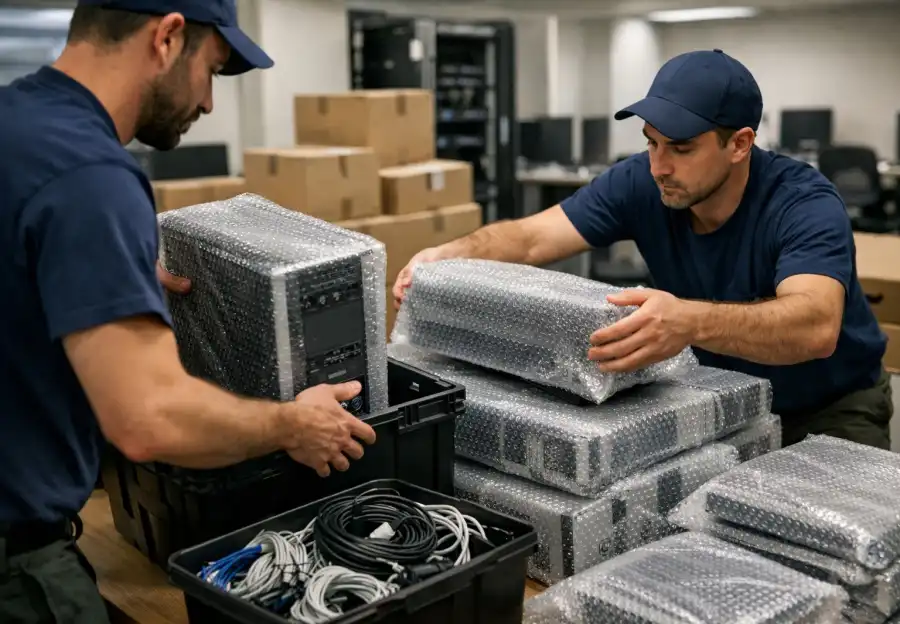
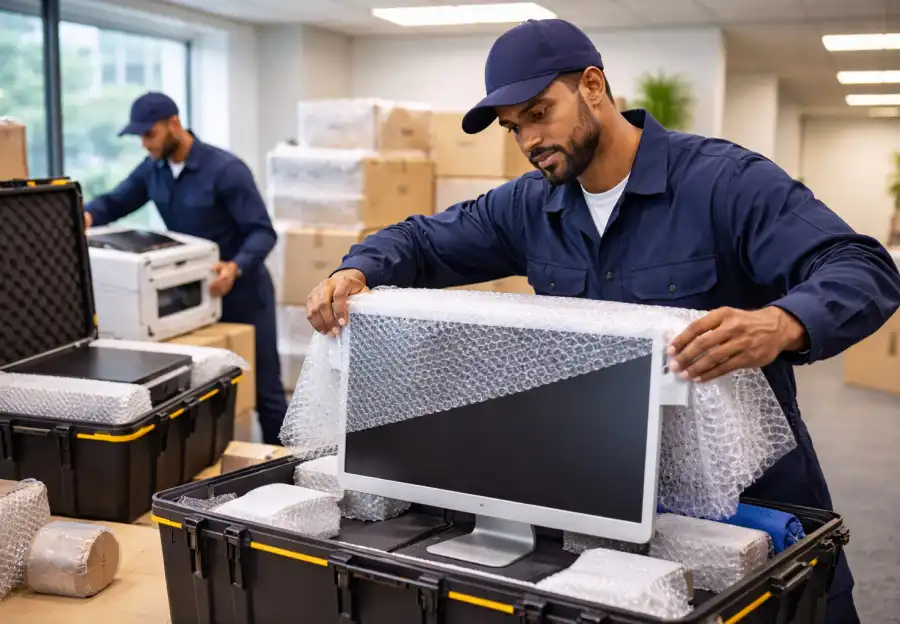
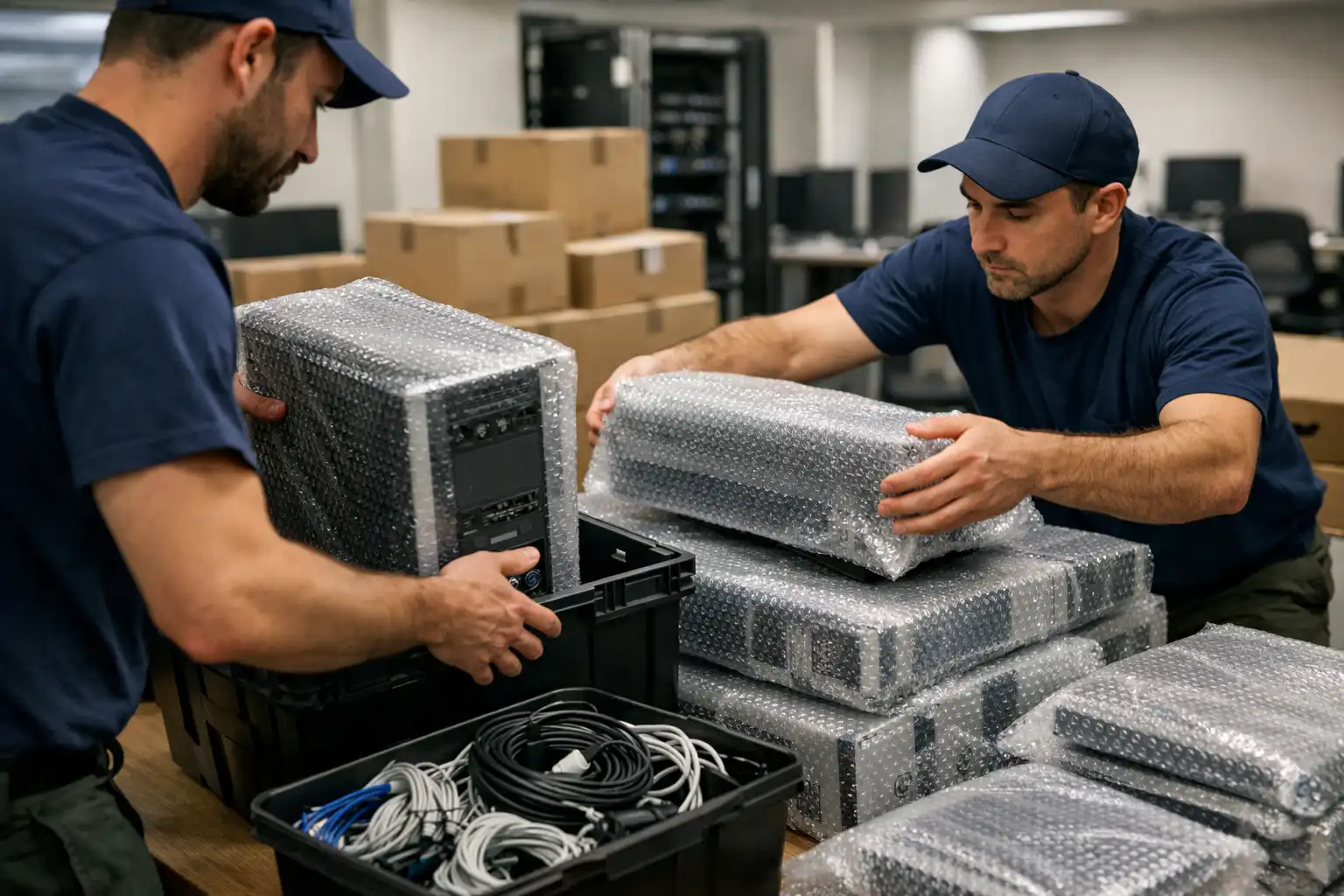
Packing and protecting belongings requires additional attention during winter months. Moisture, snow, and freezing temperatures can damage furniture, electronics, and delicate items. Using waterproof coverings, shrink wrap, and protective padding shields possessions from exposure to the elements. Boxes should be sealed securely and labeled as fragile or weather-sensitive to ensure careful handling. Keeping essential items in waterproof or insulated containers ensures they remain dry and accessible, which is particularly important if they are needed immediately upon arrival at the new home.
Timing the move is another crucial consideration, as shorter daylight hours can increase hazards and reduce visibility. Scheduling the move during the warmest and brightest parts of the day provides safer conditions for loading, unloading, and transportation. Coordinating with movers to start early allows sufficient time for travel and setup without rushing, while factoring in potential delays from snow removal, traffic, or road closures helps maintain a realistic and stress-free schedule. Adequate planning of daylight and timing enhances safety and efficiency during a winter move.
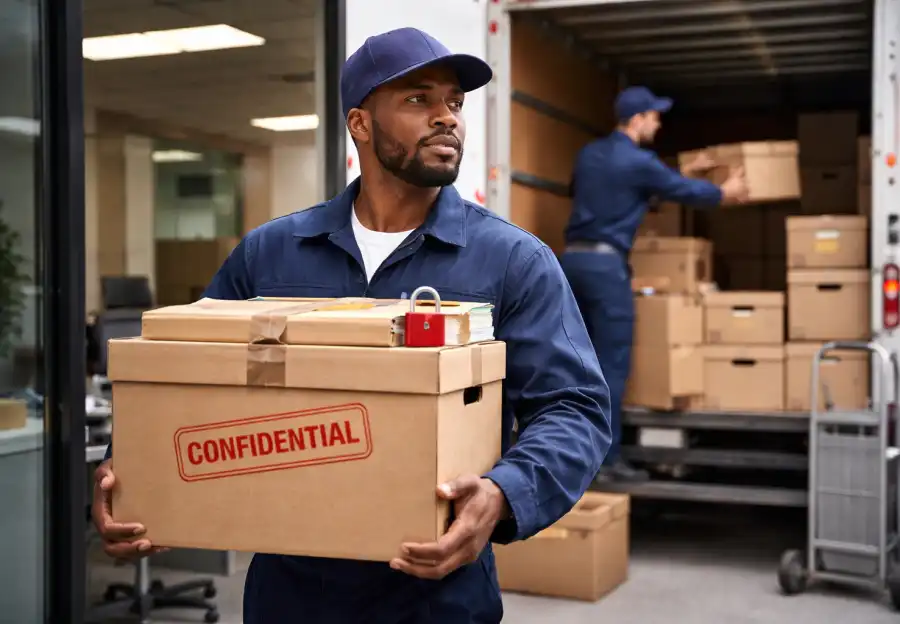
Communication with the moving company is essential to ensure preparedness for winter-specific challenges. Professional movers familiar with winter conditions can provide guidance, adjust schedules, and bring specialized equipment such as dollies with stair glides, padded straps, or ramp mats to facilitate safer handling of heavy or bulky items. Informing them of icy entryways, slippery surfaces, or potential hazards ensures they are fully prepared, while discussing contingency plans for storms or delays allows all parties to respond effectively. Clear communication minimizes stress and contributes to a smoother moving experience.
Driving and transport during winter require additional vigilance. Roads may be slippery, visibility can be reduced due to snow or fog, and sudden stops increase the risk of accidents. Drivers should maintain safe distances, reduce speed, avoid sudden maneuvers, and rely on GPS systems with real-time traffic and weather updates to reroute around hazardous areas. Keeping fuel tanks full and vehicles well-maintained ensures reliability in cold conditions. Adopting cautious driving practices reduces the likelihood of accidents and protects both the moving crew and the belongings in transit.
Finally, patience, preparation, and flexibility are key components of a successful winter move. Even with meticulous planning, unexpected challenges such as storms, traffic delays, or icy conditions may arise. Maintaining a calm, organized, and proactive approach ensures that the move proceeds safely and efficiently. By combining thorough weather monitoring, proper vehicle preparation, cleared walkways, appropriate clothing, protective packing, careful timing, professional movers, and cautious driving, homeowners can execute a winter move successfully. This strategy allows for the safe transport of belongings, minimizes risk, and creates a smoother relocation experience, demonstrating that even the most challenging cold-weather moves can be completed safely and efficiently with careful planning.