
April 8, 2026
How to Move on Short Notice
How to Move on Short Notice knowing how to move on short notice can make a dramatic difference when life demands a fast transition. Sudden relocations often come with tight deadlines, emotional pressure, and limited preparation time. Without a clear strategy, the process can quickly become overwhelming. A structured approach helps reduce stress, prevents costly mistakes, and keeps the move efficient even when time is limited.
The first key principle of moving on short notice is prioritization. When time is scarce, not everything deserves equal attention. Identifying essentials—such as important documents, daily-use items, and valuables—allows you to focus energy where it matters most. Non-essential belongings can be packed quickly, donated, or discarded, saving both time and effort.
Another critical element is rapid planning. Even a short, focused plan can provide clarity and direction. Creating a simple checklist for packing, transportation, utilities, and address changes helps prevent missed steps. This organized framework brings predictability to an otherwise chaotic situation and ensures that progress happens steadily rather than reactively.
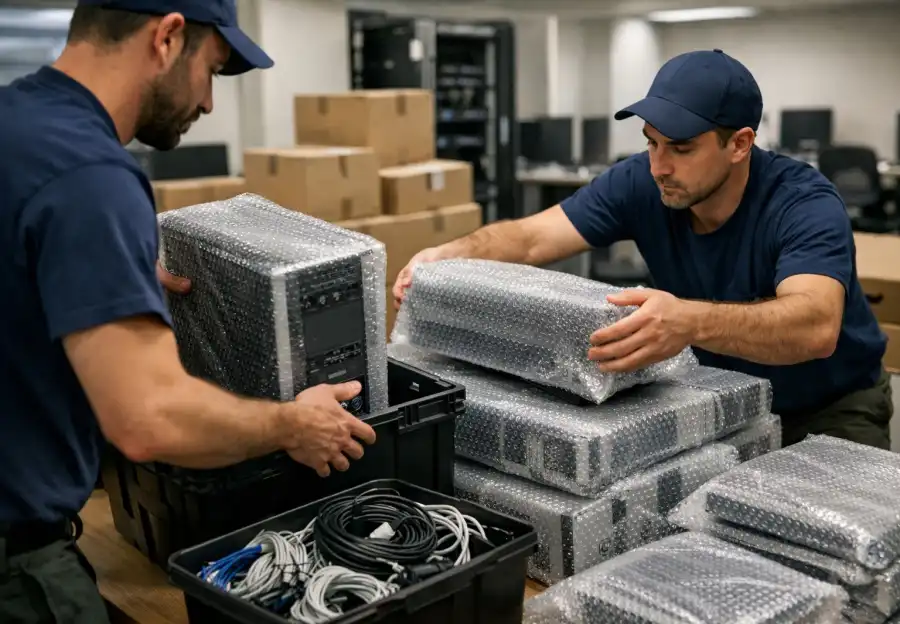
Efficiency also plays a major role in short-notice moves. Using uniform packing materials, labeling boxes clearly, and packing room by room speeds up the process. Grouping similar items together reduces unpacking time later and minimizes confusion during loading and unloading. Small efficiency gains add up quickly when working against the clock.
Decision-making becomes especially important in fast relocations. Overthinking slows momentum, so confident and practical choices are essential. Whether selecting movers, choosing what to pack, or deciding what to leave behind, timely decisions keep the process moving forward and prevent unnecessary delays.
Equally important is resource management. Leveraging help from professionals, friends, or family can significantly reduce physical strain and time pressure. Hiring experienced movers or using temporary storage solutions can provide flexibility when schedules are tight. Knowing when to delegate tasks is a strength, not a weakness, in urgent situations.
Short-notice moves also benefit from a calm, structured mindset. Staying organized helps reduce emotional fatigue and keeps stress manageable. Clear systems—such as labeled boxes, centralized paperwork, and set timelines—provide reassurance and control during rapid change. This mental clarity often leads to better outcomes and fewer mistakes.
Finally, mastering how to move on short notice builds valuable life skills. It improves adaptability, strengthens planning abilities, and enhances problem-solving under pressure. These skills extend beyond relocation and prove useful in everyday situations that require quick thinking and decisive action.
In essence, moving on short notice is not about perfection—it is about strategy, efficiency, and focus. With the right approach, even the most rushed move can be handled smoothly, confidently, and with minimal disruption.