
January 27, 2026
How to Move Into a High-Rise Apartment
Moving into a high-rise apartment can be an exciting yet complex experience, and ensuring a smooth, stress-free relocation requires detailed planning, organization, and coordination with all parties involved. Unlike moving into a standard house or low-rise unit, high-rise apartments present unique challenges, including elevator restrictions, narrow hallways, limited parking, building rules, timing constraints, and potential obstacles in moving large or fragile items. Understanding these factors in advance allows homeowners to prepare effectively, avoid last-minute issues, and protect belongings from damage, while also minimizing stress and creating a structured moving process.
The first step in a high-rise move is communicating thoroughly with building management. Most high-rise buildings have specific regulations regarding moving hours, reserved elevators, loading zones, parking spaces, and access procedures. Confirming the date and time for your move, reserving service elevators if required, obtaining necessary permits, and clarifying building rules ensures that the move will not be delayed by management restrictions. Early communication also prevents conflicts with other residents and avoids potential fines or penalties. By establishing clear expectations at the outset, homeowners, movers, and building staff can all plan efficiently, ensuring a coordinated and organized moving day.
Next, assessing belongings and planning strategically is essential. High-rise apartments often feature tight corners, narrow stairwells, small doors, and other physical obstacles that can complicate moving. Measuring furniture, appliances, and boxes against the dimensions of hallways, elevators, and entryways prevents surprises on moving day. Determining which items can be disassembled, placed into temporary storage, or replaced ensures that bulky or fragile items will fit safely, reducing the risk of damage. Creating a detailed moving checklist, categorizing items by priority, and labeling boxes by room or delivery sequence enhances organization and efficiency, allowing movers to unload in an orderly fashion and homeowners to unpack systematically, which saves time and reduces stress.
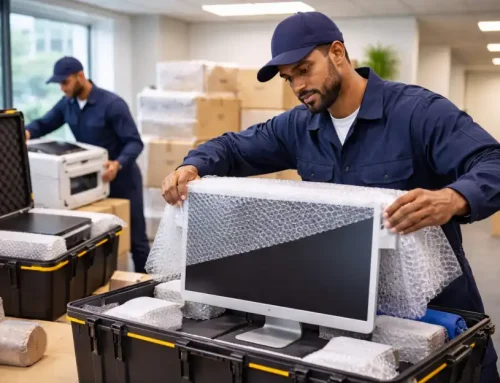
Hiring professional movers experienced with high-rise relocations is highly recommended. Trained movers understand the nuances of navigating elevators, coordinating with building staff, handling fragile or valuable items, and adhering to strict time constraints. Researching multiple moving companies, verifying licenses and insurance, reading reviews, and requesting binding estimates allows homeowners to select a reliable provider capable of managing the challenges of a high-rise move. Professional movers can also provide guidance on best practices for packing, loading, and unloading. Communicating specific requirements, such as disassembling furniture, wrapping delicate items, or coordinating multiple trips, ensures that movers are fully prepared and belongings are protected throughout the move.
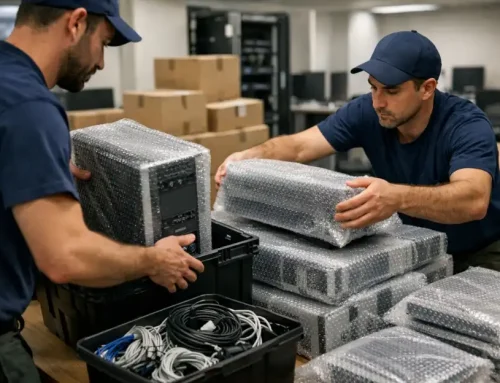
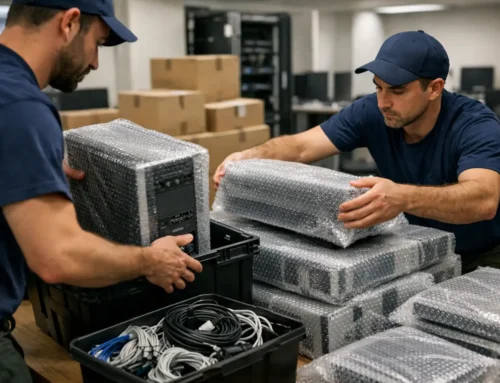
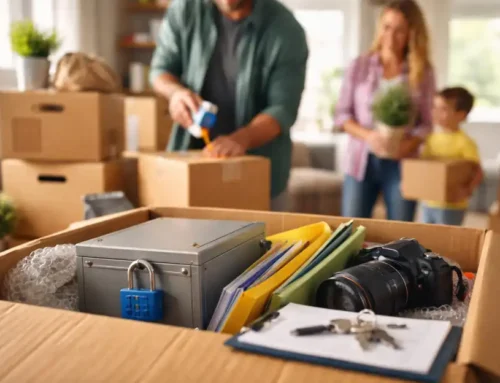
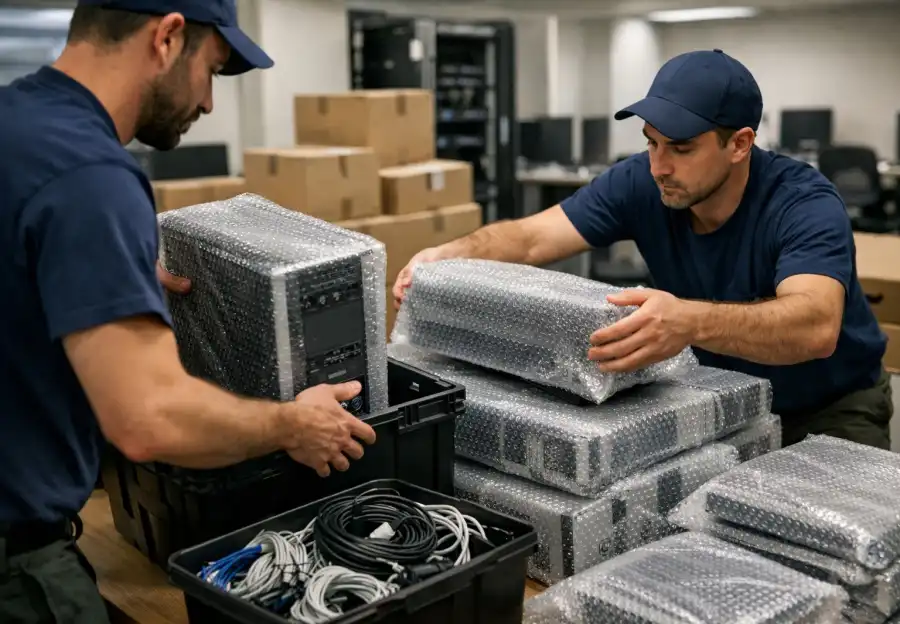
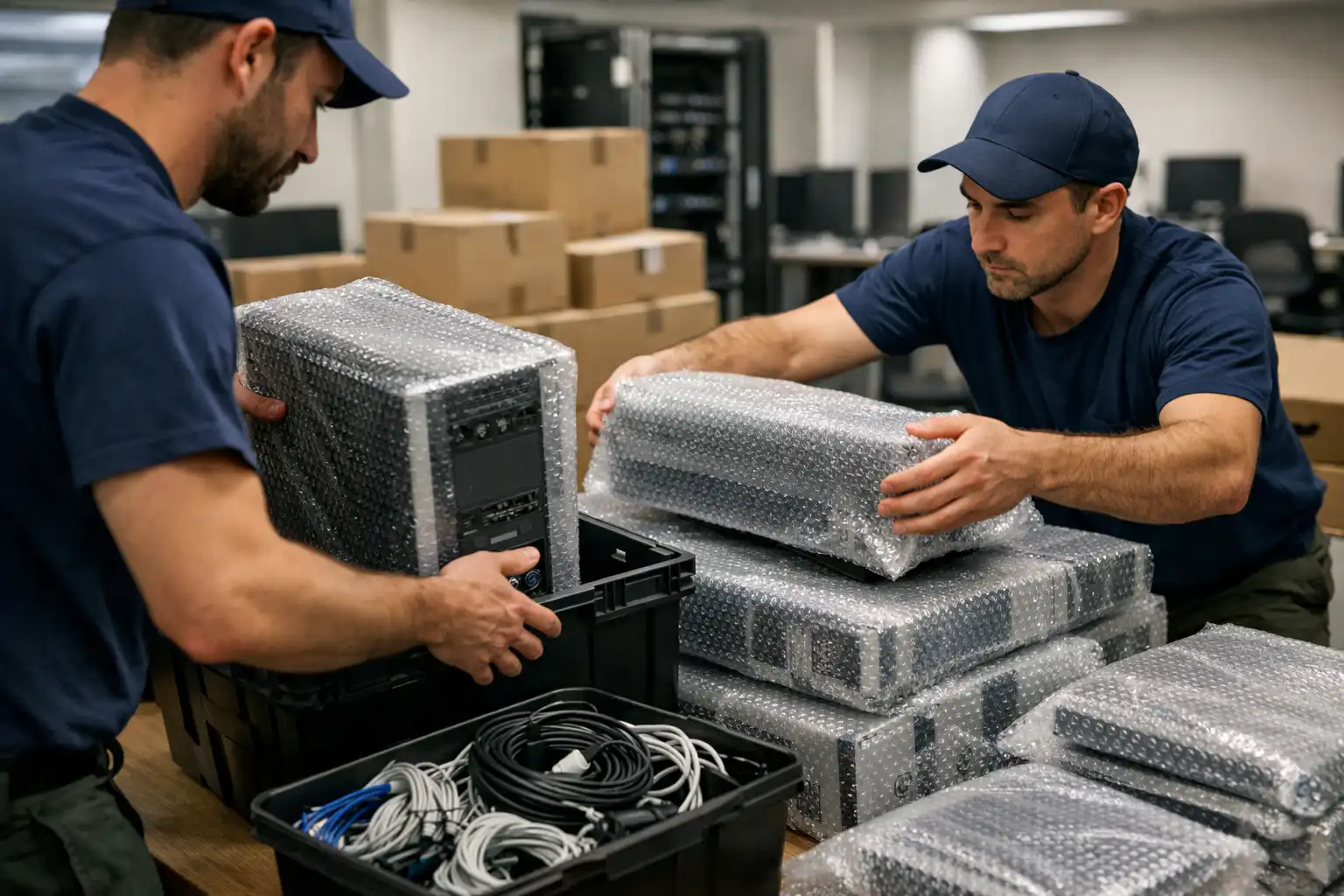
Packing strategically is another crucial step. Items in a high-rise apartment often need to be carried vertically, sometimes up or down multiple floors. Proper packing materials, including sturdy boxes, padding, bubble wrap, blankets, and strong tape, are essential to prevent damage. Clear labeling and color-coding of boxes for each room ensures that movers can quickly identify where each item belongs, reducing the likelihood of confusion, misplaced boxes, or accidental unloading at the wrong floor. Preparing a “first-day essentials” box with toiletries, clothing, medications, snacks, important documents, chargers, and basic kitchenware guarantees comfort and convenience during the initial hours in the new apartment, reducing stress and allowing homeowners to settle in smoothly.
Coordinating logistics with the moving team is equally important. The sequence of loading, elevator use, and delivery order must be carefully planned. Creating a step-by-step moving plan that details which items will be moved first and last, which elevators will be used, and where each item will be placed ensures efficiency, minimizes traffic in hallways and common areas, and prevents bottlenecks. Contingency plans for elevator delays, parking changes, or last-minute obstacles further enhance the move’s reliability. Clear communication between movers and building staff throughout the day ensures smooth execution and reduces stress for everyone involved.
Protecting the apartment itself is another key consideration. Moving heavy furniture, appliances, or fragile items through hallways, stairwells, and elevators carries the risk of damage to floors, walls, doors, and common areas. Using floor coverings, corner guards, wall padding, and removing delicate decorations mitigates these risks. Demonstrating care for building property maintains good relationships with neighbors and management. Understanding the building’s liability and insurance policies ensures that both homeowners and movers are aware of responsibilities in the event of accidental damage, providing peace of mind and preventing disputes.
Scheduling the move at the right time is a practical tip. High-rise buildings often restrict moving to certain hours or days to minimize disruption to other residents. Avoiding peak times, weekends, or holidays allows better access, less congestion, and more focused attention from movers. Proper scheduling also gives homeowners time to plan rest stops, temporary storage, or additional trips if necessary, further reducing stress and improving efficiency.
Finally, patience, flexibility, and careful oversight are critical. Even with meticulous planning, unexpected challenges such as elevator outages, tight corners, or timing conflicts may arise. Maintaining calm, problem-solving efficiently, staying organized, and keeping open communication ensures that the move proceeds safely and efficiently. By combining detailed planning, building coordination, professional movers, strategic packing, careful logistics, protective measures, proper scheduling, and organized unpacking, homeowners can successfully navigate a high-rise move. This approach allows them to settle comfortably, protect their belongings, comply with building regulations, and enjoy the excitement of elevated living while ensuring that the relocation process is smooth, efficient, and positive from start to finish.
Word count: 807