
March 23, 2026
How to Move During Peak Season
Moving during peak season presents a unique set of challenges that require careful planning, preparation, and strategic execution. Unlike off-peak times, peak season—often during summer months, holidays, or the end of academic terms—sees a high volume of relocations, which can lead to limited availability of moving services, higher costs, and increased logistical complications. Understanding how to move efficiently during these periods is critical for minimizing stress, avoiding delays, and ensuring that both personal and professional belongings are transported safely and on time. Approaching a peak season move with a structured system allows individuals to break down a seemingly overwhelming task into manageable, sequential steps.
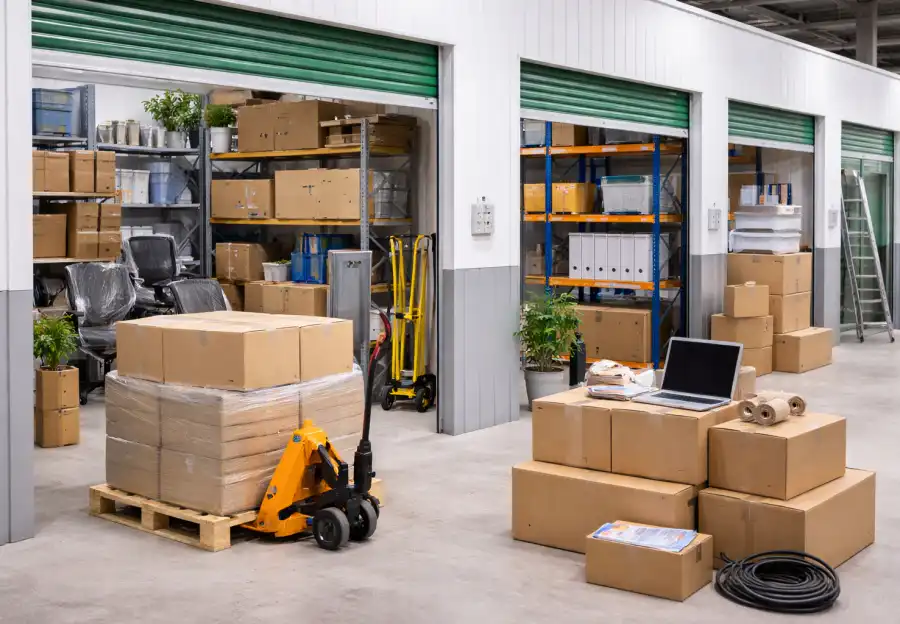
The first principle of moving during peak season is thorough preparation. This includes creating an organized workflow that accounts for every stage of the relocation, from sorting and packing to transport and unpacking. Inventorying all items beforehand is essential; knowing what needs to be moved, stored, or discarded helps reduce unnecessary handling and prevents last-minute complications. Early preparation also involves researching and booking moving companies, rental trucks, or storage units well in advance, as peak season often results in limited availability and increased demand. Establishing a timeline with clear milestones ensures that all tasks are completed in an orderly manner, reducing the likelihood of overlooked items or rushed packing.
A key aspect of peak season moving is efficient resource management. Allocating packing materials, helpers, and transportation vehicles appropriately ensures that tasks can be executed smoothly. High-demand periods make it essential to have contingency plans in place, such as backup movers, alternative transport options, or temporary storage solutions. Strategic use of boxes, crates, protective padding, and labeling systems not only protects fragile items but also facilitates easier organization and retrieval upon arrival. Employing color-coded labels or room-specific markings streamlines the unpacking process, which is particularly valuable when multiple movers or family members are involved in the transition.
Time management becomes especially critical during peak season moves. Coordinating schedules, ensuring timely arrivals, and adhering to a set sequence of packing and loading reduces the risk of delays. Breaking the move into phases, such as pre-packing non-essential items, securing fragile goods, and preparing essential daily-use items last, allows for a smoother transition and prevents bottlenecks. Additionally, prioritizing high-value or delicate possessions ensures that they receive the necessary care and attention, while less critical items can be handled more flexibly. Using workflow principles such as task delegation, step-by-step execution, and milestone tracking can significantly enhance both efficiency and peace of mind.
Handling stress and unexpected challenges is another crucial consideration. Peak season moves are prone to sudden changes, such as inclement weather, traffic congestion, or last-minute scheduling conflicts with moving services. Establishing a contingency strategy mitigates these risks, including preparing extra packing supplies, having alternative routes planned, and maintaining clear communication with movers. Incorporating regular check-ins and progress tracking ensures that potential problems are identified early, allowing for quick corrective measures. Maintaining a calm, organized approach not only reduces physical strain but also enhances decision-making under pressure.
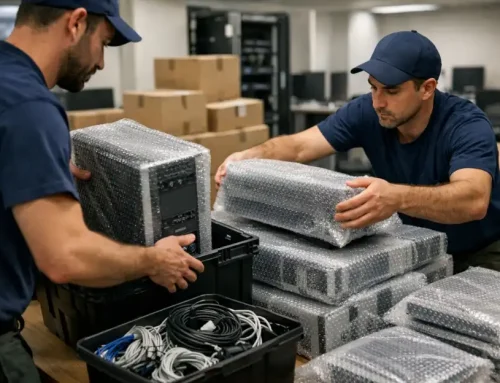
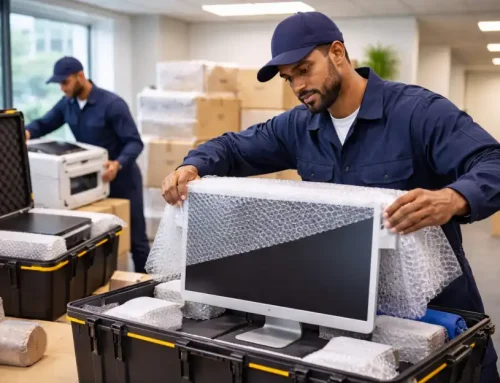
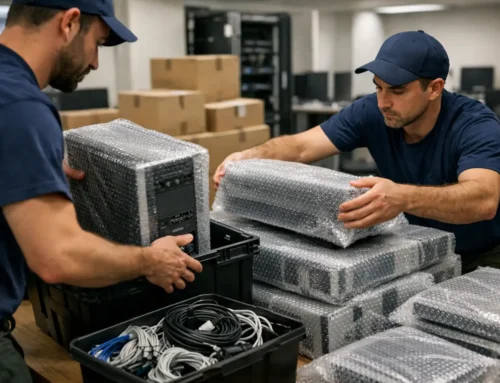
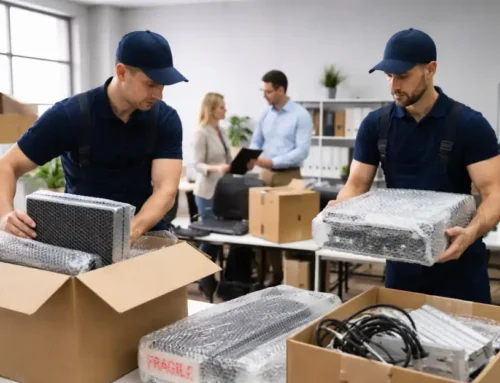
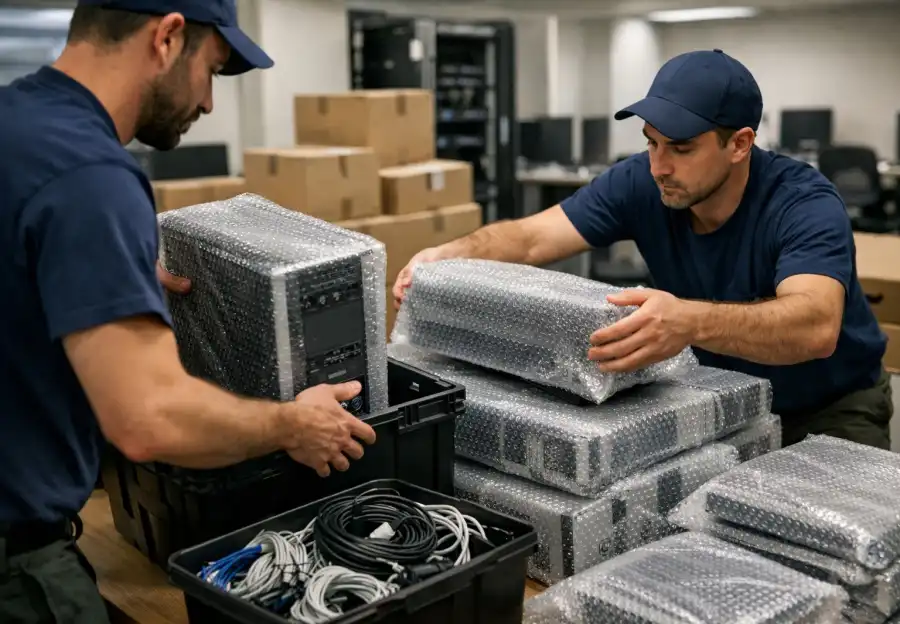
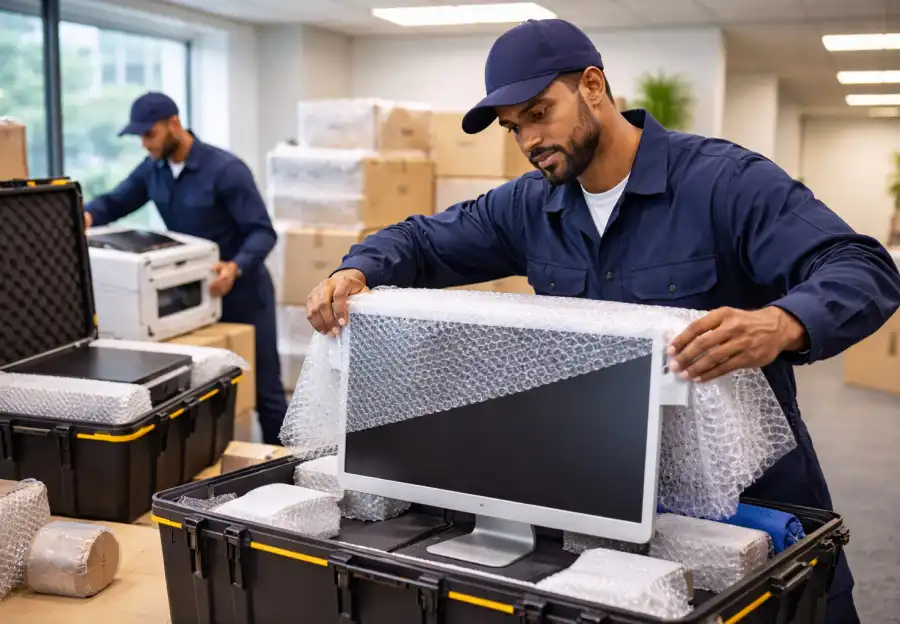
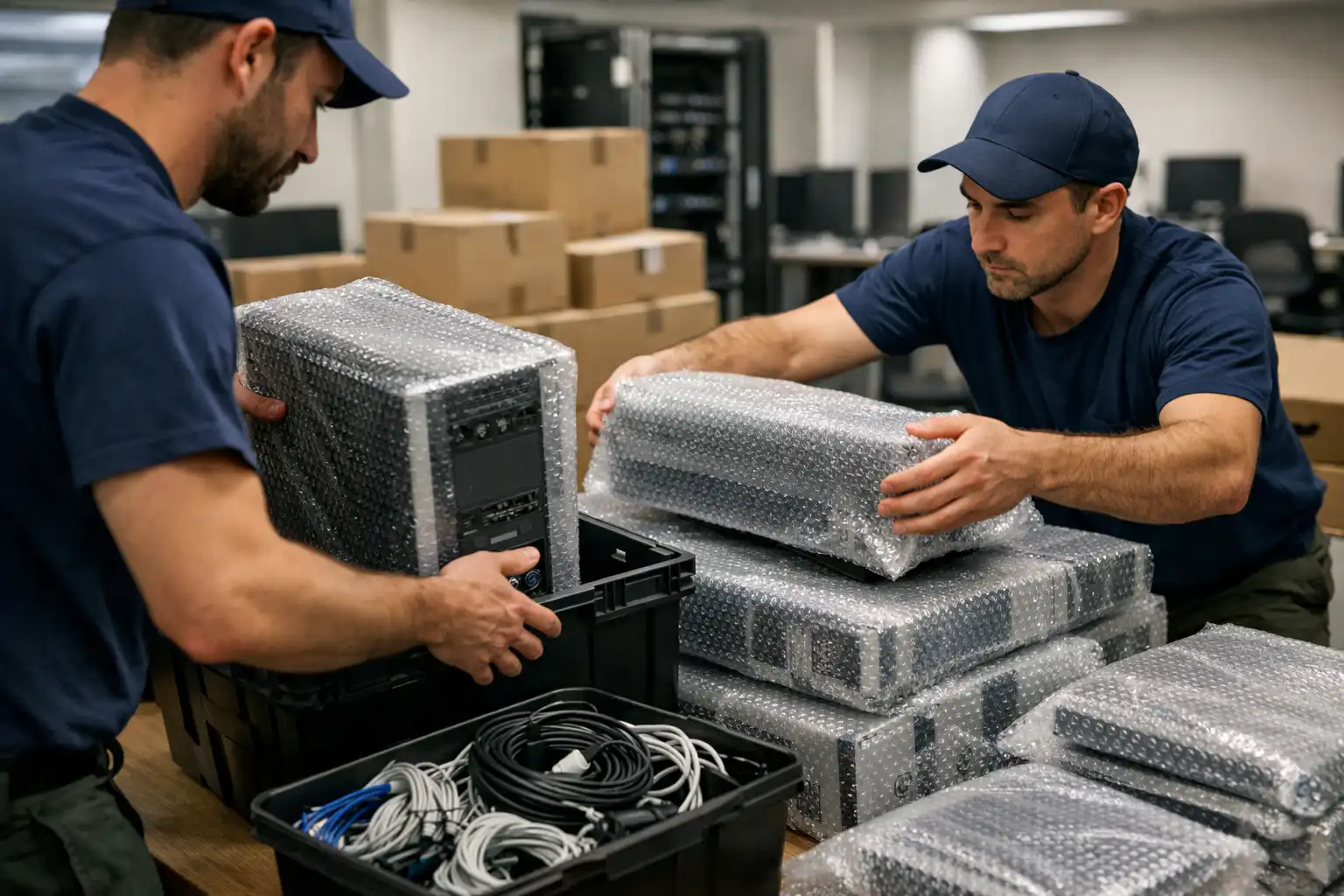
Another vital principle is optimizing packing and organization for both safety and efficiency. Using standardized packing methods, such as grouping items by room, weight, or fragility, reduces confusion and damage during transit. Heavy items should be packed in smaller boxes to maintain manageability, while lighter items can be consolidated into larger containers. Protective materials such as bubble wrap, packing paper, foam, or blankets are essential for safeguarding fragile possessions, and careful labeling ensures that movers handle delicate items appropriately. A systematic packing method reduces the likelihood of loss or breakage and accelerates the unpacking process, which is particularly valuable when multiple parties are involved in a peak season move.
Budget management is another area that benefits from careful planning. Peak season moves often come with higher costs for labor, transportation, and storage. By preparing in advance, individuals can compare quotes, negotiate rates, and avoid last-minute premiums. Efficient planning also reduces the need for duplicate purchases, as well-organized packing and inventory management prevent overlooked or lost items. Financial planning extends beyond moving company fees to include packing materials, fuel, and potential temporary accommodations, ensuring that costs remain within a manageable budget.
Finally, peak season moves offer an opportunity to develop transferable skills in planning, organization, and problem-solving. Managing a complex relocation under time constraints cultivates better prioritization, improved workflow strategies, and enhanced adaptability. Individuals who adopt structured approaches to packing, scheduling, and resource allocation can apply these methods to other aspects of life, from project management to daily household organization. Maintaining a methodical and proactive mindset reduces stress, increases efficiency, and ensures that peak season moves—despite their inherent challenges—are executed safely, effectively, and with minimal disruption.
In conclusion, moving during peak season requires deliberate preparation, strategic planning, and organized execution. By understanding the unique challenges of high-demand moving periods and implementing a structured workflow, individuals can minimize stress, protect their belongings, and maintain control over the relocation process. Prioritizing preparation, efficient packing, resource management, time coordination, and contingency planning ensures that every phase of the move is handled effectively. Mastering these techniques not only facilitates a smoother peak season move but also equips individuals with skills that enhance future planning, organization, and problem-solving capabilities. Ultimately, careful planning, systematic execution, and thoughtful preparation transform the potentially stressful experience of a peak season move into a manageable, successful, and even empowering endeavor.